
Explore Mitsubishi Manufacturing Solutions: Advanced Manufacturing Technology and Sector Innovations
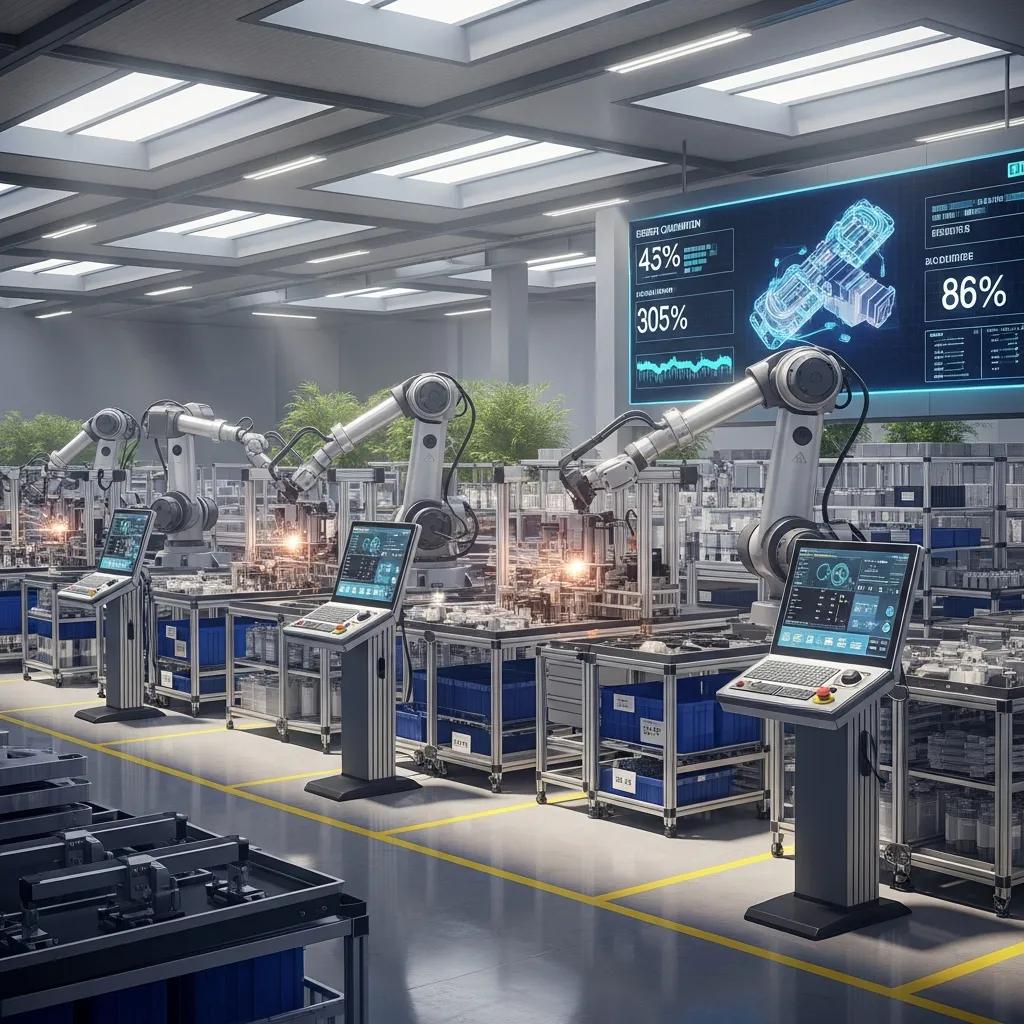
Mitsubishi Manufacturing stands at the forefront of advanced manufacturing technology, delivering innovative solutions across various sectors, including manufacturing, agriculture, energy, and transportation. This article explores the latest trends in Mitsubishi’s manufacturing technology, focusing on smart manufacturing, industrial automation, and sustainable practices. Readers will gain insights into how Mitsubishi implements these technologies to enhance efficiency and productivity while addressing the challenges faced by modern industries. As businesses strive for greater efficiency and sustainability, understanding Mitsubishi’s approach can provide valuable guidance. We will delve into the latest innovations in agriculture machinery, energy sector trends, and advancements in transportation manufacturing technologies, highlighting how Mitsubishi’s solutions can be leveraged for diverse industry needs.
What Are the Latest Trends in Mitsubishi Manufacturing Technology Solutions?
Mitsubishi Manufacturing is at the cutting edge of several trends in manufacturing technology, particularly in the realm of smart manufacturing and industrial automation. These trends are characterized by the integration of advanced technologies such as the Internet of Things (IoT), artificial intelligence (AI), and data analytics, which collectively enhance operational efficiency and decision-making processes. The adoption of these technologies allows for real-time monitoring and optimization of manufacturing processes, leading to significant cost savings and improved product quality.
Moreover, Mitsubishi’s commitment to sustainability is evident in its manufacturing practices, which prioritize energy efficiency and waste reduction. By leveraging advanced manufacturing technologies, Mitsubishi not only meets the demands of modern consumers but also contributes to environmental conservation. This dual focus on innovation and sustainability positions Mitsubishi as a leader in the manufacturing sector, setting benchmarks for others to follow.
How Does Mitsubishi Implement Smart Manufacturing and Industrial Automation?
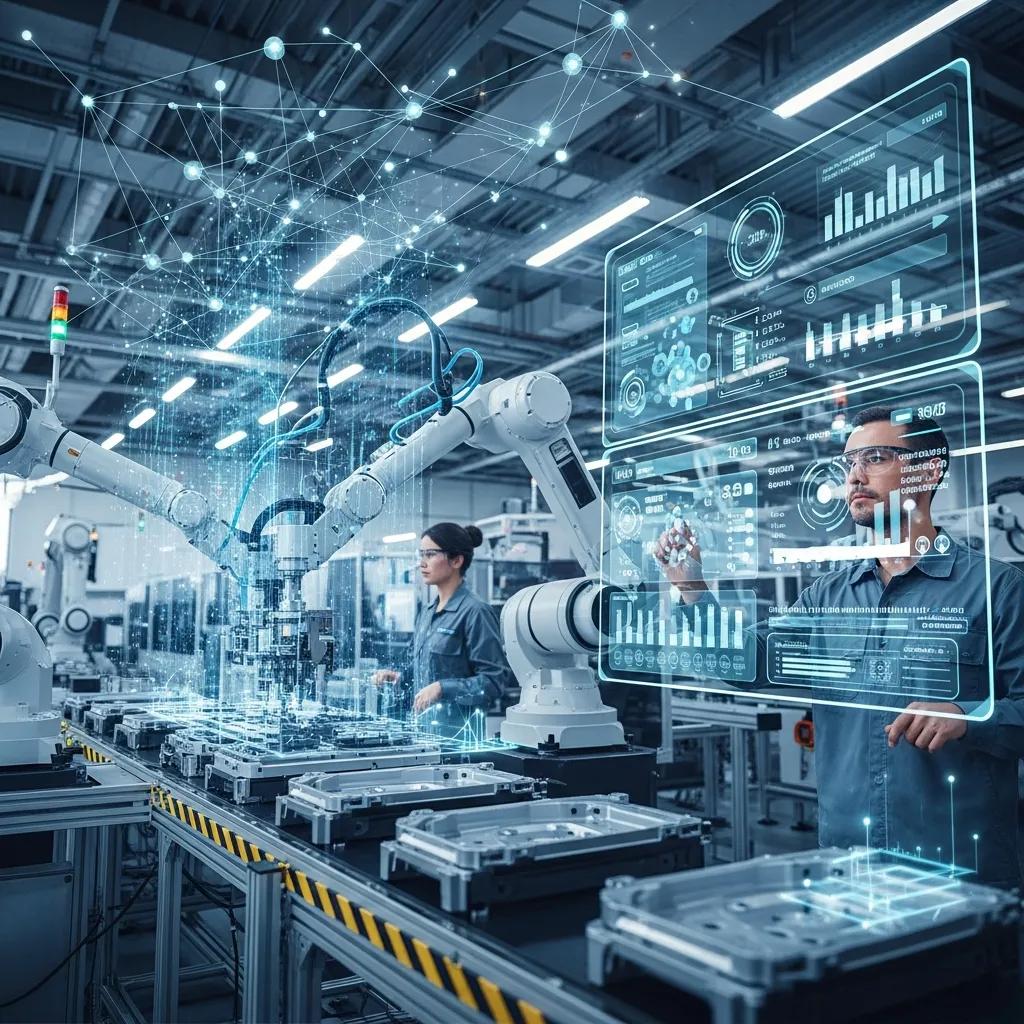
Mitsubishi’s approach to smart manufacturing involves the seamless integration of Industry 4.0 technologies, which include IoT devices, AI, and machine learning. These technologies enable manufacturers to collect and analyze vast amounts of data, facilitating informed decision-making and predictive maintenance. For instance, by utilizing sensors and connected devices, Mitsubishi can monitor equipment performance in real-time, allowing for timely interventions that prevent costly downtimes.
Digital Automation
Digital automation is a cornerstone of Mitsubishi’s smart manufacturing strategy. This approach encompasses various technologies, including robotic process automation (RPA) and advanced control systems, which streamline operations and reduce human error. The benefits of digital automation are manifold, including increased production speed, enhanced accuracy, and improved safety in manufacturing environments. Real-world applications of digital automation can be seen in Mitsubishi’s factories, where automated systems handle repetitive tasks, freeing up human workers for more complex responsibilities.
Predictive Maintenance
Predictive maintenance strategies employed by Mitsubishi leverage data analytics to forecast equipment failures before they occur. By analyzing historical performance data and using machine learning algorithms, Mitsubishi can identify patterns that indicate potential issues. This proactive approach not only minimizes downtime but also extends the lifespan of machinery, resulting in significant cost savings for manufacturers. Case studies of successful implementation demonstrate the effectiveness of predictive maintenance in enhancing operational efficiency.
Further emphasizing the critical role of AI in modern maintenance, research highlights its transformative impact on automotive manufacturing.
AI Predictive Maintenance for Automotive Manufacturing
Integration of Artificial Intelligence (AI) into the automobile sector represents a transformative force reshaping the automotive industry landscape. Al is catalyzing a paradigm shift in streamlining manufacturing processes and predictive maintenance of autonomous vehicles. The synthesis of AI and automotive technologies is not merely a luxury but a strategic necessity, asserting itself as an indispensable driver for progress and competitiveness in the evolving automotive landscape.
Artificial Intelligence-Based Predictive Maintenance Approaches for Vehicle Condition Monitoring and On-Board Diagnostic Systems to Enhance Automotive …, R Raffik, 2025
What Innovations Drive Sustainable Manufacturing Practices at Mitsubishi?
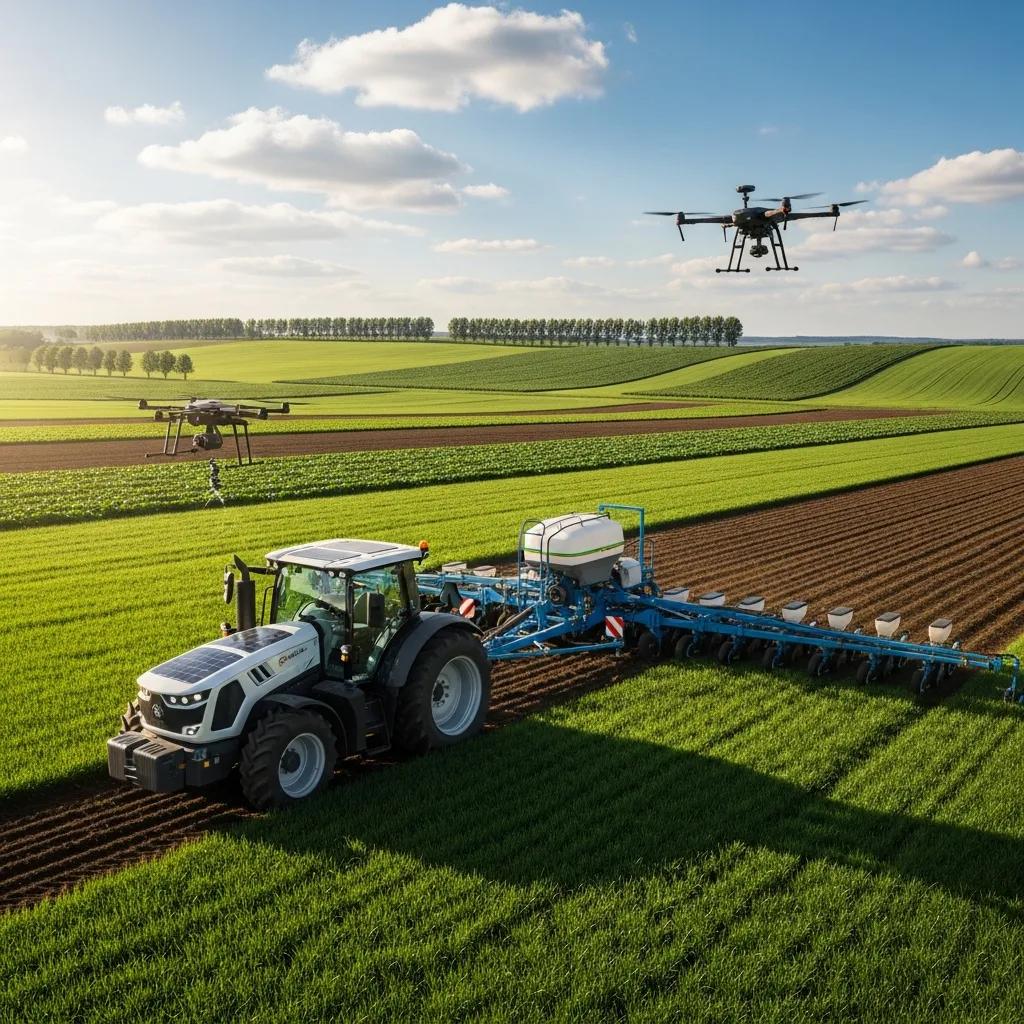
Mitsubishi is committed to driving sustainable manufacturing practices through innovative technologies and processes. The company has implemented various initiatives aimed at reducing its carbon footprint and promoting resource efficiency. For example, Mitsubishi’s energy management systems optimize energy consumption across its facilities, ensuring that operations are both cost-effective and environmentally friendly.
Additionally, Mitsubishi invests in research and development to create sustainable materials and processes that minimize waste. By focusing on circular economy principles, Mitsubishi aims to reduce the environmental impact of its manufacturing activities while maintaining high standards of product quality. This commitment to sustainability not only benefits the environment but also enhances Mitsubishi’s reputation as a responsible manufacturer.
How Do Mitsubishi’s Industrial Automation Systems Improve Manufacturing Efficiency?
Mitsubishi’s industrial automation systems are designed to enhance manufacturing efficiency by streamlining processes and reducing operational costs. These systems incorporate advanced robotics, AI, and machine learning to optimize production workflows. Key features of Mitsubishi’s automation solutions include real-time monitoring, adaptive control systems, and seamless integration with existing manufacturing infrastructure.
By implementing these automation systems, manufacturers can achieve significant improvements in efficiency metrics, such as reduced cycle times and increased throughput. Case studies highlight how companies utilizing Mitsubishi’s automation solutions have experienced substantial gains in productivity, demonstrating the transformative impact of industrial automation on manufacturing operations.
What Are the Key Features of Mitsubishi’s Industrial Robotics and Automation Solutions?
Mitsubishi’s industrial robotics and automation solutions are characterized by several key features that set them apart in the market. These include:
- Versatility: Mitsubishi’s robots can be adapted for various applications, from assembly to packaging, making them suitable for diverse manufacturing environments.
- Precision: Advanced sensors and control systems ensure that Mitsubishi’s robots operate with high accuracy, reducing errors and improving product quality.
- Scalability: Mitsubishi’s automation solutions can be easily scaled to meet the changing demands of production, allowing manufacturers to respond quickly to market fluctuations.
These features make Mitsubishi’s industrial robotics an essential component of modern manufacturing, enabling companies to enhance their operational capabilities and remain competitive in a rapidly evolving market.
The precision and adaptability of Mitsubishi’s robotic systems are further explored in studies focusing on advanced control strategies for trajectory tracking.
Mitsubishi Robotic Arm: Advanced Trajectory Control
This study is focused on the advanced mathematical modeling and control strategies for a Mitsubishi RV-2AJ 5-DOF Robotic Arm, with an emphasis on achieving precision in trajectory tracking. Robotic trajectory tracking has long been challenged by the constraints of conventional modeling techniques and control methods. This study underscores the importance of advanced modeling and hybrid control strategies in overcoming the limitations of traditional methods. By establishing a solid foundation in precise trajectory tracking through advanced mathematical modeling, this work contributes to the development of more adaptive and efficient robotic systems, with potential applications in industrial and research domains.
A study of advanced mathematical modeling and adaptive control strategies for trajectory tracking in the Mitsubishi RV-2AJ 5-
DOF Robotic Arm, Z Ben Hazem, 2025
How Does Automation Enhance Productivity Across Different Sectors?
Automation plays a crucial role in enhancing productivity across various sectors by streamlining operations and reducing manual labor. Different automation technologies, such as robotic process automation and AI-driven analytics, contribute to significant productivity improvements. The following table compares the impacts of various automation technologies on productivity:
This comparison illustrates how automation technologies can lead to quantifiable productivity gains across different sectors, highlighting the importance of adopting these innovations for future growth.
What Are the Latest Innovations in Mitsubishi Agriculture Machinery?
Mitsubishi is revolutionizing the agriculture sector with its latest innovations in machinery designed to enhance efficiency and sustainability. The company focuses on developing advanced agricultural equipment that incorporates smart technologies, such as precision farming tools and automated machinery. These innovations enable farmers to optimize their operations, reduce resource consumption, and increase crop yields.
How Does Mitsubishi Support Sustainable Farming with Advanced Machinery?
Mitsubishi’s commitment to sustainable farming is evident in its development of machinery that minimizes environmental impact. For instance, the use of precision agriculture technologies allows farmers to apply fertilizers and pesticides more efficiently, reducing chemical runoff and promoting soil health. Additionally, Mitsubishi’s machinery is designed to operate with lower emissions, contributing to cleaner air and a healthier ecosystem.
Which Technologies Are Driving Efficiency in Agriculture Equipment?
Several key technologies are driving efficiency in Mitsubishi’s agriculture equipment, including:
- GPS Technology: Enables precise field mapping and resource allocation.
- Automated Harvesting Systems: Reduces labor costs and increases harvesting speed.
- Data Analytics: Provides insights into crop performance and resource usage.
These technologies collectively enhance the efficiency of agricultural operations, allowing farmers to achieve better results with fewer resources.
The synergy of AI and IoT is particularly impactful in precision agriculture, revolutionizing crop monitoring and management.
AI & IoT for Precision Agriculture
The integration of Artificial Intelligence (AI) and Internet of Things (IoT) technologies is transforming precision agriculture by enhancing crop monitoring and management.
Integrating artificial intelligence and Internet of Things (IoT) for enhanced crop monitoring and management in precision agriculture, K Sharma, 2024
What Are the Current Energy Sector Manufacturing Trends at Mitsubishi?
In the energy sector, Mitsubishi is leading the way with innovative manufacturing practices that prioritize sustainability and efficiency. The company is actively involved in developing energy-efficient solutions that address the growing demand for renewable energy sources. Current trends include the integration of smart grid technologies and the production of advanced energy storage systems.
How Does Mitsubishi Manufacture Energy-Efficient Solutions?
Mitsubishi’s approach to manufacturing energy-efficient solutions involves the use of cutting-edge technologies and materials. The company focuses on creating products that not only meet regulatory standards but also exceed customer expectations for performance and sustainability. By investing in research and development, Mitsubishi continuously improves its manufacturing processes to enhance energy efficiency.
What Role Does Digital Transformation Play in Energy Sector Manufacturing?
Digital transformation is reshaping the energy sector by enabling manufacturers to leverage data and analytics for improved decision-making. Mitsubishi utilizes digital tools to monitor energy consumption, optimize production processes, and enhance supply chain management. This transformation not only increases operational efficiency but also supports the company’s commitment to sustainability.
How Is Mitsubishi Advancing Transportation Manufacturing Technologies?
Mitsubishi is at the forefront of advancing transportation manufacturing technologies, focusing on innovations that enhance safety, efficiency, and sustainability. The company is committed to developing vehicles and transportation systems that meet the evolving needs of consumers and businesses alike.
What Innovations Define Mitsubishi’s Transportation Equipment Manufacturing?
Key innovations in Mitsubishi’s transportation equipment manufacturing include:
- Electric and Hybrid Vehicles: Reducing reliance on fossil fuels and lowering emissions.
- Smart Transportation Systems: Integrating IoT and AI for improved traffic management and safety.
- Advanced Materials: Utilizing lightweight and durable materials to enhance vehicle performance.
These innovations position Mitsubishi as a leader in the transportation sector, driving the transition towards more sustainable and efficient transportation solutions.
How Are Smart Manufacturing and Automation Integrated in Transportation Solutions?
Smart manufacturing and automation are integral to Mitsubishi’s transportation solutions, enabling the company to streamline production processes and enhance product quality. By incorporating automation technologies, Mitsubishi can achieve greater precision in manufacturing, resulting in safer and more reliable vehicles. This integration not only improves operational efficiency but also supports the company’s sustainability goals.
How Can You Leverage Mitsubishi Manufacturing Solutions for Your Industry Needs?
Mitsubishi Manufacturing offers a wealth of resources and expertise for industry professionals seeking to enhance their operations. By leveraging Mitsubishi’s advanced manufacturing solutions, businesses can improve efficiency, reduce costs, and drive innovation.
What Guides and Resources Does Mitsubishi Provide for Industry Professionals?
Mitsubishi provides a range of guides and resources designed to support industry professionals in implementing advanced manufacturing technologies. These resources include case studies, technical documentation, and training programs that equip businesses with the knowledge needed to succeed in a competitive landscape.
How Does Mitsubishi Ensure Quality and Performance in Its Manufacturing Services?
Mitsubishi is committed to maintaining high standards of quality and performance in its manufacturing services. The company employs rigorous quality control measures and continuously monitors its processes to ensure that products meet or exceed industry standards. This dedication to quality not only enhances customer satisfaction but also reinforces Mitsubishi’s reputation as a trusted manufacturing partner.