


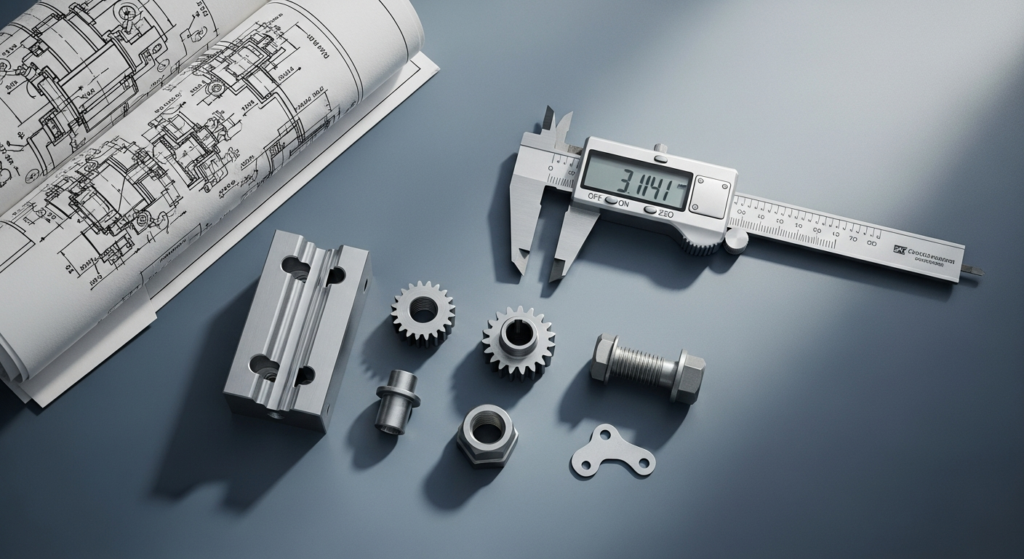
html
In the dynamic landscape of modern manufacturing, the quest for heightened efficiency, unparalleled precision, and continuous innovation is relentless. At the heart of this pursuit lies automated assembly line technology – a transformative force that has reshaped industrial processes globally. Mitsubishi Manufacturing, with its deep-rooted expertise and commitment to technological advancement, understands that the journey from manual labor to intelligent automation is not merely an upgrade but a fundamental paradigm shift. This comprehensive exploration delves into the intricate world of automated assembly, examining its foundational components, profound benefits, synergistic relationship with established manufacturing philosophies, and its promising trajectory into 2026 and beyond. We aim to provide an authoritative perspective on how this technology is not just streamlining production but also driving a new era of industrial excellence and competitiveness.
The Evolution of Assembly Lines: From Manual to Fully Automated Systems
The concept of the assembly line revolutionized manufacturing in the early 20th century, famously pioneered by Henry Ford. Initially, these lines relied almost entirely on human labor, breaking down complex tasks into simpler, repetitive actions. While this significantly boosted production compared to individual craftsmanship, it was inherently limited by human capabilities, consistency, and endurance. The mid-20th century witnessed the advent of semi-automation, introducing mechanical aids and rudimentary control systems, laying the groundwork for what was to come.
The true transformation began with the integration of advanced electronics and computing power. Programmable Logic Controllers (PLCs) emerged as the brain of automated systems, allowing for precise control and sequencing of machinery. The introduction of industrial robots in the latter half of the century marked a pivotal moment, enabling repetitive, high-precision tasks to be executed tirelessly and consistently. This gradual, yet profound, evolution has culminated in today’s fully automated assembly lines, which are complex ecosystems of interconnected technologies working in harmony.
Modern automated assembly lines are characterized by their ability to perform a vast array of tasks, from intricate component placement and fastening to complex welding, painting, and quality inspection. This evolution was driven by several critical factors: the increasing complexity of products, the demand for higher volumes and faster time-to-market, the imperative for impeccable quality, and the necessity to reduce operational costs. Furthermore, the need to protect human workers from hazardous or ergonomically challenging tasks spurred the adoption of automation in environments that were previously unsafe or inefficient for manual operations. This progression underscores a continuous commitment to innovation, pushing the boundaries of what is possible in manufacturing and setting new benchmarks for productivity and reliability.
Key Components and Technologies Powering Automated Assembly

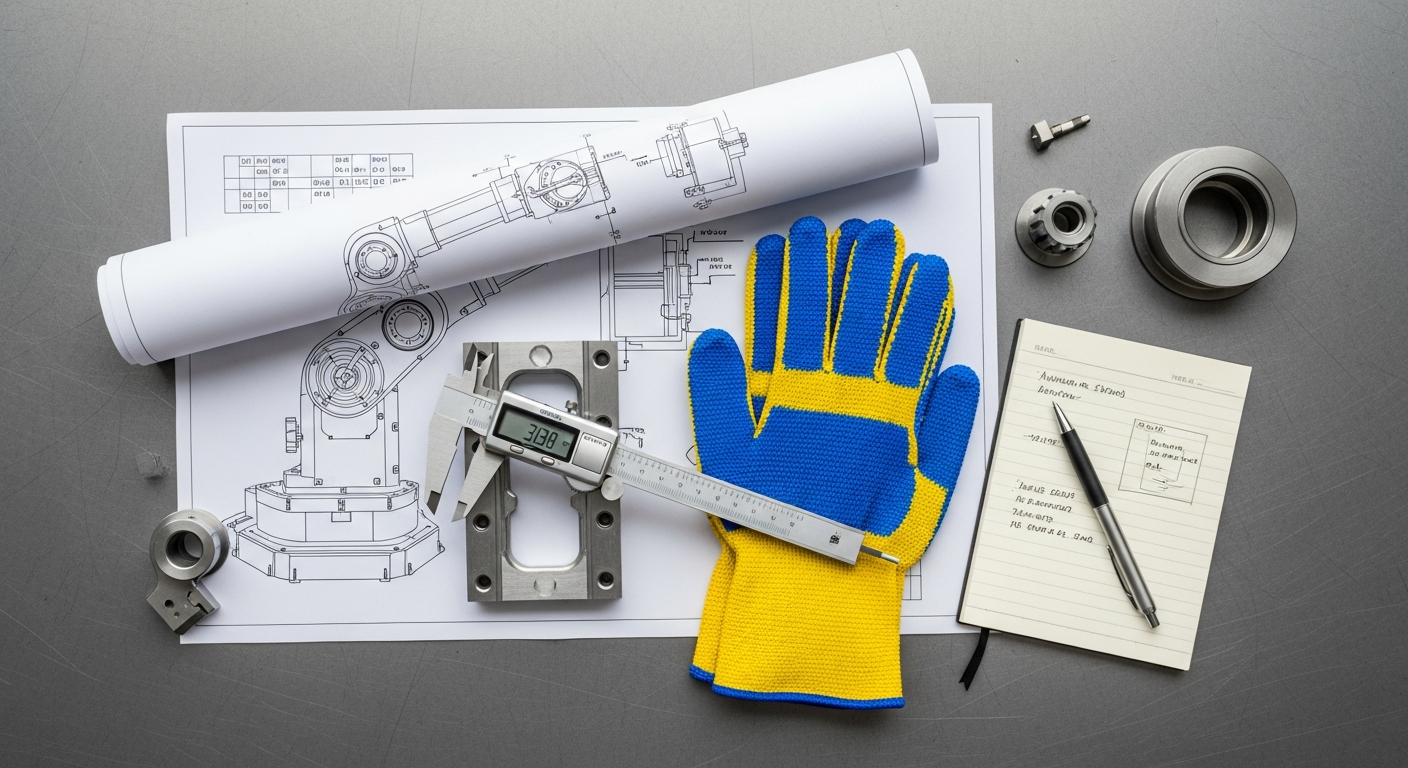
The sophistication of modern automated assembly line technology stems from the seamless integration of various advanced components and systems. These elements work in concert to execute manufacturing tasks with remarkable precision, speed, and reliability.
- Industrial Robotics: Robots are the workhorses of automated assembly. This category includes articulated robots, SCARA robots, delta robots, and the increasingly popular collaborative robots (cobots). Articulated robots offer high flexibility and reach, suitable for welding, material handling, and painting. SCARA robots excel in high-speed, precision pick-and-place operations. Cobots are designed to work safely alongside human operators, enhancing human-robot collaboration and providing flexibility for tasks requiring human dexterity alongside robotic strength or repeatability. The choice of robot depends heavily on the specific application, required payload, speed, and precision.
- Automated Guided Vehicles (AGVs) and Autonomous Mobile Robots (AMRs): These intelligent vehicles are crucial for automating material flow within the assembly line and across the factory floor. AGVs follow predefined paths, often using wires, magnets, or optical sensors, while AMRs navigate autonomously using sophisticated sensors, cameras, and onboard intelligence to adapt to changing environments. They ensure that components arrive at the right station at the right time, minimizing bottlenecks and optimizing logistics.
- Vision Systems and Sensors: Integral for quality control, inspection, guidance, and identification, vision systems employ cameras and image processing software to detect defects, verify component presence and orientation, and guide robots with extreme accuracy. A myriad of other sensors—proximity, force, temperature, pressure—provide real-time data to PLCs and control systems, ensuring operational integrity and enabling adaptive responses to process variations.
- Programmable Logic Controllers (PLCs) and Human-Machine Interfaces (HMIs): PLCs are the robust, industrial-grade computers that control the sequence of operations in an automated assembly line. They receive inputs from sensors, execute programmed logic, and send commands to actuators (motors, valves, etc.). HMIs provide the interface for human operators to monitor, control, and interact with the automated system, displaying critical performance data, alarms, and allowing for parameter adjustments.
- Conveyor Systems and Material Handling Equipment: While sometimes overlooked, the efficient movement of products between stations is fundamental. Automated conveyor systems, including belt, roller, and overhead conveyors, are designed to transport workpieces smoothly and precisely. Integrated with robotic loaders and unloaders, they form the backbone of the physical flow of the assembly process.
- Advanced Software Integration (MES, SCADA, AI/ML): Beyond hardware, the intelligence of automated assembly lines resides in their software. Manufacturing Execution Systems (MES) manage and monitor work-in-process, quality, and production scheduling. Supervisory Control and Data Acquisition (SCADA) systems oversee and control industrial processes across large areas. Increasingly, Artificial Intelligence (AI) and Machine Learning (ML) algorithms are being deployed for predictive maintenance, process optimization, real-time quality anomaly detection, and even adaptive control of robotic movements, learning from data to improve performance continuously.
The synergy of these technologies allows for the creation of highly efficient, flexible, and intelligent assembly environments capable of handling the complexities of modern manufacturing demands.
The Unwavering Benefits of Automated Assembly Line Technology
The adoption of automated assembly line technology brings forth a multitude of significant advantages that directly impact a manufacturer’s bottom line, competitive standing, and overall operational excellence. These benefits are not merely incremental but often represent a transformative leap forward.
- Increased Efficiency and Throughput: Automation enables continuous operation, often 24/7, without the need for breaks, holidays, or shift changes. Robots and automated machinery can perform tasks at speeds far exceeding human capabilities, leading to dramatically higher production volumes and faster cycle times. This sustained, high-speed operation is critical for meeting escalating market demands and reducing lead times.
- Enhanced Precision and Quality: Automated systems execute tasks with exceptional repeatability and accuracy, virtually eliminating human error. Whether it’s precise component placement, consistent torque application, or uniform welding, robots perform each operation identically every time. This translates into products with superior and consistent quality, fewer defects, and reduced rework, which is a cornerstone of effective Manufacturing Waste Reduction Strategies.
- Significant Cost Reduction: While the initial investment in automation can be substantial, the long-term cost savings are compelling. These include reduced labor costs, particularly for repetitive or dangerous tasks, and a substantial decrease in waste due to fewer errors and optimized material usage. The improved quality also leads to fewer warranty claims and returns, further contributing to financial savings. By minimizing resource consumption and maximizing output, automation directly supports economic efficiency.
- Improved Worker Safety: One of the most critical benefits of automation is its ability to remove human workers from hazardous, strenuous, or monotonous environments. Robots can handle heavy lifting, operate in extreme temperatures, work with dangerous chemicals, or perform repetitive motions that can lead to musculoskeletal disorders. This creates a safer working environment for employees, reducing workplace injuries and improving overall morale.
- Greater Flexibility and Scalability: Modern automated systems, especially those incorporating collaborative robots and modular designs, offer remarkable flexibility. They can be reprogrammed and reconfigured relatively quickly to accommodate new product designs, variations, or complete product changeovers. This agility allows manufacturers to respond rapidly to market shifts and customize products more easily. Furthermore, automated lines can be scaled up or down by adding or removing modules, providing inherent scalability to meet fluctuating production demands.
- Data-Driven Decision Making: Automated assembly lines are rich sources of operational data. Sensors, PLCs, and vision systems continuously collect information on cycle times, quality metrics, equipment performance, and material flow. This real-time data can be analyzed to identify bottlenecks, predict maintenance needs, optimize processes, and make informed strategic decisions, driving continuous improvement throughout the manufacturing enterprise.
These benefits collectively underscore why automated assembly line technology is not just an option but a strategic imperative for manufacturers aiming for leadership in the global marketplace.
Integrating Lean Manufacturing Principles with Automation
The synergy between automated assembly line technology and Lean Manufacturing Principles is profound. Lean manufacturing, a philosophy focused on maximizing customer value while minimizing waste, finds a powerful enabler in automation. By embracing automation strategically, manufacturers can not only adhere to but significantly enhance their Lean initiatives.
Let’s first clarify Lean Manufacturing Principles Explained. At its core, Lean aims to identify and eliminate “Muda” (waste) across all aspects of production. The seven traditional wastes include overproduction, waiting, unnecessary transport, over-processing, excess inventory, unnecessary motion, and defects. Automation provides tangible tools and methodologies to tackle each of these wastes effectively.
- Eliminating Overproduction: Automated systems, especially when integrated with demand forecasting and Enterprise Resource Planning (ERP) systems, can precisely control production volumes to match actual customer demand. This precision reduces the likelihood of producing more than needed, which is a significant source of waste.
- Reducing Waiting: By synchronizing operations and ensuring consistent cycle times, automation minimizes idle time for both materials and machinery. Automated Guided Vehicles (AGVs) and Autonomous Mobile Robots (AMRs) deliver components just-in-time (JIT), reducing waiting between workstations and optimizing flow.
- Optimizing Transport: Automated material handling systems, such as conveyors, AGVs, and AMRs, are designed for the most efficient movement of goods. They reduce the distance, frequency, and risk of damage during transport, which is a critical aspect of Manufacturing Waste Reduction Strategies.
- Minimizing Over-processing: Automation ensures that each process step is performed exactly as required, without unnecessary operations. Precision robotics and programmed sequences eliminate redundant or overly complex steps, leading to a streamlined and efficient process.
- Controlling Excess Inventory: By facilitating JIT delivery and enabling more predictable production cycles, automation helps reduce the need for large buffer inventories. Components arrive at the assembly line precisely when they are needed, minimizing storage costs and the risk of obsolescence.
- Eliminating Unnecessary Motion: Robots are programmed to perform tasks with optimal motion paths, reducing wasted movements and improving ergonomic efficiency compared to manual operations. This optimization is crucial for maximizing throughput and minimizing energy consumption.
- Reducing Defects: As previously discussed, automation significantly enhances precision and repeatability, leading to a dramatic reduction in defects. Integrated vision systems and sensors provide real-time quality checks, allowing for immediate identification and correction of issues, preventing defective products from moving further down the line. This proactive approach is fundamental to Lean’s focus on quality at the source.
Furthermore, automation supports other Lean principles such as Poka-Yoke (mistake-proofing), where automated systems are designed to prevent errors from occurring or to immediately detect them. It also facilitates Value Stream Mapping by providing clear, quantifiable data on process steps and timings, allowing for more accurate analysis and optimization of the value stream. Ultimately, automated assembly line technology serves as a robust framework for implementing continuous improvement (Kaizen), enabling manufacturers to constantly refine their processes, eliminate waste, and deliver exceptional value to their customers.
The Role of Materials Science in Optimizing Automated Assembly Lines
The advancements in automated assembly line technology are inextricably linked to innovations in materials science. Materials Science In Manufacturing plays a dual role: it influences the components used to build the automated equipment itself, and it dictates the properties of the products being assembled, thereby impacting the design and capabilities of the assembly line.
Firstly, consider the materials used in the construction of robotic arms, grippers, and other automated machinery. The demand for lighter, stronger, and more durable robots has driven significant research and development in advanced alloys, composites, and high-performance polymers. Lighter robot arms made from carbon fiber composites, for instance, can move faster, consume less energy, and exert less stress on their motors, extending operational life and improving overall efficiency. Similarly, the end-effectors (grippers, tools) often require specialized materials:
- Wear-Resistant Materials: For tools that come into contact with workpieces, such as welding tips, cutting tools, or precision jigs, materials like ceramics, tungsten carbide, and hardened steels are essential to ensure longevity and maintain accuracy over millions of cycles.
- Smart Materials: The integration of smart materials, such as piezoelectric sensors or shape memory alloys, into grippers allows for adaptive gripping forces, enabling robots to handle delicate or irregularly shaped objects without damage.
- Low-Friction Coatings: Coatings applied to moving parts within robots or on conveyor systems reduce friction, minimize wear, and enhance energy efficiency, contributing to the overall sustainability of the automated line.
Secondly, the properties of the products being assembled heavily influence the design and requirements of the automated assembly line. As products become more complex and incorporate a wider range of materials, automation must adapt:
- Lightweighting in Automotive and Aerospace: The increasing use of lightweight materials like aluminum alloys, magnesium alloys, and advanced composites in vehicles and aircraft requires automated assembly lines capable of handling these materials with care and precision. Specialized joining technologies, such as friction stir welding, adhesive bonding, or advanced riveting systems, are integrated into automated processes to accommodate these material properties.
- Miniaturization in Electronics: The assembly of micro-components in electronics demands extreme precision. Automated lines utilize micro-robotics, advanced vision systems, and specialized soldering or bonding techniques to handle delicate and tiny parts made from silicon, ceramics, and various metals with micron-level accuracy.
- Recyclability and Sustainability: As manufacturers focus on circular economy principles, the materials used in products are chosen for their recyclability. Automated disassembly processes are emerging, requiring robots and vision systems capable of identifying and separating different material types for efficient recycling.
- Material Handling Challenges: The physical and chemical properties of materials (e.g., brittleness, stickiness, electrostatic charge) dictate the design of automated feeders, grippers, and transfer mechanisms. For example, specific vacuum grippers are needed for porous materials, while anti-static solutions are crucial for electronic components.
In essence, the continuous evolution in materials science provides the building blocks for more robust, agile, and intelligent automated assembly equipment, while simultaneously presenting new challenges and opportunities for how products are designed and assembled on automated lines. This symbiotic relationship ensures that as materials advance, so too does the capability and sophistication of manufacturing automation.
Challenges and Future Outlook of Automated Assembly in 2026 and Beyond
While the benefits of automated assembly line technology are undeniable, the path to full automation is not without its challenges. However, the future outlook for this technology in 2026 and beyond remains incredibly promising, driven by continuous innovation and strategic investments.
Current Challenges:
- High Initial Investment: The upfront cost of acquiring and implementing advanced automated systems, including robots, control systems, and software, can be a significant barrier for some manufacturers, particularly small and medium-sized enterprises (SMEs).
- Complexity of Integration: Integrating disparate technologies—robotics, vision systems, conveyors, MES, ERP—into a cohesive and fully functional assembly line requires specialized expertise in software, hardware, and systems engineering. Ensuring seamless communication and data flow across all components can be complex.
- Need for a Skilled Workforce: While automation reduces the need for manual labor in repetitive tasks, it creates a demand for a new type of skilled worker. Technicians, engineers, and data scientists are needed to design, program, operate, and maintain these sophisticated systems. Upskilling the existing workforce or finding new talent is a critical challenge.
- Cybersecurity Risks: As assembly lines become more connected and integrate with IT networks (Industry 4.0), they become vulnerable to cyber threats. Protecting proprietary data, operational integrity, and intellectual property from malicious attacks is an ongoing and evolving challenge.
- Maintenance and Downtime: While automated systems are designed for reliability, complex machinery can experience breakdowns. Predictive maintenance strategies are crucial, but unexpected downtime can be costly, highlighting the need for robust support and rapid response capabilities.
Future Outlook for 2026 and Beyond:
Looking towards 2026, several key trends are poised to further revolutionize automated assembly:
- Advanced AI and Machine Learning Integration: The role of AI and ML will deepen significantly. Expect more sophisticated algorithms for predictive maintenance, allowing systems to anticipate failures before they occur. AI will enhance quality inspection with greater accuracy and speed, moving beyond simple defect detection to predictive quality control. Furthermore, AI will enable robots to learn and adapt to new tasks or variations in products with minimal human intervention, making programming more intuitive and flexible.
- Proliferation of Collaborative Robotics (Cobots): Cobots will become even more common, seamlessly sharing workspaces with humans. Advances in sensor technology, safety protocols, and intuitive programming will make cobots easier to deploy and more versatile, empowering human workers rather than replacing them, especially in tasks requiring cognitive flexibility or fine motor skills.
- Modular and Reconfigurable Assembly Systems: The future will see a greater emphasis on highly modular and easily reconfigurable automated assembly lines. Manufacturers will increasingly demand systems that can be rapidly adapted to produce different product variants or entirely new products without extensive retooling, allowing for unparalleled agility in responding to market changes.
- Edge Computing and 5G Connectivity: The deployment of edge computing will bring data processing closer to the source (i.e., the assembly line), enabling real-time analytics and faster decision-making without relying solely on cloud infrastructure. Coupled with 5G wireless technology, which offers ultra-low latency and high bandwidth, this will facilitate seamless communication between machines, significantly enhancing the efficiency and responsiveness of interconnected automated systems.
- Digital Twins for Simulation and Optimization: Digital Twins—virtual replicas of physical assembly lines—will become standard practice. These digital models will allow engineers to simulate various scenarios, optimize processes, predict performance, and test changes in a virtual environment before implementing them on the physical line, drastically reducing commissioning times and risks.
- Increased Focus on Sustainability: Future automated assembly lines will be designed with sustainability in mind. This includes optimizing energy consumption through efficient robot movements and smart power management, reducing material waste through precise application and recycling capabilities, and designing equipment for longer lifecycles and easier end-of-life recycling.
Mitsubishi Manufacturing is actively at the forefront of these developments, continuously investing in research and development to provide solutions that meet these evolving industry demands. By embracing these advancements, manufacturers can navigate the challenges and harness the full potential of automated assembly line technology to secure a competitive edge in the global market well into 2026 and beyond.
Frequently Asked Questions About Automated Assembly Line Technology
What is the primary benefit of automated assembly lines for manufacturers?
The primary benefit of automated assembly lines is the dramatic increase in efficiency and throughput, coupled with enhanced precision and quality. Automated systems can operate continuously, at higher speeds, and with remarkable repeatability, leading to greater production volumes, fewer defects, and a more consistent product quality than manual processes. This combination directly contributes to reduced operational costs and improved competitive positioning.
How does automation contribute to waste reduction in manufacturing?
Automation significantly contributes to Manufacturing Waste Reduction Strategies by minimizing errors and optimizing resource usage. Robots perform tasks with high precision, reducing material scrap and rework (defects). Automated material handling systems optimize logistics, reducing unnecessary transport and excess inventory. By synchronizing processes, automation also minimizes waiting times and overproduction, all of which are key forms of waste (Muda) identified in Lean Manufacturing.
Can automated assembly lines be flexible enough for varied product lines?
Absolutely. Modern automated assembly line technology is designed with flexibility in mind. Through sophisticated programming, modular designs, and the increasing use of collaborative robots (cobots), automated lines can be quickly reconfigured or reprogrammed to handle different product variants or entirely new product lines. This adaptability allows manufacturers to respond swiftly to market demands for customization and diversification.
What role do collaborative robots (cobots) play in modern assembly?
Collaborative robots, or cobots, play a crucial role by enabling safe and efficient human-robot collaboration. Unlike traditional industrial robots that are caged off, cobots are designed to work alongside human operators, assisting with tasks that require strength, precision, or repetitive motion, while humans can focus on tasks requiring dexterity, cognitive decision-making, or complex problem-solving. This partnership enhances productivity, improves ergonomics, and opens up new possibilities for flexible assembly operations.
How does Mitsubishi Manufacturing support the implementation of automated assembly lines?
Mitsubishi Manufacturing provides comprehensive support for implementing automated assembly lines, leveraging decades of expertise in industrial automation. We offer a full spectrum of solutions, including state-of-the-art robotics, advanced control systems (PLCs, HMIs), vision systems, and integrated software platforms. Our services extend from initial consultation and system design to installation, programming, training, and ongoing technical support, ensuring our clients achieve optimal performance and a seamless transition to advanced automation.
What are the key considerations for a company looking to adopt automated assembly line technology in 2026?
In 2026, companies considering automated assembly line technology should focus on several key areas. These include a thorough assessment of their specific production needs and long-term goals, understanding the initial investment versus long-term ROI, and evaluating the integration complexity with existing systems. Crucially, they should also plan for workforce upskilling, implement robust cybersecurity measures, and explore the potential of AI/ML integration, digital twins, and modular design for future flexibility and scalability to stay competitive.
Recommended Resources
Check out How To Budget Money On Low Income on Diaal News for a deeper dive.
Related reading: Maternity Leave Rights Guide (Protect Families Protect Choices).