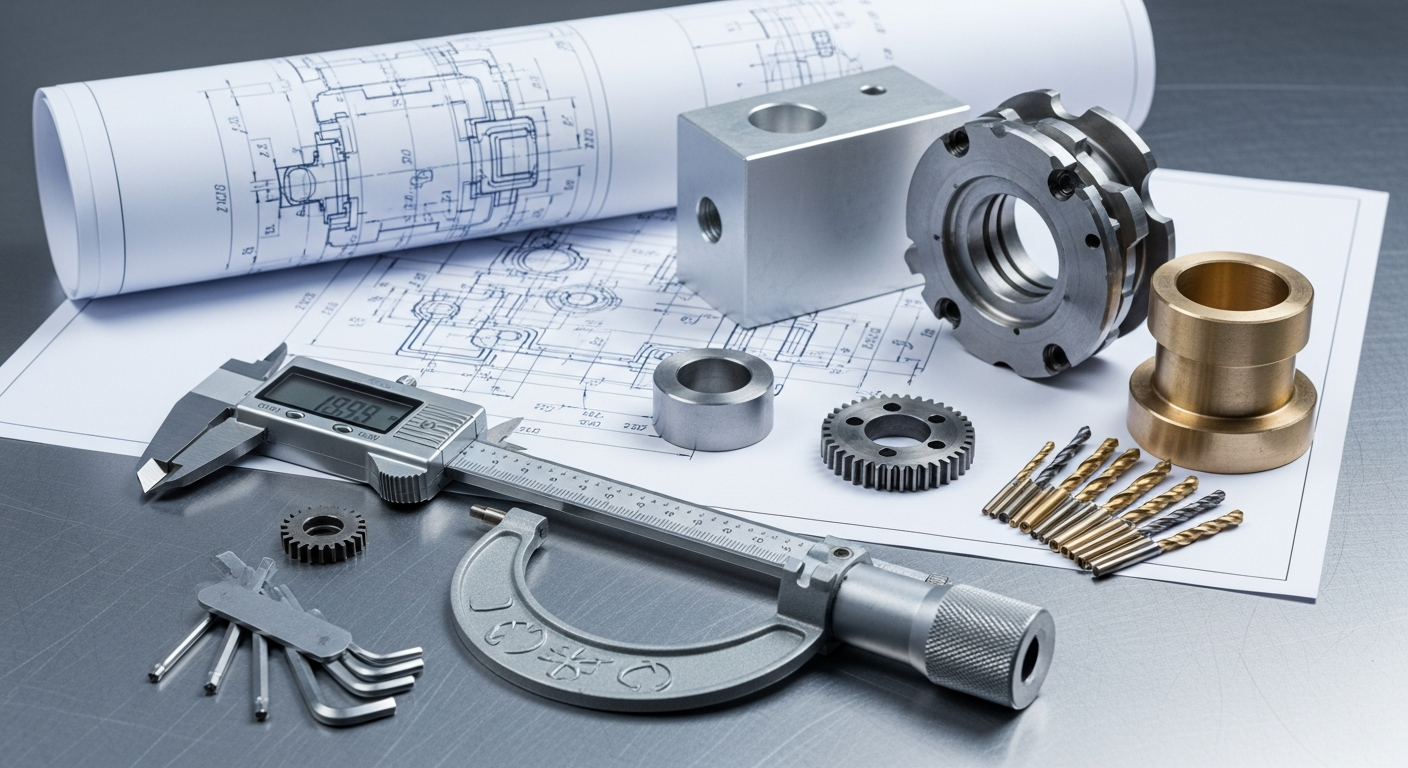
The Strategic Imperative of Automation in Manufacturing: A 2026 Guide to Benefits and ROI
The global manufacturing landscape is undergoing an unprecedented transformation, driven by relentless competition, evolving consumer demands, supply chain volatilities, and persistent labor challenges. In this dynamic environment, automation has transcended its traditional role as a mere cost-saving measure to become a strategic imperative for resilience, innovation, and sustained growth. For manufacturing professionals, engineers, and industry decision-makers, understanding the comprehensive benefits and calculating the tangible return on investment (ROI) of automation is no longer optional but critical for navigating the complexities of the modern industrial era.
This authoritative guide from Mitsubishi Manufacturing delves into the multifaceted aspects of automation, offering a precision-focused perspective on the technologies, standards, performance metrics, and real-world applications shaping the industry by 2026. We will explore how advanced automation solutions are redefining operational excellence, enhancing product quality, improving safety, and fostering unprecedented agility. Furthermore, we will provide a rigorous framework for assessing automation projects, quantifying their financial impact, and charting a strategic roadmap for successful implementation that maximizes ROI and positions your enterprise at the forefront of industrial innovation.
The Evolving Landscape of Manufacturing Automation
Modern manufacturing automation extends far beyond the traditional industrial robot arm. The current era is defined by the convergence of several disruptive technologies, creating intelligent, interconnected, and adaptive production systems. Understanding these advancements is crucial for leveraging their full potential.
Collaborative Robotics (Cobots)
Cobots represent a significant evolution, designed to work safely alongside human operators without traditional fencing. Adhering to standards like ISO/TS 15066 for safety requirements, cobots excel in tasks requiring flexibility, direct human interaction, and varying levels of force. Their programmability and ease of deployment make them ideal for small and medium-sized enterprises (SMEs) and high-mix, low-volume production environments, enhancing productivity while improving ergonomics for human workers.
Industrial Internet of Things (IIoT) and Edge Computing
The IIoT forms the backbone of connected manufacturing, comprising networks of sensors, machines, and control systems that collect and exchange vast amounts of data in real-time. Edge computing processes this data closer to its source, enabling immediate insights and control actions without relying solely on cloud infrastructure. This capability is vital for applications such as predictive maintenance, real-time process monitoring, and anomaly detection, minimizing latency and enhancing operational responsiveness. Standards like OPC UA facilitate interoperability between diverse IIoT devices and systems, ensuring seamless data flow.
Artificial Intelligence (AI) and Machine Learning (ML)
AI and ML algorithms are transforming manufacturing by enabling machines to learn from data, adapt to changing conditions, and make autonomous decisions. Key applications include:
- Quality Inspection: AI-powered vision systems detect microscopic defects with unparalleled accuracy and speed, surpassing human capabilities.
- Process Optimization: ML models analyze production data to identify optimal parameters for energy consumption, material usage, and cycle times.
- Predictive Maintenance: AI forecasts equipment failures by analyzing sensor data, enabling proactive intervention and reducing downtime.
- Generative Design: AI algorithms explore thousands of design variations to optimize parts for weight, strength, and manufacturability.
Digital Twins and Simulation
A digital twin is a virtual replica of a physical asset, process, or system. By integrating real-time data from IIoT sensors, digital twins enable manufacturers to monitor, analyze, and simulate the behavior of their physical counterparts. This technology, often supported by platforms like Siemens NX or Dassault Systèmes DELMIA, allows for scenario planning, predictive analysis, and optimization of production lines before physical implementation, significantly reducing development costs and time-to-market. It’s a cornerstone for validating design changes, predicting performance under stress, and optimizing maintenance schedules.
Advanced Robotics and Autonomous Mobile Robots (AMRs)
Beyond traditional fixed robots, advanced robotics includes dexterous manipulators capable of complex assembly and delicate handling. AMRs and Automated Guided Vehicles (AGVs) are revolutionizing internal logistics, autonomously transporting materials, tools, and finished goods across factory floors and warehouses. These systems enhance material flow efficiency, reduce manual handling, and improve safety by adhering to navigation and collision avoidance standards.
Additive Manufacturing (3D Printing)
While not automation in itself, additive manufacturing is increasingly integrated into automated workflows. Automated material handling, robotic post-processing, and inline quality control systems are making 3D printing a viable option for automated mass customization, rapid prototyping, and on-demand tooling, expanding its utility beyond niche applications.
Quantifiable Benefits: Driving Operational Excellence and Agility
The strategic deployment of automation yields a cascade of measurable benefits that directly contribute to a manufacturer’s bottom line and competitive positioning.
Increased Productivity and Throughput
Automation systems operate with consistent speed and precision, often 24/7, without breaks or fatigue. This directly translates to reduced cycle times and higher output volumes. A key performance indicator (KPI) for measuring this benefit is Overall Equipment Effectiveness (OEE), which combines availability, performance, and quality. World-class manufacturers often target an OEE above 85%. For example, automating a material handling process can significantly reduce non-value-added time, improving overall line efficiency by 15-30%.
Enhanced Quality and Precision
Automated systems, particularly those incorporating vision systems and advanced sensors, eliminate human error and ensure consistent adherence to specifications. This leads to a dramatic reduction in defect rates and improved product uniformity. Relevant metrics include Defect Rate (parts per million – PPM), First Pass Yield (FPY), and Statistical Process Control (SPC) data. Adherence to ISO 9001 quality management system principles is significantly bolstered by automated quality control, ensuring consistent product quality and reducing rework and scrap.
Improved Safety and Ergonomics
One of the most profound benefits of automation is removing human operators from hazardous, repetitive, or ergonomically challenging tasks. This includes operations involving heavy lifting, exposure to extreme temperatures, toxic chemicals, or repetitive strain injuries (RSIs). Compliance with safety standards such as ANSI/RIA R15.06 (for industrial robots) and ISO 10218 (for robot safety) is paramount. Metrics like the Lost Time Injury Rate (LTIR) and Occupational Safety and Health Administration (OSHA) compliance rates typically show significant improvement post-automation, fostering a safer working environment and reducing accident-related costs.
Cost Reduction and Resource Optimization
Automation drives cost efficiency through several channels:
- Reduced Labor Costs: While not solely about job replacement, automation optimizes labor utilization by reallocating human capital to higher-value tasks and reducing direct labor requirements for repetitive processes.
- Material Waste Reduction: Precision automation minimizes material scrap and rework, leading to significant savings, particularly with expensive materials.
- Energy Efficiency: Optimized processes and intelligent energy management systems integrated with automation can reduce energy consumption per unit.
- Inventory Reduction: Improved production predictability and agility can lead to leaner inventory levels, reducing carrying costs.
Key metrics include Cost Per Unit (CPU) and Energy Consumption per Unit.
Greater Flexibility and Scalability
Modern automation solutions, especially those leveraging modular design and advanced software, offer unprecedented flexibility. Manufacturers can rapidly retool production lines to accommodate new product variants, implement mass customization strategies, and scale production up or down in response to market demand fluctuations. This agility is crucial for navigating volatile markets and maintaining a competitive edge.
Calculating and Maximizing Return on Investment (ROI) for Automation Projects
A robust financial analysis is essential for justifying automation investments. Calculating ROI involves understanding both the costs and the quantifiable benefits.
Total Cost of Ownership (TCO)
TCO provides a comprehensive view of the entire lifecycle cost of an automation system. It includes:
- Initial Capital Expenditure (CapEx): Purchase costs for hardware (robots, sensors, conveyors), software licenses, integration services, facility modifications, and safety infrastructure.
- Operational Expenditure (OpEx): Ongoing costs such as maintenance (preventive and corrective), energy consumption, software subscriptions, cybersecurity measures, training for new roles, and spare parts.
Neglecting OpEx in TCO calculations can lead to significant underestimation of project costs.
Key ROI Metrics
Several financial metrics are critical for evaluating automation projects:
- Payback Period: The time it takes for the cumulative cash inflows from the automation project to equal the initial investment. A shorter payback period is generally preferred.
- Net Present Value (NPV): Calculates the present value of all future cash flows (inflows minus outflows) associated with the project, discounted to today’s value. A positive NPV indicates a profitable investment.
- Internal Rate of Return (IRR): The discount rate at which the NPV of all cash flows from a project equals zero. If the IRR is greater than the company’s cost of capital, the project is considered financially attractive.
- Return on Capital Employed (ROCE): Measures how efficiently a company is using its capital to generate profits. Automation projects should aim to improve ROCE by increasing profitability relative to the capital invested.
Quantifying Intangible Benefits
Not all benefits are directly quantifiable in financial terms, but they significantly contribute to long-term value. These “intangibles” should be identified and, where possible, assigned proxy values or risk reduction factors:
- Enhanced Brand Reputation: Associated with higher quality products and innovative manufacturing.
- Improved Employee Morale: From removing tedious or dangerous tasks and offering opportunities for upskilling.
- Competitive Advantage: Through increased agility, faster time-to-market, and greater customization capabilities.
- Data Insights: The wealth of data generated by automated systems can inform future product development, process improvements, and business strategy.
Strategic Considerations for Maximizing ROI
- Phased Implementation: Begin with pilot projects or automating specific bottlenecks to prove concept and learn, then scale successful implementations. This reduces initial risk and allows for iterative optimization.
- Standardization and Interoperability: Utilize open standards like OPC UA for communication and common programming languages where possible. This ensures easier integration with existing systems and future upgrades, reducing vendor lock-in and integration costs.
- Vendor Selection and Partnerships: Choose technology partners and system integrators with proven expertise, robust support structures, and a clear understanding of your specific industry and operational needs.
- Workforce Development: Invest proactively in reskilling and upskilling programs for your workforce. Training employees in robot programming, data analytics, and advanced maintenance for automated systems is crucial for maximizing system uptime and overall efficiency.
- Data-Driven Optimization: Implement robust data collection and analytics frameworks. Continuously monitor performance metrics, analyze data for further optimization opportunities, and use insights to refine processes and predict maintenance needs.
Implementing Automation: A Strategic Roadmap for 2026
Successful automation adoption requires a structured, strategic approach that integrates technological deployment with organizational change management.
1. Assessment and Strategy Development
- Identify Opportunities: Conduct a thorough assessment of current operations to pinpoint bottlenecks, highly repetitive tasks, safety hazards, and areas with consistent quality issues.
- Define Clear Objectives: Establish specific, measurable, achievable, relevant, and time-bound (SMART) goals. Examples include “reduce defect rate by 15% in assembly” or “increase throughput by 20% in packaging” by a specific date.
- Feasibility Study and Cost-Benefit Analysis: Evaluate technical feasibility, potential risks, and conduct a detailed financial analysis (TCO, ROI metrics) for potential projects.
2. Technology Selection and Integration
- Match Technology to Need: Select automation technologies that directly address identified opportunities. For example, cobots for collaborative assembly, AMRs for internal logistics, or AI vision systems for critical inspection points.
- Interoperability and Open Architecture: Prioritize solutions that can seamlessly integrate with existing enterprise resource planning (ERP), manufacturing execution systems (MES), and other operational technologies using open standards.
- Pilot Projects: Implement small-scale pilot projects to validate chosen technologies, refine processes, and gather real-world performance data before full-scale deployment.
3. Workforce Transformation and Training
- Skill Gap Analysis: Identify the new skills required for operating, maintaining, and managing automated systems.
- Reskilling and Upskilling Programs: Develop comprehensive training initiatives covering areas like robot programming, data science, mechatronics, and advanced troubleshooting. Partner with educational institutions or technology providers for specialized training.
- Change Management: Proactively communicate the benefits of automation to employees, address concerns about job displacement, and emphasize new opportunities for growth. Foster a culture of continuous learning and adaptation.
4. Cybersecurity and Data Management
- Secure Industrial Control Systems (ICS): Implement robust cybersecurity measures for all connected automation systems, adhering to standards like ISA/IEC 62443. This includes network segmentation, access controls, regular vulnerability assessments, and incident response plans.
- Data Governance: Establish clear policies for data collection, storage, access, and usage. Ensure data quality, privacy (especially with sensitive production data), and compliance with relevant regulations.
5. Continuous Improvement and Scalability
- Performance Monitoring: Establish KPIs and continuously monitor the performance of automated systems against defined objectives. Use data analytics to identify areas for further optimization.
- Agile Approach: Adopt an agile mindset to adapt to new technological advancements, market demands, and operational insights. Automation is not a one-time project but an ongoing journey.
- Enterprise-Wide Integration: Plan for future expansion and integration of automation across different departments and even across the entire supply chain to achieve maximum benefit.
Real-World Applications and Industry Impact
Automation’s transformative power is evident across a diverse range of manufacturing sectors:
- Automotive: Robotic welding, painting, and assembly lines have been standard for decades, but the industry is now seeing advanced vision systems for quality control, AGVs for parts delivery, and cobots for intricate interior assembly, enhancing efficiency and customization options.
- Electronics: High-precision robots perform micro-assembly of delicate components. Automated Optical Inspection (AOI) systems detect microscopic defects on printed circuit boards. Cleanroom automation ensures contamination-free production for sensitive electronics.
- Food & Beverage: Automated packaging, sorting, and palletizing systems handle high volumes with speed and consistency. Vision systems inspect products for foreign objects or quality deviations. Hygienic design considerations, often guided by standards like EHEDG, are critical for automated equipment in this sector.
- Aerospace: Large-scale robotic systems perform precision drilling and riveting on aircraft fuselages and wings. Automated composite layup machines create lightweight, high-strength components. Automation ensures the extreme precision and repeatability required for safety-critical parts.
- Pharmaceuticals: Automation is vital in drug discovery (high-throughput screening), sterile filling and packaging, and quality control. Automated traceability systems ensure compliance with regulations like FDA 21 CFR Part 11, crucial for patient safety and regulatory adherence.
- Logistics & Warehousing: Autonomous Mobile Robots (AMRs) are transforming order picking and sorting, while Automated Storage and Retrieval Systems (AS/RS) optimize space utilization and inventory management, significantly improving supply chain efficiency.
Frequently Asked Questions (FAQ)
- Q1: What’s the biggest misconception about automation in manufacturing?
- A1: A common misconception is that automation is solely for large enterprises with massive budgets and that it inevitably leads to widespread job displacement. In reality, modern automation, especially with cobots and modular solutions, is increasingly accessible to SMEs. While some roles may change, automation more often leads to job transformation, requiring new skills and creating higher-value, safer, and more engaging positions, rather than outright elimination.
- Q2: How do I start an automation project in my manufacturing facility?
- A2: Begin with a thorough assessment of your current operations to identify specific pain points, bottlenecks, or safety concerns. Prioritize projects with clear, measurable benefits and a strong ROI potential. Start with a pilot project in a contained area to validate the technology and gather data. A phased implementation approach minimizes risk and allows for continuous learning and optimization.
- Q3: What are the key cybersecurity risks associated with increased automation, and how can they be mitigated?
- A3: Increased connectivity in automated systems introduces risks such as network vulnerabilities, data breaches, intellectual property theft, and operational disruption from cyberattacks. Mitigation strategies include implementing robust network segmentation, strong access controls, regular security audits, employee training on cybersecurity best practices, and adherence to industrial cybersecurity standards like ISA/IEC 62443. Partnering with cybersecurity experts is also crucial.
- Q4: How does automation impact the existing manufacturing workforce?
- A4: Automation significantly impacts the workforce by shifting the nature of work. Repetitive, dangerous, or physically demanding tasks are often automated, leading to improved safety and ergonomics. Employees are then reskilled and upskilled for new roles in robot programming, data analysis, system maintenance, and strategic oversight. This transformation generally leads to a more skilled, engaged, and safer workforce, contributing to higher job satisfaction and retention.
- Q5: What role do industry standards play in successful automation implementation?
- A5: Industry standards are crucial for successful automation. They ensure safety (e.g., ANSI/RIA R15.06 for robot safety, ISO/TS 15066 for cobot safety), interoperability between different systems and vendors (e.g., OPC UA for data exchange), quality assurance (e.g., ISO 9001), and cybersecurity (e.g., ISA/IEC 62443). Adhering to these standards reduces integration complexities, enhances reliability, ensures regulatory compliance, and future-proofs your automation investments.
Conclusion
The journey towards greater automation in manufacturing is not merely a technological upgrade but a fundamental strategic evolution. By 2026, manufacturers who intelligently embrace and integrate advanced automation solutions will be better positioned to navigate market volatility, overcome labor shortages, enhance product quality, and achieve unprecedented levels of operational efficiency and agility. The benefits extend beyond the immediate financial returns, fostering a safer, more innovative, and sustainable manufacturing ecosystem.
Mitsubishi Manufacturing remains committed to empowering industry professionals with the insights and solutions needed to thrive in this automated future. By adopting a precision-focused approach to technology selection, rigorously calculating ROI, and investing in comprehensive workforce transformation, your organization can unlock the full potential of automation, secure a formidable competitive advantage, and build a resilient foundation for long-term success. The time to strategically plan and implement your automation roadmap is now, shaping a prosperous future for manufacturing.
“`json
{
“@context”: “https://schema.org”,
“@graph”: [
{
“@type”: “Article”,
“headline”: “The Strategic Imperative of Automation in Manufacturing: A 2026 Guide to Benefits and ROI”,
“author”: {
“@type”: “Organization”,
“name”: “Mitsubishi Manufacturing”
},
“publisher”: {
“@type”: “Organization”,
“name”: “Mitsubishi Manufacturing”,
“logo”: {
“@type”: “ImageObject”,
“url”: “https://www.mitsubishimanufacturing.com/logo.png”
}
},
“datePublished”: “2024-05-15T08:00:00Z”,
“dateModified”: “2024-05-15T08:00:00Z”,
“image”: {
“@type”: “ImageObject”,
“url”: “https://www.mitsubishimanufacturing.com/automation-guide-2026.jpg”,
“width”: 1200,
“height”: 675,
“alt”: “Advanced robotics and automation in a modern manufacturing facility”
},
“articleSection”: “Manufacturing & Industry”,
“articleBody”: “The global manufacturing landscape is undergoing an unprecedented transformation, driven by relentless competition, evolving consumer demands, supply chain volatilities, and persistent labor challenges. In this dynamic environment, automation has transcended its traditional role as a mere cost-saving measure to become a strategic imperative for resilience, innovation, and sustained growth. For manufacturing professionals, engineers, and industry decision-makers, understanding the comprehensive benefits and calculating the tangible return on investment (ROI) of automation is no longer optional but critical for navigating the complexities of the modern industrial era.\n\nThis authoritative guide from Mitsubishi Manufacturing delves into the multifaceted aspects of automation, offering a precision-focused perspective on the technologies, standards, performance metrics, and real-world applications shaping the industry by 2026. We will explore how advanced automation solutions are redefining operational excellence, enhancing product quality, improving safety, and fostering unprecedented agility. Furthermore, we will provide a rigorous framework for assessing automation projects, quantifying their financial impact, and charting a strategic roadmap for successful implementation that maximizes ROI and positions your enterprise at the forefront of industrial innovation.\n\n[… continued article body content …]”,
“keywords”: “automation, manufacturing, industrial automation, ROI, benefits of automation, 2026, industry 4.0, robotics, AI in manufacturing, IIoT, digital twins, operational excellence, quality control, safety, cost reduction, flexibility, scalability, ISO standards, ANSI standards, OEE, payback period, NPV, IRR, TCO, cybersecurity, workforce development, Mitsubishi Manufacturing”,
“mainEntityOfPage”: {
“@type”: “WebPage”,
“@id”: “https://www.mitsubishimanufacturing.com/blog/automation-manufacturing-guide-2026”
},
“url”: “https://www.mitsubishimanufacturing.com/blog/automation-manufacturing-guide-2026”
},
{
“@type”: “FAQPage”,
“mainEntity”: [
{
“@type”: “Question”,
“name”: “What’s the biggest misconception about automation in manufacturing?”,
“acceptedAnswer”: {
“@type”: “Answer”,
“text”: “A common misconception is that automation is solely for large enterprises with massive budgets and that it inevitably leads to widespread job displacement. In reality, modern automation, especially with cobots and modular solutions, is increasingly accessible to SMEs. While some roles may change, automation more often leads to job transformation, requiring new skills and creating higher-value, safer, and more engaging positions, rather than outright elimination.”
}
},
{
“@type”: “Question”,
“name”: “How do I start an automation project in my manufacturing facility?”,
“acceptedAnswer”: {
“@type”: “Answer”,
“text”: “Begin with a thorough assessment of your current operations to identify specific pain points, bottlenecks, or safety concerns. Prioritize projects with clear, measurable benefits and a strong ROI potential. Start with a pilot project in a contained area to validate the technology and gather data. A phased implementation approach minimizes risk and allows for continuous learning and optimization.”
}
},
{
“@type”: “Question”,
“name”: “What are the key cybersecurity risks associated with increased automation, and how can they be mitigated?”,
“acceptedAnswer”: {
“@type”: “Answer”,
“text”: “Increased connectivity in automated systems introduces risks such as network vulnerabilities, data breaches, intellectual property theft, and operational disruption from cyberattacks. Mitigation strategies include implementing robust network segmentation, strong access controls, regular security audits, employee training on cybersecurity best practices, and adherence to industrial cybersecurity standards like ISA/IEC 62443. Partnering with cybersecurity experts is also crucial.”
}
},
{
“@type”: “Question”,
“name”: “How does automation impact the existing manufacturing workforce?”,
“acceptedAnswer”: {
“@type”: “Answer”,
“text”: “Automation significantly impacts the workforce by shifting the nature of work. Repetitive, dangerous, or physically demanding tasks are often automated, leading to improved safety and ergonomics. Employees are then reskilled and upskilled for new roles in robot programming, data analysis, system maintenance, and strategic oversight. This transformation generally leads to a more skilled, engaged, and safer workforce, contributing to higher job satisfaction and retention.”
}
},
{
“@type”: “Question”,
“name”: “What role do industry standards play in successful automation implementation?”,
“acceptedAnswer”: {
“@type”: “Answer”,
“text”: “Industry