


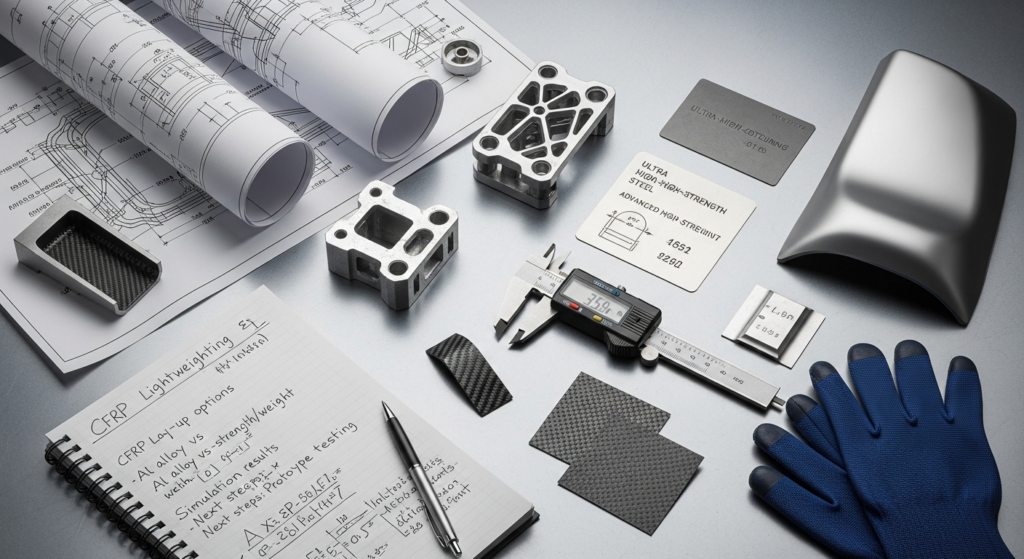
The Imperative of Automotive Lightweighting: Driving Efficiency and Performance
The global automotive industry is at a crossroads, facing immense pressure from regulatory bodies, environmental advocates, and increasingly discerning consumers. Central to addressing these multifaceted challenges is the relentless drive towards automotive lightweighting. The benefits of reducing vehicle mass are profound and far-reaching, impacting virtually every aspect of a vehicle’s performance and environmental footprint.
Firstly, lightweighting directly translates into enhanced fuel efficiency for internal combustion engine (ICE) vehicles. A lighter vehicle requires less energy to accelerate and maintain speed, leading to lower fuel consumption and, consequently, reduced operational costs for the end-user. For electric vehicles (EVs), the impact is even more transformative. A lighter EV can achieve a significantly greater range with the same battery capacity, alleviating range anxiety and making electric mobility more accessible and practical. Alternatively, manufacturers can opt for smaller, less expensive battery packs to achieve comparable ranges, thereby reducing the overall cost and environmental impact of battery production.
Secondly, reduced vehicle weight plays a pivotal role in curbing greenhouse gas emissions. Lower fuel consumption in ICE vehicles directly translates to a decrease in CO2 emissions, helping automakers meet increasingly stringent global emission standards. For EVs, while their direct operational emissions are zero, the energy required to produce and transport them, as well as the electricity used for charging, benefits from a lighter vehicle, leading to a smaller overall carbon footprint across the vehicle’s lifecycle.
Beyond environmental considerations, lightweighting significantly improves vehicle dynamics and performance. Lighter vehicles exhibit better acceleration, more responsive handling, and shorter braking distances. This enhanced agility contributes to a more engaging driving experience and can also improve active safety by allowing for quicker evasive maneuvers. Furthermore, lighter vehicles can improve passive safety by allowing engineers greater flexibility in designing crumple zones and energy absorption structures without adding excessive mass.
The economic implications are also substantial. While the initial investment in advanced lightweight materials and manufacturing processes can be higher, the long-term savings from improved fuel economy and reduced emissions often outweigh these costs. Moreover, the ability to innovate in lightweight design provides a competitive edge in a global market where efficiency and sustainability are increasingly becoming key differentiators for consumers. As the industry looks towards 2026, the imperative for lightweighting is set to intensify, driving continuous innovation in material science and manufacturing technologies.
Advanced High-Strength Steels (AHSS) and Their Evolution

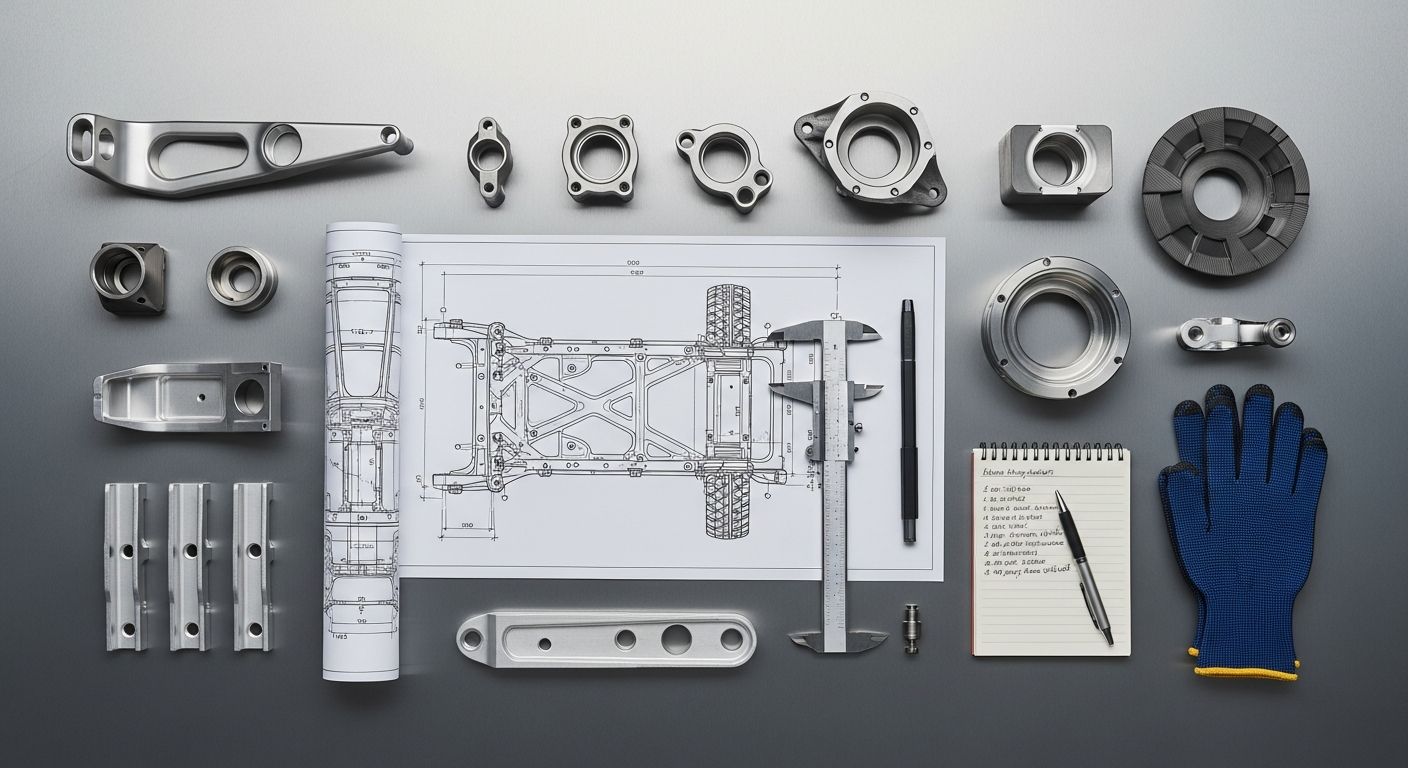
For decades, steel has been the backbone of automotive manufacturing, renowned for its strength, ductility, and cost-effectiveness. However, conventional steels often come with a significant weight penalty. The advent of Advanced High-Strength Steels (AHSS) has revolutionized this perception, allowing automakers to achieve substantial weight reductions while maintaining or even enhancing safety and structural integrity. AHSS represents a diverse family of steels designed through sophisticated alloying and processing techniques to offer superior strength-to-weight ratios compared to traditional mild steels.
The evolution of AHSS has seen several generations, each building upon its predecessor to deliver increasingly impressive properties. First-generation AHSS, such as Dual-Phase (DP) steels, Transformation-Induced Plasticity (TRIP) steels, and Martensitic (MS) steels, offered significant strength increases. DP steels, for instance, combine a soft ferrite matrix with hard martensite islands, providing an excellent balance of strength and formability, making them ideal for complex structural components like body-in-white applications. TRIP steels utilize retained austenite that transforms into martensite during deformation, leading to high work-hardening rates and exceptional energy absorption capabilities, crucial for crashworthiness.
The innovation continued with second-generation AHSS, including Twinning-Induced Plasticity (TWIP) steels and Lightweight Steels (L-AHSS). TWIP steels exhibit extremely high strength and ductility, often exceeding 1000 MPa tensile strength with elongations over 60%, making them attractive for challenging forming operations and critical safety components. However, their manganese content can lead to higher material costs and specific processing requirements.
Currently, the automotive industry is increasingly adopting third-generation AHSS. These steels aim to bridge the performance gap between first and second-generation AHSS, offering an optimal combination of high strength, ductility, and cost-effectiveness. Examples include Quenching and Partitioning (Q&P) steels and Carbidic-Free Bainitic (CFB) steels. Q&P steels leverage a specific heat treatment process to produce a microstructure with retained austenite and martensite, achieving outstanding strength and ductility. CFB steels, on the other hand, offer high strength without the need for rapid quenching, simplifying processing. These third-generation steels enable even thinner gauges of material to be used in vehicle structures, further contributing to lightweighting without compromising crash performance. For instance, using AHSS in critical areas can reduce the weight of a body-in-white by 15-25% compared to designs using conventional steels.
The continued development of AHSS, coupled with advanced forming technologies and joining methods, ensures that steel remains a vital and competitive lightweighting material. Manufacturers are leveraging these materials to create multi-material architectures, strategically placing AHSS where its specific properties can deliver the most benefit, thereby optimizing both performance and cost. The ability to form complex geometries with these materials, often requiring precise control over stamping and welding processes, is a testament to ongoing advancements in manufacturing techniques. Mitsubishi Manufacturing, for example, continuously invests in the latest press technologies and joining solutions to effectively utilize these advanced steel grades.
The Rise of Aluminum Alloys in Automotive Applications
The adoption of aluminum has been driven by continuous advancements in alloy development and manufacturing processes. Various series of aluminum alloys are employed, each optimized for specific applications:
- 5xxx Series (Al-Mg alloys): These alloys are known for their excellent formability, corrosion resistance, and weldability. They are commonly used for inner panels, heat shields, and fuel tanks, where deep drawing and complex shapes are required.
- 6xxx Series (Al-Mg-Si alloys): These are heat-treatable alloys offering a good balance of strength, formability, and corrosion resistance. They are widely used for exterior body panels, closures (hoods, doors, trunks), and structural components due to their ability to achieve high strength after heat treatment (precipitation hardening).
- 7xxx Series (Al-Zn-Mg-Cu alloys): These alloys provide the highest strength among commonly used aluminum alloys, often comparable to some steels. They are typically used in applications requiring maximum strength, such as impact beams, bumper reinforcements, and certain chassis components, though their formability can be more challenging.
- Cast Aluminum Alloys: These are crucial for producing complex shapes like engine blocks, cylinder heads, transmission housings, and suspension components. Advanced casting techniques such as high-pressure die casting, low-pressure casting, and squeeze casting allow for the creation of intricate, near-net-shape parts with excellent mechanical properties.
The benefits of aluminum extend beyond its lightweight properties. It possesses excellent corrosion resistance, which can contribute to vehicle longevity and reduce maintenance needs. Furthermore, aluminum is highly recyclable, aligning with circular economy principles and contributing to the overall sustainability goals of the automotive industry. The energy required to recycle aluminum is significantly less than that for primary production, making it an environmentally friendly choice.
However, the widespread adoption of aluminum also presents several challenges. Aluminum alloys can be more expensive than steel, both in raw material cost and in processing. Forming aluminum can require different techniques and tooling due to its lower ductility and different springback characteristics compared to steel. Joining dissimilar materials, such as aluminum to steel, necessitates specialized techniques like adhesive bonding, self-piercing rivets, friction stir welding, or laser welding, which adds complexity to the manufacturing process. The expertise in these advanced joining technologies is a key differentiator for manufacturers committed to multi-material vehicle architectures.
Despite these challenges, the trajectory for aluminum in automotive lightweighting is unequivocally upward. Continuous research into new alloys with improved formability, weldability, and crash performance, coupled with innovations in manufacturing techniques, ensures aluminum’s prominent role in achieving significant weight reductions in vehicles towards 2026 and beyond.
Composite Materials: The Future of Lightweighting
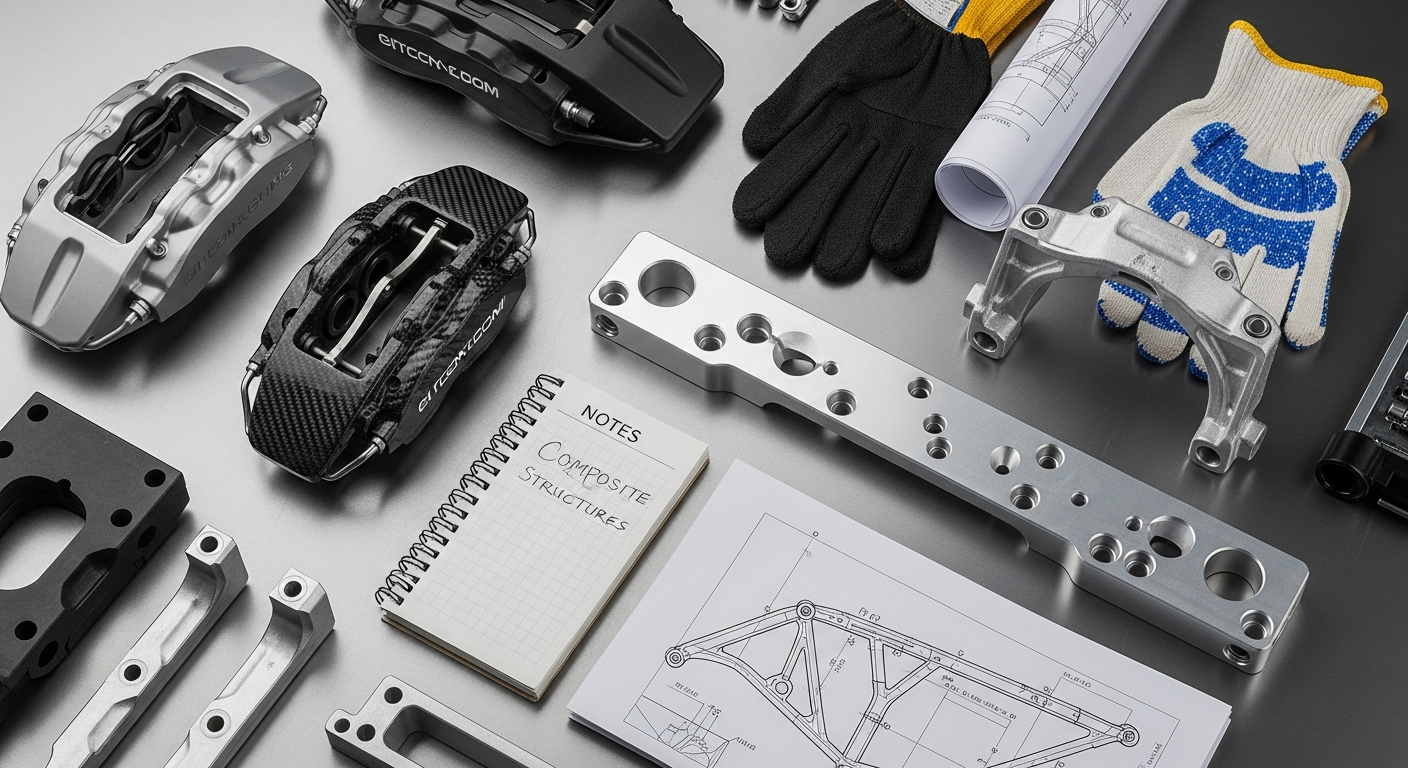
Composite materials, particularly those based on carbon fiber and glass fiber, represent the pinnacle of lightweighting technology, offering unparalleled strength-to-weight ratios that surpass even the most advanced metallic alloys. While their higher cost and complex manufacturing processes have historically limited their use to high-performance and luxury vehicles, ongoing innovations are gradually making them more accessible for broader automotive applications.
Carbon Fiber Reinforced Polymers (CFRPs):
CFRPs are perhaps the most celebrated composite materials in lightweighting. Consisting of carbon fibers embedded in a polymer matrix (typically epoxy resin), CFRPs boast exceptional tensile strength, stiffness, and fatigue resistance, all while being remarkably light. Carbon fiber is approximately five times stronger than steel and two-thirds lighter. This combination makes CFRP ideal for applications where extreme performance and weight reduction are paramount, such as monocoque chassis, body panels, structural components, and even wheels in high-end vehicles.
The manufacturing of CFRP components is complex and can involve various processes:
- Prepreg Layup: Pre-impregnated carbon fiber sheets are manually or robotically laid into molds, then cured under heat and pressure in autoclaves. This offers high precision but is often slow and labor-intensive.
- Resin Transfer Molding (RTM): Dry carbon fiber preforms are placed in a mold, which is then closed, and resin is injected under pressure. This process allows for faster cycle times and more complex geometries.
- Compression Molding: Short fiber or continuous fiber composites are pressed into shape under heat and pressure. This is suitable for higher volume production of less geometrically complex parts.
Despite their superior properties, CFRPs face significant hurdles, including high material costs, labor-intensive manufacturing processes, and challenges in repair and end-of-life recycling. However, research into more cost-effective carbon fiber precursors, faster curing resins, and automated manufacturing techniques (e.g., automated fiber placement, braiding) is actively underway to overcome these limitations. The goal is to bring down costs and increase production rates, making CFRPs a viable option for a wider range of vehicles by 2026.
Glass Fiber Reinforced Polymers (GFRPs):
GFRPs offer a more cost-effective composite solution compared to CFRPs, while still providing significant weight savings over metallic alternatives. Using glass fibers as reinforcement, GFRPs are widely utilized in automotive applications such as interior components, underbody shields, battery housings, and even some semi-structural parts. They offer good mechanical properties, excellent corrosion resistance, and reasonable formability, making them a versatile choice for various non-critical and semi-structural applications. Manufacturing processes often include compression molding, injection molding, and sheet molding compound (SMC) processes, which are more amenable to higher volume production than many CFRP techniques.
The future of lightweighting will increasingly rely on hybrid material solutions, combining composites with metals to leverage the best properties of each. For example, local reinforcement with CFRP in high-stress areas of an aluminum structure can create a composite-metal hybrid that is both light and incredibly strong. This strategic integration requires sophisticated design and manufacturing capabilities, including advanced joining technologies that can reliably bond dissimilar materials.
As the automotive industry pushes towards greater sustainability and performance, the role of composite materials will undoubtedly expand. Innovations in material recycling, particularly for carbon fibers, and the development of bio-based resins are also key areas of research, aiming to enhance the environmental profile of these advanced lightweighting solutions.
Other Emerging Lightweighting Materials and Technologies
While AHSS, aluminum, and advanced composites form the cornerstone of current automotive lightweighting strategies, the industry is continuously exploring a broader spectrum of materials and innovative technologies to push the boundaries further. These emerging solutions offer unique properties that can address specific challenges or provide incremental weight savings in various vehicle components.
Magnesium Alloys:
Magnesium is the lightest structural metal, approximately 35% lighter than aluminum and 75% lighter than steel. Its exceptionally low density makes it an attractive candidate for significant weight reduction. Historically, magnesium has been used in specific components such as steering wheel armatures, instrument panel frames, and transmission casings. Advances in alloy development have improved its corrosion resistance and ductility, making it viable for more structural applications. However, challenges remain, including its relatively high cost, limited formability at room temperature, and manufacturing complexities related to its reactivity and specific casting requirements. Research is focusing on developing new high-strength, creep-resistant alloys and more efficient, cost-effective manufacturing processes to expand its automotive footprint.
Advanced Plastics and Polymers:
High-performance polymers and plastics, often reinforced with fibers, are increasingly replacing metals in a variety of non-structural and semi-structural applications. Examples include advanced polyamides, polypropylenes, and polycarbonates. These materials offer excellent design flexibility, corrosion resistance, and often enable part consolidation, reducing assembly complexity and weight. For instance, plastic intake manifolds, engine covers, and even some structural battery enclosures are now common. The development of engineering thermoplastics with enhanced mechanical properties and thermal stability allows for their use in more demanding under-hood and chassis applications, further contributing to overall vehicle lightweighting.
Hybrid Material Solutions:
The future of lightweighting is not solely about finding a single ‘miracle material’ but rather about intelligently combining different materials to leverage their best attributes. This approach, known as multi-material design, involves strategically placing different materials—AHSS, aluminum, composites, magnesium, and plastics—in various parts of the vehicle structure. For example, an automotive body-in-white might feature AHSS in crash-critical zones, aluminum for closure panels, and CFRP for a roof panel. This complex integration requires sophisticated design tools and advanced joining technologies to ensure structural integrity and crashworthiness. Techniques like friction stir welding, adhesive bonding, self-piercing rivets, and flow drill screws are essential for reliably joining dissimilar materials.
Additive Manufacturing (3D Printing):
While not a material in itself, additive manufacturing is a transformative technology that can unlock new lightweighting opportunities. By allowing for the creation of incredibly complex geometries, topology-optimized structures, and lattice designs that are impossible with traditional manufacturing methods, 3D printing enables engineers to place material only where it is absolutely needed. This can result in significant weight reductions for intricate components, tooling, and prototypes. Materials used in additive manufacturing for automotive applications include various polymers, metals (e.g., aluminum, titanium), and composites. As the speed and scale of additive manufacturing improve, its role in producing production-ready lightweight components will likely expand.
These emerging materials and technologies, combined with ongoing research into fundamental material science, promise to deliver the next generation of lightweighting solutions, crucial for meeting the performance, efficiency, and sustainability demands of the automotive industry in 2026 and beyond.
Manufacturing Innovations and Design Considerations for Lightweighting
Achieving effective automotive lightweighting goes far beyond simply selecting advanced materials; it necessitates a holistic approach that integrates innovative manufacturing processes, sophisticated design methodologies, and a commitment to operational efficiency. For manufacturers like Mitsubishi Manufacturing, optimizing these aspects is crucial for translating material science advancements into tangible vehicle benefits, all while maintaining cost-effectiveness and product quality.
One of the foundational pillars supporting efficient lightweight component production is the application of Lean Manufacturing Principles Explained. Lean principles aim to identify and eliminate waste in all forms across the manufacturing value chain. In the context of lightweighting, this means optimizing material usage, streamlining production processes, and reducing cycle times. For example, minimizing scrap rates when cutting expensive lightweight materials like carbon fiber prepregs or advanced aluminum alloys directly impacts material costs and environmental footprint. Implementing lean practices ensures that resources are utilized efficiently, from raw material procurement to final assembly, driving down manufacturing costs and accelerating the adoption of new, lighter materials.
Closely related to lean manufacturing are robust Manufacturing Waste Reduction Strategies. The inherent value and sometimes higher cost of advanced lightweighting materials make waste reduction even more critical. Strategies include:
- Optimized Nesting and Cutting: Using advanced software to maximize material utilization during cutting operations, especially for sheet materials.
- Recycling and Re-use: Establishing effective systems for collecting and recycling scrap materials (e.g., aluminum, steel, even some composites) back into the production stream or for other applications.
- Process Control and Defect Reduction: Minimizing defects in forming, casting, or joining processes to reduce the need for rework or scrapping of entire parts. This is particularly important for processes involving complex composite curing or multi-material joining.
- Energy Efficiency: Reducing energy consumption in manufacturing processes, such as heat treatment of AHSS or aluminum, or curing of composites, which contributes to overall sustainability.
On the design front, computational tools have become indispensable. Finite Element Analysis Explained is a critical technology that allows engineers to simulate the performance of components and structures under various loads and conditions before any physical prototype is built. For lightweighting, FEA is used to:
- Topology Optimization: Generating optimal material distribution within a given design space to maximize stiffness-to-weight or strength-to-weight ratios. This can result in organic, lattice-like structures that are incredibly light yet strong.
- Material Selection and Validation: Evaluating how different lightweight materials will behave in specific applications, predicting stress concentrations, deformation, and fatigue life.
- Crashworthiness Simulation: Simulating vehicle crash scenarios to ensure that lightweight designs meet stringent safety standards, allowing for iterative design improvements without costly physical testing.
- Formability Analysis: Predicting how new materials will behave during stamping, deep drawing, or hydroforming processes, helping to prevent defects and optimize tooling design.
Furthermore, innovative manufacturing processes are crucial for working with these advanced materials. For example, hot stamping techniques are essential for forming ultra-high-strength steels into complex shapes, while advanced casting processes are key for magnesium and aluminum components. For composites, automated fiber placement and advanced resin transfer molding are reducing cycle times and enabling higher volume production. The development of robust joining technologies for dissimilar materials—such as adhesive bonding, self-piercing rivets, friction stir welding, and laser welding—is also paramount for multi-material vehicle architectures.
By integrating sophisticated design tools like FEA with efficient manufacturing principles like Lean and robust waste reduction strategies, manufacturers can fully harness the potential of automotive lightweighting materials, driving innovation, improving sustainability, and delivering superior vehicles to the market by 2026.
The Holistic Impact of Lightweighting: Beyond the Vehicle
The strategic pursuit of automotive lightweighting extends its influence far beyond the immediate benefits of a lighter vehicle. It represents a holistic approach to sustainable manufacturing and product development, impacting environmental stewardship, economic viability, and the future trajectory of mobility itself. For Mitsubishi Manufacturing, understanding these broader implications is key to positioning our operations for success in a rapidly evolving global market.
Environmentally, lightweighting is a cornerstone of the automotive industry’s drive towards decarbonization. For internal combustion engine vehicles, reduced weight directly translates to lower fuel consumption and, consequently, a significant reduction in greenhouse gas emissions. This helps automakers meet increasingly strict global emissions regulations and contributes to broader climate change mitigation efforts. For electric vehicles, lightweighting magnifies the benefits of electrification by extending range, reducing the size and cost of battery packs, and ultimately lowering the embedded carbon footprint associated with battery production and vehicle manufacturing. Furthermore, the push for lightweighting often encourages the development and adoption of materials that are more readily recyclable, such as aluminum and certain advanced steels, fostering a more circular economy within the automotive supply chain.
Economically, while advanced lightweight materials and processes can entail higher upfront costs, the long-term benefits often outweigh these investments. Consumers benefit from lower fuel costs and potentially reduced taxes based on emissions. For manufacturers, the ability to meet regulatory mandates without punitive fines, coupled with the competitive advantage gained from offering more efficient and higher-performing vehicles, translates into sustained market presence and profitability. Moreover, the lightweighting trend stimulates innovation across the entire manufacturing ecosystem, creating new jobs in material science, engineering, and advanced manufacturing. Investments in new tooling, automation, and specialized training for working with these materials drive technological progress and enhance the overall skill base of the workforce.
In terms of safety, lightweighting allows engineers greater flexibility in designing vehicle structures that are both light and incredibly strong. By strategically placing advanced high-strength steels and composites, for example, manufacturers can optimize energy absorption during a collision, protecting occupants more effectively. The improved vehicle dynamics that come with reduced mass – better braking, handling, and acceleration – also contribute to active safety, helping drivers avoid accidents in the first place.
Looking ahead to 2026 and beyond, the trend towards lightweighting will only accelerate. The convergence of increasingly stringent environmental regulations, growing consumer demand for sustainable and high-performance vehicles, and continuous advancements in material science and manufacturing technologies will solidify lightweighting as a core pillar of automotive innovation. This will necessitate ongoing research and development into new materials, more efficient production methods, and sophisticated multi-material design strategies. Mitsubishi Manufacturing is committed to being at the forefront of these developments, leveraging our expertise to integrate the latest lightweighting solutions into our manufacturing processes, thereby contributing to a more sustainable and efficient future for mobility.
Frequently Asked Questions
What is automotive lightweighting and why is it important?▾
What are the primary materials used for lightweighting in modern vehicles?▾
How do manufacturing processes influence lightweighting?▾
What role does simulation play in lightweight design?▾
Are there any emerging materials or technologies for lightweighting we should expect by 2026?▾
What are the main challenges associated with adopting new lightweighting materials?▾
Recommended Resources
Learn more about this topic in Best High Yield Savings Accounts 2026 at Diaal News.
Learn more about this topic in Reproductive Healthcare Access Guide at Protect Families Protect Choices.