The Blueprint Stage: Design, Engineering, and Prototyping
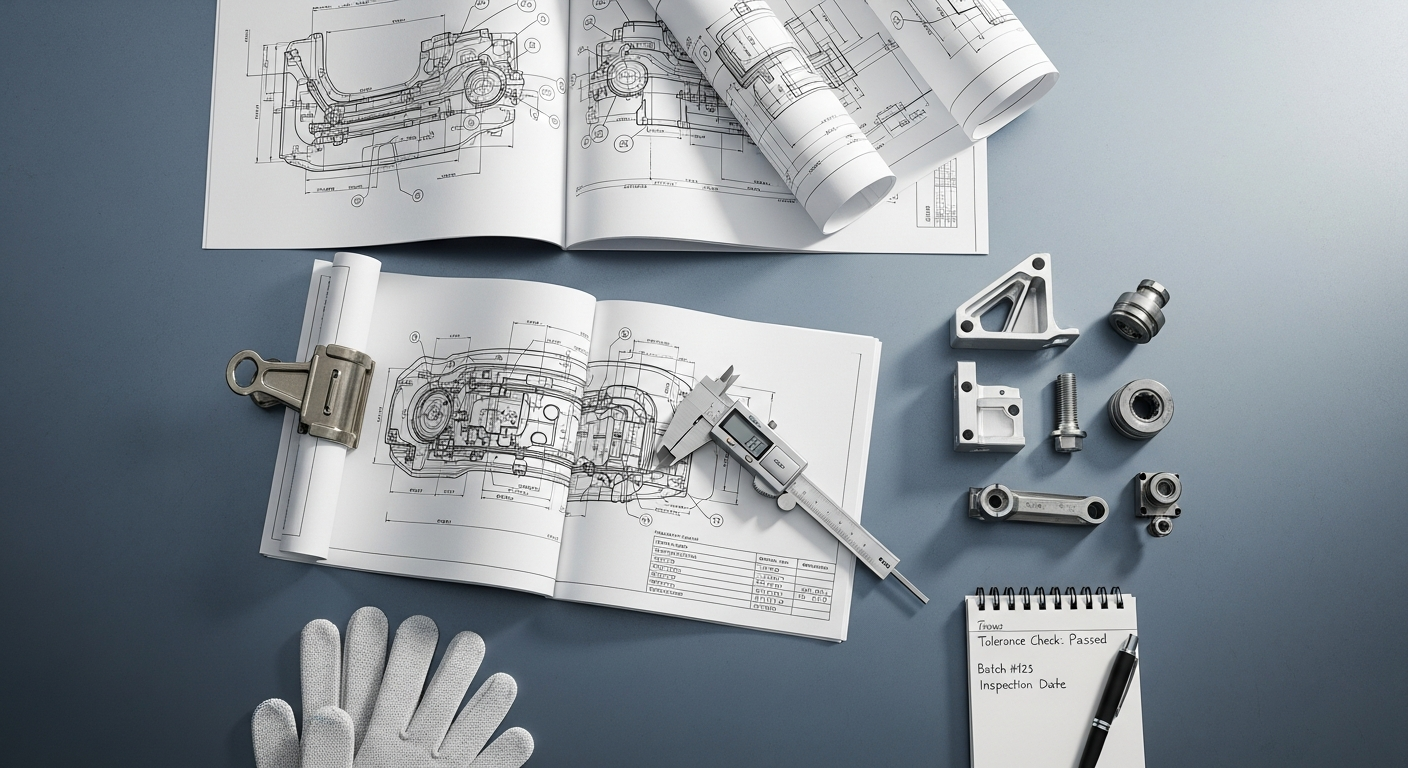
Every automotive manufacturing journey begins long before the first piece of metal is cut. It originates in the design and engineering departments, where vision meets feasibility. This initial phase is critical, laying the groundwork for the vehicle’s aesthetics, performance, safety, and manufacturability.
The process typically kicks off with extensive market research and trend analysis to identify consumer needs, technological advancements, and regulatory requirements. Designers then translate these insights into initial sketches and digital models using sophisticated Computer-Aided Design (CAD) software. This isn’t merely about creating attractive exteriors; it encompasses interior ergonomics, user interface design, and the overall user experience.
Parallel to design, engineering teams utilize Computer-Aided Engineering (CAE) tools to conduct rigorous simulations. A cornerstone of this phase is Finite Element Analysis Explained (FEA). FEA is a computational method used to predict how a product reacts to real-world forces, vibration, heat, and other physical effects. In automotive design, FEA is indispensable for:
- Structural Integrity: Simulating stress distribution under various loads to ensure the chassis and body components can withstand operational forces and provide occupant protection in collisions.
- Crashworthiness: Virtually testing crash scenarios to optimize energy absorption, minimize intrusion into the passenger compartment, and enhance safety features long before physical prototypes are built.
- Vibration and Acoustics: Analyzing noise, vibration, and harshness (NVH) to refine component design and material choices for a quieter, more comfortable ride.
- Thermal Management: Simulating heat dissipation in engines, battery packs (for EVs), and braking systems to prevent overheating and optimize performance.
- Aerodynamics: Optimizing vehicle shape to reduce drag, improve fuel efficiency, and enhance stability at speed.
Beyond FEA, other simulations include Computational Fluid Dynamics (CFD) for airflow analysis and Multi-body Dynamics (MBD) for analyzing suspension and steering system performance. These virtual testing methods significantly reduce the need for expensive physical prototypes and accelerate the development cycle, allowing engineers to iterate and refine designs rapidly.
Once designs are validated virtually, physical prototypes are often constructed. These prototypes, ranging from clay models to fully functional “mules,” serve various purposes: evaluating aesthetics, conducting wind tunnel tests, assessing ergonomics, and performing initial road tests. The insights gained from prototyping feed back into the design and engineering loop, leading to further refinements until the design is finalized for production. Simultaneously, supply chain planning begins, identifying and qualifying suppliers for the thousands of components that will eventually constitute the final vehicle.
Stamping and Body-in-White (BIW): Forming the Foundation
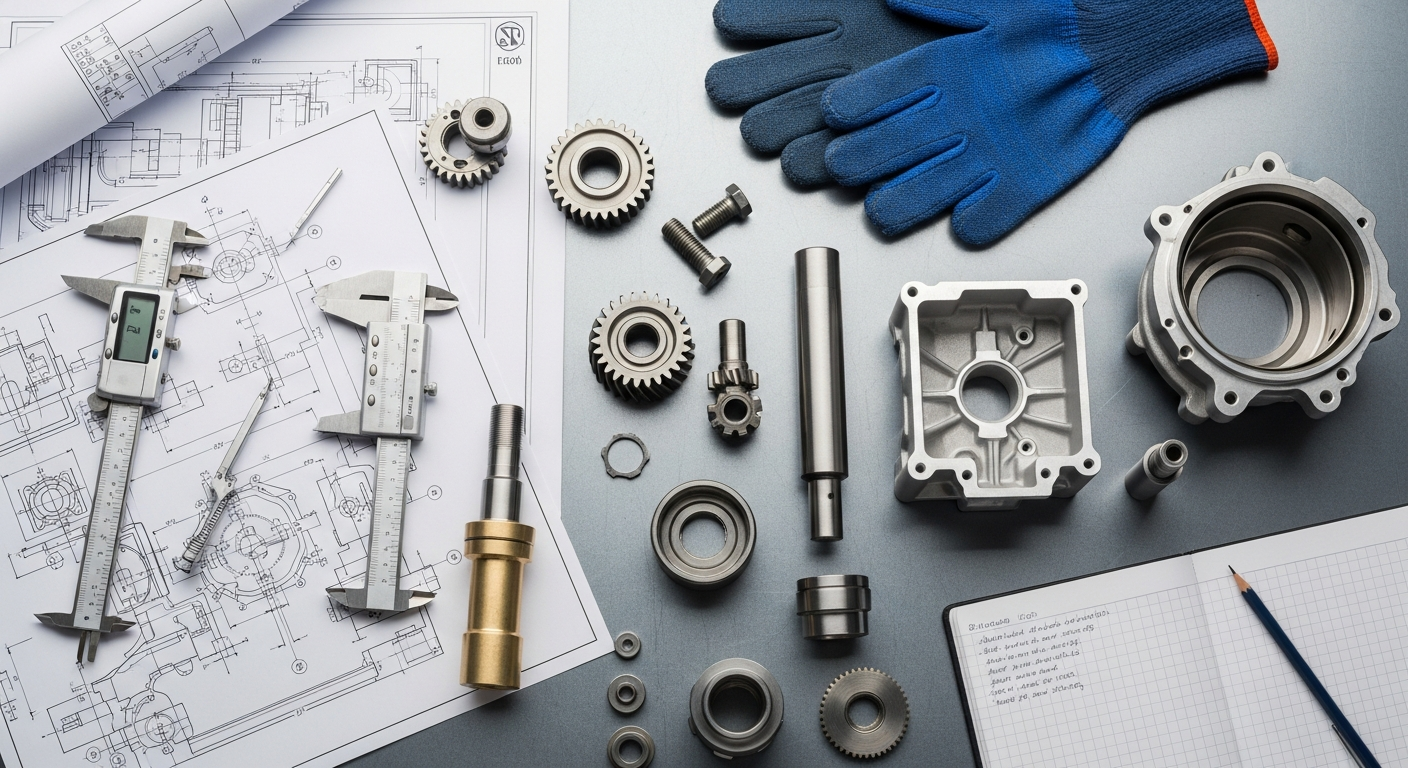
With the design solidified, the automotive manufacturing process explained moves into the crucial phase of forming the vehicle’s skeleton: the Body-in-White (BIW). This stage begins with raw materials, primarily large coils of sheet steel or aluminum, which are unrolled, cut into blanks, and fed into massive stamping presses.
Stamping is a high-precision operation where powerful presses, capable of exerting thousands of tons of force, use specialized dies to cut, bend, and form flat metal sheets into complex three-dimensional panels. These panels include exterior components like doors, hoods, fenders, roof panels, and trunk lids, as well as numerous internal structural components such as pillars, cross-members, and floor pans. The accuracy of these stamped parts is paramount, as even minor deviations can lead to assembly issues or compromise structural integrity.
Following stamping, individual panels are transported to the BIW assembly line. This is where the vehicle truly begins to take shape. The BIW refers to the stage where the vehicle’s body structure is complete, before any paint, trim, or powertrain components are added. It is essentially the welded, unpainted skeleton of the car.
The assembly of the BIW is largely automated, utilizing an array of advanced robotics. These robots perform various welding processes with incredible precision and speed:
- Spot Welding: The most common method, where two electrodes apply pressure and an electric current to join two metal sheets at specific points. Modern BIW can have thousands of spot welds.
- Laser Welding: Offers superior precision, speed, and minimal heat distortion, often used for critical structural joints and visible seams.
- MIG/MAG Welding: (Metal Inert Gas / Metal Active Gas) Used for thicker materials and specific structural connections.
- Adhesive Bonding: Increasingly used in conjunction with welding, particularly with mixed-material construction (e.g., steel and aluminum), to enhance rigidity, reduce NVH, and improve crash performance.
Throughout the BIW assembly, stringent quality control checks are performed. Robotic vision systems and laser scanners continuously measure panel dimensions and weld integrity to ensure that the body structure adheres to exact specifications. Any deviations are flagged immediately, demonstrating a proactive approach to Manufacturing Waste Reduction Strategies by preventing defects early in the process. The completed BIW is then ready for the next transformative stage: painting.
Painting and Surface Treatment: Protection and Aesthetics
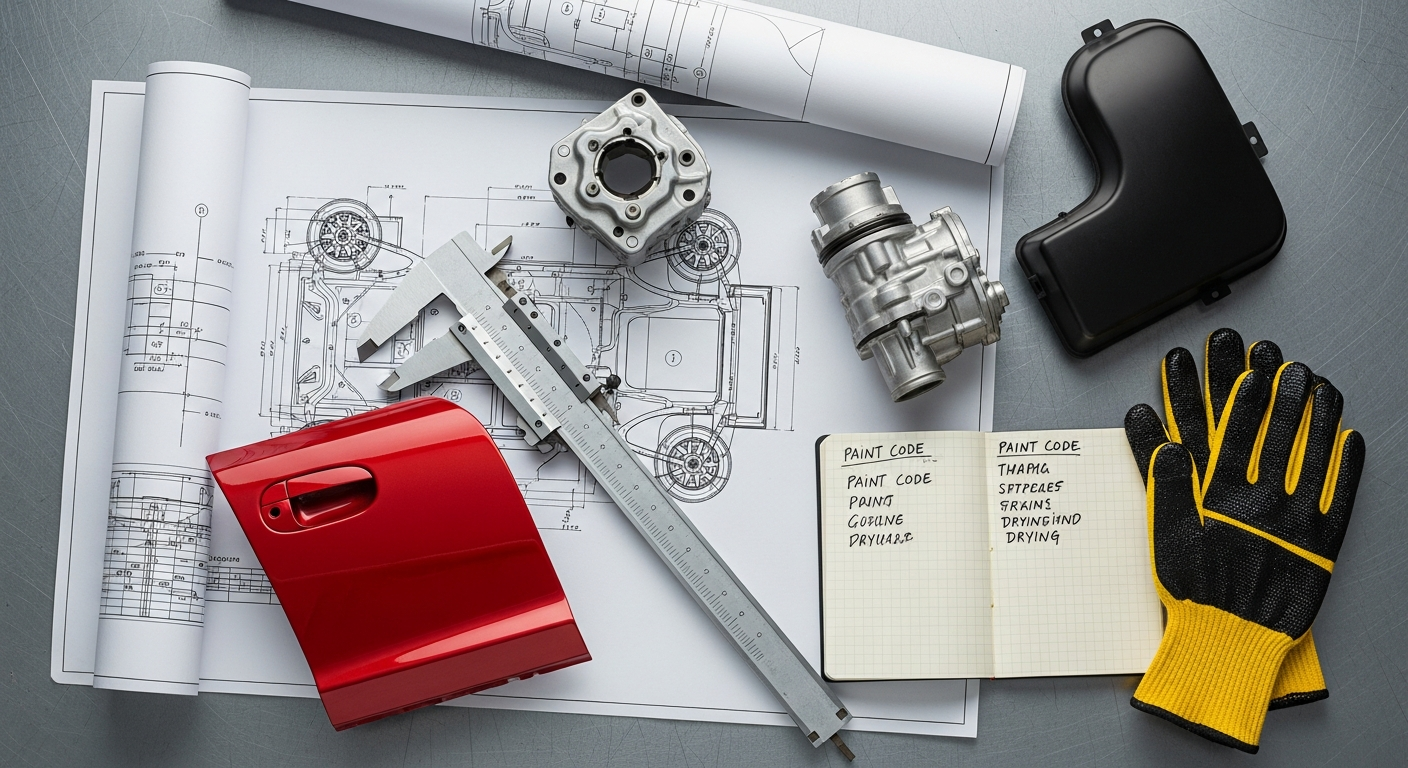
The BIW arrives at the paint shop completely bare. The first critical step is an extensive cleaning and pre-treatment process. The body undergoes multiple baths to remove any oils, dirt, and metallic particles accumulated during stamping and BIW assembly. This is followed by phosphating, which creates a microscopic crystalline layer on the metal surface, enhancing corrosion resistance and improving paint adhesion.
Next is the electro-coating (E-coat) process. The BIW is submerged in a large tank filled with electrically charged primer paint particles. An electric current is passed through the body, causing the paint particles to adhere evenly to all surfaces, including intricate internal cavities that spray guns cannot reach. This provides comprehensive rust protection and forms the foundational layer for subsequent paint coats. After E-coat, the body is baked in an oven to cure and harden this protective layer.
Subsequent layers are applied in highly controlled, dust-free environments, typically by precision robots to ensure consistency and minimize waste:
- Primer: A layer applied over the E-coat to smooth out minor surface imperfections, provide additional corrosion protection, and create a uniform surface for the base coat. It is also baked to cure.
- Base Coat: This is the color layer. Multiple thin coats are applied to achieve the desired hue, depth, and finish. Metallic and pearlescent finishes often require specific application techniques.
- Clear Coat: The final layer, a transparent, durable coating that provides gloss, UV protection, and resistance against scratches, chips, and environmental damage. It also enhances the depth and vibrancy of the base coat.
Between each coat, the body often undergoes flash-off zones to allow solvents to evaporate, and baking ovens for curing. The entire painting process is meticulously controlled for temperature, humidity, and airflow to ensure optimal paint adhesion and finish quality. Modern paint shops are also designed with sustainability in mind, employing systems to capture and recycle overspray, manage volatile organic compounds (VOCs), and reduce energy consumption, demonstrating proactive Manufacturing Waste Reduction Strategies.
Upon exiting the paint shop, the vehicle body undergoes a thorough inspection for any paint defects, such as runs, sags, or dust inclusions. Robotic inspection systems and trained human eyes meticulously scrutinize every surface to ensure a flawless finish, ready for the final assembly stages.
Powertrain and Chassis Assembly: Bringing it to Life
While the painted body provides the vehicle’s form and aesthetics, the powertrain and chassis assembly inject its core functionality and dynamic capabilities. This stage involves the intricate integration of hundreds of components that enable the vehicle to move, steer, and stop safely and efficiently. This is often done on separate sub-assembly lines before being married to the painted body.
The powertrain, comprising the engine (or electric motor), transmission, and drivetrain components, is the heart of the vehicle. Engine assembly, whether for internal combustion engines (ICE), hybrid systems, or electric vehicle (EV) drivetrains, is a highly automated and precise process:
- Engine Block Machining: Raw cast blocks are machined to exacting tolerances for cylinder bores, crankshaft journals, and other critical dimensions.
- Crankshaft and Piston Assembly: Precision robotic arms and skilled technicians install crankshafts, connecting rods, and pistons.
- Cylinder Head Assembly: Valves, camshafts, and other components are fitted to the cylinder heads.
- Final Engine Assembly: The cylinder heads are mated to the block, followed by the installation of fuel injection systems, turbochargers (if applicable), alternators, water pumps, and other ancillaries.
- Transmission Assembly: Gears, shafts, bearings, and control units are carefully assembled into the transmission housing. For EVs, electric motors and their associated power electronics are assembled.
Each engine and transmission undergoes rigorous testing, including hot and cold tests, before being approved for installation. This ensures that every powertrain unit meets performance, emissions, and reliability standards, minimizing defects further down the line.
Simultaneously, the chassis components are assembled. This includes the suspension system (shock absorbers, springs, control arms), braking system (discs, calipers, lines), steering system (steering rack, power steering components), and axles. These components are often pre-assembled into modular units, such as front and rear axle modules, which can then be quickly installed onto the vehicle body.
The “marriage” point is a pivotal moment in the automotive manufacturing process explained. Here, the complete powertrain and chassis assembly is carefully lifted and precisely bolted to the underside of the painted BIW. This synchronization requires immense precision, often achieved through automated guided vehicles (AGVs) and robotic systems that align the components perfectly. At this stage, the vehicle gains its ability to roll and is often placed on an assembly line conveyor system, ready for the final trim and interior installations.
Throughout this complex stage, Lean Manufacturing Principles Explained are actively applied. For instance, Just-in-Time (JIT) delivery ensures that powertrain components arrive at the assembly line precisely when needed, minimizing inventory and associated holding costs. Poka-yoke (mistake-proofing) devices are integrated into assembly tools and stations to prevent incorrect part installation, ensuring quality at every step.
Final Assembly (Trim and Final): The Human Touch and High-Tech Integration
The final assembly stage, often referred to as “Trim and Final,” is where the vehicle truly transforms from a functional machine into a comfortable, connected, and aesthetically pleasing product ready for the consumer. This phase involves installing thousands of individual components, ranging from intricate wiring harnesses to luxurious interior trim, and often requires a significant human element alongside advanced automation.
The painted body, now married to its powertrain and chassis, moves along a conveyor system, often at a pace carefully optimized to balance efficiency and quality. This stage is typically broken down into numerous workstations, each responsible for installing specific sets of components.
Key activities in final assembly include:
- Interior Installation: This is a highly ergonomic and detailed process. Workers install the dashboard, steering wheel, instrument cluster, infotainment system, wiring harnesses, air conditioning ducts, and insulation. Seats, carpets, headliners, door panels, and various trim pieces are then carefully fitted. The complexity of modern vehicle interiors, with their array of electronic features and sophisticated materials, demands high levels of precision.
- Exterior Fitting: Exterior lights (headlights, taillights), bumpers, grilles, exterior mirrors, and door handles are attached. Windows (windshield, side windows, rear window) are robotically or manually installed and sealed.
- Fluid Filling: The vehicle receives all necessary fluids, including engine oil, transmission fluid, brake fluid, coolant, and windshield washer fluid. This is typically an automated process, with sensors ensuring correct fill levels.
- Wheel and Tire Mounting: Wheels and tires, often pre-assembled, are mounted and torqued to precise specifications.
- Electrical System Activation: The vehicle’s electrical systems are brought online, and comprehensive diagnostic tests are performed to ensure all electronic components, from the engine control unit to the infotainment system, are functioning correctly.
Throughout final assembly, quality checks are continuous. Workers use digital tools to confirm correct part installation, and automated systems perform functional tests on everything from power windows to advanced driver-assistance systems (ADAS). The principle of Jidoka, a core tenet of Lean Manufacturing Principles Explained, is evident here. If a defect is detected, the line can be stopped (either automatically or by an operator) to resolve the issue immediately, preventing further waste and ensuring that only quality products proceed.
Ergonomics for assembly line workers is a major consideration in modern plants. Workstations are designed to minimize strain and maximize efficiency, often incorporating lift assists and adjustable platforms. The successful completion of this stage results in a fully assembled, ready-to-test vehicle.
Quality Control, Testing, and Continuous Improvement
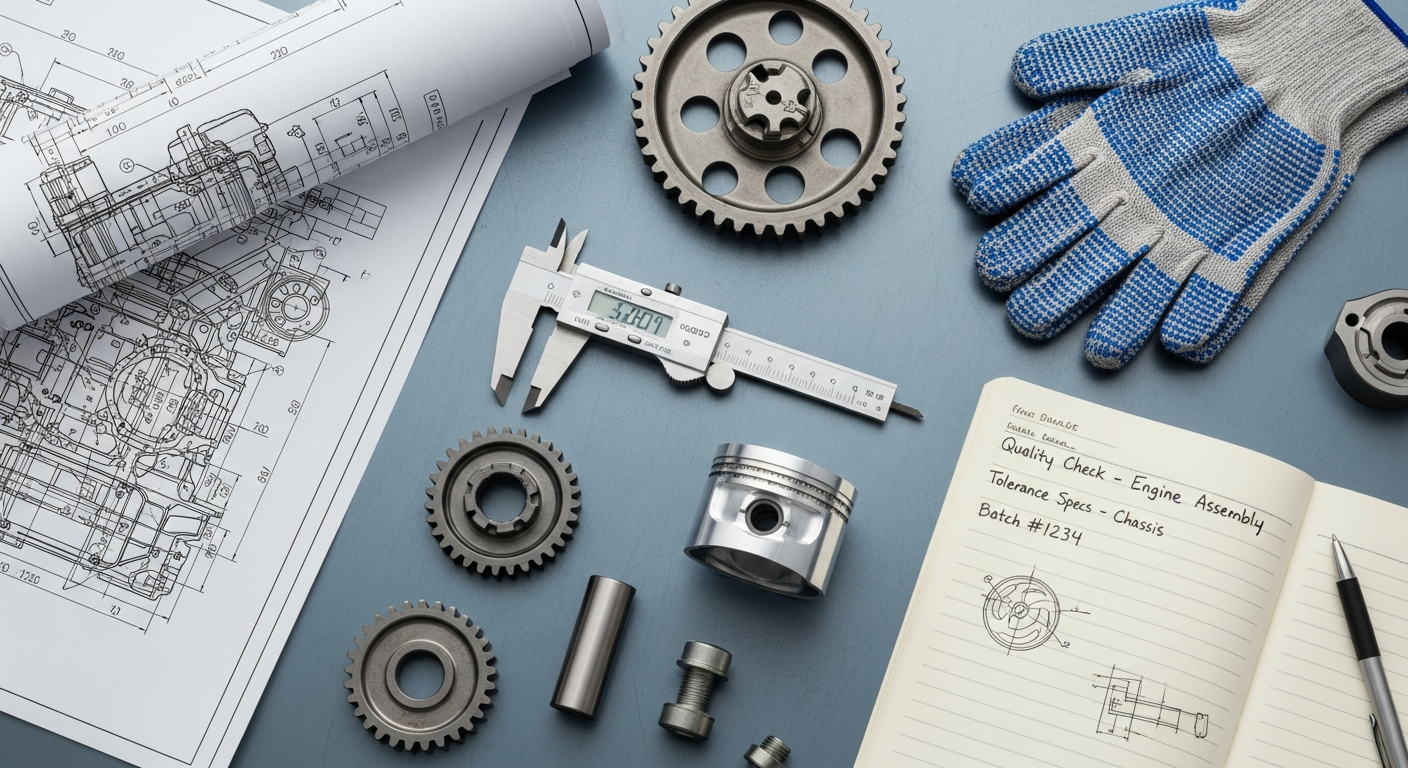
Quality control is not merely a final inspection; it is an overarching philosophy embedded into every single stage of the automotive manufacturing process explained. From the incoming raw materials to the outgoing finished vehicle, rigorous testing and inspection protocols are in place to ensure that every Mitsubishi vehicle meets the highest standards of safety, performance, durability, and customer satisfaction.
Early in the process, material testing ensures that steel, aluminum, plastics, and other components meet specified strength, purity, and dimensional requirements. During stamping, laser scanners verify the precision of formed panels. In BIW assembly, robotic vision systems confirm weld quality and body structure accuracy. The paint shop employs automated defect detection systems, often using high-resolution cameras, to identify any imperfections in the finish.
As the vehicle progresses through powertrain, chassis, and final assembly, functional tests become paramount:
- Dimensional Accuracy Checks: Coordinate Measuring Machines (CMMs) and laser scanners continuously verify that all components are within specified tolerances.
- Fluid Leak Tests: Pressurized air or helium leak detection systems are used to ensure there are no leaks in fuel lines, brake lines, cooling systems, or air conditioning systems.
- Wheel Alignment and Braking Tests: Automated systems adjust wheel alignment and test brake performance on a roller dynamometer.
- Electrical and Electronic System Diagnostics: Sophisticated diagnostic tools communicate with the vehicle’s onboard computers to verify the functionality of all electronic modules, sensors, and actuators. This includes infotainment, safety systems, and engine management.
- Water Leak Tests (Shower Test): Vehicles pass through a high-pressure water booth to simulate heavy rain and ensure all seals (windows, doors, sunroofs) are watertight.
- Road Testing (Simulated and Actual): Vehicles undergo a simulated road test on a dynamometer to check engine performance, transmission shifts, and NVH characteristics under various driving conditions. A percentage of vehicles also undergo actual road tests on a test track to evaluate real-world performance, handling, and ride comfort.
Beyond individual tests, the entire manufacturing operation is underpinned by principles of continuous improvement. This is where Lean Manufacturing Principles Explained truly shine. Concepts like Kaizen (continuous improvement involving everyone), Jidoka (automation with a human touch, meaning stopping the line when a defect occurs), and Poka-yoke (mistake-proofing devices) are integral to Mitsubishi’s manufacturing philosophy. These principles aim to identify and eliminate waste (Muda) in all its forms:
- Overproduction: Producing more than is needed, leading to excess inventory.
- Waiting: Idle time for workers or machines.
- Transport: Unnecessary movement of materials.
- Over-processing: Performing more work than is required by the customer.
- Inventory: Excess raw materials, work-in-progress, or finished goods.
- Motion: Unnecessary movement by people.
- Defects: Errors that require rework or scrap.
Manufacturing Waste Reduction Strategies are not just about cost savings; they are about enhancing quality, improving efficiency, and creating a more sustainable operation. By systematically identifying and addressing these wastes, manufacturers can streamline processes, reduce lead times, and deliver higher-quality products more consistently. Statistical Process Control (SPC) is also employed to monitor process variations and ensure that production remains within acceptable limits, preventing defects rather than just detecting them.
The Future of Automotive Manufacturing: Innovation and Sustainability by 2026
The automotive manufacturing process explained is not static; it is a continuously evolving landscape driven by technological advancements, changing consumer demands, and increasing environmental consciousness. Looking ahead to 2026 and beyond, several key trends are poised to redefine how vehicles are designed, produced, and delivered.
Industry 4.0 and Smart Factories: The integration of advanced technologies like the Internet of Things (IoT), Artificial Intelligence (AI), Big Data analytics, and cloud computing is leading to the development of “smart factories.” These facilities feature interconnected machines, real-time data exchange, and predictive analytics that optimize production schedules, identify potential equipment failures before they occur (predictive maintenance), and enable rapid adjustments to manufacturing processes. Digital twins – virtual replicas of physical assets – allow for simulated testing and optimization of entire production lines before physical implementation, further enhancing efficiency and reducing risk.
Electrification and New Materials: The rapid shift towards electric vehicles (EVs) is fundamentally altering powertrain manufacturing, focusing on battery production, electric motor assembly, and power electronics integration. This also drives the adoption of new materials, such as lightweight composites and advanced high-strength steels and aluminum alloys, to offset battery weight and improve range. Manufacturing processes must adapt to these materials, often requiring new joining techniques like advanced adhesive bonding and friction stir welding.
Additive Manufacturing (3D Printing): While not yet at scale for mass production of primary structural components, 3D printing is increasingly used for prototyping, creating complex tooling, and producing specialized or low-volume parts. As the technology matures, it could offer unprecedented design freedom and on-demand production capabilities, further reducing waste and lead times.
Increased Automation and Human-Robot Collaboration: Robotics will continue to advance, becoming more versatile, intelligent, and capable of complex tasks. Collaborative robots (cobots) are also emerging, designed to work safely alongside human operators, enhancing productivity and allowing human workers to focus on tasks requiring dexterity, problem-solving, and quality inspection.
Sustainability and Circular Economy: Environmental responsibility is no longer an option but a necessity. Manufacturers are increasingly focused on reducing their carbon footprint, minimizing water usage, and eliminating waste throughout the production lifecycle. This includes using renewable energy sources, implementing closed-loop recycling systems for materials like paint solvents and metals, and designing vehicles for easier disassembly and recycling at the end of their life. The emphasis on Manufacturing Waste Reduction Strategies will intensify, moving towards a circular economy model where materials are reused and recycled to their fullest potential.
At Mitsubishi Manufacturing, our commitment to innovation ensures we are at the forefront of these advancements, continuously refining our processes to build the vehicles of tomorrow with unparalleled quality, efficiency, and environmental stewardship. The journey from concept to car remains a testament to human ingenuity and technological progress, promising an even more exciting future for the automotive industry.
Frequently Asked Questions
Recommended Resources
Explore How To Reduce Monthly Expenses for additional insights.
Learn more about this topic in Domestic Violence Resources For Families at Protect Families Protect Choices.