


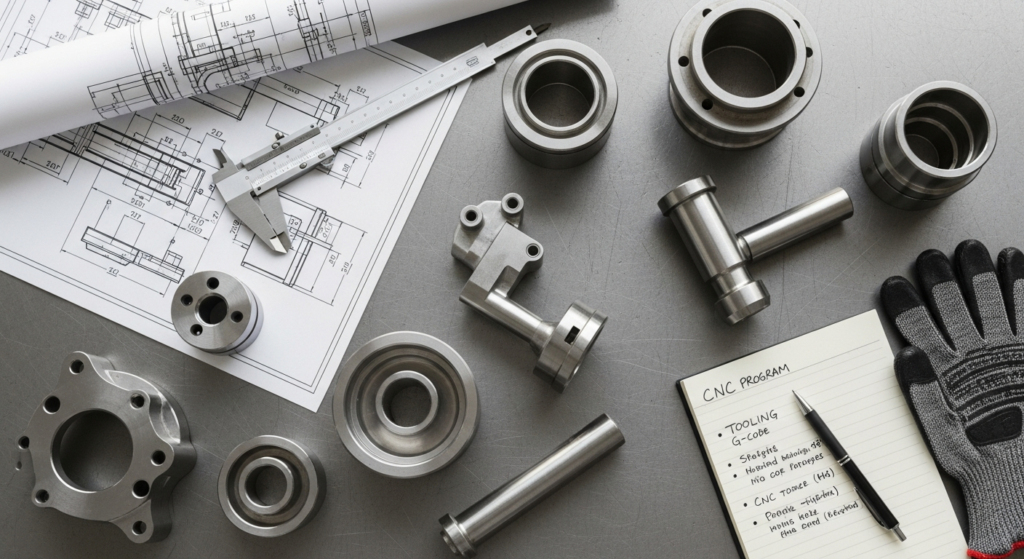
What is CNC Machining? A Deep Dive into Automated Precision
CNC machining explained fundamentally refers to a subtractive manufacturing process that utilizes computerized controls to operate and manipulate machine tools. Unlike traditional manual machining, where skilled operators physically guide tools, CNC systems interpret pre-programmed instructions to perform a series of operations with extreme precision and consistency. The acronym CNC stands for Computer Numerical Control, highlighting the central role of a computer in dictating the movements of machine tools like mills, lathes, routers, and grinders.
The journey from manual to automated machining began in the mid-20th century, evolving from early punched tape systems to sophisticated, multi-axis computer-driven machines we see today. This evolution marked a significant paradigm shift, empowering manufacturers to produce parts with complex geometries, tighter tolerances, and higher repeatability than ever before possible. The core principle remains consistent: a piece of raw material, often called a workpiece, is systematically cut, drilled, or shaped by a variety of cutting tools, removing material until the desired final form is achieved.
At its heart, a CNC machine is a sophisticated robot designed for manufacturing. It meticulously follows a coded program, known as G-code, which specifies every detail of the machining process: tool paths, feed rates, spindle speeds, and coolant activation. This digital control eliminates human error, reduces setup times, and allows for the seamless production of identical parts in high volumes, making it an indispensable technology in the global manufacturing landscape as we look towards 2026 and beyond. The precision afforded by CNC technology is critical in sectors where even microscopic deviations can have significant consequences, such as in medical devices or aerospace components.
Understanding what is CNC machining also means appreciating its versatility. It’s not a single machine but a broad category encompassing various processes, each tailored for specific tasks and materials. This adaptability, combined with its inherent accuracy, makes CNC machining a cornerstone of modern industrial production, driving innovation and enabling the creation of components that were once deemed impossible to manufacture.
How Does CNC Machining Work? The Operational Workflow

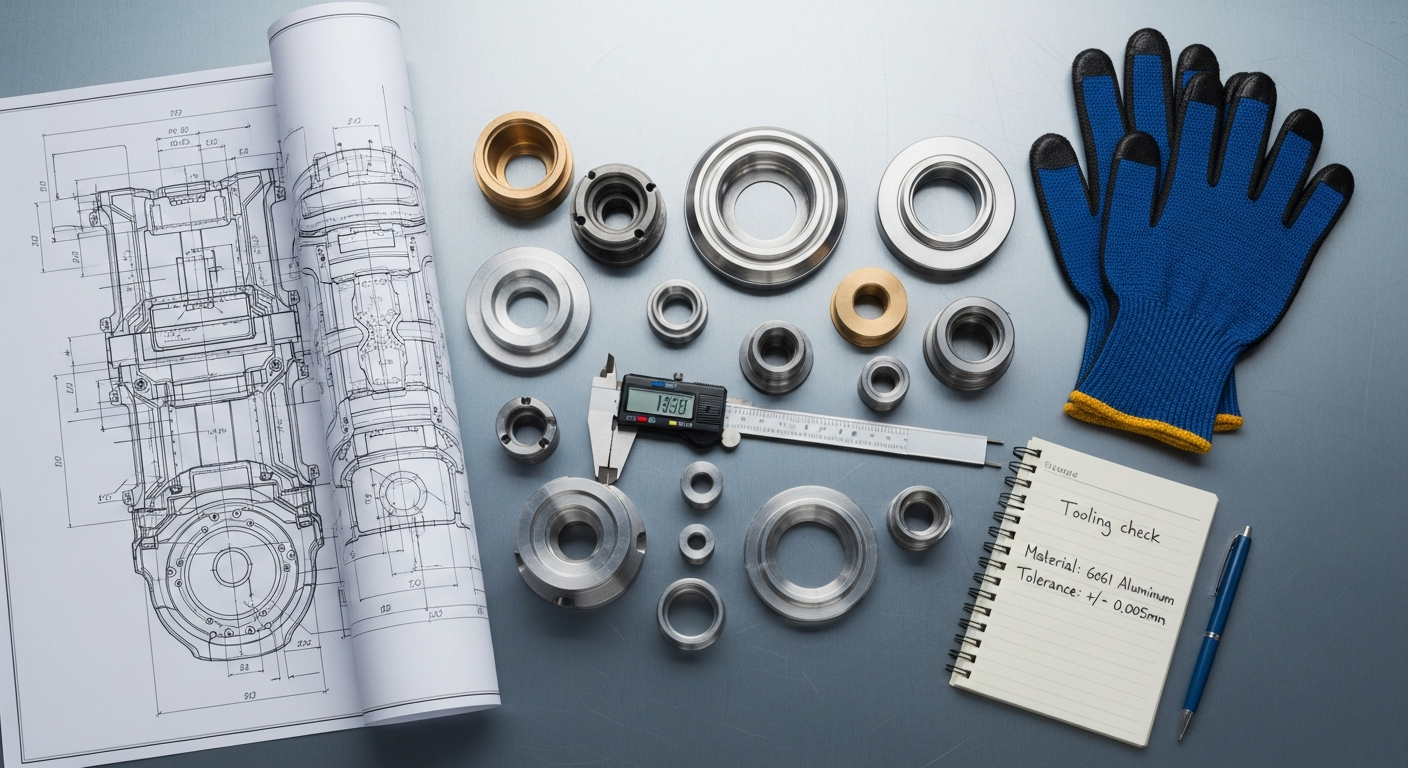
The operational workflow of CNC machining explained involves several critical stages, each contributing to the transformation of a digital design into a physical product. This process begins long before any cutting tool touches a workpiece, starting with meticulous planning and programming.
1. Design and CAD (Computer-Aided Design)
The first step is creating a detailed 3D model of the desired part using CAD software. Engineers and designers use programs like SolidWorks, AutoCAD, or Fusion 360 to define every dimension, feature, and tolerance of the component. This digital model serves as the blueprint for the entire manufacturing process, ensuring accuracy and precision from the outset. The complexity of the design will directly influence the subsequent programming and machining strategies.
2. CAM (Computer-Aided Manufacturing) Programming
Once the CAD model is finalized, it’s imported into CAM software. This is where the magic of translating design into machine instructions happens. The CAM software generates tool paths, specifying how the cutting tool will move, how fast it will spin (spindle speed), how quickly it will move across the material (feed rate), and which tools to use for different operations. It considers the material properties, the type of CNC machine, and the desired surface finish. This crucial step is where the intelligence of the machine is programmed, optimizing for efficiency, tool life, and part quality.
3. G-code Generation
The output of the CAM software is a specific programming language known as G-code (Geometric code) and M-code (Miscellaneous code). G-code dictates the exact movements of the machine’s axes (e.g., “G01 X100 Y50 Z-10” might mean move linearly to a specific coordinate). M-code controls auxiliary functions like starting/stopping the spindle, turning coolant on/off, or changing tools. This alphanumeric code is the direct instruction set that the CNC machine’s controller understands and executes.
4. Machine Setup and Tooling
Before machining begins, the operator loads the raw material (workpiece) onto the machine’s workholding device (e.g., a vise, chuck, or fixture). Appropriate cutting tools, selected based on the material, design features, and desired finish, are loaded into the tool changer. These tools can range from end mills and drills to turning inserts and grinding wheels. Each tool’s geometry and offset must be precisely measured and entered into the CNC controller to ensure accurate machining.
5. Machining Execution
With the G-code loaded and the machine set up, the CNC controller takes over. It interprets the G-code line by line, sending signals to the machine’s motors (servos or steppers) to move the cutting tool along the programmed paths. The machine precisely removes material from the workpiece, following the digital instructions. During this process, coolant is often used to dissipate heat, lubricate the cutting action, and flush away chips.
6. Post-Machining and Quality Control
Once the machining is complete, the finished part is removed from the machine. It often undergoes post-processing steps such as deburring, cleaning, heat treatment, or surface finishing. Crucially, the part is then subjected to rigorous quality control inspections using precision measuring instruments (e.g., CMMs – Coordinate Measuring Machines) to verify that it meets all specified dimensions and tolerances. This final check ensures that the output aligns perfectly with the initial CAD design, upholding the high standards of precision inherent in CNC manufacturing.
This systematic approach, from design to inspection, underscores the reliability and precision that define modern CNC machining, making it a cornerstone for manufacturing excellence in 2026.
How Much Does CNC Machining Cost in 2026?
Understanding the cost structure of CNC machining is crucial for budgeting and planning. Several factors influence the final quote for CNC machined parts:
| Cost Driver | Description |
|---|---|
| Material | Type and grade of material used, affecting machinability and cost. |
| Quantity | Higher volumes often reduce the cost per unit due to economies of scale. |
| Tolerance | Tighter tolerances require more precise machining, increasing costs. |
| Finish | Surface finish requirements can add to post-processing costs. |
| Machine Type | Complex machines (e.g., 5-axis) may incur higher operational costs. |
| Setup Time | Time required to prepare the machine and tools for production. |
| Cycle Time | Duration of the machining process per part, impacting labor and machine costs. |
| Inspection | Quality control measures, such as CMM inspection, add to costs. |
| Lead Time | Expedited services may increase costs compared to standard lead times. |
By understanding these cost drivers, manufacturers can make informed decisions to optimize their CNC machining projects for cost-effectiveness in 2026.
What Tolerances, Finishes, and Limits Should You Expect from CNC Machining?
CNC machining offers a range of capabilities in terms of tolerances, surface finishes, and design constraints:
| Capability | Description |
|---|---|
| Standard Tolerance | Typically ±0.005 inches (±0.127 mm) for most processes. |
| Precision Tolerance | As tight as ±0.001 inches (±0.025 mm) for high-precision applications. |
| Ra Finish | Surface roughness can be as low as 32 microinches (0.8 micrometers). |
| Minimum Wall Thickness | Generally 0.02 inches (0.5 mm) depending on material and design. |
| Hole Depth | Up to 10 times the diameter of the hole. |
| Thread Depth | Typically 3 times the diameter of the thread. |
| Max Part Size | Varies by machine, but large CNC machines can handle parts up to several meters in length. |
These capabilities ensure that CNC machining can meet the diverse requirements of modern manufacturing, providing precision and versatility for a wide range of applications.
Types of CNC Machining Processes: Versatility in Action
1. CNC Milling
CNC milling is perhaps the most common type of CNC operation. It involves rotating multi-point cutting tools that move across a stationary workpiece. The tools cut away material to produce desired shapes, slots, holes, and complex 3D surfaces. Milling machines come in various configurations:
- 3-Axis Milling: Moves along X, Y, and Z axes, suitable for basic shapes and flat surfaces.
- 4-Axis Milling: Adds a rotational axis (A-axis) around the X-axis, allowing for more complex features on cylindrical parts or multiple sides without re-fixturing.
- 5-Axis Milling: Incorporates two rotational axes (A and B or B and C), enabling the tool to approach the workpiece from virtually any angle. This is crucial for highly complex, organic shapes, impellers, and turbine blades, reducing setup times and improving surface finish.
Milling is ideal for creating parts with intricate details and tight tolerances from blocks of material.
2. CNC Turning (Lathes)
CNC turning machines, also known as lathes, operate by rotating the workpiece while a single-point cutting tool is fed into it. This process is primarily used to create cylindrical or conical parts, such as shafts, pins, and bushings. Modern CNC lathes often include live tooling capabilities, allowing for milling, drilling, and tapping operations to be performed on the same machine without re-fixturing, thus increasing efficiency and reducing lead times.
3. CNC Grinding
CNC grinding utilizes an abrasive wheel to remove small amounts of material, achieving extremely fine surface finishes and tight dimensional tolerances, often in the micron range. This process is typically used as a finishing operation for hardened materials or when exceptional surface quality is required, common in tool and die making, aerospace, and medical component manufacturing.
4. CNC Electrical Discharge Machining (EDM)
EDM is a non-traditional machining process that removes material through electrical discharges (sparks) between an electrode and the workpiece. It’s particularly effective for machining hard metals and complex geometries that are difficult or impossible to cut with traditional methods. There are two main types:
- Wire EDM: A thin wire acts as the electrode, cutting intricate 2D or 3D shapes through the material.
- Sinker EDM (Ram EDM): A shaped electrode is pressed into the workpiece, eroding a cavity that matches the electrode’s inverse shape.
EDM is crucial for mold making, die production, and creating micro-components where precision and non-contact machining are paramount.
5. CNC Laser Cutting
CNC laser cutting employs a high-power laser beam to cut or engrave materials. The laser melts, burns, or vaporizes material along a programmed path. It’s highly accurate, leaves a clean edge, and is suitable for a wide range of materials including metals, plastics, wood, and composites. Laser cutting is widely used in sheet metal fabrication, signage, and artistic applications.
6. CNC Waterjet Cutting
Waterjet cutting uses a high-pressure stream of water, often mixed with an abrasive grit, to cut through materials. It’s a “cold cutting” process, meaning it doesn’t generate heat, making it ideal for materials sensitive to thermal distortion, such as certain metals, composites, stone, and glass. It can cut very thick materials and create intricate shapes with good edge quality.
Each of these processes, while distinct, benefits from the underlying principles of computer numerical control, delivering consistent, high-quality results that define modern manufacturing capabilities in 2026.
Advantages of CNC Machining: Driving Manufacturing Excellence
The widespread adoption of CNC machining explained largely by its profound advantages over traditional manufacturing methods. These benefits translate directly into improved product quality, reduced costs, and increased operational efficiency, aligning perfectly with modern manufacturing philosophies.
1. Unparalleled Precision and Accuracy
One of the most significant benefits of CNC machining is its ability to produce parts with extremely tight tolerances and high accuracy. CNC machines can achieve dimensional accuracies down to fractions of a millimeter, often within 0.001 inches (0.025 mm) or even finer. This precision is critical for industries like aerospace, medical, and automotive, where component dimensions directly impact performance and safety. The digital control eliminates human interpretation and error, ensuring consistent results across entire production runs.
2. High Repeatability and Consistency
Once a CNC program is validated, the machine can replicate the same part thousands, even millions, of times with identical results. This high degree of repeatability is invaluable for mass production and ensures interchangeability of parts, which is a core tenet of modern manufacturing. Manufacturers can confidently produce large batches knowing each component will meet the exact specifications.
3. Enhanced Efficiency and Productivity
CNC machines operate with minimal human intervention once programmed and set up. This automation leads to significantly faster production cycles compared to manual methods. They can run continuously, often 24/7, with only short breaks for tool changes or maintenance. This increased uptime and speed dramatically boost overall productivity. Furthermore, the ability to perform complex operations in a single setup reduces handling time and potential for errors.
4. Reduced Labor Costs and Human Error
While skilled operators are still needed for programming, setup, and supervision, CNC machines significantly reduce the need for constant, hands-on labor during the machining process itself. This leads to lower labor costs per part. More importantly, it minimizes the risk of human error, which is a common source of defects and rework in manual operations, thereby improving overall quality and reducing scrap rates.
5. Capability for Complex Geometries
CNC machines, especially multi-axis models (4-axis and 5-axis), can produce highly complex and intricate geometries that would be impossible or prohibitively expensive to create with manual machining. This capability unlocks new design possibilities for engineers, allowing for optimized part performance, reduced material usage, and innovative product designs that were previously constrained by manufacturing limitations.
6. Material Versatility
CNC machines can effectively work with an extensive range of materials, from various metals and plastics to composites and wood. The ability to precisely control cutting parameters allows for optimal machining of diverse materials, expanding the scope of products that can be manufactured.
7. Cost-Effectiveness in the Long Run
While the initial investment in CNC machinery can be substantial, the long-term cost benefits are significant. Reduced labor costs, minimal scrap, faster production, and the ability to produce complex parts efficiently lead to a lower cost per unit, especially in high-volume production. This aligns perfectly with Lean Manufacturing Principles Explained, where the goal is to maximize customer value while minimizing waste. CNC machining inherently reduces waste in terms of defects, over-processing, and waiting time, directly contributing to a leaner production system.
By leveraging these advantages, businesses can remain competitive, innovate faster, and deliver higher quality products to the market, securing their position in the manufacturing landscape of 2026.
Materials Used in CNC Machining: The Science Behind the Cut
The performance and quality of any CNC-machined part are inextricably linked to the material from which it is made. Understanding the properties of different materials is crucial for selecting the right cutting tools, machining parameters, and overall process strategy. This is where Materials Science In Manufacturing plays a pivotal role, guiding engineers to make informed decisions that optimize both the manufacturing process and the final product’s functionality.
A vast array of materials can be processed using CNC techniques, each presenting unique challenges and opportunities:
1. Metals
- Aluminum: Known for its excellent strength-to-weight ratio, corrosion resistance, and good machinability. It’s widely used in aerospace, automotive, and electronics industries. Different alloys (e.g., 6061, 7075) offer varying properties like strength and weldability.
- Steel: A versatile material, steel comes in many grades (e.g., carbon steel, stainless steel, alloy steel), each offering different levels of strength, hardness, ductility, and corrosion resistance. Stainless steel is often chosen for medical, food processing, and marine applications due to its rust resistance.
- Titanium: Prized for its exceptional strength-to-weight ratio, biocompatibility, and corrosion resistance, particularly at high temperatures. It’s challenging to machine due to its hardness and low thermal conductivity, requiring specialized tools and techniques. Common in aerospace and medical implants.
- Brass: An alloy of copper and zinc, brass is known for its excellent machinability, good electrical conductivity, and aesthetic appeal. It’s often used for plumbing fixtures, electrical connectors, and decorative components.
- Copper: Highly conductive electrically and thermally, and very ductile. Often used for heat sinks, electrical components, and busbars. Machining copper requires careful attention to tool geometry and coolant to prevent gumming.
2. Plastics
- ABS (Acrylonitrile Butadiene Styrene): A common thermoplastic known for its good impact resistance, toughness, and rigidity. It’s easily machined and often used for prototypes, enclosures, and consumer goods.
- Nylon (Polyamide): Offers high strength, wear resistance, and a low coefficient of friction. Ideal for gears, bearings, and structural components. It can be hygroscopic, meaning it absorbs moisture, which needs to be considered during machining.
- Delrin (Acetal/POM): A high-performance engineering plastic with excellent stiffness, low friction, and dimensional stability. Used for precision parts, gears, and fasteners.
- Polycarbonate: Known for its exceptional impact strength and optical clarity. Used for clear covers, safety shields, and optical components.
- PEEK (Polyether Ether Ketone): A high-performance engineering plastic with excellent mechanical properties, chemical resistance, and high-temperature performance. Used in demanding applications in aerospace, medical, and oil & gas industries.
3. Composites and Other Materials
- Composites (e.g., Carbon Fiber, Fiberglass): These materials offer high strength-to-weight ratios but can be abrasive and challenging to machine, requiring diamond-coated tools and specific cutting strategies to prevent delamination.
- Wood and Foams: Often machined for prototyping, mold making, and artistic applications. Softer materials allow for faster machining but require specific tool geometries to achieve clean cuts.
The choice of material directly impacts the entire CNC process. Materials Science In Manufacturing principles dictate that properties such as hardness, tensile strength, thermal conductivity, and machinability index must be considered when selecting cutting tools, spindle speeds, feed rates, and coolants. For instance, machining a hard, abrasive material like titanium requires slow speeds, robust tools, and ample coolant to manage heat and prevent tool wear. Conversely, soft plastics can be machined at higher speeds with sharp, specialized tools. A deep understanding of material behavior under cutting conditions ensures optimal part quality, tool longevity, and efficient production, which are critical for competitive manufacturing in 2026.
The Role of CNC in Modern Manufacturing & Future Trends
CNC machining explained its transformative power not just in individual processes but in shaping the very landscape of modern manufacturing. Its role extends beyond mere part production, acting as a catalyst for efficiency, innovation, and strategic growth. Looking ahead to 2026 and beyond, CNC technology continues to evolve, promising even greater capabilities and integration into broader industrial ecosystems.
CNC as a Pillar of Lean Manufacturing
CNC machining is a perfect embodiment of Lean Manufacturing Principles Explained. Its inherent characteristics directly contribute to the elimination of waste (muda) across various forms:
- Reduced Defects: Precision and repeatability minimize errors and scrap, avoiding the waste of defective products.
- Minimized Overproduction: The flexibility and rapid setup capabilities of CNC allow for smaller batch sizes and on-demand production, aligning with just-in-time principles and preventing excess inventory.
- Optimized Waiting Time: Automated operation means machines can run continuously, reducing idle time for both machines and operators.
- Efficient Processing: Multi-axis machines can complete complex parts in a single setup, reducing redundant operations and processing steps.
- Less Motion and Transportation: Producing complete or near-complete parts in one machine reduces the need for moving workpieces between different stations, minimizing non-value-added motion.
By streamlining operations and enhancing control, CNC technology directly supports the lean objective of delivering maximum value with minimal waste.
Driving Continuous Improvement through Kaizen
The data-rich environment of CNC operations provides fertile ground for Kaizen Continuous Improvement Explained. Every aspect of a CNC process, from tool life and cycle times to surface finish and dimensional accuracy, can be monitored and analyzed. This data allows for iterative improvements:
- Process Optimization: Engineers can continually refine G-code, tool paths, and cutting parameters based on performance data to reduce cycle times, extend tool life, and improve part quality.
- Problem Solving: When defects occur, the precise nature of CNC allows for systematic troubleshooting, identifying the root cause quickly and implementing corrective actions.
- Standardization: Documented and optimized CNC programs become standard operating procedures, ensuring consistent best practices across production.
The ability to quantify performance and make incremental adjustments makes CNC a powerful tool for fostering a culture of continuous improvement within a manufacturing facility.
Future Trends in CNC Machining
The evolution of CNC is far from over. Several key trends are shaping its future:
- Additive Manufacturing Integration: Hybrid machines combining CNC subtractive processes with additive manufacturing (3D printing) are emerging. This allows for the creation of complex geometries with internal features via additive methods, followed by precise CNC finishing for critical surfaces and tolerances.
- Industry 4.0 and Smart Manufacturing: CNC machines are increasingly connected to the Industrial Internet of Things (IIoT), allowing for real-time monitoring, predictive maintenance, and data analytics. This connectivity enables fully automated, self-optimizing factories.
- Artificial Intelligence and Machine Learning: AI is being used to optimize tool paths, predict tool wear, identify anomalies, and even autonomously generate G-code, further enhancing efficiency and reducing human intervention.
- Advanced Robotics: Integration with robotic arms for automated loading/unloading of parts and tools is becoming more common, creating fully automated machining cells.
- Enhanced Materials Processing: As Materials Science In Manufacturing advances, so too will CNC capabilities to work with exotic alloys, advanced ceramics, and next-generation composites, pushing the boundaries of what can be manufactured.
- Simulation and Digital Twins: Sophisticated simulation software creates “digital twins” of CNC machines and processes, allowing manufacturers to test and optimize operations virtually before committing to physical production, significantly reducing risk and waste.
As we approach 2026, CNC machining will continue to be a cornerstone of manufacturing innovation, driving greater automation, intelligence, and efficiency across industries worldwide.
Frequently Asked Questions
What does CNC stand for and what does it mean?▾
What are the primary differences between CNC machining and traditional machining?▾
What types of materials can be machined using CNC technology?▾
Is CNC machining expensive?▾
What is G-code and why is it important in CNC machining?▾
How does CNC machining contribute to continuous improvement (Kaizen)?▾
Recommended Resources
Related reading: CNC Milling vs Turning · CNC Tolerances · Surface Finishing · DFM for CNC Parts · CNC Materials Guide · G-code Basics
From Our Network
- child support rights and resources (en Protectfamiliesprotectchoices)
- how to save money fast on a tight budget (en Diaalnews)