


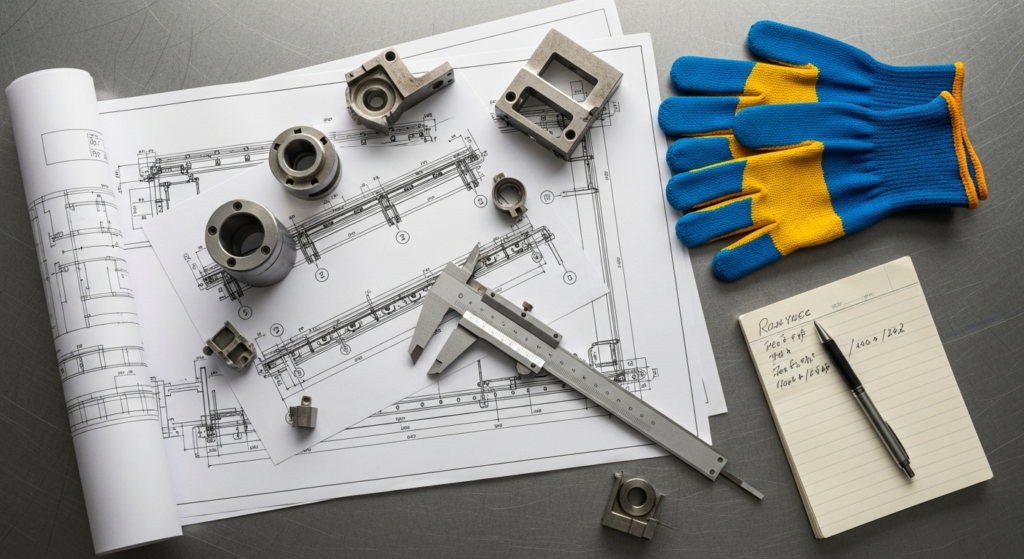
Understanding the Fundamentals of Conveyor Systems in Modern Manufacturing
Conveyor systems represent the circulatory system of many manufacturing and distribution facilities. They are mechanical handling devices that move materials from one location to another, typically within a fixed path. From raw materials entering a production line to finished goods being packaged and prepared for shipment, conveyors facilitate a continuous and controlled flow of items, significantly reducing the need for manual transport and its associated risks and inefficiencies.
The evolution of conveyor technology has been remarkable. What began as simple belt-and-pulley systems has transformed into highly automated, intelligent networks capable of handling a vast array of product types, weights, and environmental conditions. Modern manufacturing demands not just movement, but intelligent movement – precise positioning, speed control, accumulation capabilities, and seamless integration with other automated processes like robotics and quality control stations. A fundamental understanding of these systems is the first step in creating a truly optimized production environment.
The core purpose of any conveyor system is to improve material flow, which directly impacts a company’s bottom line. By automating repetitive tasks, reducing lead times, and minimizing human intervention in hazardous areas, conveyors contribute significantly to operational safety and the overall efficiency of an enterprise. They are not merely components; they are strategic assets that, when designed correctly, unlock significant competitive advantages.
Key Considerations in Conveyor System Design
Designing an effective conveyor system is a multifaceted challenge that requires careful analysis of numerous factors. A holistic approach ensures that the chosen solution is not only functional but also optimized for performance, safety, and long-term cost-effectiveness. Here are the pivotal considerations that form the bedrock of any successful conveyor systems design guide:
Product Characteristics and Material Properties
The items being transported are perhaps the most crucial starting point. Their physical characteristics dictate the type of conveyor and its specifications:
- Size and Weight: Determine the required carrying capacity, belt/chain strength, roller diameter, and motor power.
- Shape and Stability: Irregular shapes, fragile items, or unstable loads may require specialized carriers, cleats, or side guides.
- Surface Characteristics: Oily, sticky, abrasive, or delicate surfaces influence the choice of belt material or roller type to prevent damage or slippage.
- Temperature: Extremely hot or cold products necessitate heat-resistant or cold-resistant components and lubricants.
- Chemical Compatibility: Exposure to corrosive chemicals requires materials like stainless steel or specialized plastics for durability.
- Hygiene Requirements: For food, pharmaceutical, or cleanroom applications, stainless steel, washdown capabilities, and specific certifications (e.g., FDA, USDA) are essential.
Understanding these properties is where Materials Science In Manufacturing becomes critically important. The right material selection for belts, frames, rollers, and other components directly impacts the system’s longevity, reliability, and suitability for its specific environment and product.
Throughput Requirements and Operational Flow
How much needs to be moved, how fast, and with what regularity defines the system’s capacity and speed:
- Volume and Rate: The number of items or weight per hour/minute dictates conveyor speed and width.
- Accumulation Needs: Does the system need to buffer items before a workstation or bottleneck? Accumulating conveyors are designed for this without causing product damage or excessive pressure.
- Batch vs. Continuous Flow: Determines whether intermittent or constant operation is required.
- Upstream/Downstream Integration: Seamless handoffs to other machinery (robots, packaging lines, sorters) are vital for maintaining flow.
Layout, Space Constraints, and Environmental Factors
The physical environment plays a significant role in design:
- Available Footprint: Limited space might necessitate vertical conveying, overhead systems, or tight radius curves.
- Ceiling Height and Obstructions: Affects the feasibility of overhead or elevated conveyors.
- Inclines and Declines: Requires specific belt types, cleats, or power considerations to prevent slippage or uncontrolled movement.
- Environmental Conditions: Dust, moisture, extreme temperatures, washdown requirements, or explosive atmospheres (e.g., ATEX zones) demand specialized motors, enclosures, and construction materials.
Safety, Ergonomics, and Maintenance
These aspects are non-negotiable for a responsible and sustainable operation:
- Operator Safety: Emergency stop buttons, guarding, nip point protection, proper lighting, and clear pathways are essential.
- Ergonomics: Conveyor height and accessibility for workers performing tasks (e.g., assembly, inspection) should be optimized to reduce strain and injury.
- Maintenance Accessibility: Design should allow for easy access to motors, bearings, and other components for routine inspection and repair, minimizing downtime.
- Reliability and Redundancy: Critical systems may require redundant components or easily replaceable modules to ensure continuous operation.
Budget and Return on Investment (ROI)
The financial viability of the system is paramount:
- Initial Capital Expenditure: Cost of equipment, installation, and integration.
- Operating Costs: Energy consumption, maintenance, spare parts, and labor.
- Lifecycle Cost: Total cost of ownership over the system’s lifespan, factoring in depreciation and potential upgrades.
- ROI Calculation: Quantifying benefits such as labor savings, increased throughput, reduced damage, and improved safety to justify the investment.
Types of Conveyor Systems and Their Applications
Belt Conveyors
- Description: A continuous loop of material (belt) over two or more pulleys.
- Applications: General purpose material handling, assembly lines, packaging, food processing (with hygienic belts), bulk material transport (grains, sand).
- Advantages: Versatile, can handle a wide range of products, relatively quiet, can convey on inclines/declines.
Roller Conveyors
- Description: A series of rollers mounted within a frame. Can be gravity-driven or powered (live roller).
- Applications: Carton and tote handling, pallet movement, accumulation lines, sorting.
- Advantages: Excellent for flat-bottomed items, low friction, good for accumulation, robust for heavy loads.
Chain Conveyors
- Description: One or more continuous chains that pull or carry items, often with attachments like slats, trolleys, or dogs.
- Applications: Heavy-duty manufacturing, automotive assembly lines, harsh environments, items with irregular bottoms.
- Advantages: Extremely robust, high load capacity, good for hot or abrasive materials.
Slat Conveyors
- Description: A series of non-overlapping slats attached to one or two endless chains, creating a continuous, flat carrying surface.
- Applications: Assembly operations (e.g., engines, appliances), large or heavy items, items that require stability and a flat work surface.
- Advantages: Provides a stable platform, can withstand heavy point loads, ideal for manual operations directly on the conveyor.
Overhead Conveyors
- Description: Utilize an overhead track system from which carriers or trolleys are suspended.
- Applications: Paint lines, garment handling, parts drying, temporary storage, maximizing floor space.
- Advantages: Frees up floor space, provides accessibility to products at various heights, good for assembly processes where products need to be elevated.
Vibratory Conveyors
- Description: Use controlled vibration to move bulk materials along a trough or pan.
- Applications: Fragile items, powders, granular materials, food processing (sorting, spreading).
- Advantages: Gentle handling, suitable for hot/cold/abrasive materials, easy to clean.
Screw Conveyors (Auger Conveyors)
- Description: A rotating helical screw blade within a tube or trough.
- Applications: Bulk material handling (powders, granules, flakes), agricultural products, cement, chemicals.
- Advantages: Enclosed and dust-free transport, can convey vertically or at an incline, compact.
Pneumatic Conveyors
- Description: Use air pressure or vacuum to move materials through enclosed pipelines.
- Applications: Powders, pellets, capsules, small parts, especially in food, pharmaceutical, and plastics industries.
- Advantages: Clean, dust-free, flexible routing, can move materials over long distances and around obstacles.
Integrating Conveyor Systems with Modern Manufacturing Principles
The true power of a well-designed conveyor system is realized when it is seamlessly integrated with contemporary manufacturing philosophies and technologies. This integration is crucial for achieving peak operational performance and preparing for the demands of 2026 and beyond.
Leveraging Lean Manufacturing Principles Explained
Conveyor systems are instrumental in supporting Lean Manufacturing Principles Explained, which focus on maximizing customer value while minimizing waste. A strategically designed conveyor system can directly address several forms of waste (Muda):
- Transportation Waste: By creating direct, efficient paths for material movement, conveyors eliminate unnecessary handling, forklifts, and manual carrying, thereby reducing the time and cost associated with moving materials.
- Motion Waste: Well-positioned conveyors reduce operator movement, minimizing bending, reaching, and walking, thus improving ergonomics and productivity.
- Waiting Waste: A smooth-flowing conveyor system ensures that materials arrive at workstations precisely when needed, eliminating bottlenecks and idle time for operators or machines.
- Overproduction Waste: By enabling a continuous, pull-based flow, conveyors support Just-in-Time (JIT) production, preventing the build-up of excess inventory between process steps.
- Defect Waste: Conveyors designed for gentle handling and precise positioning reduce the likelihood of product damage during transit, contributing to higher quality outputs.
By optimizing the flow of materials, a conveyor system becomes a critical enabler for Value Stream Mapping and continuous improvement (Kaizen) initiatives, helping manufacturers visualize and eliminate non-value-added activities.
Implementing Manufacturing Waste Reduction Strategies
Beyond Lean principles, conveyor systems are direct tools for broader Manufacturing Waste Reduction Strategies. They contribute by:
- Optimizing Layout: Allowing for more compact and logical facility layouts, reducing travel distances.
- Improving Consistency: Providing a controlled and repeatable method of movement, reducing variability in process times.
- Enabling Automation: Acting as the backbone for robotic integration, automated guided vehicles (AGVs), and other Industry 4.0 technologies, further reducing manual labor and potential errors.
- Reducing Energy Consumption: Modern conveyor systems are designed with energy efficiency in mind, using optimized motors, regenerative drives, and smart controls that power down when not in use.
The Role of Materials Science In Manufacturing
The choice of materials in conveyor components is not merely a technical specification; it’s a strategic decision informed by Materials Science In Manufacturing that impacts everything from system longevity to operational safety and hygiene. For instance:
- Belts: Advanced polymers, rubber compounds, and composite materials offer varying degrees of abrasion resistance, chemical resistance, grip, and temperature tolerance. Food-grade belts, for example, are designed with non-toxic, easily cleanable surfaces.
- Frames and Supports: High-strength aluminum, stainless steel, or galvanized steel are chosen based on load requirements, environmental corrosiveness, and hygiene standards. Lightweight yet strong alloys can reduce energy consumption and installation costs.
- Rollers and Bearings: Engineered plastics, specialized steels, and ceramic bearings offer reduced friction, enhanced durability in harsh conditions, and resistance to contaminants.
- Smart Materials: Research into self-lubricating materials, anti-microbial surfaces, and materials with embedded sensors is continually pushing the boundaries of conveyor performance and maintenance.
This scientific approach to material selection ensures that conveyor systems are not only robust but also perfectly tailored to the unique demands of each manufacturing environment, contributing to overall waste reduction by extending component life and reducing breakdowns.
The Design Process: From Concept to Implementation
A structured design process is essential for translating operational needs into a functional and efficient conveyor system. This methodical approach minimizes risks and ensures successful deployment.
1. Needs Assessment and Data Collection
This initial phase involves a thorough understanding of the current operation and future goals. It includes:
- Defining the items to be conveyed (characteristics, volume, weight).
- Mapping the current material flow and identifying bottlenecks.
- Determining desired throughput rates, accumulation needs, and operational hours.
- Assessing available space, environmental conditions, and existing infrastructure.
- Identifying safety regulations, hygiene standards, and any special compliance requirements.
2. Conceptual Design and System Layout
Based on the data, engineers develop initial concepts:
- Proposing suitable conveyor types and technologies.
- Creating preliminary layouts using CAD software, showing conveyor paths, transfer points, and integration with other machinery.
- Considering alternative solutions and evaluating their pros and cons.
- Developing a preliminary budget and timeline.
3. Detailed Design and Component Selection
Once a concept is approved, the design becomes more granular:
- Specifying exact dimensions, speeds, motor sizes, and control logic.
- Selecting specific components: belts, rollers, chains, frames, sensors, drives, and control panels. This is where expertise in Materials Science In Manufacturing ensures the right components are selected for longevity and performance.
- Performing engineering calculations for load capacity, power requirements, and structural integrity.
- Developing detailed mechanical and electrical drawings.
4. Safety and Ergonomics Review
A critical step to ensure compliance and operational well-being:
- Reviewing the design against industry safety standards (e.g., OSHA, ANSI, ISO).
- Identifying and mitigating potential hazards (nip points, pinch points, fall hazards).
- Assessing ergonomic considerations for operators working alongside or interacting with the system.
- Integrating emergency stops, safety interlocks, and guarding mechanisms.
5. Manufacturing, Installation, and Commissioning
The physical realization of the design:
- Fabrication of custom components and procurement of standard parts.
- Professional installation by experienced technicians, ensuring proper alignment and assembly.
- Thorough testing and commissioning of the entire system, including individual components, controls, and integrated functions, to verify performance against design specifications.
6. Training and Documentation
Ensuring sustainable operation:
- Providing comprehensive training for operators on safe and efficient use of the system.
- Training maintenance personnel on routine inspections, troubleshooting, and repair procedures.
- Delivering detailed operation and maintenance manuals, spare parts lists, and electrical schematics.
Future Trends and Maintenance Strategies for 2026 and Beyond
The landscape of manufacturing is constantly evolving, and conveyor systems are at the forefront of innovation. Staying abreast of future trends and implementing robust maintenance strategies are key to maximizing the lifespan and efficiency of these critical assets.
Emerging Trends in Conveyor Technology
- Smart Conveyors and IoT Integration: The integration of sensors, IoT devices, and data analytics allows for real-time monitoring of conveyor performance, identifying potential issues before they cause downtime. This enables predictive maintenance, optimizing scheduling and reducing unexpected failures.
- Artificial Intelligence and Machine Learning: AI algorithms can analyze data from conveyor systems to optimize speeds, routes, and energy consumption, and even detect anomalies indicative of wear or impending failure.
- Modularity and Flexibility: Manufacturers are increasingly demanding modular conveyor systems that can be easily reconfigured, expanded, or adapted to changing production needs, supporting agile manufacturing principles.
- Energy Efficiency and Sustainability: Expect to see more energy-efficient motors, regenerative drives that capture energy during deceleration, and designs that prioritize lightweight, durable, and recyclable materials.
- Robotic Integration: Conveyors will continue to be the primary interface for robots, with systems designed for seamless pick-and-place, assembly, and quality inspection tasks performed by collaborative robots (cobots) and industrial robots.
- Advanced Control Systems: Sophisticated PLCs and human-machine interfaces (HMIs) will offer greater control, diagnostics, and integration capabilities with enterprise resource planning (ERP) and manufacturing execution systems (MES).
Proactive Maintenance Strategies
To ensure conveyor systems remain reliable and efficient through 2026 and beyond, a shift from reactive to proactive maintenance is essential:
- Preventive Maintenance (PM): Regularly scheduled inspections, lubrication, cleaning, and component adjustments based on manufacturer recommendations and operational hours. This helps prevent minor issues from escalating.
- Predictive Maintenance (PdM): Utilizing condition monitoring technologies (vibration analysis, thermal imaging, acoustic analysis, fluid analysis) to detect early signs of equipment degradation. This allows maintenance to be performed precisely when needed, minimizing downtime and extending component life.
- Reliability-Centered Maintenance (RCM): A systematic approach to determine the optimal mix of maintenance tasks based on risk assessment and criticality of each component. RCM focuses on preserving system function rather than just component life.
- Digital Twin Technology: Creating virtual models of physical conveyor systems allows for simulation of various scenarios, testing of upgrades, and optimization of maintenance schedules without impacting live operations.
- Spare Parts Management: Maintaining an optimized inventory of critical spare parts to minimize lead times during repairs, balancing cost with availability.
By embracing these trends and maintenance philosophies, manufacturing facilities can ensure their conveyor systems remain high-performing assets that continuously contribute to productivity, safety, and profitability for years to come.
Frequently Asked Questions
What is the primary benefit of a well-designed conveyor system?▾
How does conveyor design contribute to Lean Manufacturing?▾
What role does “Materials Science In Manufacturing” play in conveyor durability?▾
What are the critical safety considerations for conveyor systems?▾
How can I ensure my conveyor system is future-proof for 2026 and beyond?▾
What is the difference between gravity and powered roller conveyors?▾
Recommended Resources
Explore How To Pay Off Debt Quickly for additional insights.
Check out Paid Family Leave Policies By State on Protect Families Protect Choices for a deeper dive.