Site icon Mitsubishi Manufacturing

Digital Twin In Manufacturing

Unlocking Precision and Efficiency: The Power of the Digital Twin in Manufacturing

The landscape of modern manufacturing is in a constant state of evolution, driven by the relentless pursuit of efficiency, resilience, and innovation. As industries worldwide navigate the complexities of globalization, supply chain disruptions, and escalating demands for customized products, the need for advanced technological solutions becomes paramount. Within this paradigm, the digital twin in manufacturing has emerged not merely as a concept, but as a transformative force, fundamentally reshaping how products are designed, produced, and maintained. At Mitsubishi Manufacturing, we recognize the profound impact this technology has on operational excellence and competitive advantage.

A digital twin represents a virtual replica of a physical object, process, or system. In the context of manufacturing, this sophisticated digital model is continuously updated with real-time data from its physical counterpart, enabling unparalleled insights, predictive capabilities, and proactive decision-making. Far beyond static 3D models or simulations, a true digital twin creates a living, breathing virtual ecosystem that mirrors the dynamic behavior and performance of its physical twin on the factory floor or throughout its lifecycle. This article delves into the intricacies of digital twin technology, its core components, multifaceted benefits, strategic applications, and practical implementation steps for engineers, operations managers, and manufacturing professionals striving for the next level of industrial prowess.

Understanding the Digital Twin Concept in Manufacturing Excellence

The term “digital twin” was coined by Dr. Michael Grieves in 2002, initially describing the concept for product lifecycle management (PLM). However, its maturation and widespread application have been catalyzed by the advent of Industry 4.0, which emphasizes connectivity, automation, and real-time data exchange. For manufacturing, a digital twin is not a single piece of software but an integrated framework that offers a holistic view of operations, bridging the gap between the physical and digital worlds.

Defining the Digital Twin: A Dynamic Virtual Replica

At its core, a digital twin is a virtual construct designed to precisely mirror a physical entity. This physical entity can be anything from a single sensor, a machine component, an entire production line, a finished product, or even an entire factory ecosystem. The ‘twin’ aspect signifies a persistent, dynamic connection: data flows continuously from the physical asset to its digital counterpart, allowing the virtual model to accurately reflect the real-time status, performance, and behavior of the physical entity. This bidirectional data flow is critical, as the insights gained from the digital twin can then be used to inform, optimize, and even control the physical asset.

Key characteristics that differentiate a digital twin from traditional simulation or CAD models include:

Evolution and Significance in the Industry 4.0 Landscape

⚙️ Engineering Note
The proliferation of the digital twin in manufacturing is inextricably linked to the broader Industry 4.0 movement. This fourth industrial revolution is characterized by the convergence of digital and physical technologies, including the Internet of Things (IoT), artificial intelligence (AI), machine learning (ML), cloud computing, big data analytics, and cyber-physical systems. Digital twins serve as a foundational pillar for these advancements, acting as the intelligent interface that connects disparate data sources and enables holistic optimization.

In the context of Industry 4.0, digital twins facilitate:

This integration marks a significant leap from isolated systems to a cohesive, intelligent manufacturing ecosystem, where every component can be monitored, analyzed, and optimized virtually before physical intervention.

Core Components and Enabling Technologies for Digital Twin Implementation

The successful deployment of a digital twin in manufacturing relies on the synergistic integration of several advanced technologies and components. These elements work in concert to create a robust, dynamic, and intelligent virtual representation of physical assets and processes.

Physical Assets and Sensor Networks

The starting point for any digital twin is the physical asset itself – a machine, robot, production line, or even a complete facility. To gather the necessary data, these physical entities must be instrumented with a comprehensive network of sensors and actuators. These include:

The quality and volume of data collected directly impact the accuracy and utility of the digital twin.

Virtual Model and Simulation Platforms

The digital twin’s virtual model is more than just a 3D CAD drawing; it’s a dynamic, multi-domain representation incorporating physics-based models, behavioral algorithms, and historical data. Key platforms and tools include:

Data Integration, Big Data, and Advanced Analytics

The lifeblood of a digital twin is data. Integrating data from diverse sources and applying advanced analytical techniques are crucial:

Communication and Connectivity Infrastructure

Seamless and secure communication channels are essential for the continuous flow of data:

User Interface, Visualization, and Control

To make the complex data and insights accessible and actionable, robust user interfaces are required:

These integrated components form the robust technological backbone that empowers manufacturers to harness the full potential of digital twins.

Transformative Benefits of Digital Twins in Manufacturing Operations
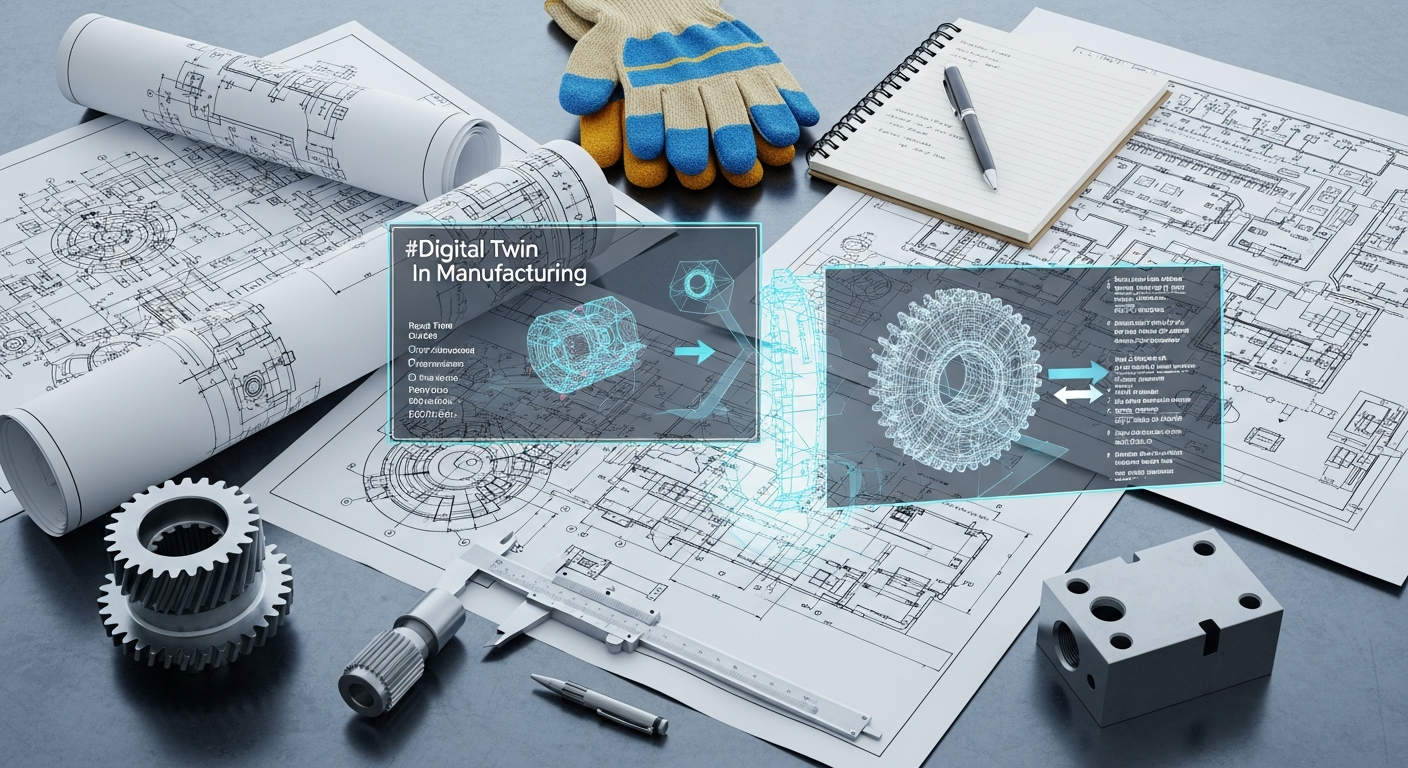
The strategic deployment of a digital twin in manufacturing yields a multitude of profound benefits that span across the entire product lifecycle, from initial design to end-of-life services. These advantages translate directly into enhanced operational efficiency, reduced costs, improved product quality, and a significant boost in competitive positioning.

Enhanced Product Design and Prototyping

Digital twins revolutionize the early stages of product development by enabling extensive virtual testing and refinement before any physical prototypes are built. This leads to:

Optimized Production Processes and Throughput

On the factory floor, digital twins provide unprecedented visibility and control, leading to significant process improvements:

Improved Asset Performance and Predictive Maintenance

Perhaps one of the most compelling benefits of digital twins is their ability to transform asset management and maintenance strategies:

Supply Chain Optimization and Enhanced Visibility

Beyond the factory gates, digital twins can extend their influence to the broader supply chain ecosystem:

Quality Control and Defect Reduction

Maintaining high-quality standards is critical in manufacturing, and digital twins provide powerful tools for quality assurance:

Collectively, these benefits underscore how digital twins are not just an incremental improvement but a fundamental paradigm shift, offering manufacturers a competitive edge through unparalleled insight and control over their entire operations.

Strategic Applications of the Digital Twin Across the Manufacturing Lifecycle

The versatility of the digital twin in manufacturing allows its strategic application at every stage of a product’s lifecycle, from its initial conceptualization to its eventual end-of-life. This comprehensive coverage ensures continuous optimization and value generation throughout the entire industrial process.

Design and Engineering Phase: Virtual Commissioning and Validation

In the earliest stages, digital twins are invaluable for validating designs and ensuring manufacturability:

Production and Operations Phase: Real-time Optimization and Control

During active production, digital twins become the central nervous system of the smart factory, providing real-time intelligence and control:

Service and End-of-Life Phase: Predictive Maintenance and Circular Economy

The utility of a digital twin extends well beyond the point of sale, enhancing post-production services and supporting sustainability goals:

Through these applications, digital twins ensure that every stage of the manufacturing lifecycle is infused with intelligence, efficiency, and foresight, driving continuous improvement and sustainable operations.

Implementing a Digital Twin Strategy: Practical Steps for Manufacturers

Adopting a digital twin in manufacturing is a strategic undertaking that requires careful planning, a phased approach, and cross-functional collaboration. For engineers and operations managers, navigating this implementation effectively can unlock significant competitive advantages. Here are practical steps to guide the process:

Phase 1: Define Scope, Objectives, and Use Cases

The most critical initial step is to clearly articulate why a digital twin is needed and what specific problems it will solve.

  1. Identify Pain Points: Pinpoint critical challenges such as frequent machine breakdowns, high defect rates, energy waste, or slow product development.
  2. Define Measurable Objectives (KPIs): Set clear, quantifiable goals (e.g., reduce downtime by 20%, improve OEE by 15%, shorten product design cycles by 30%).
  3. Start Small with High-Impact Use Cases: Begin with a pilot project on a critical asset, a specific production line, or a particular manufacturing process that offers a clear, demonstrable ROI. This allows for learning and refinement before large-scale deployment.
  4. Secure Executive Buy-in: Present a compelling business case to leadership, highlighting potential ROI and strategic alignment.

Phase 2: Data Acquisition and Infrastructure Development

A robust data foundation is the bedrock of any effective digital twin.

  1. Sensor Deployment Strategy: Determine which physical assets need to be instrumented, what parameters to measure, and select appropriate IoT sensors, gateways, and edge computing devices. Prioritize data quality and reliability.
  2. Connectivity Infrastructure: Establish a secure and reliable network (wired, wireless, 5G) for data transmission from physical assets to the digital twin platform.
  3. Data Integration Strategy: Plan how to integrate data from diverse sources (OT systems like PLCs, SCADA; IT systems like MES, ERP, CMMS, PLM) into a unified data lake or platform. Standardized protocols (e.g., OPC UA, MQTT) are crucial here.
  4. Cloud vs. On-Premise Decision: Evaluate whether to host the digital twin platform and data analytics on a public/private cloud, on-premise, or a hybrid model, considering data security, scalability, and latency requirements.

Phase 3: Virtual Model Development and Calibration

Building the virtual representation that accurately mirrors the physical asset.

  1. Model Construction: Develop the virtual model using CAD/CAE tools, incorporating geometric data, physics-based simulations, material properties, and operational logic.
  2. Data Mapping and Semantic Modeling: Link real-world sensor data to specific parameters within the virtual model, ensuring a clear understanding of what each data point represents.
  3. Model Calibration and Validation: Continuously feed live data from the physical twin into the virtual model and compare its simulated behavior against actual performance. Iterate and refine the model to ensure high fidelity and accuracy.

Phase 4: Analytics, AI/ML Integration, and Actionable Insights

Transforming raw data into intelligence that drives decisions.

  1. Develop Analytics Models: Implement AI/ML algorithms for predictive maintenance, anomaly detection, process optimization, and quality forecasting.
  2. Dashboard and Visualization Development: Create intuitive dashboards, HMIs, or AR/VR interfaces that present key insights, KPIs, alerts, and recommendations to operators and managers in an easily digestible format.
  3. Integration with Enterprise Systems: Ensure seamless integration with existing ERP, MES, and other operational systems to enable closed-loop optimization and automated responses.

Phase 5: Deployment, Monitoring, and Iteration

Bringing the digital twin to life and ensuring its long-term value.

  1. Pilot Deployment: Roll out the digital twin in the initially defined, limited scope. Gather feedback, identify bottlenecks, and refine the system.
  2. Continuous Monitoring and Performance Tracking: Establish a robust monitoring framework to track the digital twin’s performance against its objectives and KPIs.
  3. Iterative Improvement and Scalability: Based on learnings from the pilot, iterate on the digital twin’s capabilities and plan for phased expansion to other assets, lines, or even entire facilities. Maintain flexibility for future technology integration.

Key Considerations for Successful Implementation:

By following these structured steps, manufacturers can strategically implement digital twin technology, transforming their operations into intelligent, efficient, and resilient ecosystems.

Real-World Impact: Digital Twin Examples in Automotive and Industrial Manufacturing

The theoretical benefits of the digital twin in manufacturing are compelling, but their true power is best illustrated through real-world applications. From the complex assembly lines of the automotive industry to the intricate processes of industrial machinery, digital twins are delivering tangible value.

Mitsubishi Manufacturing’s Approach to Digital Twins (Illustrative Scenario)

As a leader in industrial and automotive production, Mitsubishi Manufacturing exemplifies the potential of digital twins. Consider a hypothetical scenario:

At a Mitsubishi engine assembly plant, critical machining centers are equipped with an array of IoT sensors monitoring vibration, temperature, cutting force, and energy consumption. This real-time data feeds into a digital twin of each machine, which also incorporates its CAD models, historical maintenance records, and material properties. Advanced AI algorithms within the digital twin analyze this influx of data to predict tool wear with high accuracy, often days in advance. This allows maintenance teams to schedule proactive tool changes during planned downtimes, rather than reacting to unexpected failures. The digital twin further simulates different machining parameters—feed rates, speeds, and depths of cut—to identify optimal settings that minimize energy usage while maintaining stringent quality specifications for engine blocks. This not only reduces operational costs but also improves the overall equipment effectiveness (OEE) and extends the lifespan of expensive machinery, demonstrating the core value proposition of a digital twin in a highly competitive automotive manufacturing environment.

Beyond individual machines, Mitsubishi could extend this to entire production lines, simulating material flow, robotic movements, and human-robot collaboration to virtually optimize throughput and identify potential bottlenecks before they impact physical operations.

Aerospace Industry: Predictive Maintenance for Jet Engines

A prominent application is found in the aerospace sector, where engine manufacturers develop digital twins for each jet engine produced. These twins continuously receive data from sensors embedded in the engines during flight – monitoring temperature, pressure, rotational speed, and vibration. The digital twin then analyzes this data against historical performance models to:

This approach dramatically reduces unplanned maintenance events, enhances safety, and significantly lowers operational costs for airlines.

Automotive Production Lines: Virtual Commissioning and Throughput Optimization

Major automotive manufacturers utilize digital twins for virtual commissioning of new assembly lines or modifications to existing ones. Before any physical equipment is installed, a highly accurate digital twin of the entire line, including robots, conveyors, and human workstations, is created. Engineers and operations managers can then:

Process Manufacturing: Chemical Plants and Pharmaceutical Production

In industries like chemicals and pharmaceuticals, digital twins are used to model complex chemical reactions, fluid dynamics, and process parameters. This enables:

These examples underscore that digital twins are not confined to a single industry but offer universal applicability for any organization seeking to enhance its understanding, control, and optimization of physical assets and processes.

Challenges and Future Trends in Digital Twin Technology

While the digital twin in manufacturing offers transformative potential, its implementation is not without challenges. Understanding these hurdles and anticipating future trends is crucial for manufacturers to effectively strategize their adoption and evolution.

Current Challenges in Digital Twin Adoption

Emerging Trends and Future Directions

Despite the challenges, the evolution of digital twin technology is accelerating, driven by advancements in complementary fields:

The journey towards fully leveraging digital twin technology is continuous. By addressing current challenges and strategically embracing these emerging trends, manufacturers can ensure they remain at the forefront of industrial innovation, continually enhancing efficiency, resilience, and sustainability across their operations.

Exit mobile version