


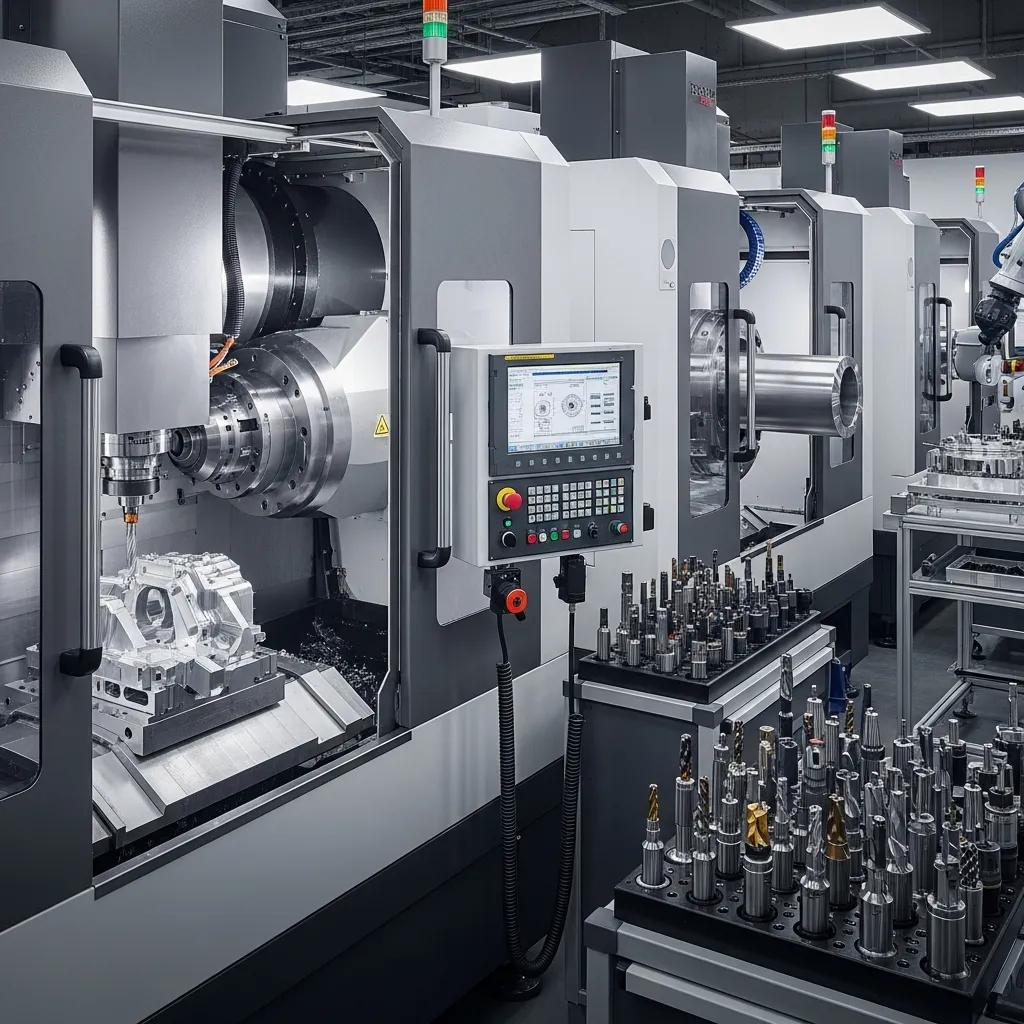
Discover Advanced CNC Machining Solutions: Precision Technology and Automation for Industry Success
In the rapidly evolving landscape of manufacturing, advanced CNC machining solutions have emerged as a cornerstone of “precision technology” and automation. These solutions not only enhance production efficiency but also ensure high-quality outputs across various sectors, including aerospace, automotive, and medical devices. This article delves into the intricacies of CNC machining, exploring its technologies, automation techniques, and the significant impact it has on industry success. As businesses strive for operational excellence, understanding the mechanisms behind CNC machining becomes crucial for leveraging its full potential. We will cover key types of CNC machining technologies, the role of automation and AI, sector-specific applications, maintenance best practices, and the latest trends shaping the future of this technology.
Precision Technology
Precision technology in CNC machining refers to the ability to produce components with extremely tight tolerances and high repeatability. This capability is essential in industries such as aerospace and medical devices, where even the slightest deviation can lead to significant failures. The integration of advanced CNC machines allows manufacturers to achieve high accuracy through sophisticated tool paths and cutting tools. By utilizing precision engineering principles, companies can ensure that their products meet stringent quality standards, ultimately enhancing customer satisfaction and trust.
Automation Techniques
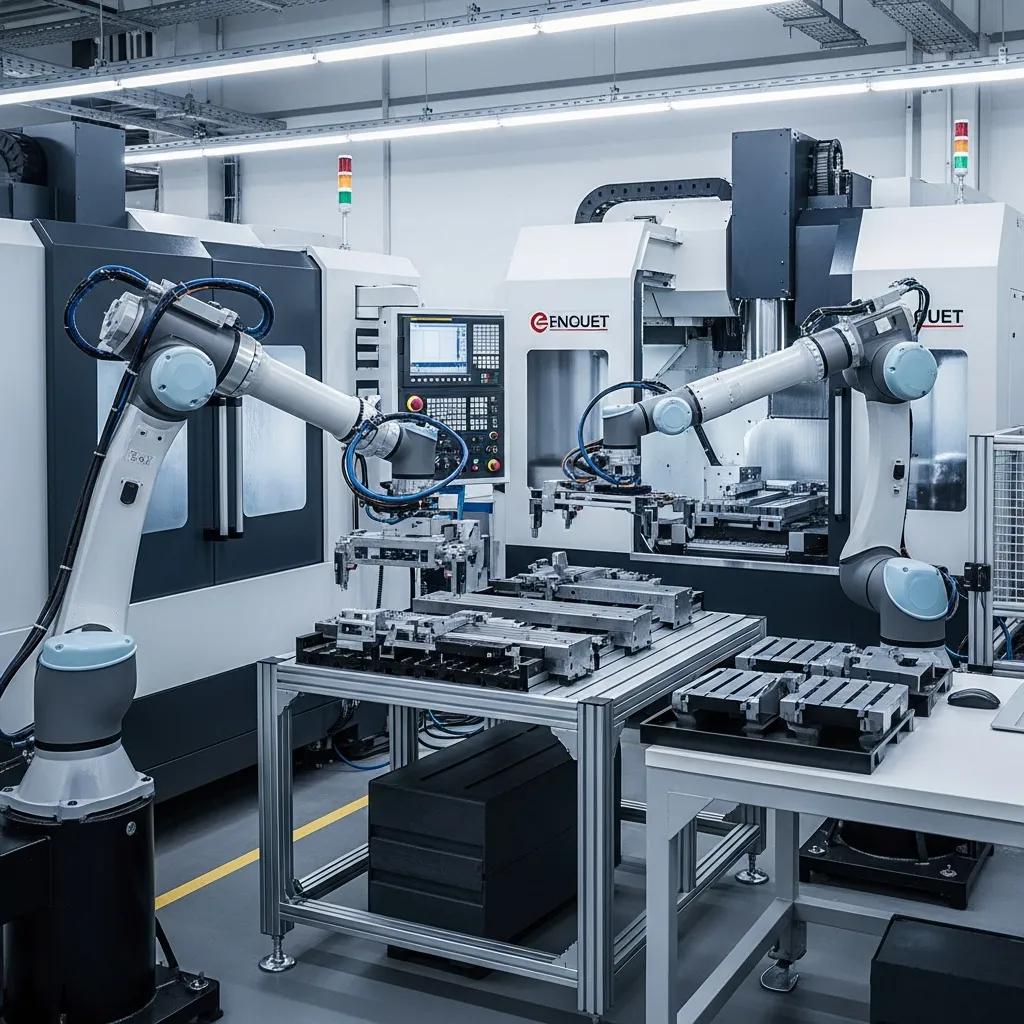
Automation techniques in CNC machining involve the use of robotics and software to streamline production processes. These technologies significantly reduce cycle times and improve overall equipment effectiveness. By automating repetitive tasks, manufacturers can allocate human resources to more complex operations, thereby increasing productivity. The integration of automated systems not only enhances efficiency but also minimizes human error, leading to more consistent product quality. As industries continue to embrace automation, the demand for skilled operators who can manage these advanced systems is on the rise.
Indeed, the synergy between robotics and CNC machines is crucial for automating manual operations, improving throughput, and reducing reliance on highly skilled labor, as one study illustrates.
Robotic Automation for Precision CNC Polishing
We report on how these ambitious requirements have stimulated an investigation into the synergy between robots and computer numerically controlled (‘CNC’) polishing machines for optical fabrication. The objective was not to assess which is superior. Rather, it was to understand for the first time their complementary properties, leading us to operate them together as a unit, integrated in hardware and software. Three key areas are reported. First is the novel use of robots to automate currently-manual operations on CNC polishing machines, to improve work-throughput, mitigate risk of damage to parts, and reduce dependence on highly-skilled staff.
Robotic automation in computer controlled polishing, DD Walker, 2016
Impact on Industry Success
The advancements in CNC machining have profound implications for industry success. Companies that adopt these technologies can expect to see improvements in production speed, cost efficiency, and product quality. For instance, sectors such as aerospace and automotive benefit from the ability to produce complex geometries that were previously unattainable. Furthermore, the integration of AI and machine learning into CNC processes allows for predictive maintenance, reducing downtime and operational costs. Sustainable manufacturing practices are also enhanced through the efficient use of materials and energy, positioning companies as leaders in their respective fields.
Mitsubishi Manufacturing focuses on delivering advanced CNC machining solutions tailored to sectors including manufacturing, agriculture, energy, and transportation. By leveraging cutting-edge technology, they help businesses optimize their production processes and achieve greater operational efficiency.
What Are the Key Types of CNC Machining Technologies?
CNC machining encompasses various technologies, each with unique applications and benefits. Understanding these technologies is crucial for selecting the right solution for specific manufacturing needs.
- CNC Milling Machines: These machines use rotary cutters to remove material from a workpiece, allowing for complex shapes and designs.
- CNC Turning Machines: These are used to create cylindrical parts by rotating the workpiece against a cutting tool.
- CNC Grinding Machines: These machines utilize abrasive wheels to achieve high precision and smooth finishes on parts.
Understanding Precision Machining and CNC Milling Processes
Precision machining involves the use of CNC milling processes to create intricate components with tight tolerances. This method is particularly valuable in industries requiring high accuracy, such as aerospace and medical device manufacturing. CNC milling allows for the production of complex geometries, ensuring that parts fit together seamlessly in their final applications.
Exploring Industrial CNC Machines and Their Applications
Industrial CNC machines are versatile tools used across various sectors. They can be employed for tasks ranging from simple drilling to complex multi-axis machining. The adaptability of these machines makes them suitable for producing everything from automotive parts to intricate medical devices, showcasing their essential role in modern manufacturing.
How Does Automation and AI Integration Enhance CNC Machining?
The integration of automation and AI in CNC machining enhances operational efficiency and precision. Automated systems can monitor machine performance in real-time, allowing for immediate adjustments to maintain optimal production conditions. AI algorithms analyze data from the machining process to predict potential failures, enabling proactive maintenance strategies that minimize downtime. This synergy between automation and AI not only improves productivity but also ensures that manufacturers can meet the increasing demands for high-quality products.
Benefits of Automated Machining Systems in Manufacturing
Automated machining systems offer several advantages that significantly impact manufacturing efficiency and product quality. These benefits include:
- Efficiency Improvements: Automation reduces cycle times and increases throughput, allowing manufacturers to produce more in less time.
- Cost Reductions: By minimizing labor costs and material waste, automated systems contribute to lower overall production costs.
- Enhanced Precision: Automated processes ensure consistent quality and accuracy, reducing the likelihood of defects.
These benefits illustrate how automated machining systems can transform manufacturing operations, making them more competitive in a global market.
Role of AI in Improving CNC Machining Efficiency and Accuracy
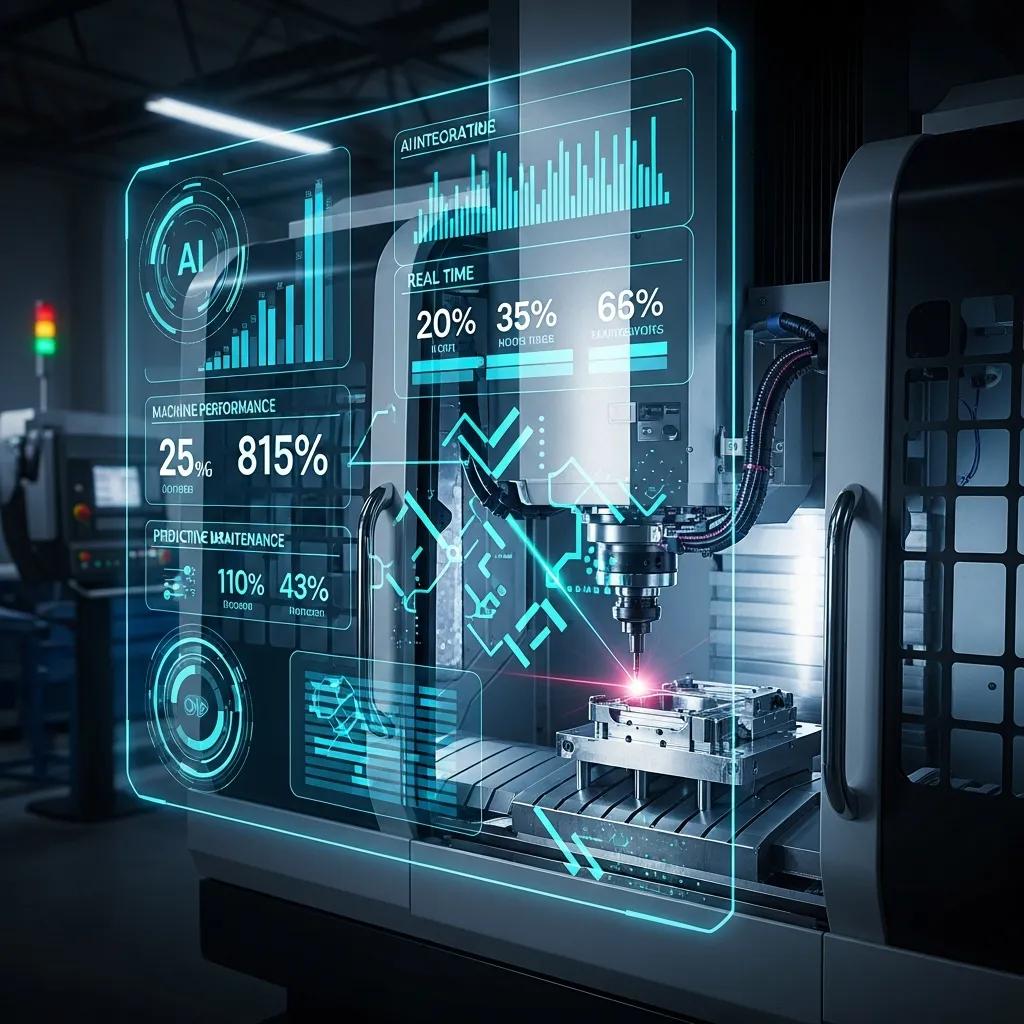
AI plays a pivotal role in enhancing CNC machining by optimizing tool paths and predicting tool wear. By analyzing historical data, AI systems can identify patterns that lead to inefficiencies, allowing manufacturers to make informed decisions about their machining processes. This not only improves the accuracy of the final products but also extends the lifespan of the machinery, resulting in significant cost savings over time.
Which Sector-Specific CNC Machining Solutions Drive Industry Innovation?
CNC machining solutions are tailored to meet the unique demands of various sectors, driving innovation and efficiency.
Advanced CNC Applications in Manufacturing and Agriculture
In manufacturing, CNC machining is utilized for producing precision components that are critical for machinery and equipment. In agriculture, advanced CNC applications enable the creation of custom tooling and parts that enhance productivity and efficiency in farming operations.
Energy and Transportation Sector Machining Solutions
The energy sector relies on CNC machining for producing components used in renewable energy systems, such as wind turbines and solar panels. In transportation, precision parts manufactured through CNC processes are essential for ensuring safety and reliability in vehicles and infrastructure.
What Are Best Practices for Maintenance and Optimization of CNC Machines?
Maintaining CNC machines is crucial for ensuring their longevity and performance. Implementing best practices can significantly enhance machine efficiency and reduce downtime.
Scheduling and Techniques for Precision CNC Machine Maintenance
Regular maintenance schedules should be established to ensure that machines operate at peak performance. Techniques such as lubrication, calibration, and inspection of critical components are essential for preventing breakdowns and ensuring precision.
Optimizing Machine Performance for Long-Term Efficiency
To optimize machine performance, manufacturers should invest in training for operators and implement advanced monitoring systems. These practices help identify inefficiencies and allow for timely interventions, ensuring that machines remain productive over their lifespan.
What Are the Latest Trends and Future Outlook in CNC Machining?
The future of CNC machining is shaped by emerging trends that focus on sustainability and technological advancements.
Emerging AI-Driven CNC Programming and Automation Trends
AI-driven CNC programming is revolutionizing the way machining processes are designed and executed. By automating programming tasks, manufacturers can reduce setup times and improve overall efficiency.
Sustainability and Innovation in Advanced CNC Machining
Sustainability practices are becoming increasingly important in CNC machining. Manufacturers are exploring eco-friendly materials and processes that minimize waste and energy consumption, aligning with global sustainability goals.