


The Imperative of Engineering Project Management in Modern Manufacturing
Engineering project management (EPM) is a specialized discipline that applies project management principles and methodologies to engineering projects. Unlike general project management, EPM inherently deals with the unique complexities of technical development, design, and implementation within an engineering context. This includes managing technical risks, adhering to engineering standards, overseeing research and development, and ensuring the technical feasibility and integrity of deliverables. In the dynamic landscape of manufacturing, where technological advancements occur at an unprecedented pace and market demands constantly evolve, effective EPM is not merely a best practice; it is a strategic imperative for survival and growth.
What is Engineering Project Management?
At its core, engineering project management involves the planning, organizing, securing, and managing of resources to bring about the successful completion of specific engineering project goals and objectives. These goals are typically technical in nature, ranging from designing a new component or system to overhauling an entire manufacturing facility. The scope of EPM spans the entire project lifecycle, from initial concept and feasibility studies through detailed design, procurement, construction or development, testing, and final commissioning. Key characteristics of engineering projects often include:
- Technical Complexity: Involving advanced scientific and engineering principles.
- Interdisciplinary Collaboration: Requiring input from various engineering disciplines (mechanical, electrical, software, materials science, etc.).
- Strict Standards and Regulations: Adherence to industry-specific codes, safety regulations, and quality standards.
- High Stakes: Often involving significant capital investment and critical impact on operations or product lines.
- Innovation Focus: Frequently pushing the boundaries of existing technology or knowledge.
An effective engineering project manager must possess a unique blend of technical acumen, leadership skills, and business understanding. They act as the bridge between technical teams, stakeholders, and strategic business objectives, ensuring that technical solutions align with broader organizational goals and market needs.
Why EPM is Crucial for Manufacturing Excellence
For manufacturing organizations, the benefits of robust engineering project management are multi-faceted and directly contribute to overall operational excellence and competitive advantage. Mitsubishi Manufacturing, with its commitment to innovation and quality, relies heavily on these advantages:
- Accelerated Innovation and Time-to-Market: Streamlined EPM processes reduce development cycles, allowing new products and technologies to reach the market faster, capturing early-adopter advantages.
- Enhanced Resource Optimization: By meticulously planning and monitoring resources – including personnel, equipment, and materials – EPM minimizes waste and ensures that every investment yields maximum return. This directly ties into Manufacturing Waste Reduction Strategies by identifying and eliminating inefficiencies in resource allocation and usage.
- Mitigated Risks: Engineering projects inherently carry technical and operational risks. Effective EPM incorporates robust risk identification, assessment, and mitigation strategies, preventing costly delays, rework, and potential safety hazards.
- Improved Quality and Reliability: Through rigorous planning, quality assurance protocols, and adherence to engineering standards, EPM ensures that deliverables meet or exceed specifications, leading to higher quality products and more reliable systems.
- Cost Control and Budget Adherence: Detailed budgeting, cost tracking, and variance analysis are integral to EPM, helping projects stay within financial constraints and providing transparency on expenditures.
- Strategic Alignment: EPM ensures that all engineering efforts are aligned with the strategic objectives of the business, translating technical achievements into tangible business value and competitive advantage.
- Stakeholder Satisfaction: Clear communication, regular updates, and proactive issue resolution fostered by EPM lead to greater satisfaction among internal and external stakeholders, building trust and fostering future collaboration.
In essence, EPM transforms abstract engineering challenges into structured, manageable endeavors, ensuring predictable outcomes and fostering a culture of continuous improvement and technical excellence within the manufacturing sector.
Navigating the Project Lifecycle: A Phased Approach

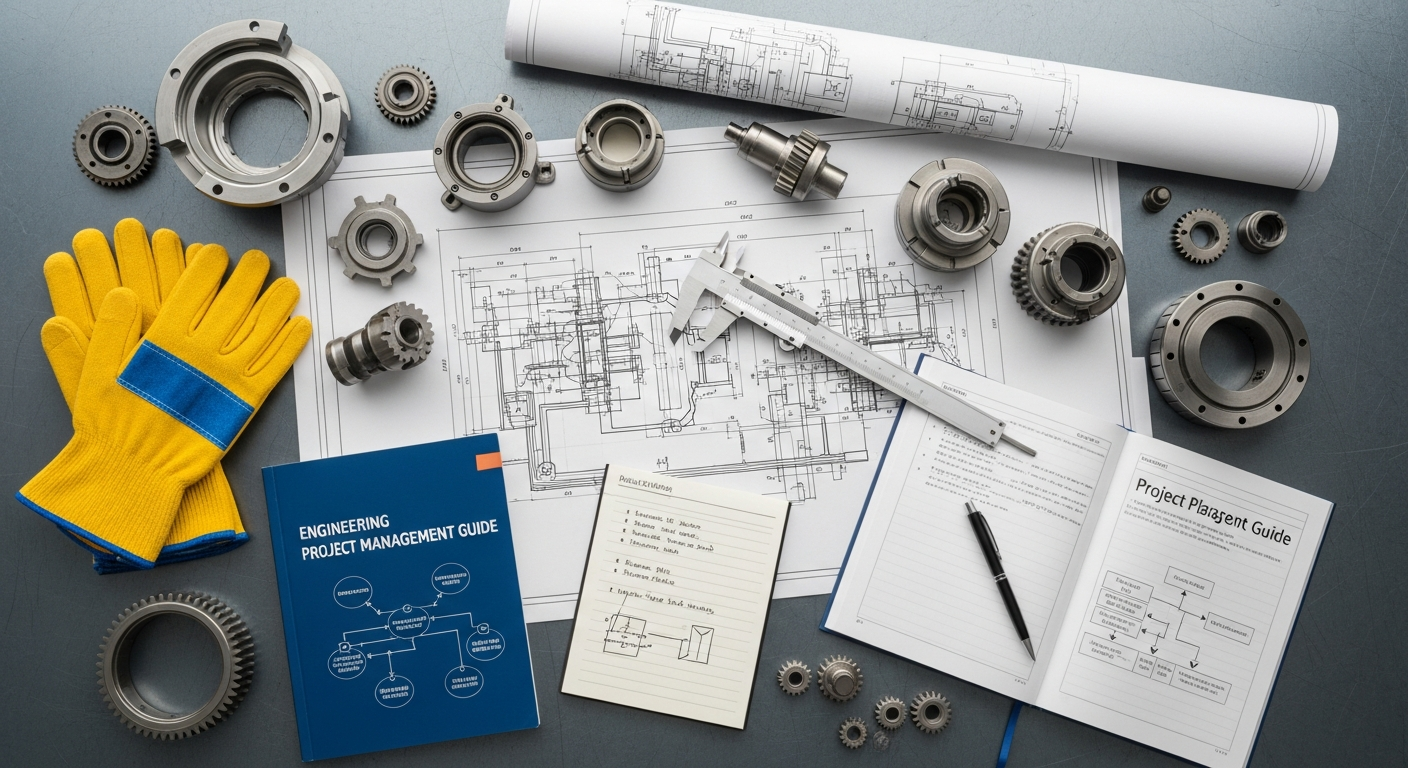
Successful engineering project management follows a structured lifecycle, typically broken down into distinct phases. While the specific nomenclature might vary, the underlying activities and objectives within each phase remain consistent, providing a roadmap for project execution. Understanding and meticulously managing each stage is fundamental to achieving project success.
Phase 1: Initiation – Laying the Foundation
The initiation phase marks the official start of a project. It’s where the project’s purpose is defined, its feasibility assessed, and the initial authorization is secured. This critical phase sets the stage for everything that follows.
- Problem Definition and Opportunity Identification: Clearly articulate the problem the project aims to solve or the opportunity it seeks to capitalize on.
- Feasibility Study: Evaluate the technical, economic, operational, legal, and scheduling feasibility of the proposed project. This involves preliminary research, risk assessment, and resource estimation.
- Business Case Development: Articulate the project’s value proposition, expected benefits, and alignment with organizational strategic goals.
- Stakeholder Identification: Identify all individuals or groups who will be affected by or can influence the project, from internal teams to external partners and regulatory bodies.
- Project Charter: Develop a formal document that officially authorizes the project, defines its high-level objectives, scope, and identifies the project manager.
A well-defined initiation phase prevents scope creep and ensures that resources are committed to projects that are viable and strategically important.
Phase 2: Planning – The Blueprint for Success
The planning phase is arguably the most intensive, as it involves developing a detailed roadmap for how the project will be executed, monitored, controlled, and closed. This is where the abstract ideas from initiation are translated into concrete, actionable steps.
- Scope Definition: Precisely define what is and is not included in the project deliverables. This prevents misunderstandings and manages expectations.
- Work Breakdown Structure (WBS): Decompose the project into smaller, manageable tasks and sub-tasks, providing a hierarchical view of all work to be performed.
- Scheduling: Develop a detailed project schedule, often using Gantt charts or network diagrams, identifying task dependencies, durations, and milestones.
- Resource Planning: Identify and allocate the necessary human resources, equipment, facilities, and materials. For manufacturing projects, this involves meticulous planning around production capacity and supply chain logistics.
- Budgeting: Estimate the costs for all project activities and resources, establishing a comprehensive project budget.
- Risk Management Planning: Develop strategies for identifying, analyzing, and responding to potential project risks.
- Quality Management Planning: Define the quality standards relevant to the project and determine how to achieve and verify compliance.
- Procurement Planning: For engineering projects, this often includes specifying critical components and raw materials. Here, Materials Science In Manufacturing plays a pivotal role, guiding the selection of materials based on performance requirements, cost-effectiveness, and availability. Understanding material properties, processing methods, and potential failure modes is crucial for making informed procurement decisions that impact the project’s success and the final product’s quality.
- Communication Planning: Determine how project information will be communicated to stakeholders, including frequency, format, and content.
Thorough planning is the bedrock of successful EPM, allowing teams to anticipate challenges and prepare effective solutions.
Phase 3: Execution – Bringing the Vision to Life
With a robust plan in place, the execution phase involves carrying out the work defined in the project plan. This is where the engineering teams actively design, build, test, and implement the project deliverables.
- Task Management: Directing and managing the project team to perform the work activities according to the schedule and scope.
- Quality Assurance: Implementing planned, systematic activities to ensure that the project will employ all processes needed to meet requirements. This includes inspections, testing, and adherence to engineering specifications.
- Information Distribution: Implementing the communication plan, ensuring timely and accurate information flow among all stakeholders.
- Procurement Management: Administering contracts with vendors and suppliers, ensuring that materials and services are delivered as specified and on time.
- Stakeholder Engagement: Continuously managing expectations and addressing concerns of all project stakeholders.
During execution, the principles of Lean Manufacturing Principles Explained can be invaluable. By focusing on value creation and eliminating non-value-added activities, project teams can optimize workflows, reduce lead times, and enhance overall efficiency. For instance, applying concepts like value stream mapping to engineering processes can help identify bottlenecks and sources of waste, leading to smoother execution.
Phase 4: Monitoring & Controlling – Staying on Track
This phase runs concurrently with execution and involves tracking project progress, managing changes, and ensuring the project remains on schedule, within budget, and meets technical specifications. It’s about maintaining control and making necessary adjustments.
- Performance Monitoring: Tracking key performance indicators (KPIs) against the project baseline (scope, schedule, cost, quality). This includes earned value management (EVM) for integrated performance measurement.
- Change Control: Managing any changes to the project scope, schedule, or budget through a formal change request process. This ensures that all changes are evaluated for their impact and formally approved.
- Risk Monitoring: Continuously monitoring identified risks, identifying new risks, and implementing planned risk responses.
- Quality Control: Performing activities to verify that project deliverables meet specified quality standards. This includes inspections, testing, and defect identification and repair.
- Reporting: Providing regular project status reports to stakeholders, highlighting progress, issues, and forecasts.
Effective monitoring and controlling are crucial for implementing Manufacturing Waste Reduction Strategies at the project level. By continuously analyzing performance data, project managers can identify process inefficiencies, resource misallocations, and rework loops. Addressing these in real-time prevents minor issues from escalating into major problems, thereby minimizing wasted time, materials, and effort.
Phase 5: Closure – Learning and Legacy
The final phase brings the project to an orderly close. It involves finalizing all activities, formally accepting the deliverables, and learning from the project experience.
- Final Deliverable Acceptance: Obtaining formal acceptance from the client or stakeholders that the project deliverables meet all requirements.
- Contract Closure: Finalizing all procurement activities and closing out contracts with vendors and suppliers.
- Administrative Closure: Archiving project documents, releasing project team members, and conducting final performance evaluations.
- Lessons Learned: Documenting what went well, what could have been done better, and recommendations for future projects. This institutional knowledge is invaluable for continuous improvement.
- Financial Closure: Reconciling all accounts and ensuring all financial obligations are met.
- Post-Implementation Review: Evaluating the project’s success against its original objectives and assessing the realization of benefits over time.
Project closure ensures that the project’s impact is fully realized and that valuable insights are captured to inform future engineering endeavors at Mitsubishi Manufacturing.
Methodologies and Principles for Optimized EPM
Traditional (Waterfall) vs. Agile Approaches
- Waterfall Methodology: This is a linear, sequential approach where each project phase must be completed before the next begins. It is characterized by detailed upfront planning and a rigid structure.
- Pros: Clear documentation, predictable timelines (if requirements are stable), strong control, suitable for projects with well-defined scopes and regulatory compliance.
- Cons: Inflexibility to change, late identification of issues, limited stakeholder feedback until late stages.
- Best for: Projects with stable requirements, high regulatory compliance (e.g., aerospace, infrastructure, large-scale manufacturing facility construction).
- Agile Methodology: An iterative and incremental approach, Agile emphasizes flexibility, collaboration, and continuous feedback. Projects are broken into small, manageable iterations (sprints), with regular reviews and adaptations.
- Pros: High adaptability to change, continuous stakeholder involvement, early delivery of value, rapid problem identification.
- Cons: Can be challenging with unclear end goals, requires highly engaged teams, less suitable for projects with very fixed, non-negotiable requirements.
- Best for: Research & Development, software engineering, product design where requirements may evolve, or rapid prototyping is beneficial.
Embracing Hybrid Models
Given the diverse nature of engineering projects in manufacturing, a purely Waterfall or Agile approach may not always be optimal. Hybrid models combine elements of both, leveraging the strengths of each. For example, the design and planning phases might follow a more Waterfall-like structure for clarity and control, while the development and testing phases could adopt Agile sprints for flexibility and iterative refinement. This allows for structured oversight where necessary, coupled with adaptability for evolving technical challenges.
Leveraging Lean Manufacturing Principles Explained in EPM
The principles of Lean Manufacturing, traditionally applied to production processes to eliminate waste and maximize value, are equally powerful when integrated into engineering project management. Understanding and applying these principles can profoundly transform how engineering projects are planned, executed, and controlled at Mitsubishi Manufacturing.
Key Lean principles and their application in EPM:
- Value Stream Mapping: Identify all steps in an engineering project process (from concept to delivery) and determine which add value and which are waste. This visual tool helps reveal inefficiencies in information flow, decision-making, and technical execution.
- Elimination of Waste (Muda): Identify and systematically remove non-value-added activities in project processes. Common forms of waste in EPM include:
- Overproduction: Generating excessive documentation or unnecessary design iterations.
- Waiting: Delays due to approvals, resource unavailability, or information gaps.
- Transportation: Unnecessary movement of information or materials within the project team.
- Over-processing: Performing more work than required (e.g., excessive reviews, overly complex designs).
- Inventory: Holding excessive unapproved designs, incomplete modules, or unused materials.
- Motion: Unnecessary movement of people (e.g., inefficient meeting structures).
- Defects: Rework due to errors in design, calculations, or specifications.
- Just-In-Time (JIT): Deliver necessary information, resources, or components precisely when needed, minimizing idle time and inventory within the project. This requires excellent coordination and communication.
- Kaizen (Continuous Improvement): Foster a culture where project teams are constantly looking for small, incremental improvements in their processes. Regular retrospectives and lessons learned sessions are crucial for this.
- Built-in Quality (Jidoka): Empower project teams to identify and address errors at their source, preventing defects from propagating through the project lifecycle. This includes robust review processes and testing protocols.
By embedding these Lean principles, EPM can achieve greater efficiency, reduce project lead times, lower costs, and ultimately deliver higher quality engineering solutions with fewer resources. This proactive approach to Manufacturing Waste Reduction Strategies within the project context ensures that efficiency is designed into the process, not merely addressed as an afterthought.
Tools and Technologies Driving EPM in 2026
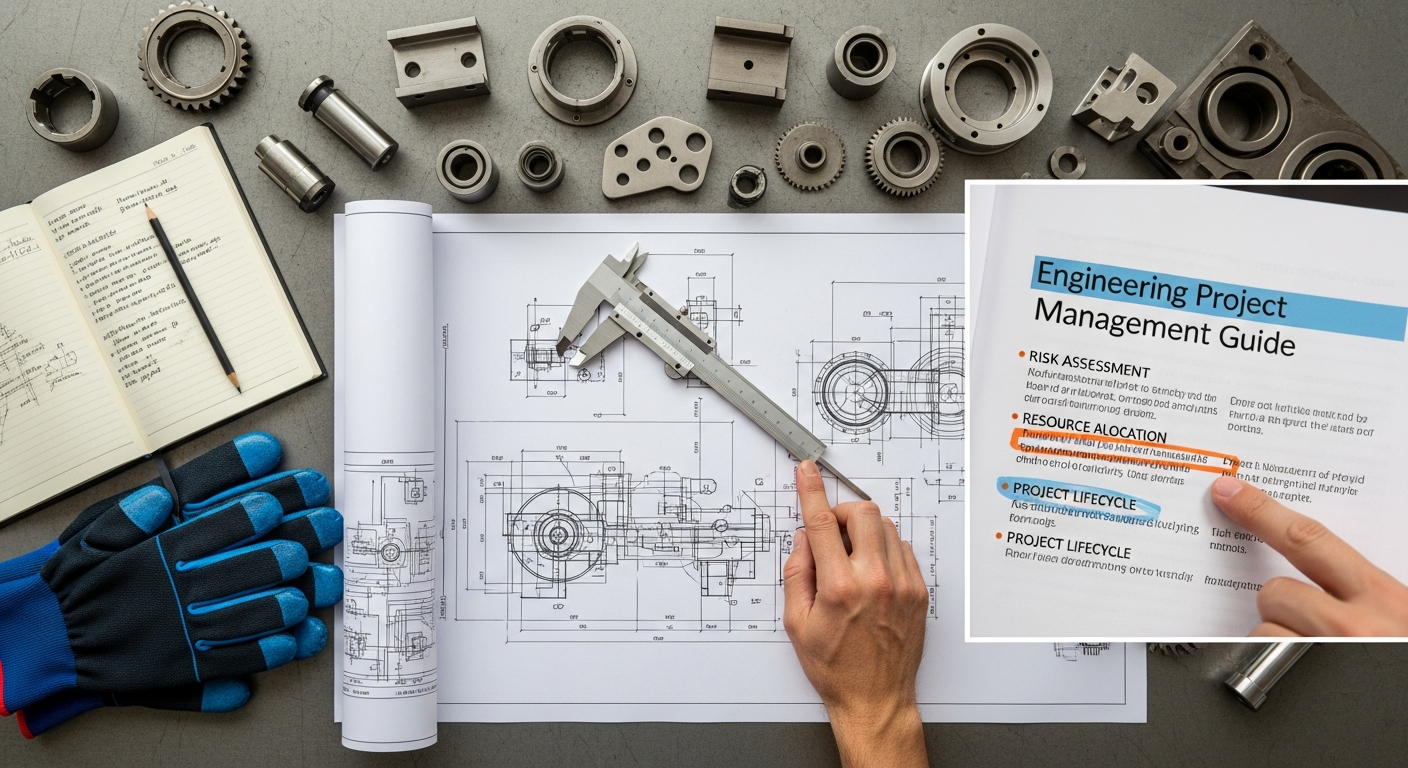
The rapid evolution of digital tools and technologies has profoundly transformed engineering project management. In 2026, leveraging advanced software and data-driven insights is not just an advantage but a necessity for organizations like Mitsubishi Manufacturing to manage complex engineering projects efficiently and effectively.
Project Management Software Suites
Modern EPM relies heavily on sophisticated software solutions that provide a centralized platform for planning, executing, monitoring, and controlling projects. These suites offer functionalities far beyond simple task tracking:
- Integrated Planning and Scheduling: Tools like Primavera P6, Microsoft Project, or cloud-based alternatives enable detailed Gantt charts, critical path analysis, resource leveling, and dependency management across complex engineering tasks.
- Resource Management: Optimize allocation of engineers, technicians, equipment, and other resources, preventing over-allocation or under-utilization, which directly contributes to Manufacturing Waste Reduction Strategies by optimizing human and capital asset deployment.
- Cost Tracking and Budgeting: Real-time visibility into project expenditures, earned value analysis, and variance reporting help maintain financial control.
- Document Management: Centralized repositories for all project documentation, including design specifications, CAD files, test reports, and compliance certificates, ensuring version control and easy access.
- Risk Management Modules: Tools for identifying, assessing, and tracking risks, along with planning mitigation strategies.
The integration capabilities of these suites allow them to connect with other enterprise systems, creating a holistic view of project data.
Data Analytics and Predictive Modeling
The ability to collect, analyze, and interpret project data has become a game-changer. Data analytics provides insights into project performance, identifies trends, and supports data-driven decision-making.
- Performance Analytics: Dashboards and reports visualize key project metrics, allowing project managers to quickly assess progress, identify bottlenecks, and measure efficiency.
- Predictive Analytics: Algorithms can analyze historical project data to forecast future performance, predict potential risks (e.g., schedule overruns, budget excesses), and identify areas requiring proactive intervention. This is particularly valuable for complex engineering projects with many variables.
- Simulation Tools: Digital simulations can model various scenarios for design, production processes, or resource allocation, helping optimize plans before physical implementation, thereby reducing costly rework and waste.
Collaborative Platforms and Communication Tools
Given that engineering projects often involve geographically dispersed teams and multiple stakeholders, effective communication and collaboration tools are indispensable.
- Real-time Collaboration: Platforms like Microsoft Teams, Slack, or dedicated project collaboration tools facilitate instant messaging, video conferencing, and shared workspaces for documents and designs.
- Version Control Systems: Essential for managing changes to engineering designs, code, and documents, ensuring that all team members are working on the latest versions.
- Digital Whiteboards and Brainstorming Tools: Enable virtual co-creation and problem-solving sessions, fostering innovation and breaking down communication barriers.
Automation and AI in EPM
Emerging technologies like Artificial Intelligence (AI) and automation are beginning to revolutionize EPM, offering unprecedented levels of efficiency and insight.
- Automated Task Management: AI can automate routine project tasks, such as generating status reports, scheduling meetings, or sending reminders, freeing up project managers for more strategic activities.
- Intelligent Scheduling: AI algorithms can analyze complex project networks, resource availability, and external factors to generate optimized schedules and dynamically adjust them in response to changes.
- Risk Prediction and Mitigation: Machine learning models can identify subtle patterns in project data that indicate potential risks, offering early warnings and suggesting mitigation strategies.
- Knowledge Management: AI-powered systems can help organize and retrieve vast amounts of engineering knowledge, lessons learned, and best practices, making it easier for new projects to leverage past experiences.
By embracing these advanced tools and technologies, Mitsubishi Manufacturing can enhance its EPM capabilities, drive greater project efficiency, reduce costs, and accelerate the delivery of high-quality engineering solutions.
Mastering Challenges and Ensuring Sustainable Project Success
Even with meticulous planning and cutting-edge tools, engineering projects are inherently complex and prone to challenges. Proactive strategies for managing risks, fostering communication, ensuring quality, and embedding sustainability are crucial for achieving enduring success in 2026 and beyond.
Robust Risk Management Strategies
Risk is an omnipresent factor in engineering projects, ranging from technical hurdles and resource shortages to market changes and regulatory shifts. Effective risk management is about anticipating potential problems and developing strategies to mitigate their impact.
- Risk Identification: Systematically identify all potential risks throughout the project lifecycle through brainstorming, SWOT analysis, and expert interviews.
- Risk Assessment: Analyze the probability of each risk occurring and the potential impact it could have on the project (cost, schedule, quality, safety).
- Risk Response Planning: Develop strategies to avoid, mitigate, transfer, or accept risks. This includes contingency plans and fallback options.
- Risk Monitoring and Control: Continuously track identified risks, identify new risks, and evaluate the effectiveness of risk response plans. Regular risk reviews are essential.
For large-scale manufacturing projects, understanding and managing risks associated with new technologies, supply chain disruptions, or environmental compliance is paramount.
Effective Communication and Stakeholder Engagement
Miscommunication is a leading cause of project failure. Establishing clear, consistent, and transparent communication channels is vital for success.
- Communication Plan: Define who needs what information, when, how, and by whom. This includes regular project status meetings, dashboards, and formal reports.
- Stakeholder Analysis: Understand the needs, expectations, and influence of all stakeholders (e.g., management, engineering teams, suppliers, customers, regulatory bodies).
- Proactive Engagement: Regularly involve stakeholders in decision-making processes, solicit their feedback, and manage their expectations throughout the project lifecycle. This builds trust and fosters buy-in.
- Conflict Resolution: Develop clear processes for addressing disagreements and conflicts within the project team or with stakeholders, ensuring issues are resolved constructively and promptly.
Quality Assurance and Control
In engineering, quality is non-negotiable. It encompasses not just the final product but also the processes used to create it. A robust quality management plan ensures that deliverables meet or exceed technical specifications and performance requirements.
- Quality Planning: Define quality standards, metrics, and acceptance criteria at the outset of the project.
- Quality Assurance (QA): Implement systematic processes and procedures to prevent defects and ensure that the project follows established quality standards. This includes regular audits, process reviews, and training.
- Quality Control (QC): Perform inspections, tests, and measurements throughout the project to verify that deliverables conform to requirements. This is where the deep knowledge of Materials Science In Manufacturing becomes critical. Understanding material specifications, testing methodologies (e.g., destructive vs. non-destructive testing), and failure analysis is essential for ensuring component reliability and product longevity. Quality control extends to verifying that the chosen materials perform as expected under manufacturing conditions and in the final product environment.
- Continuous Improvement: Use feedback from QA/QC processes and lessons learned to refine engineering processes and improve future project quality.
For Mitsubishi Manufacturing, upholding stringent quality standards is integral to its brand reputation and customer trust, making quality management a cornerstone of EPM.
Manufacturing Waste Reduction Strategies in Project Execution
Beyond traditional production lines, engineering projects themselves can generate significant waste if not managed carefully. Applying Manufacturing Waste Reduction Strategies within the EPM framework can lead to substantial gains:
- Optimizing Design Iterations: By using advanced simulation tools and robust review processes upfront, the number of costly design iterations and physical prototypes can be significantly reduced.
- Efficient Resource Utilization: Precise planning and monitoring of engineering staff, equipment, and lab resources minimize idle time and ensure that resources are deployed where they add the most value.
- Minimizing Rework: Implementing stringent quality checks at each stage, adhering to clear specifications, and fostering open communication reduces errors that lead to expensive rework and delays.
- Lean Documentation: Creating only necessary documentation that adds value, avoiding excessive or redundant paperwork, saves time and resources.
- Sustainable Material Selection: Integrating principles of Materials Science In Manufacturing with sustainability goals to select materials that are not only performant but also reduce environmental impact (e.g., recyclable, lower energy footprint, less hazardous). This proactive approach reduces waste throughout the product lifecycle, starting from the design phase.
- Standardization: Where appropriate, standardizing components, processes, and design modules can reduce complexity, simplify procurement, and minimize errors, leading to less waste in engineering effort and materials.
By proactively addressing these challenges and integrating waste reduction strategies, engineering project managers can ensure that projects are not only completed successfully but also contribute positively to the organization’s efficiency, sustainability goals, and long-term profitability.
The Future Landscape of Engineering Project Management
As we look towards 2026 and beyond, engineering project management is poised for continued transformation, driven by emerging technologies and evolving global priorities. Mitsubishi Manufacturing, as an industry leader, must stay abreast of these trends to maintain its competitive edge.
Digital Twins and Virtual Prototyping
The concept of a digital twin – a virtual replica of a physical product, process, or system – is rapidly gaining traction. In EPM, digital twins allow engineers to simulate, test, and optimize designs and processes in a virtual environment before committing to physical production. This significantly reduces the need for expensive physical prototypes, accelerates development cycles, and minimizes potential errors and waste. Virtual prototyping, enabled by sophisticated simulation software and augmented/virtual reality (AR/VR), will become standard practice, allowing for collaborative design reviews and functional testing in a risk-free virtual space.
Sustainability and Circular Economy Principles
Environmental responsibility is no longer just a regulatory concern but a core business imperative. Future EPM will increasingly integrate sustainability throughout the project lifecycle. This means:
- Life Cycle Assessment (LCA): Evaluating the environmental impact of a product or process from raw material extraction to disposal, guiding design decisions towards more sustainable choices.
- Circular Economy Design: Designing products for longevity, repairability, remanufacturing, and recycling, minimizing waste and maximizing resource utilization. This requires a deep understanding of Materials Science In Manufacturing to select materials with favorable end-of-life properties.
- Energy Efficiency in Design and Operation: Prioritizing solutions that reduce energy consumption during manufacturing and throughout the product’s operational life.
EPM will play a crucial role in translating these principles into tangible project outcomes, contributing to both environmental stewardship and economic efficiency.
Human-Centric Project Leadership
While technology advances, the human element remains central to project success. Future EPM will emphasize human-centric leadership, focusing on:
- Emotional Intelligence: Project managers will need enhanced skills in understanding and managing team dynamics, fostering collaboration, and resolving conflicts.
- Adaptability and Resilience: The ability to navigate rapid technological shifts, market volatility, and unforeseen disruptions will be paramount.
- Upskilling and Reskilling: Continuous learning and development for engineering teams will be crucial to keep pace with new technologies and methodologies.
By embracing these future trends, Mitsubishi Manufacturing can ensure its engineering project management practices remain at the forefront of innovation, delivering sustainable value and driving progress in the industrial landscape.
Frequently Asked Questions
What is the primary difference between general project management and engineering project management?▾
Recommended Resources
Learn more about this topic in Anxiety Management Tips That Work at Diaal News.
Explore Child Support Rights And Resources for additional insights.