Understanding Failure Analysis Engineering: A Core Discipline for Manufacturing Excellence
Failure analysis engineering is an interdisciplinary field dedicated to investigating product or component failures to determine their root causes. It combines principles from materials science, mechanical engineering, electrical engineering, chemical engineering, and forensics to systematically examine failed parts, systems, or processes. The ultimate goal is not merely to identify what failed, but critically, to ascertain why it failed, thereby enabling the implementation of effective corrective and preventive actions.
At its heart, failure analysis is about problem-solving. When a product breaks prematurely, a machine malfunctions, or a material doesn’t perform as expected, a team of dedicated engineers employs a suite of sophisticated techniques to unravel the mystery. This detective work is crucial for several reasons:
- Preventing Recurrence: The most immediate benefit is to prevent the same failure from happening again, saving significant costs and potential safety hazards.
- Improving Product Design: Insights gained from failures can directly inform design changes, leading to more robust, reliable, and durable products.
- Optimizing Manufacturing Processes: Failures often expose weaknesses in manufacturing processes, prompting refinements that enhance quality and efficiency.
- Ensuring Compliance and Safety: In industries with stringent regulations, failure analysis is vital for meeting safety standards and regulatory compliance.
- Minimizing Warranty Costs: By addressing root causes, manufacturers can drastically reduce warranty claims and associated financial burdens.
The scope of failure analysis engineering is vast, encompassing everything from microscopic material defects to large-scale structural collapses. It requires a keen eye for detail, a strong foundation in engineering principles, and access to advanced analytical tools. For any manufacturing entity aiming for long-term success and customer trust, mastering the principles and practices of failure analysis is not just an advantage; it is a fundamental necessity.
The Indispensable Role of Failure Analysis in Modern Manufacturing
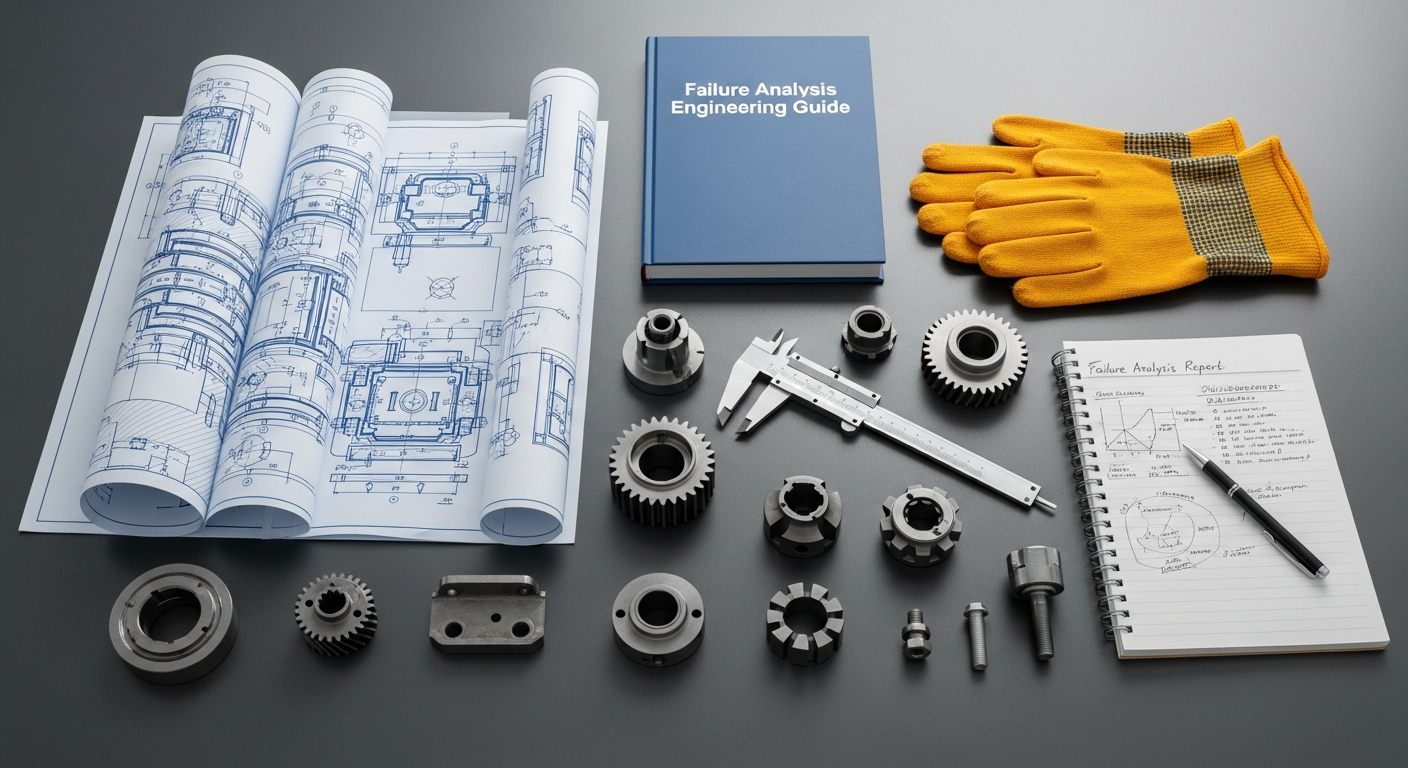
In today’s fast-paced and highly competitive global market, manufacturers face immense pressure to deliver high-quality products that meet increasingly complex performance demands. The landscape of manufacturing is evolving rapidly, driven by automation, advanced materials, and digital integration. Within this dynamic environment, the role of failure analysis engineering has transcended its traditional reactive stance to become a strategic cornerstone for continuous improvement and innovation.
Driving Quality and Reliability
Every product that leaves a manufacturing facility carries the promise of quality and reliability. When this promise is broken, whether through premature wear, sudden breakage, or functional defect, it undermines customer trust and damages brand reputation. Failure analysis provides the critical feedback loop necessary to uphold and enhance this promise. By systematically investigating failures, manufacturers can:
- Identify Design Flaws: Pinpoint weaknesses in product design that may not have been apparent during initial testing.
- Detect Material Defects: Uncover issues with raw materials or component quality that contribute to failure.
- Expose Manufacturing Process Errors: Reveal inconsistencies, incorrect parameters, or human errors in the production line.
- Validate and Improve Testing Protocols: Use failure data to refine quality control procedures and ensure more comprehensive testing.
Ultimately, a robust failure analysis program leads to products that are inherently more reliable and durable, reducing the total cost of ownership for customers and enhancing market competitiveness.
Economic Impact and Waste Reduction
The financial implications of product failures can be staggering. These include direct costs such as warranty claims, product recalls, repair expenses, and scrap material. Beyond these, there are significant indirect costs like lost production time, damage to brand image, and potential litigation. Effective failure analysis directly addresses these economic challenges:
- Cost Savings: By identifying and eliminating root causes, companies can drastically reduce warranty costs, scrap rates, and rework expenses.
- Optimized Resource Allocation: Understanding failure mechanisms allows for more targeted investments in R&D, material selection, and process improvements, avoiding wasteful trial-and-error approaches.
- Increased Operational Efficiency: Preventing equipment breakdowns through predictive insights derived from failure analysis ensures smoother production flows and minimizes costly downtime.
This directly ties into broader initiatives like Manufacturing Waste Reduction Strategies. Defects are one of the seven wastes in Lean Manufacturing, and failure analysis is the primary tool for understanding and eliminating the root causes of these defects. By systematically investigating failures, organizations can reduce scrap, rework, overproduction due to defects, and the associated transportation, motion, and waiting times, leading to more efficient and cost-effective operations.
Enhancing Safety and Regulatory Compliance
In sectors such as automotive, aerospace, medical devices, and heavy machinery, product failures can have catastrophic consequences, leading to injuries, fatalities, and environmental damage. For these industries, failure analysis is not just good practice; it’s a moral and legal imperative. Thorough investigations ensure:
- Public Safety: Identifying and rectifying safety-critical defects protects end-users and the wider community.
- Regulatory Adherence: Many industries are subject to strict regulatory bodies that require detailed failure investigations and reporting. Compliance is non-negotiable.
- Risk Mitigation: Proactive failure analysis helps identify potential risks before they manifest into widespread problems, allowing for timely recalls or product modifications.
As we move into 2026, the complexity of engineered systems continues to grow, making the disciplined application of failure analysis engineering more critical than ever for ensuring both safety and compliance.
Fueling Innovation and Competitive Advantage
Paradoxically, failures can be powerful catalysts for innovation. Each failure represents a learning opportunity, a chance to understand the limits of existing designs, materials, or processes. By embracing failure analysis, companies can:
- Inform Future Designs: Insights from failures feed directly into the design cycle, leading to the development of more resilient and innovative products.
- Advance Material Science: Understanding how materials behave under stress or in specific environments can drive the development of new, superior materials.
- Cultivate a Culture of Continuous Improvement: Organizations that systematically analyze failures foster a learning culture where problems are seen as opportunities for growth, aligning perfectly with Lean Manufacturing Principles Explained, particularly the principle of Kaizen (continuous improvement).
In essence, failure analysis engineering is not just about fixing problems; it’s about building a deeper understanding of products and processes, empowering manufacturers to innovate with greater confidence and secure a lasting competitive edge.
Key Methodologies and Tools in Failure Analysis
1. Initial Data Collection and Preservation
Before any physical examination begins, meticulous data collection is paramount. This includes:
- Failure History: Gathering information on when, where, and how the failure occurred, including environmental conditions, operational parameters, and load history.
- Documentation: Collecting design specifications, manufacturing records, material certifications, maintenance logs, and previous incident reports.
- Sample Preservation: Ensuring the failed component is handled carefully to prevent further damage or contamination, which could obscure critical evidence.
2. Visual Inspection and Low-Magnification Examination
Often the first and most crucial step, a thorough visual inspection can reveal significant clues. This involves:
- Naked Eye Examination: Looking for obvious cracks, deformation, discoloration, corrosion, wear patterns, or foreign objects.
- Stereomicroscopy: Using a low-power stereo microscope (up to 100x magnification) to examine fracture surfaces, surface features, and general morphology in three dimensions. This can help identify the fracture origin, direction of crack propagation, and distinguishing features of different failure modes (e.g., ductile vs. brittle, fatigue striations).
3. Non-Destructive Testing (NDT)
NDT methods allow for the inspection of components without altering or damaging them, preserving the evidence for further analysis. Common NDT techniques include:
- Radiography (X-ray/Gamma-ray): Detects internal flaws such as cracks, voids, inclusions, or porosity in materials.
- Ultrasonic Testing (UT): Uses high-frequency sound waves to detect internal discontinuities, measure material thickness, and characterize material properties.
- Eddy Current Testing (ECT): Detects surface and near-surface cracks and flaws in conductive materials, and can also be used for material sorting and thickness measurement.
- Liquid Penetrant Testing (LPT): Reveals surface-breaking discontinuities in non-porous materials by drawing a colored or fluorescent liquid into the flaw.
- Magnetic Particle Testing (MPT): Used for detecting surface and near-surface flaws in ferromagnetic materials.
4. Destructive Testing (DT)
While often a last resort for the failed component itself, destructive testing on representative samples or similar components can provide invaluable data on material properties and behavior under stress.
- Tensile Testing: Measures a material’s strength, ductility, and elastic modulus.
- Hardness Testing: Determines a material’s resistance to permanent indentation (e.g., Rockwell, Brinell, Vickers).
- Impact Testing: Measures a material’s toughness and resistance to fracture under high-strain-rate loading (e.g., Charpy, Izod).
- Fatigue Testing: Determines a material’s resistance to failure under cyclic loading conditions.
5. Microscopic and Spectroscopic Analysis
These advanced techniques provide detailed insights into material microstructure and chemical composition at high magnifications.
- Scanning Electron Microscopy (SEM): Provides high-magnification images (up to millions of times) with excellent depth of field, ideal for examining fracture surfaces (fractography) and surface features.
- Energy Dispersive X-ray Spectroscopy (EDS/EDX): Often integrated with SEM, EDS allows for elemental analysis of specific areas on a sample, identifying the chemical composition of inclusions, corrosion products, or contaminants.
- Optical Microscopy (Metallography): Used to examine the microstructure of materials (grain size, phases, heat treatment effects) after sectioning, polishing, and etching.
- Fourier Transform Infrared Spectroscopy (FTIR): Identifies organic compounds, polymers, and some inorganic compounds, useful for analyzing residues, coatings, or unknown materials.
- X-ray Diffraction (XRD): Determines crystal structure, phase composition, and residual stresses in crystalline materials.
6. Fractography
A specialized branch of failure analysis, fractography is the study of fracture surfaces. The morphology of the fracture surface can reveal critical information about the failure mode (e.g., ductile overload, brittle fracture, fatigue, stress corrosion cracking, creep) and the origin of the fracture. SEM is an indispensable tool for fractography.
7. Material Characterization
This involves a suite of tests to confirm the material’s identity and properties against specifications. Techniques include:
- Chemical Analysis: Using techniques like Optical Emission Spectrometry (OES) or Inductively Coupled Plasma (ICP) to determine bulk elemental composition.
- Thermal Analysis: Techniques like Differential Scanning Calorimetry (DSC) or Thermogravimetric Analysis (TGA) can characterize polymers and composites.
By judiciously selecting and applying these diverse methodologies and tools, failure analysis engineers can piece together the narrative of a failure, leading to an accurate determination of its root cause and actionable recommendations for prevention. The synergistic application of these techniques ensures a comprehensive investigation, minimizing the chances of misdiagnosis and maximizing the effectiveness of corrective actions.
The Failure Analysis Process: A Step-by-Step Guide
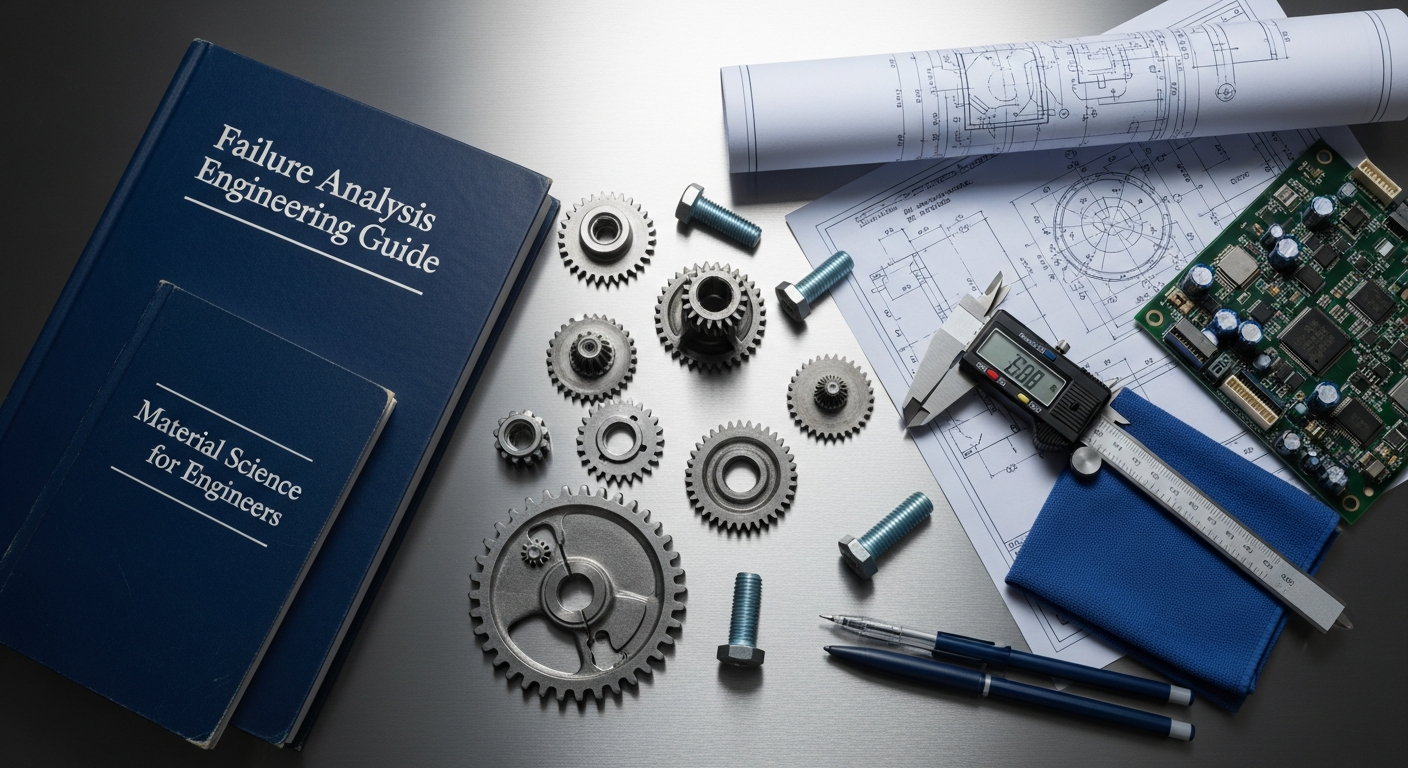
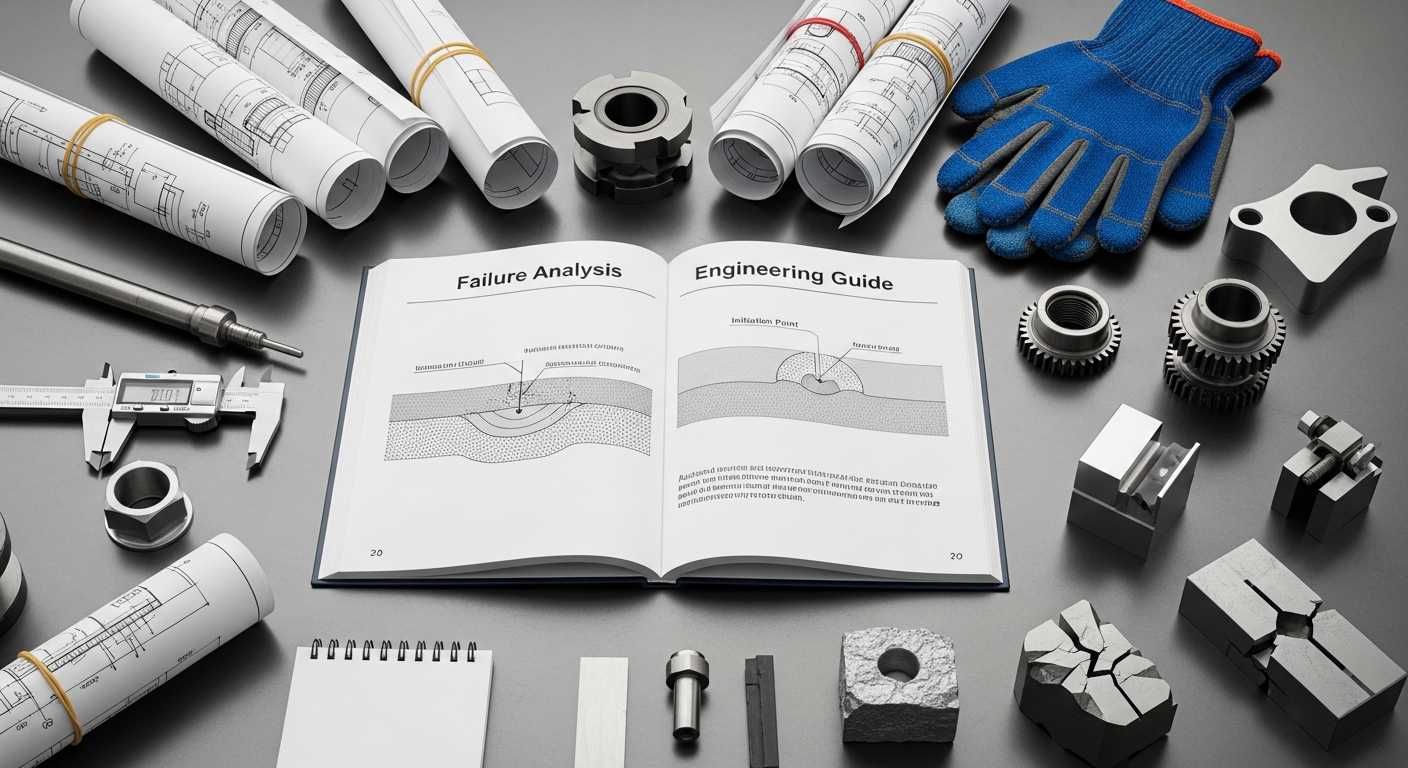
A structured, methodical approach is crucial for successful failure analysis engineering. While specific steps may vary depending on the nature of the failure and the industry, a general process provides a robust framework for investigation. This systematic approach ensures all critical data is collected, hypotheses are rigorously tested, and definitive conclusions are reached.
Step 1: Problem Definition and Data Collection
The investigation begins with a clear understanding of the problem. This involves:
- Defining the Failure: What exactly failed? What were the symptoms? When and where did it occur?
- Gathering Background Information: Collect all relevant documentation – design specifications, manufacturing process records, material certifications, operational history, maintenance logs, environmental conditions, and any witness accounts.
- Collecting Intact and Failed Samples: Secure the failed component, as well as any associated components, and if possible, an intact, undamaged counterpart for comparison. Proper preservation of samples is critical to avoid contamination or further damage.
Emphasis on collecting comprehensive data upfront can significantly streamline later stages of the analysis.
Step 2: Preliminary Examination
This initial hands-on examination provides the first set of clues without significantly altering the sample.
- Visual Inspection: A detailed inspection with the naked eye and low-power magnification (stereomicroscopy) to identify obvious features like fracture origins, deformation, corrosion, wear, or discoloration. Photograph everything.
- Non-Destructive Testing (NDT): Employ appropriate NDT methods (e.g., X-ray, ultrasonic, eddy current) to detect internal flaws or anomalies without damaging the component. This can help guide where destructive tests might be necessary.
Step 3: Detailed Examination and Testing
This stage involves more invasive and analytical techniques to delve deeper into the failure mechanism.
- Sectioning and Metallography: Carefully cutting and preparing cross-sections of the failed part to examine the microstructure using optical microscopy. This can reveal grain structure, heat treatment issues, micro-cracks, and inclusions.
- Fractography: Utilizing high-magnification microscopy, especially Scanning Electron Microscopy (SEM), to analyze the fracture surface. This is critical for determining the fracture mode (e.g., fatigue, brittle, ductile overload, creep) and locating the exact origin of failure.
- Chemical Analysis: Using techniques like EDS (with SEM), FTIR, or OES to determine the elemental or chemical composition of the material, corrosion products, or foreign substances. This verifies material specifications and identifies contaminants.
- Mechanical Testing: If necessary, conducting destructive tests (e.g., hardness, tensile, impact) on material samples (either from the failed part, if feasible, or from identical, intact material) to verify mechanical properties against specifications.
Step 4: Hypothesis Formulation and Verification
Based on the evidence gathered, the failure analysis engineer develops one or more hypotheses explaining the probable cause of failure. Each hypothesis must then be rigorously tested against the collected data.
- Critical Thinking: Analyze all evidence and correlate findings from different tests. Does the data support a specific failure mechanism?
- Elimination: Rule out hypotheses that are inconsistent with the evidence.
- Simulation (Optional): In some cases, Finite Element Analysis Explained can be used to simulate stress distributions or predict failure under specific loading conditions, helping to verify or refute a hypothesis.
Step 5: Root Cause Determination
Once a hypothesis is verified, the true root cause must be identified. This goes beyond the immediate failure mechanism (e.g., fatigue fracture) to uncover the underlying reasons for that mechanism (e.g., inadequate design for cyclic loading, improper material selection, manufacturing defect leading to stress concentration).
- Root Cause Analysis Tools: Techniques like the “5 Whys” or “Fishbone (Ishikawa) diagrams” can be invaluable here, systematically peeling back layers of causality.
Step 6: Recommendations and Corrective/Preventive Actions
The insights gained from the root cause analysis are translated into actionable recommendations to prevent recurrence. These can include:
- Design Changes: Modifying product geometry, material selection, or component integration.
- Process Improvements: Adjusting manufacturing parameters, improving quality control checkpoints, or refining assembly procedures.
- Material Specifications: Revising material requirements or supplier qualifications.
- Maintenance Practices: Updating inspection schedules or maintenance protocols.
Step 7: Reporting and Documentation
The final step is to compile a comprehensive report detailing the entire investigation, including the problem statement, methodologies used, findings, root cause, and recommendations. This report serves as a vital record for future reference, learning, and accountability. Clear, concise, and well-supported documentation is essential.
By adhering to this systematic process, failure analysis engineering transforms incidents into invaluable learning opportunities, driving continuous improvement and elevating the overall quality and reliability of manufactured products and processes at Mitsubishi Manufacturing and beyond, ensuring resilience for 2026 and subsequent years.
Integrating Failure Analysis with Quality and Process Improvement
For any manufacturing organization aspiring to operational excellence, failure analysis engineering cannot operate in isolation. Its true power is unleashed when seamlessly integrated into broader quality management systems and continuous process improvement initiatives. This synergy transforms reactive problem-solving into a proactive engine for innovation, efficiency, and sustained competitive advantage.
Failure Analysis as a Cornerstone of Lean Manufacturing
The principles of Lean Manufacturing Principles Explained are fundamentally about maximizing customer value while minimizing waste. One of the core tenets of Lean is the identification and elimination of the “seven wastes,” and defects are a primary form of waste. Failed products lead to scrap, rework, overproduction (to compensate for defective units), unnecessary transportation, and waiting times for repairs or replacements. This directly impacts efficiency and profitability.
Failure analysis engineering directly supports Lean by:
- Identifying Root Causes of Defects: It provides the scientific method to understand why defects occur, moving beyond symptom-level fixes. This is crucial for truly eliminating the source of waste.
- Enabling “Right First Time” Production: By feeding insights back into design and process, failure analysis helps establish robust processes that produce quality products from the outset, reducing the need for inspection, rework, and scrap.
- Supporting Continuous Improvement (Kaizen): Each failure investigation becomes a Kaizen event. The knowledge gained drives small, incremental improvements across the value stream, leading to significant cumulative gains in quality and efficiency over time.
- Facilitating Value Stream Mapping: Understanding where failures occur and their impact helps identify non-value-added steps in the value stream, making it easier to streamline processes.
In a Lean environment, failure is not merely a problem to be solved, but a valuable source of data for learning and improvement, with failure analysis being the instrument of that learning.
Driving Manufacturing Waste Reduction Strategies
Effective Manufacturing Waste Reduction Strategies are heavily reliant on actionable data. Failure analysis provides precisely this data by identifying the specific types of failures, their frequency, and their underlying causes. This allows organizations to target waste reduction efforts precisely.
- Reducing Scrap and Rework: By identifying material defects or process inconsistencies that lead to non-conforming parts, failure analysis allows for corrections that directly reduce the volume of scrap and the need for costly rework operations.
- Optimizing Inventory: Fewer defects mean less need for buffer inventory to cover potential rejects, leading to lower holding costs and better cash flow.
- Minimizing Unnecessary Motion and Transportation: If products consistently fail at a specific stage, it might indicate a flaw in the process layout or material handling, prompting adjustments that reduce wasted movement.
- Improving Equipment Reliability: Analyzing equipment failures provides insights for predictive maintenance, reducing unplanned downtime (a major source of waste) and extending the lifespan of machinery.
Consider a scenario in 2026 where a robotic arm in an automated assembly line frequently jams. Failure analysis reveals that the robotic gripper’s material experiences premature fatigue due to an unanticipated stress concentration. This insight leads to a redesign of the gripper using a more robust material or a geometry that distributes stress more effectively, preventing future jams, reducing maintenance waste, and maintaining high production throughput.
Feedback Loops for Design and Process Enhancement
The most profound impact of integrating failure analysis lies in its ability to create powerful feedback loops that inform and enhance both product design and manufacturing processes. It transforms incidents into strategic intelligence.
- Design for Reliability (DfR): Failure analysis provides real-world data on how products perform under actual operating conditions. This data is invaluable for engineers to refine designs, select appropriate materials, and incorporate features that enhance durability and reliability in future product generations.
- Process Control and Optimization: When failures are traced back to manufacturing process parameters (e.g., incorrect heat treatment, improper welding, inconsistent curing), the analysis guides adjustments to these processes. This could involve tightening tolerances, recalibrating machinery, or improving operator training.
- Supplier Quality Management: If failures are linked to incoming materials or components, failure analysis provides objective evidence to work with suppliers on improving their quality, ensuring that only conforming materials enter the production stream.
By embedding failure analysis deeply within the organizational structure, connecting its findings directly to design teams, production managers, and quality assurance departments, Mitsubishi Manufacturing ensures that every failure becomes a stepping stone towards superior product performance and unmatched operational efficiency. This proactive integration is essential for staying competitive and delivering exceptional value in the dynamic manufacturing landscape of 2026 and beyond.
Advanced Techniques and Future Trends in Failure Analysis
The field of failure analysis engineering is continuously evolving, driven by advancements in materials science, analytical instrumentation, and computational power. As products become more complex, miniaturized, and operate under extreme conditions, the techniques used to diagnose their failures must also become more sophisticated. Mitsubishi Manufacturing is at the forefront of adopting and developing these advanced methodologies to maintain its leadership in quality and reliability.
Leveraging Finite Element Analysis (FEA) in Failure Prediction and Verification
One of the most powerful advanced techniques integrated into modern failure analysis is Finite Element Analysis Explained. FEA is a computational method used to simulate how a product or structure reacts to physical forces, heat, vibration, and other physical effects. In failure analysis, FEA plays a critical dual role:
- Predicting Potential Failure Modes: Before a physical prototype is even built, FEA can identify areas of high stress concentration, predict deformation under load, and simulate fatigue life. This allows designers to address potential weaknesses early in the design cycle, preventing failures before they occur.
- Verifying Failure Hypotheses: When a failure occurs, FEA can be used to recreate the conditions leading to the failure. By inputting the observed loads, material properties, and environmental factors, engineers can simulate the stress and strain distributions that resulted in the failure. This helps confirm the root cause identified through physical analysis and provides quantitative data to support corrective actions. For example, if a component failed due to fatigue, FEA can validate if the cyclic stresses in the failed area were indeed high enough to cause fatigue cracking given the material’s properties.
The synergy between physical failure analysis and FEA is immense. Physical examination provides the empirical evidence of what happened, while FEA offers the theoretical validation and predictive capability of why it happened and how to prevent it in future designs. This combination is invaluable for optimizing complex systems, from aerospace components to intricate electronic devices.
Integration of Artificial Intelligence (AI) and Machine Learning (ML)
The proliferation of data from sensors, manufacturing processes, and field performance is paving the way for AI and ML to revolutionize failure analysis.
- Predictive Maintenance: AI/ML algorithms can analyze vast datasets from operating equipment (e.g., vibration, temperature, current draw) to detect subtle anomalies that precede a failure, enabling predictive maintenance. This shifts from reactive repairs to proactive interventions, significantly reducing downtime and costs.
- Automated Anomaly Detection: In visual inspections or NDT, ML algorithms can be trained to identify defects or unusual patterns that a human eye might miss, improving accuracy and speed.
- Root Cause Identification: By analyzing historical failure data, design parameters, and manufacturing records, AI can potentially identify correlations and suggest probable root causes more rapidly, aiding the human analyst.
By 2026, we anticipate AI-powered systems to be integral in quickly sifting through complex data to highlight potential failure points and suggest diagnostic paths, making failure analysis faster and more efficient.
Digital Twins and Advanced Sensor Technologies
The concept of a “digital twin” – a virtual replica of a physical product or system – is gaining traction. Coupled with advanced sensors, digital twins offer unprecedented opportunities for failure analysis.
- Real-time Monitoring: Sensors embedded in products or machinery transmit data in real-time to their digital twins. This allows engineers to monitor performance, environmental conditions, and stress levels continuously.
- Proactive Diagnostics: When performance deviates from the digital twin’s expected behavior, it signals a potential impending failure, allowing for intervention before a catastrophic event.
- Post-Failure Reconstruction: In the event of a failure, the digital twin provides a complete historical record of the operating conditions leading up to the incident, invaluable for pinpointing the exact moment and conditions of failure.
Advanced Materials Characterization Techniques
As new materials (e.g., advanced composites, nanomaterials, additive manufactured alloys) become prevalent, new characterization techniques are emerging:
- Computed Tomography (CT) Scanning: Provides 3D X-ray images, allowing for detailed internal inspection of complex parts without sectioning.
- Atom Probe Tomography (APT): Offers atomic-scale 3D chemical analysis, crucial for understanding segregation and precipitation in advanced alloys.
- High-Resolution Transmission Electron Microscopy (HRTEM): Visualizes atomic structures and defects at extremely high magnifications, critical for nanomaterials and interfaces.
The future of failure analysis engineering at Mitsubishi Manufacturing is one of increasing sophistication and integration. By embracing these advanced techniques and future trends, we are not only improving our ability to diagnose failures but also empowering our engineers to design more resilient products and processes, ensuring unparalleled reliability and performance for our customers in 2026 and beyond.
Frequently Asked Questions
Recommended Resources
Explore Benefits Of Reading Books Daily for additional insights.
Related reading: How To Write To Congress About Family Issues (Protect Families Protect Choices).