


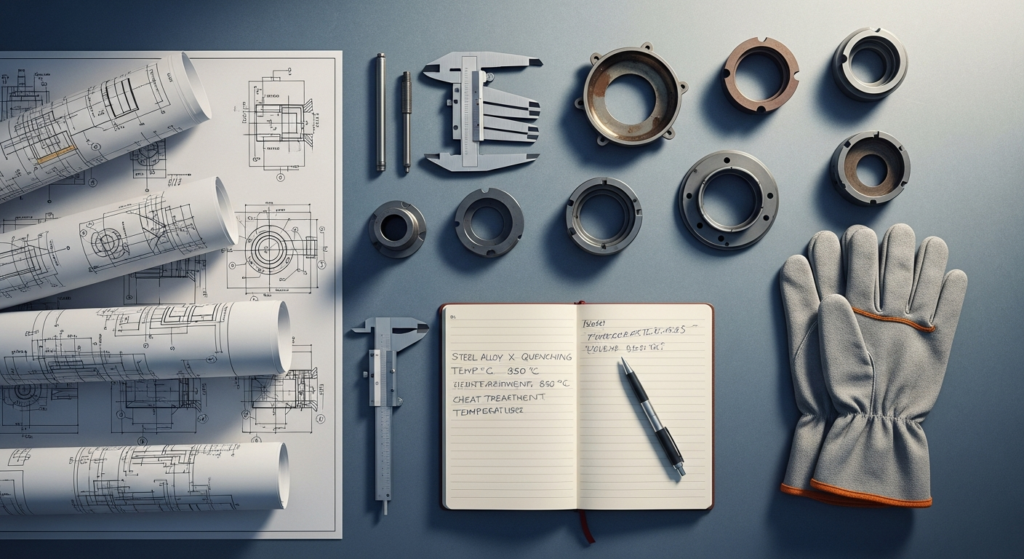
Understanding the Fundamentals of Heat Treatment for Metals
At its core, heat treatment is a series of operations involving the heating and cooling of metals and alloys in the solid state to obtain desirable properties. The necessity for these processes stems from the inherent limitations of metals in their as-fabricated state. A metal might be too brittle for a specific application, too soft to withstand wear, or contain internal stresses that could lead to premature failure. Heat treatment provides the metallurgist and engineer with a powerful tool to address these challenges, tailoring material characteristics precisely to application requirements.
The fundamental principle behind heat treatment revolves around the ability of metals to undergo phase transformations and microstructural changes when subjected to specific thermal cycles. When a metal is heated, its atoms gain kinetic energy, increasing their mobility. At elevated temperatures, particularly above the recrystallization temperature or specific critical transformation temperatures (like the A1 and A3 lines in steel), the atoms can rearrange themselves into new, more stable, or desired crystalline structures. The subsequent cooling rate then “freezes” these new structures or allows for further transformations, dictating the final microstructure and, consequently, the mechanical properties.
The primary objectives of heat treatment are diverse and include:
- Increasing Hardness and Strength: Essential for components subjected to high wear or load.
- Improving Ductility and Toughness: Crucial for preventing brittle fracture in structural applications.
- Enhancing Machinability: Making materials easier to cut and shape, reducing tool wear.
- Relieving Residual Stresses: Mitigating internal stresses caused by manufacturing processes like welding, casting, or cold working, which can lead to distortion or cracking.
- Refining Grain Structure: Improving mechanical properties like toughness and strength.
- Enhancing Wear Resistance: Creating a harder surface to withstand abrasion.
- Improving Corrosion Resistance: Modifying surface properties or stress states to resist environmental degradation.
For Mitsubishi Manufacturing, the ability to precisely control these properties translates directly into manufacturing products that meet stringent performance specifications and possess extended service lives. From the engine components that power our world to the structural elements that define our infrastructure, the careful application of heat treatment ensures optimal material performance and contributes significantly to overall product quality and safety.
Key Heat Treatment Processes and Their Applications

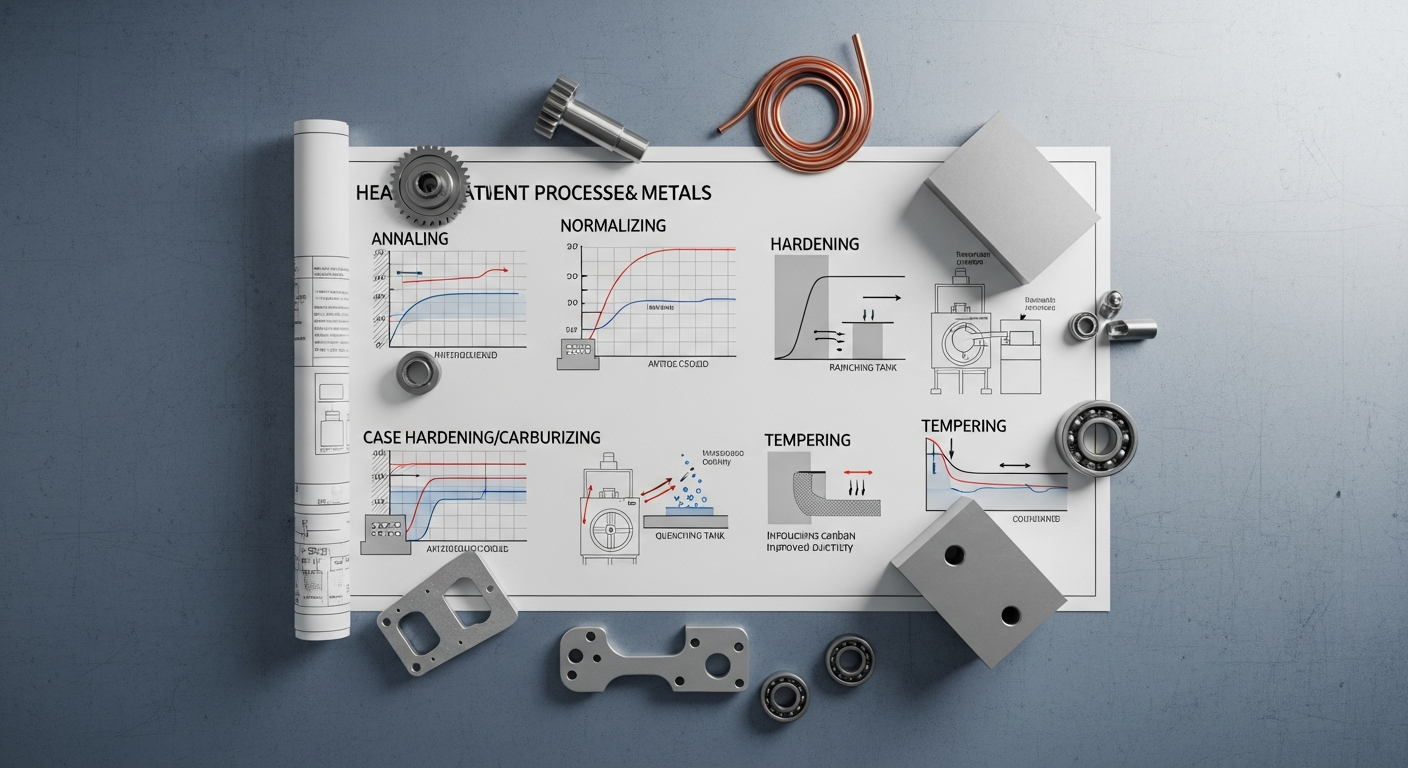
The spectrum of heat treatment processes is broad, each designed to achieve specific material transformations and property enhancements. Understanding these processes is vital for selecting the right treatment for a given application.
Annealing
Annealing is a heat treatment process that alters the microstructure of a material to make it softer, more ductile, and less brittle. It involves heating a metal to a specific temperature, holding it there for a period, and then slowly cooling it, typically in the furnace. The primary goals of annealing include relieving internal stresses, improving machinability, enhancing cold working properties, and producing a specific microstructure. There are several types of annealing:
- Full Annealing: Typically applied to ferrous metals, involving heating to a temperature above the upper critical temperature, soaking, and then very slow cooling. This results in a soft, ductile material with a coarse pearlite microstructure.
- Process Annealing: Used to relieve stress and increase ductility in cold-worked metals, allowing further deformation without fracture. Temperatures are lower than full annealing, typically below the lower critical temperature.
- Spheroidizing: A prolonged heating process at temperatures just below the lower critical temperature, causing cementite (iron carbide) to form into spheres, significantly improving machinability and ductility, especially in high-carbon steels.
Normalizing
Normalizing involves heating steel to a temperature above its upper critical temperature and then cooling it in still air at room temperature. The cooling rate is faster than full annealing but slower than quenching. The primary purpose of normalizing is to refine the grain structure, reduce segregation, and homogenize the microstructure, resulting in a material with improved strength and toughness compared to annealed steel. It’s often used to prepare components for further heat treatment or machining, or to improve the response to subsequent hardening processes.
Hardening (Quenching & Tempering)
Hardening is arguably one of the most critical heat treatment processes, aimed at increasing the hardness and strength of steel. It involves two main steps:
- Quenching: The material is heated to a temperature where austenite forms (above the critical temperature) and then rapidly cooled in a quenching medium (water, oil, polymer, salt bath, or air). This rapid cooling suppresses the formation of softer phases like pearlite and bainite, leading to the transformation of austenite into a very hard and brittle phase called martensite.
- Tempering: Since martensite is excessively brittle, the hardened steel is subsequently reheated to a temperature below the lower critical temperature and then cooled, usually in air. Tempering reduces the brittleness, increases toughness, and relieves internal stresses while still retaining a significant portion of the hardness achieved during quenching. The specific tempering temperature dictates the final balance of hardness and toughness.
Case Hardening (Surface Hardening)
For applications requiring a hard, wear-resistant surface combined with a tough, ductile core, case hardening processes are employed. These treatments modify the chemical composition of the surface layer (the “case”) while leaving the core relatively unaffected. Common methods include:
- Carburizing: Carbon is diffused into the surface of low-carbon steel at high temperatures (typically 850-950°C) in a carbon-rich atmosphere (gas, pack, or liquid carburizing). The carbon-enriched surface can then be hardened by quenching and tempering.
- Nitriding: Nitrogen is diffused into the surface of steel, often alloyed with elements like aluminum, chromium, or molybdenum, at lower temperatures (480-580°C). This creates extremely hard nitride compounds without the need for quenching, resulting in minimal distortion.
- Carbonitriding: A process similar to carburizing, but both carbon and nitrogen are diffused into the surface, offering a combination of hardness and wear resistance.
- Induction and Flame Hardening: These are surface hardening techniques where only the surface layer is rapidly heated by electromagnetic induction or an oxy-fuel flame, respectively, followed by immediate quenching. They allow for localized hardening of specific areas on a component.
Solution Treatment & Aging
Primarily used for non-ferrous alloys like aluminum, copper, and some stainless steels, this process strengthens materials through precipitation hardening. The alloy is heated to dissolve alloying elements into a solid solution (solution treatment) and then rapidly quenched to retain this supersaturated solid solution. Subsequently, the material is aged (naturally at room temperature or artificially at elevated temperatures) to allow fine precipitates to form, which impede dislocation movement and significantly increase strength and hardness.
Stress Relieving
Many manufacturing operations, such as welding, machining, casting, and cold forming, introduce residual stresses into metal components. These internal stresses can lead to distortion, cracking, or reduced fatigue life. Stress relieving involves heating the component to a relatively low temperature (below the critical transformation temperature for steels), holding it for a period, and then slowly cooling it. This thermal treatment allows the atoms to rearrange locally, reducing the magnitude of residual stresses without significantly altering the material’s microstructure or mechanical properties.
Each of these processes plays a critical role in Mitsubishi Manufacturing’s ability to produce components with optimized performance characteristics, ensuring that every product meets the highest standards of quality and reliability.
The Science Behind Heat Treatment: Microstructural Transformations
Austenite Formation and Transformation Kinetics
When steel is heated above its upper critical temperature, the body-centered cubic (BCC) ferrite structure transforms into face-centered cubic (FCC) austenite. Austenite has a higher solubility for carbon, allowing more carbon atoms to dissolve into the iron lattice. The subsequent cooling rate from the austenitic state is paramount. If cooled slowly, carbon atoms have sufficient time to diffuse, forming lamellar structures of ferrite and cementite known as pearlite (coarse or fine depending on cooling rate) or acicular structures like bainite at intermediate cooling rates.
However, if the cooling rate is sufficiently rapid (quenching), carbon atoms are trapped within the iron lattice, preventing them from diffusing and forming equilibrium phases. This results in a shear transformation, where the FCC austenite structure transforms into a body-centered tetragonal (BCT) structure called martensite. Martensite is characterized by its needle-like appearance and extreme hardness, a direct consequence of the lattice distortion caused by the trapped carbon atoms. The higher the carbon content in the steel, the harder the resulting martensite.
Alloying elements play a crucial role in these transformations. Elements like nickel and manganese are austenite stabilizers, expanding the austenite phase field and lowering the critical cooling rate required for martensite formation (improving hardenability). Elements like chromium, molybdenum, and vanadium form carbides, contributing to hardness and wear resistance, and can influence tempering behavior.
Impact on Mechanical Properties
The specific microstructure achieved through heat treatment directly dictates the mechanical properties:
- Hardness: Martensite is the hardest phase, followed by fine pearlite, bainite, and then coarse pearlite and ferrite.
- Tensile Strength and Yield Strength: Generally increase with hardness. Materials with fine, dispersed phases (like tempered martensite) exhibit high strength.
- Ductility and Toughness: These properties are inversely related to hardness. Martensite is very strong but brittle. Tempering reduces hardness but significantly improves toughness by allowing some carbon precipitation and stress relief.
- Wear Resistance: Directly related to hardness, especially surface hardness achieved through processes like carburizing or nitriding.
Understanding these intricate microstructural changes allows Mitsubishi Manufacturing engineers to predict and control the final properties of materials with remarkable precision. This scientific approach ensures that components are not merely “strong” but possess the optimal balance of strength, toughness, and durability required for their demanding applications, thereby enhancing product longevity and reliability.
Optimizing Heat Treatment for Efficiency and Quality: A Mitsubishi Perspective
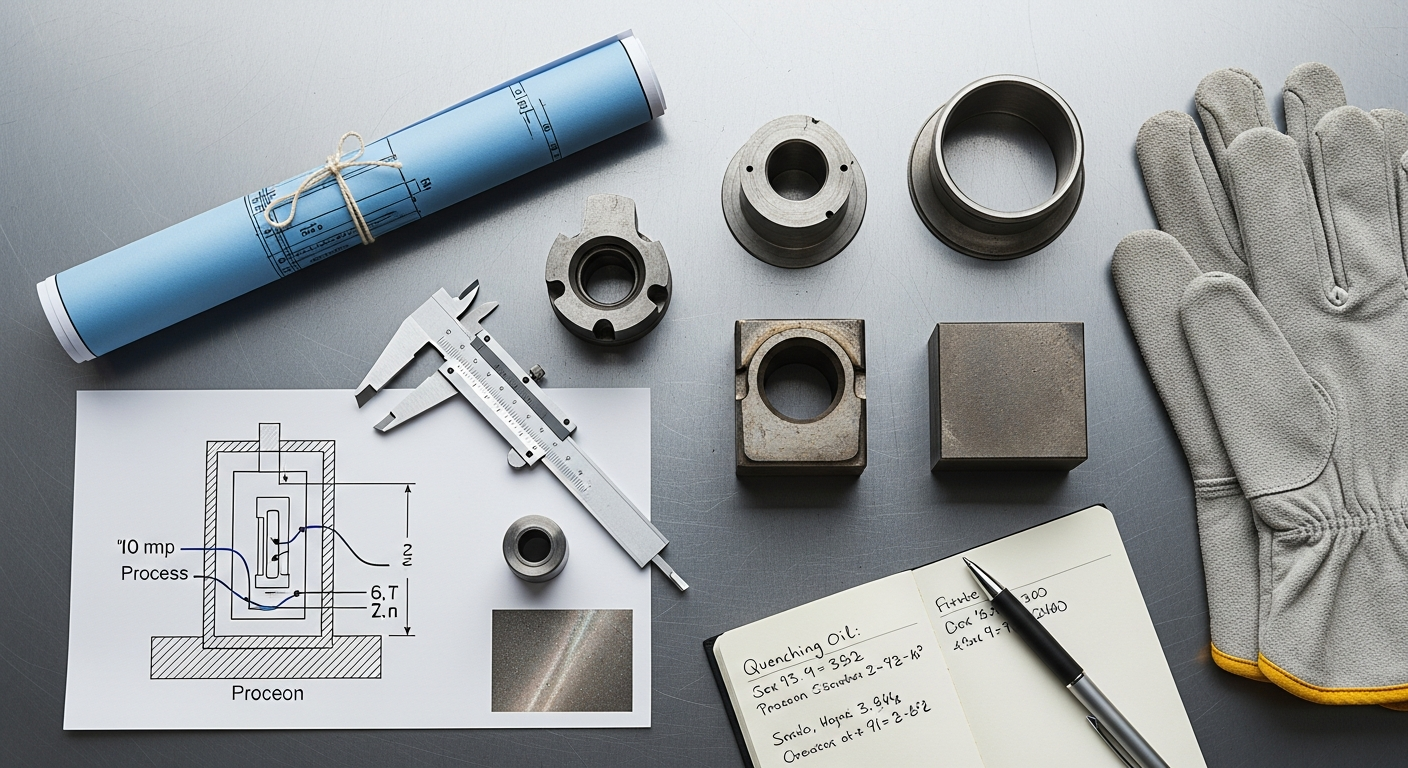
In the competitive landscape of global manufacturing, simply performing heat treatment is not enough. Mitsubishi Manufacturing continually strives for excellence, integrating advanced methodologies and technologies to optimize heat treatment processes for both efficiency and uncompromised quality. This commitment aligns perfectly with modern industrial paradigms and principles.
Integrating Lean Manufacturing Principles Explained
The principles of Lean Manufacturing, which focus on maximizing customer value while minimizing waste, are highly relevant to heat treatment operations. Inefficient heat treatment can lead to significant waste in terms of energy consumption, excessive lead times, and scrap material due to defects. By applying Lean principles, Mitsubishi Manufacturing identifies and eliminates non-value-added steps. For example, optimizing furnace loading, reducing idle times, streamlining material flow to and from heat treatment facilities, and minimizing rework are all critical aspects. Precise control over heating and cooling cycles reduces the need for re-treatment, saving both time and energy. Furthermore, standardizing processes and implementing visual controls help maintain consistency and reduce human error, contributing to a more efficient and reliable operation.
Implementing Manufacturing Waste Reduction Strategies
Heat treatment, if not meticulously controlled, can be a source of significant manufacturing waste. Common defects include distortion, cracking, decarburization, excessive oxidation, and inconsistent hardness. Mitsubishi Manufacturing employs robust Manufacturing Waste Reduction Strategies to mitigate these issues:
- Precise Process Control: Advanced sensors and automation systems monitor and control furnace temperatures, atmosphere composition (e.g., carbon potential in carburizing), and quenching parameters with high precision. This minimizes variations that lead to defects.
- Atmosphere Control: Using controlled atmospheres (e.g., nitrogen, endothermic gas, vacuum) prevents surface degradation like oxidation and decarburization, preserving the material’s integrity and reducing the need for post-treatment machining or cleaning.
- Quenching Media Optimization: Selecting the correct quenching medium and agitation method is crucial to achieve desired hardness without excessive distortion or cracking. Computer simulations aid in this selection.
- Pre- and Post-Treatment Handling: Proper fixturing during heat treatment prevents distortion, and careful handling before and after processing minimizes physical damage.
- Energy Efficiency: Modern furnaces are designed for maximum thermal efficiency, incorporating features like recuperators, insulated linings, and optimized burner systems to reduce energy consumption, aligning with sustainable manufacturing goals.
Leveraging Finite Element Analysis Explained
One of the most powerful tools in optimizing heat treatment, particularly in preventing distortion and predicting material behavior, is Finite Element Analysis (FEA) Explained. FEA is a computational method used to simulate how a component reacts to various physical effects, such as force, vibration, heat, fluid flow, and other physical phenomena. In the context of heat treatment, FEA allows engineers to:
- Predict Thermal Stresses and Distortion: By modeling the heating and cooling cycles, FEA can accurately predict how thermal gradients will induce stresses and cause parts to deform or warp. This allows for proactive design adjustments or optimization of quenching parameters to minimize distortion, reducing scrap and rework.
- Optimize Quenching Processes: FEA can simulate the heat transfer rates in different quenching media and predict the resulting temperature distributions within a part. This helps in selecting the most effective quenching strategy to achieve desired hardness uniformity and minimize residual stresses.
- Design Fixtures: FEA assists in designing robust fixtures that can hold parts in place during heat treatment, counteracting thermal expansion and contraction and thereby preventing distortion.
- Understand Microstructural Evolution: Advanced FEA models can even incorporate phase transformation kinetics, predicting the distribution of different microstructures (e.g., martensite, pearlite) within a component based on its thermal history.
By leveraging FEA, Mitsubishi Manufacturing can conduct virtual experiments, test different heat treatment scenarios, and refine processes before committing to costly physical trials. This predictive capability is invaluable for reducing development time, minimizing material waste, and ensuring first-time-right quality, especially for complex geometries or novel alloys. It’s a testament to our commitment to data-driven decision-making and continuous improvement.
The Future of Heat Treatment in 2026 and Beyond
As manufacturing evolves, so too do the demands on material performance and the sophistication of heat treatment technologies. Looking ahead to 2026 and beyond, several key trends are poised to redefine the landscape of heat treatment, and Mitsubishi Manufacturing is at the forefront of embracing these innovations.
Automation and Industry 4.0 Integration
The integration of heat treatment processes into broader Industry 4.0 frameworks is accelerating. This means more than just automated material handling; it involves seamless data exchange between furnaces, quality control systems, enterprise resource planning (ERP) software, and even design platforms. Smart furnaces equipped with advanced sensors will continuously monitor parameters, self-correct minor deviations, and communicate their status in real-time. This level of automation enhances consistency, reduces human intervention, and provides a wealth of data for continuous process improvement, further bolstering our Manufacturing Waste Reduction Strategies.
AI and Machine Learning for Predictive Maintenance and Process Optimization
Artificial intelligence (AI) and machine learning (ML) are becoming transformative tools. By analyzing vast datasets collected from automated heat treatment operations, AI algorithms can identify subtle patterns that precede equipment failure, enabling predictive maintenance and minimizing unplanned downtime. Furthermore, ML models can learn optimal process parameters for specific materials and geometries, adjusting heating rates, soak times, and cooling strategies to achieve desired properties with unprecedented precision and efficiency. This leads to reduced energy consumption, improved throughput, and consistently higher quality.
Sustainable Heat Treatment: Energy Efficiency and Environmental Responsibility
The drive towards sustainability is a major force shaping future heat treatment. Manufacturers are increasingly focused on reducing the carbon footprint of their operations. This includes the development of more energy-efficient furnaces (e.g., electric, hybrid, or hydrogen-fired furnaces), optimizing thermal insulation, and recovering waste heat. Research into greener quenching media that are less toxic and more environmentally friendly is also ongoing. Mitsubishi Manufacturing is committed to exploring and implementing these sustainable practices, aligning our operations with global environmental goals without compromising performance.
Advanced Materials and Additive Manufacturing
The advent of new materials, such as advanced high-strength steels, superalloys for extreme environments, and lightweight composites, necessitates equally advanced heat treatment solutions. Additive manufacturing (3D printing) of metal parts, which often results in unique microstructures and residual stresses, requires specialized post-processing heat treatments to achieve optimal density, grain structure, and mechanical properties. Developing tailored heat treatment recipes for these novel materials and manufacturing methods is a significant area of research and development, ensuring that Mitsubishi Manufacturing remains at the cutting edge of material science.
Enhanced Quality Assurance and Digital Twin Technology
The future will see even more sophisticated quality assurance, with in-situ monitoring during heat treatment providing real-time feedback on material transformations. Digital twin technology, where a virtual model of a physical asset or process is continuously updated with real-time data, will allow for highly accurate predictions of part behavior and lifetime, further enhancing the reliability of heat-treated components. This predictive capability, built upon data and advanced simulation tools like FEA, will lead to unprecedented levels of confidence in the final product.
Mitsubishi Manufacturing’s forward-thinking approach ensures that we not only adapt to these changes but also contribute to shaping the future of heat treatment, leveraging innovation to deliver unparalleled quality and efficiency to our global clientele.
Frequently Asked Questions
What is the primary purpose of heat treatment for metals?▾
How does annealing differ from hardening?▾
Can heat treatment reduce manufacturing waste?▾
What role does Finite Element Analysis play in modern heat treatment?▾
Which heat treatment process is best for creating a hard surface on a tough core?▾
What are some future trends in heat treatment technology?▾
Recommended Resources
You might also enjoy Reproductive Healthcare Access Guide from Protect Families Protect Choices.
Explore Journaling Benefits And How To Start for additional insights.