

What is IATF 16949 and Why is it Crucial for Automotive Manufacturing?
IATF 16949 is the global technical specification and quality management system standard for the automotive industry. Developed by the International Automotive Task Force (IATF), an ad-hoc group of automotive manufacturers, it builds upon the structure of ISO 9001, incorporating additional requirements specific to the automotive sector. Essentially, IATF 16949 defines the best practices for designing, developing, manufacturing, installing, and servicing automotive-related products. Its primary aim is to ensure consistency, reduce variation, and prevent defects throughout the entire automotive supply chain, from raw material suppliers to vehicle assemblers.
The journey to IATF 16949 certification began with ISO/TS 16949, which was first published in 1999. This standard harmonized the various country-specific automotive quality management systems, such as QS-9000 (North America), VDA 6.1 (Germany), AVSQ (Italy), and EAQF (France), into a single, global standard. In October 2016, ISO/TS 16949 was replaced by IATF 16949, marking a significant evolution. While still aligned with ISO 9001:2015, the new IATF 16949 standard places an even greater emphasis on customer-specific requirements, risk-based thinking, process approach, and performance monitoring. This evolution reflects the increasing complexity of automotive products, the sophistication of manufacturing processes, and the ever-present demand for zero defects.
For Mitsubishi Manufacturing and indeed, any player in the automotive arena, the cruciality of IATF 16949 automotive certification cannot be overstated. Firstly, it is often a mandatory requirement for doing business with major automotive original equipment manufacturers (OEMs) and Tier 1 suppliers. Without this certification, access to significant portions of the automotive market becomes severely restricted or impossible. Secondly, it provides a robust framework for improving product quality and reliability, directly impacting customer satisfaction and brand reputation. By adhering to IATF 16949, organizations commit to a culture of continuous improvement, systematically identifying and addressing potential issues before they escalate into costly defects or recalls. This proactive approach not only mitigates risks but also fosters innovation and efficiency, driving down operational costs associated with rework, scrap, and warranty claims. Furthermore, the standard’s global recognition facilitates international trade and supply chain integration, providing a common language for quality expectations across diverse geographical regions. In an industry where trust and precision are paramount, IATF 16949 serves as the definitive hallmark of a quality-driven automotive supplier.
The Foundational Principles of IATF 16949: Beyond ISO 9001

While IATF 169949 is structured to be used in conjunction with and supplemental to ISO 9001:2015, its foundational principles extend far beyond the general quality management framework to address the unique demands of the automotive sector. Organizations seeking IATF 16949 automotive certification must first implement and be certified to ISO 9001. The synergistic relationship means that while ISO 9001 provides the baseline for a robust quality management system (QMS), IATF 16949 layers on specific requirements that are critical for automotive product and process integrity.
Key differences and additional requirements in IATF 16949 include:
- Customer-Specific Requirements (CSRs): A significant emphasis is placed on understanding and fulfilling the unique requirements of individual automotive customers. These CSRs often dictate specific processes, documentation, and performance metrics, making it imperative for suppliers to have flexible and adaptable QMS processes.
- Product Safety: IATF 16949 introduces explicit requirements for managing product safety-related parts and processes, including special approvals, risk analyses (like FMEA), and robust control plans. This addresses the critical need for safety in automotive components.
- Risk Management: While ISO 9001 introduced risk-based thinking, IATF 16949 mandates more prescriptive approaches to risk analysis and mitigation, particularly concerning manufacturing processes and product design. This includes detailed requirements for contingency plans and risk assessments related to infrastructure, equipment, and personnel.
- Embedded Software: With the increasing complexity of automotive electronics, IATF 16949 addresses requirements for software development assurance, ensuring the quality and reliability of embedded software in automotive products.
- Warranty Management: The standard includes specific requirements for managing warranty claims, including analysis of warranty parts and effective communication with customers regarding warranty issues.
- Supplier Development: IATF 16949 places a strong emphasis on the development and management of suppliers, including the requirement for suppliers to conform to IATF 16949 or an equivalent QMS. This ensures quality cascades throughout the entire supply chain.
- Manufacturing Process Control: There are detailed requirements for production part approval process (PPAP), statistical process control (SPC), measurement system analysis (MSA), and error-proofing (Poka-Yoke), all aimed at achieving zero defects in manufacturing.
- Competence and Training: IATF 16949 has stricter requirements for employee competence, training, and awareness, especially for personnel involved in safety-critical processes.
The standard’s focus on the process approach, aligned with the Plan-Do-Check-Act (PDCA) cycle, drives organizations to manage interconnected activities as a system. This holistic view helps identify opportunities for improvement and ensures that processes are robust and consistently deliver desired outcomes. By moving beyond the generalities of ISO 9001, IATF 16949 provides a powerful framework that not only helps prevent defects but also fosters a culture of relentless pursuit of perfection, vital for the high stakes of automotive manufacturing. This commitment to specific automotive principles ensures that companies like Mitsubishi Manufacturing are equipped with the most rigorous quality controls available, leading to safer, more reliable vehicles on the road.
Navigating the IATF 16949 Certification Process: A Step-by-Step Guide
Here’s a comprehensive guide to navigating the IATF 16949 certification process:
- Understanding the Standard and Preparing Your Organization:
- Obtain and Study the Standard: Acquire copies of both ISO 9001:2015 and IATF 16949:2016. Thoroughly understand their requirements, including customer-specific requirements (CSRs) from your OEM customers.
- Leadership Commitment: Secure full commitment from top management. Their active involvement and support are crucial for allocating resources, setting strategic direction, and fostering a quality-oriented culture.
- Form a Core Team: Establish a dedicated team responsible for driving the implementation process. This team should include representatives from various departments, such as quality, production, engineering, and human resources.
- Gap Analysis: Conduct a comprehensive gap analysis to compare your existing quality management system with the requirements of IATF 16949. This will identify areas where your current system falls short and highlight necessary changes.
- Developing and Documenting Your Quality Management System (QMS):
- Design and Document Processes: Based on the gap analysis, design or revise your QMS processes to meet all IATF 16949 requirements. This includes documenting procedures, work instructions, policies, and records.
- Implement Key Tools: Integrate automotive core tools such as APQP (Advanced Product Quality Planning), PPAP (Production Part Approval Process), FMEA (Failure Mode and Effects Analysis), SPC (Statistical Process Control), and MSA (Measurement System Analysis) into your QMS.
- Training and Awareness: Provide extensive training to all employees on the new or revised QMS processes, their roles and responsibilities, and the importance of IATF 16949. Ensure competence for all personnel affecting product quality.
- Implementing and Operating the QMS:
- Roll Out the System: Fully implement the documented QMS across all relevant operations and functions. This involves putting the new processes into practice, collecting data, and creating records.
- Internal Audits: Conduct a series of internal audits by trained auditors. These audits must cover all processes, shifts, and requirements of IATF 16949 to verify effective implementation and adherence. The internal audit program must be robust and address the entire scope of the QMS.
- Management Review: Hold regular management review meetings to assess the QMS’s performance, identify areas for improvement, and ensure its continuing suitability, adequacy, and effectiveness.
- Correction and Prevention: Address any nonconformities identified during internal audits or operational activities through robust corrective and preventive actions.
- Selecting a Certification Body and Initial Audit:
- Choose an IATF-Recognized Certification Body: Select an accredited certification body recognized by the IATF. Ensure they have auditors experienced in your specific manufacturing processes.
- Stage 1 Audit (Readiness Review): The certification body will conduct a Stage 1 audit to assess your QMS documentation, readiness for the Stage 2 audit, and understanding of the standard. This audit typically involves a document review and an on-site visit.
- Stage 2 Audit (Certification Audit): This is a comprehensive, on-site audit where the auditors will assess the effectiveness of your implemented QMS. They will observe processes, review records, interview personnel, and verify conformity to all IATF 16949 requirements and customer-specific requirements.
- Certification and Continuous Improvement:
- Addressing Nonconformities: If nonconformities are found during the Stage 2 audit, you will need to implement corrective actions and provide evidence of their effectiveness to the certification body within a specified timeframe.
- Achieving Certification: Upon successful completion of the audit and resolution of any nonconformities, your organization will be granted IATF 16949 automotive certification.
- Surveillance Audits: To maintain certification, annual surveillance audits will be conducted by the certification body.
- Re-certification Audit: Typically every three years, a re-certification audit is performed to ensure ongoing compliance and continuous improvement.
Throughout this process, a commitment to continuous improvement is paramount. The goal is not just to pass the audit, but to embed a culture of quality that drives operational excellence every single day. This strategic endeavor positions companies like Mitsubishi Manufacturing at the forefront of automotive quality, ready to meet the evolving demands of the industry in 2026 and beyond.
Implementing IATF 16949: Best Practices for Quality Management and Continuous Improvement
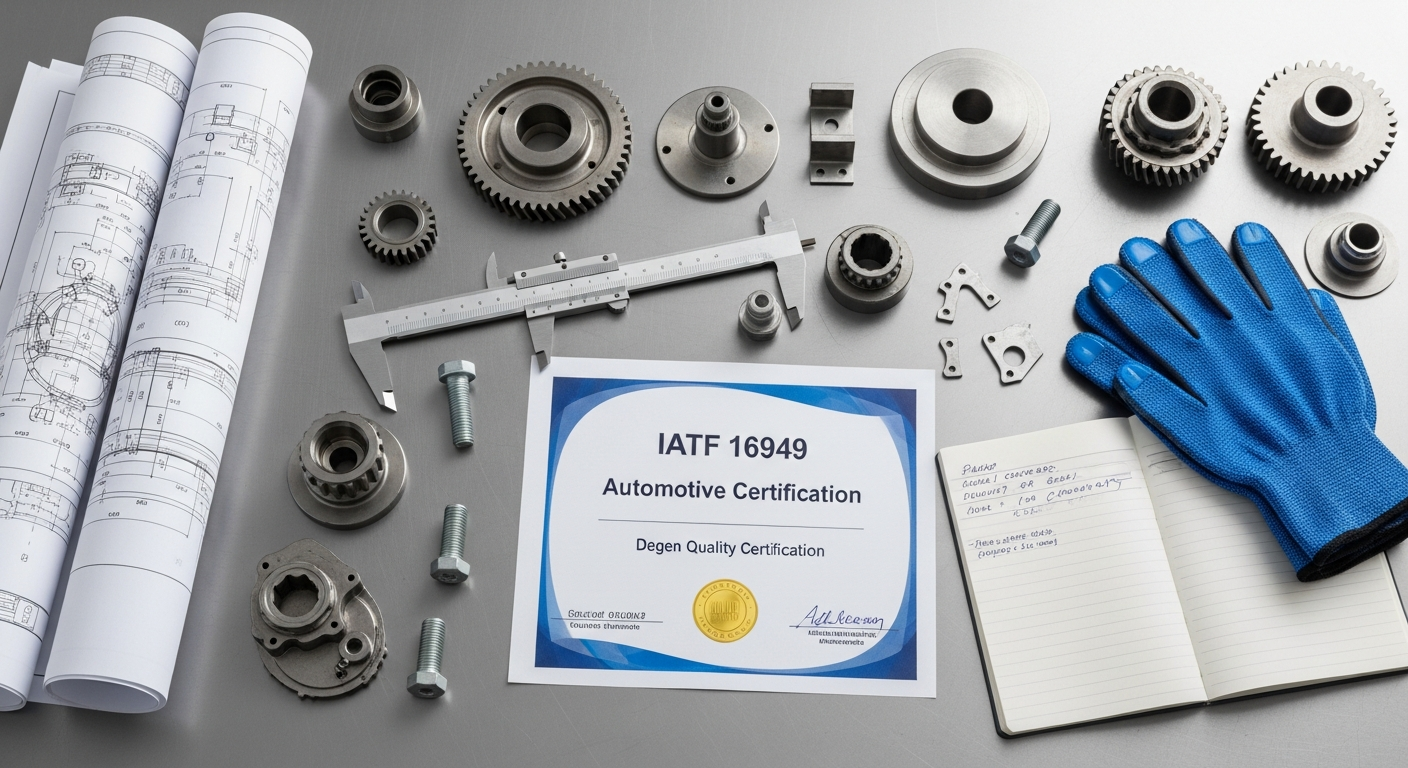
Successful implementation of IATF 16949 goes beyond merely meeting the standard’s clauses; it involves embedding a robust quality management system (QMS) that drives operational excellence and fosters a culture of continuous improvement. For an organization like Mitsubishi Manufacturing, this means integrating IATF 16949 principles into the very fabric of its operations, transforming how products are designed, manufactured, and delivered. The cornerstone of effective implementation lies in adopting best practices that not only ensure compliance but also generate tangible business benefits.
One of the most critical best practices is the active adoption of Lean Manufacturing Principles Explained. IATF 16949 inherently supports Lean methodologies by emphasizing process efficiency, waste reduction, and value creation. By identifying and eliminating non-value-added activities, organizations can streamline their production processes, reduce lead times, and improve overall quality. Lean principles, such as Value Stream Mapping, 5S, Kanban, and Just-In-Time (JIT) production, directly contribute to fulfilling IATF 16949 requirements for process control, defect prevention, and efficient resource utilization. For instance, implementing 5S (Sort, Set in order, Shine, Standardize, Sustain) in manufacturing areas directly supports the standard’s requirements for maintaining a clean and organized workplace, which is crucial for safety and quality control.
Closely related to Lean is the strategic application of Manufacturing Waste Reduction Strategies. IATF 16949 mandates robust process control and continuous improvement, which are directly supported by effective waste reduction. The “Eight Wastes of Lean” (Defects, Overproduction, Waiting, Non-utilized Talent, Transportation, Inventory, Motion, Extra-processing) provide a framework for identifying areas of inefficiency. By systematically addressing these wastes, manufacturers can significantly improve quality and reduce costs. For example, reducing defects directly aligns with IATF 16949’s focus on defect prevention and corrective actions. Minimizing overproduction reduces inventory and storage costs, while optimizing transportation and motion improves operational flow and reduces the risk of damage. Implementing error-proofing (Poka-Yoke) devices, a key aspect of IATF 16949, is a direct waste reduction strategy that prevents defects at the source.
Other best practices for successful IATF 16949 implementation include:
- Strong Process Ownership: Assign clear ownership for each process within the QMS. Process owners are responsible for monitoring performance, identifying opportunities for improvement, and ensuring adherence to documented procedures.
- Data-Driven Decision Making: Collect and analyze relevant data, including production metrics, quality control results, customer feedback, and supplier performance. Use this data to identify trends, pinpoint root causes of issues, and make informed decisions for continuous improvement initiatives. Statistical Process Control (SPC) is a mandatory tool under IATF 16949 that enables this data-driven approach.
- Effective Internal Audit Program: Develop a robust internal audit program that goes beyond mere compliance. Internal audits should be seen as a tool for identifying systemic weaknesses and opportunities for process optimization, rather than just a checklist exercise. Auditors should be competent and independent of the areas they are auditing.
- Proactive Risk Management: Implement a proactive approach to risk management, extending beyond product safety to include operational risks, supply chain risks, and business continuity. Tools like FMEA should be applied not only to product design but also to manufacturing processes.
- Supplier Development and Engagement: Treat suppliers as partners. Work collaboratively to improve their quality management systems, provide feedback, and ensure they understand and comply with IATF 16949 requirements. Supplier quality directly impacts your own product quality.
- Empowerment and Engagement of Employees: Foster an environment where all employees feel empowered to identify problems, suggest improvements, and take ownership of quality. Regular training, communication, and recognition are vital for sustained engagement.
- Integration with Business Strategy: Ensure that the QMS is not a separate entity but is fully integrated with the organization’s overall business strategy and objectives. Quality should be seen as a driver of competitive advantage and business success.
By integrating these best practices, organizations can transform IATF 16949 from a compliance burden into a powerful tool for achieving sustainable operational excellence, superior product quality, and a resilient position in the global automotive supply chain.
The Strategic Advantages of IATF 16949 Certification for Your Business
Beyond being a mandatory entry ticket to the global automotive market, IATF 16949 automotive certification confers a myriad of strategic advantages that can significantly bolster a business’s competitive edge, operational efficiency, and long-term sustainability. For Mitsubishi Manufacturing, leveraging these advantages is crucial for maintaining leadership and fostering growth in a dynamic industry.
One of the foremost strategic benefits is Enhanced Market Access and Credibility. IATF 16949 is globally recognized and often a non-negotiable requirement for supplying to major automotive OEMs and Tier 1 suppliers worldwide. Certification signals to potential customers that an organization adheres to the highest standards of quality management, instantly boosting credibility and opening doors to new business opportunities that would otherwise be inaccessible. It streamlines the supplier qualification process, saving both the supplier and the customer time and resources, and positions the certified company as a preferred partner.
Secondly, certification leads to Improved Product Quality and Reliability. The rigorous requirements of IATF 16949, with its emphasis on defect prevention, robust process controls, and continuous improvement, inherently drive higher product quality. This translates into fewer defects, reduced rework, lower scrap rates, and ultimately, enhanced product reliability. For end-users, this means safer and more dependable vehicles, which strengthens brand reputation and customer loyalty. For the manufacturer, it means fewer warranty claims and associated costs, significantly improving profitability.
A third significant advantage is Optimized Operational Efficiency and Cost Reduction. The implementation of an IATF 16949-compliant QMS forces organizations to critically examine and optimize their processes. This often leads to the identification and elimination of inefficiencies, bottlenecks, and waste. By adopting principles like those described in Lean Manufacturing Principles Explained and implementing robust Manufacturing Waste Reduction Strategies, companies can streamline operations, reduce production costs, minimize inventory, and improve resource utilization. The systematic approach to problem-solving and root cause analysis mandated by the standard helps prevent recurring issues, thereby saving time and money in the long run.
Furthermore, IATF 16949 strengthens Supply Chain Integration and Management. The standard places significant emphasis on supplier development and control, ensuring that quality extends throughout the entire supply chain. By requiring suppliers to also adhere to stringent quality standards, IATF 16949 helps create a more resilient and reliable supply network. This reduces risks associated with supplier non-conformance, improves communication, and fosters collaborative relationships, leading to more predictable and higher-quality inputs for manufacturing processes.
Finally, the certification fosters a culture of Continuous Improvement and Risk Mitigation. IATF 16949 is not a static set of rules; it mandates ongoing monitoring, measurement, analysis, and improvement of the QMS. This commitment to the Plan-Do-Check-Act (PDCA) cycle ensures that the organization is constantly evolving, adapting to new challenges, and proactively addressing potential risks. By embedding risk-based thinking into every process, companies can identify and mitigate potential failures before they impact product quality or operational performance, safeguarding against costly recalls, liabilities, and reputational damage. This forward-looking approach ensures that the business remains agile and resilient in the face of evolving industry demands and technological advancements in 2026 and beyond.
In essence, IATF 16949 automotive certification transforms quality management from a mere compliance exercise into a strategic business driver, empowering organizations to achieve sustainable growth, build lasting customer relationships, and secure a prominent position in the global automotive landscape.
Maintaining and Evolving Your IATF 16949 System in a Dynamic Industry
Achieving IATF 16949 automotive certification is not the finish line; it’s a commitment to an ongoing journey of quality excellence. In the rapidly evolving automotive industry, characterized by technological advancements, new material science, and shifting customer expectations, maintaining and continuously evolving your IATF 16949 system is paramount. For Mitsubishi Manufacturing, this means ensuring the Quality Management System (QMS) remains relevant, effective, and adaptive to future challenges and opportunities, particularly as we look towards 2026 and beyond.
The core of maintaining certification lies in adherence to the established audit cycle. This includes annual surveillance audits by an IATF-recognized certification body, followed by a re-certification audit every three years. These audits serve as critical checkpoints to verify ongoing compliance, identify areas of non-conformance, and ensure the QMS is continually improving. Organizations must be prepared to demonstrate that their processes are not only documented but are effectively implemented and consistently deliver the intended results. This involves meticulous record-keeping, robust internal audit programs, and timely corrective actions for any identified issues.
Beyond compliance, true maintenance and evolution involve embedding a culture of proactive improvement. This means:
- Regular Review and Update of QMS Documentation: As processes change, technologies advance, or customer-specific requirements (CSRs) are updated, the QMS documentation must be reviewed and revised accordingly. Stagnant documentation quickly becomes obsolete and ineffective.
- Continuous Training and Competence Development: The automotive landscape is constantly introducing new materials, manufacturing techniques, and software. Employees, from the shop floor to top management, must receive ongoing training to maintain and enhance their competence. This is especially crucial for roles involved in new product development, process control, and quality assurance.
- Leveraging Data for Insight: A mature IATF 16949 system effectively collects, analyzes, and utilizes data from various sources – production performance, quality control, customer feedback, warranty claims, and supplier performance. This data should drive management reviews, root cause analysis, and strategic decision-making for continuous improvement initiatives.
- Proactive Risk Management: The dynamic nature of the automotive industry necessitates an agile approach to risk. This includes anticipating changes in regulations, market demands, and technological shifts. Expanding the application of tools like FMEA to new product lines, processes, and even potential supply chain disruptions helps in proactively mitigating risks.
One area where evolution is particularly critical is in the realm of product design and validation. As vehicle complexity increases, with more integrated electronics, advanced driver-assistance systems (ADAS), and electrification, traditional validation methods need augmentation. This is where advanced engineering tools, such as Finite Element Analysis Explained, become invaluable. Finite Element Analysis (FEA) is a computational method used to predict how a product reacts to real-world forces, heat, vibration, and other physical effects. By simulating these conditions digitally, manufacturers can identify potential failure points, optimize designs for performance and durability, and reduce the need for costly physical prototypes. Integrating FEA results into the APQP and FMEA processes within the IATF 16949 framework ensures that product design risks are thoroughly assessed and mitigated early in the development cycle, leading to more robust and reliable components and systems.
Furthermore, staying ahead means adapting to emerging trends such as Industry 4.0, smart manufacturing, and increased automation. An evolving IATF 16949 system will incorporate these advancements, ensuring that quality controls are integrated into automated processes, cybersecurity risks are managed, and data integrity from connected systems is maintained. For Mitsubishi Manufacturing, this commitment to continuous evolution ensures that its IATF 16949 system remains a living, breathing framework that not only meets current demands but also proactively prepares for the future of automotive excellence, solidifying its position as a trusted and innovative supplier in 2026 and beyond.
Frequently Asked Questions
Recommended Resources
Check out Contraception Effectiveness Guide on Protect Families Protect Choices for a deeper dive.
Check out Healthy Habits To Start In 2026 on Diaal News for a deeper dive.