The Genesis of Just-in-Time: A Historical Perspective
The concept of just-in-time automotive production didn’t emerge overnight; it was meticulously developed and refined over decades, primarily within the crucible of post-World War II Japan. Its roots are deeply embedded in the Toyota Production System (TPS), a comprehensive socio-technical system developed by Toyota Motor Corporation. Faced with limited resources, a smaller domestic market compared to the US, and a need to compete globally, Toyota engineers and executives, notably Taiichi Ohno and Eiji Toyoda, sought a manufacturing approach that could eliminate waste and increase efficiency to an unprecedented degree. Their vision was to create a system where parts arrived at the assembly line “just in time” for their use, rather than being stored in vast, expensive inventories. This was a radical departure from the mass production model pioneered by Henry Ford, which relied on large batch production and significant buffer stocks.
The early development of JIT was not just about logistics; it was a holistic philosophy that permeated every aspect of production. Ohno meticulously studied American supermarkets, observing how shelves were restocked only when customers purchased items, creating a “pull” system rather than a “push” system where goods are produced and then pushed onto the market. This insight was foundational. He envisioned a factory where each process pulled what it needed from the preceding process, only when it needed it, creating a seamless flow driven by actual demand rather than speculative forecasts. This necessitated a profound shift in thinking, requiring absolute precision in scheduling, strong supplier relationships, and an unwavering commitment to quality at every stage. Early practitioners of JIT often faced skepticism, but the undeniable improvements in productivity, quality, and cost reduction demonstrated by Toyota eventually proved the efficacy of this revolutionary approach. By the late 20th century, JIT had become a global benchmark, influencing manufacturing strategies across diverse industries, with automotive production being its most prominent and successful application.
Core Principles of Just-in-Time Automotive Production
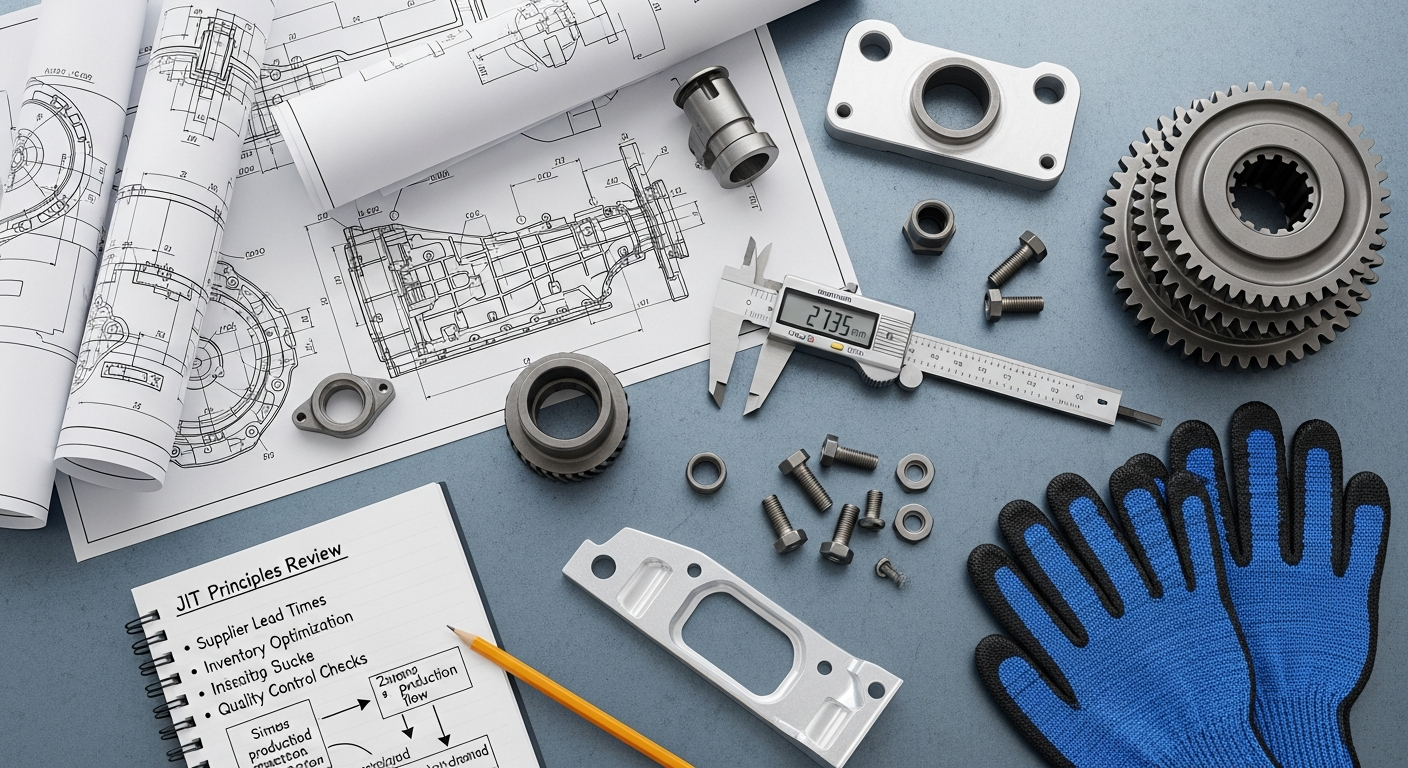
Just-in-time automotive production is not merely an inventory management technique; it is a comprehensive philosophy built upon several interconnected core principles, all aimed at eliminating waste and maximizing value. At its heart lies the concept of a “pull” system, a fundamental departure from traditional “push” manufacturing. In a push system, production is initiated based on forecasts, pushing products through the production line irrespective of immediate demand, often leading to overproduction and excessive inventory. Conversely, a pull system, epitomized by JIT, dictates that production at each stage is triggered only by the actual demand of the subsequent stage. This means components are manufactured or delivered only when the assembly line signals a need, creating a responsive and demand-driven flow.
Central to JIT is the relentless pursuit of Manufacturing Waste Reduction Strategies. The Toyota Production System identified seven types of waste (Muda): overproduction, waiting, unnecessary transport, over-processing, excess inventory, unnecessary motion, and defects. JIT directly attacks these wastes. By producing only what is needed, overproduction and excess inventory are eliminated. Streamlined processes reduce waiting times and unnecessary transportation. Focusing on quality at the source (Jidoka) prevents defects, which are a significant source of waste. This continuous focus on eliminating waste is a direct application of Lean Manufacturing Principles Explained, which form the broader philosophical umbrella under which JIT operates. Lean manufacturing seeks to maximize customer value while minimizing waste, and JIT is one of its most powerful tools for achieving this in the automotive sector.
Other vital principles include:
- Continuous Flow and Small Lot Sizes: JIT aims to move away from large batch production to a continuous, smooth flow of work. This is achieved by reducing lot sizes, sometimes down to a single piece, which minimizes work-in-progress inventory, speeds up detection of defects, and reduces lead times.
- Quick Changeovers (SMED): To make small lot sizes economical, the time required to switch production from one product type to another (set-up time) must be drastically reduced. Techniques like Single-Minute Exchange of Die (SMED) are critical for achieving this agility.
- Quality at the Source (Jidoka): JIT systems empower workers to stop the production line immediately if a defect is found. This “autonomation” prevents defects from propagating further down the line, ensuring that only quality components are passed on. It emphasizes building quality into the process rather than inspecting it at the end.
- Standardized Work: Documenting the most efficient and safest way to perform each task ensures consistency, reduces variation, and provides a baseline for continuous improvement.
- Level Production (Heijunka): This involves leveling out the production schedule both in terms of volume and mix of products over a period. It smooths out demand fluctuations, preventing peaks and valleys in production that can create bottlenecks and waste.
- Strong Supplier Relationships: JIT places immense reliance on suppliers. They are not just vendors but integral partners, expected to deliver high-quality components precisely when needed, often multiple times a day. This requires trust, transparency, and often co-location or highly integrated digital systems.
- Continuous Improvement (Kaizen): JIT is not a static system but a philosophy of ongoing incremental improvements. Every employee is encouraged to identify and solve problems, constantly refining processes to eliminate waste and enhance efficiency.
By meticulously implementing these principles, automotive manufacturers can transform their operations, moving towards a lean, agile, and highly efficient production system that is responsive to customer demand and resilient in the face of market changes, ensuring that every resource contributes directly to value creation and avoids the accumulation of unnecessary inventory and associated costs.
The Tangible Benefits of Implementing JIT in Automotive
One of the most immediate and significant benefits is the reduced inventory costs. By producing and receiving components only as they are needed, companies drastically cut down on the capital tied up in raw materials, work-in-progress, and finished goods. This frees up valuable cash flow that can be reinvested into research and development, market expansion, or other strategic initiatives. Furthermore, reducing inventory mitigates risks associated with obsolescence, damage, theft, and the costs of warehousing, insurance, and handling. The elimination of large buffer stocks means less physical space is required, leading to optimized factory layouts and reduced facility overheads.
Concurrently, JIT leads to improved efficiency and productivity. The pull system inherently smooths out production flow, reducing bottlenecks and idle time. With smaller lot sizes and quick changeovers, production lines become more agile and responsive. This continuous, optimized flow ensures that resources – labor, machinery, and materials – are utilized to their fullest potential, directly boosting overall productivity. The emphasis on standardized work and continuous improvement (Kaizen) further refines processes over time, leading to even greater efficiency gains.
Perhaps one of the most critical benefits in the automotive sector is enhanced quality and reduced defects. The JIT philosophy, particularly its Jidoka principle, empowers workers to stop the line at the first sign of a problem. This immediate detection and resolution prevent defects from being passed down to subsequent stages or, worse, reaching the customer. With smaller batches, the root cause of a defect can be identified and rectified much more quickly. This proactive approach to quality not only reduces rework and scrap costs but also significantly improves product reliability and customer satisfaction, bolstering brand reputation.
Another powerful advantage is greater flexibility and responsiveness to market changes. In an industry characterized by rapidly evolving consumer preferences and technological advancements, the ability to adapt quickly is paramount. JIT systems, with their short lead times and agile production lines, allow manufacturers to respond swiftly to shifts in demand, introduce new models, or modify existing ones without being burdened by large inventories of outdated components. This agility is a strategic asset, enabling companies to stay ahead of the competition and capitalize on emerging market opportunities.
Finally, JIT contributes to a culture of continuous improvement and problem-solving. By exposing problems (e.g., quality issues, machine breakdowns, supplier delays) that might otherwise be hidden by large inventories, JIT forces organizations to confront and resolve these issues systematically. This cultivates an environment where every employee is engaged in identifying inefficiencies and contributing to solutions, leading to ongoing operational excellence. Ultimately, the comprehensive implementation of just-in-time automotive production positions manufacturers to achieve superior operational performance, deliver higher quality products, and maintain a competitive edge in a fast-paced global market.
Overcoming the Challenges and Risks of JIT Implementation
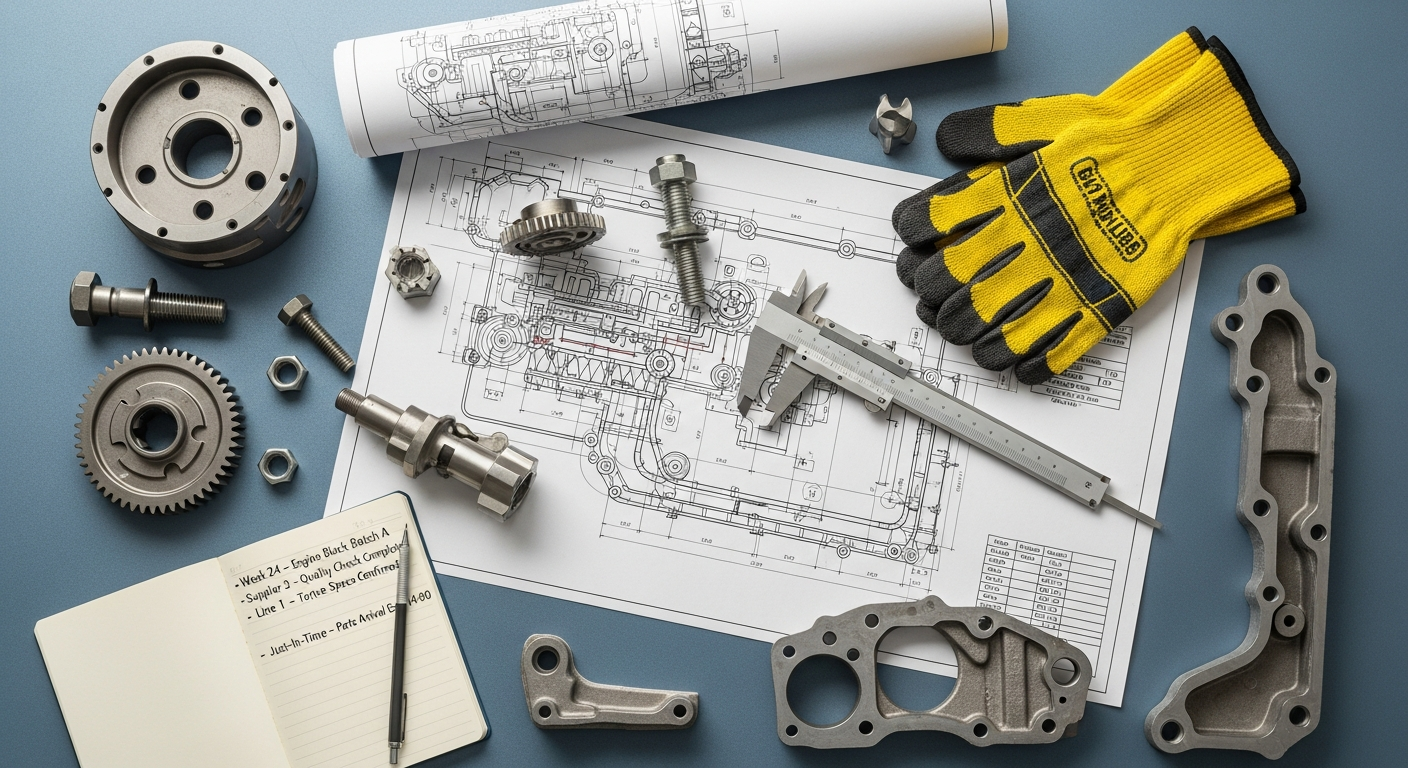
While the benefits of just-in-time automotive production are compelling, its successful implementation is far from trivial and comes with its own set of significant challenges and risks. The very strengths of JIT – minimal inventory and tight synchronization – can also become its vulnerabilities if not managed with extreme diligence and strategic foresight. For any automotive manufacturer, including Mitsubishi, understanding and mitigating these challenges is crucial for a resilient and effective JIT system.
One of the most prominent risks is supply chain vulnerability. JIT systems are exquisitely sensitive to disruptions within the supply chain. With minimal buffer stocks, any delay or failure from a supplier – whether due to natural disasters (e.g., earthquakes, tsunamis), geopolitical events (e.g., trade wars, conflicts), labor disputes, transportation issues, or even a minor quality problem at a supplier’s facility – can bring an entire automotive assembly line to a halt. The cascading effect of a single component shortage can be economically devastating, leading to production stoppages, missed delivery deadlines, and significant financial losses. The global supply chain complexities highlighted during the early 2020s, particularly with semiconductor shortages, served as a stark reminder of these inherent fragilities in highly lean systems.
This vulnerability underscores the critical need for strong, reliable supplier relationships. JIT demands an unprecedented level of trust, communication, and integration with suppliers. Manufacturers need partners who are not only capable of delivering high-quality components precisely on schedule but also willing to adapt to fluctuating demands, share information transparently, and collaborate on continuous improvement initiatives. Developing such deep, strategic partnerships requires significant investment in time and resources, often involving co-development and long-term contracts. A weak link in the supplier network can severely undermine the entire JIT structure.
The complexity of coordination and logistics is another substantial hurdle. Orchestrating the precise delivery of hundreds or thousands of different components from numerous suppliers, often multiple times a day, requires an extremely sophisticated logistics infrastructure. This involves advanced planning systems, real-time tracking capabilities, efficient transportation networks, and robust communication protocols. Any misstep in scheduling or transportation can disrupt the delicate balance of the JIT flow, leading to either line stoppages or the accumulation of unwanted inventory.
Furthermore, the initial investment and cultural shift required for JIT implementation can be substantial. Adopting JIT is not just about changing processes; it requires a fundamental transformation of organizational culture. Employees, from the factory floor to senior management, must embrace principles of continuous improvement, waste reduction, and problem-solving. This often necessitates extensive training, empowerment, and a shift from a departmental silo mentality to a holistic, value-stream-oriented approach. Initial investments in new equipment, IT systems, and reconfiguring factory layouts can also be considerable, demanding a long-term commitment and strategic vision.
Finally, there is a constant need for robust planning and contingency strategies. While JIT aims to eliminate waste, it cannot eliminate uncertainty. Manufacturers must develop sophisticated risk management plans, including identifying critical components, diversifying supply sources where feasible, developing alternative transportation routes, and having contingency plans for temporary inventory buffers during periods of high risk or anticipated disruption. The balance between lean efficiency and supply chain resilience is a critical strategic consideration for any modern automotive manufacturer operating with JIT principles, especially in an increasingly interconnected and volatile global economy.
Technology and the Future of JIT in Automotive Manufacturing
The principles of just-in-time automotive production, rooted in the mid-20th century, are more relevant than ever in the 21st century, largely due to the transformative power of modern technology. As we approach 2026, the integration of advanced digital solutions is not just enhancing JIT; it’s evolving it into a more resilient, intelligent, and responsive system. These technological advancements are addressing many of the traditional challenges associated with JIT, particularly supply chain vulnerabilities and coordination complexities.
The advent of the Internet of Things (IoT) is revolutionizing real-time visibility across the supply chain. Sensors embedded in machinery, pallets, and even individual components provide continuous data on location, condition, and status. This allows manufacturers to track parts from the supplier’s factory floor to the assembly line with unprecedented precision. If a delay occurs, the system can instantly alert relevant personnel and even suggest alternative solutions, mitigating potential disruptions before they impact production. Coupled with Artificial Intelligence (AI) and Machine Learning (ML), this data can be analyzed to predict potential bottlenecks, forecast demand with greater accuracy, and optimize routing and scheduling. AI algorithms can learn from historical data to identify patterns and anomalies, enabling proactive decision-making that reinforces the “just-in-time” ethos by anticipating needs rather than merely reacting to them.
Predictive analytics, powered by AI and vast datasets, plays a crucial role in optimizing JIT. By analyzing factors such as weather patterns, traffic conditions, geopolitical stability, and historical supplier performance, manufacturers can develop more robust delivery schedules and identify potential risks in advance. This allows for dynamic adjustments to procurement and logistics strategies, ensuring that components arrive precisely when needed, even in the face of external variables. For instance, predictive maintenance, where AI monitors machine health and schedules maintenance before a breakdown occurs, prevents unscheduled downtime that would disrupt a lean production flow.
The concept of Digital Twins is also gaining traction. A digital twin is a virtual replica of a physical system, process, or product. In the context of JIT, a digital twin of the entire production line or even the supply chain can simulate various scenarios, test different scheduling strategies, and identify potential failure points without disrupting actual operations. This allows manufacturers to optimize their JIT processes in a virtual environment, refining workflows and contingency plans for maximum efficiency and resilience.
Advanced logistics software and cloud-based platforms are enabling seamless communication and data exchange between manufacturers and their extensive network of suppliers. These platforms provide shared visibility into production schedules, inventory levels, and delivery statuses, fostering the deep collaboration essential for JIT. Blockchain technology is also being explored to create immutable, transparent records of transactions and movements, enhancing trust and accountability across the supply chain.
Furthermore, technology is improving product quality and design, which indirectly supports JIT. For example, Finite Element Analysis Explained (FEA) is a powerful simulation technique used extensively in automotive design and engineering. By using FEA, engineers can predict how a product or component will react to real-world forces, heat, vibration, and other physical effects. This allows for the optimization of designs to reduce material usage, enhance structural integrity, and improve manufacturability, all before physical prototyping. When components are designed right the first time, with fewer potential failure points and optimized for automated assembly, it significantly reduces the likelihood of defects and rework on the production line. This inherent quality by design minimizes disruptions to the JIT flow, ensuring that components consistently meet specifications and contribute to a smooth, uninterrupted assembly process. FEA helps ensure that parts are not only functional but also perfectly suited for the precise, rapid assembly demanded by JIT, thus preventing quality-related delays.
In conclusion, the future of just-in-time automotive production in 2026 and beyond is deeply intertwined with technological innovation. By leveraging IoT, AI, predictive analytics, digital twins, and advanced design tools like FEA, automotive manufacturers are building JIT systems that are not only lean and efficient but also intelligent, adaptive, and robust enough to navigate the complexities and uncertainties of the modern global market.
Mitsubishi’s Commitment to Lean and JIT Excellence
At Mitsubishi Manufacturing, the principles underpinning just-in-time automotive production are not abstract concepts but fundamental tenets woven into the fabric of our operational philosophy. Our long-standing commitment to manufacturing excellence is deeply rooted in the very lean methodologies that gave rise to JIT. We recognize that in an industry as dynamic and demanding as automotive production, continuous improvement and the relentless pursuit of efficiency are paramount for delivering exceptional value to our customers and maintaining our competitive edge globally.
Our journey towards lean and JIT excellence is an ongoing evolution, reflecting our dedication to not just meeting but exceeding industry standards. We have systematically integrated key lean manufacturing principles across our production facilities. This involves a steadfast focus on identifying and eliminating the various forms of waste – overproduction, waiting, unnecessary transport, over-processing, excess inventory, unnecessary motion, and defects – which are direct counterpoints to the efficiency JIT seeks to achieve. By meticulously applying Manufacturing Waste Reduction Strategies, we ensure that every process, from the initial design phase to final assembly, is optimized for maximum value creation and minimal resource consumption. This disciplined approach directly supports our JIT objectives, as less waste means a smoother, more predictable flow of materials and products.
Mitsubishi places a strong emphasis on developing highly skilled and empowered workforces, recognizing that people are the ultimate drivers of lean success. Our employees are trained in continuous improvement methodologies, encouraged to identify inefficiencies, and equipped to implement solutions on the spot. This culture of Kaizen, where everyone is a problem-solver, is vital for maintaining the agility and responsiveness required by a JIT system. We invest in ongoing training and development to ensure our teams are proficient in modern manufacturing techniques and capable of adapting to technological advancements, further strengthening our lean capabilities.
Furthermore, our approach to just-in-time automotive production extends beyond our factory walls to encompass our entire supply chain. We cultivate robust, long-term partnerships with our suppliers, based on mutual trust, transparency, and a shared commitment to quality and punctuality. We leverage advanced digital platforms to facilitate seamless communication and real-time data exchange, ensuring that components arrive “just in time” for production, irrespective of their origin. This integrated approach minimizes inventory holding costs, reduces lead times, and enhances our ability to respond swiftly to market fluctuations.
Looking ahead to 2026 and beyond, Mitsubishi is continually exploring and adopting cutting-edge technologies to further enhance our lean and JIT capabilities. We are investing in IoT for real-time tracking, AI-powered analytics for demand forecasting and predictive maintenance, and sophisticated simulation tools to optimize our production processes. Our commitment to utilizing tools like Finite Element Analysis Explained in our design and engineering phases ensures that components are not only innovative and high-performing but also perfectly manufacturable, minimizing quality issues that could disrupt a lean flow. By designing for optimal production from the outset, we reinforce the foundation of our JIT system.
Mitsubishi Manufacturing’s dedication to lean principles and JIT excellence is a strategic imperative. It enables us to deliver high-quality, innovative vehicles efficiently, sustainably, and with the agility required to thrive in the competitive global automotive market. This unwavering commitment ensures that we continue to provide exceptional products while upholding our legacy of engineering prowess and operational mastery.
Strategic Considerations for JIT in 2026 and Beyond
As the automotive industry navigates a landscape marked by rapid technological evolution, shifting consumer demands, and increasing global volatility, the strategic implementation of just-in-time automotive production must evolve. For 2026 and the years that follow, simply applying the foundational principles of JIT will not be enough; manufacturers must embed resilience, sustainability, and heightened adaptability into their JIT strategies to ensure long-term success. The lessons learned from recent global disruptions, from pandemics to geopolitical tensions, underscore the need for a more robust and intelligent approach to lean manufacturing.
One of the foremost strategic considerations for JIT in 2026 is enhanced supply chain resilience. While JIT traditionally focused on minimizing inventory, the future demands a careful balance between lean efficiency and supply chain robustness. This means diversifying supplier bases where feasible, even if it introduces slight redundancies, and developing multi-modal transportation strategies. “Smart inventory” strategies, where minimal safety stocks are held for critically vulnerable components, might become a standard practice, driven by predictive analytics that assess risk in real-time. This involves leveraging AI to continuously monitor global events, supplier performance, and logistical pathways to proactively identify and mitigate potential disruptions before they impact production.
Sustainability and ethical sourcing will also become increasingly integral to JIT strategies. Consumers and regulators are demanding greater transparency regarding the environmental and social impact of manufacturing. JIT, with its emphasis on waste reduction, inherently supports environmental sustainability by minimizing material scrap and energy consumption associated with excess inventory. However, future JIT systems must also account for the carbon footprint of transportation and the ethical practices of every supplier in the chain. This requires detailed tracking and reporting, potentially utilizing blockchain technology to ensure verifiable ethical sourcing and environmental compliance, aligning JIT with broader corporate social responsibility goals.
The imperative for hyper-adaptability to market shifts will intensify. The automotive industry is in a period of unprecedented transformation, moving towards electrification, autonomous driving, and new mobility services. JIT systems in 2026 must be designed with extreme flexibility to pivot production quickly between different vehicle types, powertrain configurations, and even entirely new product lines. This means investing in highly reconfigurable manufacturing cells, modular designs, and agile production planning systems that can rapidly adjust to changes in consumer preferences and technological advancements. The ability to quickly ramp up or scale down production of specific models without being burdened by legacy inventory will be a key differentiator.
Furthermore, the strategic integration of advanced data analytics and digital twins will be non-negotiable. Manufacturers must move beyond descriptive analytics to predictive and prescriptive models. Digital twins of entire factories and supply chains will allow for continuous optimization and scenario planning, enabling companies to simulate the impact of various decisions – from new product introductions to supply chain disruptions – before committing resources. This data-driven approach will refine JIT processes to an even higher degree of precision and foresight, minimizing risks and maximizing operational efficiency.
Finally, a strategic focus on talent development and organizational culture remains paramount. The complexity of future JIT systems, coupled with evolving technologies, demands a workforce that is highly skilled, adaptable, and comfortable with continuous learning. Organizations must foster a culture of innovation, problem-solving, and cross-functional collaboration to effectively manage intricate JIT operations. Empowering employees with the tools and knowledge to identify and resolve issues in real-time will be crucial for maintaining the smooth flow that JIT promises.
In essence, the future of just-in-time automotive production is about building smarter, more resilient, and ethically conscious lean systems. By strategically embracing technological advancements, prioritizing supply chain resilience, committing to sustainability, and fostering a culture of continuous adaptability, automotive manufacturers can ensure that JIT remains a cornerstone of competitive advantage well into 2026 and beyond.
Frequently Asked Questions
Recommended Resources
Check out Productivity Tips For Working From Home on Diaal News for a deeper dive.
Learn more about this topic in Maternity Leave Rights Guide at Protect Families Protect Choices.