Navigating the Future of Mechanical Engineering: A Comprehensive Career Guide for 2026
The landscape of mechanical engineering is undergoing a profound transformation, driven by an accelerating confluence of digital technologies, advanced materials, and an imperative for sustainable solutions. For manufacturing professionals, engineers, and industry decision-makers, understanding these shifts is not merely beneficial but essential for strategic planning and career trajectory. As we look towards 2026, the mechanical engineer is no longer solely a designer of physical systems but an architect of complex, interconnected cyber-physical ecosystems. This guide provides an authoritative overview of the evolving roles, requisite competencies, and promising specializations within this dynamic field, emphasizing the precision and rigor demanded by modern industrial applications.
The Evolving Landscape of Mechanical Engineering in 2026
The traditional purview of mechanical engineering, encompassing the design, analysis, manufacturing, and maintenance of mechanical systems, has expanded dramatically. The advent of Industry 4.0 technologies has blurred the lines between mechanical, electrical, computer science, and data science disciplines. Today’s mechanical engineer is expected to operate effectively at the intersection of these fields, driving innovation in areas such as intelligent automation, advanced manufacturing processes, and predictive analytics for operational optimization.
This evolution is particularly evident in manufacturing sectors, where demand for enhanced productivity, reduced downtime, and customized production has spurred the adoption of sophisticated technologies. Engineers are now designing not just components, but entire smart factories, integrating IoT sensors, robotic systems, and AI-driven control mechanisms. This shift necessitates a deeper understanding of data flows, network architectures, and cybersecurity principles alongside foundational mechanical engineering knowledge. The focus has moved from purely physical design to the holistic engineering of systems that are both physically robust and digitally intelligent.
Core Competencies and Essential Skills for the Modern Mechanical Engineer
To thrive in this evolving environment, mechanical engineers must cultivate a robust skill set that marries traditional engineering principles with cutting-edge digital proficiencies. Precision in application and a rigorous approach to problem-solving remain paramount.
Technical Proficiency: The Enduring Foundation
A deep understanding of fundamental mechanical engineering principles remains non-negotiable. This includes:
* Advanced Materials Science: Expertise in composites, ceramics, smart materials, and lightweight alloys is crucial for designing high-performance, energy-efficient systems. Understanding material properties under various environmental and operational stresses is key, often validated through rigorous testing adhering to standards like ASTM International.
* Thermodynamics and Fluid Dynamics: Essential for energy systems, HVAC, propulsion, and process optimization. Computational Fluid Dynamics (CFD) simulations are now standard practice for optimizing flow and heat transfer, often leveraging commercial software packages.
* Solid Mechanics and Stress Analysis: Critical for structural integrity and component longevity. Finite Element Analysis (FEA) software (e.g., ANSYS, Abaqus, SolidWorks Simulation) is indispensable for predicting deformation, stress concentrations, and fatigue life. Performance metrics like Mean Time Between Failures (MTBF) are often established through such analyses combined with real-world data.
* Dynamics and Vibrations: Crucial for designing stable, efficient machinery and mitigating noise and structural fatigue. Modal analysis and vibration control techniques are applied across industries, from automotive to aerospace.
* Manufacturing Processes: A comprehensive understanding of traditional machining, casting, forging, and stamping, alongside advanced techniques like additive manufacturing (3D printing) and laser processing, is vital for designing manufacturable components. Knowledge of Geometric Dimensioning and Tolerancing (GD&T) per ASME Y14.5 standards ensures precision in design communication.
Digital Acumen: The New Imperative
The integration of digital tools transforms how mechanical engineers design, analyze, and optimize.
* CAD/CAE/CAM Mastery: Proficiency in advanced Computer-Aided Design (CAD) software (e.g., Siemens NX, CATIA, SolidWorks) for 3D modeling, Computer-Aided Engineering (CAE) for simulation, and Computer-Aided Manufacturing (CAM) for automated production is fundamental. Generative design tools, leveraging AI, are increasingly used to explore optimal geometries.
* Data Analytics and Machine Learning Fundamentals: Engineers must be able to collect, process, and interpret large datasets from sensors, production lines, and operational assets. Understanding statistical process control (SPC) and basic machine learning algorithms enables predictive maintenance strategies and process optimization. Python and MATLAB are increasingly common programming languages.
* Internet of Things (IoT) and Sensor Integration: Designing systems that incorporate sensors for real-time data acquisition, understanding communication protocols (e.g., OPC UA, Modbus), and integrating with cloud platforms are critical for smart manufacturing and monitoring.
* Digital Twin Technology: Creating virtual replicas of physical assets, processes, or systems to simulate performance, predict failures, and optimize operations in real-time. This requires expertise in multi-physics simulation and data integration.
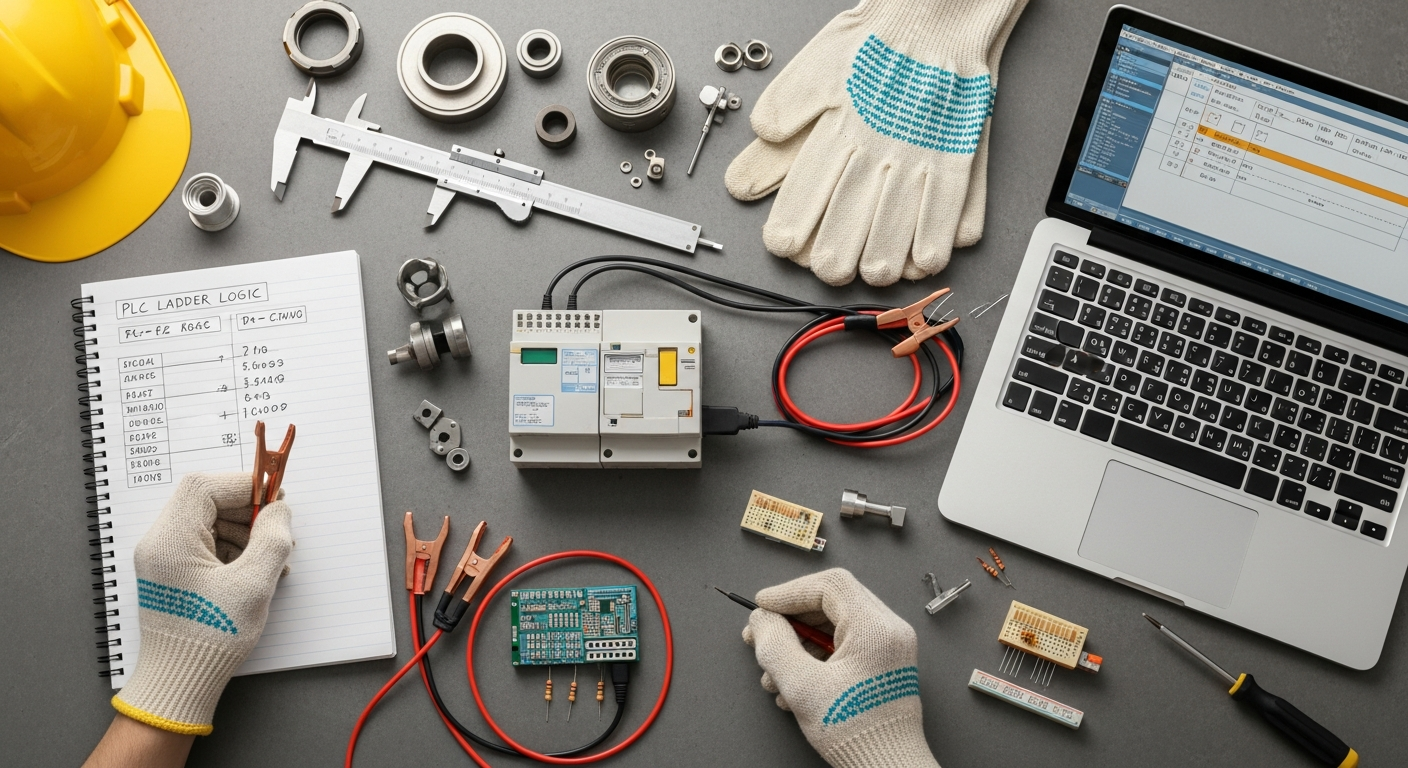
* Robotics and Automation Control: Knowledge of robotic kinematics, dynamics, programming (e.g., ROS), and PLC (Programmable Logic Controller) systems for industrial automation.
Soft Skills: Enabling Collaborative Innovation
Beyond technical prowess, effective communication, critical thinking, problem-solving, and adaptability are paramount. Project management skills, often guided by methodologies like Agile, are essential for leading multidisciplinary teams and delivering complex engineering projects on time and within budget. The ability to articulate complex technical concepts to non-technical stakeholders is also highly valued.
Standards & Compliance: Ensuring Quality and Safety
Adherence to international and national standards is fundamental to engineering rigor and product reliability.
* ISO 9001 (Quality Management Systems): A foundational standard ensuring consistent quality in product design, development, and manufacturing.
* ISO 14001 (Environmental Management Systems): Guides organizations in managing their environmental responsibilities, crucial for sustainable engineering practices.
* ASME (American Society of Mechanical Engineers): Establishes codes and standards for pressure vessels, piping, elevators, and critical manufacturing practices, including GD&T.
* ANSI (American National Standards Institute): Oversees the development of voluntary consensus standards for products, services, processes, systems, and personnel.
* ASTM International: Develops and publishes technical standards for a wide range of materials, products, systems, and services, particularly relevant for material testing and characterization.
Key Specializations and Growth Areas
The breadth of mechanical engineering allows for diverse specializations, each experiencing significant growth and technological advancement as we approach 2026.
Robotics and Automation Engineering
This field is experiencing explosive growth, driven by the demand for increased productivity, precision, and safety in manufacturing. Engineers specialize in designing, deploying, and maintaining industrial robots, collaborative robots (cobots), and autonomous guided vehicles (AGVs). Key performance metrics include robot repeatability (e.g., ±0.02 mm for high-precision tasks), payload capacity, reach, and cycle time optimization. Applications range from automated assembly lines in automotive manufacturing to precision handling in electronics.
Advanced Materials and Manufacturing
This specialization focuses on developing and applying novel materials and manufacturing processes. Additive manufacturing (3D printing) of metals (e.g., selective laser melting, electron beam melting) and advanced polymers is revolutionizing prototyping, tooling, and direct part production, enabling complex geometries and customized components. Engineers in this area work with material scientists to optimize material properties, process parameters, and ensure part quality, often adhering to standards like ASTM F2924 for additive manufacturing processes.
Sustainable Engineering and Renewable Energy
With a global push towards decarbonization, mechanical engineers are at the forefront of designing energy-efficient systems, renewable energy technologies (wind turbines, solar thermal systems, geothermal), and waste-to-energy solutions. This involves lifecycle assessment (LCA) of products and processes, optimizing energy conversion efficiency (e.g., turbine efficiency exceeding 90%), and developing carbon capture technologies. Metrics include energy consumption reduction, CO2 equivalent emissions, and material recyclability rates.
Mechatronics and IoT Systems Design
Mechatronics integrates mechanical, electrical, computer, and control engineering to design smart products and automated systems. Engineers in this area develop embedded systems, sensor networks, and actuators for applications ranging from smart home devices to industrial machinery with predictive maintenance capabilities. The focus is on creating intelligent systems that can monitor their own performance, diagnose issues, and even self-optimize. Overall Equipment Effectiveness (OEE) and Mean Time To Repair (MTTR) are critical metrics for these systems.
Aerospace and Defense Engineering
This highly specialized domain focuses on the design, development, and testing of aircraft, spacecraft, missiles, and defense systems. Mechanical engineers contribute to lightweight structural design, propulsion systems, thermal management, and aerodynamic optimization. Adherence to stringent standards like AS9100 for quality management in the aerospace industry is paramount. The pursuit of higher thrust-to-weight ratios, enhanced fuel efficiency, and extreme reliability drives innovation.
The Impact of Digital Transformation: AI, Machine Learning, and Digital Twins
Digital transformation is not just a trend but a fundamental shift in engineering methodology. Artificial Intelligence (AI) and Machine Learning (ML) are moving beyond theoretical concepts to practical tools that augment engineering capabilities.
AI/ML in Design and Optimization
AI-driven generative design tools can rapidly explore thousands of design iterations, identifying optimal geometries for weight reduction, strength, or thermal performance that human engineers might overlook. Machine learning algorithms are used for predictive analytics in material failure analysis, process control, and quality assurance. For instance, ML models can analyze sensor data from manufacturing lines to predict equipment malfunctions before they occur, drastically improving uptime and reducing maintenance costs.
Digital Twins: The Nexus of Physical and Digital
Digital Twin technology represents a paradigm shift, enabling real-time monitoring, simulation, and optimization of physical assets. A digital twin is a virtual replica that continuously updates with data from its physical counterpart, allowing engineers to:
* Predict Performance: Simulate ‘what-if’ scenarios to understand the impact of operational changes or environmental factors.
* Optimize Maintenance: Implement predictive maintenance strategies based on real-time condition monitoring and AI-driven failure prediction, moving beyond scheduled maintenance to condition-based maintenance. This directly impacts key performance indicators (KPIs) such as uptime and maintenance cost reduction.
* Enhance Design: Feed operational data back into the design process for continuous product improvement.
* Improve Operational Efficiency: Identify bottlenecks and inefficiencies in manufacturing processes or supply chains.
The implementation of digital twins requires a robust understanding of sensor technology, data integration platforms, cloud computing, and advanced simulation software.
Cyber-Physical Systems
The overarching concept of cyber-physical systems (CPS) describes the seamless integration of computation, networking, and physical processes. Mechanical engineers are crucial in designing the physical components, ensuring their connectivity, and contributing to the control algorithms that govern these intelligent systems, from smart grids to autonomous manufacturing cells.
Career Pathways and Professional Development
A career in mechanical engineering offers diverse pathways, from technical specialist roles to senior leadership positions.
Entry-Level to Leadership
Entry-level roles often involve design engineering, test engineering, or manufacturing engineering. With experience, engineers can progress to lead engineer, project manager, or principal engineer roles. Senior positions often involve strategic planning, R&D leadership, or executive management, requiring a blend of technical expertise, business acumen, and leadership skills.
Importance of Certifications and Lifelong Learning
Professional licensure (e.g., Professional Engineer or P.Eng. in North America) signifies a high level of competence and ethical practice, often required for signing off on public safety-related designs. Specialized certifications in areas like Six Sigma, project management (PMP), or specific software proficiencies (e.g., Certified SolidWorks Professional) can significantly enhance career prospects.
Given the rapid pace of technological change, lifelong learning is not merely an advantage but a necessity. Continuous professional development through online courses, industry seminars, workshops, and postgraduate studies (e.g., Master’s in Mechanical Engineering, Robotics, or Data Science) ensures engineers remain at the cutting edge of their field. Actively participating in professional organizations like ASME, SAE International, or IMechE provides networking opportunities and access to current research and industry trends.
Navigating the Job Market and Future Outlook
The demand for skilled mechanical engineers remains robust, particularly for those with interdisciplinary skills in digital technologies, advanced materials, and sustainable practices. Industries such as advanced manufacturing, aerospace, renewable energy, robotics, and biomedical devices are experiencing significant growth and require innovative mechanical engineering talent.
Global opportunities abound, with companies seeking engineers who can adapt to diverse cultural and regulatory environments. Entrepreneurship in engineering is also on the rise, with engineers leveraging their technical expertise to found startups focused on novel solutions in robotics, sustainable technologies, or personalized manufacturing. The future outlook for mechanical engineering is one of continuous innovation, problem-solving complex global challenges, and shaping the technological landscape of tomorrow.
FAQ Section
Q1: What are the most in-demand skills for mechanical engineers in 2026?
A1: Beyond foundational mechanical engineering principles, highly sought-after skills include proficiency in data analytics, machine learning fundamentals, IoT integration, advanced CAD/CAE tools (especially for generative design), additive manufacturing, and robotics programming. Strong soft skills like critical thinking, communication, and project management are also crucial.
Q2: How does Industry 4.0 impact mechanical engineering careers?
A2: Industry 4.0 fundamentally transforms mechanical engineering by integrating digital technologies like AI, IoT, and robotics into manufacturing and design processes. This creates new roles focused on cyber-physical systems, predictive maintenance, smart factory design, and data-driven optimization, requiring engineers to blend traditional mechanical knowledge with digital acumen.
Q3: What role do standards like ISO and ASME play in mechanical engineering?
A3: Standards such as ISO 9001 (Quality Management), ISO 14001 (Environmental Management), and ASME codes (e.g., for pressure vessels, GD&T) are critical for ensuring product quality, safety, reliability, and interoperability. Adherence to these standards is essential for regulatory compliance, risk mitigation, and achieving precision in design and manufacturing processes across industries.
Q4: Is a Master’s degree essential for career advancement in mechanical engineering?
A4: While not always strictly essential for entry-level positions, a Master’s degree can significantly accelerate career advancement, particularly for roles in R&D, specialized technical fields (e.g., robotics, aerospace), or management. It provides deeper theoretical knowledge, advanced research skills, and often opens doors to more complex and impactful projects.
Q5: How can mechanical engineers contribute to sustainability initiatives?
A5: Mechanical engineers are central to sustainability efforts by designing energy-efficient systems, developing renewable energy technologies (wind, solar), optimizing manufacturing processes to reduce waste and emissions, and innovating with sustainable materials. They apply principles of lifecycle assessment (LCA) to minimize environmental impact from product conception to end-of-life.
Conclusion
The mechanical engineering profession stands at an exciting precipice, poised to drive the next wave of industrial and technological advancement. For professionals and decision-makers in manufacturing, understanding and embracing these shifts is vital for maintaining competitive advantage and fostering innovation. The mechanical engineer of 2026 is a versatile problem-solver, adept at navigating complex interdisciplinary challenges, fluent in both the language of physical mechanics and digital intelligence. By continuously developing advanced technical skills, embracing digital transformation tools, and adhering to rigorous engineering standards, mechanical engineers will continue to be indispensable architects of our engineered future, shaping industries, and delivering solutions that are precise, efficient, and sustainable.