


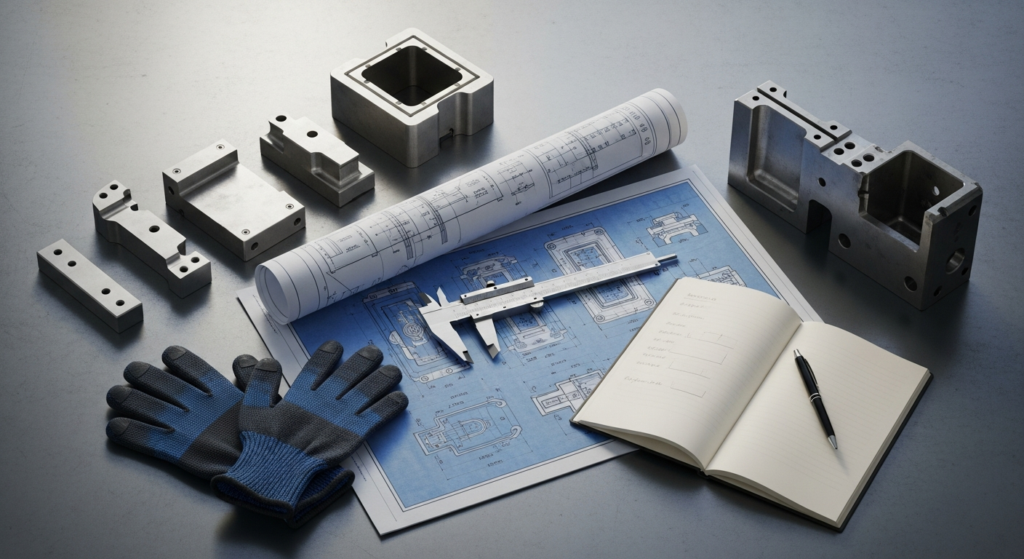
Understanding the Metal Stamping Manufacturing Process: An Overview
Metal stamping, often referred to as pressing, is a cold-forming process that utilizes dies and stamping presses to transform flat sheet metal into specific shapes. It’s a high-volume, cost-effective manufacturing method capable of producing complex parts with excellent repeatability and tight tolerances. The process fundamentally involves placing a flat sheet metal blank, either in coil or sheet form, into a stamping press where a tool and die surface form the metal into a new shape. This can involve a variety of operations performed sequentially or simultaneously, depending on the complexity of the desired part.
The core advantage of the metal stamping manufacturing process lies in its ability to achieve high production rates while maintaining consistent quality. This makes it indispensable across a vast array of industries, including automotive, aerospace, electronics, medical devices, and consumer goods. From the chassis of a vehicle to the intricate connectors in a smartphone, stamped metal parts are ubiquitous, forming the backbone of modern engineering.
Mitsubishi Manufacturing leverages decades of expertise in precision engineering to optimize every facet of the metal stamping manufacturing process. Our commitment to innovation ensures that we not only meet current industry standards but also anticipate future demands, integrating advanced technologies and methodologies to deliver superior components. The precision achievable through metal stamping is critical for parts that must fit together seamlessly, operate reliably, and withstand rigorous conditions. This is why the control over every stage, from material selection to final inspection, is paramount. The journey of a metal sheet through the stamping process is a testament to the power of mechanical engineering and material science working in concert.
The Fundamental Stages of the Metal Stamping Manufacturing Process

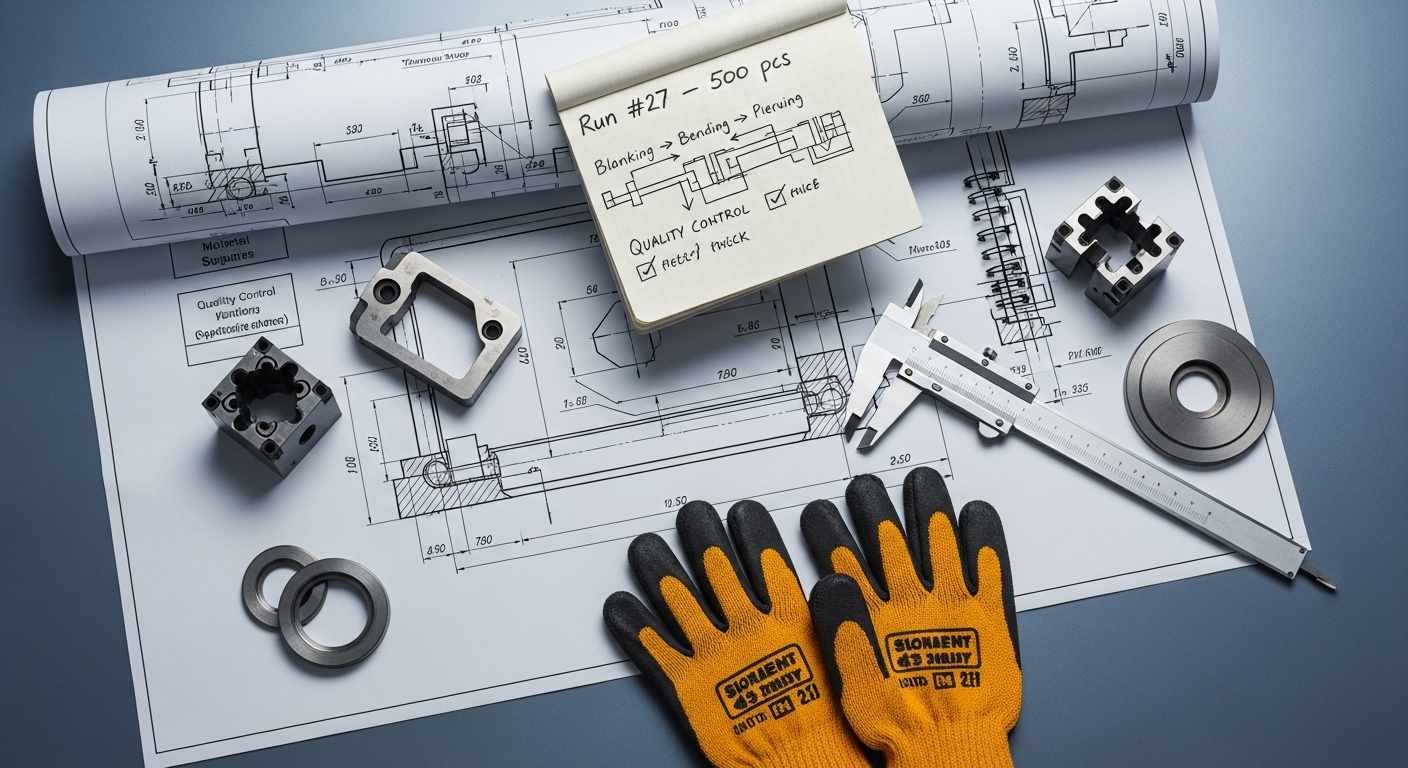
The metal stamping manufacturing process is not a single action but a series of carefully orchestrated steps. Each stage plays a critical role in shaping the final product, and the sequence and combination of these operations are determined by the part’s design, material properties, and production volume requirements. Understanding these fundamental stages is key to appreciating the complexity and precision involved.
Blanking and Piercing: The Initial Cuts
The initial steps in many metal stamping processes involve blanking and piercing. Blanking is the process of cutting a specific shape from a larger sheet or coil of metal. The cut-out piece, known as the blank, is the desired part itself or a pre-form that will undergo further operations. The material removed from the sheet is the blank. Conversely, piercing (also known as punching) involves creating holes or cutouts within the sheet metal, where the material removed is scrap, and the surrounding material forms the part.
- Blanking: This operation produces the primary shape of the component. The precision of the blanking die is crucial, as any inaccuracies at this stage will propagate through subsequent operations. For example, in the automotive industry, large blanks are cut for body panels before they undergo deep drawing.
- Piercing: Holes, slots, or other internal features are created during piercing. This is often performed simultaneously with blanking in progressive dies to maximize efficiency. The size, shape, and location of these holes are critical for assembly and functionality.
Both blanking and piercing rely on the shear force exerted by the punch and die, which causes the material to fracture and separate. The quality of the cut edge, characterized by its smoothness and burr height, is influenced by factors such as material type, thickness, and the clearance between the punch and die.
Bending and Forming: Shaping Without Material Removal
Once the initial blank is created, subsequent operations often involve bending and forming, which modify the geometry of the metal without removing material. These processes leverage the material’s ductility to achieve desired angles, curves, and contours.
- Bending: This involves deforming the sheet metal along a straight or curved line to create an angle. Common bending operations include V-bending, U-bending, and edge bending. The spring-back effect, where the material partially recovers its original shape after bending, must be carefully accounted for in die design to achieve the correct final angle.
- Forming: This is a broader term encompassing various operations that deform the metal into a desired three-dimensional shape using a die. Forming can create complex curves, ribs, and flanges. Unlike bending, which typically refers to a single bend, forming often involves multiple bends and stretches across the material surface. An example would be forming a chassis bracket with multiple complex angles and features.
The success of bending and forming operations heavily depends on the material’s formability and ductility, which are key considerations in Materials Science In Manufacturing. Materials with high ductility can undergo significant deformation without fracturing, allowing for more complex shapes.
Drawing: Creating Three-Dimensional Hollow Parts
Drawing is a metal stamping process used to create hollow or cup-shaped parts from a flat sheet metal blank. Deep drawing, a specialized form of drawing, is used when the depth of the drawn part is greater than its diameter. This process involves pressing a punch into the metal blank, forcing it through a die cavity to stretch and deform it into a three-dimensional form.
- Deep Drawing: Examples include beverage cans, kitchen sinks, and automotive fuel tanks. The material is subjected to both tensile and compressive stresses, and careful control of lubrication, blank holder pressure, and punch speed is essential to prevent wrinkling, tearing, or thinning of the material.
The ability to produce seamless, deep parts through drawing is a significant advantage, eliminating the need for welding and improving structural integrity.
Coining: High-Precision Stamping for Fine Details
Coining is a high-pressure, closed-die stamping process that imparts fine details and sharp features onto the surface of a metal part. Unlike other stamping operations where material is primarily bent or stretched, coining involves compressing the material between the punch and die, causing plastic flow into the die’s cavities.
- Applications: This process is renowned for its ability to produce parts with extremely precise dimensions and intricate surface details, such as coins (hence the name), medals, and electrical contacts. The material is subjected to very high compressive forces, which results in excellent surface finish and dimensional accuracy.
Coining often requires presses with higher tonnage capabilities due to the significant forces involved, but it yields parts with exceptional detail and compressive strength on the coined surfaces.
Flanging and Hemming: Finishing Edges
These operations are often used towards the end of the metal stamping manufacturing process to create specific edge conditions or improve structural rigidity.
- Flanging: This involves bending the edge of a part to create a narrow rim or flange. Flanges can be used for assembly, to increase stiffness, or to provide a sealing surface.
- Hemming: This process involves folding an edge of the material over onto itself, often to create a smooth, safe edge or to reinforce the part. Automotive body panels frequently use hemming for aesthetic and safety reasons.
These finishing operations demonstrate the versatility of metal stamping in not just forming the main body of a part, but also refining its edges and features for integration and performance.
Types of Metal Stamping Dies and Operations
Progressive Die Stamping: Efficiency in Series
Progressive die stamping is arguably one of the most efficient and widely used methods for high-volume production of complex parts. In this setup, a coil of sheet metal is fed through a series of stations within a single die. Each station performs a distinct stamping operation (e.g., piercing, blanking, bending, forming) in sequence. As the strip progresses from one station to the next, the part gradually takes its final shape. At the final station, the completed part is cut from the strip.
- Advantages: High production rates, minimal material handling between operations, and excellent repeatability. It’s ideal for parts requiring multiple intricate features.
- Integration with Lean Manufacturing: Progressive die stamping inherently embodies principles discussed in Lean Manufacturing Principles Explained. By consolidating multiple operations into one continuous process, it significantly reduces work-in-progress, decreases lead times, and minimizes material handling waste (Muda). The streamlined flow directly supports the Lean concept of ‘flow manufacturing.’
The design and construction of progressive dies require immense precision and expertise, but the long-term benefits in terms of productivity and cost per part are substantial.
Compound Die Stamping: Simultaneous Precision
Unlike progressive dies, a compound die performs multiple cutting operations in a single stroke of the press. For example, a compound die can blank out the perimeter of a part and pierce several holes within it simultaneously.
- Advantages: Exceptional dimensional accuracy between internal features and external contours because all cuts are made at once, eliminating potential errors from strip movement. It’s often used for washers, discs, and other flat parts requiring high precision.
- Limitations: Typically limited to flat parts and fewer operations per stroke compared to progressive dies.
Compound dies are particularly effective when concentricity and precise hole locations relative to the part’s edge are critical.
Transfer Die Stamping: Handling Larger, More Complex Parts
Transfer die stamping involves individual dies, each performing a specific operation, arranged in a sequence. Rather than the material strip moving through a single die, the part itself is transferred from one die station to the next by a mechanical transfer system (e.g., robotic arms, walking beams).
- Advantages: Ideal for larger parts, parts that undergo deep drawing or require significant forming, and parts that cannot remain attached to a scrap strip. It offers more flexibility in die design and allows for complex 3D shapes.
- Applications: Commonly used for automotive components like oil pans, complex brackets, and structural elements.
While initial tooling costs can be higher, transfer dies provide significant benefits for producing intricate, high-quality components efficiently.
Four-Slide Stamping: Specialized for Wire and Strip Forms
Four-slide stamping, or multi-slide stamping, is a specialized process used for producing intricate, three-dimensional parts from wire or strip material. Unlike conventional presses that operate vertically, four-slide machines use four horizontally opposed slides, each carrying a tool. These tools act upon the material from different directions simultaneously or sequentially.
- Advantages: Excellent for forming clips, springs, electrical terminals, and other complex wire or strip forms that would be challenging or impossible with traditional stamping presses. It reduces secondary operations like bending and welding.
The versatility of four-slide machines allows for the creation of highly complex geometries in a single integrated process.
Essential Materials in Metal Stamping & The Role of Materials Science
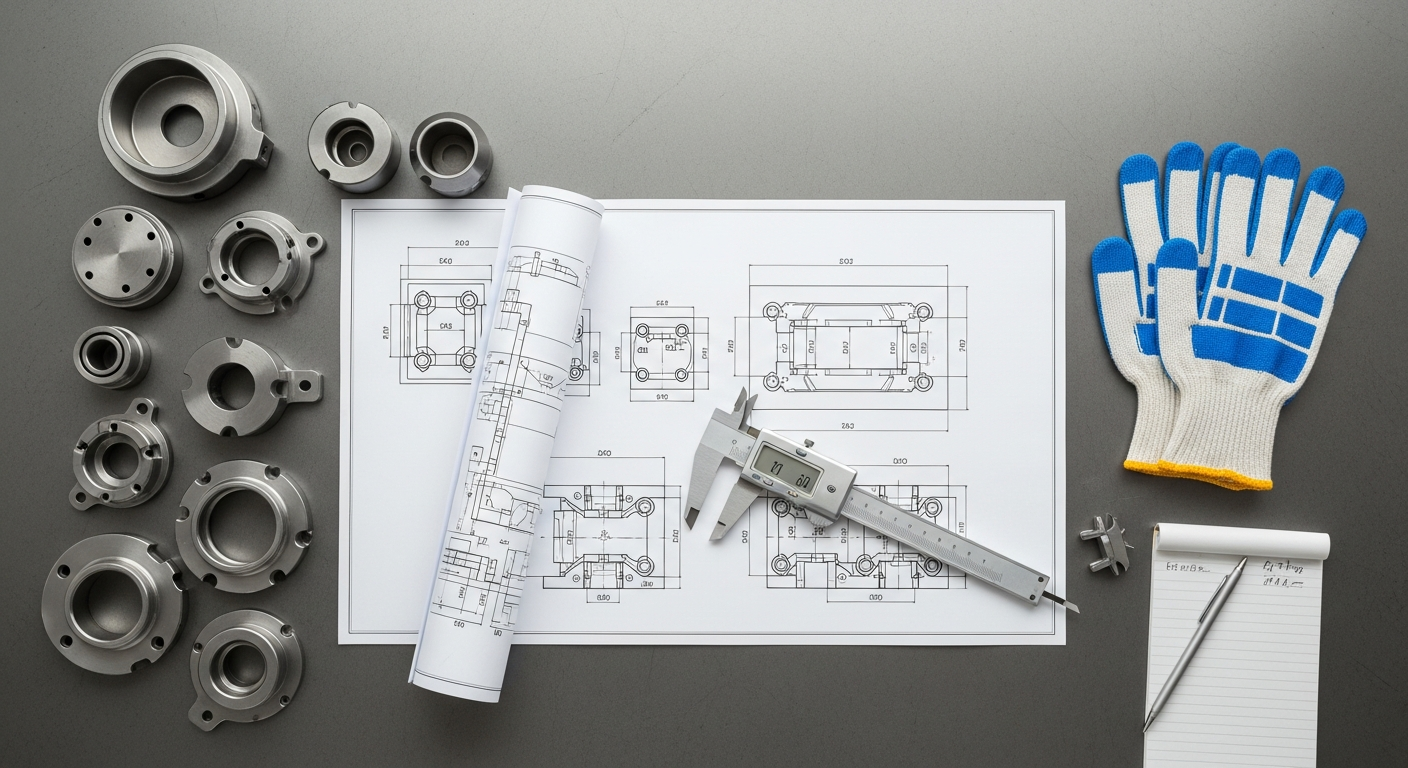
The success of any metal stamping manufacturing process hinges critically on the selection of the right material. This is where Materials Science In Manufacturing plays an indispensable role. Understanding the properties of various metals and alloys allows manufacturers to predict their behavior under stamping forces, optimize die design, and ensure the final part meets functional and durability requirements.
Key Material Properties for Stamping
Several material properties are paramount when considering a metal for stamping applications:
- Ductility: The ability of a material to deform plastically without fracturing. High ductility is crucial for deep drawing and complex forming operations. Materials like low-carbon steel and copper are highly ductile.
- Tensile Strength: The maximum stress a material can withstand before breaking when stretched. Important for parts requiring structural integrity.
- Yield Strength: The stress at which a material begins to deform plastically. This determines the force required for forming operations.
- Hardness: Resistance to indentation or scratching. Affects wear resistance of the final part and tool life.
- Formability: A comprehensive term describing a material’s ability to be shaped without defects. It’s influenced by ductility, yield strength, and strain hardening characteristics.
- Spring-back: The elastic recovery of a material after deformation. Understanding and predicting spring-back is critical for achieving accurate bend angles.
Common Materials Used in Metal Stamping
A wide array of metals and alloys are utilized in the metal stamping manufacturing process, each chosen for its specific properties and cost-effectiveness for a given application.
-
Steel: By far the most common material due to its versatility, strength, and cost.
- Carbon Steel: Ranging from low carbon (mild steel, excellent formability for deep drawing) to high carbon (stronger, less ductile, used for springs and tools).
- Stainless Steel: Known for corrosion resistance, strength, and aesthetic appeal. Grades like 304 (austentic, good formability) and 430 (ferritic, good corrosion resistance, moderate formability) are common. Challenging to stamp due to work hardening.
- Galvanized Steel: Carbon steel coated with zinc for enhanced corrosion resistance. Widely used in automotive and construction.
- High-Strength Low-Alloy (HSLA) Steel: Offers higher strength with good formability, allowing for lighter-weight components without sacrificing performance, crucial for modern automotive designs.
- Aluminum: Valued for its lightweight, excellent strength-to-weight ratio, and corrosion resistance. Common alloys include 1100 (high ductility), 3003 (good general purpose), and 5052 (good strength and formability). Used extensively in aerospace, automotive, and consumer electronics.
-
Copper and Copper Alloys:
- Copper: Excellent electrical and thermal conductivity, good ductility. Used for electrical components, heat sinks.
- Brass (Copper-Zinc Alloy): Good formability, corrosion resistance, and aesthetic appeal. Used for decorative items, plumbing, and electrical connectors.
- Bronze (Copper-Tin Alloy): Stronger and harder than brass, good wear resistance. Less common for stamping but used for certain specialized parts.
- Nickel Alloys: High temperature strength, corrosion resistance. Used in aerospace and high-performance applications.
- Titanium: Exceptional strength-to-weight ratio and corrosion resistance, but challenging to stamp due to its high strength and low ductility at room temperature. Used in aerospace and medical implants.
The selection process involves a careful balance of desired part characteristics, material cost, manufacturability, and expected service life. Advances in Materials Science In Manufacturing continually introduce new alloys and composites with improved properties, pushing the boundaries of what is possible within the metal stamping manufacturing process. For example, the development of advanced high-strength steels (AHSS) has revolutionized automotive lightweighting.
Precision and Quality: Ensuring Excellence in Metal Stamping
In the metal stamping manufacturing process, precision and quality are not merely desirable attributes; they are non-negotiable requirements. The integrity of a final product often depends entirely on the accuracy and consistency of its stamped components. Mitsubishi Manufacturing places immense emphasis on robust quality control protocols and continuous improvement initiatives to ensure every part meets the most stringent specifications.
Quality Control Measures in Stamping
Effective quality control is integrated throughout the metal stamping process, from incoming raw materials to the final outgoing shipment.
- Incoming Material Inspection: Verifying that raw sheet metal meets specified dimensions, material composition, and mechanical properties. This often involves spectral analysis and tensile testing.
- In-Process Monitoring: Modern stamping presses are equipped with sensors that monitor various parameters such as tonnage, part ejection, and material feed. These systems can detect anomalies in real-time, preventing the production of large batches of defective parts. Vision systems can also inspect parts as they exit the die.
- First Article Inspection (FAI): A thorough inspection of the very first parts produced by a new die or after a significant setup change. This often involves detailed dimensional checks using Coordinate Measuring Machines (CMMs) or optical scanners.
- Statistical Process Control (SPC): Regular sampling and measurement of parts during a production run to monitor process variation. SPC charts help identify trends and potential issues before they lead to out-of-spec parts.
- Tool and Die Maintenance: Regular inspection and maintenance of dies are crucial. Worn tooling can lead to burrs, incorrect dimensions, and premature material fatigue. Preventive maintenance schedules are vital.
- Dimensional Inspection: Using calipers, micrometers, gauges, and advanced non-contact measurement systems (e.g., laser scanners, structured light systems) to verify critical dimensions against engineering drawings.
The Role of Kaizen in Stamping Quality
The philosophy of Kaizen Continuous Improvement Explained is perfectly aligned with the demands of high-precision metal stamping. Kaizen, meaning “change for the better,” advocates for continuous, small, incremental improvements involving everyone from the shop floor to management.
- Problem Identification: Encouraging operators to identify and report even minor issues, such as slight burrs, inconsistent part ejection, or unusual press sounds.
- Root Cause Analysis: Applying techniques like the “5 Whys” to delve into the underlying causes of defects or inefficiencies, rather than just treating symptoms.
- Standardization: Once an improvement is found, standardizing the new, better process to ensure consistency and prevent regression. This applies to die setup procedures, material handling, and inspection routines.
- Feedback Loops: Establishing clear channels for feedback between production, quality control, and engineering to quickly implement design or process adjustments.
By fostering a culture of continuous improvement, Mitsubishi Manufacturing ensures that the metal stamping manufacturing process is not static but constantly refined, leading to higher quality, reduced waste, and enhanced operational efficiency. Every defect is seen as an opportunity for learning and improvement.
Post-Processing and Finishing
After the primary stamping operations, parts often undergo post-processing to achieve final specifications, enhance performance, or prepare for assembly.
- Deburring: Removing sharp edges or burrs created during the cutting process. This can be done mechanically (tumbling, vibratory finishing) or thermally.
- Cleaning: Removing oils, lubricants, and debris from the stamping process.
- Heat Treatment: Processes like annealing (to increase ductility and relieve stress), hardening (to increase strength), or tempering (to reduce brittleness) can alter the material’s properties.
- Surface Finishing: Applying coatings (e.g., plating, powder coating, painting) for corrosion resistance, aesthetics, or enhanced wear properties.
- Assembly: Stamped parts are often integrated into larger assemblies, sometimes requiring welding, riveting, or fastening.
These post-stamping operations are integral to the complete metal stamping manufacturing process, ensuring parts are not only precisely formed but also ready for their intended application.
The Future of Metal Stamping: Innovation and Optimization
The metal stamping manufacturing process is far from stagnant. Driven by advancements in technology, materials science, and manufacturing philosophies, the industry is continually evolving. Looking towards 2026 and beyond, several key trends will shape the future of metal stamping.
Automation and Robotics
Automation is no longer a luxury but a necessity for competitive metal stamping.
- Robotic Integration: Robots are increasingly deployed for material handling (loading blanks, transferring parts between presses), die changes, and even post-processing tasks like deburring and inspection. This reduces manual labor, improves safety, and increases consistency.
- Automated Press Lines: Fully automated lines, capable of operating with minimal human intervention, are becoming more common. These systems integrate presses, feeders, transfer mechanisms, and quality control sensors.
- Smart Factories (Industry 4.0): The integration of IoT (Internet of Things) devices, AI, and big data analytics is transforming stamping operations. Sensors collect real-time data on press performance, tool wear, and part quality, enabling predictive maintenance, dynamic process optimization, and enhanced decision-making.
Advanced Simulation and Digital Twin Technology
Software advancements are revolutionizing die design and process planning.
- FEA (Finite Element Analysis) Simulation: Sophisticated simulation software allows engineers to digitally model the stamping process, predicting material flow, stress distribution, potential tearing, and spring-back before any physical tooling is made. This significantly reduces prototyping costs and time.
- Digital Twin: Creating a virtual replica of a physical stamping press or entire production line allows for real-time monitoring, performance analysis, and predictive maintenance in a digital environment. This enables operators to identify and resolve issues proactively, optimizing the metal stamping manufacturing process without disrupting live production.
Lean Manufacturing and Sustainable Practices
The principles discussed in Lean Manufacturing Principles Explained continue to be a driving force for innovation in metal stamping.
- Waste Reduction: Lean methodologies focus on identifying and eliminating all forms of waste (Muda), including overproduction, waiting, unnecessary transport, over-processing, excess inventory, unnecessary motion, and defects. In stamping, this translates to optimized material utilization, reduced scrap rates, faster changeovers (SMED), and efficient energy consumption.
- Just-In-Time (JIT) Production: Producing only what is needed, when it is needed, reduces inventory costs and improves responsiveness to customer demand.
- Sustainability: There is a growing emphasis on environmentally friendly practices. This includes optimizing material usage to minimize scrap, recycling scrap metal, reducing energy consumption in presses and ancillary equipment, and exploring greener lubricants and coolants. The use of lighter, stronger materials also contributes to sustainability by enabling more fuel-efficient end products.
Additive Manufacturing for Tooling
While metal stamping is subtractive or formative, additive manufacturing (3D printing) is making inroads in tooling.
- 3D Printed Dies and Inserts: For prototyping or low-volume production, 3D printing metal tooling components can drastically reduce lead times and costs compared to traditional machining. This allows for faster iterations and design validation.
- Conformal Cooling Channels: Additive manufacturing can create intricate cooling channels within dies, improving temperature control and extending tool life, especially for hot stamping applications.
- Custom Fixtures and Jigs: 3D printing is excellent for rapidly producing custom fixtures and gauges for quality control and part handling in the stamping process.
As we move towards 2026, the metal stamping manufacturing process will be characterized by greater integration of digital technologies, a relentless pursuit of efficiency through Lean and Kaizen, and a strong commitment to sustainable practices, all underpinned by continuous advancements in Materials Science In Manufacturing. Mitsubishi Manufacturing is at the forefront of these innovations, ensuring our processes are not only state-of-the-art but also future-proof.
Benefits of Modern Metal Stamping
The enduring popularity and continuous evolution of the metal stamping manufacturing process are testaments to its significant advantages in modern production. When executed with precision and optimized through advanced methodologies, metal stamping offers a compelling suite of benefits:
- Cost-Effectiveness for High Volumes: While initial tooling costs can be substantial, the high speed and repeatability of stamping operations lead to extremely low per-part costs for large production runs. This makes it ideal for mass-produced items where economies of scale are crucial.
- High Production Rates: Modern presses, especially with progressive and transfer dies, can produce thousands of parts per hour. This rapid output is essential for meeting demanding market schedules and high customer demand.
- Exceptional Precision and Repeatability: Once a die is accurately designed and manufactured, it can consistently produce parts with tight dimensional tolerances and identical features, ensuring uniformity across entire production batches. This consistency is vital for assembly and performance.
- Versatility in Materials and Design: Metal stamping can process a wide range of metals and alloys, from various grades of steel and aluminum to copper and brass. It can create parts with simple bends to highly complex three-dimensional geometries, accommodating diverse design requirements.
- Optimal Material Utilization: With careful die design and nesting strategies, scrap rates can be minimized, leading to efficient use of raw materials. This reduces material costs and aligns with sustainable manufacturing practices.
- Strong and Durable Parts: Cold forming processes like stamping work-harden the material, increasing its strength and rigidity without adding weight. This results in robust components capable of withstanding significant stresses and forces in their applications.
- Reduced Need for Secondary Operations: Many stamping operations can combine multiple steps (e.g., cutting, bending, forming) into a single press cycle, or a continuous progressive die process. This minimizes the need for separate machining or assembly steps, streamlining the overall manufacturing flow and reducing lead times.
- Improved Surface Finish: Parts produced by stamping often have a clean, smooth surface finish, which can be further enhanced by post-processing, making them suitable for various aesthetic and functional applications without extensive finishing.
Mitsubishi Manufacturing harnesses these benefits by integrating cutting-edge technology with rigorous quality control and a commitment to continuous improvement. The result is a metal stamping manufacturing process that delivers not just components, but solutions that empower industries globally.
Frequently Asked Questions
What is the metal stamping manufacturing process?▾
What materials can be used in metal stamping?▾
How does progressive die stamping work?▾
What are the primary advantages of using metal stamping for manufacturing?▾
Recommended Resources
For more on metal stamping manufacturing, see How To Network Effectively For Career Growth on Diaal News.
For more on metal stamping manufacturing, see Voter Registration Guide For Advocacy on Protect Families Protect Choices.