


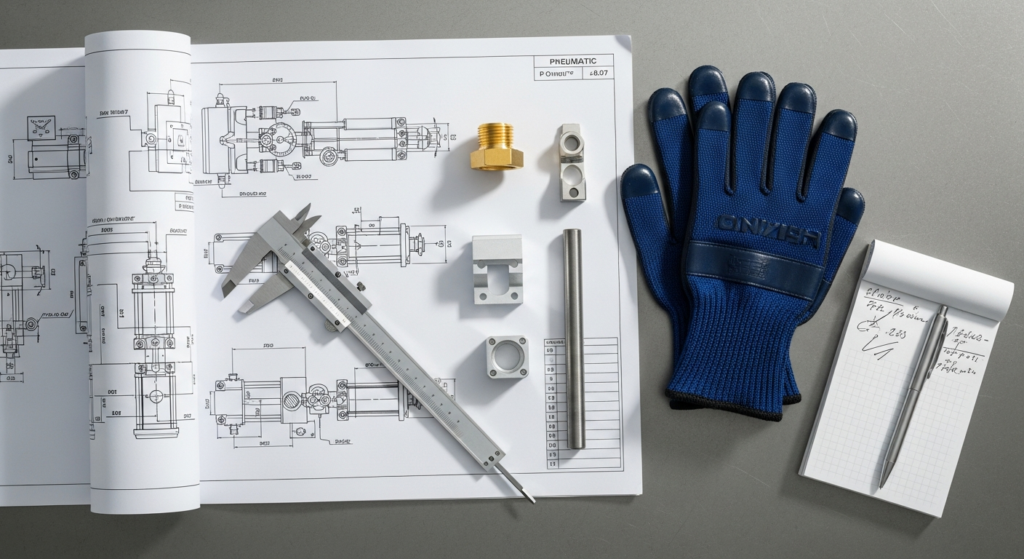
The Foundational Principles and Components of Pneumatic Systems in Manufacturing
Pneumatic systems, at their core, harness the potential energy stored in compressed air and convert it into mechanical motion. This elegant principle has made them a cornerstone of industrial automation for decades, offering a distinct set of advantages over hydraulic or electric counterparts in many applications. Understanding the fundamental components and how they interact is crucial to appreciating the versatility and power these systems bring to the factory floor.
What is a Pneumatic System?
Simply put, a pneumatic system is a network that uses pressurized gas (typically air) to transmit force and motion. Unlike hydraulics, which use incompressible liquids, pneumatics relies on the compressibility of air, offering inherent cushioning and simpler return mechanisms. The air is drawn from the atmosphere, filtered, compressed, and then directed through a series of components to perform specific tasks, such as gripping, lifting, pushing, or rotating.
Key Components of a Standard Pneumatic System:
- Air Compressor: This is the heart of the system, responsible for taking atmospheric air and compressing it to the required pressure. Compressors come in various types (reciprocating, rotary screw, centrifugal), each suited for different industrial demands and capacities.
- Air Receiver Tank: Also known as a storage tank, this vessel stores the compressed air, allowing the compressor to operate intermittently and providing a buffer for peak demand. It helps maintain a stable system pressure and can also aid in cooling the air.
- Air Treatment Unit (FRL – Filter, Regulator, Lubricator):
- Filter: Removes contaminants such as dust, dirt, water droplets, and oil aerosols from the compressed air, which are crucial for extending the lifespan of downstream components and preventing system malfunctions.
- Regulator: Reduces and maintains a constant output pressure, ensuring that pneumatic devices operate at their optimal and safe pressure levels, regardless of fluctuations in the compressor output.
- Lubricator: Introduces a fine mist of oil into the air stream, lubricating moving parts within actuators and valves, thereby reducing friction and wear (though many modern pneumatic components are designed for non-lubricated operation).
- Valves: These are the control elements of a pneumatic system, directing the flow of compressed air to various actuators. They can be manually, mechanically, electrically (solenoid valves), or pneumatically actuated. Common types include directional control valves, pressure control valves, and flow control valves.
- Actuators: These devices convert the energy of compressed air into mechanical motion.
- Pneumatic Cylinders: Produce linear motion (pushing or pulling). They are ubiquitous in applications requiring straight-line movement, such as clamping, ejecting, or pressing.
- Pneumatic Motors: Produce rotary motion, often used in applications requiring continuous rotation, like conveyors, mixers, or drills.
- Grippers: Specialized actuators designed for holding and manipulating objects, common in pick-and-place robotics.
- Piping and Tubing: The conduits through which compressed air travels from the compressor and treatment units to the various valves and actuators. Material selection (e.g., aluminum, steel, polyurethane) depends on pressure, environment, and flexibility requirements.
The synergy of these components allows for precise control over force, speed, and position, making pneumatic systems incredibly adaptable to a vast array of manufacturing processes. The inherent simplicity and robustness of these systems contribute significantly to Manufacturing Waste Reduction Strategies by minimizing downtime and simplifying maintenance, thereby reducing operational inefficiencies.
Key Advantages of Pneumatic Systems in Industrial Settings

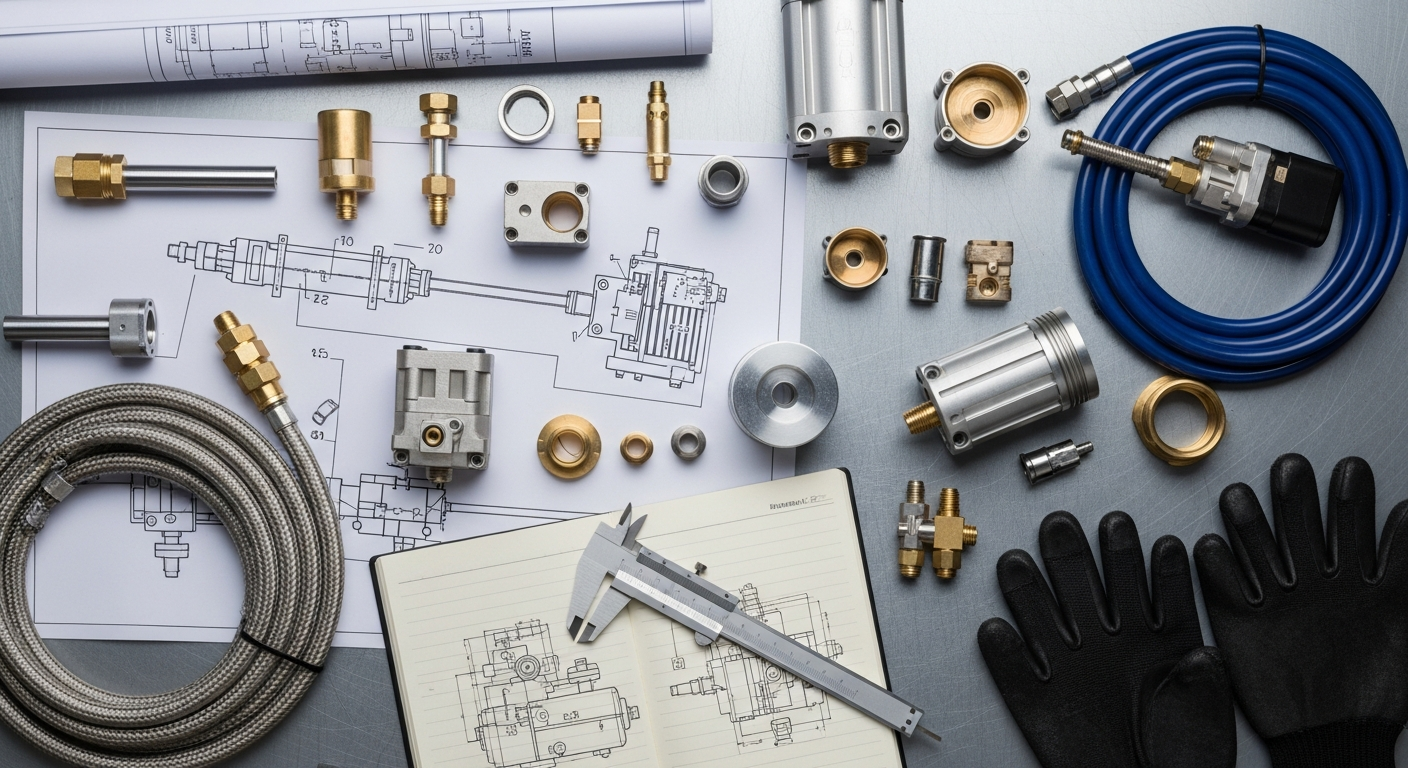
The widespread adoption of pneumatic systems across diverse manufacturing sectors is not accidental; it is driven by a compelling suite of advantages that cater directly to the demands of modern industrial production. These benefits often position pneumatics as the preferred choice over hydraulic or electric power for many specific applications.
Enhanced Safety Profile
One of the most significant benefits of pneumatic systems is their inherent safety. Unlike electrical systems, there is no risk of electric shock or sparks, making them ideal for environments where flammable materials or explosive atmospheres are present. Furthermore, pneumatic actuators offer natural overload protection; if an actuator encounters resistance beyond its capacity, it simply stalls without damage to the motor or component, unlike electric motors which can overheat or burn out. Compressed air is also a clean medium, posing no environmental hazard in case of a leak, unlike hydraulic fluids.
Cost-Effectiveness and Simplicity
Pneumatic systems generally boast lower initial installation costs compared to hydraulic or complex electrical automation systems. The components are often simpler in design and easier to install, requiring less specialized tooling or expertise. Maintenance is also typically straightforward, reducing labor costs and downtime. The common availability of compressed air infrastructure in most industrial facilities further reduces the barrier to entry for new pneumatic applications. This cost efficiency aligns perfectly with Lean Manufacturing Principles Explained, which emphasizes value creation and waste elimination, including unnecessary expenditure.
Durability and Reliability in Harsh Environments
Pneumatic components are renowned for their robust construction and ability to withstand challenging industrial conditions. They can operate effectively in extreme temperatures, dusty environments, and areas with high vibration, where electronic components might struggle or require extensive protection. The simplicity of their design means fewer moving parts and less susceptibility to wear and tear, leading to longer operational lifespans and greater overall system reliability.
Cleanliness and Versatility
Because compressed air is a clean, non-toxic, and non-flammable medium, pneumatic systems are exceptionally well-suited for industries with stringent hygiene requirements. Food and beverage processing, pharmaceutical manufacturing, and medical device production heavily rely on pneumatics to avoid contamination risks associated with hydraulic oils or electric motor lubricants. Their versatility also allows for a wide range of tasks, from precise pick-and-place operations to heavy-duty material handling, showcasing their adaptability across various manufacturing demands.
Speed, Force, and Precision
Pneumatic actuators can achieve very high speeds, making them ideal for rapid cycling operations in assembly lines and packaging machinery. While hydraulics can generate greater forces, pneumatics offers sufficient force for the vast majority of industrial tasks. Modern pneumatic control systems, combined with advanced sensors and proportional valves, enable a remarkable degree of precision in positioning and force application, rivaling electromechanical systems in many contexts. This precision is particularly valuable in applications where delicate materials or intricate components require careful handling, touching upon aspects of Materials Science In Manufacturing.
These advantages collectively underscore why pneumatic systems remain a cornerstone of industrial automation. Their blend of safety, economy, robustness, and performance makes them an indispensable tool for manufacturers striving for operational excellence and sustainable production.
Diverse Applications of Pneumatics Across Manufacturing Sectors
Automation and Robotics
Pneumatics plays a crucial role in industrial automation and robotics, especially in applications requiring rapid, repetitive motions. Pick-and-place robots frequently use pneumatic grippers for handling components, offering quick response times and secure clamping with adjustable force. Assembly lines utilize pneumatic cylinders for pushing, clamping, and ejecting parts, ensuring precise alignment and high throughput. The inherent flexibility of pneumatic controls allows for easy integration into larger automated systems, facilitating the smooth operation of complex manufacturing processes.
Material Handling and Packaging
In material handling, pneumatic systems are ubiquitous. They power conveyor diversions, operate gates and stoppers, and provide the force for lifting and lowering mechanisms. Pneumatic hoists offer a safe and reliable solution for moving heavy loads, especially in hazardous environments. In the packaging industry, pneumatics is indispensable for tasks such as filling bottles, sealing bags, labeling products, and erecting cartons. The rapid action of pneumatic cylinders ensures high-speed packaging operations, directly contributing to increased production rates and adherence to Manufacturing Waste Reduction Strategies by minimizing product damage and packaging errors.
Processing and Tooling
Many processing operations benefit from pneumatic power. Agitators and mixers in chemical or food processing often employ pneumatic motors for consistent and controlled stirring. In the pharmaceutical industry, pneumatic systems are used for tablet pressing, capsule filling, and sterile packaging, where the clean nature of compressed air is a distinct advantage. Furthermore, a wide range of hand tools used on the factory floor, from air drills and grinders to impact wrenches and nail guns, are pneumatically powered, offering high power-to-weight ratios and enhanced safety compared to electric alternatives.
Specialized Industries: Automotive, Electronics, Food & Beverage, and Pharmaceuticals
- Automotive Manufacturing: Pneumatics is central to automotive production, from powering robotic welding arms and paint sprayers to operating clamping fixtures and assembly tools. The speed and reliability of pneumatic systems are critical for maintaining the fast pace of automotive assembly lines.
- Electronics Manufacturing: In the production of delicate electronic components, precision and cleanliness are paramount. Pneumatic systems are used for precision pick-and-place operations, component insertion, and cleanroom environments, where contaminants must be strictly avoided. The ability to control force precisely is vital when handling sensitive materials, highlighting the interplay with Materials Science In Manufacturing.
- Food & Beverage: High hygiene standards make pneumatics an ideal choice. Applications include sorting, filling, capping, and packaging food products, as well as operating valves for fluid control in processing lines. The washdown capabilities of many pneumatic components further enhance their suitability for this sector.
- Pharmaceuticals: Similar to food & beverage, the need for sterile environments and precise handling makes pneumatics invaluable. It is used in sterile filling processes, tablet compression, blister packaging, and cleanroom automation, ensuring product integrity and patient safety.
The sheer breadth of these applications demonstrates that pneumatic systems are not just a single technology but a versatile platform upon which numerous manufacturing innovations are built. As industries continue to evolve, the demand for adaptable, efficient, and reliable power sources ensures that pneumatics will remain at the forefront of industrial production.
Optimizing Pneumatic Systems for Peak Performance and Efficiency
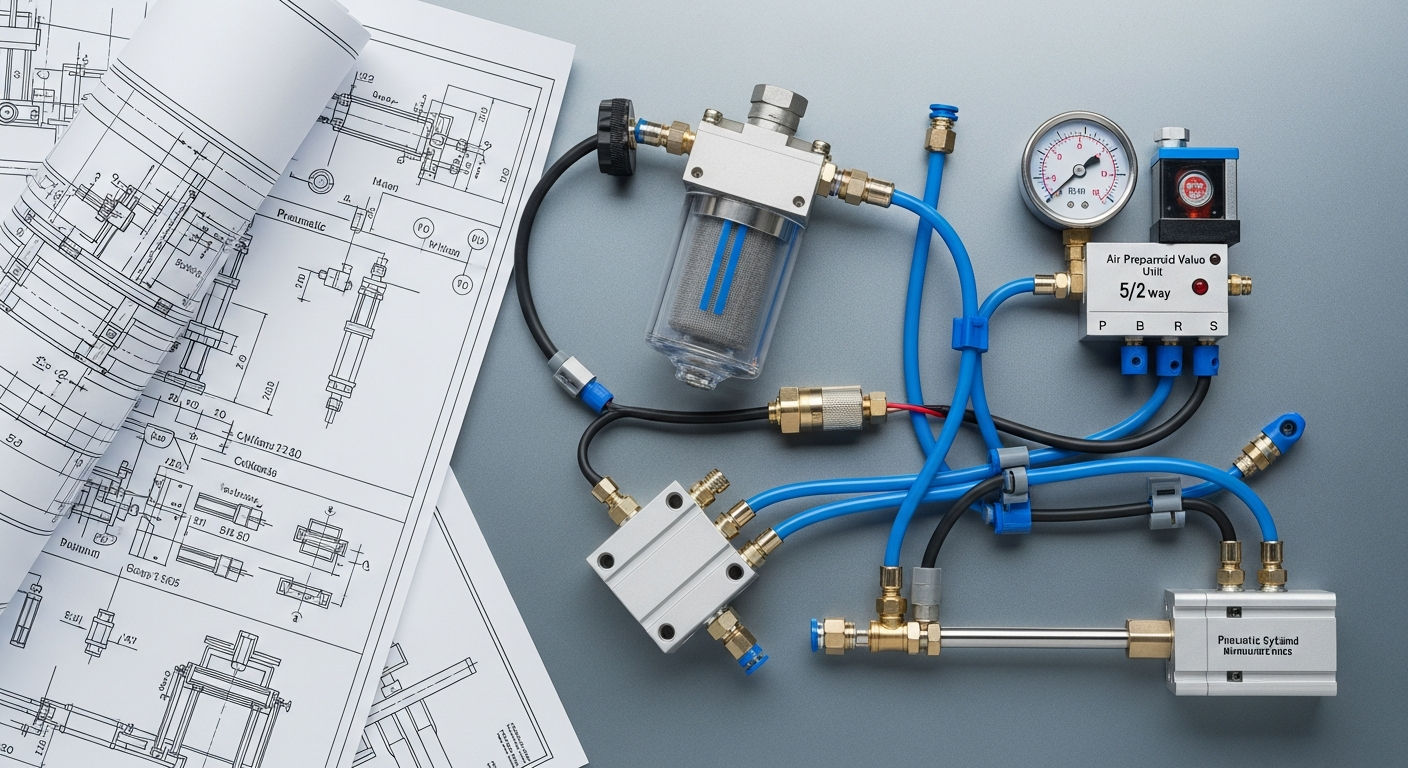
While pneumatic systems offer significant advantages, their true potential is realized through careful design, diligent maintenance, and continuous optimization. In an era where energy costs and sustainability are critical concerns, achieving peak performance and efficiency in pneumatic operations is paramount. Mitsubishi Manufacturing emphasizes strategies that not only enhance productivity but also align with modern environmental and economic imperatives.
Strategic Design and Component Selection
The journey to an optimized pneumatic system begins at the design phase. Proper sizing of compressors, air receivers, and piping is crucial to avoid pressure drops and ensure adequate air supply. Selecting the right actuators and valves for specific tasks, considering factors like force, speed, stroke length, and environmental conditions, prevents over-engineering or under-performance. Utilizing energy-efficient components, such as low-friction cylinders, quick-exhaust valves, and proportional control valves, can significantly reduce air consumption.
Mastering Air Quality Management
The quality of compressed air directly impacts system performance and longevity. Poor air quality, laden with moisture, oil, and particulates, can lead to premature wear of seals, corrosion, and valve malfunctions. Implementing robust air treatment units (filters, dryers, coalescers) is non-negotiable. Refrigerated dryers, desiccant dryers, and point-of-use filters ensure that air delivered to sensitive components meets the required purity standards. This proactive approach minimizes component failure, reduces maintenance frequency, and extends the operational life of the entire system, contributing directly to Manufacturing Waste Reduction Strategies by preventing costly repairs and production stoppages.
Vigilant Leak Detection and Prevention
Air leaks are arguably the largest source of energy waste in pneumatic systems. Even small, undetected leaks can cumulatively account for a substantial percentage of compressed air consumption, forcing compressors to work harder and consume more electricity. Regular leak detection surveys, utilizing ultrasonic leak detectors, are essential. A comprehensive leak prevention program should include:
- Routine inspection of fittings, hoses, and connections.
- Prompt repair of identified leaks.
- Proper installation techniques to minimize future leaks.
- Use of high-quality fittings and sealants.
Addressing leaks is one of the most straightforward and impactful ways to improve the energy efficiency of a pneumatic system, embodying the waste elimination tenets of Lean Manufacturing Principles Explained.
Energy Efficiency Considerations and Advanced Controls
Modern pneumatic systems incorporate several technologies aimed at reducing energy consumption:
- Variable Speed Drive (VSD) Compressors: These adjust motor speed to match air demand, significantly reducing energy waste during periods of fluctuating load compared to fixed-speed compressors.
- Intelligent Control Systems: Centralized control systems can optimize compressor operation, manage air distribution, and schedule maintenance based on real-time data.
- Pressure Optimization: Operating at the lowest effective pressure required for applications can yield substantial energy savings.
- Energy Recovery Systems: In some large-scale installations, heat generated by compressors can be recovered and used for other purposes, such as space heating or water preheating.
By integrating these advanced features, manufacturers can transform their pneumatic systems into highly efficient and environmentally responsible assets, contributing to overall operational sustainability.
Proactive Maintenance and Training
A well-structured preventive maintenance program is vital for sustained efficiency. This includes regular inspection, cleaning, and replacement of filters, checking lubricator levels (if applicable), testing valve functionality, and inspecting actuators for wear. Furthermore, investing in comprehensive training for maintenance personnel ensures they possess the necessary skills to troubleshoot, repair, and optimize pneumatic systems effectively. Knowledgeable staff are key to quickly identifying and rectifying issues, preventing minor problems from escalating into major breakdowns.
Through these strategic approaches, manufacturers can ensure their pneumatic systems not only meet current production demands but also operate with maximum efficiency, contributing to a more sustainable and profitable future in 2026 and beyond.
The Future of Pneumatics: Innovation and Integration in Industry 4.0
As the manufacturing landscape continues its rapid evolution towards Industry 4.0, pneumatic systems are not merely keeping pace but are actively integrating cutting-edge technologies to enhance their capabilities. The future of pneumatics is characterized by increased intelligence, connectivity, and sustainability, transforming these robust workhorses into smart, data-driven assets on the factory floor.
Smart Pneumatics and IoT Integration
The advent of the Industrial Internet of Things (IIoT) is fundamentally changing how pneumatic systems are monitored and controlled. Modern pneumatic components are increasingly equipped with integrated sensors that collect real-time data on pressure, flow, temperature, and operational cycles. This data can be transmitted wirelessly to central control systems or cloud platforms for analysis. Smart valves, for instance, can provide feedback on their position and operational status, enabling more precise control and immediate fault detection. This level of connectivity allows for unprecedented insights into system performance, facilitating proactive decision-making.
Predictive Maintenance and Analytics
Leveraging the data collected from smart pneumatic components, manufacturers can implement sophisticated predictive maintenance strategies. Instead of relying on scheduled maintenance or reacting to failures, algorithms can analyze operational patterns and component health indicators to predict potential malfunctions before they occur. This means components can be serviced or replaced precisely when needed, minimizing unscheduled downtime, optimizing maintenance schedules, and significantly reducing maintenance costs. This proactive approach aligns seamlessly with Manufacturing Waste Reduction Strategies by eliminating waste associated with unexpected breakdowns and unnecessary preventative replacements.
Energy Recovery Systems and Sustainability Focus
With a growing emphasis on environmental responsibility and energy efficiency, the development of energy recovery systems for pneumatics is gaining traction. Technologies that capture and reuse the exhaust air from pneumatic actuators, or convert it back into usable energy, are emerging. Furthermore, ongoing innovations focus on developing even more energy-efficient components, such as low-power solenoid valves and optimized air amplifiers. The commitment to sustainability also extends to the materials used in pneumatic components, with an increased focus on recyclable and durable options, reflecting advancements in Materials Science In Manufacturing.
Hybrid Systems and Electro-Pneumatic Integration
The future is not about replacing pneumatics but augmenting it. Hybrid systems, combining the strengths of pneumatics with those of electric or hydraulic systems, are becoming more common. Electro-pneumatic systems, for example, use electronic controls to achieve even greater precision and flexibility in pneumatic actuators, bridging the gap between high force/speed and fine control. This integration allows manufacturers to leverage the best attributes of each technology for specific applications, creating more sophisticated and adaptable automation solutions.
Miniaturization, Modularity, and Advanced Materials
Innovation in materials science is enabling the development of smaller, lighter, and more durable pneumatic components. Miniaturization allows for the integration of pneumatic power into compact machines and robotic end-effectors, expanding their application range. Modular designs simplify system configuration, maintenance, and scalability. The use of advanced polymers and composites contributes to component longevity, corrosion resistance, and overall system robustness, further enhancing the reliability of pneumatic solutions in 2026 and beyond.
The integration of these innovations positions pneumatic systems not as a legacy technology, but as a dynamic and evolving force in the smart factories of Industry 4.0. As manufacturers continue to seek greater efficiency, precision, and sustainability, intelligent pneumatic solutions will remain a vital component of their operational success.
Challenges and Solutions in Modern Pneumatic System Management
Despite their numerous advantages and ongoing innovations, pneumatic systems present certain challenges that manufacturers must address to ensure optimal performance, efficiency, and longevity. Recognizing these hurdles and implementing effective solutions is key to maximizing the return on investment in pneumatic technology.
Energy Consumption and Cost
One of the primary challenges associated with pneumatic systems is their potential for high energy consumption, particularly if not properly managed. Compressing air is an energy-intensive process, and inefficiencies like leaks, oversized equipment, or operating at excessively high pressures can lead to significant electricity bills.
Solution: A multi-faceted approach is required. This includes regular leak detection and repair programs, optimizing system pressure to the lowest effective level, using variable speed drive (VSD) compressors to match demand, implementing intelligent control systems, and investing in energy-efficient components. Educating staff on best practices for pneumatic system operation and maintenance is also crucial for long-term energy savings, aligning with the principles of Lean Manufacturing Principles Explained by targeting energy waste.
Noise Pollution
Pneumatic exhaust can generate considerable noise, particularly in facilities with many actuators operating simultaneously. High noise levels can contribute to an uncomfortable working environment and pose health risks to employees over time.
Solution: The most effective solution is to incorporate silencers or mufflers on exhaust ports of valves and actuators. These devices significantly reduce noise levels without impeding system performance. Additionally, selecting quieter compressor technologies (e.g., screw compressors over piston compressors for certain applications) and strategically locating compressors in sound-insulated rooms can further mitigate noise pollution on the factory floor.
Contamination and Air Quality
As discussed, the presence of water, oil, and particulate matter in compressed air can lead to premature wear, corrosion, and malfunction of pneumatic components. This contamination can reduce the lifespan of seals and valves, resulting in increased maintenance and downtime.
Solution: Implementing a robust air treatment strategy is paramount. This involves installing appropriate filters (particulate, coalescing), air dryers (refrigerated, desiccant) to remove moisture, and ensuring proper drainage of condensate. Regular maintenance and replacement of filter elements are critical. For highly sensitive applications, such as those in pharmaceutical or food processing, additional filtration stages and oil-free compressors may be necessary, demonstrating the importance of Materials Science In Manufacturing in component selection and purity control.
Maintenance Requirements and Skill Gaps
While generally robust, pneumatic systems still require regular maintenance to ensure optimal operation. Identifying and troubleshooting issues can sometimes require specialized knowledge, and a lack of skilled technicians can lead to prolonged downtime and inefficient repairs.
Solution: Developing a comprehensive preventive maintenance schedule, including routine inspections, component checks, and timely replacements, is essential. Investing in ongoing training and certification programs for maintenance personnel ensures they have the expertise to diagnose and resolve pneumatic system issues efficiently. Utilizing smart pneumatic components with diagnostic capabilities and predictive maintenance software can also simplify troubleshooting and reduce the reliance on highly specialized manual inspection.
Pressure Drops and System Inadequacy
Improperly sized piping or an inadequate compressor can lead to significant pressure drops across the system, resulting in reduced performance of pneumatic tools and actuators. This can manifest as slower cycle times, insufficient force, and overall operational inefficiency.
Solution: Thorough system design and sizing are critical from the outset. This involves calculating air demand accurately, selecting appropriate pipe diameters, and ensuring the compressor capacity meets peak requirements. Regular pressure monitoring throughout the system can identify areas of pressure drop, allowing for targeted improvements such as upgrading pipework, adding auxiliary air receivers, or optimizing valve placement. This proactive design and monitoring approach directly supports Manufacturing Waste Reduction Strategies by ensuring efficient resource utilization.
By proactively addressing these challenges with modern solutions and best practices, manufacturers can harness the full power and efficiency of pneumatic systems, ensuring they remain a reliable and cost-effective backbone of industrial production in 2026 and beyond.
Frequently Asked Questions
What is the primary energy source for pneumatic systems in manufacturing?▾
How do pneumatic systems contribute to safety in manufacturing environments?▾
Are pneumatic systems energy-efficient, and how can efficiency be improved?▾
What role does air quality play in pneumatic system longevity and performance?▾
Can pneumatic systems integrate with modern automation (Industry 4.0 concepts)?▾
What type of maintenance is typically required for pneumatic systems?▾
Recommended Resources
You might also enjoy How To Network Effectively For Career Growth from Diaal News.
Related reading: Workplace Accommodations For Pregnant Employees (Protect Families Protect Choices).