The Foundation: Understanding Stamping in Automotive Production
Stamping is the initial transformative step in converting flat metal sheets into three-dimensional automotive components. It’s a versatile process that encompasses a range of operations, each designed to achieve specific geometric features and strengthen the material. At its core, stamping involves placing a metal blank, typically a flat sheet of steel or aluminum, into a press where a tool, known as a die, applies immense force to cut, bend, or shape the material. The precision required in this phase is paramount, as any deviation can lead to defects that compromise the structural integrity or aesthetic quality of the final part.
Types of Stamping Operations
- Blanking: This is the process of cutting a specific shape from a larger sheet of material. The cut-out piece, or “blank,” is the desired part, while the remaining material is scrap. For instance, the initial outline of a door panel or hood might be created through blanking.
- Punching: Similar to blanking, but here the cut-out material is scrap, and the remaining piece with the hole is the desired part. This is used for creating fastener holes, access points, or vents in components.
- Piercing: A subset of punching, piercing creates holes without generating slugs, often by forcing material through a die to create a clean opening.
- Coining: This operation involves applying very high pressure to the material, causing it to flow into the die cavities and accurately replicate the die’s surface features. It’s often used for intricate details or creating precise dimples and recesses.
- Embossing: This process creates raised or recessed designs on the material surface without changing the material thickness significantly. It’s often used for logos, structural ribs, or decorative elements.
The Role of Presses and Tooling
The machinery performing these operations are industrial presses, which can be categorized by their power source and mechanism:
- Mechanical Presses: These use a flywheel and crankshaft mechanism to generate force. They are fast and efficient for high-volume production of smaller to medium-sized parts.
- Hydraulic Presses: Utilizing hydraulic cylinders, these presses offer greater control over pressure and stroke depth, making them ideal for deeper draws and forming complex shapes, albeit at a slower speed.
- Servo Presses: Representing the cutting edge, servo presses use electric motors to control the ram’s movement, offering unparalleled flexibility in stroke profiles, speed, and force. This allows for optimization of forming processes, reducing defects and extending tool life. Mitsubishi Manufacturing leverages advanced servo press technology to achieve superior precision and adaptability in its stamping operations, crucial for handling the diverse material properties of modern automotive designs.
Central to any stamping operation are the dies. These specialized tools, often made from hardened steel, are precisely engineered to withstand immense forces and produce parts with micron-level accuracy. Die design is a complex discipline, requiring deep understanding of material properties, friction, and wear. The longevity and accuracy of dies directly impact production quality and cost, making their maintenance and optimization a continuous focus for manufacturers.
Shaping the Future: The Art and Science of Forming
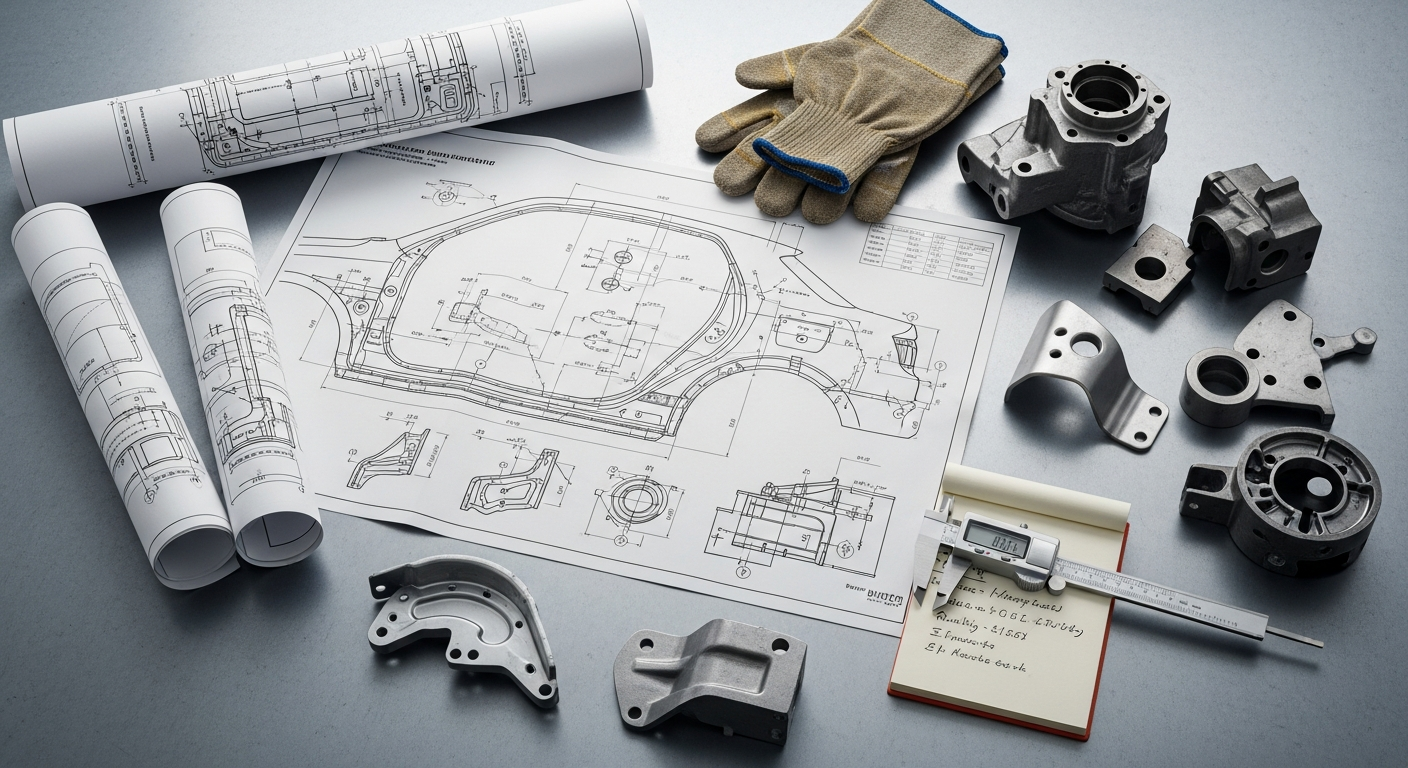
While stamping primarily focuses on cutting and initial shaping, forming delves deeper into manipulating the metal’s geometry to create complex, functional components. Forming operations often follow initial stamping processes, further refining the blanks into their final three-dimensional forms. This stage is where parts like body panels, structural pillars, and chassis components truly take shape, demanding a nuanced understanding of material behavior under stress.
Key Forming Techniques
- Deep Drawing: This is one of the most common and critical forming operations in auto manufacturing. It involves pulling a metal blank into a die cavity using a punch, creating a cup-shaped or box-shaped part without tearing or wrinkling. Components like oil pans, fuel tanks, and many body panels are produced through deep drawing. The depth of the draw and the complexity of the part dictate the number of drawing stages required.
- Bending: As the name suggests, bending involves shaping a sheet metal part along a straight or curved axis. Press brakes are commonly used for this, creating flanges, brackets, and structural reinforcements.
- Stretching: In stretching, the metal sheet is held at its edges and then stretched over a form block or punch. This process is used to create curved surfaces with minimal wrinkling, often for exterior body panels that require a smooth finish.
- Hydroforming: An advanced forming technique, hydroforming uses high-pressure fluid (typically water) to force a metal tube or blank into a die cavity. This allows for the creation of complex, lightweight, and structurally strong parts with fewer welding seams, such as engine cradles and chassis components. It offers excellent dimensional accuracy and material utilization.
Addressing Forming Complexities: Wrinkling, Tearing, and Springback
The art of forming lies in manipulating material without inducing defects. Several challenges commonly arise:
- Wrinkling: Occurs when the material compresses in areas where it should be stretching, leading to undesirable folds.
- Tearing: Happens when the material is stretched beyond its tensile strength, resulting in a rupture.
- Springback: A pervasive challenge where the material partially recovers its original shape after forming due to its elastic properties. This makes achieving precise angles and curvatures difficult.
To mitigate these complexities and ensure optimal part quality, engineers at Mitsubishi Manufacturing heavily rely on sophisticated simulation tools. This is where Finite Element Analysis Explained becomes indispensable. FEA is a computational method that predicts how a product reacts to real-world forces, heat, vibration, and other physical effects. In the context of stamping and forming, FEA software simulates the entire forming process, step by step, allowing engineers to:
- Predict material flow and identify potential areas of wrinkling or tearing before any physical tooling is made.
- Optimize die geometry and forming parameters (e.g., punch speed, blank holder pressure) to prevent defects.
- Accurately predict and compensate for springback, ensuring the final part meets precise dimensional tolerances.
- Evaluate different material options and their suitability for complex geometries.
By leveraging FEA, Mitsubishi Manufacturing significantly reduces the need for expensive physical prototypes and trial-and-error iterations, accelerating product development cycles and ensuring first-time-right production. This scientific approach to forming transforms what was once a craft into a highly engineered, predictable process.
Materials and Their Mastery: Driving Performance and Sustainability
The Spectrum of Automotive Materials
- Mild Steel: Traditionally the backbone of automotive bodies, mild steel is cost-effective and relatively easy to stamp and form. However, its lower strength-to-weight ratio means it’s increasingly being replaced by advanced materials in critical structural areas.
- High-Strength Low-Alloy (HSLA) Steel: These steels offer improved strength and ductility compared to mild steel, allowing for lighter gauge materials without sacrificing structural integrity. They are a common choice for various body components.
- Advanced High-Strength Steels (AHSS): AHSS families (e.g., dual-phase, TRIP, martensitic, complex-phase steels) are revolutionizing vehicle design. They combine exceptional strength with good formability, enabling significant weight reduction while enhancing crashworthiness. Working with AHSS presents unique challenges in stamping and forming due to their high yield strength and springback tendencies, often requiring hot stamping or specialized forming techniques and sophisticated die designs.
- Aluminum Alloys: Valued for their low density, aluminum alloys are extensively used in lightweighting strategies, particularly for hood, trunk lid, door panels, and structural components. While offering substantial weight savings, aluminum exhibits different forming characteristics than steel, including lower ductility and greater susceptibility to tearing, necessitating careful process control and dedicated tooling.
- Composites: Though not typically stamped or formed in the traditional sense, composite materials like carbon fiber reinforced polymers (CFRP) are gaining traction in high-performance and electric vehicles for their ultra-lightweight properties. Their integration often involves hybrid manufacturing approaches combining traditional metalworking with composite manufacturing techniques.
Challenges and Benefits of Material Selection
Each material presents a unique set of challenges and benefits:
- Weight Reduction: The primary driver for adopting AHSS and aluminum is to reduce vehicle weight, which directly translates to improved fuel efficiency for internal combustion engine (ICE) vehicles and extended range for electric vehicles (EVs). Lighter vehicles also offer better handling and reduced emissions.
- Safety Enhancement: Stronger materials like AHSS absorb crash energy more effectively, improving occupant safety. The strategic placement of these materials is crucial for designing robust crash structures.
- Formability vs. Strength: A constant balancing act. Materials with higher strength often have lower ductility, making them harder to form without defects. Advanced stamping and forming techniques, coupled with precise process control, are essential to unlock the full potential of these materials.
- Cost and Sustainability: Material cost is a significant factor. While advanced materials might be more expensive per kilogram, their use can lead to overall cost savings through reduced material usage and improved vehicle performance. Furthermore, the recyclability of materials like steel and aluminum is a key aspect of sustainable manufacturing practices, aligning with Mitsubishi Manufacturing’s commitment to environmental stewardship.
Mastery over these diverse materials, understanding their metallurgical properties, and adapting stamping and forming processes accordingly, is a cornerstone of Mitsubishi Manufacturing’s ability to produce safe, efficient, and innovative vehicles for 2026 and beyond.
Precision and Efficiency: Integrating Lean Principles and Waste Reduction
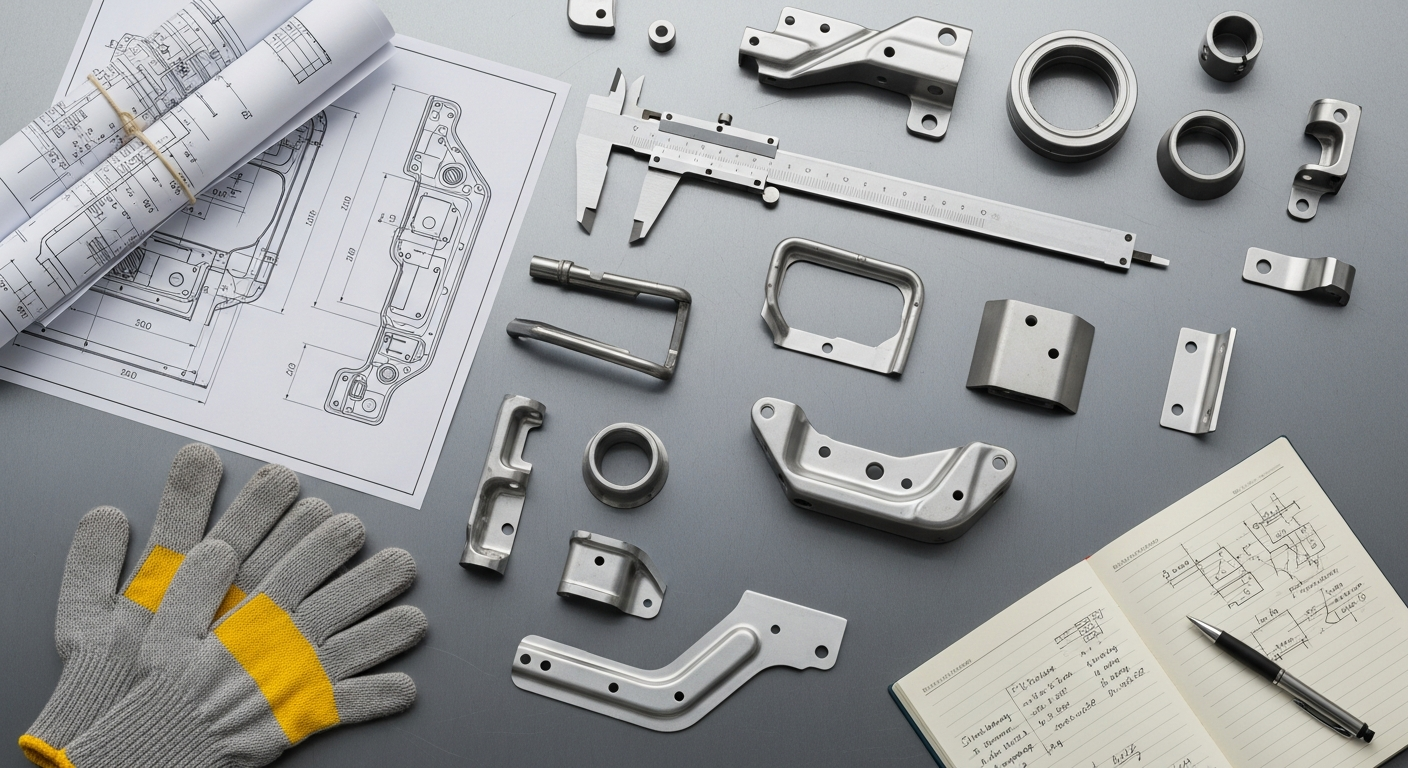
In the highly competitive automotive industry, efficiency is not just an advantage; it is a necessity. Mitsubishi Manufacturing is deeply committed to operational excellence, embedding Lean Manufacturing Principles Explained and robust Manufacturing Waste Reduction Strategies into every facet of its stamping and forming operations. The goal is to maximize value for the customer while minimizing waste, optimizing resource utilization, and streamlining production flows.
Lean Manufacturing in Stamping and Forming
Lean manufacturing, originating from the Toyota Production System, focuses on identifying and eliminating activities that do not add value. In stamping and forming, Lean principles manifest in several key areas:
- Elimination of Overproduction: Producing only what is needed, when it is needed, reduces inventory (Work-In-Process or WIP) and associated storage costs, as well as the risk of obsolescence.
- Optimized Material Flow: Implementing a pull system ensures materials move smoothly through the stamping and forming lines, minimizing waiting times and unnecessary transportation. This involves careful layout planning and efficient material handling systems.
- Quick Die Change (SMED): Single-Minute Exchange of Die (SMED) is a critical Lean tool in stamping. By drastically reducing the time it takes to change dies between different production runs, manufacturers can produce smaller batches economically, respond faster to demand changes, and reduce WIP. Mitsubishi Manufacturing invests heavily in advanced die clamping systems, standardized tooling, and ergonomic workstation design to achieve rapid changeovers.
- Defect Prevention (Jidoka): Building quality into the process rather than inspecting it in at the end. This means implementing automated inspection systems, operator self-checks, and error-proofing (poka-yoke) mechanisms directly on the stamping and forming lines to detect and address defects immediately.
Manufacturing Waste Reduction Strategies
Beyond Lean principles, specific strategies are employed to tackle the common forms of waste in stamping and forming:
- Material Utilization and Scrap Reduction: Scrap metal is an unavoidable byproduct, but minimizing it is crucial. This involves optimizing nesting patterns for blanks on the original sheet, designing parts with minimal material waste, and using advanced blanking techniques. Scrap segregation and recycling programs are also critical for environmental sustainability and cost recovery.
- Energy Efficiency: Stamping presses, particularly hydraulic and servo presses, consume significant energy. Strategies include using energy-efficient motors, optimizing press cycles, implementing regenerative braking systems on servo presses, and ensuring proper maintenance to prevent energy loss.
- Tooling Lifespan Extension: Die wear is a major cost factor. Predictive maintenance, advanced tooling materials, surface coatings, and precise lubrication systems extend die life, reducing downtime for tool changes and refurbishment. Regular monitoring of tool condition, often aided by sensors and data analytics, helps schedule maintenance proactively rather than reactively.
- Process Optimization through Data: Collecting and analyzing data from stamping and forming operations – such as press force, speed, temperature, and material properties – allows for continuous process refinement. This data-driven approach, often part of Industry 4.0 initiatives, helps identify inefficiencies, predict equipment failures, and fine-tune parameters for optimal output and reduced waste.
By rigorously applying Lean manufacturing principles and implementing comprehensive waste reduction strategies, Mitsubishi Manufacturing ensures that its stamping and forming operations are not only precise and high-quality but also highly efficient, cost-effective, and environmentally responsible, setting a benchmark for the industry in 2026.
The Evolving Landscape: Innovations and Future Trends in Stamping and Forming
The world of automotive manufacturing is in constant flux, driven by demands for lighter vehicles, enhanced safety, electrification, and connectivity. Stamping and forming, as foundational processes, are at the forefront of this transformation, embracing new technologies and methodologies to meet future challenges. Mitsubishi Manufacturing is actively engaged in pioneering these innovations, ensuring its production capabilities remain state-of-the-art.
Smart Manufacturing and Industry 4.0 Integration
The integration of Industry 4.0 technologies is revolutionizing stamping and forming. This includes:
- Sensors and Data Analytics: Presses and dies are equipped with an array of sensors that monitor parameters like force, temperature, vibration, and material strain in real-time. This data is fed into advanced analytics platforms, providing actionable insights for process optimization, predictive maintenance, and quality control.
- Artificial Intelligence (AI) and Machine Learning (ML): AI/ML algorithms are being deployed to predict material behavior more accurately, optimize press parameters for new materials, detect anomalies in production, and even automate quality inspection, significantly reducing human error and increasing throughput.
- Digital Twins: A virtual replica of a physical stamping line or press, allowing engineers to simulate changes, test new materials, and predict performance without disrupting actual production. This enhances the effectiveness of Finite Element Analysis Explained by providing a dynamic, real-time model of the manufacturing environment.
Advanced Simulation and Virtual Prototyping
Building on the capabilities of FEA, the future sees an even deeper reliance on virtual tools:
- Multi-scale Simulation: Simulating material behavior from the microstructural level up to the macro-forming process, providing unprecedented accuracy in predicting material response and defect formation.
- Integrated Design & Manufacturing (IDM): Tightly coupling product design with manufacturing process simulation, allowing for “design for manufacturability” from the earliest stages, ensuring that innovative designs can be produced efficiently and without compromise.
New Forming Technologies
To handle advanced materials and complex geometries, new forming techniques are emerging:
- Hot Stamping (Press Hardening): A process where ultra high-strength steel blanks are heated to austenitic temperatures, formed in a water-cooled die, and then rapidly quenched. This simultaneously forms and hardens the material, producing extremely strong yet lightweight components with minimal springback. It’s crucial for safety-critical parts like B-pillars and bumper beams.
- Tailor-Welded Blanks (TWBs): Involve welding together different steel grades or thicknesses before stamping. This allows for optimized material distribution, placing stronger or thicker material only where needed, reducing weight and cost.
- Multi-Material Forming: As vehicles incorporate a blend of steel, aluminum, and composites, forming processes are evolving to handle these multi-material assemblies, often requiring new joining techniques like friction stir welding, adhesive bonding, and self-piercing rivets integrated into the forming line.
Focus on Lightweighting and Electric Vehicle (EV) Components
The transition to EVs is a major driver of innovation. Stamping and forming are critical for:
- Battery Enclosures: Designing and manufacturing lightweight, robust, and crash-resistant battery enclosures requires advanced forming of aluminum and high-strength steels.
- Body-in-White (BIW) for EVs: EVs often have different structural requirements due to the absence of a traditional engine block and the presence of a heavy battery pack. This necessitates new designs and forming strategies for chassis components, frame rails, and occupant protection structures.
- Thermal Management Components: Precision stamping and forming are used for heat sinks, cooling plates, and other components vital for managing the thermal performance of EV powertrains and batteries.
By embracing these innovations and continuously investing in research and development, Mitsubishi Manufacturing remains at the forefront of stamping and forming technology, ready to engineer the next generation of vehicles for 2026 and beyond, pushing the boundaries of what is possible in automotive manufacturing.
Challenges and Solutions in High-Volume Automotive Production
Operating high-volume stamping and forming lines in automotive manufacturing presents a unique set of challenges. Maintaining consistent quality, ensuring uptime, and managing the complexities of diverse part production are continuous efforts. Mitsubishi Manufacturing employs sophisticated strategies and technologies to overcome these hurdles, ensuring seamless and efficient production.
Common Challenges Faced
- Dimensional Accuracy and Repeatability: Achieving precise dimensions repeatedly across millions of parts is a formidable task. Factors like material variations, tool wear, and temperature fluctuations can lead to deviations. Springback, as previously discussed, is a primary contributor to dimensional inaccuracy, especially with AHSS.
- Tool Wear and Lifespan: Stamping and forming operations exert immense pressure and friction on dies, leading to wear over time. Worn tools produce out-of-spec parts, requiring costly and time-consuming refurbishment or replacement. Premature tool wear can significantly impact production schedules and costs.
- Material Handling and Logistics: Moving large, heavy metal blanks and finished stamped parts efficiently through the production facility without damage or delay requires sophisticated automation, conveyors, and robotic systems. Poor logistics can lead to bottlenecks, increased cycle times, and potential damage to materials.
- Managing Complex Geometries: Modern vehicle designs often feature intricate curves, sharp radii, and deep draws to achieve desired aesthetics and aerodynamic performance. Forming these complex geometries without defects like cracks, wrinkles, or thin-outs pushes the limits of material formability and process control.
- Downtime and Maintenance: Unplanned downtime due to equipment failure or tool issues can be extremely costly in high-volume production. Balancing preventive maintenance with production demands is a constant challenge.
Strategic Solutions and Advanced Technologies
To address these challenges, Mitsubishi Manufacturing implements a multi-faceted approach:
- Advanced Process Control Systems: Modern presses are equipped with sophisticated controllers that can dynamically adjust parameters like punch speed, blank holder pressure, and lubrication based on real-time sensor data. Closed-loop control systems help compensate for material variations and maintain dimensional accuracy.
- Predictive Maintenance: Leveraging Industry 4.0 capabilities, sensors monitor the health of presses and tooling. Machine learning algorithms analyze this data to predict potential failures before they occur, allowing for scheduled maintenance during planned downtime, thereby minimizing unexpected disruptions. This proactive approach significantly extends equipment lifespan and maximizes uptime.
- Automated Vision Systems and Inline Quality Inspection: High-speed cameras and laser scanners are integrated into stamping and forming lines to perform 100% inline inspection of parts for surface defects, dimensional accuracy, and feature presence. This immediate feedback loop allows for instant process adjustments, preventing the production of large batches of defective parts.
- Robotics and Automation: Robots are extensively used for loading blanks, transferring parts between stamping stages, and stacking finished components. This not only improves efficiency and speed but also enhances worker safety by removing personnel from hazardous areas. Collaborative robots (cobots) are also finding applications in assisting human operators with complex tasks.
- Modular Tooling and Standardized Components: Designing dies with modular inserts allows for quicker repairs and replacements of worn sections, rather than needing to replace the entire die. Standardizing components across different dies reduces inventory and simplifies maintenance.
- Continuous Improvement Programs: Drawing directly from Lean Manufacturing Principles Explained, continuous improvement (Kaizen) teams regularly analyze production data, identify root causes of problems, and implement corrective actions. This culture of ongoing refinement is essential for sustained excellence in high-volume automotive stamping and forming.
By strategically implementing these solutions, Mitsubishi Manufacturing ensures that its stamping and forming operations are resilient, adaptable, and capable of consistently delivering high-quality, precision-engineered components, crucial for the success of its diverse vehicle lineup in 2026 and beyond.
Frequently Asked Questions About Stamping and Forming in Auto Manufacturing
What is the primary difference between stamping and forming in auto manufacturing?
Stamping generally refers to cutting or punching operations that shear metal to create a specific outline or holes, as well as shallow shaping like coining or embossing. Forming, on the other hand, involves significantly changing the shape of the metal blank through processes like deep drawing, bending, or stretching, to create three-dimensional parts, often without material removal. Stamping usually precedes forming, preparing the blank for subsequent shaping.
Why are Advanced High-Strength Steels (AHSS) challenging to stamp and form?
AHSS are challenging due to their high yield strength and reduced ductility compared to mild steel. This makes them more resistant to deformation, requiring higher stamping forces and specialized tooling. They are also prone to greater springback and can be more susceptible to tearing or cracking if forming parameters are not precisely controlled. Techniques like hot stamping are often employed to manage these challenges effectively.
How does Finite Element Analysis (FEA) help in stamping and forming?
FEA is a critical simulation tool that predicts how materials will behave under the stresses of stamping and forming. It allows engineers to virtually test die designs, optimize process parameters (e.g., punch speed, blank holder pressure), identify potential defects like wrinkles or tears, and accurately predict and compensate for springback. This significantly reduces the need for expensive physical prototypes and speeds up product development, ensuring a “first-time-right” approach.
What role do Lean Manufacturing Principles play in stamping and forming?
Lean Manufacturing Principles are vital for optimizing efficiency and reducing waste. In stamping and forming, Lean focuses on minimizing overproduction, optimizing material flow (e.g., just-in-time delivery), implementing quick die change (SMED) to reduce setup times, and integrating quality control directly into the process (Jidoka) to prevent defects. These principles lead to reduced costs, shorter lead times, and higher quality output.
What is hot stamping, and why is it important for modern vehicles?
Hot stamping, also known as press hardening, is a process where high-strength steel blanks are heated to very high temperatures (above 900°C), rapidly formed in a water-cooled die, and then quenched. This simultaneous forming and hardening process produces incredibly strong components with minimal springback. It’s crucial for modern vehicles because it enables the production of ultra-high-strength, lightweight safety structures (like B-pillars and bumper beams) that improve crashworthiness and contribute to overall vehicle weight reduction for better fuel efficiency and EV range.
How are stamping and forming processes adapting for electric vehicles (EVs) in 2026?
For EVs in 2026, stamping and forming are adapting by focusing on lightweighting for extended range, developing robust battery enclosures from advanced materials (e.g., aluminum, AHSS) for safety, and designing new body-in-white structures to accommodate the unique packaging of battery packs and electric powertrains. This involves utilizing multi-material forming, advanced simulation, and new joining techniques to create efficient, safe, and structurally optimized EV components.
Recommended Resources
Check out Parenting Support Programs Guide on Protect Families Protect Choices for a deeper dive.
Check out How To Create A Financial Plan on Diaal News for a deeper dive.