


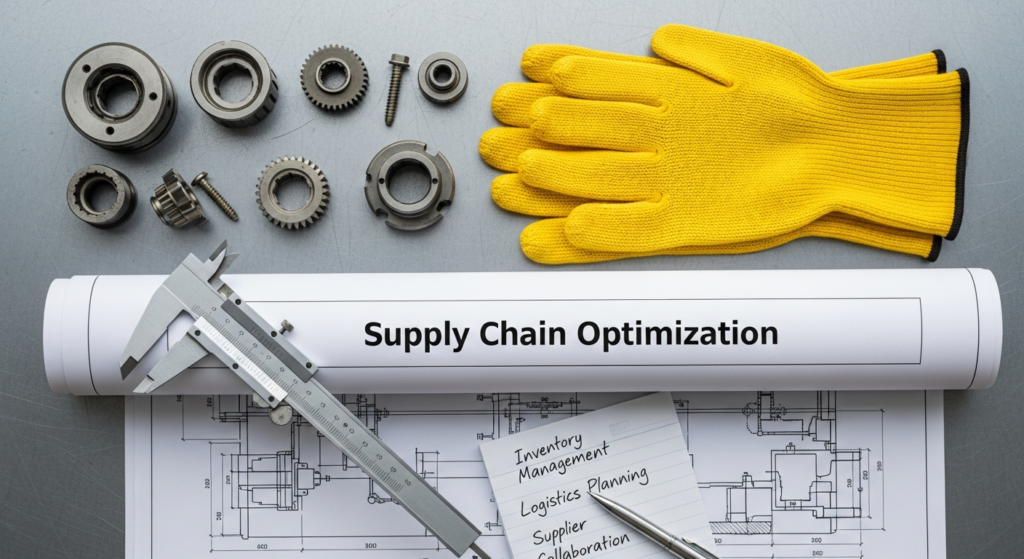
The Imperative of Modern Supply Chain Optimization
The contemporary global supply chain is a sprawling, interconnected network susceptible to a multitude of disruptions, from natural disasters and public health crises to economic volatility and geopolitical tensions. For manufacturing enterprises, these disruptions can translate into significant financial losses, production delays, damaged brand reputation, and missed market opportunities. Consequently, the concept of simply managing a supply chain has evolved into an urgent need for its proactive and continuous optimization. This involves not just mitigating risks but also identifying opportunities for enhanced efficiency, improved sustainability, and greater responsiveness to market signals.
Manufacturers today face increased pressure to reduce lead times, minimize inventory holding costs, ensure product quality, and meet stringent regulatory compliance, all while striving for greater transparency across their entire value chain. The complexity is further amplified by diversified product portfolios, customized production requirements, and the accelerating pace of technological innovation. Without a deliberate and multi-faceted approach to optimization, businesses risk becoming obsolete in an increasingly competitive environment. Effective supply chain optimization strategies empower companies to navigate these challenges, transforming potential vulnerabilities into sources of strength and competitive differentiation.
Core Principles Driving Supply Chain Efficiency and Value


Achieving a truly optimized supply chain requires adherence to foundational principles that streamline operations and eliminate waste. Among the most impactful are the tenets derived from Lean Manufacturing, a philosophy centered on maximizing customer value while minimizing waste. Applying Lean Manufacturing Principles Explained within the supply chain context means scrutinizing every step, from raw material sourcing to final product delivery, to identify and remove non-value-adding activities. This approach fosters a culture of efficiency and continuous improvement.
Embracing Lean Manufacturing Principles for Supply Chain Excellence
Lean thinking in the supply chain aims to optimize the flow of materials and information, ensuring that resources are utilized effectively and that delays are minimized. Key Lean principles applied to supply chain optimization include:
- Waste Reduction: Identifying and eliminating the seven types of waste (overproduction, waiting, transport, over-processing, inventory, motion, defects) across the entire supply chain. This could mean optimizing transportation routes, reducing unnecessary inventory buffers, or streamlining customs procedures.
- Just-In-Time (JIT) Inventory: Implementing JIT strategies to ensure that materials arrive precisely when they are needed for production, thereby reducing storage costs, minimizing obsolescence, and improving cash flow. This requires robust forecasting and strong supplier relationships.
- Value Stream Mapping (VSM): Visually mapping the entire supply chain process to identify bottlenecks, non-value-adding steps, and areas for improvement. VSM provides a holistic view of the flow, making it easier to pinpoint where optimization efforts will yield the greatest impact.
- Continuous Flow: Designing processes so that products and information move smoothly from one stage to the next without interruption, reducing lead times and increasing responsiveness.
- Pull Systems: Implementing systems where production is triggered by actual demand, rather than forecasts, preventing overproduction and excess inventory.
By embedding these Lean principles, manufacturers can create a more agile, responsive, and cost-effective supply chain. The focus shifts from managing individual components in isolation to optimizing the entire system, leading to significant gains in efficiency and customer satisfaction.
Leveraging Technology for Enhanced Visibility and Efficiency
Digital Transformation: The Cornerstone of Modern Supply Chains
The integration of cutting-edge digital technologies allows for the creation of smart, interconnected supply chains that can self-optimize and adapt in real-time. Key technological enablers include:
- Artificial Intelligence (AI) and Machine Learning (ML): AI-powered analytics can process vast amounts of data from various supply chain nodes to predict demand fluctuations, identify potential disruptions, optimize inventory levels, and even suggest optimal routing for logistics. ML algorithms continuously learn from past events, improving forecast accuracy and operational recommendations over time. For example, predictive maintenance schedules for critical manufacturing equipment, informed by AI, can prevent costly downtime that impacts supply chain flow.
- Internet of Things (IoT): IoT devices, embedded in assets, products, and infrastructure, provide real-time data on location, condition, and environmental factors. This allows for precise tracking of goods in transit, monitoring of storage conditions, and proactive identification of issues before they escalate. Sensors on production lines can feed data directly into inventory management systems, enabling automated reordering and production scheduling.
- Blockchain Technology: Offering immutable and transparent record-keeping, blockchain can revolutionize supply chain traceability and trust. It provides an unalterable ledger of every transaction and movement, enhancing authenticity verification, reducing fraud, and simplifying compliance auditing across complex global networks. This is particularly valuable for high-value goods and ensuring ethical sourcing.
- Enterprise Resource Planning (ERP) Systems: Modern ERP systems act as the central nervous system of the manufacturing enterprise, integrating data and processes across finance, human resources, procurement, production, and supply chain management. Advanced ERPs provide a unified view of operations, enabling better decision-making and optimizing resource allocation.
- Digital Twins: Creating virtual replicas of physical supply chain assets, processes, or even the entire network, allows manufacturers to simulate various scenarios, test optimization strategies, and predict outcomes without disrupting live operations. This enables proactive problem-solving and highly informed strategic planning.
By strategically implementing these technologies, companies can move beyond reactive problem-solving to proactive, data-driven decision-making, significantly enhancing the efficiency, transparency, and responsiveness of their supply chains.
Strategic Approaches to Risk Mitigation and Resilience

The lessons learned from recent global events underscore the critical importance of building resilience into supply chains. Optimization must encompass not only efficiency but also the capacity to withstand and rapidly recover from unforeseen disruptions. This requires a proactive, multi-faceted approach to risk mitigation, underpinned by a culture of continuous improvement.
Building a Resilient Supply Chain with Kaizen Principles
A key philosophy in fostering continuous improvement and adaptability is Kaizen Continuous Improvement Explained. Kaizen, meaning “change for the better,” advocates for small, incremental changes that, over time, lead to significant improvements in processes and outcomes. Applied to supply chain risk mitigation, Kaizen encourages:
- Proactive Problem Solving: Regularly reviewing supply chain processes to identify potential vulnerabilities before they become critical issues. This involves cross-functional teams collaboratively analyzing risks associated with suppliers, logistics, technology, and market demand.
- Standardization and Best Practices: Establishing standardized procedures for common supply chain activities, which helps reduce errors, improve quality, and makes recovery from disruptions more predictable. Regularly updating these standards based on new insights is crucial.
- Empowering Frontline Workers: Encouraging employees at all levels to identify inefficiencies or potential risks and propose solutions. Those directly involved in day-to-day operations often have the most valuable insights into practical improvements.
- Learning from Disruptions: Treating every disruption, large or small, as a learning opportunity. Conducting thorough root cause analyses and implementing corrective actions ensures that similar issues are less likely to recur or that the response improves next time.
Beyond Kaizen, robust risk mitigation strategies include:
1. Diversification of Supply Sources: Relying on a single supplier for critical components can create a significant vulnerability. Manufacturers should identify and qualify multiple suppliers, ideally in different geographic regions, to ensure continuity of supply even if one source is disrupted. This might involve creating a “multi-tier” supplier network with primary and secondary vendors.
2. Inventory Buffers and Strategic Stockpiling: While Lean principles advocate for minimal inventory, strategic buffers for critical, long-lead-time, or high-risk components can be a lifeline during disruptions. The key is to balance buffer stock levels to avoid excessive holding costs while ensuring sufficient resilience.
3. Enhanced Data Analytics and Scenario Planning: Utilizing advanced analytics to model various disruption scenarios (e.g., natural disasters, geopolitical trade wars, sudden demand spikes) allows companies to test their supply chain’s resilience and develop contingency plans. Digital twins can play a vital role here, simulating impacts and potential responses.
4. Collaboration and Information Sharing: Building strong, transparent relationships with suppliers, logistics partners, and even customers fosters better information flow and collaborative problem-solving during crises. Shared visibility into demand forecasts and inventory levels can prevent cascading disruptions.
5. Cybersecurity Resilience: As supply chains become more digitized, they also become more susceptible to cyber threats. Robust cybersecurity measures are essential to protect sensitive data, operational technology, and intellectual property from malicious attacks that could cripple operations.
6. Geopolitical and Regulatory Monitoring: Staying abreast of global political developments, trade policies, and regulatory changes is crucial for anticipating potential impacts on sourcing, logistics, and market access. Proactive adjustments can mitigate risks before they materialize.
By weaving these strategies with a Kaizen-driven culture of continuous improvement, manufacturers can transform their supply chains into highly resilient and adaptable assets, capable of navigating the complex challenges of the global economy through 2026 and beyond.
The Role of Advanced Materials and Innovation in Supply Chain Optimization
Beyond process and technology, the very nature of the materials used in manufacturing plays a pivotal role in supply chain optimization. Innovations in materials science can lead to lighter products, more durable components, sustainable alternatives, and entirely new manufacturing possibilities, all of which have profound implications for sourcing, logistics, production costs, and environmental impact.
Integrating Materials Science for Strategic Advantage
Materials Science In Manufacturing is not just about creating better products; it’s about optimizing the entire lifecycle, from procurement to end-of-life. Strategic considerations include:
- Lightweighting: The development of advanced lightweight materials (e.g., carbon fiber composites, advanced aluminum alloys, specialized polymers) reduces the weight of finished products. This directly translates into lower transportation costs, especially in industries like automotive and aerospace, and can also reduce energy consumption during product use. A lighter product means more units per shipment or lower fuel consumption for transport, optimizing logistics.
- Enhanced Durability and Performance: Materials engineered for superior strength, corrosion resistance, or thermal stability can extend product lifecycles, reduce warranty claims, and improve customer satisfaction. This reduces the need for frequent replacement parts (optimizing spare parts supply chains) and enhances brand reputation.
- Sustainable Materials: The increasing focus on environmental, social, and governance (ESG) factors drives demand for sustainable materials. This includes recycled content, bio-based polymers, and materials with lower embodied energy. Sourcing these materials can optimize a supply chain’s environmental footprint, meet regulatory requirements, and appeal to eco-conscious consumers. It also often involves developing new supplier relationships and potentially localizing supply, reducing global logistics complexity.
- Additive Manufacturing (3D Printing) Materials: The rise of additive manufacturing creates new supply chain models. Specialized powders and resins are required, but the ability to print complex parts on demand can reduce inventory needs, eliminate tooling costs, and enable localized production, shortening lead times and reducing reliance on distant suppliers for certain components.
- Advanced Sensors and Smart Materials: Integrating smart materials with embedded sensors allows for real-time monitoring of product condition, usage patterns, and environmental exposure. This data can feed back into the supply chain for predictive maintenance, optimized inventory of spare parts, and improved design for future generations, ultimately creating a more intelligent and responsive supply chain.
By working closely with materials scientists and engineers, procurement teams can identify alternative materials that offer better performance, cost efficiencies, or sustainability benefits. This collaboration extends to suppliers, who may need to adapt their processes to new material specifications, influencing lead times and quality control. Investing in research and development for new materials is therefore an indirect yet powerful supply chain optimization strategy, positioning manufacturers for long-term competitiveness and innovation in a rapidly changing world.
Implementing and Sustaining Optimization Efforts
The journey to an optimized supply chain is continuous, not a one-time project. Successful implementation and sustained improvement require a structured approach, strong leadership, and a culture that embraces change and learning. For Mitsubishi Manufacturing, this means embedding optimization into our operational DNA.
Strategic Steps for Enduring Supply Chain Excellence
1. Comprehensive Assessment and Goal Setting: Begin with a thorough analysis of the current supply chain state. Identify pain points, bottlenecks, and areas with the greatest potential for improvement. Define clear, measurable, achievable, relevant, and time-bound (SMART) goals for optimization. These goals might include reducing lead times by X%, cutting logistics costs by Y%, or improving on-time delivery rates to Z% by 2026.
2. Cross-Functional Team Formation: Supply chain optimization is not solely an operations function. It requires collaboration across procurement, production, sales, finance, IT, and R&D. Form dedicated cross-functional teams to drive initiatives, ensuring diverse perspectives and holistic solutions.
3. Pilot Programs and Phased Rollouts: Instead of attempting a massive overhaul, consider implementing optimization strategies through pilot programs in specific areas or product lines. This allows for testing, learning, and refinement before a broader rollout, minimizing disruption and risk.
4. Investment in Technology and Training: Acquire the necessary technological tools (AI, IoT, ERP, etc.) and ensure that employees are adequately trained to use them effectively. Technology is only as good as the people operating it. Continuous training and upskilling are crucial for maximizing returns on tech investments.
5. Supplier Relationship Management (SRM): Recognize suppliers as integral partners in the optimization journey. Foster strong, collaborative relationships built on trust and mutual benefit. Share data, align on goals, and work together on continuous improvement initiatives, including supplier development programs that enhance their capabilities and adherence to quality standards.
6. Performance Monitoring and KPIs: Establish a robust system for tracking key performance indicators (KPIs) related to supply chain efficiency, cost, resilience, and sustainability. Regularly review these metrics to assess progress, identify deviations, and make necessary adjustments. KPIs might include inventory turnover, perfect order rate, supplier defect rate, and carbon footprint per unit.
7. Fostering a Culture of Continuous Improvement: Embed the principles of Kaizen throughout the organization. Encourage employees at all levels to identify opportunities for improvement, experiment with new ideas, and share best practices. Celebrate successes and learn from failures. This cultural shift ensures that optimization is an ongoing process, not a finite project.
8. Agility and Adaptability: Design the supply chain with inherent flexibility. This includes modular production capabilities, flexible logistics contracts, and the ability to quickly reconfigure networks in response to market changes or disruptions. The goal is to build a supply chain that can pivot effectively when faced with unexpected challenges or opportunities.
By meticulously executing these steps, manufacturing organizations can not only implement effective supply chain optimization strategies but also sustain these improvements, ensuring their operations remain lean, resilient, and competitive in the long term.
The Future-Proof Supply Chain: Navigating 2026 and Beyond
As we look towards 2026 and the subsequent years, the landscape of manufacturing and global trade will continue to evolve at an unprecedented pace. The most successful enterprises will be those that view their supply chain not merely as a cost center but as a strategic asset capable of driving innovation, enhancing customer satisfaction, and delivering sustainable competitive advantage. For Mitsubishi Manufacturing, our commitment to pioneering excellence in this domain is unwavering.
The journey of supply chain optimization is a continuous one, demanding vigilance, adaptability, and a proactive embrace of technological advancements and proven methodologies. By deeply integrating principles like Lean Manufacturing and Kaizen, leveraging the transformative power of AI, IoT, and blockchain, and strategically applying insights from Materials Science, manufacturers can construct supply chains that are not only efficient and cost-effective but also remarkably resilient to disruption. The future belongs to those who can master the intricate dance between global reach and local responsiveness, between technological innovation and human ingenuity, forging supply chains that are truly future-proof and ready to meet the demands of an ever-changing world.
Frequently Asked Questions
What are the primary goals of supply chain optimization?▾
How does technology contribute to supply chain optimization?▾
What is the role of Lean Manufacturing in optimizing a supply chain?▾
How does Kaizen relate to continuous improvement in supply chain management?▾
In what ways does Materials Science impact supply chain strategies?▾
What are the biggest challenges in implementing supply chain optimization strategies by 2026?▾
Recommended Resources
Explore Breast Health And Mammogram Guide for additional insights.
Related reading: Investing In Index Funds Guide (Diaal News).