



The Current Landscape of Clinical Documentation: Challenges and Imperatives
The process of clinical documentation in modern healthcare environments is fraught with complexities and inefficiencies that have far-reaching consequences. Clinicians, from primary care physicians to highly specialized surgeons, spend an inordinate amount of their workday on administrative tasks, particularly documenting patient encounters within Electronic Health Records (EHRs). Studies consistently show that physicians spend up to half their working hours on EHR-related activities, often sacrificing face-to-face patient time for data entry. This extensive administrative load is a primary driver of physician burnout, leading to decreased job satisfaction, higher turnover rates, and a potential reduction in the quality of care delivered.
Beyond the human cost, the traditional documentation process is susceptible to inaccuracies and incompleteness. Manual data entry, reliance on memory after an encounter, or hurried dictation can lead to errors that compromise patient safety, affect diagnostic precision, and complicate treatment plans. Furthermore, inconsistent documentation practices can create significant challenges for billing and coding, leading to claim denials, revenue loss, and increased administrative overhead for healthcare organizations. The sheer volume of information that needs to be captured, from patient histories and physical examinations to complex diagnostic results and treatment protocols, makes the task daunting.
The imperative for change is clear. Healthcare systems globally are under pressure to improve patient outcomes, enhance operational efficiency, and control escalating costs. Just as manufacturing facilities strive for lean processes and zero defects, healthcare providers must seek solutions that streamline workflows, minimize errors, and maximize the utility of their highly skilled workforce. The current documentation burden not only hinders clinical effectiveness but also impedes the ability of healthcare organizations to leverage their vast datasets for research, quality improvement initiatives, and public health surveillance. The need for a robust, accurate, and efficient documentation solution is not merely a convenience; it is a strategic necessity for the future of healthcare.
The complexities of modern medicine, coupled with stringent regulatory requirements and the increasing demand for data interoperability, further amplify these challenges. Healthcare organizations are seeking innovative technological interventions that can address these multifaceted problems head-on, much like how sophisticated digital automation priorities for oil and gas companies focus on real-time data analysis and predictive maintenance to ensure operational continuity and safety in high-stakes environments. The underlying principle is the same: critical sectors require robust, accurate, and efficient data capture and processing to thrive.
Introducing AI Scribe Solutions: A Paradigm Shift

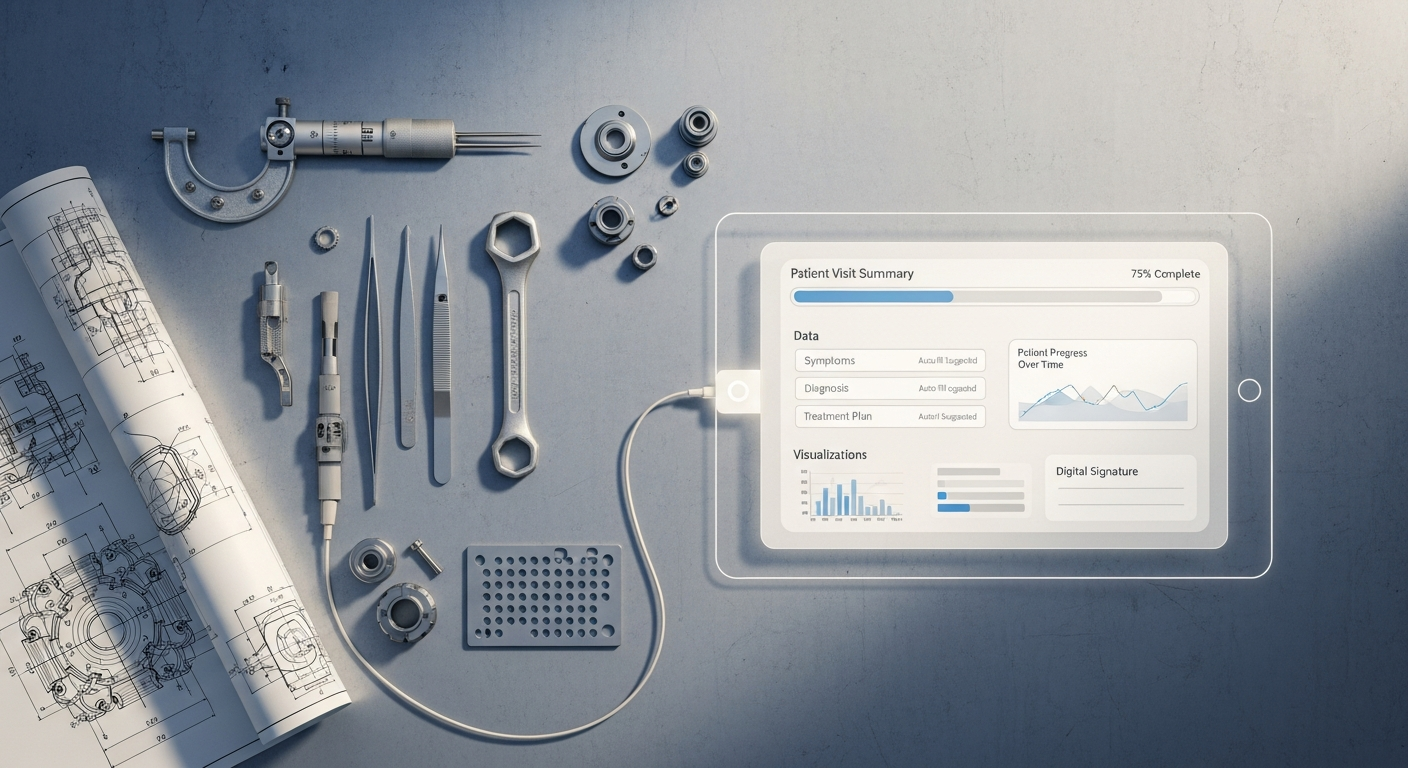
In response to the pervasive challenges of clinical documentation, Artificial Intelligence (AI) scribe solutions have emerged as a transformative technology, representing a significant paradigm shift from conventional methods. An AI scribe is an advanced software system that leverages a combination of Natural Language Processing (NLP), speech-to-text technology, and machine learning algorithms to automate the creation of clinical notes and documentation directly from spoken clinician-patient interactions.
Unlike basic dictation software, which merely transcribes spoken words into text, AI scribes are designed to understand the context, nuances, and clinical relevance of conversations. They can intelligently extract key medical information, identify structured data points, and populate relevant sections within an Electronic Health Record (EHR) system in real-time or near real-time. This involves sophisticated processes such as:
- Speech Recognition: Converting spoken language into text with high accuracy, often distinguishing between multiple speakers (e.g., clinician and patient).
- Natural Language Understanding (NLU): Interpreting the meaning and intent behind the text, understanding medical terminology, symptoms, diagnoses, and treatment plans.
- Medical Entity Recognition: Identifying and extracting specific medical entities like medications, dosages, procedures, and conditions.
- Clinical Note Generation: Structuring the extracted information into a coherent, templated clinical note format that meets regulatory and billing requirements.
- EHR Integration: Seamlessly pushing the generated documentation into the appropriate fields within the existing EHR system.
The core innovation lies in the AI’s ability to “listen” to a clinical encounter, differentiate between casual conversation and clinically relevant dialogue, and then intelligently synthesize this information into a structured, comprehensive, and accurate medical record. This goes far beyond the capabilities of traditional human medical scribes, who, while valuable, introduce their own set of costs, training requirements, and potential for human error or fatigue. AI scribes operate with unwavering consistency and can process information at speeds unmatched by human counterparts.
For manufacturing professionals and engineers, the concept resonates deeply with the principles of automation and intelligent systems design. Just as robotic process automation (RPA) streamlines repetitive tasks on a factory floor, AI scribes automate the repetitive and time-consuming task of documentation, allowing human experts to focus on complex problem-solving and critical decision-making—in this case, patient care. The move towards AI scribes signifies healthcare’s commitment to digital transformation, mirroring the industrial sector’s continuous pursuit of operational excellence through advanced technological solutions.
Core Benefits of AI Scribe Technology for Efficiency and Workflow Optimization
- Significant Time Savings for Clinicians: The most immediate and profound benefit is the drastic reduction in time clinicians spend on documentation. By automating the note-taking process, AI scribes free up physicians, nurses, and other healthcare providers to dedicate more time to direct patient care, counseling, and complex medical decision-making. This shift from “pajama time” (after-hours charting) to patient-facing time improves work-life balance for clinicians and enhances the patient experience.
- Streamlined Clinical Workflows: AI scribes enable real-time documentation during patient encounters. This eliminates the need for clinicians to recall details post-encounter, reducing the potential for omissions or inaccuracies. The immediate availability of structured notes within the EHR streamlines subsequent clinical processes, such as ordering tests, prescribing medications, or making referrals. This contributes to a smoother patient journey and reduces bottlenecks in the care pathway.
- Enhanced Operational Agility and Throughput: With faster documentation cycles, healthcare facilities can potentially increase patient throughput without compromising quality of care. Reduced administrative burdens mean clinics can manage more appointments, optimize resource allocation (e.g., examination room usage), and improve overall operational agility. This is akin to manufacturing plants optimizing production lines to reduce lead times and increase output capacity.
- Reduced Administrative Overhead: Beyond clinician time, AI scribes can reduce the need for manual transcription services or traditional human scribes, leading to significant cost savings. The technology automates tasks that would otherwise require dedicated personnel, allowing organizations to reallocate human resources to higher-value activities.
- Improved Data Accessibility for Decision-Making: Real-time, accurately captured data populating the EHR immediately enhances data accessibility for all authorized personnel. This facilitates quicker decision-making for care teams, supports more informed consultations, and provides a robust dataset for administrative and clinical analytics. This focus on real-time data is critical, much like the digital automation priorities for oil and gas companies, where instantaneous data from sensors and operational systems is crucial for monitoring, control, and preventing costly downtime. The parallel extends to the need for accurate, immediate information to prevent critical errors and optimize performance in high-stakes environments.
- Reduction in Physician Burnout: By alleviating a major source of stress and administrative burden, AI scribe solutions directly contribute to reducing physician burnout. Empowering clinicians to focus on their primary role of healing, rather than clerical tasks, improves job satisfaction and fosters a more sustainable work environment.
The cumulative effect of these benefits is a healthcare system that operates with greater precision, speed, and cost-effectiveness. For manufacturing professionals, this translates to a clear understanding of return on investment through optimized labor, reduced waste (of time and resources), and enhanced product quality – in this case, the quality of clinical documentation and patient care.
Enhancing Accuracy and Data Integrity in Clinical Records
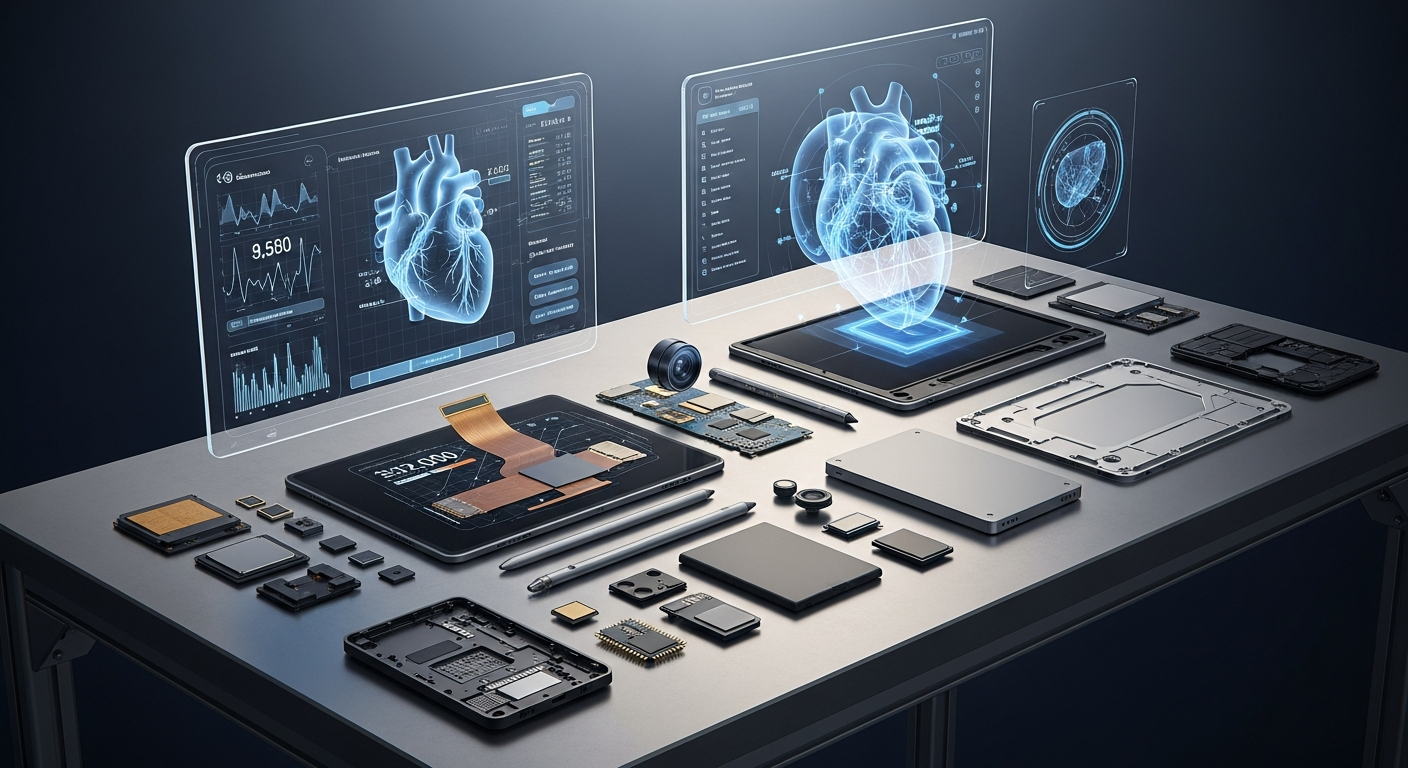
While efficiency gains are a significant driver for AI scribe adoption, the enhancement of accuracy and data integrity in clinical records is arguably an even more critical benefit, underpinning patient safety, quality of care, and financial health. In an industry where precision can literally mean the difference between life and death, the robust capabilities of AI in documentation are transformative.
- Minimizing Human Error: Traditional documentation methods, whether manual note-taking or human transcription, are inherently susceptible to human error. Fatigue, misinterpretation, illegible handwriting, or simple oversight can lead to incorrect diagnoses, inappropriate treatments, or billing discrepancies. AI scribes, once accurately trained and validated, operate with consistent logic and precision, significantly reducing these types of errors. Their ability to parse and process vast amounts of information without bias or fatigue ensures a higher degree of fidelity in documentation.
- Standardization and Completeness of Records: AI scribe solutions can be programmed to adhere strictly to predefined templates and clinical guidelines, ensuring that all necessary data points are consistently captured. This standardization improves the completeness of patient records, making them more reliable for subsequent care, auditing, and research. By prompting for missing information or flagging potential inconsistencies, AI systems can proactively enhance data quality, moving beyond the reactive correction of errors.
- Improved Coding and Billing Accuracy: Accurate and complete clinical documentation is the foundation for correct medical coding and billing. AI scribes, by capturing detailed and precise information during the encounter, can facilitate more accurate coding, reducing claim denials, audits, and revenue leakage. This leads to a healthier revenue cycle for healthcare providers, a critical operational metric for any business, including manufacturing.
- Enhanced Data for Analytics and Research: High-quality, structured data is invaluable for healthcare analytics, population health management, and medical research. AI-generated notes provide a richer, more consistent dataset that can be easily queried and analyzed. This enables healthcare organizations to identify trends, evaluate treatment efficacy, conduct epidemiological studies, and contribute to the broader body of medical knowledge with greater confidence in the underlying data’s integrity.
- Better Compliance with Regulatory Standards: Healthcare is a heavily regulated industry. AI scribes can be configured to ensure documentation meets specific regulatory requirements (e.g., HIPAA for privacy, specific guidelines for medical necessity). This proactive compliance mitigates legal risks and strengthens an organization’s standing in audits.
- Contextual Understanding and Nuance Capture: Advanced AI scribes go beyond simple transcription to understand the clinical context. They can differentiate between a “history of present illness” and a “review of systems,” or recognize the difference between a patient stating a symptom versus a clinician documenting a finding. This contextual intelligence ensures that the documented information accurately reflects the clinical reality of the encounter, capturing critical nuances that might be missed by less sophisticated systems.
For engineers and professionals focused on quality assurance, the value of AI scribes in maintaining data integrity is clear. It mirrors the stringent quality control protocols applied in manufacturing to ensure product reliability and safety. By embedding intelligence at the point of data capture, healthcare can achieve a level of documentation accuracy that was previously unattainable, leading to safer patient care and more robust operational foundations.
AI Scribes in Practice: Integration, Implementation, and Future Outlook
The successful deployment of AI scribe solutions in healthcare environments requires careful consideration of technical integration, strategic implementation, and an understanding of their evolving capabilities. For manufacturing professionals accustomed to complex system integrations, the challenges and opportunities presented by AI scribes are readily apparent.
Integration with Existing EHR Systems: One of the primary technical challenges is seamless integration with diverse and often proprietary Electronic Health Record (EHR) systems. AI scribe platforms typically employ APIs (Application Programming Interfaces) or direct data exchange protocols to ensure that the generated clinical notes are accurately and securely transferred into the correct fields within the EHR. This requires robust data mapping, validation protocols, and often, collaborative development with EHR vendors to ensure interoperability. The goal is a frictionless experience for clinicians, where the AI scribe functions as an invisible assistant, populating the EHR without requiring manual copy-pasting or re-entry.
Data Security and Privacy: Given the sensitive nature of Protected Health Information (PHI), data security and patient privacy are paramount. AI scribe solutions must be designed and operated in strict compliance with regulations like HIPAA in the United States or GDPR in Europe. This involves robust encryption for data in transit and at rest, secure cloud infrastructure, stringent access controls, and regular security audits. Healthcare organizations must ensure their chosen AI scribe vendor demonstrates a strong commitment to data protection and has verifiable security certifications.
Training, Adoption, and Change Management: Technology adoption in healthcare often faces resistance, and AI scribes are no exception. Successful implementation requires comprehensive training for clinicians and support staff, demonstrating the system’s benefits and addressing concerns about job displacement or technological complexity. Effective change management strategies, including pilot programs, champion users, and ongoing support, are crucial to fostering widespread adoption and maximizing the return on investment. The system must be intuitive and genuinely reduce burden to gain user acceptance.
Scalability and Customization: Healthcare organizations vary significantly in size, specialty, and workflow. AI scribe solutions must be scalable to meet the needs of a small clinic or a large multi-hospital system. Furthermore, customization options are often necessary to adapt to specific clinical templates, departmental workflows, or unique documentation requirements. The underlying AI models may need continuous training with organizational-specific data to optimize performance and accuracy for particular specialties or physician preferences.
Future Outlook for 2026 and Beyond: Looking towards 2026, AI scribe technology is poised for further evolution. We anticipate:
- Enhanced Predictive Capabilities: AI will move beyond documentation to offer real-time clinical decision support, suggesting differential diagnoses, flagging potential drug interactions, or recommending next steps based on the documented encounter and patient history.
- Multimodal AI: Integration of AI scribes with other data streams, such as medical imaging, lab results, and genomic data, to create a more holistic and intelligent patient record.
- Ambient AI: The development of truly ambient AI systems that can seamlessly capture and document an entire clinical encounter without explicit voice commands, fading into the background of the clinical environment.
- Personalized Medicine Support: AI scribes will play a crucial role in collecting and structuring the vast data required for personalized medicine initiatives, identifying patterns that lead to tailored treatment plans.
The journey from concept to widespread adoption for AI scribes mirrors the careful planning and execution seen in addressing the 4 most common maintenance issues for houses of worship. Just as understanding common points of failure allows for proactive solutions and preventative maintenance, identifying common pain points in clinical documentation and deploying targeted technological solutions like AI scribes is a strategic approach to maintaining the health and efficiency of a critical operational system – in this case, healthcare itself.
Beyond Clinical Documentation: The Broader Implications for Healthcare Infrastructure and Innovation
The impact of AI scribe solutions extends far beyond the immediate benefits of efficient and accurate clinical documentation. These intelligent systems are foundational components for a broader digital transformation within healthcare, catalyzing innovation across the entire infrastructure. For a company like Mitsubishi Manufacturing, which understands the systemic effects of technological advancement, the ripple effects of AI in healthcare are profound.
- Enabling a Digitally Transformed Healthcare Ecosystem: By creating richer, more structured, and more accessible clinical data, AI scribes empower the entire digital healthcare ecosystem. This includes advancements in telemedicine, where accurate real-time documentation is crucial for remote patient monitoring and virtual consultations. It also supports interoperability initiatives, allowing different healthcare systems to exchange data more seamlessly, ultimately improving care coordination and reducing redundant tests.
- Accelerating Research and Development: The availability of high-quality, standardized clinical data at scale is a goldmine for medical research and pharmaceutical development. AI scribes contribute to cleaner, more comprehensive datasets that can be leveraged for identifying disease patterns, understanding treatment efficacy, developing new drugs, and conducting clinical trials with greater efficiency and accuracy. This accelerates the pace of medical innovation, bringing new therapies and interventions to patients faster.
- Empowering Healthcare Professionals for Innovation: By freeing clinicians from the clerical burden, AI scribes allow them to dedicate more cognitive energy to complex clinical reasoning, research, and innovation. Physicians can spend more time on continuous learning, participating in quality improvement initiatives, and exploring new care models. This human-centric approach to automation fosters an environment where healthcare professionals are empowered to be innovators rather than data entry clerks.
- Driving Value-Based Care Models: The shift towards value-based care, where providers are reimbursed based on patient outcomes rather than volume of services, necessitates robust data collection and analysis. AI scribes provide the detailed, accurate documentation required to demonstrate quality metrics, track patient progress, and justify care decisions, thereby supporting the financial viability and clinical success of value-based care initiatives.
- Improving Public Health Surveillance: In an increasingly interconnected world, robust public health surveillance is vital. AI scribes, by generating structured data from millions of patient encounters, can contribute to early detection of disease outbreaks, monitoring of chronic conditions, and evaluation of public health interventions at a population level. This capability is critical for proactive health management and emergency preparedness.
- Foundation for Future AI Applications: The data generated and structured by AI scribes serves as ideal training data for more advanced AI applications in healthcare, such as diagnostic AI, predictive analytics for disease progression, and personalized treatment recommendations. They are not merely an endpoint but a stepping stone towards an even more intelligent healthcare future, much like how foundational automation in a factory enables subsequent layers of advanced robotics and smart manufacturing.
The integration of AI scribes into healthcare infrastructure is a testament to the industry’s commitment to continuous improvement and technological leadership. It reflects a broader trend seen across critical industries to optimize foundational processes through intelligent automation, ensuring that human expertise is directed towards higher-level, strategic challenges.
The Strategic Advantage: AI Scribes as a Driver for Innovation and Brand Growth
For any organization, whether a healthcare provider, a technology vendor, or a manufacturing giant like Mitsubishi, strategic investment in cutting-edge technology is a powerful driver for innovation and brand growth. Adopting AI scribe solutions positions healthcare organizations not just as adopters of technology, but as leaders in patient care, operational efficiency, and forward-thinking innovation. This directly correlates with the principles of how to grow a manufacturing brand: by demonstrating leadership, quality, and a commitment to progress.
- Enhancing Brand Reputation and Patient Trust: Healthcare providers who embrace AI scribe technology signal a commitment to optimizing patient experience, reducing wait times, and ensuring accurate medical records. This translates into a stronger brand reputation, attracting more patients who value efficiency, precision, and a modern approach to healthcare. Patients are increasingly discerning, and a seamless, technology-supported experience can be a significant differentiator.
- Attracting and Retaining Top Medical Talent: In a competitive landscape for medical professionals, offering state-of-the-art tools that alleviate administrative burden is a powerful recruitment and retention strategy. Clinicians are more likely to choose and stay with organizations that empower them with advanced technology, allowing them to focus on clinical work rather than clerical tasks. This creates a positive employer brand, crucial for sustained growth and excellence.
- Demonstrating Industry Leadership and Innovation: Being an early and effective adopter of AI scribe solutions establishes an organization as an industry leader. It showcases a willingness to invest in innovation, improve operational excellence, and embrace the future of healthcare. This leadership position can open doors to partnerships, research collaborations, and attract further investment, much like a manufacturing brand gains market share by continually innovating its product lines and production processes.
- Operational Excellence as a Brand Pillar: The efficiency gains, cost reductions, and accuracy improvements delivered by AI scribes contribute directly to operational excellence. When these operational strengths become part of the organization’s core identity, they reinforce a brand message of reliability, quality, and superior service. For Mitsubishi Manufacturing, our brand is built on engineering precision and operational efficiency; healthcare organizations can similarly build their brand on clinical precision and operational fluidity.
- Competitive Differentiation: As AI scribe technology becomes more widespread, early adopters gain a significant competitive advantage. They will have optimized their workflows, trained their staff, and integrated the technology seamlessly, positioning them ahead of competitors still grappling with traditional documentation challenges. This differentiation is critical in a competitive market.
- Driving a Culture of Continuous Improvement: Implementing AI scribes is not a one-time event; it fosters a culture of continuous improvement. The data and insights gained from AI-driven documentation can be used to further refine workflows, identify areas for improvement, and drive ongoing innovation in patient care delivery. This iterative approach to excellence is a hallmark of strong, growing brands in any sector.
In essence, AI scribe solutions are more than just a tool for documentation; they are a strategic asset that can redefine a healthcare organization’s operational capabilities, enhance its market standing, and solidify its brand as a leader in delivering high-quality, efficient, and innovative patient care. This mirrors the strategic investments Mitsubishi Manufacturing makes in advanced robotics and smart factory technologies to continuously enhance our brand’s reputation for engineering excellence and industrial leadership.
FAQ: The Future of Clinical Documentation with AI Scribe Solutions
What exactly is an AI scribe?
An AI scribe is an advanced software system that uses Artificial Intelligence, specifically Natural Language Processing (NLP) and speech-to-text technology, to listen to clinician-patient conversations during medical encounters. It then intelligently extracts relevant medical information and automatically generates structured clinical notes, populating the Electronic Health Record (EHR) in real-time or near real-time, thereby automating the documentation process.
How do AI scribes ensure data security and patient privacy?
AI scribe solutions are built with robust security measures to protect sensitive Protected Health Information (PHI). These typically include end-to-end encryption for data both in transit and at rest, secure cloud infrastructure, stringent access controls, anonymization techniques, and strict adherence to regulatory compliance standards such as HIPAA in the United States or GDPR in Europe. Vendors typically undergo rigorous security audits to ensure data integrity and confidentiality.
What is the typical ROI for implementing AI scribe solutions?
The Return on Investment (ROI) for AI scribe solutions can be substantial, though it varies by organization. Key drivers of ROI include significant time savings for clinicians (allowing more patient throughput or reduced overtime), reduced administrative overhead (less reliance on human scribes or transcription services), improved coding and billing accuracy (fewer claim denials), and reduced physician burnout (leading to higher retention and lower recruitment costs). Many organizations report seeing positive ROI within 12-24 months of full implementation.
How does AI scribe technology integrate with existing EHR systems?
AI scribe technology integrates with existing EHR systems primarily through Application Programming Interfaces (APIs) or direct data exchange protocols. These integrations allow the AI-generated clinical notes and data points to be seamlessly and securely transferred into the appropriate fields within the EHR. The goal is to make the process as frictionless as possible for clinicians, ensuring compatibility and data fidelity without requiring significant changes to the existing EHR infrastructure.
Will AI scribes replace human medical scribes?
While AI scribes automate many of the tasks traditionally performed by human medical scribes, the future is more likely to involve a synergistic relationship rather than complete replacement. AI scribes excel at data capture and structuring, while human scribes can provide additional support in complex scenarios, patient education, or administrative tasks not directly related to documentation. Many organizations may choose a hybrid model, leveraging AI for efficiency and deploying human scribes strategically where their unique interpersonal skills are most valuable.
What are the primary technical requirements for deploying AI scribe solutions?
Deploying AI scribe solutions typically requires a stable internet connection, compatible microphones or ambient audio capture devices in examination rooms, and a modern computing infrastructure that can support the AI software (often cloud-based). Compatibility with existing EHR systems is crucial, requiring robust integration capabilities. Additionally, a commitment to ongoing data security protocols, network bandwidth, and IT support for system maintenance and updates are essential technical considerations.
Recommended Resources
You might also enjoy Reproductive Healthcare Access Guide from Protect Families Protect Choices.
You might also enjoy Side Hustle Ideas For 2026 from Diaal News.