The Foundation of Modern Vehicle Assembly: Planning and Design
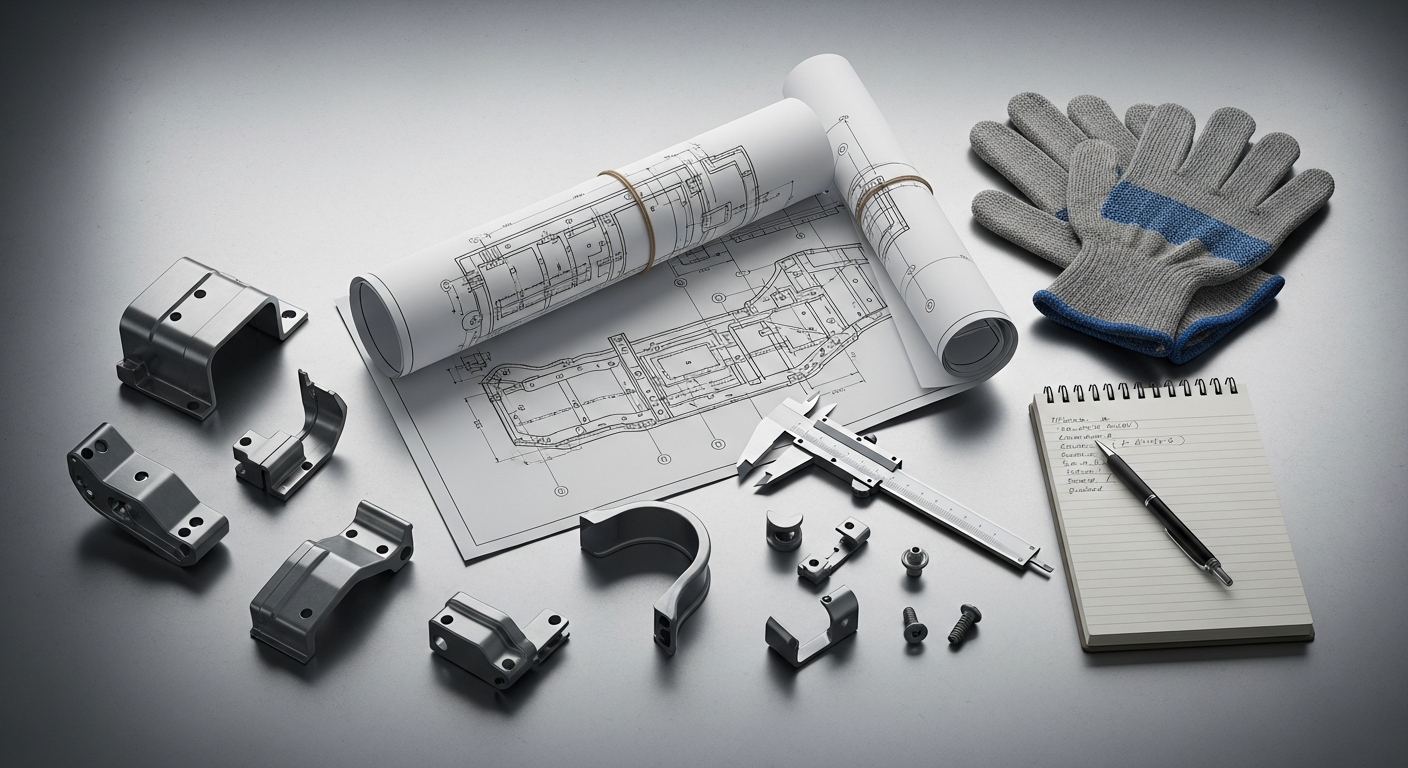
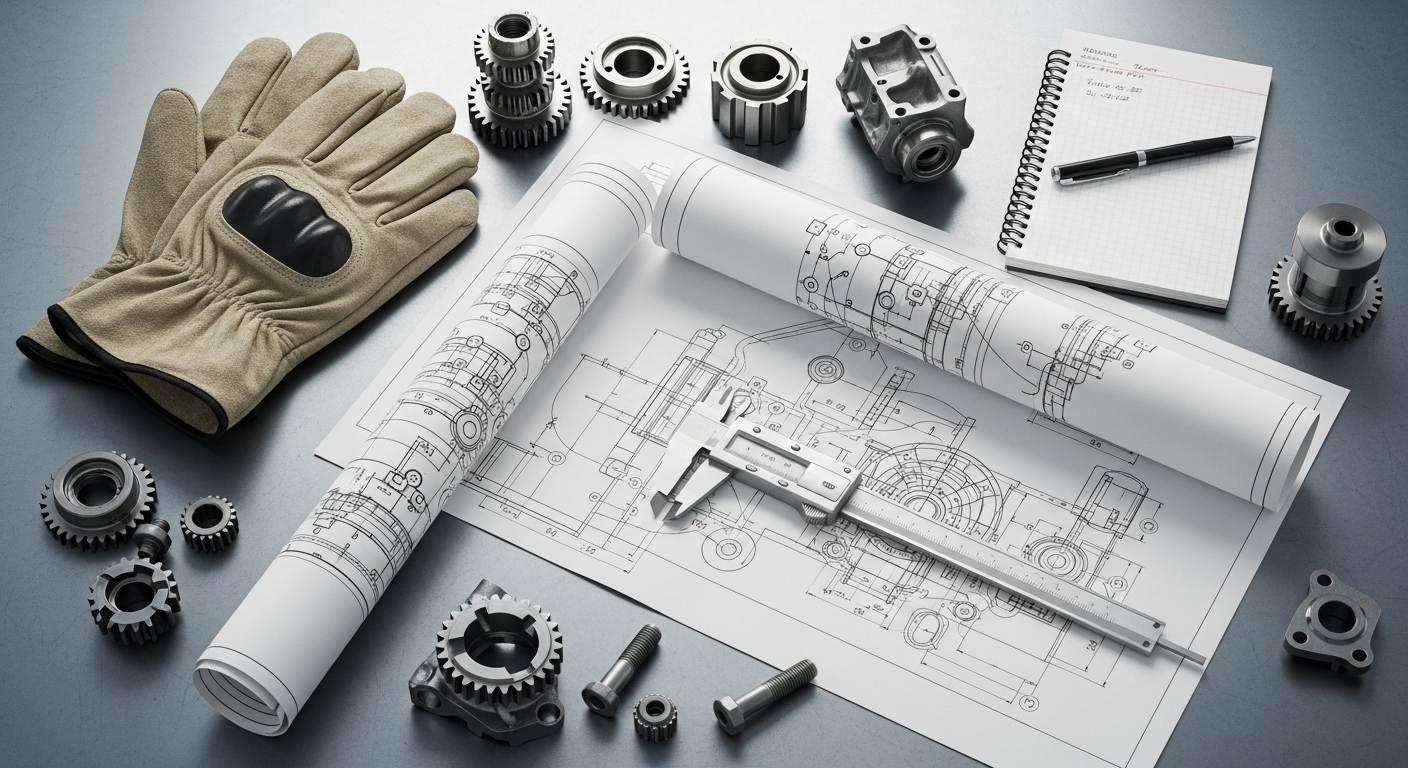
The journey of a vehicle long precedes the first weld or bolt. It begins with meticulous planning and design, a phase where visionary concepts are translated into tangible engineering blueprints. This initial stage is paramount, laying the groundwork for every subsequent operation in the assembly plant. Our engineers and designers work collaboratively, leveraging advanced computer-aided design (CAD) and computer-aided manufacturing (CAM) software to create detailed models and simulations of every component and sub-assembly.
During this critical phase, several key considerations are addressed:
- Ergonomics and Manufacturability: Designs are not only evaluated for aesthetics and performance but also for ease of assembly. Components must be designed in a way that allows for efficient handling, installation, and inspection by both human operators and robotic systems.
- Material Selection: The choice of materials significantly impacts vehicle performance, weight, cost, and environmental footprint. Advanced materials like high-strength steel, aluminum alloys, and composites are carefully selected to optimize structural integrity and fuel efficiency.
- Process Flow Optimization: Before any physical assembly begins, the entire production process is simulated. This includes evaluating the layout of the assembly line, the sequencing of operations, and the optimal placement of equipment and workstations. This foresight is crucial for implementing Lean Manufacturing Principles Explained from the outset, aiming to eliminate bottlenecks and ensure a smooth, continuous flow of production.
- Safety and Regulatory Compliance: Every design must adhere to stringent international safety standards and regulatory requirements. This involves extensive simulation and analysis to predict crashworthiness, pedestrian safety, and emissions performance.
A cornerstone of this design process is the application of Finite Element Analysis (FEA) Explained. FEA is a powerful computational tool that allows engineers to predict how a product reacts to real-world forces, heat, vibration, and other physical effects. By breaking down a complex structure into thousands of small, simple elements, FEA can simulate stress distribution, deformation, and potential failure points under various conditions. For instance, in designing a vehicle chassis, FEA helps optimize its rigidity and strength while minimizing weight, crucial for both performance and fuel economy. It’s also extensively used to simulate crash scenarios, enabling virtual testing and refinement long before physical prototypes are built, significantly reducing development time and costs.
From Raw Material to Rolling Chassis: The Body Shop
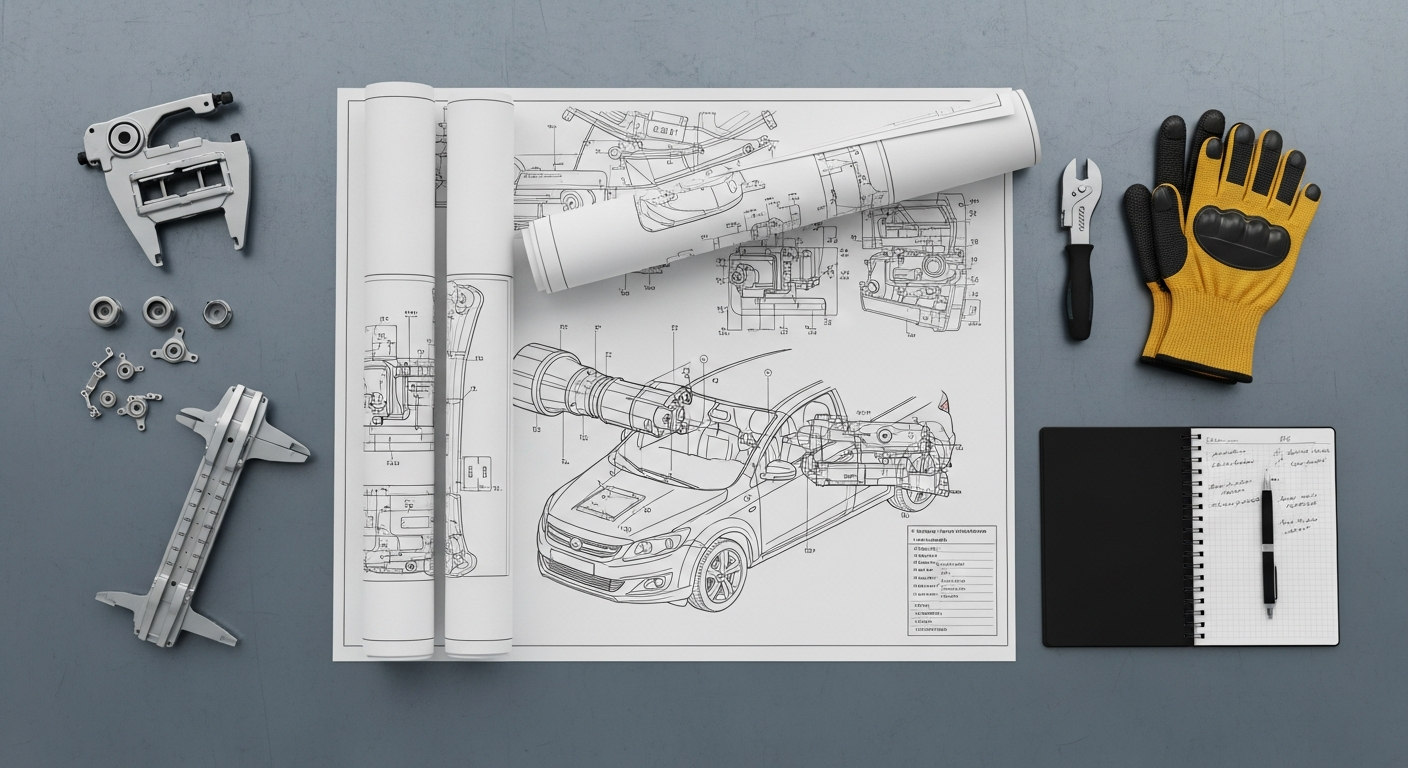
Once designs are finalized and materials procured, the vehicle assembly process truly kicks off in the body shop, often considered the heart of the manufacturing plant. Here, individual stamped metal panels are meticulously joined to form the vehicle’s unibody structure, also known as the Body-in-White (BiW).
The body shop is characterized by a high degree of automation and precision:
- Stamping: Large presses form flat sheets of metal into specific body parts like fenders, doors, and roof panels. The precision of these stamps is vital, as any imperfection can lead to alignment issues down the line.
- Welding: Robotic welding arms are the stars of the body shop. They perform thousands of spot welds, arc welds, and laser welds with incredible accuracy and speed, ensuring the structural integrity and rigidity of the vehicle. The quality of each weld is critical for both safety and durability.
- Adhesive Bonding: In addition to welding, advanced structural adhesives are increasingly used to join body components. These adhesives enhance stiffness, improve crash performance, and reduce noise, vibration, and harshness (NVH).
- Dimensional Accuracy: Throughout the body shop, sophisticated measurement systems, including laser scanners and coordinate measuring machines (CMMs), continuously monitor the dimensional accuracy of the BiW. Even minute deviations are detected and corrected to ensure consistent panel gaps and proper fitment of subsequent components.
This stage is a prime example of where Lean Manufacturing Principles Explained are rigorously applied. Strategies like Just-in-Time (JIT) delivery ensure that components arrive at the workstation precisely when needed, minimizing inventory holding costs and reducing the risk of obsolescence. Furthermore, Manufacturing Waste Reduction Strategies are paramount. Overproduction of panels, excessive movement of materials, waiting times between operations, and defects from imprecise welds are all targeted for elimination. For instance, sensors on welding robots constantly monitor weld quality, preventing defects (Muda – waste) before they occur, thereby avoiding rework and associated material and labor waste.
The structural integrity ensured in the body shop is further validated through targeted FEA simulations. While FEA guided the initial design, it is also used to analyze the assembled BiW under simulated loads, confirming that the manufacturing process has delivered a structure that meets the rigorous performance and safety criteria, including crashworthiness for projected models in 2026.
Precision and Performance: The Paint Shop
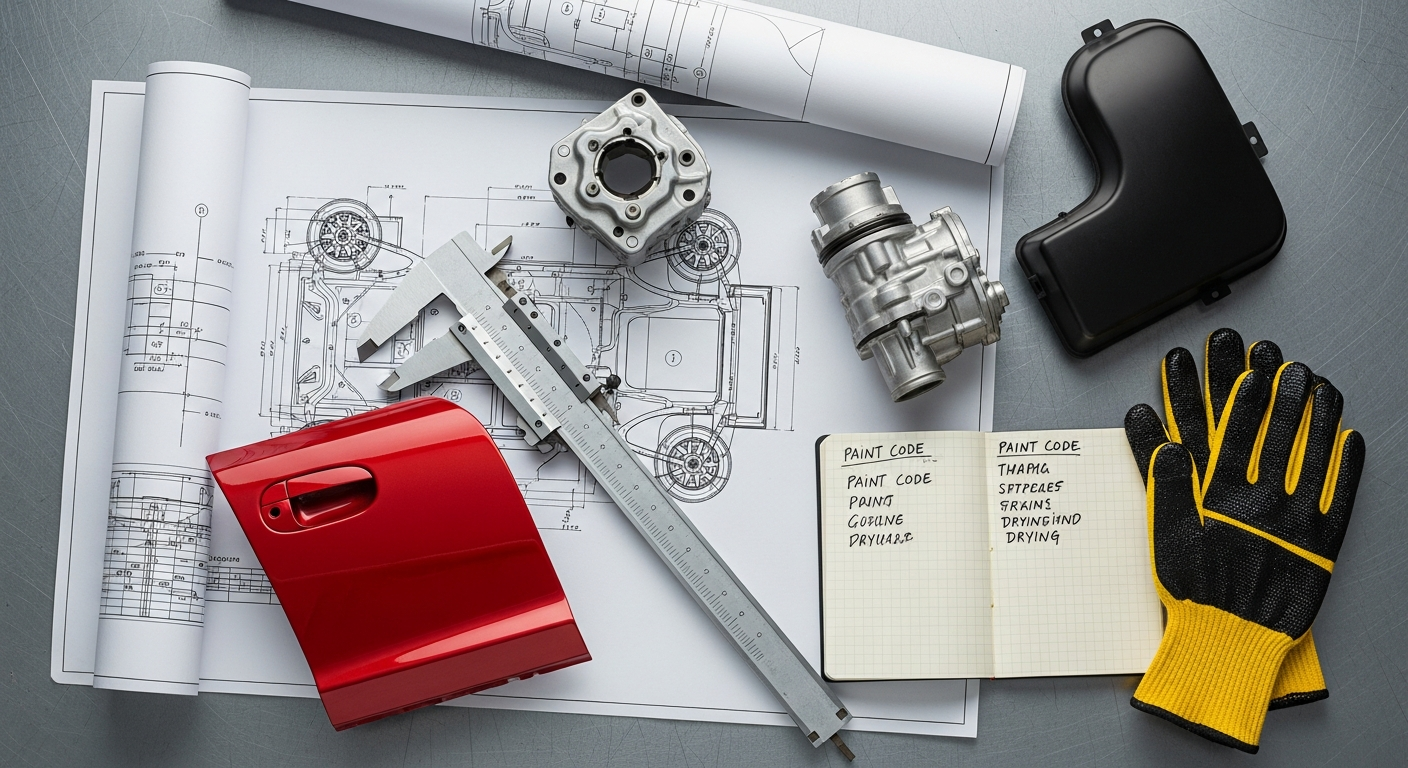
The painting process involves multiple layers, each serving a specific function:
- Pre-treatment: The BiW undergoes a series of cleaning baths to remove any oils, dirt, or residues from the manufacturing process. It’s then treated with chemicals to enhance paint adhesion and provide initial corrosion protection.
- Electrocoating (E-Coat): The entire body is submerged in an electrically charged bath of primer paint. This process ensures that every nook and cranny, even interior surfaces, receives a uniform layer of corrosion-resistant primer. This is a critical step for the vehicle’s long-term durability.
- Sealing: Robotic systems apply sealants to internal seams and joints to prevent water ingress and reduce NVH. This attention to detail is vital for the overall quality and comfort of the vehicle.
- Primer Coat: A primer surfacer is applied to smooth out any minor imperfections and provide a uniform base for the topcoat. This layer contributes significantly to the final finish quality.
- Basecoat: This is the color layer, applied with extreme precision by robotic sprayers to ensure an even, consistent finish. Multiple coats may be applied depending on the desired color depth and effect.
- Clearcoat: The final layer is a transparent clearcoat that provides a glossy finish, protects the basecoat from UV radiation and scratches, and enhances the vehicle’s overall durability and appearance.
The paint shop is a highly energy-intensive area, making Manufacturing Waste Reduction Strategies particularly important. Efforts focus on optimizing paint usage, minimizing overspray, and recovering solvents. Advanced robotic systems are programmed for precise application, reducing material waste and ensuring consistent quality. The entire process is meticulously controlled for temperature, humidity, and airborne particles to prevent defects like dust inclusions or uneven finishes. Mitsubishi continually invests in advanced paint technologies that are more environmentally friendly, reducing volatile organic compound (VOC) emissions and water consumption, aligning with our sustainability goals for 2026 and beyond.
Bringing it All Together: The Trim and Final Assembly Shop
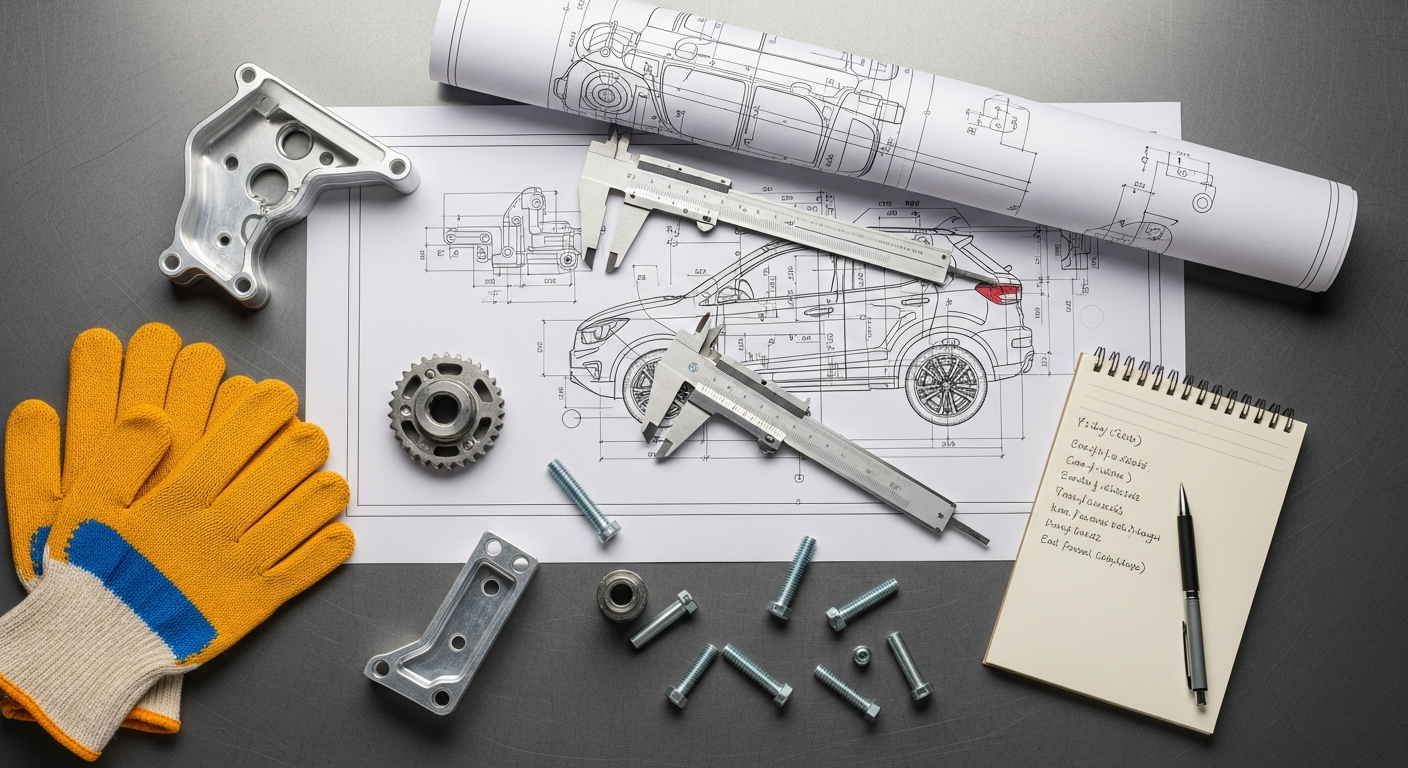
The painted body, now shimmering with its chosen color, moves to the trim and final assembly shop. This is where the vehicle truly comes alive, as thousands of individual components are systematically integrated into the body. This stage is often the most labor-intensive but increasingly incorporates advanced automation for complex or repetitive tasks.
The trim and final assembly process is broken down into several distinct zones:
- Interior Trim: Wiring harnesses, dashboards, carpets, headliners, and seating are installed. This requires immense precision to ensure all electrical systems function correctly and interior components fit perfectly without gaps or squeaks.
- Chassis Marriage: The engine, transmission, suspension, brakes, and exhaust system, often pre-assembled as modular units, are carefully “married” to the vehicle body. This is a critical point where heavy components are lifted and aligned with millimeter accuracy.
- Exterior Trim: Doors, hoods, trunks, lights, bumpers, and exterior mirrors are fitted. This stage involves careful alignment to ensure consistent panel gaps and smooth operation of moving parts.
- Fluids and Wheels: Essential fluids such as engine oil, coolant, brake fluid, and windshield washer fluid are added. The tires and wheels are then mounted and torqued to specifications.
Lean Manufacturing Principles Explained are deeply embedded in the trim and final assembly process. The concept of “pull systems” ensures that parts are only delivered to the line when they are needed, preventing inventory buildup and reducing waste. Workstations are designed for optimal ergonomics and efficiency, minimizing unnecessary motion (another form of Muda – waste) and maximizing productivity. Kaizen events, focused on continuous improvement, are regularly conducted to identify and eliminate even the smallest inefficiencies or sources of waste, from optimizing tool placement to refining assembly sequences.
Manufacturing Waste Reduction Strategies here focus on preventing defects through robust error-proofing (Poka-Yoke) systems, reducing waiting times between operations, and optimizing transportation of components. For example, automated guided vehicles (AGVs) often deliver parts directly to the line, reducing the need for forklifts and improving material flow. The complexity of managing thousands of unique parts for different vehicle configurations necessitates sophisticated logistics and inventory management systems to avoid errors and ensure the right part is always available at the right time for models arriving in 2026.
Quality Assurance and Continuous Improvement: The Driving Force
Throughout every stage of vehicle assembly, quality assurance is not merely a final check but an ongoing, integrated process. It is the unwavering commitment to delivering excellence that defines Mitsubishi Manufacturing.
Key aspects of quality assurance include:
- In-Process Inspections: Quality checks are performed at every workstation, with operators often responsible for the quality of their own work. This empowers individuals and catches potential issues early, preventing them from propagating down the line.
- Automated Vision Systems: Cameras and sensors are used extensively to inspect component placement, weld quality, paint finish, and panel gaps with incredible speed and accuracy, surpassing the capabilities of the human eye.
- Functional Testing: Once assembled, vehicles undergo a battery of functional tests. This includes checking all electrical systems, lights, infotainment, air conditioning, and safety features. Brake performance, steering alignment, and suspension settings are also verified.
- Road Testing: A significant percentage of vehicles undergo actual road tests on proving grounds to identify any rattles, squeaks, or performance anomalies that might not be detected in a static environment.
- Audit and Customer Feedback: Regular audits of finished vehicles against stringent quality standards are conducted. Furthermore, customer feedback is continuously monitored and analyzed to drive further improvements in design and manufacturing processes.
The principles of Lean Manufacturing Explained are intrinsically linked to quality. By focusing on eliminating waste, reducing variation, and empowering front-line workers, Lean methodologies inherently lead to higher quality outputs. Defect prevention is prioritized over defect detection, embodying the principle of “build quality in” rather than “inspect quality in.”
Finite Element Analysis Explained also plays a role in ongoing quality and improvement. When a particular design or material choice is questioned due to field performance, FEA can be re-applied to analyze the specific failure mode, helping engineers understand the root cause and develop more robust solutions for future production cycles, ensuring continuous improvement for all models, including those planned for release in 2026.
Manufacturing Waste Reduction Strategies here extend to minimizing rework, reducing scrap materials from rejected parts, and optimizing resource consumption during testing. The goal is a “first-time-right” approach, where every vehicle meets specifications without the need for costly and time-consuming corrections.
Embracing Innovation: The Future of Vehicle Assembly Operations
The automotive industry is in a constant state of evolution, driven by technological advancements, changing consumer demands, and increasing environmental consciousness. Mitsubishi Manufacturing is at the forefront of embracing these innovations to shape the future of vehicle assembly plant operations.
Key trends and innovations shaping the assembly plant of tomorrow include:
- Advanced Robotics and AI: While robots are already prevalent, the next generation will feature more collaborative robots (cobots) that can work safely alongside humans, enhancing flexibility and efficiency. AI-powered vision systems will become even more sophisticated, performing complex inspections and predictive maintenance.
- Digital Twin Technology: Creating a “digital twin” of the entire assembly plant allows for real-time monitoring, simulation of changes, and predictive analytics. This virtual replica enables engineers to optimize processes, identify potential issues, and test new configurations without disrupting physical production.
- Additive Manufacturing (3D Printing): While not yet mainstream for high-volume production of primary components, 3D printing is increasingly used for prototyping, creating custom tooling and fixtures, and producing spare parts on demand, reducing lead times and material waste.
- Sustainable Manufacturing: A growing emphasis on reducing the environmental footprint of manufacturing operations. This includes investing in renewable energy sources for plants, optimizing energy consumption, recycling waste materials, and exploring new low-carbon production processes.
- Modular and Flexible Assembly Lines: As vehicle platforms become more versatile and customization demands grow, assembly lines are designed to be more flexible, capable of producing multiple models and variants on the same line with minimal changeover time.
For Mitsubishi Manufacturing, the future, particularly looking towards 2026, involves deeper integration of these technologies to further enhance efficiency, quality, and sustainability. We are continuously exploring how advanced analytics can optimize our supply chain, how machine learning can predict equipment failures before they occur, and how automation can take on more complex, dexterous tasks, freeing human operators for higher-value activities. Our commitment to innovation is not just about adopting new tools, but about fundamentally reimagining how vehicles are built, always with an eye on delivering superior value to our customers.
Mitsubishi’s Commitment to Operational Excellence
At Mitsubishi Manufacturing, our philosophy is deeply rooted in the pursuit of operational excellence, a journey without a final destination. We understand that world-class vehicle assembly plant operations are not merely about churning out vehicles; they are about a relentless dedication to quality, efficiency, and continuous improvement. Our approach integrates the best practices from global manufacturing principles, tailored and enhanced by our unique engineering prowess and commitment to our customers.
Our commitment manifests in several key areas:
- People-Centric Approach: We believe that our greatest asset is our skilled workforce. We invest heavily in training, skill development, and fostering a culture where every employee is empowered to identify improvements and contribute to problem-solving. This human element is crucial for applying nuanced Lean principles and adapting to dynamic production challenges.
- Technology Integration: We are continually evaluating and integrating the latest manufacturing technologies, from advanced robotics and automation to sophisticated data analytics and AI. This ensures our plants remain at the cutting edge, capable of producing high-quality vehicles efficiently and sustainably. Our investment in FEA, for example, allows us to push design boundaries while ensuring structural integrity and safety.
- Supplier Collaboration: A vehicle is a sum of its parts, and the quality of those parts is paramount. We foster strong, collaborative relationships with our suppliers, working together to ensure consistent quality, timely delivery, and continuous innovation across the entire supply chain.
- Environmental Stewardship: Our responsibility extends beyond the factory gates. We are committed to minimizing our environmental impact through sustainable manufacturing practices, reducing energy consumption, optimizing waste management, and exploring greener technologies for both our vehicles and our production processes, with clear targets set for 2026 and beyond.
- Customer Focus: Ultimately, every decision and every process in our assembly plants is driven by the desire to exceed customer expectations. From the initial design phase to the final quality check, our goal is to deliver vehicles that are safe, reliable, enjoyable to drive, and built to last.
By adhering to these core tenets and continually refining our application of methodologies like Lean Manufacturing Principles Explained and robust Manufacturing Waste Reduction Strategies, Mitsubishi Manufacturing ensures that our vehicle assembly plants are not just production facilities, but dynamic ecosystems of innovation, precision, and unwavering quality. We are building the future of mobility, one meticulously assembled vehicle at a time, ready for the challenges and opportunities of 2026 and the decades to follow.
Frequently Asked Questions
Recommended Resources
Learn more about this topic in Domestic Violence Resources For Families at Protect Families Protect Choices.
For more on vehicle assembly plant, see How To Invest Money For Beginners 2026 on Diaal News.