Plant Floor Communication Boards That Replace Email
The Disconnect: Why Email Fails the Modern Plant Floor
The manufacturing plant floor is an environment defined by motion, sound, and immediate action. In such a setting, the traditional paradigm of email communication presents a multitude of challenges that actively hinder productivity and operational excellence. Firstly, email introduces significant latency. A critical machine alarm, a sudden quality deviation, or an urgent material shortage requires instantaneous awareness and response. An email, however, must be sent, received, opened, and read – a sequence of events that can take minutes or even hours, during which costly downtime accrues, or defects proliferate. This delay is simply unacceptable when every second impacts the bottom line.
Secondly, email lacks visual context, which is paramount in a manufacturing environment. A textual description of a faulty component or a complex process deviation pales in comparison to a visual representation, such as a real-time graph of machine performance, a live camera feed, or a highlighted section on a digital schematic. Operators and engineers often benefit more from seeing data points, trends, and visual alerts than from deciphering paragraphs of text. Without this visual context, misinterpretations are common, leading to incorrect diagnoses and wasted effort. Furthermore, email contributes to information overload. Operators, technicians, and supervisors often receive dozens, if not hundreds, of emails daily, many of which are irrelevant to their immediate tasks. Sifting through this digital deluge to find genuinely critical information is a time-consuming and frustrating exercise, often resulting in important messages being overlooked or ignored.
Accessibility is another major hurdle. Many plant floor personnel, particularly those directly engaged in production, do not have constant access to computers or mobile devices for checking email. Their focus is on the machines, the products, and the processes. Expecting them to regularly check an inbox disrupts their workflow and pulls them away from their primary responsibilities. Moreover, email inherently struggles with auditability and accountability in a real-time operational context. While emails create a digital trail, tracking who saw what, when they saw it, and what action was taken in response to a rapidly evolving plant floor issue is often cumbersome and retrospective, rather than proactive. In contrast, well-designed plant floor communication boards provide a centralized, always-on, and highly visible source of truth. They democratize information, ensuring that critical data, from OEE metrics to safety warnings, is immediately accessible and understood by everyone who needs it, at a glance. This shift from reactive, siloed email communication to proactive, shared visual intelligence is not just an upgrade; it’s a fundamental necessity for achieving true operational agility and efficiency in modern manufacturing.
Beyond Whiteboards: The Evolution of Plant Floor Communication Boards
The concept of a central communication point on the plant floor is not new; traditional whiteboards, bulletin boards, and even simple paper printouts have long served this purpose. However, these static tools, much like email, are severely limited in their ability to meet the demands of a dynamic manufacturing environment. They require manual updates, are prone to human error, quickly become outdated, and lack the capacity to display complex, real-time data. The modern plant floor communication board represents a revolutionary leap from these rudimentary methods, transforming into dynamic, intelligent displays that are central to smart manufacturing operations. These aren’t just large TVs; they are sophisticated data visualization hubs.
Modern plant floor communication boards are typically large-format digital displays, often industrial-grade touchscreens, strategically placed throughout the facility. Their primary function is to consolidate and present real-time operational data in an easily digestible, visual format. This data can originate from a myriad of sources across the manufacturing ecosystem: SCADA systems provide machine status and process parameters, MES (Manufacturing Execution Systems) offer production schedules, work-in-progress, and quality control data, ERP (Enterprise Resource Planning) systems contribute material availability and order information, and a growing network of IoT sensors feed granular data on temperature, vibration, energy consumption, and more. The key is their ability to pull this disparate data together, process it, and present it as unified, actionable intelligence.
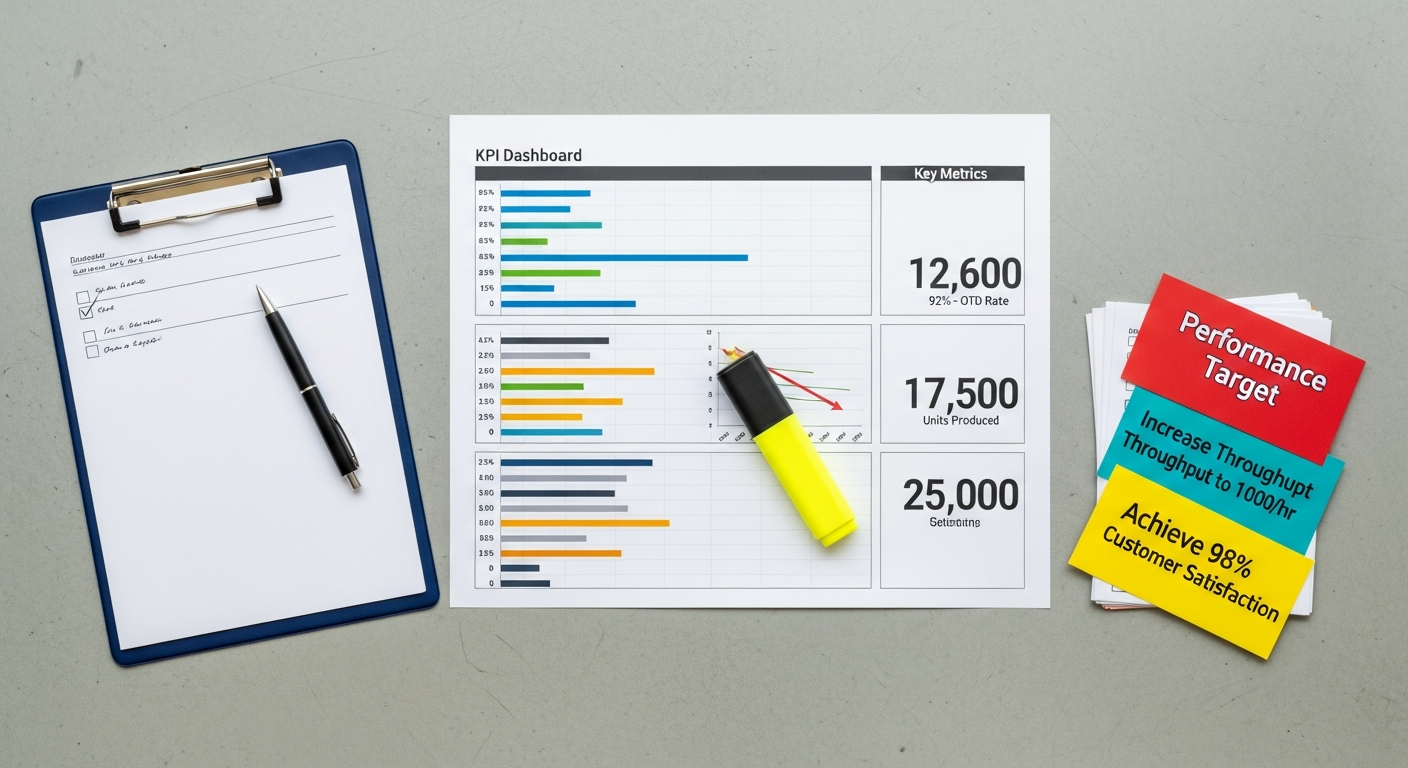
These boards go far beyond simply displaying numbers. They leverage advanced visualization techniques, using intuitive dashboards, color-coding, graphs, charts, and even animations to highlight trends, flag anomalies, and signal urgent issues. For example, an OEE (Overall Equipment Effectiveness) dashboard might show green for target performance, yellow for slight deviations, and flashing red for critical downtime, immediately drawing attention to problems. Production schedules can be displayed with real-time progress bars, maintenance alerts can pop up with associated work order numbers, and safety briefings can cycle through important reminders. Some advanced boards even allow for interactive input, enabling operators to log issues, request materials, or complete checklists directly on the screen, feeding data back into the system. This interactivity reduces reliance on paper forms and verbal reports, streamlining workflows. By providing an always-on, highly visible, and constantly updated source of critical information, these digital plant floor communication boards effectively replace the need for email for operational updates, fostering a culture of transparency, proactive problem-solving, and continuous improvement across all shifts and departments.
Core Technologies Powering Real-Time Visibility
The effectiveness of modern plant floor communication boards hinges on a sophisticated interplay of core technologies that enable seamless data acquisition, processing, and visualization. At the heart of these systems is robust data integration. Manufacturing environments are a patchwork of diverse systems, from legacy PLCs (Programmable Logic Controllers) and SCADA (Supervisory Control and Data Acquisition) systems to newer MES and ERP platforms, alongside a proliferation of IoT sensors. To make sense of this data, communication boards rely on industry-standard protocols and APIs (Application Programming Interfaces). Protocols like OPC UA (Open Platform Communications Unified Architecture) are crucial for secure and reliable data exchange between industrial hardware and software, while MQTT (Message Queuing Telemetry Transport) is widely adopted for lightweight, real-time messaging from IoT devices.
Once data is collected, it needs to be processed and stored, often leveraging cloud connectivity for scalability and accessibility, or edge computing for low-latency local processing. Edge devices, sometimes integrated directly into the display hardware or a nearby industrial PC, can pre-process data, filter out noise, and send only relevant information to the cloud or directly to the display, reducing bandwidth requirements and ensuring faster updates. This hybrid approach offers the best of both worlds: the power of cloud analytics for long-term trends and the immediacy of edge processing for critical, real-time alerts.
The visualization software is another critical component. This software takes raw data and transforms it into intuitive, actionable dashboards. Modern visualization platforms offer drag-and-drop interfaces for creating custom layouts, a rich library of widgets (charts, graphs, gauges, text boxes), and dynamic styling options (color-coding, conditional formatting) to highlight critical information. These platforms often support multiple data sources and allow for role-based access control, ensuring that each display shows the most relevant information for its specific audience, whether it’s production supervisors, maintenance teams, or quality control personnel. Robust industrial-grade hardware is essential for the physical displays themselves. These are not consumer-grade televisions; they are designed to withstand harsh industrial environments, featuring rugged enclosures, wide operating temperature ranges, dust and water resistance (IP ratings), and high brightness for visibility in varying light conditions. Touchscreen capabilities are increasingly common, enabling interactive features like drilling down into data, acknowledging alerts, or submitting feedback directly from the plant floor.
Finally, user interface/experience (UI/UX) design principles are paramount. Even with the most advanced technology, a poorly designed interface will fail to engage users. Information must be clear, concise, and easy to interpret at a glance. Effective UI/UX ensures that operators can quickly grasp the status of operations, identify issues, and understand what actions are required, making these digital plant floor communication boards indispensable tools for enhancing decision-making and operational responsiveness, far surpassing the capabilities of email for real-time plant floor communication.
Strategic Implementation: Designing for Maximum Impact and Adoption
Implementing plant floor communication boards effectively requires more than just installing screens; it demands a strategic approach to design, content, and user engagement. The goal is not merely to display information, but to drive action and foster a culture of transparency and collaboration. The first critical step is location strategy. Boards should be placed in high-traffic areas where operators and supervisors naturally congregate, such as break rooms, common pathways, or at the entrance/exit of specific work cells. For critical processes, dedicated displays might be needed directly at the point of production, providing immediate feedback on machine performance or quality metrics. Visibility is key; screens should be at an appropriate height, free from glare, and large enough for information to be readable from a distance, even by those with less-than-perfect vision.
Content strategy is equally vital. Resist the urge to display everything. Overloading a board with too much information will render it ineffective, turning it into visual noise rather than a source of clarity. Instead, focus on key performance indicators (KPIs) that are most relevant to the immediate audience and directly impact operational goals. This might include OEE (Overall Equipment Effectiveness) metrics, production targets versus actuals, current machine status (running, idle, fault), quality control data, maintenance schedules, safety alerts, and upcoming shift changes. Content should be dynamic, updating in real-time, and utilize strong visual cues like color-coding (e.g., green for good, red for alert), clear charts, and concise text. Consider rotating different dashboards on a timed loop to provide a comprehensive overview without overwhelming the viewer.
User training and engagement are crucial for successful adoption. Plant floor personnel are accustomed to existing communication methods, including email. Introducing a new system requires demonstrating its value and ease of use. Involve operators and team leads in the design process from the outset. Solicit their feedback on what information they need, how they prefer to see it, and where the boards should be located. This co-creation approach fosters ownership and increases the likelihood of enthusiastic adoption. Provide simple, clear training on how to interpret the data and, if applicable, how to interact with the boards (e.g., using touchscreens to log issues). Emphasize how the boards simplify their jobs, reduce guesswork, and enable quicker problem resolution, directly addressing the pain points caused by traditional communication methods like email.
Finally, ensure there’s a clear process for maintaining and managing the content on the boards. Who is responsible for updating templates, adding new KPIs, or troubleshooting technical issues? A dedicated owner ensures the boards remain accurate, relevant, and reliable. Regular reviews of the content and layout, based on user feedback and changing operational needs, will ensure the boards continue to provide maximum impact. By meticulously planning these aspects, manufacturers can transform their plant floor communication boards into indispensable tools that significantly enhance operational awareness and drive continuous improvement, effectively replacing the cumbersome and delayed nature of email for critical floor-level communication.
Quantifying the Gains: Measuring ROI and Operational Excellence
Implementing advanced plant floor communication boards is an investment, and like any investment in manufacturing technology, its value must be quantifiable. While the immediate benefits of reduced email traffic and improved visibility are apparent, measuring the true return on investment (ROI) requires tracking specific Key Performance Indicators (KPIs) that directly link to operational excellence. The primary goal is to shift from anecdotal evidence to concrete data demonstrating improved efficiency, cost savings, and enhanced productivity. One of the most significant areas for improvement is downtime. By providing real-time alerts and clear visual indicators of machine status, these boards enable faster identification and resolution of issues. KPIs to track include Mean Time To Repair (MTTR) and Mean Time Between Failures (MTBF). A reduction in MTTR, directly attributable to quicker communication and problem diagnosis facilitated by the boards, translates directly into increased production time and revenue.
Overall Equipment Effectiveness (OEE) is a holistic metric that directly benefits from improved communication. OEE combines availability, performance, and quality. Plant floor communication boards impact all three: by reducing downtime (availability), highlighting bottlenecks (performance), and displaying quality control data (quality). Tracking OEE before and after implementation provides a clear picture of the boards’ contribution to maximizing asset utilization. Similarly, tracking first-pass yield and scrap/rework rates can demonstrate improvements in quality. When operators and quality control personnel have immediate access to real-time quality data and visual alerts, they can identify and correct issues much faster, preventing the production of large batches of defective products.
Beyond direct production metrics, consider the impact on operational agility and responsiveness. Track the time it takes for a maintenance request to be initiated, assigned, and completed. Observe how quickly new production orders are acknowledged and started. The streamlined, visual nature of modern plant floor communication boards inherently accelerates these processes compared to the delays often associated with email or verbal communication. Employee engagement and safety are also critical, albeit sometimes harder to quantify. Reduced frustration from information overload, clearer instructions, and immediate access to safety protocols can lead to fewer incidents and a more engaged workforce. Surveys or feedback mechanisms can help gauge improvements in team morale and communication effectiveness.
Calculating the ROI involves comparing the cost of implementation (hardware, software, installation, training) against the monetary value of these improvements. For example, if a 5% increase in OEE translates to X amount of additional product output, and a 10% reduction in MTTR saves Y amount in labor and lost production, these figures can quickly justify the investment. By systematically tracking these KPIs, manufacturers can clearly demonstrate how plant floor communication boards are not just a technological upgrade, but a strategic asset that drives significant operational gains, moving far beyond the limitations of email to foster a truly data-driven and efficient manufacturing environment.
Seamless Integration: Communication Boards in the Smart Factory Ecosystem
In the era of Industry 4.0 and the Smart Factory, no technology operates in isolation. Plant floor communication boards are not standalone displays; they are integral components of a larger, interconnected ecosystem, acting as the visual front-end that democratizes real-time data across various operational layers. Their true power is unlocked through seamless integration with existing manufacturing IT and OT (Operational Technology) systems. This integration transforms them from simple display screens into dynamic dashboards that reflect the entire operational pulse of the factory, far surpassing the fragmented information exchange offered by email.
A primary integration point is with Manufacturing Execution Systems (MES). MES platforms manage and monitor work-in-progress, production orders, resource allocation, and quality control. Communication boards can pull data directly from the MES to display current production status against targets, identify bottlenecks, show real-time OEE metrics for specific lines or machines, and provide visual alerts for quality deviations. For example, an MES could push an alert about a batch failing a quality check, which immediately appears on the relevant board, prompting operators to investigate without needing to check an email inbox or a separate system.
Integration with Enterprise Resource Planning (ERP) systems, while typically higher-level, is also crucial. ERPs manage supply chain, inventory, and order fulfillment. Communication boards can display critical ERP data such as upcoming production orders, material availability (e.g., showing a low stock warning for a key component needed for the next shift), or shipping deadlines. This allows plant floor personnel to anticipate needs and potential issues, ensuring a smoother flow from order to delivery. Similarly, integration with Computerized Maintenance Management Systems (CMMS) or Enterprise Asset Management (EAM) systems enables the boards to display pending maintenance tasks, equipment health metrics, and even historical repair data. When a machine enters a fault state, a maintenance work order can be automatically generated in the CMMS, and its status tracked on the communication board, providing transparency to all relevant teams.
Furthermore, direct integration with SCADA (Supervisory Control and Data Acquisition) and PLC (Programmable Logic Controller) systems provides the most granular, real-time machine-level data. This allows boards to display live sensor readings (temperature, pressure, vibration), machine cycle times, energy consumption, and alarm statuses directly from the equipment. This immediate visibility empowers operators to react instantly to anomalies, potentially preventing minor issues from escalating into major breakdowns. The power of these integrated plant floor communication boards lies in their ability to act as a unified visual layer, pulling relevant information from disparate sources and presenting it in a consolidated, easy-to-understand format. This holistic view fosters better cross-departmental collaboration, supports data-driven decision-making, and accelerates problem-solving, creating a truly responsive and intelligent manufacturing environment that leaves the limitations of email-based communication far behind.
Comparison of Plant Floor Communication Methods
| Communication Method | Primary Function | Real-time Capability | Visual Impact | Data Integration | Pros | Cons | Ideal Application |
|---|---|---|---|---|---|---|---|
| Asynchronous information exchange, formal documentation | Low (delayed) | Low (text-based) | Limited (attachments) | Formal record, wide reach for non-urgent info | Slow, easily overlooked, lacks visual context, creates silos | Administrative communication, non-urgent reports, long-term project updates | |
| Physical Whiteboards/Bulletin Boards | Local, informal information sharing, task tracking | Manual (static) | Medium (handwritten, simple visuals) | None | Low cost, easy to set up, highly visible locally | Manual updates, error-prone, quickly outdated, limited space, not scalable | Small teams, temporary project tracking, basic safety notices |
| Basic Digital Displays (e.g., TV with static content) | Digital information display, announcements | Manual/Scheduled (not truly real-time) | Medium (digital images, videos) | Limited (USB, network share) | Better aesthetics than whiteboards, can show videos | Requires manual content updates, not interactive, no real-time data pull | Company announcements, general safety videos, static shift schedules |
| Advanced Digital Plant Floor Communication Boards | Real-time operational visibility, interactive data dashboards | High (instant updates) | High (dynamic charts, graphs, alerts) | High (MES, ERP, SCADA, IoT via APIs/protocols) | Real-time insights, highly visual, interactive, reduces downtime, fosters collaboration | Higher initial investment, requires IT/OT integration expertise | Critical operational monitoring, OEE tracking, maintenance alerts, quality control, entire plant floor |
| Integrated MES/SCADA HMIs | Direct machine control, process monitoring, data entry | High (instant) | High (specific to machine/process) | High (direct to PLC/SCADA/MES) | Direct control, highly detailed, operator-specific data | Limited scope (machine-specific), not designed for broad communication, often complex UI | Individual machine operation, process parameter adjustments, detailed troubleshooting |