
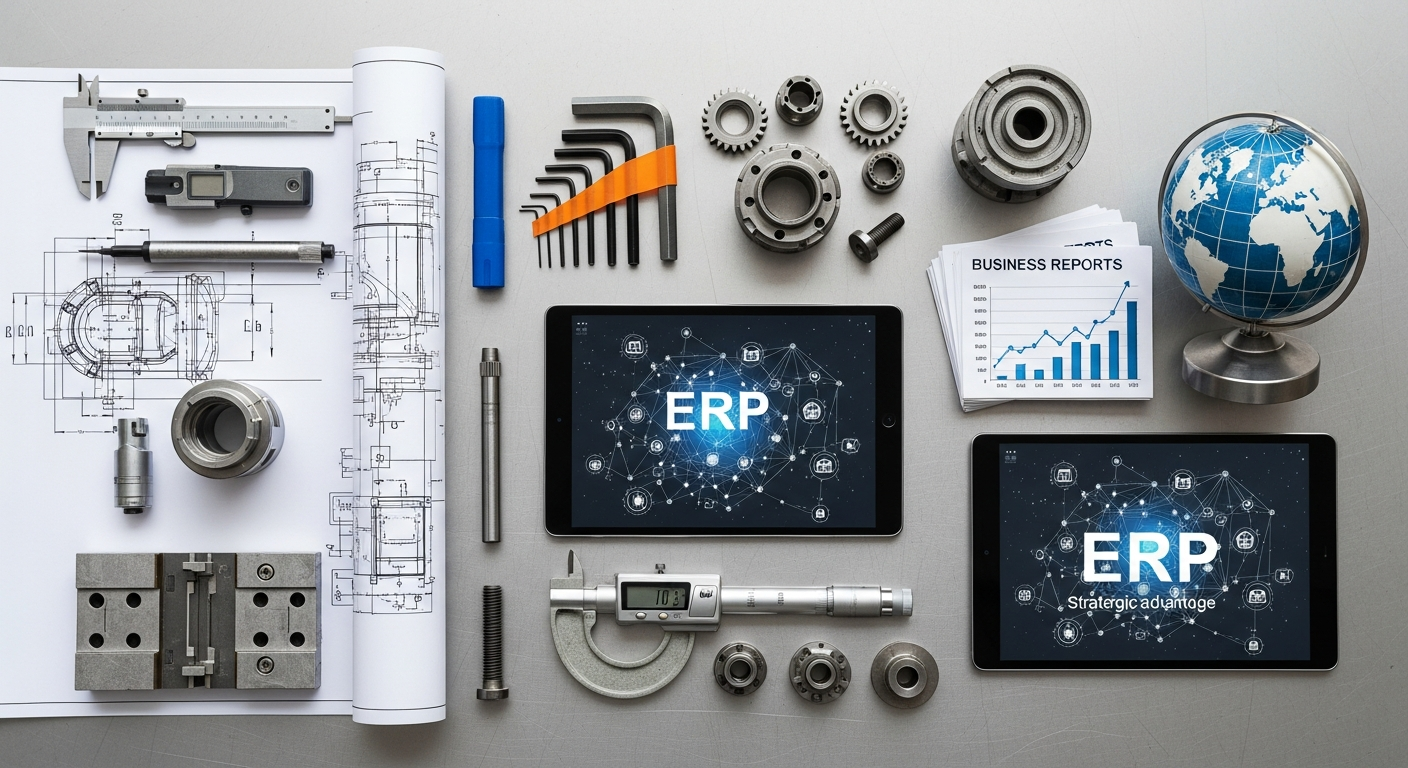
Enhanced Operational Efficiency and Streamlined Processes
The foundational promise of ERP lies in its ability to dismantle operational silos and forge a cohesive, integrated environment across all business functions. In a traditional manufacturing setup, data often resides in disparate systems—inventory in one, production scheduling in another, and financial records in a third. This fragmentation leads to manual data entry, duplication of effort, errors, and significant delays. An ERP system acts as a unified platform, consolidating data from various departments such as procurement, manufacturing, sales, finance, human resources, and supply chain management into a single, centralized database.
This integration facilitates seamless information flow, ensuring that every department operates with the most current and accurate data. For instance, a sales order placed automatically triggers inventory checks, production scheduling adjustments, and financial updates. This level of automation significantly reduces manual administrative tasks, freeing up valuable human resources to focus on more strategic, value-added activities. Consider the efficiency gains in a complex assembly line: with ERP, Bill of Materials (BOM) management, work order generation, and material requirement planning (MRP) are all interconnected. Engineers can quickly access up-to-date product specifications, production managers can optimize machine utilization, and procurement can anticipate material needs with greater accuracy, minimizing stockouts and overstocking.
Furthermore, ERP streamlines critical manufacturing processes from end-to-end. This includes design and engineering, production planning and scheduling, quality control, shop floor management, and maintenance. By automating routine tasks and standardizing workflows, ERP systems reduce process variability and improve consistency, which is vital for maintaining high-quality output. For example, automated quality checks integrated into the production process can flag anomalies in real-time, allowing for immediate corrective action rather than costly rework later. This proactive approach to process management is a cornerstone of lean manufacturing principles, directly contributing to reduced waste and improved throughput. The elimination of redundant tasks and the acceleration of information exchange are not merely incremental improvements; they represent a fundamental shift towards a more agile and responsive manufacturing operation.
Superior Data Visibility, Analytics, and Informed Decision-Making
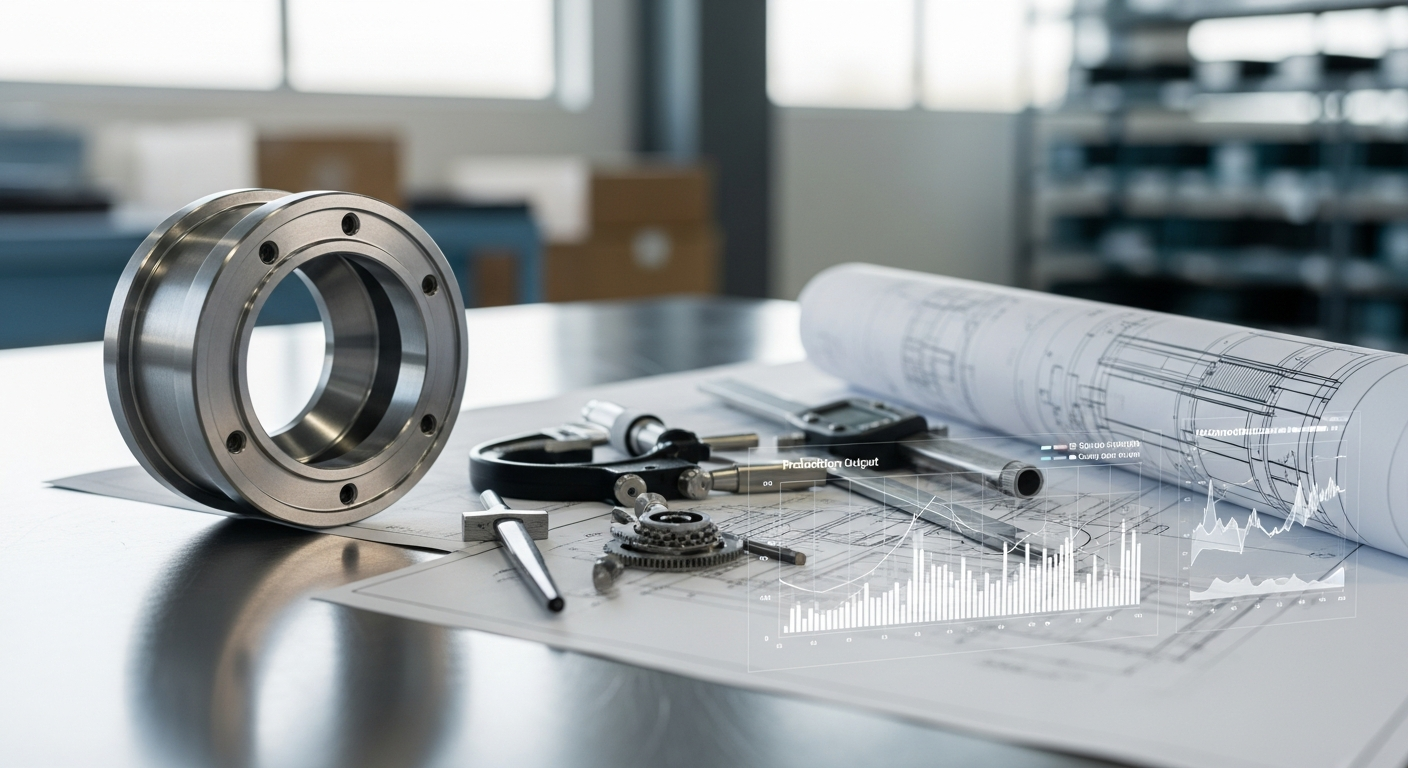
One of the most compelling advantages of implementing an ERP system is the unparalleled data visibility it provides across the entire organization. By consolidating all operational data into a single source of truth, ERP eliminates the ambiguity and inconsistencies that plague fragmented systems. This means that stakeholders, from the shop floor supervisor to the CEO, can access real-time information regarding inventory levels, production schedules, sales performance, financial health, and customer interactions from a centralized dashboard. This holistic view is indispensable for making timely and accurate decisions.
Beyond mere visibility, modern ERP systems are equipped with robust analytical capabilities. They can transform raw operational data into actionable insights through sophisticated reporting tools, business intelligence (BI) dashboards, and predictive analytics modules. For manufacturing professionals, this translates into the ability to analyze production bottlenecks, identify trends in equipment performance, forecast demand with greater precision, and evaluate the profitability of specific product lines. For instance, by analyzing historical production data and current order backlogs, an ERP can help predict future capacity requirements, enabling proactive adjustments to staffing or machinery procurement. This level of foresight is invaluable in a volatile market.
The ability to access and analyze comprehensive data empowers organizations to move beyond reactive problem-solving to proactive strategic planning. Instead of reacting to maintenance issues after they occur, an ERP integrated with IoT sensors can facilitate predictive maintenance, scheduling service before a failure disrupts production. This mirrors the digital automation priorities for oil and gas companies, where predictive analytics is critical for optimizing asset performance and minimizing downtime. Similarly, by understanding the complete cost structure associated with each product, including material costs, labor, and overhead, businesses can optimize pricing strategies and identify areas for cost reduction. This data-driven approach fosters a culture of continuous improvement, where decisions are based on empirical evidence rather than intuition, leading to more resilient and profitable operations.
Optimized Resource Management (Inventory, Production, Human Capital)
Inventory Management
ERP’s inventory management modules provide precise, real-time tracking of inventory levels across multiple locations. This capability minimizes the risks of both stockouts, which can halt production and delay customer orders, and overstocking, which ties up capital and incurs carrying costs. Advanced features like demand forecasting, based on historical sales data and market trends, enable manufacturers to maintain optimal inventory levels. Furthermore, ERP can automate reorder points and procurement processes, ensuring that materials are available precisely when needed. This just-in-time (JIT) approach, supported by ERP, significantly reduces inventory holding costs and improves cash flow. For example, a manufacturer producing custom components can leverage ERP to track every piece of raw material from receipt to final product, ensuring traceability and reducing waste associated with lost or misplaced items.
Production Planning and Scheduling
The complexity of modern manufacturing often involves intricate production schedules, multiple work centers, and varying product specifications. ERP systems excel at optimizing production planning and scheduling. They take into account machine capacities, labor availability, material constraints, and customer delivery dates to create efficient production schedules. This leads to:
- Reduced setup times: By grouping similar jobs.
- Maximized machine utilization: By minimizing idle periods.
- Improved on-time delivery: By providing accurate lead times.
Engineers can simulate different production scenarios within the ERP to identify the most efficient sequence of operations, significantly enhancing throughput. This proactive scheduling helps prevent bottlenecks and ensures a smooth, continuous flow of production, which is essential for meeting aggressive market demands.
Human Capital Management
While often overlooked in the context of manufacturing ERP, human capital management (HCM) modules play a crucial role. ERP can help manage workforce scheduling, track labor costs against specific projects or products, and monitor employee performance. For manufacturing, this means ensuring that the right skilled personnel are available for specific tasks, managing shift rotations, and tracking compliance with safety regulations. By integrating HR functions with production data, businesses can better understand the true labor cost of each manufactured item and make informed decisions about workforce allocation and training needs. This holistic approach to resource management ensures that all elements of the manufacturing process are optimally utilized, leading to greater efficiency and profitability.
Improved Customer Satisfaction and Supply Chain Synergy
In today’s competitive market, customer satisfaction is a critical differentiator, and a robust ERP system directly contributes to achieving it. By integrating sales, production, and logistics, ERP ensures a seamless customer experience from initial inquiry to post-sales support. Accurate order processing, real-time order status updates, and reliable delivery schedules are all facilitated by ERP, leading to increased customer trust and loyalty.
When a customer places an order, the ERP system immediately processes it, checking inventory availability and scheduling production if necessary. This instantaneous feedback allows sales teams to provide accurate lead times and delivery dates, avoiding the common pitfalls of over-promising and under-delivering. Post-sales, ERP can manage warranty claims, service requests, and track customer history, enabling personalized support and proactive engagement. This kind of integrated approach ensures that every customer touchpoint is efficient and well-informed. Imagine the frustration of a customer waiting for a critical component, only to find out there was a miscommunication between sales and production. ERP mitigates such issues by providing a single source of truth accessible by all relevant departments.
Furthermore, ERP is instrumental in fostering robust supply chain synergy. Modern manufacturing relies heavily on a complex network of suppliers, distributors, and logistics partners. An ERP system extends its integrative capabilities beyond the internal walls of the organization, enabling seamless communication and data exchange with external stakeholders. This includes:
- Automated Purchase Order (PO) generation: Based on MRP, ensuring timely procurement.
- Supplier relationship management (SRM): Tracking supplier performance, lead times, and quality.
- Demand forecasting and collaborative planning: Sharing forecasts with key suppliers to improve their own production planning.
- Logistics and transportation management: Optimizing shipping routes and tracking deliveries.
By streamlining information flow throughout the supply chain, ERP reduces lead times, minimizes inventory buffers, and improves responsiveness to market changes. This collaborative environment ensures that the entire supply chain operates as a cohesive unit, reducing risks and enhancing overall efficiency. This proactive management of the supply chain is critical for growing a manufacturing brand, as reliability and responsiveness are key factors in customer perception and market reputation. The principles applied here are similar to how proactive maintenance, enabled by integrated systems, prevents common maintenance issues, whether for a manufacturing plant or even for facilities like houses of worship, where maintaining infrastructure is critical to operations.
Regulatory Compliance and Risk Mitigation
In the highly regulated manufacturing sector, adherence to industry standards, environmental regulations, and quality controls is not just a legal obligation but also a cornerstone of operational integrity and brand reputation. ERP systems are powerful tools for ensuring compliance and mitigating a wide array of operational risks.
ERP’s ability to centralize and standardize data makes it easier to track and report on compliance metrics. For industries with stringent quality requirements, such as aerospace, medical devices, or automotive, ERP provides comprehensive traceability features. This means every component, every batch, and every process step can be tracked from raw material to finished product. Should a quality issue arise, the system can quickly identify the source, affected batches, and distribution channels, enabling targeted recalls or corrective actions. This level of granular traceability is invaluable for demonstrating compliance during audits and for protecting consumer safety.
Beyond quality, ERP assists with various other compliance aspects:
- Environmental Regulations: Tracking waste generation, energy consumption, and emissions to ensure adherence to environmental standards.
- Safety Regulations: Managing safety protocols, training records, and incident reporting to maintain a safe working environment.
- Financial Compliance: Ensuring accurate financial reporting, tax compliance, and adherence to accounting standards through integrated financial modules.
By embedding compliance checks and workflows directly into operational processes, ERP helps prevent non-compliance rather than merely detecting it after the fact. For example, a production order might not be released until all necessary quality checks are recorded in the system, or a procurement order for a specific material might be flagged if the supplier is not certified for a particular standard.
Furthermore, ERP plays a significant role in mitigating operational risks. By providing real-time visibility into inventory levels, production bottlenecks, and supplier performance, it allows management to identify potential risks before they escalate. For instance, if a key supplier is experiencing delays, the ERP system can flag this, allowing the procurement team to source alternative materials or adjust production schedules proactively. Data integrity, a core feature of ERP, reduces the risk of errors in critical business information, which can have far-reaching financial and operational consequences. In a world where data breaches and operational disruptions pose significant threats, a robust ERP system acts as a shield, safeguarding business continuity and maintaining regulatory standing. This proactive risk management aligns perfectly with the strategic digital automation priorities for oil and gas companies, where minimizing operational downtime and ensuring safety are paramount.
Scalability, Innovation, and Future Growth
In the rapidly evolving manufacturing sector, the ability to adapt, scale, and innovate is paramount for long-term survival and growth. An ERP system is not just a tool for current operational efficiency; it is a strategic investment that provides a robust foundation for future expansion and technological integration. As businesses grow, their operational complexities multiply—more products, more customers, more locations, and more data. A well-implemented ERP system is inherently designed to scale with these demands.
Modern ERP platforms are modular and flexible, allowing businesses to add new functionalities, departments, or geographical locations without overhauling the entire system. This means that as a manufacturing brand explores new markets or introduces new product lines, the ERP can seamlessly incorporate
Recommended Resources
You might also enjoy Snap Benefits For Families Guide from Protect Families Protect Choices.
You might also enjoy How To Build Confidence And Self Esteem from Diaal News.