
Mastering Material Fusion: A Comprehensive Guide to Welding Types for Manufacturing Excellence
1. Shielded Metal Arc Welding (SMAW) – The Versatile Workhorse
Shielded Metal Arc Welding (SMAW), commonly known as “stick welding,” is one of the oldest, most versatile, and widely used arc welding processes. Its principle involves striking an arc between a flux-covered, consumable electrode and the workpiece. The intense heat generated melts both the electrode and the base metal, forming a molten weld pool. As the flux coating disintegrates under the heat, it produces a shielding gas that protects the molten metal from atmospheric contamination (oxygen and nitrogen), and a slag layer that floats on top of the weld pool, further protecting it as it solidifies.
Technical Specifications & Performance:
* Heat Source: Electric arc (AC or DC).
* Electrodes: Consumable, flux-coated metal rods (e.g., E6010, E7018, E308L).
* Shielding: Achieved by the decomposition of the electrode’s flux coating.
* Typical Amperage: 50-300 Amps.
* Deposition Rate: Relatively low, typically 0.5 – 2 kg/hour.
* Penetration: Moderate to deep, depending on electrode type and current.
* Standards: Governed by AWS D1.1 (Structural Welding Code – Steel), ASME Boiler and Pressure Vessel Code Section IX.
Advantages:
* Portability & Simplicity: Equipment is relatively inexpensive and highly portable, making it ideal for field work, repair, and maintenance.
* Versatility: Capable of welding a wide range of ferrous and non-ferrous metals (though primarily steel) in all positions.
* Outdoor Suitability: The robust flux shielding is less susceptible to wind interference compared to gas-shielded processes.
Disadvantages:
* Low Deposition Rate: Requires frequent electrode changes, reducing arc time.
* Slag Removal: Requires post-weld cleaning to remove the solidified slag.
* Operator Skill: Demands significant operator skill for consistent, high-quality welds.
* Fumes & Spatter: Produces considerable fumes and spatter, requiring adequate ventilation and cleanup.
Industry Applications:
SMAW remains a staple in heavy fabrication, construction (structural steel), shipbuilding, pipelines, industrial maintenance, and repair operations where portability and cost-effectiveness are critical.
2. Gas Metal Arc Welding (GMAW) – The Productivity Powerhouse

Gas Metal Arc Welding (GMAW), commonly known as MIG (Metal Inert Gas) welding, revolutionized manufacturing with its semi-automatic or automatic operation and high productivity. In GMAW, a continuous solid wire electrode is fed through a welding gun, while a shielding gas (typically argon, CO2, or a mixture) flows around the wire to protect the arc and weld pool from atmospheric contamination. The arc melts the wire electrode and the base metal, creating a strong, clean weld.
Technical Specifications & Performance:
* Heat Source: Electric arc (DC).
* Electrodes: Continuous solid wire (e.g., ER70S-6, ER308L), fed from a spool.
* Shielding: External shielding gas (e.g., 100% CO2, 75% Argon/25% CO2, 100% Argon).
* Typical Amperage: 50-600 Amps.
* Deposition Rate: High, typically 2 – 10 kg/hour, often higher with pulsed GMAW.
* Penetration: Moderate to deep, excellent control with pulsed modes.
* Standards: AWS D1.1, ISO 17637 (Non-destructive testing), ISO 14732 (Welding personnel qualification).
Advantages:
* High Productivity: Continuous wire feed allows for long, uninterrupted welds and high deposition rates.
* Ease of Use: Relatively easy to learn and operate, making it suitable for automation and robotics.
* Clean Welds: Minimal slag and spatter, reducing post-weld cleaning.
* Versatility: Capable of welding a wide range of ferrous and non-ferrous metals (steels, aluminum, stainless steel) and thicknesses.
Disadvantages:
* Limited Outdoor Use: Shielding gas can be dispersed by wind, leading to porosity.
* Equipment Complexity: Requires more complex equipment than SMAW (wire feeder, gas cylinder, regulator).
* Lack of Portability: Less portable than SMAW for remote applications.
Industry Applications:
GMAW is the backbone of modern manufacturing, extensively used in automotive assembly, general fabrication, heavy machinery, shipbuilding, pressure vessel manufacturing, and robotic welding lines due to its speed and consistency.
3. Gas Tungsten Arc Welding (GTAW) – The Precision Maestro
Gas Tungsten Arc Welding (GTAW), universally known as TIG (Tungsten Inert Gas) welding, is celebrated for its ability to produce exceptionally high-quality, precise welds with superior aesthetic appeal. Unlike other arc welding processes, GTAW uses a non-consumable tungsten electrode to generate the arc. An inert shielding gas (typically pure argon or helium) protects the tungsten electrode and the molten weld pool. Filler metal, if required, is added manually by the operator or automatically by a wire feeder, separate from the electrode.
Technical Specifications & Performance:
* Heat Source: Electric arc (AC or DC).
* Electrodes: Non-consumable tungsten (e.g., pure, thoriated, lanthanated, ceriated).
* Shielding: Inert gas (e.g., 100% Argon, Argon/Helium mixtures).
* Filler Metal: Optional, added separately.
* Typical Amperage: 5-500 Amps.
* Deposition Rate: Low, typically 0.1 – 0.5 kg/hour, as filler metal is added manually.
* Penetration: Shallow to moderate, with excellent control over the weld pool.
* Standards: AWS D17.1 (Aerospace Welding), ASME Boiler and Pressure Vessel Code Section IX, ISO 15614-1 (Welding Procedure Qualification).
Advantages:
* Superior Weld Quality: Produces extremely clean, strong, and ductile welds with minimal spatter and no slag.
* Precision & Control: Offers unparalleled control over heat input and weld pool, ideal for thin materials and critical applications.
* Versatility: Excellent for welding exotic and reactive metals (titanium, magnesium, nickel alloys), stainless steels, and aluminum.
* Aesthetic Appeal: Creates visually appealing welds, often requiring no post-weld finishing.
Disadvantages:
* Low Deposition Rate: Slower than other processes, especially for thick materials.
* High Operator Skill: Requires significant manual dexterity and training.
* Higher Equipment & Consumable Cost: Tungsten electrodes and high-purity shielding gases can be more expensive.
Industry Applications:
GTAW is indispensable in industries demanding the highest quality and precision, such as aerospace, medical device manufacturing, nuclear power, semiconductor fabrication, thin-gauge sheet metal work, and pressure vessel construction.
4. Submerged Arc Welding (SAW) – The Heavy Industry Powerhouse
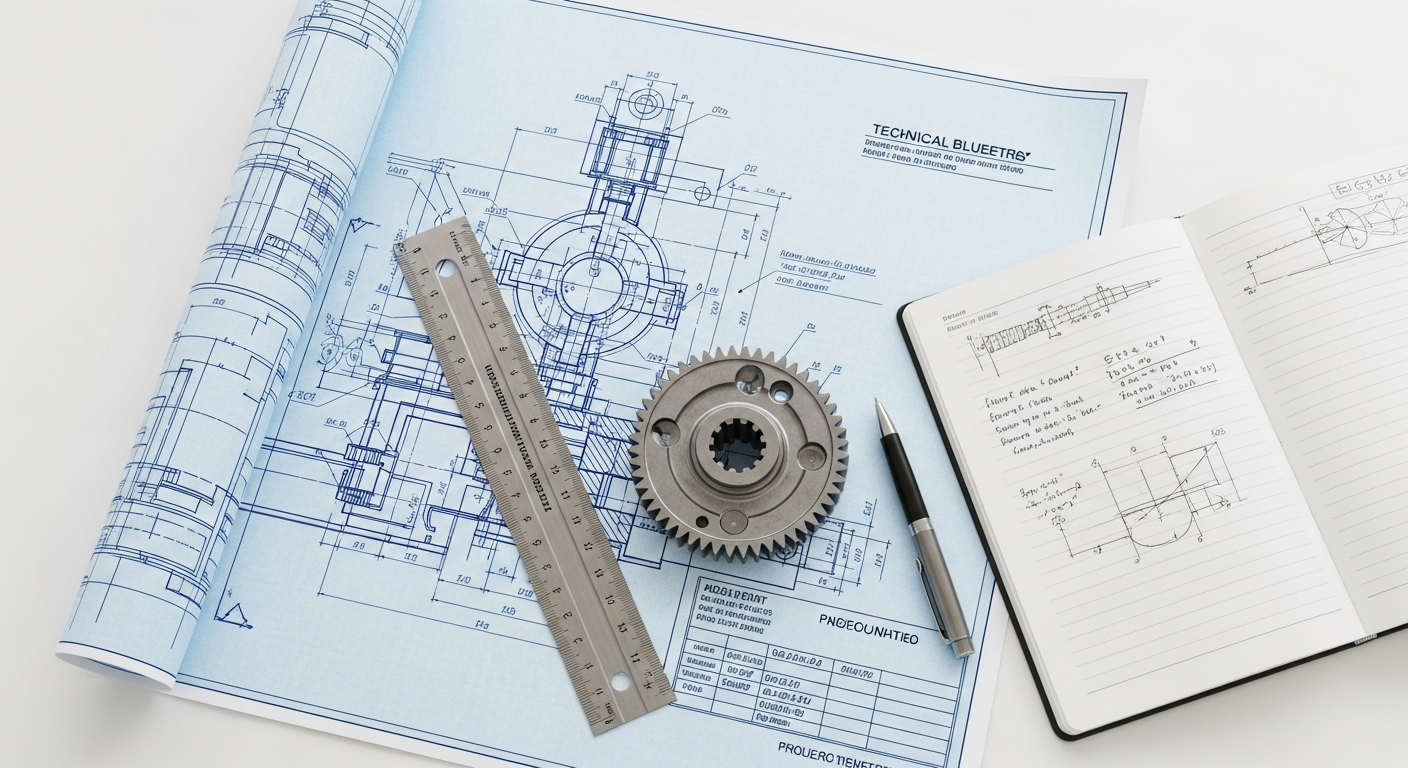
Submerged Arc Welding (SAW) is a high-productivity process particularly suited for heavy fabrication and large-scale projects. In SAW, a continuous, bare wire electrode is fed automatically into the weld joint. The distinguishing feature is a blanket of granular, fusible flux that completely covers the arc and the molten weld pool, hence “submerged.” This flux melts to form a protective slag and also contributes alloying elements to the weld.
Technical Specifications & Performance:
* Heat Source: Electric arc (AC or DC).
* Electrodes: Continuous bare wire (solid or cored).
* Shielding: Granular flux blanket.
* Typical Amperage: 200-2000+ Amps (often multi-wire setups).
* Deposition Rate: Extremely high, often 5 – 25 kg/hour, or more with multiple wires.
* Penetration: Deep and consistent, ideal for thick sections.
* Standards: AWS D1.5 (Bridge Welding Code), ASME Boiler and Pressure Vessel Code Section IX.
Advantages:
* Very High Deposition Rates: Unmatched productivity for long, straight welds.
* Deep Penetration: Capable of welding very thick sections in a single pass or fewer passes.
* Excellent Weld Quality: Produces high-quality welds with good mechanical properties and smooth bead appearance.
* Minimal Fumes & Flash: The flux blanket effectively suppresses arc flash and fumes, improving operator safety and visibility.
* High Weld Efficiency: High arc time and efficiency.
Disadvantages:
* Position Limitations: Primarily limited to flat and horizontal positions.
* Flux Handling: Requires systems for flux delivery and recovery, and slag removal.
* Not for Thin Materials: High heat input can distort thin workpieces.
* Visibility: The arc is not visible during welding, requiring precise setup.
Industry Applications:
SAW is widely used in shipbuilding, pressure vessel manufacturing, structural steel fabrication (large beams, columns), railway car production, wind tower fabrication, and the manufacture of large-diameter pipes and tanks.
5. Resistance Welding (RW) – The Assembly Line Specialist
Resistance Welding (RW) encompasses a group of processes that join metals by applying pressure and passing an electric current through the workpieces. The heat generated is a result of the electrical resistance of the materials at the interface. No filler metals, shielding gases, or fluxes are typically used. The most common forms are Spot Welding and Seam Welding.
Technical Specifications & Performance:
* Heat Source: Electrical resistance.
* Process: Current passed between electrodes, generating heat at the interface.
* Typical Current: 5,000-100,000+ Amps (for very short durations, e.g., 0.01-1 second).
* Electrodes: Copper alloys, designed for high conductivity and pressure.
* Nugget Formation: A localized weld (nugget) is formed at the interface.
* Standards: ISO 17653 (Resistance welding – Destructive tests), Automotive OEM standards (e.g., Ford, GM, Toyota welding specs).
Advantages:
* High Speed & Automation: Extremely fast, making it ideal for high-volume production lines.
* No Consumables: Eliminates the need for filler metals, fluxes, or shielding gases, reducing material costs.
* Repeatability: Highly repeatable and consistent, suitable for robotic integration.
* Clean Process: Minimal fumes or spatter.
* Dissimilar Metals: Can join certain combinations of dissimilar metals.
Disadvantages:
* Joint Type Limitations: Primarily limited to lap joints.
* Material Thickness: Best suited for sheet metal and thin materials.
* Electrode Wear: Electrodes wear over time and require maintenance or replacement.
* High Capital Cost: Initial equipment investment can be significant.
Industry Applications:
Resistance welding is a cornerstone of the automotive industry for body assembly, appliance manufacturing, electronics, sheet metal fabrication, and the production of wire products and mesh.
6. Laser Beam Welding (LBW) – The High-Precision Innovator
Laser Beam Welding (LBW) is a highly advanced, high-precision welding process that utilizes a concentrated beam of coherent light (laser) as the heat source. The focused laser beam melts and fuses the materials, often creating deep, narrow welds with minimal heat-affected zones (HAZ) and distortion. LBW can operate in both keyhole mode (deep penetration) and conduction mode (shallower, wider welds).
Technical Specifications & Performance:
* Heat Source: High-power laser (e.g., CO2, Nd:YAG, Fiber, Diode).
* Power: 100 W to tens of kW.
* Focal Spot Size: Typically 0.1 – 1.0 mm.
* Travel Speed: Very high, often meters per minute.
* Penetration: Can achieve very deep penetration with minimal width (high aspect ratio welds).
* Heat Input: Extremely low, leading to minimal distortion.
* Standards: ISO 13919-1 (Welding – Electron and laser beam welded joints – Imperfections).
Advantages:
* High Precision & Accuracy: Unmatched precision for intricate and delicate components.
* Minimal Heat Input & Distortion: Localized heating minimizes thermal distortion and residual stress.
* High Welding Speed: Rapid processing, ideal for high-volume, automated production.
* Deep Penetration: Capable of deep, narrow welds in thick materials.
* Versatility: Can weld a wide range of materials, including dissimilar metals, and operate in atmospheric or vacuum environments.
* Non-Contact Process: No physical contact with the workpiece, reducing tool wear.
Disadvantages:
* High Capital Cost: Significant initial investment in laser equipment.
* Safety Concerns: Requires stringent safety protocols due to laser radiation.
* Joint Fit-up: Extremely critical, as the narrow beam requires precise alignment.
* Material Reflectivity: Highly reflective materials (like aluminum and copper) can be challenging.
Industry Applications:
LBW is critical in aerospace (turbine components, fuselage sections), automotive (transmission components, tailored blanks), medical devices (implants, surgical instruments), electronics (micro-welding), and tool & die repair. Its integration with robotics and additive manufacturing processes continues to expand its utility.