Navigating the Future: An In-Depth Guide to Industrial Robot Types and Applications in 2026
The Evolving Ecosystem of Industrial Robotics: Foundations and Drivers
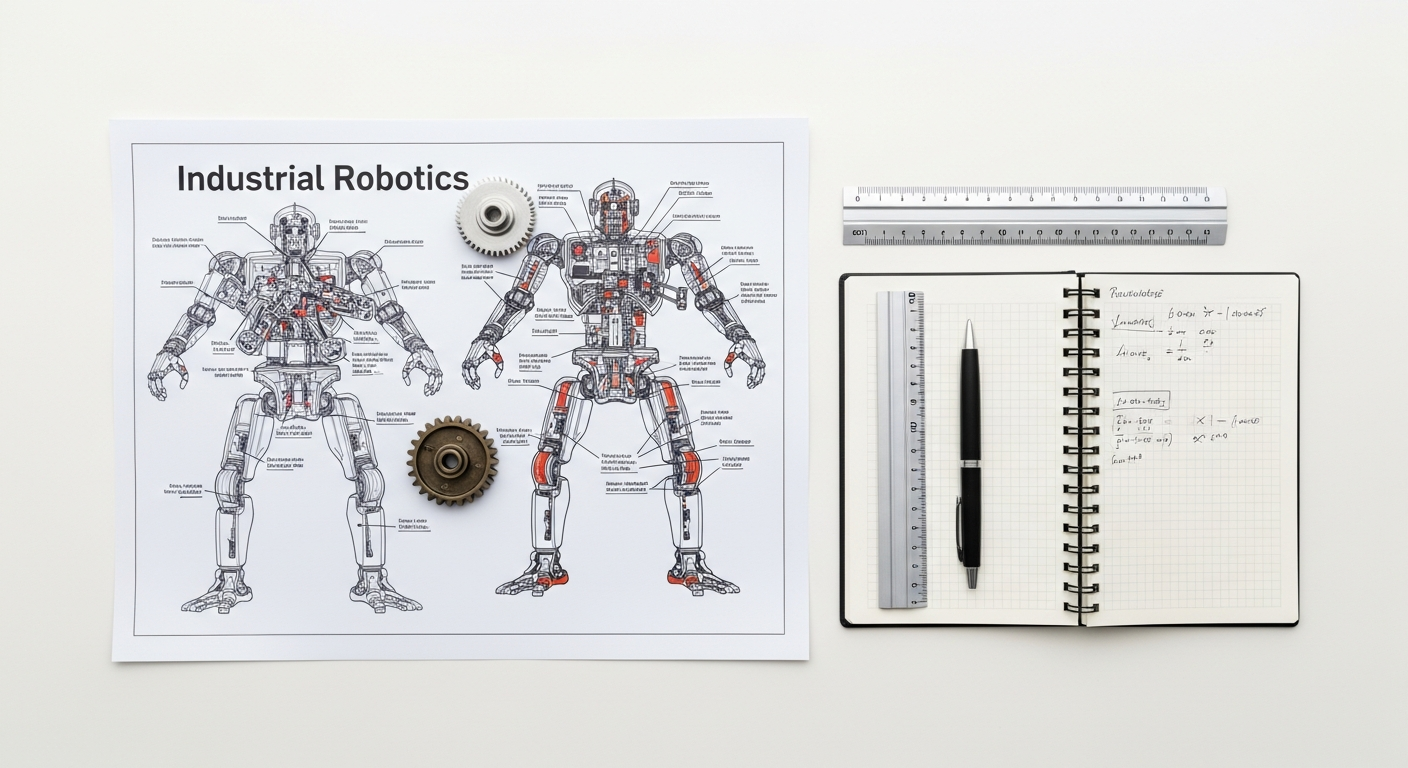
Industrial robotics, once confined to heavy-duty, repetitive tasks in environments like automotive assembly, has proliferated into virtually every facet of manufacturing. This expansion is fueled by several converging technological advancements and market demands. Miniaturization, enhanced computational power, artificial intelligence (AI), advanced sensor technology, and improved human-machine interfaces (HMIs) have collectively broadened the scope and capabilities of robotic systems. In 2026, the emphasis is increasingly on flexible, intelligent, and interconnected robots that can adapt to varying production requirements, operate safely alongside human counterparts, and contribute to a truly smart factory ecosystem. The integration of robots within the Industrial Internet of Things (IIoT) framework allows for real-time data exchange, predictive maintenance, and optimized resource allocation, driving operational excellence to new heights.
Key Industrial Robot Architectures and Their Operational Niches
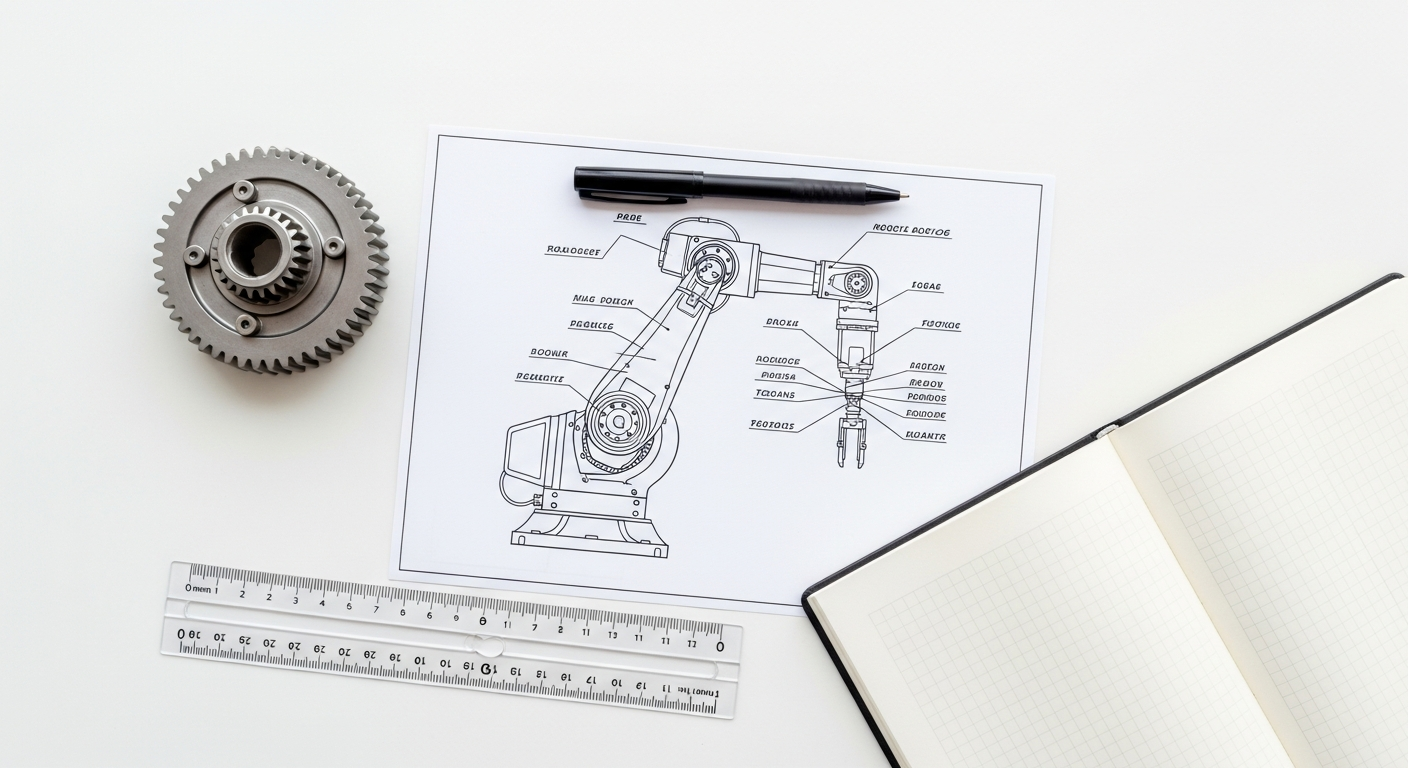
The selection of an industrial robot type is dictated by specific application requirements, including payload, reach, speed, precision, and the complexity of motion. Each architecture offers distinct advantages:
Articulated Robots: The Versatile Workhorses
Articulated robots are arguably the most common and versatile industrial robots, characterized by rotary joints (axes) that mimic a human arm. Ranging from 4-axis to 7-axis configurations, they offer exceptional dexterity and reach.
* 6-Axis Articulated Robots: These are the industry standard for complex tasks. With six degrees of freedom, they can reach almost any point and orientation within their working envelope.
* Applications: Arc welding, spot welding, painting, material handling, assembly, machine tending, and intricate part manipulation in industries like automotive, aerospace, and general manufacturing. Their robust design allows for significant payloads, making them suitable for heavy-duty operations.
* Performance Metrics: Payload capacity typically ranges from a few kilograms to over a ton. Repeatability (as per ISO 9283) is often in the ±0.02 mm to ±0.1 mm range, crucial for precision tasks. Reach can extend several meters.
* 7-Axis Articulated Robots: Adding an extra joint, often in the arm or base, enhances flexibility, allowing the robot to maneuver around obstacles or perform tasks in confined spaces that a 6-axis robot might struggle with. This extra degree of freedom can prevent singularities and optimize path planning.
* Applications: Complex assembly, inspection, and specialized machining tasks where obstacle avoidance or unusual orientations are required.
SCARA Robots: Speed and Precision in a Planar World
SCARA (Selective Compliance Assembly Robot Arm) robots excel in high-speed, high-precision pick-and-place and assembly operations within a confined cylindrical workspace. They typically have four axes: three rotational axes for X-Y-Z positioning and one rotational axis for wrist rotation.
* Mechanism: Their design offers high rigidity in the Z-axis (vertical) while allowing compliance in the X-Y plane, making them ideal for inserting components without binding.
* Applications: Electronics assembly, material handling, packaging, and dispensing in industries requiring rapid, precise movements over a flat surface.
* Performance Metrics: Known for their exceptional speed (cycle times often below 0.5 seconds) and high repeatability (often ±0.01 mm or better). Payload capacity is generally lower than articulated robots, typically in the 1-20 kg range.
Cartesian and Gantry Robots: Linear Precision and Large Workspaces
Cartesian robots, also known as linear or rectilinear robots, operate along three prismatic (linear) axes (X, Y, Z), forming a rectangular workspace. Gantry robots are a type of Cartesian robot often mounted overhead to provide a larger working envelope and clear floor space.
* Mechanism: Their linear motion provides inherent rigidity and high precision over long strokes.
* Applications: Large-scale material handling, automated storage and retrieval systems (AS/RS), dispensing, palletizing, and machine tending for large workpieces. Their modularity allows for custom sizing to fit specific production lines.
* Performance Metrics: Offer excellent repeatability (often ±0.05 mm or better) and high payload capacities, particularly for gantry systems which can handle hundreds of kilograms. Their speed can be significant for linear movements, though acceleration and deceleration profiles are critical.
Delta/Parallel Robots: Hyper-Speed for Light Payloads
Delta robots, characterized by their parallel kinematic structure, utilize multiple arms connected to a single base. This design allows for extremely fast and precise movements of a light end-effector.
* Mechanism: The parallel linkage system provides a unique combination of high speed, acceleration, and rigidity, with the motors typically mounted on the static base, reducing the moving mass.
* Applications: High-speed pick-and-place, sorting, and packaging of lightweight items in food and beverage, pharmaceutical, and electronics industries.
* Performance Metrics: Unrivaled speed, with acceleration rates often exceeding 10 G, and cycle times as low as 0.1 seconds for short movements. Repeatability is typically excellent, often ±0.01-0.03 mm. Payload capacity is generally limited to a few kilograms.
Collaborative Robots (Cobots): The Human-Robot Synergy
Collaborative robots are designed to work safely alongside human operators without traditional safety caging, fostering a new era of human-robot collaboration (HRC). Their design inherently incorporates safety features, adhering to standards like ISO/TS 15066.
* Mechanism: Cobots employ force/torque sensors, speed and separation monitoring, power and force limiting, and hand guiding capabilities to ensure human safety. They are often lighter, more compact, and easier to program than traditional industrial robots.
* Applications: Assembly assistance, quality inspection, machine tending, packaging, and complex tasks requiring human dexterity combined with robotic strength or endurance. They are particularly valuable in high-mix, low-volume production environments.
* Performance Metrics: Payload capacities typically range from 3 kg to 35 kg. Repeatability is generally good (±0.03 mm to ±0.1 mm), suitable for many assembly tasks. Their primary advantage lies in their inherent safety features and ease of deployment, reducing integration costs and physical footprint.
Mobile Industrial Robots (MIRs): The Autonomous Logistics Backbone
Mobile industrial robots, encompassing Autonomous Mobile Robots (AMRs) and Automated Guided Vehicles (AGVs), are revolutionizing intra-logistics and material transport within factories and warehouses.
* AGVs: Follow predefined paths (e.g., magnetic tape, wires, reflective markers). They are robust for repetitive, high-volume material movement on fixed routes.
* AMRs: Utilize advanced navigation technologies (SLAM – Simultaneous Localization and Mapping, LiDAR, vision systems) to dynamically navigate their environment, avoiding obstacles and optimizing routes in real-time. This flexibility makes them ideal for dynamic, changing environments.
* Applications: Transporting raw materials, work-in-progress, and finished goods between workstations, storage areas, and shipping docks. They significantly reduce manual labor in material handling and improve throughput.
* Performance Metrics: Payload capacities vary widely, from a few kilograms for small AMRs to several tons for heavy-duty AGVs. Navigation precision is critical, often within ±5-10 mm for docking. Speed ranges from 0.5 m/s to 2 m/s. Safety standards for mobile robots, such as ANSI/RIA R15.08, are paramount.
Critical Performance Metrics and Selection Criteria for 2026
Selecting the right industrial robot involves a rigorous evaluation of technical specifications and operational requirements. Beyond the robot’s architecture, key performance indicators (KPIs) and adherence to international standards are paramount.
* Payload Capacity (kg): The maximum weight the robot can handle, including the end-effector (gripper, welding torch, etc.) and the workpiece. Exceeding this limit compromises performance and safety.
* Reach (mm): The maximum distance the robot’s tool center point (TCP) can extend from its base. This defines the robot’s working envelope.
* Repeatability (±mm): A measure of the robot’s ability to return to a previously taught position. High repeatability (e.g., ±0.02 mm) is critical for precision tasks like assembly and machining. This is a key metric defined by ISO 9283 for industrial robots.
* Accuracy (±mm): The ability of the robot to reach a commanded position in space. Often less critical than repeatability for industrial tasks where positions are “taught,” but vital for offline programming.
* Speed (m/s or degrees/s): The maximum velocity of the robot’s TCP or individual joints. High speed directly impacts cycle time and throughput.
* Degrees of Freedom (DoF): The number of independent axes of motion. More DoF generally means greater dexterity and reach within complex environments.
* Controller Sophistication: The capabilities of the robot’s control system, including integration with PLCs (Programmable Logic Controllers), HMIs (Human-Machine Interfaces), vision systems, and higher-level manufacturing execution systems (MES) or enterprise resource planning (ERP) systems. Modern controllers often incorporate AI/ML algorithms for adaptive control and predictive maintenance.
* Safety Standards: Compliance with international safety standards is non-negotiable. Key standards include ISO 10218-1 (Robots and robotic devices – Safety requirements for industrial robots – Part 1: Robots) and ISO 10218-2 (Part 2: Robot systems and integration). For collaborative robots, ISO/TS 15066 (Robots and robotic devices – Collaborative robots) provides specific guidelines for safe human-robot interaction. ANSI/RIA R15.06 is the North American equivalent to ISO 10218.
* Environmental Ratings (IP Code): The Ingress Protection (IP) rating indicates the robot’s resistance to dust and liquids, crucial for harsh industrial environments (e.g., IP67 for washdown applications in food processing).
* Total Cost of Ownership (TCO): Beyond initial purchase, TCO includes installation, programming, maintenance, energy consumption, and potential downtime. Robust, reliable robots with accessible service and spare parts generally offer a lower TCO over their operational lifespan.
Advanced Applications Across Key Industries in 2026
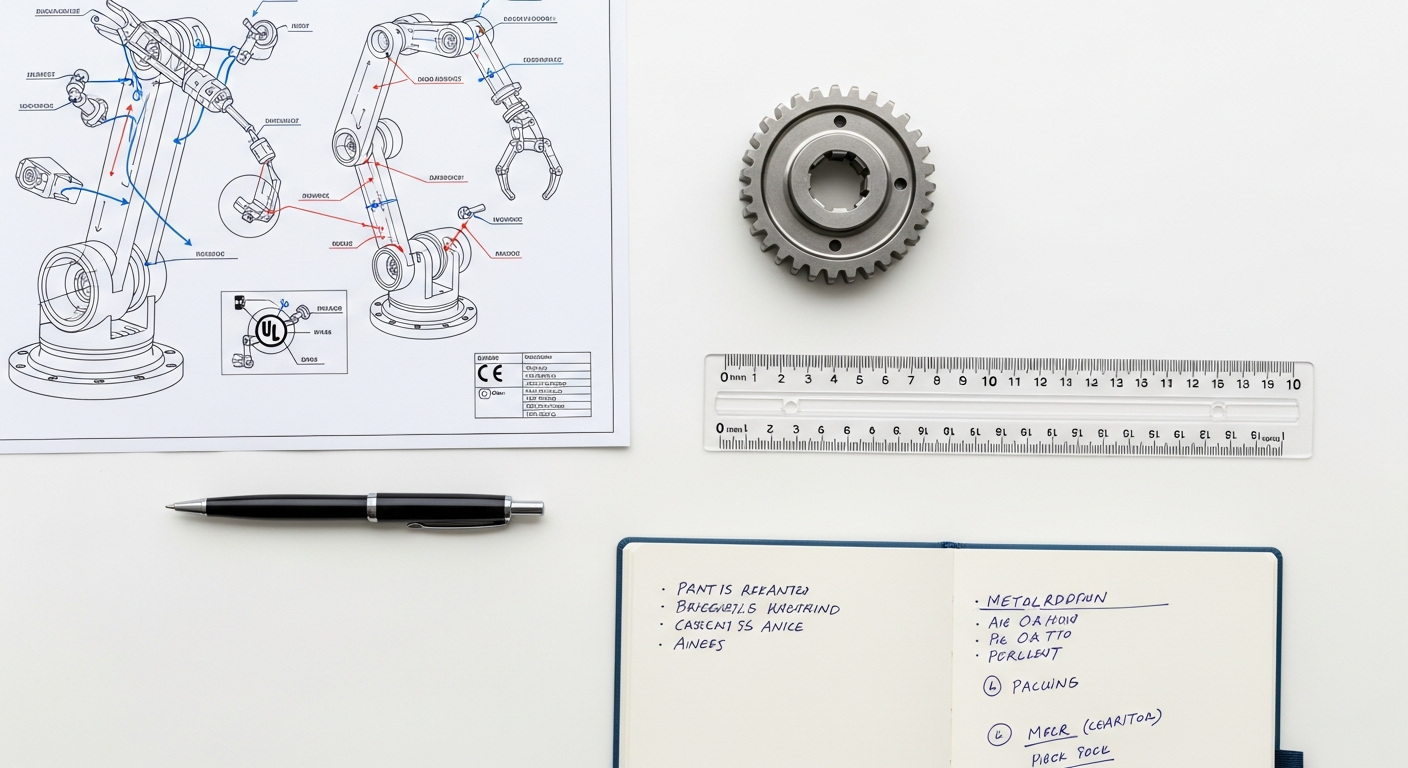
The versatility of industrial robots allows for their deployment across a vast spectrum of industries, each leveraging specific robot characteristics to address unique challenges.
* Automotive Industry: Remains a primary adopter, utilizing 6-axis articulated robots for high-precision spot welding, arc welding, painting, sealing, and heavy-duty material handling. Cobots are increasingly used for interior assembly, quality inspection, and ergonomic assistance. AMRs streamline the delivery of parts to assembly lines, optimizing just-in-time manufacturing.
* Electronics Manufacturing: SCARA and Delta robots dominate for high-speed, precision pick-and-place of miniature components, soldering, screw driving, and testing of printed circuit boards (PCBs) and consumer electronics. Vision systems are integral for component alignment and defect detection.
* Food & Beverage: Robots with hygienic designs (IP67/IP69K ratings) handle primary and secondary packaging, palletizing, de-palletizing, and even direct food handling. Delta robots excel in high-speed sorting and packing of delicate items. Cobots assist in flexible packaging lines, adapting to varying product sizes and seasonal demands.
* Pharmaceuticals and Life Sciences: Precision, sterile environments, and traceability are paramount. Robots perform sterile handling of vials, precise dispensing, laboratory automation (e.g., pipetting, sample processing), and packaging in cleanroom environments. Cartesian and SCARA robots are frequently employed for their accuracy and controlled movements.
* Aerospace Industry: Large-scale gantry and articulated robots are crucial for assembling large components (e.g., fuselage sections, wings), drilling, riveting, and advanced composite material handling. High-precision inspection robots with integrated vision and NDT (Non-Destructive Testing) sensors ensure structural integrity.
* Logistics and Warehousing: AMRs and AGVs are foundational for automating material flow, order picking, and put-away operations. Articulated robots are used for depalletizing mixed loads and case packing, while vision-guided systems improve the efficiency and accuracy of sorting and picking processes.
* Metalworking: Articulated robots perform machine tending (loading/unloading CNC machines), grinding, deburring, polishing, and complex welding tasks. The integration of force sensors allows for adaptive grinding and polishing, compensating for part variations.
Integration, Safety, and the Future Landscape of Robotics
The true power of industrial robots is realized through seamless integration into the broader manufacturing ecosystem. This involves connecting robots to PLCs, supervisory control and data acquisition (SCADA) systems, MES, and cloud-based platforms. Digital twin technology, where a virtual replica of the robot and its environment is used for simulation, optimization, and predictive maintenance, is becoming increasingly prevalent.
Safety remains the paramount concern. Beyond adhering to ISO and ANSI standards, comprehensive risk assessments (e.g., per ISO 12100) are essential for every robotic cell. This includes designing safety zones, implementing emergency stop systems, light curtains, and advanced vision-based safety monitoring for collaborative environments. The concept of “fenceless” robotic cells, particularly with cobots, requires meticulous planning and validation to ensure intrinsic safety.
Looking towards 2026 and beyond, the industrial robotics landscape will be further shaped by:
* Enhanced AI and Machine Learning: Robots will become more autonomous, capable of self-learning, adaptive path planning, and advanced decision-making in dynamic environments. Predictive maintenance using AI will minimize downtime.
* Advanced Sensing and Perception: Integration of 3D vision, haptic feedback, and multi-modal sensors will allow robots to perceive and interact with their environment with human-like dexterity and intelligence.
* Modular and Reconfigurable Robotics: The ability to quickly reconfigure robot hardware and software for different tasks will drive flexibility in high-mix, low-volume production.
* Sustainable Robotics: Focus on energy-efficient robot designs, recyclable materials, and optimized operational algorithms to reduce the carbon footprint of manufacturing.
* Edge Computing: Processing complex data closer to the source (on the robot or at the cell level) will enable faster response times and reduce reliance on centralized cloud infrastructure.