Navigating the Future: A Comprehensive Guide to Waste Reduction in Manufacturing for 2026
The Strategic Imperative of Waste Reduction in Modern Manufacturing
Waste in manufacturing extends far beyond discarded materials. It encompasses any activity or resource consumption that does not add value to the final product or service from the customer’s perspective. In the context of 2026, the imperative for waste reduction is amplified by escalating resource costs, stringent environmental regulations, and increasing consumer demand for eco-conscious products.
The foundational concept of Lean Manufacturing, with its focus on identifying and eliminating the “Eight Wastes” (DOWNTIME – Defects, Overproduction, Waiting, Non-utilized talent, Transportation, Inventory, Motion, Extra-processing), remains highly relevant. However, modern waste reduction strategies integrate this philosophy with advanced digital technologies and circular economy principles. The benefits are multi-faceted:
- Enhanced Profitability: Direct cost savings from reduced material consumption, energy usage, and waste disposal fees.
- Increased Efficiency & Productivity: Streamlined processes lead to faster production cycles, improved throughput, and higher Overall Equipment Effectiveness (OEE).
- Regulatory Compliance & Risk Mitigation: Proactive waste reduction helps meet and exceed environmental standards (e.g., ISO 14001), reducing the risk of fines and reputational damage.
- Brand Reputation & Customer Loyalty: Demonstrating commitment to sustainability resonates with environmentally conscious consumers and stakeholders.
- Innovation & Competitive Advantage: Waste reduction often sparks process innovation, leading to new product designs, improved material utilization, and novel business models.
Understanding the true cost of waste – including hidden costs like rework, warranty claims, and lost opportunities – is the first step towards a robust waste reduction program.
Leveraging Industry 4.0 Technologies for Predictive Waste Prevention
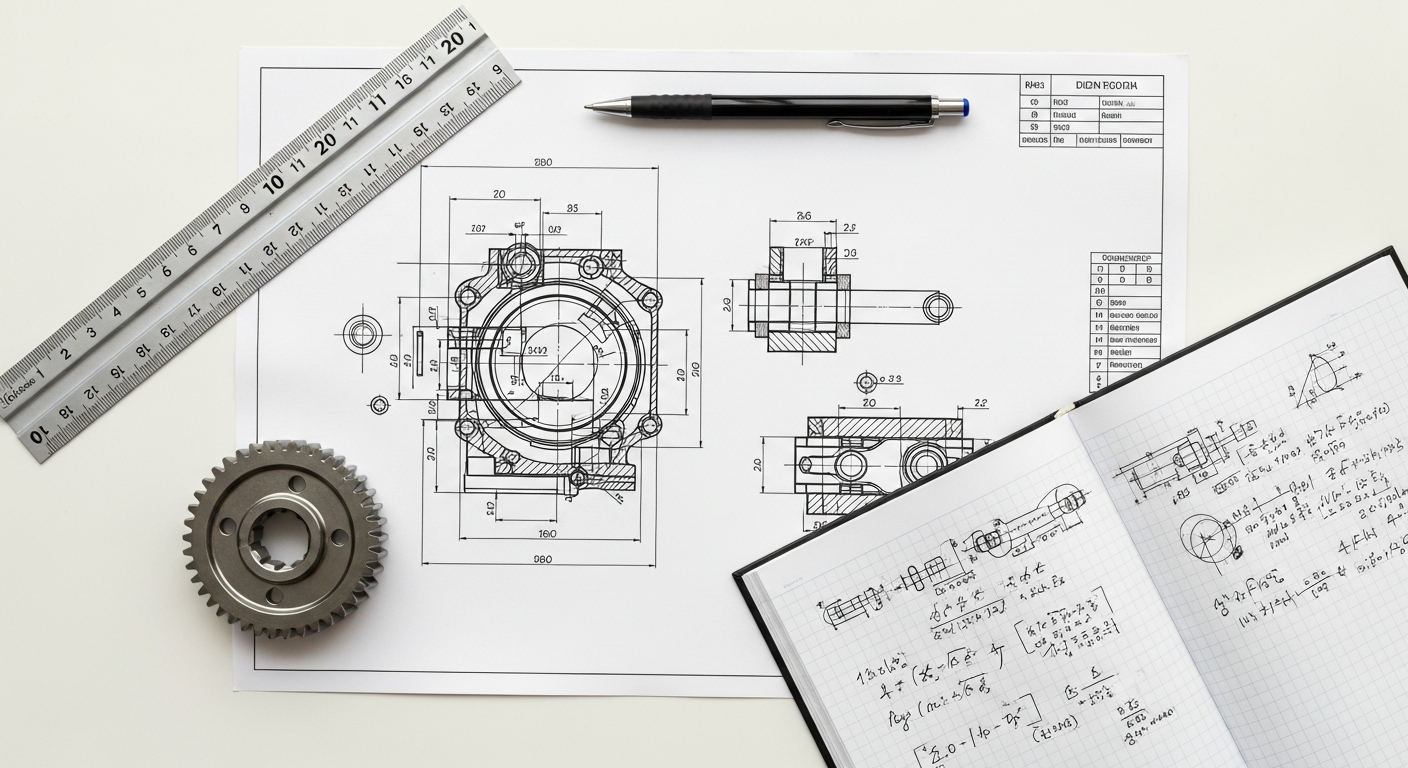
The advent of Industry 4.0 technologies provides an unprecedented toolkit for proactive waste identification and prevention. These digital innovations shift the paradigm from reactive waste management to predictive optimization.
Internet of Things (IoT) & Sensor Networks
IoT devices and advanced sensors embedded across the production floor provide real-time data on machine performance, environmental conditions, and material flow. For instance, temperature, vibration, and acoustic sensors on critical machinery can detect early signs of wear or malfunction, preventing costly breakdowns and subsequent material waste due. Similarly, smart sensors monitoring material levels in hoppers or tanks can optimize replenishment, avoiding both stockouts and overstocking.
- Application: Predictive maintenance systems leveraging IoT data can anticipate equipment failures, enabling scheduled maintenance rather than emergency repairs, thus minimizing unexpected downtime and associated scrap.
- Metrics: Reduction in unplanned downtime, decrease in material scrap rate due to equipment malfunction, optimized energy consumption.
Artificial Intelligence (AI) & Machine Learning (ML)
AI/ML algorithms analyze the vast datasets collected by IoT devices to identify patterns, predict anomalies, and optimize complex processes.
- Process Optimization: ML models can fine-tune process parameters (e.g., temperature, pressure, feed rates) in real-time to minimize defects and maximize yield. In injection molding, AI can adjust parameters to reduce flash or short shots.
- Demand Forecasting: Advanced AI models can predict market demand with greater accuracy, significantly reducing overproduction and the associated waste of inventory and resources.
- Quality Control: AI-powered vision systems can detect microscopic defects faster and more consistently than human inspectors, preventing defective products from progressing further down the production line.
- Metrics: Improved yield rates, reduced work-in-progress (WIP) inventory, decrease in Cost of Poor Quality (COPQ).
Digital Twins
A digital twin is a virtual replica of a physical asset, process, or system. It continuously receives real-time data from its physical counterpart, allowing for simulation, analysis, and optimization in a virtual environment.
- Application: Manufacturers can simulate changes to production layouts, material flow, or process parameters within the digital twin before implementing them physically. This helps identify potential bottlenecks, inefficiencies, and waste generation points, optimizing resource allocation and preventing costly errors.
- Metrics: Optimized energy consumption, reduced material waste from trial-and-error, improved throughput.
Robotics & Advanced Automation
Precision robotics and automated systems reduce human error, enhance consistency, and optimize material handling.
- Application: Collaborative robots (cobots) can perform repetitive or hazardous tasks with extreme precision, reducing material waste from inconsistencies or mishandling. Automated guided vehicles (AGVs) or autonomous mobile robots (AMRs) optimize internal logistics, minimizing unnecessary transportation and associated energy waste.
- Metrics: Reduced defect rates, improved material handling efficiency, lower energy consumption in logistics.
Advanced Materials Management and Circular Economy Principles
Beyond process optimization, a holistic approach to waste reduction in 2026 demands a fundamental shift in how materials are sourced, utilized, and recirculated.
Additive Manufacturing (3D Printing)
Additive manufacturing techniques build products layer by layer from digital designs, significantly reducing material waste compared to subtractive methods (e.g., machining).
- Application: Producing complex parts with minimal material, rapid prototyping, on-demand manufacturing of spare parts (reducing inventory waste). This is particularly impactful in industries like aerospace and medical devices where high-value materials are used.
- Metrics: Material utilization rate, inventory holding costs, lead time for spare parts.
Sustainable Sourcing & Design for Disassembly (DfD)
Waste reduction starts at the design phase. DfD principles encourage designing products for easy disassembly, repair, reuse, and recycling at their end-of-life. Sustainable sourcing prioritizes materials with lower environmental impact, higher recycled content, and ethical supply chains.
- Standards: Adherence to principles outlined in ISO 14001 (Environmental Management Systems) supports sustainable sourcing and product lifecycle thinking.
- Metrics: Percentage of recycled content in products, product recyclability rate, supplier sustainability ratings.
Closed-Loop Systems & Industrial Symbiosis
Moving towards a circular economy involves designing processes where waste from one stage or even one industry becomes a valuable input for another.
- Application: Capturing and reusing manufacturing by-products (e.g., metal shavings, plastic scraps) within the same facility or channeling them to other industries. Water treatment and recycling systems reduce fresh water intake and wastewater discharge.
- Metrics: Waste-to-landfill reduction, water consumption per unit, percentage of recycled waste.
Process Optimization through Lean and Six Sigma Methodologies

While Industry 4.0 provides the tools, Lean and Six Sigma provide the structured methodologies to identify and eliminate waste systematically.
Value Stream Mapping (VSM)
VSM visually maps the entire flow of materials and information required to bring a product or service to a customer. It helps identify non-value-added steps, bottlenecks, and areas of waste.
- Application: By mapping the current state and designing a future state, manufacturers can streamline processes, reduce lead times, and eliminate unnecessary steps like excessive movement or waiting.
- Metrics: Lead time reduction, process cycle efficiency, inventory levels.
Kaizen & Continuous Improvement
Kaizen fosters a culture where all employees are encouraged to identify and implement small, incremental improvements on an ongoing basis. This bottom-up approach to waste reduction ensures sustained engagement and innovation.
- Application: Regular Kaizen events or daily stand-ups where teams discuss process issues and propose solutions for eliminating minor wastes (e.g., reorganizing tools to reduce motion, optimizing batch sizes).
- Metrics: Number of improvement suggestions implemented, employee engagement scores, minor defect reduction.
Six Sigma
Six Sigma is a data-driven methodology aimed at reducing process variation and eliminating defects. The DMAIC (Define, Measure, Analyze, Improve, Control) framework is particularly effective.
- Application: Using statistical tools to analyze process data, identify root causes of defects (e.g., material inconsistencies, machine calibration issues), and implement robust solutions that prevent recurrence. This directly reduces rework and scrap.
- Standards: While not a formal standard, its principles align with the quality management focus of ISO 9001.
- Metrics: Defects Per Million Opportunities (DPMO), process capability (Cp, Cpk), yield.
Total Productive Maintenance (TPM)
TPM aims to maximize equipment effectiveness throughout its entire lifespan, thereby minimizing breakdowns, defects, and accidents. It involves all departments in maintenance activities.
- Application: Implementing autonomous maintenance by operators, planned maintenance, quality maintenance, and early equipment management to prevent equipment-related waste (e.g., scrap from faulty machines, energy waste from inefficient operation).
- Metrics: Overall Equipment Effectiveness (OEE), Mean Time Between Failures (MTBF), Mean Time To Repair (MTTR).
Energy Efficiency and Resource Optimization as Core Waste Reduction Strategies
Energy and resource consumption are significant forms of waste often overlooked beyond material scrap. Optimizing these areas delivers substantial environmental and economic benefits.
Smart Energy Management Systems
These systems leverage IoT sensors and AI analytics to monitor energy consumption in real-time, identify wasteful patterns, and optimize energy usage across operations.
- Application: Automated lighting and HVAC control, intelligent load shedding, identifying energy-intensive processes for optimization.
- Standards: Implementation aligns with ISO 50001 (Energy Management Systems), providing a framework for continuous improvement in energy performance.
- Metrics: Energy consumption per unit of production, peak demand reduction, carbon footprint.
Waste Heat Recovery
Many industrial processes generate significant amounts of waste heat. Technologies exist to capture this heat and convert it into usable energy (e.g., electricity, hot water, steam).
- Application: Implementing heat exchangers to preheat boiler feedwater or generate electricity through organic Rankine cycle systems.
- Metrics: Energy recovery rate, reduction in primary energy consumption.
Water Conservation Technologies
Water scarcity is a growing concern. Advanced filtration, purification, and recycling systems enable manufacturers to significantly reduce fresh water intake and wastewater discharge.
- Application: Closed-loop cooling systems, reverse osmosis for process water recycling, rainwater harvesting for non-potable uses.
- Metrics: Water consumption per unit, wastewater discharge volume.
Implementing a Data-Driven Waste Reduction Strategy
Successful waste reduction in 2026 requires a structured, data-driven approach, supported by a strong organizational culture.
1. Establish Baselines and Define KPIs
Before any improvement, understand the current state. Accurately measure existing waste streams, energy consumption, defect rates, and material usage. Define clear, measurable Key Performance Indicators (KPIs) for each waste reduction initiative (e.g., “reduce scrap rate by 15%,” “decrease energy intensity by 10%”).
2. Data Collection and Analysis
Utilize robust data acquisition systems (MES, SCADA, IoT platforms) to collect relevant operational data. Employ analytics tools and dashboards to visualize trends, identify root causes of waste, and quantify potential savings.
3. Continuous Monitoring and Feedback Loops
Waste reduction is an ongoing journey. Implement continuous monitoring systems to track KPIs, identify deviations, and provide timely feedback. Regular reviews and audits (e.g., against ISO 14001 or ISO 50001 requirements) ensure accountability and drive further improvements.
4. Foster a Culture of Waste Awareness and Empowerment
Engage employees at all levels. Provide training on lean principles, waste identification, and the use of new technologies. Empower teams to propose and implement solutions, recognizing and rewarding their contributions. A strong safety culture, often guided by standards like ANSI/ASSE Z244.1 for Lockout/Tagout, indirectly supports waste reduction by ensuring equipment reliability and safe operations.