Electric Vehicle Components Manufacturing Guide 2026: Precision Engineering for a Sustainable Future
Battery Systems Manufacturing: The Core of EV Performance
The battery pack remains the single most critical and complex component of an electric vehicle, directly influencing range, performance, charging speed, and overall vehicle cost. Manufacturing these sophisticated energy storage systems requires meticulous attention to detail, advanced material science, and highly automated processes.
Cell Production: The Foundation
The journey begins with individual battery cells, primarily lithium-ion (Li-ion) in various form factors like prismatic, pouch, or cylindrical. Next-generation chemistries, including solid-state batteries, are rapidly advancing towards commercial viability, promising higher energy density and enhanced safety.
- Electrode Manufacturing: This involves coating active materials (cathode: lithium metal oxides; anode: graphite/silicon-carbon composites) onto current collectors (aluminum for cathode, copper for anode). Key processes include slurry mixing, precision coating (e.g., slot-die coating for uniform thickness, typically controlled to ±1-2 µm), drying, and calendering (compressing electrodes to increase density). Innovations like dry electrode manufacturing aim to eliminate solvent use, significantly reducing energy consumption and facility footprint.
- Cell Assembly: For prismatic and pouch cells, electrodes are stacked or folded with separators. For cylindrical cells, electrodes are wound. This process demands extreme cleanliness (dry room conditions with dew points below -40°C) to prevent moisture contamination, which can degrade cell performance and safety. Laser welding is extensively used for tab welding and busbar connections, ensuring low resistance and high reliability.
- Electrolyte Filling & Formation: After assembly, cells are filled with electrolyte under vacuum, followed by a critical formation process where initial charge/discharge cycles establish the Solid Electrolyte Interphase (SEI) layer, crucial for cell longevity and stability.
Module and Pack Assembly: Integration and Safety
Individual cells are grouped into modules, which are then integrated into a complete battery pack. This stage focuses on thermal management, electrical connectivity, and structural integrity.
- Automated Module Assembly: Robotics and Autonomous Guided Vehicles (AGVs) are central to efficiently assembling cells into modules, ensuring precise alignment and connection. Laser welding is again vital for connecting cells in series and parallel, minimizing resistance and maximizing power transfer.
- Advanced Cooling Systems: Effective thermal management is paramount for battery life and safety. Manufacturing involves integrating intricate liquid cooling plates, phase-change materials, or even direct refrigerant cooling systems within the pack structure. Precision machining and leak testing (e.g., helium mass spectrometry with leak rates < 10^-6 mbar·L/s) are critical.
- Battery Management System (BMS) Integration: The BMS, a sophisticated electronic control unit, monitors cell voltage, temperature, and current, manages charging/discharging, and balances cell states. Its robust integration and protection circuitry are manufactured to high automotive standards (e.g., ISO 26262 for functional safety).
- Pack Enclosure and Sealing: Battery packs are housed in robust enclosures, often made from aluminum alloys or composite materials, designed to withstand impacts and protect against environmental ingress. Automated sealing processes ensure IP67 or IP6K9K ingress protection ratings, often validated through pressure decay or water spray tests.
Key Standards & Metrics: ISO 26262 (functional safety), UN 38.3 (transport safety), IEC 62660 (Li-ion cell testing), Energy Density (Wh/kg, Wh/L), Power Density (W/kg), Cycle Life (number of cycles to 80% original capacity), C-rate (charge/discharge rate), Thermal Runaway Propagation Resistance.
Electric Powertrain Manufacturing: Driving Efficiency and Power
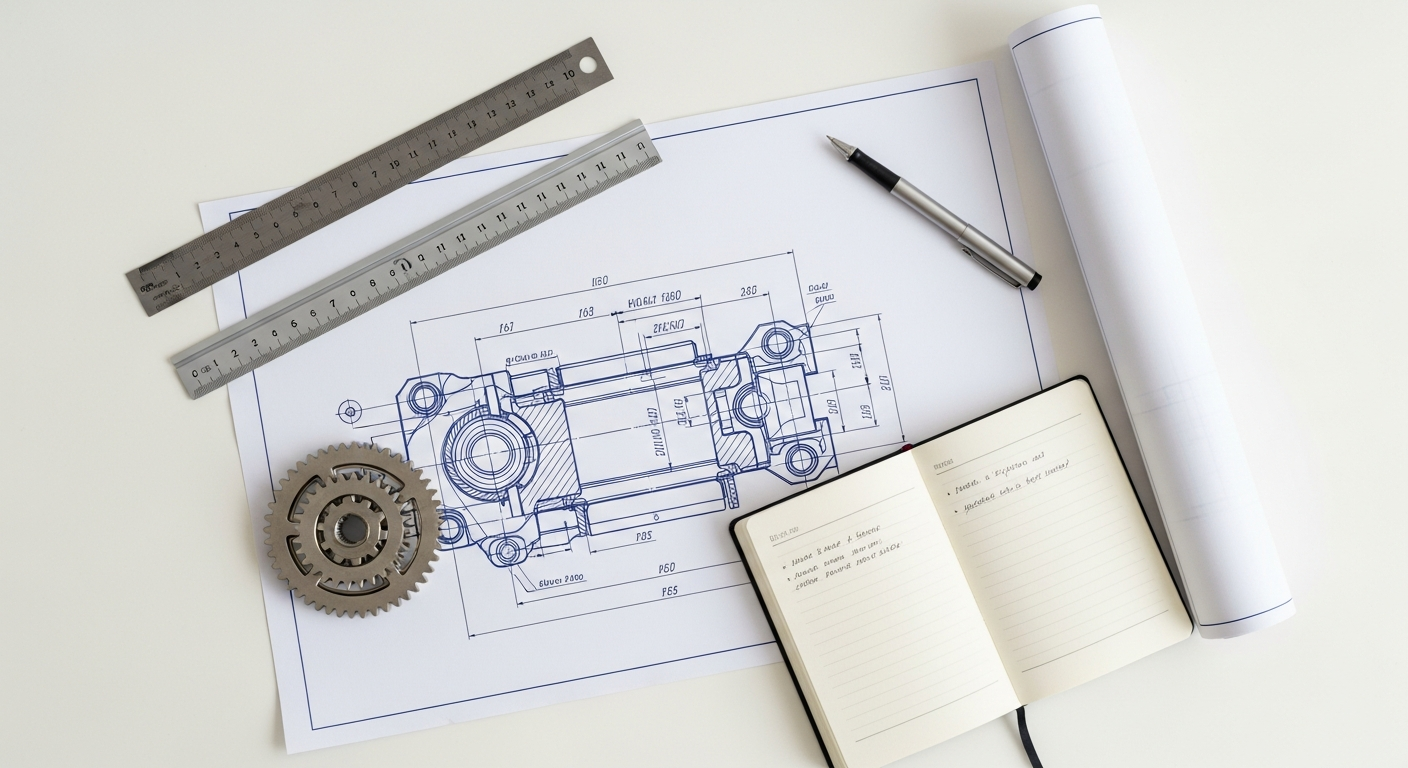
The electric powertrain, comprising the electric motor, power inverter, and often an integrated gearbox, is responsible for converting electrical energy into mechanical motion. Manufacturing these components demands extreme precision to achieve high efficiency, power density, and durability.
Electric Motor Production: Precision and Performance
Modern EV motors, predominantly Permanent Magnet Synchronous Motors (PMSM) or Induction Motors, are engineered for high torque and efficiency across a broad RPM range.
- Stator Manufacturing: This involves winding copper wire around the stator core. Advanced winding techniques like hairpin winding (for higher fill factor and reduced resistance) or needle winding (for high-speed production) are critical. Automated machines ensure precise wire placement and tension. After winding, the stator undergoes impregnation (e.g., Vacuum Pressure Impregnation – VPI) with resin to enhance insulation, thermal conductivity, and mechanical stability.
- Rotor Assembly: For PMSMs, precise insertion and bonding of rare-earth magnets (e.g., Neodymium-Iron-Boron) into the rotor core are crucial. The rotor then undergoes high-speed balancing to minimize vibration and noise, typically to G2.5 balance grade per ISO 21940-11.
- Housing and Assembly: Motor housings, often aluminum die-castings, require precision machining to ensure tight tolerances for bearing seats and sealing surfaces. Automated assembly lines integrate the stator, rotor, bearings, and cooling jacket.
Power Inverter Manufacturing: The Brain of the Powertrain
The inverter converts the DC power from the battery into AC power for the motor and controls the motor’s speed and torque.
- Power Module Integration: The heart of the inverter consists of power semiconductors (IGBTs, SiC MOSFETs, or GaN HEMTs). Manufacturing involves precise die bonding, wire bonding, and encapsulation of these chips onto ceramic substrates. The shift to SiC (Silicon Carbide) and GaN (Gallium Nitride) technologies is driven by their superior switching speeds, higher temperature operation, and reduced losses, demanding advanced manufacturing processes for their brittle nature and smaller geometries.
- PCB Assembly: Control boards and gate driver boards are manufactured using advanced Surface Mount Technology (SMT), ensuring high reliability for complex digital and analog circuits. Automated Optical Inspection (AOI) and In-Circuit Testing (ICT) are standard for quality assurance.
- Thermal Management: Inverters generate significant heat. Manufacturing involves integrating sophisticated liquid cooling channels, heat sinks, and thermal interface materials (TIMs) to maintain optimal operating temperatures for semiconductors.
Integrated Gearbox Production: Smooth Power Delivery
Many EVs utilize a single-speed reduction gearbox or a multi-speed transmission for optimal efficiency.
- Precision Machining: Gears and shafts are produced using high-precision CNC machining, hobbing, and grinding processes to achieve tight tolerances (e.g., AGMA Quality 8-10 for gears) for minimal backlash and noise.
- Heat Treatment: Case hardening (carburizing, nitriding) enhances gear durability and wear resistance.
- Assembly and Testing: Automated assembly ensures precise meshing of gears. End-of-line testing includes Noise, Vibration, and Harshness (NVH) analysis and dyno testing to verify efficiency and torque output.
Key Standards & Metrics: ISO 21780 (EV charging communication), IEC 60034 (rotating electrical machines), Efficiency (%), Power Output (kW), Torque Density (Nm/kg), Power-to-Weight Ratio, NVH Levels (dB).
Power Electronics and Charging Systems: The Grid-to-Vehicle Interface
Beyond the powertrain, a host of power electronics manage energy flow within the EV and facilitate charging. These include on-board chargers (OBCs), DC-DC converters, and components for external charging infrastructure.
On-Board Chargers (OBCs) and DC-DC Converters
OBCs convert AC grid power to DC for battery charging, while DC-DC converters step down the high voltage battery power to 12V for auxiliary systems.
- High-Frequency Component Manufacturing: Both OBCs and DC-DC converters utilize high-frequency switching to achieve efficiency and compactness. This requires specialized manufacturing for inductors, transformers, and capacitors that can handle high currents and frequencies. Automated winding and assembly for magnetic components are critical.
- Thermal Management: Similar to inverters, efficient thermal dissipation is crucial. Manufacturing involves integrating advanced heat sinks, liquid cooling loops, and specialized potting compounds to manage heat generated by power semiconductors.
- EMI/EMC Compliance: Strict electromagnetic interference (EMI) and electromagnetic compatibility (EMC) standards (e.g., CISPR 25, ISO 11452) necessitate precise shielding, grounding, and filter component integration during manufacturing to prevent interference with other vehicle electronics.
Charging Infrastructure Components
Manufacturing for fast-charging stations involves high-power rectifiers, DC-DC converters, and advanced communication modules.
- High-Power Module Assembly: These systems handle hundreds of kilowatts, requiring robust power module assembly, often utilizing liquid cooling loops designed for continuous heavy loads.
- Safety and Communication: Production of charging connectors and communication modules (e.g., for ISO 15118 Vehicle-to-Grid communication) requires high reliability and adherence to strict safety standards (e.g., UL 2202 for EV charging system equipment).
Key Standards & Metrics: ISO 15118 (V2G communication), SAE J1772 (AC charging connector), CCS (Combined Charging System), CHAdeMO, GB/T standards, Conversion Efficiency (%), Power Factor, Ripple Voltage, Thermal Resistance, MTBF (Mean Time Between Failures).
Chassis and Structural Components: Lightweighting and Safety

The shift to EVs brings new demands for chassis and structural components, particularly for accommodating heavy battery packs and ensuring occupant safety in novel crash scenarios. Lightweighting is paramount to offset battery weight and extend range.
Battery Enclosures and Crash Structures
The battery pack is often integrated into the vehicle’s structural frame, requiring robust, lightweight enclosures that also act as crash protection.
- Multi-Material Design: Manufacturers are increasingly using multi-material solutions, combining high-strength steel (HSS), aluminum alloys (extruded profiles, sheet, and castings), and carbon fiber reinforced polymers (CFRP). Manufacturing involves advanced joining techniques such as laser welding, friction stir welding, structural adhesive bonding, and self-piercing riveting to create strong, lightweight structures.
- Giga-Casting: Large-scale aluminum die-casting (giga-casting) is gaining traction for producing entire chassis sections or large battery trays in a single piece, significantly reducing part count, assembly time, and weight. This requires massive casting machines and sophisticated mold designs.
- Hydroforming & Advanced Stamping: For complex geometries in HSS and aluminum, hydroforming and advanced stamping techniques allow for lighter, stronger components with fewer welds.
Body-in-White (BIW) Modifications
EV BIW structures are redesigned to accommodate the battery pack, often integrating it as a structural element, and to manage new load paths during impacts.
- Robotic Welding and Bonding: High-precision robotic welding (spot welding, laser welding) and automated adhesive dispensing systems are used for assembling the BIW, ensuring structural integrity and dimensional accuracy (typically within ±0.5 mm).
- Corrosion Protection: Advanced e-coating and painting processes are applied to ensure long-term corrosion resistance, especially critical for underbody components exposed to road elements.
Key Standards & Metrics: ISO 14001 (environmental management), IATF 16949 (automotive quality management), Weight Reduction (kg), Torsional Stiffness (Nm/degree), Crash Energy Absorption (kJ), Dimensional Accuracy (mm).
Advanced Manufacturing Technologies and Quality Assurance
The complexity and performance demands of EV components necessitate the adoption of cutting-edge manufacturing technologies and rigorous quality assurance protocols.
Automation and Robotics
The EV manufacturing landscape is characterized by high levels of automation.
- Collaborative Robots (Cobots): Used for tasks requiring human-robot interaction, such as final assembly, inspection, and material handling, enhancing flexibility and safety.
- Autonomous Mobile Robots (AMRs): Transport materials and components across the factory floor, optimizing logistics and reducing human error.
- Advanced Vision Systems: Integrated into robotic cells for precise component alignment, defect detection (e.g., solder joint inspection, surface flaw detection), and quality verification.
Additive Manufacturing (AM)
While not yet dominant for mass production of primary components, AM is crucial for prototyping, tooling, and producing complex, lightweight, or customized parts.
- Prototyping & Tooling: Rapid iteration of designs for battery enclosures, motor housings, and cooling channels. Production of jigs, fixtures, and molds.
- Complex Geometries: Manufacturing of optimized heat exchangers, lightweight brackets with lattice structures, or customized connectors that are difficult to produce with traditional methods. Materials include metal powders (aluminum, steel) and high-performance polymers.
Digitalization and Industry 4.0
The integration of digital technologies is transforming factory operations.
- IoT Sensors & Data Analytics: Real-time data collection from production lines provides insights into machine performance, process parameters, and quality metrics. AI/ML algorithms analyze this data for predictive maintenance, anomaly detection, and process optimization.
- Digital Twins: Virtual replicas of production lines, machines, and products enable simulation, optimization, and remote monitoring, facilitating proactive problem-solving and continuous improvement.
- Traceability Systems: Barcode and RFID-based systems ensure complete traceability of every component, from raw material to finished product, critical for quality control, recall management, and adherence to regulatory standards.
Sustainable Manufacturing Practices
Environmental responsibility is integral to EV component production.
- Energy Efficiency: Optimizing manufacturing processes to reduce energy consumption, e.g., using dry electrode processes, energy-efficient machinery, and smart factory management systems.
- Waste Reduction & Recycling: Implementing closed-loop systems for material waste, particularly for battery materials (lithium, cobalt, nickel), and minimizing solvent use.
- Lifecycle Assessment (LCA): Evaluating the environmental impact of components throughout their entire lifecycle, from raw material extraction to end-of-life recycling, to inform design and manufacturing decisions.
Quality Assurance and Compliance
Rigorous quality management systems are non-negotiable.
- Zero-Defect Strategies: Implementing advanced statistical process control (SPC) and 100% automated inspection at critical stages.
- Non-Destructive Testing (NDT): X-ray inspection (for internal battery defects, weld integrity), ultrasonic testing (for material flaws), eddy current testing (for surface cracks and material properties).
- Automotive Quality Standards: Adherence to IATF 16949 (automotive quality management system), ISO 9001, and specific product-related standards ensures consistency and reliability.