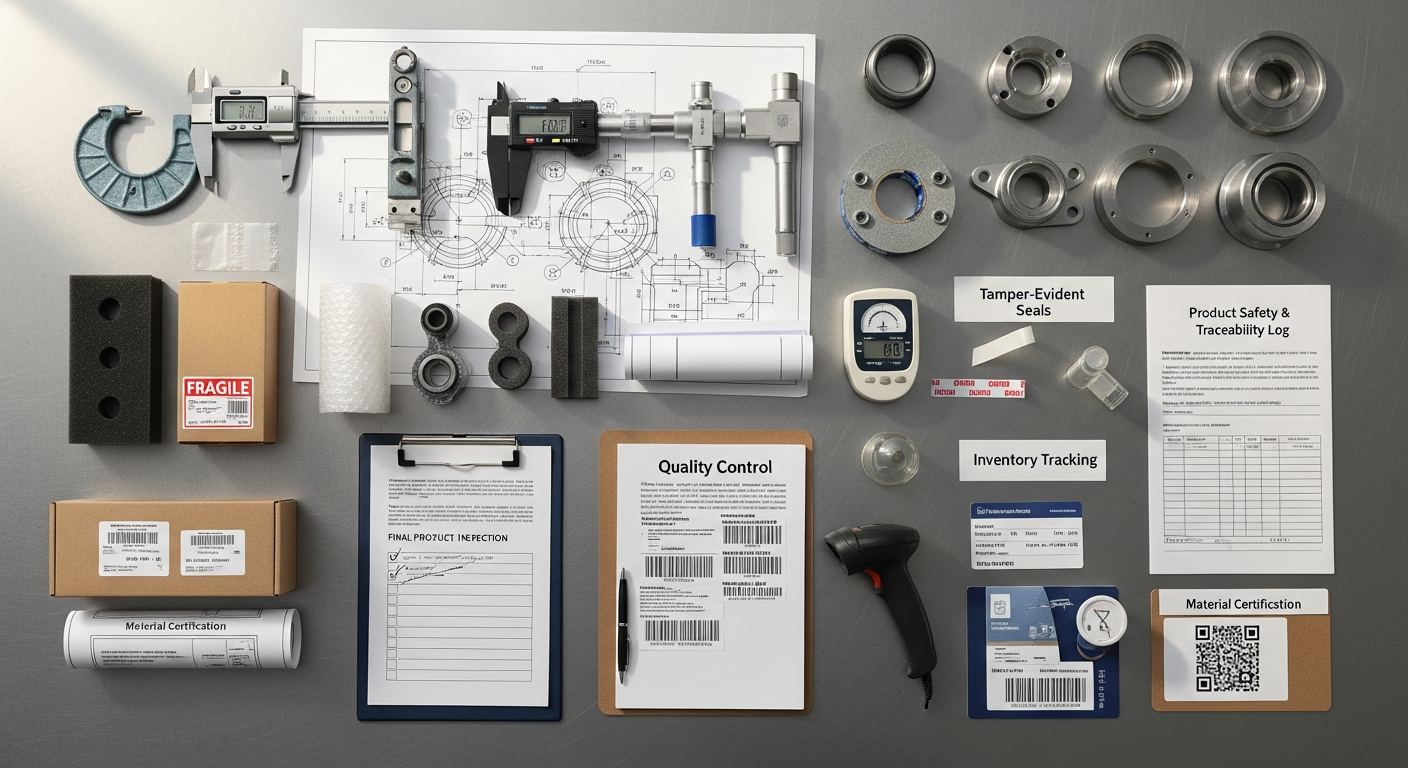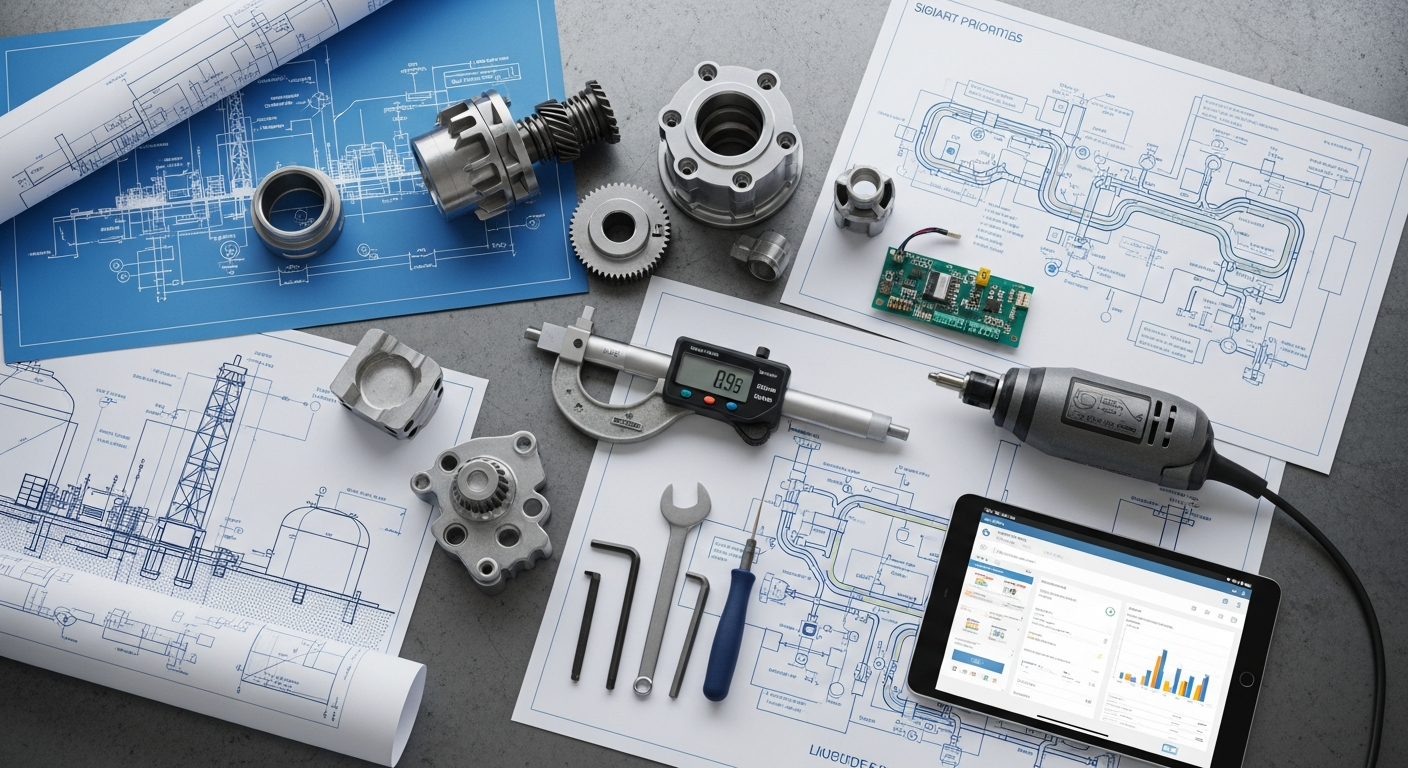
Precision Manufacturing Redefined: Leveraging AI for Operational Excellence by 2026
The manufacturing landscape is undergoing a profound transformation, driven by an accelerating confluence of digital technologies. At the forefront of this evolution stands Artificial Intelligence (AI), no longer a futuristic concept but a tangible, indispensable tool for achieving unparalleled operational efficiency, quality, and adaptability. For manufacturing professionals, engineers, and industry decision-makers, understanding and strategically deploying AI is paramount to securing a competitive edge. By 2026, AI will not merely optimize existing processes; it will fundamentally redefine how products are designed, produced, and delivered.
This comprehensive guide from Mitsubishi Manufacturing explores the strategic imperative of AI, delves into its most impactful use cases, highlights the underlying technologies and industry standards, and quantifies the benefits that leading manufacturers are already realizing. We aim to equip you with the knowledge to navigate this complex yet rewarding frontier, ensuring your operations are not just keeping pace, but setting the standard for precision and innovation.
The AI Imperative in Modern Manufacturing
The global manufacturing sector faces unprecedented challenges: escalating material costs, labor shortages, increasingly complex supply chains, stringent quality demands, and the relentless pressure for sustainable practices. Traditional methodologies, while robust, often struggle to address these multifaceted issues with the speed and granularity required. This is where AI emerges as a critical enabler, providing the analytical horsepower to extract actionable insights from vast datasets, automate complex decision-making, and predict future outcomes with remarkable accuracy.
AI encompasses a broad spectrum of technologies, each contributing uniquely to manufacturing excellence. Machine Learning (ML), a core AI discipline, empowers systems to learn from data without explicit programming, driving capabilities like predictive analytics and pattern recognition. Computer Vision (CV) enables machines to “see” and interpret visual information, revolutionizing quality control and robotic guidance. Natural Language Processing (NLP) facilitates intuitive human-machine interaction and data extraction from unstructured text. These capabilities, often integrated with the Internet of Things (IoT) and advanced robotics, form the bedrock of smart manufacturing environments, positioning businesses for significant advancements by 2026.
Predictive Maintenance and Anomaly Detection
One of the most immediate and impactful applications of AI in manufacturing is predictive maintenance. Traditional maintenance strategies—reactive (repairing after failure) or preventive (scheduled maintenance)—are inherently inefficient. Reactive maintenance leads to costly downtime and unexpected production halts, while preventive maintenance can result in unnecessary servicing of healthy equipment, wasting resources and reducing asset utilization.
AI-driven predictive maintenance shifts this paradigm by forecasting equipment failures before they occur. This is achieved through continuous monitoring of machine health parameters via IoT sensors (e.g., vibration, temperature, current, acoustic emissions) integrated into critical assets like CNC machines, robotic arms, and complex assembly lines. Machine Learning algorithms, such as Random Forests, Support Vector Machines (SVMs), and Recurrent Neural Networks (RNNs) for time-series data analysis, process this streaming sensor data to identify subtle deviations from normal operating conditions. Anomalies that might indicate impending failure are flagged, triggering maintenance alerts.
Edge AI plays a crucial role here, allowing initial data processing and anomaly detection to occur directly on the factory floor, minimizing latency and bandwidth requirements before critical data is sent to cloud-based analytics platforms. Adherence to standards like ISO 55000 (Asset Management) ensures a structured approach to managing physical assets, while ISA-95 provides a framework for integrating control systems with enterprise-level applications, facilitating seamless data flow for AI analysis.
Quantifiable Benefits and Metrics:
- Mean Time Between Failures (MTBF) Improvement: Typical increases of 20-30% by proactively addressing issues.
- Overall Equipment Effectiveness (OEE) Enhancement: Predictive maintenance can boost OEE by 5-10% through reduced unplanned downtime.
- Downtime Reduction: Studies show a reduction in unplanned downtime by 30-50%.
- Maintenance Cost Reduction: Savings of 10-20% on maintenance costs by optimizing service schedules and reducing emergency repairs.
- Asset Lifespan Extension: Optimizing asset operation based on real-time condition monitoring can extend equipment life by 15-25%.
Quality Control and Vision Systems
Maintaining high product quality is non-negotiable in precision manufacturing. Manual inspection, while valuable, is prone to human error, fatigue, and inconsistency, especially with increasing production volumes and product complexity. AI-powered computer vision systems are revolutionizing quality control, offering unparalleled speed, accuracy, and objectivity.
These systems deploy high-resolution cameras, often combined with specialized illumination (e.g., structured light, UV, thermal imaging) and LiDAR sensors, to capture detailed images or 3D scans of products and components. Convolutional Neural Networks (CNNs), a type of Deep Learning algorithm, are trained on vast datasets of both flawless and defective parts. This training enables the CNNs to automatically identify a wide array of defects, including surface imperfections (scratches, dents), dimensional inaccuracies, missing components, assembly errors, and material flaws, with superhuman precision.
Applications span across industries, from inspecting intricate electronic components for solder joint quality to detecting microscopic cracks in automotive castings or verifying the correct placement of labels on consumer goods. These systems can operate at high production speeds, providing real-time feedback that allows for immediate process adjustments, preventing the propagation of defects down the line. Compliance with ISO 9001 (Quality Management Systems) is significantly bolstered by the consistent and auditable data generated by AI vision systems, while specific standards like ASTM E1444 (Magnetic Particle Testing) can be complemented by AI for enhanced non-destructive evaluation.
Quantifiable Benefits and Metrics:
- Defect Detection Rate: Achieves >99% accuracy in identifying critical defects.
- False Positive/Negative Rates: Significantly reduced compared to manual inspection, leading to less scrap and fewer field failures.
- Yield Improvement: Increases production yield by 5-15% through early defect detection and process correction.
- Rework and Scrap Reduction: Decreases waste by 10-20%, leading to substantial material and energy savings.
- Inspection Speed: Accelerates inspection throughput by 5-10x, enabling 100% inline inspection where previously impossible.
Generative Design and Simulation for Product Development
The initial stages of product development—design and engineering—are critical determinants of a product’s performance, manufacturability, and cost. Traditional design processes can be iterative, time-consuming, and often limited by human intuition. AI-driven generative design and advanced simulation are transforming this phase, enabling engineers to explore an exponentially larger design space and arrive at optimized solutions faster.
Generative design leverages AI algorithms, often incorporating Reinforcement Learning and topology optimization techniques, to automatically generate thousands of design variations based on specified functional requirements, material properties, manufacturing constraints (e.g., additive manufacturing, CNC machining), and performance targets (e.g., weight reduction, strength, thermal efficiency). Engineers define the problem, and the AI explores optimal solutions that human designers might not conceive.
These AI-generated designs are then rigorously validated through advanced simulation tools, often enhanced by AI. Digital Twins, virtual replicas of physical products or processes, allow for comprehensive testing and performance prediction in a virtual environment before any physical prototype is built. This integration accelerates the design cycle, reduces the need for costly physical prototypes, and ensures that designs are optimized for both performance and manufacturability from the outset. Standards like ISO 10303 (STEP – Standard for the Exchange of Product Model Data) are crucial for ensuring interoperability between generative design tools, CAD/CAM systems, and simulation software.
Quantifiable Benefits and Metrics:
- Design Iteration Time: Reduces design cycle time by 50-70%.
- Material Usage Reduction: Achieves material savings of 20-40% through topology optimization, particularly beneficial for additive manufacturing.
- Weight Reduction: Improves strength-to-weight ratios by 15-30% for components in industries like aerospace and automotive.
- Performance Improvements: Enhances product performance (e.g., fluid dynamics, heat dissipation, structural integrity) by 10-25%.
- Prototyping Cost Savings: Decreases the need for physical prototypes by 30-50%.
Supply Chain Optimization and Demand Forecasting
Modern supply chains are global, complex, and highly susceptible to disruptions, as recent events have starkly highlighted. Optimizing these intricate networks for efficiency, resilience, and cost-effectiveness is a monumental task. AI provides the analytical power needed to gain end-to-end visibility, predict demand fluctuations, mitigate risks, and streamline logistics.
Machine Learning algorithms, including sophisticated regression models and time-series analysis techniques (e.g., ARIMA, Prophet, Deep Learning for sequential data), are employed to analyze historical sales data, market trends, macroeconomic indicators, social media sentiment, and even weather patterns. This allows for highly accurate demand forecasting, reducing both stockouts and excess inventory. Furthermore, AI can optimize inventory levels across multiple warehouses, route logistics more efficiently, and identify potential supply chain bottlenecks or risks (e.g., supplier solvency, geopolitical instability) before they escalate.
Digital Twins of the entire supply chain can simulate various scenarios (e.g., port closures, sudden demand spikes), allowing decision-makers to test mitigation strategies virtually. Blockchain technology, when integrated with AI, enhances traceability and transparency across the supply chain, providing immutable records of goods movement and origin. Adherence to frameworks like the SCOR model (Supply Chain Operations Reference) provides a standardized approach for evaluating and improving supply chain performance, which AI then significantly enhances.
Quantifiable Benefits and Metrics:
- Forecast Accuracy: Improves demand forecast accuracy (e.g., Mean Absolute Percentage Error – MAPE) by 15-30%.
- Inventory Turnover: Increases inventory turnover rates by 10-20% through optimized stock levels.
- Lead Time Reduction: Decreases order-to-delivery lead times by 5-15% through optimized logistics and proactive risk management.
- Logistics Cost Reduction: Reduces transportation and warehousing costs by 5-15%.
- On-Time Delivery Rate: Boosts on-time delivery performance by 5-10%.
Human-Robot Collaboration (HRC) and Workforce Augmentation
The integration of robots into manufacturing has historically focused on automating repetitive, dangerous, or high-volume tasks in segregated zones. However, the next frontier is human-robot collaboration (HRC), where AI-powered collaborative robots (cobots) work alongside human operators in shared workspaces, augmenting human capabilities and enhancing overall productivity and safety.
Cobots, unlike traditional industrial robots, are designed with safety features (e.g., force and torque sensors, collision detection) and often employ AI to learn tasks, adapt to environmental changes, and understand human intent. Machine Learning algorithms allow cobots to be trained through demonstration, reducing complex programming requirements. Natural Language Processing (NLP) can enable more intuitive human-robot communication, allowing operators to give instructions or receive feedback using natural speech.
These intelligent partners can assist with tasks requiring precision, strength, or endurance, such as heavy lifting, repetitive assembly, precise component placement, or continuous inspection, freeing human workers to focus on more complex problem-solving, decision-making, and creative tasks. This not only addresses labor shortages but also improves ergonomics and reduces the risk of injuries in the workplace. Strict adherence to safety standards like ISO 10218 (Robots and Robotic Devices – Safety Requirements) and ISO/TS 15066 (Collaborative Robots) is paramount to ensure safe and effective HRC deployments.
Quantifiable Benefits and Metrics:
- Throughput Increase: Enhances production throughput by 10-25% in collaborative workspaces.
- Injury Rate Reduction: Significantly lowers workplace injury rates by taking over hazardous or ergonomically challenging tasks.
- Training Time Reduction: Decreases robot programming and operator training time by 30-50% through intuitive interfaces and learning capabilities.
- Task Completion Efficiency: Improves the efficiency of complex assembly and handling tasks by 15-20%.
- Flexibility and Adaptability: Increases the agility of production lines to adapt to product variations and smaller batch sizes.
Frequently Asked Questions (FAQ)
Q1: What is the primary Return on Investment (ROI) manufacturers can expect from AI implementation?
A1: The primary ROI stems from enhanced operational efficiency, significant cost reductions, and improved product quality. This translates into tangible benefits such as reduced unplanned downtime (e.g., 30-50% for predictive maintenance), decreased scrap and rework (e.g., 10-20% for quality control), optimized inventory levels (e.g., 10-20% for supply chain), and accelerated product development cycles (e.g., 50-70% for generative design). These improvements collectively contribute to increased profitability and a stronger competitive position.
Q2: What data infrastructure is typically required to effectively implement AI in a manufacturing environment?
A2: Effective AI implementation hinges on a robust data infrastructure. This includes a comprehensive network of IoT sensors for collecting real-time operational data, secure data ingestion pipelines, and a centralized data lake or data warehouse for storing and managing vast quantities of structured and unstructured data. Cloud computing platforms (e.g., AWS, Azure, Google Cloud) often provide the scalable computational power and storage needed for complex AI model training, while edge computing is crucial for real-time processing on the factory floor. Data governance strategies, ensuring data quality, security, and accessibility, are also critical.
Q3: How does AI integrate with existing manufacturing systems and legacy equipment?
A3: AI integration typically involves leveraging Application Programming Interfaces (APIs) and middleware to connect AI platforms with existing Enterprise Resource Planning (ERP), Manufacturing Execution Systems (MES), Supervisory Control and Data Acquisition (SCADA) systems, and Programmable Logic Controllers (PLCs). For legacy equipment lacking modern connectivity, retrofitting with IoT sensors and gateways can enable data collection. Adherence to standards like ISA-95 facilitates a structured approach to integrating control systems with enterprise-level applications, ensuring seamless data exchange and operational coherence.
Q4: What are the main challenges manufacturers face when adopting AI, and how can they be addressed?
A4: Key challenges include data quality and availability (AI models require clean, relevant data), talent shortages (finding skilled data scientists and AI engineers), integration complexities with legacy systems, and cybersecurity concerns. These can be addressed by starting with pilot projects to demonstrate value, investing in data governance and data cleansing initiatives, upskilling the existing workforce, partnering with AI solution providers, and implementing robust cybersecurity protocols aligned with standards like ISO 27001.
Q5: Can small and medium-sized manufacturers (SMMs) effectively leverage AI, or is it primarily for large enterprises?
A5: Absolutely, SMMs can significantly benefit from AI. While large enterprises may have greater resources, AI solutions are becoming increasingly accessible and scalable. SMMs can start by focusing on specific, high-impact problems (e.g., a single production line’s predictive maintenance or quality inspection) rather than attempting a factory-wide overhaul. Leveraging cloud-based AI as a Service (AIaaS) platforms and partnering with specialized integrators can provide cost-effective entry points, reducing the need for significant upfront infrastructure investment and specialized in-house talent.
Conclusion
The journey towards an AI-powered manufacturing future is not merely about adopting new technologies; it’s about embracing a strategic shift towards data-driven decision-making, hyper-efficiency, and unparalleled precision. By 2026, manufacturers who have successfully integrated AI into their operations will distinguish themselves through superior product quality, reduced operational costs, enhanced supply chain resilience, and a more agile response to market demands.
Mitsubishi Manufacturing is committed to being at the forefront of this evolution, providing the advanced engineering and technological solutions that empower industries to harness the full potential of AI. The opportunities are immense, from transforming maintenance routines and elevating quality standards to revolutionizing product design and optimizing global supply chains. By strategically investing in AI today, manufacturers are not just preparing for the future; they are actively shaping it, setting new benchmarks for operational excellence and sustainable growth.
Embrace the intelligence, embrace the future of manufacturing.
“`json
{
“@context”: “https://schema.org”,
“@graph”: [
{
“@type”: “Article”,
“headline”: “Precision Manufacturing Redefined: Leveraging AI for Operational Excellence by 2026”,
“description”: “A comprehensive guide for manufacturing professionals on the strategic imperative of AI, detailing use cases like predictive maintenance, quality control, generative design, supply chain optimization, and human-robot collaboration, with specific technologies, standards, and performance metrics for 2026.”,
“image”: [
“https://www.mitsubishi-manufacturing.com/images/ai-manufacturing-hero.jpg”,
“https://www.mitsubishi-manufacturing.com/images/ai-predictive-maintenance.jpg”,
“https://www.mitsubishi-manufacturing.com/images/ai-quality-control.jpg”
],
“author”: {
“@type”: “Organization”,
“name”: “Mitsubishi Manufacturing”
},
“publisher”: {
“@type”: “Organization”,
“name”: “Mitsubishi Manufacturing”,
“logo”: {
“@type”: “ImageObject”,
“url”: “https://www.mitsubishi-manufacturing.com/logo.png”
}
},
“datePublished”: “2024-07-26”,
“dateModified”: “2024-07-26”,
“mainEntityOfPage”: {
“@type”: “WebPage”,
“@id”: “https://www.mitsubishi-manufacturing.com/blog/ai-in-manufacturing-guide-2026”
},
“articleSection”: [
“Engineering & Technology”,
“Artificial Intelligence”,
“Manufacturing”
],
“keywords”: “AI in manufacturing, industrial AI, manufacturing 2026, predictive maintenance, quality control AI, generative design, supply chain optimization AI, human-robot collaboration, industry 4.0, smart factory, operational excellence”,
“articleBody”: “The manufacturing landscape is undergoing a profound transformation, driven by an accelerating confluence of digital technologies. At the forefront of this evolution stands Artificial Intelligence (AI), no longer a futuristic concept but a tangible, indispensable tool for achieving unparalleled operational efficiency, quality, and adaptability. For manufacturing professionals, engineers, and industry decision-makers, understanding and strategically deploying AI is paramount to securing a competitive edge. By 2026, AI will not merely optimize existing processes; it will fundamentally redefine how products are designed, produced, and delivered.\n\nThis comprehensive guide from Mitsubishi Manufacturing explores the strategic imperative of AI, delves into its most impactful use cases, highlights the underlying technologies and industry standards, and quantifies the benefits that leading manufacturers are already realizing. We aim to equip you with the knowledge to navigate this complex yet rewarding frontier, ensuring your operations are not just keeping pace, but setting the standard for precision and innovation.\n\n
The AI Imperative in Modern Manufacturing
\n\nThe global manufacturing sector faces unprecedented challenges: escalating material costs, labor shortages, increasingly complex supply chains, stringent quality demands, and the relentless pressure for sustainable practices. Traditional methodologies, while robust, often struggle to address these multifaceted issues with the speed and granularity required. This is where AI emerges as a critical enabler, providing the analytical horsepower to extract actionable insights from vast datasets, automate complex decision-making, and predict future outcomes with remarkable accuracy.\n\nAI encompasses a broad spectrum of technologies, each contributing uniquely to manufacturing excellence. Machine Learning (ML), a core AI discipline, empowers systems to learn from data without explicit programming, driving capabilities like predictive analytics and pattern recognition. Computer Vision (CV) enables machines to \”see\” and interpret visual information, revolutionizing quality control and robotic guidance. Natural Language Processing (NLP) facilitates intuitive human-machine interaction and data extraction from unstructured text. These capabilities, often integrated with the Internet of Things (IoT) and advanced robotics, form the bedrock of smart manufacturing environments, positioning businesses for significant advancements by 2026.\n\n
Predictive Maintenance and Anomaly Detection
\n\nOne of the most immediate and impactful applications of AI in manufacturing is predictive maintenance. Traditional maintenance strategies—reactive (repairing after failure) or preventive (scheduled maintenance)—are inherently inefficient. Reactive maintenance leads to costly downtime and unexpected production halts, while preventive maintenance can result in unnecessary servicing of healthy equipment, wasting resources and reducing asset utilization.\n\nAI-driven predictive maintenance shifts this paradigm by forecasting equipment failures before they occur. This is achieved through continuous monitoring of machine health parameters via IoT sensors (e.g., vibration, temperature, current, acoustic emissions) integrated into critical assets like CNC machines, robotic arms, and complex assembly lines. Machine Learning algorithms, such as Random Forests, Support Vector Machines (SVMs), and Recurrent Neural Networks (RNNs) for time-series data analysis, process this streaming sensor data to identify subtle deviations from normal operating conditions. Anomalies that might indicate impending failure are flagged, triggering maintenance alerts.\n\nEdge AI plays a crucial role here, allowing initial data processing and anomaly detection to occur directly on the factory floor, minimizing latency and bandwidth requirements before critical data is sent to cloud-based analytics platforms. Adherence to standards like ISO 55000 (Asset Management) ensures a structured approach to managing physical assets, while ISA-95 provides a framework for integrating control systems with enterprise-level applications, facilitating seamless data flow for AI analysis.\n\n
Quantifiable Benefits and Metrics:
\n
- \n
- Mean Time Between Failures (MTBF) Improvement: Typical increases of 20-30% by proactively addressing issues.
- Overall Equipment Effectiveness (OEE) Enhancement: Predictive maintenance can boost OEE by 5-10% through reduced unplanned downtime.
- Downtime Reduction: Studies show a reduction in unplanned downtime by 30-50%.
- Maintenance Cost Reduction: Savings of 10-20% on maintenance costs by optimizing service schedules and reducing emergency repairs.
- Asset Lifespan Extension: Optimizing asset operation based on real-time condition monitoring can extend equipment life by 15-25%.
\n
\n
\n
\n
\n
\n\n
Quality Control and Vision Systems
\n\nMaintaining high product quality is non-negotiable in precision manufacturing. Manual inspection, while valuable, is prone to human error, fatigue, and inconsistency, especially with increasing production volumes and product complexity. AI-powered computer vision systems are revolutionizing quality control, offering unparalleled speed, accuracy, and objectivity.\n\nThese systems deploy high-resolution cameras, often combined with specialized illumination (e.g., structured light, UV, thermal imaging) and LiDAR sensors, to capture detailed images or 3D scans of products and components. Convolutional Neural Networks (CNNs), a type of Deep Learning algorithm, are trained on vast datasets of both flawless and defective parts. This training enables the CNNs to automatically identify a wide array of defects, including surface imperfections (scratches, dents), dimensional inaccuracies, missing components, assembly errors, and material flaws, with superhuman precision.\n\nApplications span across industries, from inspecting intricate electronic components for solder joint quality to detecting microscopic cracks in automotive castings or verifying the correct placement of labels on consumer goods. These systems can operate at high production speeds, providing real-time feedback that allows for immediate process adjustments, preventing the propagation of defects down the line. Compliance with ISO 9001 (Quality Management Systems) is significantly bolstered by the consistent and auditable data generated by AI vision systems, while specific standards like ASTM E1444 (Magnetic Particle Testing) can be complemented by AI for enhanced non-destructive evaluation.\n\n
Quantifiable Benefits and Metrics:
\n
- \n
- Defect Detection Rate: Achieves >99% accuracy in identifying critical defects.
- False Positive/Negative Rates: Significantly reduced compared to manual inspection, leading to less scrap and fewer field failures.
- Yield Improvement: Increases production yield by 5-15% through early defect detection and process correction.
- Rework and Scrap Reduction: Decreases waste by 10-20%, leading to substantial material and energy savings.
- Inspection Speed: Accelerates inspection throughput by 5-10x, enabling 100% inline inspection where previously impossible.
\n
\n
\n
\n
\n
\n\n
Generative Design and Simulation for Product Development
\n\nThe initial stages of product development—design and engineering—are critical determinants of a product’s performance, manufacturability, and cost. Traditional design processes can be iterative, time-consuming, and often limited by human intuition. AI-driven generative design and advanced simulation are transforming this phase, enabling engineers to explore an exponentially larger design space and arrive at optimized solutions faster.\n\nGenerative design leverages AI algorithms, often incorporating Reinforcement Learning and topology optimization techniques, to automatically generate thousands of design variations based on specified functional requirements, material properties, manufacturing constraints (e.g., additive manufacturing, CNC machining), and performance targets (e.g., weight reduction, strength, thermal efficiency). Engineers define the problem, and the AI explores optimal solutions that human designers might not conceive.\n\nThese AI-generated designs are then rigorously validated through advanced simulation tools, often enhanced by AI. Digital Twins, virtual replicas of physical products or processes, allow for comprehensive testing and performance prediction in a virtual environment before any physical prototype is built. This integration accelerates the design cycle, reduces the need for costly physical prototypes, and ensures that designs are optimized for both performance and manufacturability from the outset. Standards like ISO 10303 (STEP – Standard for the Exchange of Product Model Data) are crucial for ensuring interoperability between generative design tools, CAD/CAM systems, and simulation software.\n\n
Quantifiable Benefits and Metrics:
\n
- \n
- Design Iteration Time: Reduces design cycle time by 50-70%.
- Material Usage Reduction: Achieves material savings of 20-40% through topology optimization, particularly beneficial for additive manufacturing.
- Weight Reduction: Improves strength-to-weight ratios by 15-30% for components in industries like aerospace and automotive.
- Performance Improvements: Enhances product performance (e.g., fluid dynamics, heat dissipation, structural integrity) by 10-25%.
- Prototyping Cost Savings: Decreases the need for physical prototypes by 30-50%.
\n
\n
\n
\n
\n
\n\n
Supply Chain Optimization and Demand Forecasting
\n\nModern supply chains are global, complex, and highly susceptible to disruptions, as recent events have starkly highlighted. Optimizing these intricate networks for efficiency, resilience, and cost-effectiveness is a monumental task. AI provides the analytical power needed to gain end-to-end visibility, predict demand fluctuations, mitigate risks, and streamline logistics.\n\nMachine Learning algorithms, including sophisticated regression models and time-series analysis techniques (e.g., ARIMA, Prophet, Deep Learning for sequential data), are employed to analyze historical sales data,