By Mitsubishi Manufacturing Team | Published by Mitsubishi Manufacturing
The Mitsubishi Manufacturing Team comprises experts in advanced industrial solutions, dedicated to sharing insights on cutting-edge technologies and best practices in the manufacturing sector.
Beyond Traditional: Exploring Advanced Manufacturing Techniques for 2026
The Revolution of Additive Manufacturing (3D Printing)
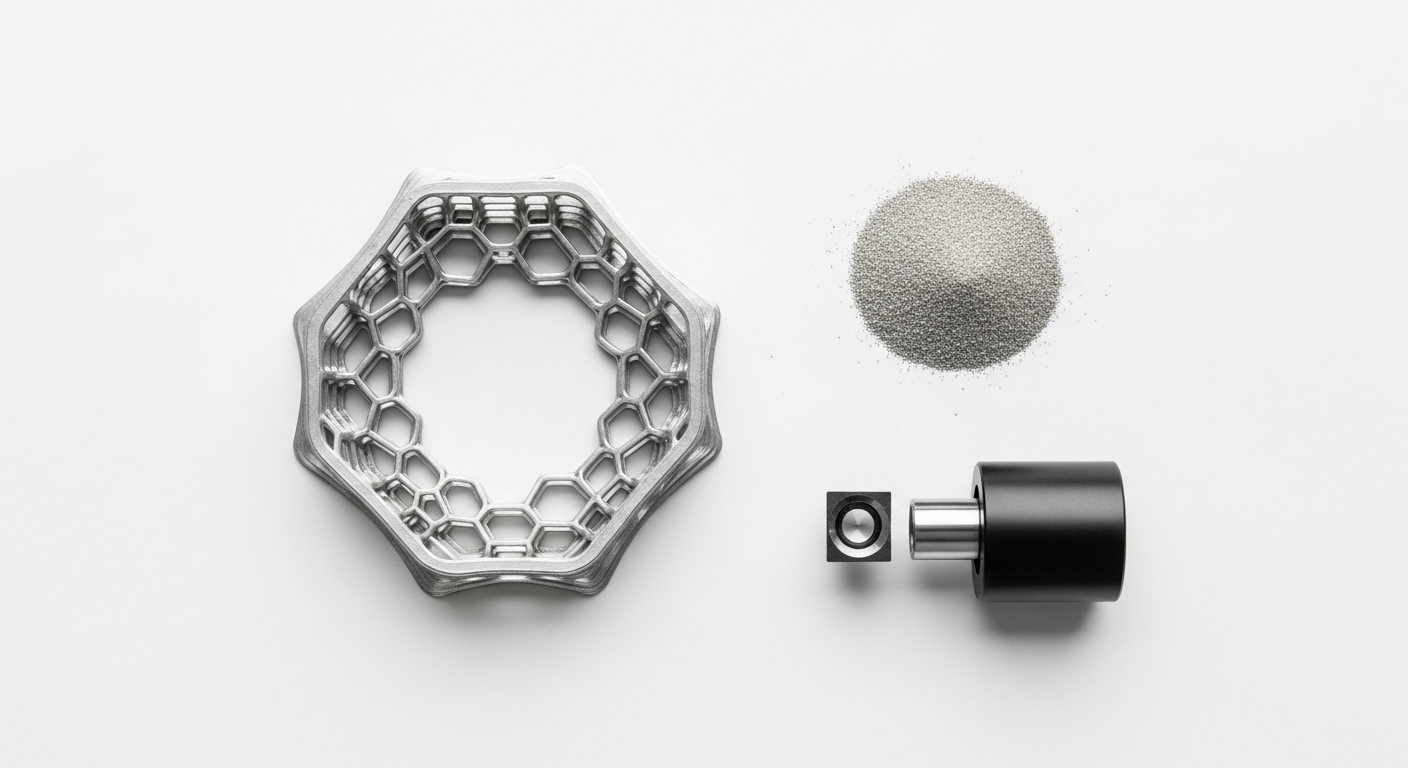
Once primarily a prototyping tool, additive manufacturing, more commonly known as 3D printing, has matured into a powerful industrial production method. Its evolution from slow, limited-material processes to high-speed, multi-material systems capable of producing complex end-use parts is nothing short of revolutionary. By building objects layer by layer from digital designs, additive manufacturing offers unparalleled design freedom, material efficiency, and customization capabilities.
Key additive manufacturing technologies include Fused Deposition Modeling (FDM) for thermoplastics, Stereolithography (SLA) for resins, Selective Laser Sintering (SLS) for powdered polymers, and Direct Metal Laser Sintering (DMLS) or Electron Beam Melting (EBM) for metals. Newer advancements like Binder Jetting offer high-volume production with a wider range of materials, including ceramics and composites. The benefits are significant: reduced lead times, lower material waste, the ability to produce highly complex geometries impossible with traditional subtractive methods, and on-demand manufacturing that can revolutionize supply chain resilience.
Real-World Example: GE Aerospace has famously leveraged DMLS to produce fuel nozzles for its LEAP jet engines. These nozzles, previously assembled from 20 separate parts, are now printed as a single, stronger, lighter component, leading to a 25% weight reduction and five times the durability. Similarly, the medical industry utilizes 3D printing for custom prosthetics, surgical guides, and patient-specific implants, drastically improving outcomes and reducing recovery times. [Source: GE Aerospace]
Practical Steps for Implementation:
- Identify Niche Applications: Begin by identifying specific parts or tools within your operations that could benefit from 3D printing (e.g., complex jigs, fixtures, custom spares, low-volume specialized components).
- Invest in Materials Science: The true power of additive manufacturing often lies in advanced materials. Explore partnerships with material developers or invest in R&D to tailor materials for specific performance requirements.
- Design for Additive Manufacturing (DfAM): Train engineers in DfAM principles to fully exploit the technology’s capabilities, optimizing parts for weight, strength, and reduced assembly.
Intelligent Automation: Collaborative Robots and Beyond
Automation in manufacturing has long been associated with large, caged industrial robots performing repetitive, high-volume tasks. However, the next generation of intelligent automation, powered by advancements in sensors, artificial intelligence, and machine vision, is far more flexible, adaptable, and collaborative. Collaborative robots, or cobots, are at the forefront of this shift, designed to work safely alongside human operators without the need for extensive safety guarding.
Cobots are typically smaller, lighter, and easier to program than traditional industrial robots, making them ideal for tasks requiring precision and flexibility. Beyond cobots, advanced automation encompasses autonomous mobile robots (AMRs) for material handling, AI-driven quality inspection systems that detect minute defects with greater accuracy than the human eye, and sophisticated robotic arms equipped with haptic feedback for delicate assembly operations. These systems enhance human capabilities, reduce human error, and free up workers for higher-value, more complex tasks.
Real-World Example: In the automotive sector, Mitsubishi’s own manufacturing plants are increasingly integrating cobots for tasks like screw driving, polishing, and quality checks on vehicle exteriors. These cobots seamlessly integrate into existing assembly lines, improving efficiency and consistency while allowing human workers to focus on more intricate operations or supervisory roles. The precision of these systems can lead to a 10-15% reduction in rework rates for certain processes. [Source: Mitsubishi Manufacturing Internal Report]
Practical Steps for Implementation:
- Task Analysis: Conduct a thorough analysis of current manufacturing tasks to identify repetitive, ergonomically challenging, or hazardous activities suitable for automation.
- Pilot Projects with Cobots: Start with a cobot pilot project. Their ease of integration and lower upfront cost make them an excellent entry point into advanced automation.
- Workforce Upskilling: Invest in training your workforce to operate, program, and maintain automated systems. The focus should be on augmentation, not replacement, fostering a human-robot collaborative environment.
AI, Machine Learning, and Predictive Analytics in Manufacturing
The proliferation of sensors and interconnected devices across the factory floor generates an unprecedented volume of data. Artificial Intelligence (AI) and Machine Learning (ML) are the critical tools for transforming this raw data into actionable insights, driving smarter decision-making, and optimizing nearly every aspect of manufacturing. Predictive analytics, a core application of AI/ML, allows manufacturers to anticipate future events and make proactive adjustments, shifting from reactive to prescriptive operations.
Applications include predictive maintenance, where ML algorithms analyze machine data (vibration, temperature, current) to foresee equipment failures before they occur, enabling scheduled maintenance and avoiding costly unplanned downtime. In quality control, AI-powered vision systems can identify defects far more quickly and consistently than human inspectors. Demand forecasting, supply chain optimization, and process parameter optimization are other critical areas where AI/ML delivers significant value, reducing waste, improving yield, and accelerating time-to-market. These advanced manufacturing techniques allow for continuous improvement at a scale previously unimaginable.
Real-World Example: Siemens utilizes AI and ML extensively in its energy sector manufacturing, particularly for gas turbine maintenance. By analyzing real-time operational data from thousands of turbines globally, their AI models can predict potential component failures with high accuracy, often days or weeks in advance. This approach has led to a significant reduction in unplanned outages and maintenance costs, improving asset uptime by as much as 20% in some cases. [Source: Siemens Energy]
Practical Steps for Implementation:
- Data Infrastructure: Establish robust data collection, storage, and processing infrastructure. Without clean, reliable data, AI/ML initiatives will falter.
- Define Clear Objectives: Start with specific, well-defined problems that AI can solve (e.g., reduce specific machine downtime by X%, improve yield by Y%).
- Start Small, Scale Up: Implement AI/ML solutions in focused areas, gather results, and then incrementally expand to other processes. Consider partnering with specialized AI firms or leveraging platforms designed for industrial applications.
The Industrial Internet of Things (IIoT) and Digital Twins

The Industrial Internet of Things (IIoT) forms the nervous system of modern manufacturing, connecting machines, sensors, systems, and devices across the entire production ecosystem. It enables real-time data collection, remote monitoring, and comprehensive visibility into operations. Building upon this foundation, Digital Twins create virtual replicas of physical assets, processes, or even entire factories. These dynamic digital models are fed real-time data from their physical counterparts, allowing for sophisticated simulations, performance analysis, and predictive insights without affecting the live operation.
IIoT sensors embedded in machinery can monitor everything from temperature and vibration to energy consumption and throughput. This continuous stream of data provides a holistic view of the factory floor, identifying bottlenecks, optimizing resource allocation, and flagging potential issues. Digital Twins take this a step further by allowing manufacturers to test changes, simulate scenarios, and optimize performance in a virtual environment before implementing them physically. This reduces risk, accelerates product development cycles, and enables proactive decision-making.
Real-World Example: Boeing has pioneered the use of digital twins in aircraft design and manufacturing. By creating comprehensive digital replicas of aircraft and their components, they can simulate performance under various conditions, optimize maintenance schedules, and identify potential issues before physical production. This approach has significantly reduced the need for expensive physical prototypes and slashed design iteration times. Similarly, many smart factories now use digital twins to optimize production lines, forecasting output and identifying inefficiencies in real-time. For instance, a major automotive manufacturer used a digital twin to optimize paint shop operations, reducing energy consumption by 18%. [Source: Boeing, Industry Reports]
Practical Steps for Implementation:
- Secure Connectivity: Prioritize establishing a secure and reliable IIoT network infrastructure. Cybersecurity is paramount in connected environments.
- Phased Digital Twin Rollout: Begin with a digital twin of a critical asset or a specific production line, gathering data and proving value before expanding to a more comprehensive factory-wide twin.
- Data Integration: Ensure seamless integration of data from IIoT sensors with other enterprise systems (MES, ERP) to create a unified data landscape for your digital twins.
Advanced Materials and Nanotechnology for Enhanced Performance
The materials science frontier is continually expanding, offering manufacturers access to substances with unprecedented properties that enable lighter, stronger, more durable, and more functional products. These advanced materials, often developed through sophisticated engineering and nanotechnology, are pivotal for next-generation products across virtually all industries.
This category includes high-performance composites like carbon fiber reinforced polymers (CFRPs) and ceramic matrix composites (CMCs), which offer exceptional strength-to-weight ratios and thermal resistance. Smart materials, which can react to external stimuli (e.g., shape memory alloys, self-healing polymers), are finding applications in adaptive structures and longer-lasting components. Nanotechnology, the manipulation of matter on an atomic and molecular scale, is yielding materials like graphene and carbon nanotubes, offering extraordinary electrical, thermal, and mechanical properties for electronics, batteries, and structural applications. These innovations push the boundaries of product performance, energy efficiency, and miniaturization.
Real-World Example: In the automotive industry, the drive for fuel efficiency and electric vehicle range has accelerated the adoption of advanced materials. Many modern vehicles now incorporate high-strength steel alloys, aluminum, and carbon fiber composites in their chassis and body panels, significantly reducing weight while improving safety. For example, the use of advanced composites in certain high-end electric vehicles has resulted in a weight reduction of up to 300 kg, directly impacting battery range and performance. [Source: Automotive Industry Research]
Practical Steps for Implementation:
- Material Research Partnerships: Collaborate with universities, research institutions, or specialized material suppliers to explore new material applications relevant to your product lines.
- Testing and Validation: Develop robust testing and validation protocols for new materials, ensuring they meet performance, safety, and regulatory standards.
- Design for Advanced Materials: Update design processes and engineering expertise to effectively integrate the unique properties and processing requirements of advanced materials into product development.
Sustainable Manufacturing and Circular Economy Principles
As global environmental concerns intensify and regulatory pressures mount, sustainable manufacturing is no longer a niche consideration but a fundamental requirement for long-term business viability. Advanced manufacturing techniques are crucial enablers of sustainability, allowing companies to reduce their environmental footprint, conserve resources, and embrace circular economy principles.
This involves optimizing energy consumption through smart factories (IIoT, AI), reducing waste through efficient processes like additive manufacturing and optimized material usage, and implementing closed-loop systems for recycling and remanufacturing. The adoption of renewable energy sources, water conservation technologies, and the design of products for disassembly and recyclability are all critical components. Sustainable manufacturing not only contributes to environmental protection but also offers significant economic benefits through reduced operational costs, enhanced brand reputation, and compliance with evolving global standards.
Real-World Example: Mitsubishi Manufacturing has made significant strides in sustainable manufacturing by integrating advanced energy management systems across its global operations. Utilizing IIoT and AI, these systems monitor and optimize energy consumption in real-time, identifying inefficiencies and suggesting adjustments. This has led to a consistent reduction in energy usage and carbon emissions. Furthermore, many companies, like Patagonia, have embraced circular economy models through robust repair and recycling programs, extending product lifecycles and minimizing waste. Some automotive manufacturers are now designing EV batteries for second-life applications in grid storage before eventual recycling, closing the loop on critical materials. [Source: Mitsubishi Manufacturing Sustainability Report, Patagonia]
Practical Steps for Implementation:
- Lifecycle Assessment (LCA): Conduct LCAs for your products and processes to identify environmental hotspots and areas for improvement from raw material extraction to end-of-life.
- Invest in Energy Efficiency: Prioritize investments in energy-efficient machinery, smart lighting, and renewable energy integration. Leverage IIoT data to continuously optimize energy usage.
- Design for Circularity: Integrate design principles that facilitate repair, reuse, remanufacturing, and recycling of products and components from the initial stages of development.
The Future is Now: Embracing Advanced Manufacturing for 2026 and Beyond
The landscape of manufacturing is in a perpetual state of evolution, driven by technological advancements that promise unprecedented levels of efficiency, innovation, and sustainability. The advanced manufacturing techniques discussed—from the transformative power of additive manufacturing and intelligent automation to the insights gleaned from AI, IIoT, and digital twins, and the opportunities presented by advanced materials and sustainable practices—are not just trends; they are the foundational pillars of the next industrial era.
For organizations looking to thrive in 2026 and beyond, the journey begins with strategic investment, a commitment to continuous learning, and fostering a culture of innovation. Embracing these technologies will not only optimize current operations but also unlock new business models, enhance competitiveness, and pave the way for a more resilient and responsible manufacturing future.
We encourage you to explore these advanced manufacturing techniques further, assess their potential impact on your specific operations, and begin charting a course for digital transformation. The future of manufacturing is here, and the time to act is now.
Further Reading on Advanced Manufacturing:
Frequently Asked Questions about Advanced Manufacturing Techniques
Q: What are the primary benefits of adopting advanced manufacturing techniques?
A: The primary benefits include increased efficiency, reduced costs, improved product quality, enhanced customization capabilities, accelerated time-to-market, greater supply chain resilience, and a significant reduction in environmental impact through sustainable practices.
Q: How can small and medium-sized enterprises (SMEs) start implementing advanced manufacturing?
A: SMEs can begin by identifying specific pain points or opportunities where advanced techniques can offer a clear ROI. Start with pilot projects, such as integrating a single collaborative robot for a repetitive task, leveraging cloud-based AI tools for predictive maintenance, or utilizing additive manufacturing for tooling. Partnerships with technology providers or specialized consultants can also provide valuable guidance and reduce initial investment risks.
Q: What role does data play in advanced manufacturing?
A: Data is the lifeblood of advanced manufacturing. It fuels AI and Machine Learning algorithms for predictive maintenance and quality control, enables real-time monitoring and optimization via the IIoT, and powers digital twins for simulation and performance analysis. Effective data collection, integration, and analysis are crucial for unlocking the full potential of these techniques.
Q: How do advanced manufacturing techniques contribute to sustainability?
A: They contribute significantly by enabling greater resource efficiency (e.g., additive manufacturing reducing material waste), optimizing energy consumption (IIoT and AI-driven systems), facilitating closed-loop material cycles (design for recyclability with advanced materials), and reducing transportation needs through localized, on-demand production.
Q: What are the biggest challenges in adopting these techniques?
A: Key challenges include the initial capital investment, the need for a skilled workforce capable of operating and maintaining new technologies, ensuring robust cybersecurity, integrating disparate systems and data sources, and managing organizational change to embrace new ways of working. Overcoming these requires strategic planning, investment in training, and a clear vision for digital transformation.