Continuous Improvement Programs That Survive Leadership Changes
Building Continuous Improvement Programs That Survive Leadership Changes requires embedding CI into the organizational culture, standardizing processes, leveraging data, empowering teams, and integrating CI into strategic planning. Focus on institutionalizing knowledge and responsibility rather than relying solely on individual leaders.
Cultivating a Culture of Continuous Improvement Beyond Individuals
The most resilient Continuous Improvement Programs That Survive Leadership Changes are those deeply woven into the fabric of the organization’s culture, rather than being solely dependent on the passion or tenure of a specific leader. A culture of continuous improvement means that every employee, from the shop floor to the executive suite, understands their role in identifying waste, solving problems, and driving efficiency. This goes beyond mere participation in CI events; it’s about fostering a mindset where improvement is an ongoing, expected part of daily work. To achieve this, organizations must invest in widespread education and communication. Regular town halls, internal newsletters, and digital platforms can reinforce the importance of CI, share success stories, and make the program’s objectives transparent. Leaders, regardless of their position, must consistently model CI behaviors, champion initiatives, and provide resources, demonstrating that improvement is a core value, not a temporary project. This means actively soliciting feedback, empowering employees to challenge the status quo, and celebrating small wins as much as large breakthroughs. Furthermore, incorporating CI principles into performance reviews and job descriptions can formalize its importance, signaling to employees that their contribution to continuous improvement is a measurable and valued aspect of their role. When improvement becomes an inherent part of ‘how we do things here,’ it creates a self-sustaining ecosystem that is far less susceptible to the shifting tides of leadership. The collective ownership and inherent value placed on optimization become the program’s ultimate safeguard against individual departures, ensuring that the drive for excellence persists as a fundamental organizational trait.
Standardizing Processes and Documentation for Knowledge Retention
One of the primary vulnerabilities of Continuous Improvement Programs That Survive Leadership Changes is the loss of institutional knowledge when key personnel depart. A new leader, unfamiliar with past initiatives, successes, and failures, might inadvertently discard valuable progress or repeat previous mistakes. To mitigate this, robust process standardization and comprehensive documentation are paramount. Every CI project, from its inception to its implementation and post-implementation review, should be meticulously documented. This includes problem statements, root cause analyses, proposed solutions, pilot results, implementation plans, and verified outcomes. Standard Operating Procedures (SOPs) for CI methodologies themselves – how projects are initiated, managed, and closed – ensure consistency regardless of who is leading the effort. Visual management tools, such as digital dashboards and standardized project boards, can provide real-time visibility into the status and impact of ongoing CI initiatives, making it easier for new leaders to quickly grasp the current landscape. Knowledge management systems, including internal wikis or dedicated CI portals, become invaluable repositories for lessons learned, best practices, and historical data. These systems ensure that the collective wisdom accumulated over years remains accessible and actionable. Furthermore, creating a standardized handover protocol for CI leadership roles ensures that critical information, ongoing projects, and strategic priorities are systematically transferred to new incumbents. This structured approach to knowledge management transforms individual insights into organizational assets, creating a resilient framework where the program’s progress is not held hostage by individual memory or presence. By embedding knowledge into documented systems and processes, an organization ensures that its continuous improvement journey is built on a solid, transferable foundation, allowing Continuous Improvement Programs That Survive Leadership Changes to thrive and evolve.
Leveraging Data and Technology for Objective Decision-Making
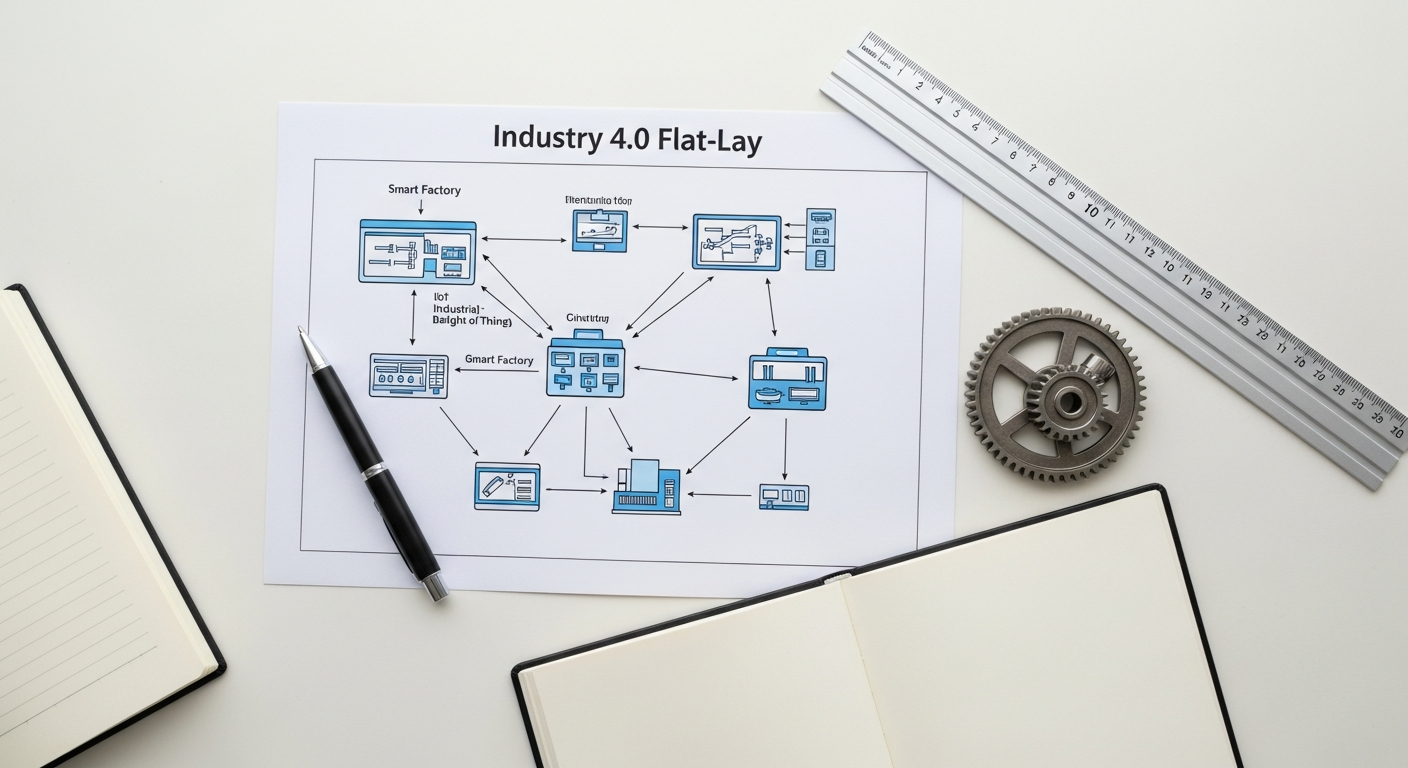
Subjectivity and personal preference can be significant threats to Continuous Improvement Programs That Survive Leadership Changes. New leaders often bring their own ideas and approaches, sometimes overriding existing, data-backed initiatives based on intuition rather than evidence. To counter this, CI programs must be anchored in robust data collection, analysis, and technological platforms that promote objective decision-making. Implementing an integrated Manufacturing Execution System (MES) or Enterprise Resource Planning (ERP) system, common in advanced manufacturing environments like those supported by Mitsubishi, allows for real-time data capture across the entire production lifecycle. This includes metrics on production output, quality control, equipment performance (OEE), energy consumption, and supply chain efficiency. When CI initiatives are proposed, their impact can be quantified and tracked using this objective data, providing an undeniable business case for continuation or adaptation. Digital twins, IoT sensors, and AI-driven analytics can further enhance this capability, offering predictive insights and revealing hidden patterns that traditional methods might miss. These technologies provide a powerful, neutral arbiter for evaluating the success and direction of CI efforts. Dashboards and reporting tools should be standardized to present key performance indicators (KPIs) and project progress transparently, allowing any leader to quickly understand the program’s value and trajectory without extensive historical context. By establishing a culture where decisions about CI initiatives are predominantly data-driven, rather than personality-driven, the program gains an inherent resilience. It becomes harder for new leadership to arbitrarily discard initiatives that are demonstrably yielding positive results. This technological backbone ensures that Continuous Improvement Programs That Survive Leadership Changes are guided by facts and measurable outcomes, securing their long-term viability and effectiveness.
Empowering Frontline Teams and Building Cross-Functional Ownership
Relying solely on top-down directives for continuous improvement creates a fragile program that can easily falter with leadership changes. A more robust strategy involves empowering frontline teams and fostering cross-functional ownership, distributing the responsibility and expertise for CI throughout the organization. When improvement initiatives originate from and are driven by those closest to the process – the operators, engineers, and technicians on the shop floor – they gain a level of intrinsic motivation and practical relevance that top-down mandates often lack. This empowerment involves providing comprehensive training in CI methodologies (e.g., Lean tools, problem-solving techniques, statistical process control) to a wide range of employees, not just a select few. Establishing self-directed work teams and encouraging daily Kaizen activities allows for continuous, incremental improvements to be identified and implemented by the people who perform the work every day. Furthermore, forming cross-functional teams for larger CI projects breaks down departmental silos and ensures that diverse perspectives are considered, making solutions more holistic and sustainable. These teams develop a shared understanding of interconnected processes and shared accountability for outcomes. When multiple departments and levels of the organization have a stake in the success of CI, the program’s resilience against leadership shifts significantly increases. A new leader might change strategic direction, but the ingrained habits of improvement and the collective ownership among employees will continue to drive progress at the operational level. This distributed leadership model ensures that the momentum of Continuous Improvement Programs That Survive Leadership Changes is maintained by the collective will and capability of the workforce, making it far less vulnerable to the influence of any single individual.
Establishing Robust Training and Development Programs
A critical component for ensuring Continuous Improvement Programs That Survive Leadership Changes is the establishment of robust, ongoing training and development programs. These programs serve a dual purpose: they equip employees with the necessary skills to participate effectively in CI, and they create a continuous pipeline of internal CI champions and future leaders who are steeped in the organization’s improvement philosophy. Training should not be a one-off event but a structured curriculum that progresses from foundational CI concepts (e.g., 5S, Value Stream Mapping, A3 problem-solving) to advanced methodologies (e.g., Six Sigma Black Belt certification, advanced statistical analysis). This ensures that proficiency in CI tools and techniques is widespread and continuously updated. Beyond technical skills, development programs should also focus on soft skills crucial for CI, such as change management, communication, facilitation, and project leadership. Mentorship programs, where experienced CI practitioners guide newer employees, can accelerate learning and foster a strong internal network of expertise. Furthermore, integrating CI principles and practices into leadership development programs ensures that future managers and executives understand, value, and can effectively champion continuous improvement from the outset of their leadership journey. By systematically investing in the human capital of CI, organizations build an enduring capability that transcends individual roles. When a leader departs, there is a deep bench of knowledgeable and skilled individuals ready to step up and continue the momentum. This institutionalized expertise acts as a powerful buffer against disruption, safeguarding the continuity and effectiveness of Continuous Improvement Programs That Survive Leadership Changes by ensuring that the necessary skills and understanding are always present within the organization, regardless of changes at the top.
Integrating CI into Strategic Planning and Performance Management
For Continuous Improvement Programs That Survive Leadership Changes, they must be elevated from tactical initiatives to an integral part of the organization’s strategic planning and performance management framework. When CI is explicitly linked to overarching business objectives – such as market leadership, cost reduction, quality targets, or sustainability goals – it gains a strategic imperative that is harder for new leaders to dismiss. This integration means that CI is not an add-on activity but a fundamental mechanism for achieving the company’s vision and mission. During strategic planning cycles, specific CI targets should be established, cascaded down through departmental objectives, and regularly reviewed at executive levels. The organization’s Balanced Scorecard or similar performance management system should include key metrics directly related to CI outcomes, such as process efficiency gains, waste reduction percentages, defect rates, or innovation pipeline growth. This ensures that CI progress is routinely monitored alongside financial performance, customer satisfaction, and employee engagement. Furthermore, compensation and incentive structures, particularly for leadership roles, should be tied to the successful implementation and sustenance of CI initiatives. When a leader’s success is partially measured by their contribution to continuous improvement, it creates a powerful incentive to champion and protect these programs. By embedding CI into the very strategic DNA and accountability mechanisms of the organization, it becomes an undeniable pillar of operational success. This systemic integration ensures that Continuous Improvement Programs That Survive Leadership Changes are not merely optional projects but essential drivers of enterprise value, making them resilient to shifts in individual leadership and ensuring their enduring impact on manufacturing excellence.
Comparison of Continuous Improvement Methods for Leadership Change Resilience
| Method/System | Primary Focus | Key Benefits for Leadership Change Resilience | Example Tools/Techniques |
|---|---|---|---|
| Lean Manufacturing | Eliminating waste (Muda) and maximizing value in production processes. |
|
5S, Value Stream Mapping (VSM), Kaizen, Just-In-Time (JIT), Poka-Yoke, Kanban |
| Six Sigma | Reducing variation and defects to achieve near-perfect quality. |
|
DMAIC (Define, Measure, Analyze, Improve, Control), Statistical Process Control (SPC), Root Cause Analysis |
| Total Productive Maintenance (TPM) | Maximizing equipment effectiveness through preventive and predictive maintenance. |
|
Autonomous Maintenance, Planned Maintenance, Quality Maintenance, Early Equipment Management |
| Kaizen (Daily/Event) | Continuous, incremental improvement involving all employees. |
|
Kaizen events, Gemba walks, Suggestion systems, A3 problem-solving |
| Industry 4.0 Technologies (IoT, AI, Digital Twin) | Integration of digital technologies for smart, interconnected manufacturing. |
|
Predictive analytics, Machine learning for quality control, Augmented Reality for training, Smart sensors |