The Imperative for Digital Transformation in Oil & Gas
The oil and gas sector, traditionally conservative in its adoption of new technologies, is now confronting a confluence of pressures that demand rapid and comprehensive digital transformation. Economic volatility, exacerbated by geopolitical shifts and fluctuating energy prices, necessitates operational agility and cost optimization at every stage of the value chain. Environmental stewardship and the global push for decarbonization require innovative solutions to reduce emissions, improve energy efficiency, and manage resources more sustainably. Furthermore, an aging infrastructure and a retiring workforce highlight the urgent need for systems that can enhance safety, improve knowledge transfer, and enable remote operations.
Digital automation offers a powerful antidote to these challenges. By leveraging technologies such as the Internet of Things (IoT), Artificial Intelligence (AI), Machine Learning (ML), and advanced robotics, oil and gas companies can move beyond traditional reactive maintenance and manual operations towards a proactive, predictive, and ultimately autonomous future. This shift is not just about replacing human labor; it’s about augmenting human capabilities, enabling more informed decision-making, and creating safer working environments. The journey towards digital maturity is multifaceted, encompassing everything from intelligent sensors in the field to sophisticated data analytics platforms in control centers. Companies must strategically invest in these areas to build robust, resilient, and future-proof operations that can withstand market fluctuations and meet increasingly stringent regulatory demands. The long-term viability of an organization in this sector is increasingly intertwined with its capacity to innovate and integrate these advanced digital solutions effectively.
Driving Operational Excellence Through Automation
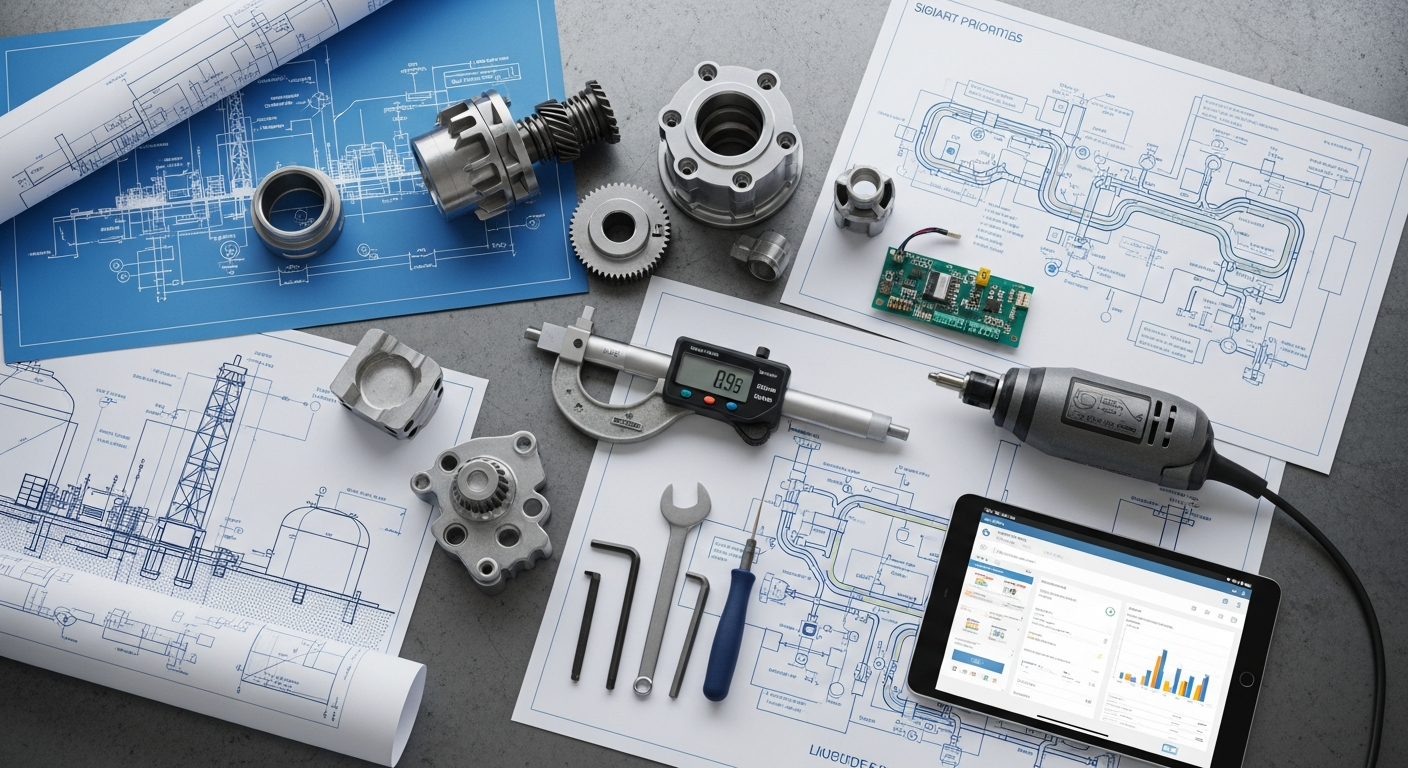
Operational excellence in oil and gas translates directly into improved profitability and enhanced safety. Digital automation is the bedrock upon which this excellence is built. For instance, predictive maintenance, powered by AI and ML algorithms analyzing real-time data from IoT sensors, allows companies to anticipate equipment failures before they occur. This prevents costly downtime, extends asset lifespan, and optimizes maintenance schedules, shifting from a reactive “fix-it-when-it-breaks” model to a proactive, data-driven approach. Consider a pump on an offshore platform; instead of scheduling fixed maintenance intervals, sensors monitor vibration, temperature, and pressure, and AI predicts the optimal time for intervention, minimizing disruption and maximizing operational uptime. This level of precision significantly contributes to how manufacturing companies keep products safe by ensuring the reliability and integrity of critical components throughout their operational life.
Beyond maintenance, automation streamlines complex processes across the entire value chain. Automated drilling systems, for example, can execute operations with greater precision and speed than human operators, reducing drilling time and costs while improving wellbore quality. In refining, advanced process control systems (APCS) use sophisticated algorithms to optimize throughput, yield, and energy consumption, reacting to subtle changes in feedstock quality or market demand with unparalleled speed and accuracy. Supply chain automation, from inventory management to logistics, ensures that resources are allocated efficiently, minimizing waste and improving responsiveness to market changes. These integrated systems create a continuous feedback loop, where data from one stage informs and optimizes the next, leading to a holistic improvement in operational performance.
Addressing Safety and Environmental Mandates
Safety remains paramount in the oil and gas industry, and digital automation plays a pivotal role in mitigating risks. Robotics and drones can perform inspections in hazardous environments, such as flare stacks, pipelines, or confined spaces, reducing human exposure to danger. Automated shutdown systems and intelligent alarm management systems provide faster, more accurate responses to abnormal conditions, preventing incidents from escalating. Furthermore, the precise control offered by automation minimizes human error, a significant factor in many industrial accidents. This commitment to safety parallels the rigorous processes seen in other heavy industries, reinforcing the importance of how manufacturing companies keep products safe by design and through operational protocols.
Environmental mandates also drive digital adoption. Automated systems can precisely monitor and control emissions, optimizing combustion processes to reduce greenhouse gas output. Leak detection systems, utilizing a combination of sensors, drones, and AI, can identify and pinpoint methane leaks much faster and more accurately than traditional methods, significantly reducing fugitive emissions. Smart energy management systems optimize power consumption across facilities, integrating renewable energy sources and demand-side management to lower carbon footprints. The ability to collect, analyze, and report environmental data automatically also ensures greater transparency and compliance with regulatory requirements, demonstrating a commitment to sustainability that resonates with stakeholders and the public alike.
Core Digital Automation Priorities
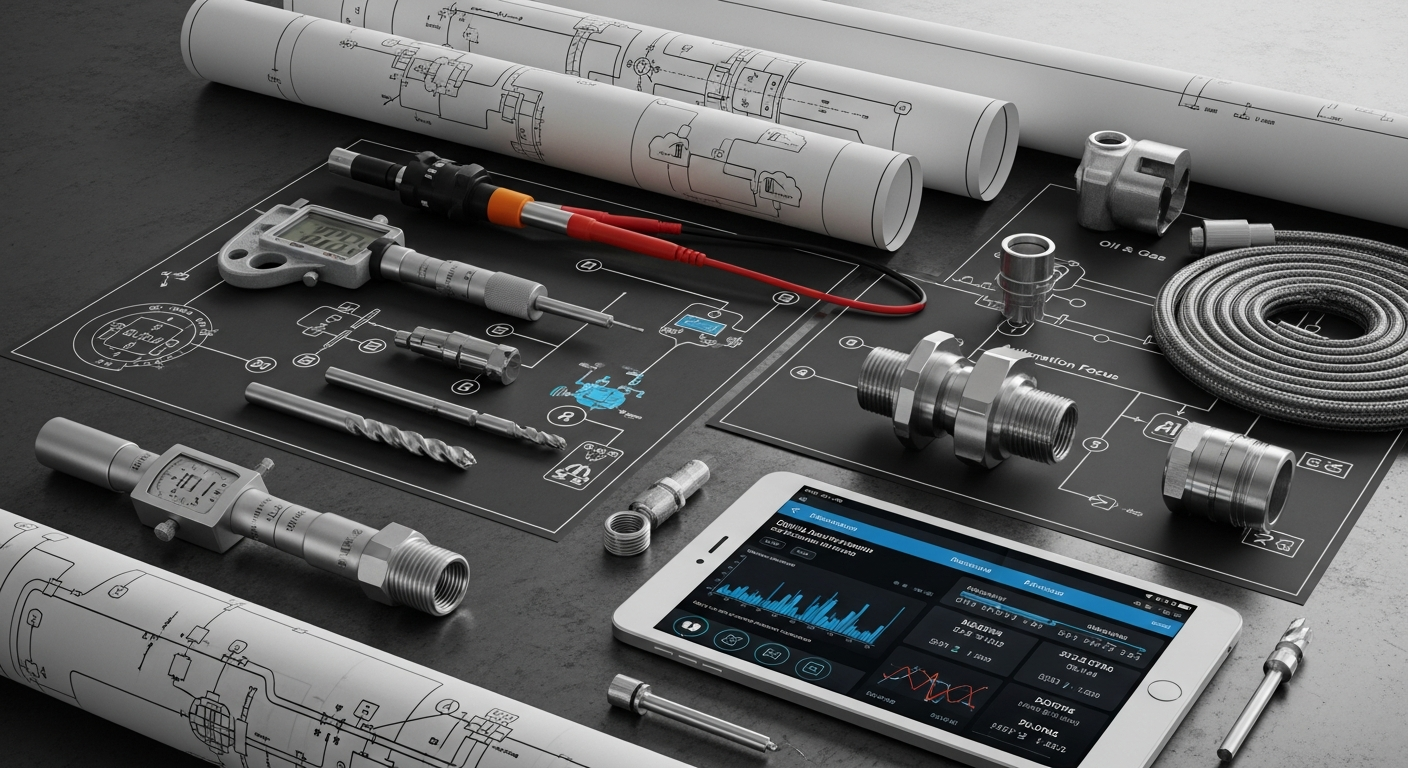
For oil and gas companies looking to strategically implement digital automation, several core priorities emerge as fundamental for success in 2026 and beyond. These priorities focus on leveraging technology to enhance every facet of the business, from subsurface to sales.
1. End-to-End Asset Performance Management (APM)
A top priority is the implementation of comprehensive End-to-End Asset Performance Management (APM) systems. This involves integrating data from various sources—sensors, SCADA systems, ERP, and maintenance logs—to provide a holistic view of asset health and performance. APM platforms utilize predictive analytics, machine learning, and digital twin technologies to monitor assets in real-time, predict potential failures, and optimize maintenance schedules. The goal is to maximize asset uptime, extend lifespan, and reduce operational costs. For instance, a digital twin of an entire processing plant can simulate various operational scenarios, test maintenance strategies, and even train operators in a risk-free virtual environment. This level of detailed oversight is crucial for ensuring the integrity and longevity of complex industrial equipment, reflecting the meticulous attention to detail on how manufacturing companies keep products safe and reliable throughout their lifecycle.
2. Integrated Operations Centers (IOCs) and Remote Monitoring
The establishment of Integrated Operations Centers (IOCs) is another critical priority. These centralized hubs aggregate data from geographically dispersed assets, enabling remote monitoring, control, and collaborative decision-making. IOCs allow experts to oversee multiple sites, optimize production, and respond to incidents from a single location, reducing the need for personnel in hazardous field environments and improving response times. The ability to operate remotely is particularly valuable for offshore platforms, remote pipelines, and difficult-to-access exploration sites. This shift to remote operations also necessitates robust communication infrastructure and sophisticated visualization tools to present complex data in an intuitive, actionable format for engineers and decision-makers.
3. Supply Chain Digitalization and Optimization
Digitalizing the supply chain is essential for enhancing efficiency and resilience. This involves automating procurement, inventory management, logistics, and distribution processes. Technologies such as blockchain can provide immutable records for transactions and material provenance, enhancing transparency and reducing fraud. AI-driven demand forecasting can optimize inventory levels, reducing holding costs and preventing stockouts. Automated logistics systems, including drone delivery for remote parts or autonomous vehicles for material transport, can significantly improve the speed and efficiency of supply chain operations. A fully digitalized supply chain ensures that the right materials are in the right place at the right time, minimizing disruptions and supporting continuous operations.
4. Advanced Robotics and Autonomous Systems
The deployment of advanced robotics and autonomous systems is gaining traction. This includes robotic process automation (RPA) for administrative tasks, autonomous inspection drones for pipelines and infrastructure, and robotic manipulation systems for hazardous tasks on platforms or in refineries. These systems can operate 24/7, perform repetitive tasks with high precision, and access areas unsafe for humans. For instance, autonomous underwater vehicles (AUVs) can inspect subsea infrastructure, collecting vast amounts of data without human divers. The increasing sophistication of these robots, combined with AI for decision-making, opens new possibilities for fully autonomous operations in certain segments of the industry, further enhancing safety and efficiency.
5. Data Analytics and AI-Driven Decision Support
At the heart of all digital automation initiatives is the ability to harness and analyze vast quantities of data. Prioritizing the development of robust data analytics capabilities, coupled with AI and machine learning models, is fundamental. This means investing in data scientists, building scalable data infrastructure, and implementing advanced analytics platforms. AI can identify subtle patterns in operational data that indicate impending equipment failure, optimize drilling parameters, predict market demand, or even identify new exploration opportunities. The goal is to move beyond descriptive analytics (what happened) to predictive (what will happen) and prescriptive (what should we do) insights, empowering engineers and managers with actionable intelligence to make more informed and strategic decisions.
Leveraging Advanced Technologies for Operational Excellence
The Power of Industrial IoT (IIoT) and Edge Computing
The Industrial Internet of Things (IIoT) forms the sensory nervous system of digital automation. Thousands of intelligent sensors, actuators, and smart devices deployed across rigs, pipelines, refineries, and distribution networks collect real-time data on everything from temperature and pressure to vibration and flow rates. This granular data provides unprecedented visibility into operational performance. Edge computing complements IIoT by processing data closer to the source, reducing latency, conserving bandwidth, and enabling faster, localized decision-making. For example, an edge device on a pump can instantly detect an anomaly and trigger an alarm or even a localized shutdown, before sending aggregated data to the cloud for broader analysis. This distributed intelligence enhances system responsiveness and reliability, which are critical factors in how manufacturing companies keep products safe and operational.
Artificial Intelligence and Machine Learning for Predictive Insights
Artificial Intelligence (AI) and Machine Learning (ML) are the brains of digital automation, transforming raw IIoT data into actionable intelligence. These technologies power predictive maintenance models, optimize drilling paths, forecast production volumes, and enhance safety protocols. ML algorithms can identify complex patterns in seismic data to improve exploration success rates, or analyze vast datasets to optimize refinery processes for maximum yield and minimum energy consumption. Beyond prediction, AI can also drive autonomous operations, enabling systems to learn from experience and adapt to changing conditions without explicit programming. The ability of AI to process and synthesize information far beyond human capacity is revolutionizing decision-making across the entire value chain.
Digital Twins: Simulating Reality for Optimization
Digital Twins are virtual replicas of physical assets, processes, or even entire facilities, continuously updated with real-time data from their physical counterparts. These sophisticated models allow engineers to simulate various scenarios, test operational changes, predict performance, and identify potential issues in a risk-free virtual environment. For an offshore platform, a digital twin can model the impact of weather conditions on structural integrity, optimize production flow, or simulate maintenance procedures. This capability reduces the need for physical prototypes, accelerates design cycles, and significantly improves the efficiency and safety of operations. The insights gained from digital twins are invaluable for continuous improvement and strategic planning, ensuring that physical assets perform optimally and safely.
Robotics, Drones, and Autonomous Vehicles
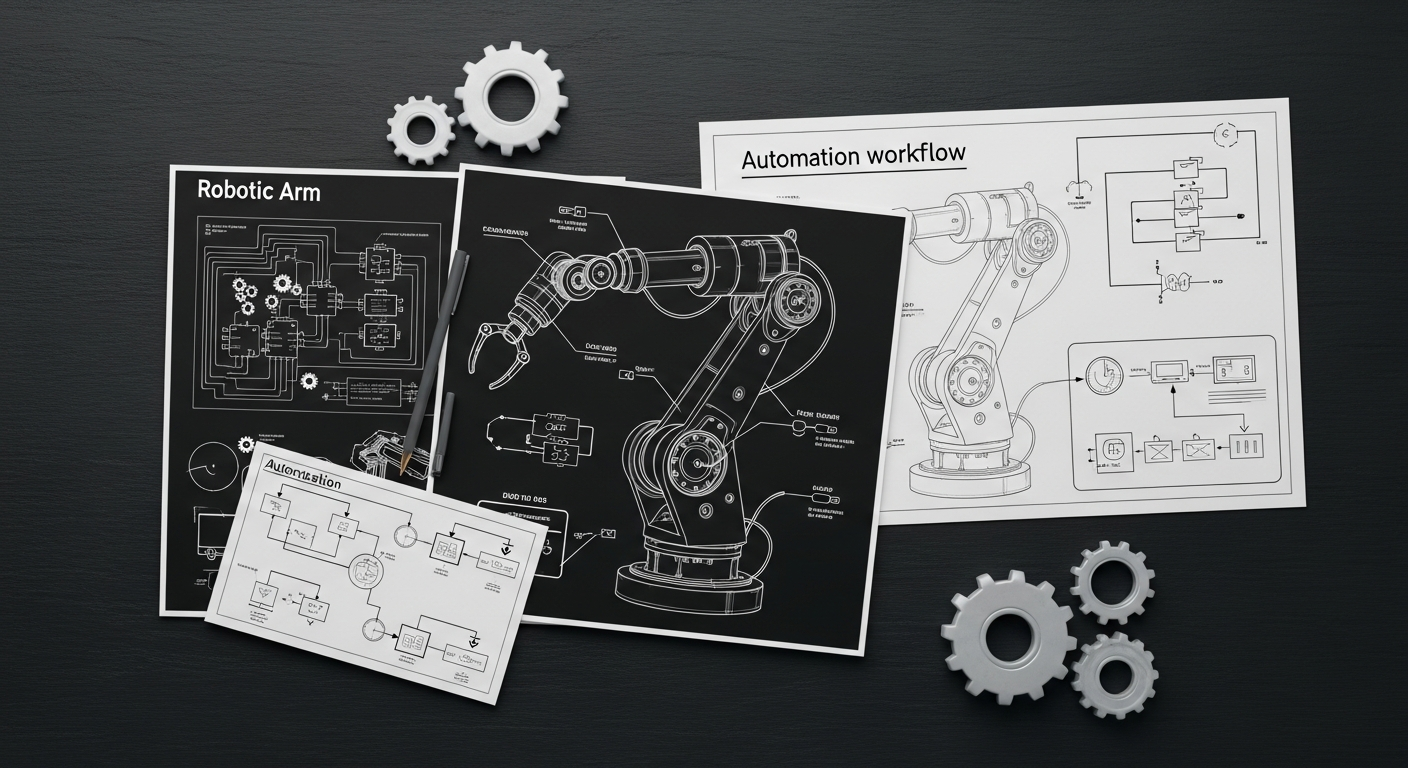
The deployment of advanced robotics, drones, and autonomous vehicles is transforming field operations. Drones equipped with high-resolution cameras, thermal sensors, and gas detectors can conduct rapid inspections of pipelines, flare stacks, and remote infrastructure, identifying leaks or structural damage much faster and safer than human crews. Robotic crawlers can inspect the internal integrity of pipelines, while autonomous underwater vehicles (AUVs) survey subsea equipment. For hazardous tasks, robotic arms and manipulators can perform welding, cleaning, or maintenance in environments too dangerous for humans. These autonomous systems not only enhance safety by removing personnel from harm’s way but also improve efficiency by operating continuously and precisely, reducing operational downtime.
Blockchain for Enhanced Transparency and Security
While often associated with finance, blockchain technology offers significant potential for the oil and gas industry, particularly in enhancing supply chain transparency and data security. By providing an immutable, distributed ledger, blockchain can track the provenance of resources, verify compliance with environmental standards, and secure contractual agreements. This can improve trust among stakeholders, streamline trading processes, and provide an auditable trail for regulatory compliance. For instance, tracking crude oil from wellhead to refinery to consumer can be made transparent and secure, mitigating risks of fraud and ensuring accountability. This also bolsters data integrity, an increasingly important aspect of cybersecurity discussions, particularly when considering social engineering examples that impact corporate employees and how an immutable record can provide resilience against data tampering.
Data-Driven Decision Making and Predictive Capabilities
The true power of digital automation in the oil and gas sector lies in its ability to transform raw data into actionable intelligence, enabling a shift from reactive to proactive and ultimately predictive decision-making. This paradigm shift is fundamental for optimizing every aspect of the business, from exploration to environmental compliance.
Unlocking Insights from Big Data
The sheer volume, velocity, and variety of data generated across oil and gas operations—from seismic surveys and well logs to sensor readings and market analytics—constitute “big data.” Traditional data processing methods are insufficient to handle this scale. Digital automation solutions are built upon robust data infrastructure capable of ingesting, storing, and processing these massive datasets. Data lakes, cloud computing, and high-performance analytics platforms are crucial for consolidating information that was once siloed. By centralizing and structuring this data, companies can gain a comprehensive, real-time view of their entire operational landscape, enabling cross-functional insights that were previously impossible.
From Reactive to Predictive Maintenance
One of the most immediate and impactful applications of data-driven decision-making is predictive maintenance. Instead of adhering to fixed maintenance schedules or reacting to equipment failures, AI and ML algorithms analyze continuous streams of data from IIoT sensors to predict when a component is likely to fail. Early detection of anomalies, such as subtle changes in vibration patterns or temperature fluctuations, allows maintenance teams to intervene precisely when needed, before a catastrophic failure occurs. This approach significantly reduces unplanned downtime, extends the lifespan of expensive assets, optimizes spare parts inventory, and enhances safety by preventing unexpected equipment breakdowns. The cost savings and operational continuity achieved through predictive maintenance are substantial, directly impacting the bottom line.
Optimizing Production and Resource Allocation
Data analytics and AI are revolutionizing production optimization. In upstream operations, ML models can analyze geological data, historical production trends, and real-time well performance to optimize drilling plans, frac designs, and production strategies for maximum recovery. In midstream and downstream, AI algorithms can balance pipeline flow rates, optimize refinery configurations, and fine-tune chemical processes to maximize yield, minimize waste, and reduce energy consumption. Furthermore, predictive models can forecast demand fluctuations, allowing companies to adjust production levels and resource allocation strategically, minimizing inventory costs and ensuring market responsiveness. This dynamic optimization is a core component of achieving operational excellence in a volatile market.
Enhancing Strategic Planning and Risk Management
Beyond day-to-day operations, data-driven insights are invaluable for strategic planning and risk management. Predictive analytics can be used to model the impact of various market scenarios, geopolitical events, or regulatory changes on future profitability. AI can assist in identifying potential investment opportunities, evaluating the risks associated with new projects, or even predicting commodity price movements with greater accuracy. For environmental management, data analysis can pinpoint areas of high emissions, track the effectiveness of mitigation strategies, and ensure compliance with regulatory frameworks. This forward-looking approach empowers leadership to make more informed, data-backed decisions that drive long-term growth and resilience, providing a strong foundation for future success in 2026 and beyond.
Cybersecurity and Workforce Evolution in the Automated Landscape
As oil and gas companies increasingly adopt digital automation, the convergence of IT (Information Technology) and OT (Operational Technology) systems creates new vulnerabilities that demand robust cybersecurity measures. Simultaneously, the nature of work within the industry is evolving, necessitating a strategic approach to workforce development and skill acquisition.
Fortifying Against Cyber Threats in OT/IT Convergence
The integration of digital automation means that once-isolated operational technology systems (e.g., SCADA, DCS) are now connected to enterprise IT networks and the internet. While this connectivity enables unprecedented efficiencies, it also exposes critical infrastructure to sophisticated cyber threats. Protecting these systems is paramount, as a successful cyberattack could lead to operational shutdowns, environmental disasters, or significant financial losses. Priorities include:
- Robust Network Segmentation: Implementing strict segmentation between IT and OT networks to limit the lateral movement of threats.
- Continuous Monitoring and Threat Detection: Deploying advanced intrusion detection systems, Security Information and Event Management (SIEM) platforms, and specialized OT security solutions to identify and respond to anomalies in real-time.
- Endpoint Security for Industrial Control Systems (ICS): Securing individual devices and controllers within the OT environment with tailored security solutions.
- Incident Response Planning: Developing comprehensive incident response plans specifically for OT environments, including recovery procedures and communication protocols.
- Human Element Security: Recognizing that even the most technically robust systems can be compromised through human vulnerabilities. This is where understanding social engineering examples that impact corporate employees becomes critical. Phishing attacks, pretexting, baiting, and other social engineering tactics can trick employees into revealing credentials or granting unauthorized access, circumventing technical controls. Regular security awareness training, emphasizing the recognition and reporting of such attempts, is as vital as any firewall or encryption protocol.
The industry must adopt a ‘security by design’ approach, integrating cybersecurity considerations from the initial planning stages of any automation project, rather than as an afterthought. This proactive stance is essential for protecting national critical infrastructure and maintaining operational integrity.
Reskilling and Upskilling the Workforce for the Digital Age
The shift towards digital automation fundamentally alters the skill sets required within the oil and gas industry. Roles traditionally focused on manual operation and physical presence are evolving, creating a demand for new competencies in data science, AI, machine learning, cybersecurity, robotics, and advanced analytics. This transition is not about job displacement but about job transformation and creation.
- New Roles and Expertise: Companies will increasingly need data scientists to interpret complex datasets, AI/ML engineers to develop and deploy algorithms, automation specialists to manage robotic systems, and cybersecurity analysts specialized in OT environments.
- Cross-Functional Skills: Engineers and operators will need to develop hybrid skill sets, combining their deep domain knowledge with digital literacy. For instance, a process engineer might need to understand how to interpret AI-driven recommendations or troubleshoot an automated system.
- Training and Development Programs: Investing in comprehensive reskilling and upskilling programs for the existing workforce is crucial. This includes partnerships with educational institutions, online learning platforms, and internal training academies. The ability for an experienced field technician to transition to a role managing autonomous inspection drones requires significant investment in new knowledge and practical skills.
- Attracting New Talent: The industry must also actively attract new talent, particularly from younger generations who are digitally native. Highlighting the innovative aspects of modern oil and gas, its role in energy transition, and the exciting career paths in automation and data science can draw individuals considering fields like “How do I start a career in automotive engineering” by showcasing transferable skills in systems design, robotics, and advanced manufacturing processes.
Cultivating a culture of continuous learning and adaptability is key to a successful workforce transition. Companies that proactively invest in their people’s digital capabilities will ensure they have the human capital necessary to operate and innovate within an increasingly automated environment.
Mitsubishi’s Role and the Future Outlook for 2026
As the oil and gas industry accelerates its digital transformation, strategic partnerships with technology providers become increasingly vital. Mitsubishi Manufacturing, with its deep expertise in industrial automation, advanced robotics, and comprehensive manufacturing solutions, is uniquely positioned to empower oil and gas companies in achieving their digital automation priorities.
Mitsubishi’s Contributions to Digital Automation
Mitsubishi’s portfolio of industrial automation solutions offers a robust foundation for the oil and gas sector’s digital journey. Our contributions span several critical areas:
- Advanced Process Control Systems: Mitsubishi’s Distributed Control Systems (DCS) and Programmable Logic Controllers (PLCs) provide the backbone for precise, reliable, and efficient process automation in refineries, petrochemical plants, and gas processing facilities. These systems are designed for high availability and robust performance, crucial for environments where downtime is costly and safety is paramount. Our commitment to reliability mirrors the stringent requirements for how manufacturing companies keep products safe and operational under demanding conditions.
- Robotics and Motion Control: Our extensive range of industrial robots can be deployed for various tasks, from automated inspection and maintenance in hazardous areas to precision handling in manufacturing components for the oil and gas sector. Coupled with advanced motion control systems, these robots offer unparalleled accuracy and efficiency, reducing human exposure to risk and improving operational throughput.
- Energy Management Solutions: Mitsubishi provides intelligent energy management systems that help optimize power consumption, integrate renewable energy sources, and reduce the carbon footprint of oil and gas operations. Our solutions enable real-time monitoring and control of energy flows, contributing to both sustainability goals and operational cost savings.
- Digital Transformation Consulting and Integration: Beyond hardware and software, Mitsubishi offers comprehensive consulting services to help companies plan, implement, and integrate complex digital automation solutions. Our expertise ensures that bespoke systems are designed to meet specific operational challenges, leveraging the best of breed technologies for maximum impact.
- Cybersecurity Integration: Recognizing the critical importance of cybersecurity, Mitsubishi embeds robust security features into its automation platforms and provides guidance on secure system architectures, helping protect critical OT infrastructure from evolving cyber threats. This proactive approach to security is a cornerstone of our commitment to industrial reliability.
By providing integrated solutions that combine hardware, software, and expertise, Mitsubishi enables oil and gas companies to build intelligent, resilient, and sustainable operations.
The Outlook for 2026 and Beyond
Looking ahead to 2026, the trajectory of digital automation in oil and gas will only accelerate. We anticipate several key trends:
- Increased Autonomy: The industry will see a greater push towards fully autonomous operations in certain segments, particularly in remote or hazardous environments. This includes autonomous drilling rigs, self-managing pipelines, and robotic inspection fleets operating with minimal human intervention.
- Deeper AI Integration: AI and ML will become even more pervasive, moving beyond predictive maintenance to prescriptive analytics that automatically recommend optimal actions, and even cognitive automation that can learn and adapt to entirely new scenarios.
- Sustainability as a Driver: Digital automation will play an increasingly critical role in achieving ambitious sustainability targets. This includes more sophisticated carbon capture utilization and storage (CCUS) operations, advanced energy efficiency solutions, and precision environmental monitoring to minimize ecological impact.
- Workforce Transformation and Cross-Industry Collaboration: The demand for new skills will intensify, driving innovative training programs and fostering greater collaboration between the oil and gas sector and other advanced manufacturing industries. Individuals exploring “How do I start a career in automotive engineering” might find compelling opportunities in oil and gas, given the shared emphasis on robotics, systems integration, and advanced materials. This cross-pollination of talent and ideas will drive further innovation.
- Enhanced Cybersecurity Resilience: As automation becomes more sophisticated, so too will cyber threats. The industry will need to continually invest in cutting-edge cybersecurity technologies and foster a strong security culture, including robust defenses against social engineering examples that impact corporate employees, ensuring that technological advancements are secure and reliable.
Mitsubishi Manufacturing remains committed to being at the forefront of these advancements, partnering with the oil and gas industry to navigate its digital transformation, embrace innovation, and build a more efficient, safer, and sustainable future.
Frequently Asked Questions
Recommended Resources
Check out How To Save Money Fast On A Tight Budget on Diaal News for a deeper dive.
Check out Paid Family Leave Policies By State on Protect Families Protect Choices for a deeper dive.