The Unseen Powerhouse: Understanding Hydraulic Systems in Industry
At the heart of countless industrial operations lies a technology that leverages the incompressible nature of fluid to transmit force and motion: the hydraulic system. This fluid power system is a testament to engineering ingenuity, providing unparalleled strength and control in demanding environments. Unlike pneumatic systems, which utilize compressible gases, hydraulic systems operate with liquids, typically specialized oils, allowing for much greater force density and rigidity. The fundamental principle governing their operation is Pascal’s Law, which states that pressure applied to an enclosed fluid is transmitted undiminished to every portion of the fluid and the walls of the containing vessel. This allows a relatively small force applied over a small area to generate a much larger force over a larger area, making hydraulics ideal for heavy-duty applications.
The advantages of hydraulic systems in an industrial context are numerous and compelling. Firstly, their high power density means they can generate immense forces and torques using relatively compact components, saving valuable floor space and simplifying machine design. Secondly, they offer exceptional precision and control, crucial for tasks requiring fine adjustments, such as in CNC machining or injection molding. The ability to hold a load indefinitely without requiring continuous power input, a characteristic often referred to as ‘stiffness’, further enhances their utility. Thirdly, hydraulic systems are renowned for their durability and reliability, capable of operating consistently in harsh conditions, including high temperatures, dusty environments, and heavy shock loads, where other power transmission methods might falter. Their inherent lubrication properties, provided by the hydraulic fluid itself, reduce wear and extend component life. Lastly, safety in hazardous environments is often enhanced, as hydraulic components are generally spark-free, making them suitable for areas where flammable materials are present. These combined attributes solidify the position of hydraulic systems as indispensable tools across the spectrum of modern manufacturing.
While electrical and pneumatic systems certainly have their place, the unique combination of power, precision, and robustness offered by hydraulics makes them the preferred choice for applications demanding significant force and precise movement control. Understanding these foundational benefits is the first step in appreciating the widespread impact of hydraulic technology on industrial productivity and innovation.
Core Components and Operational Principles of Industrial Hydraulics
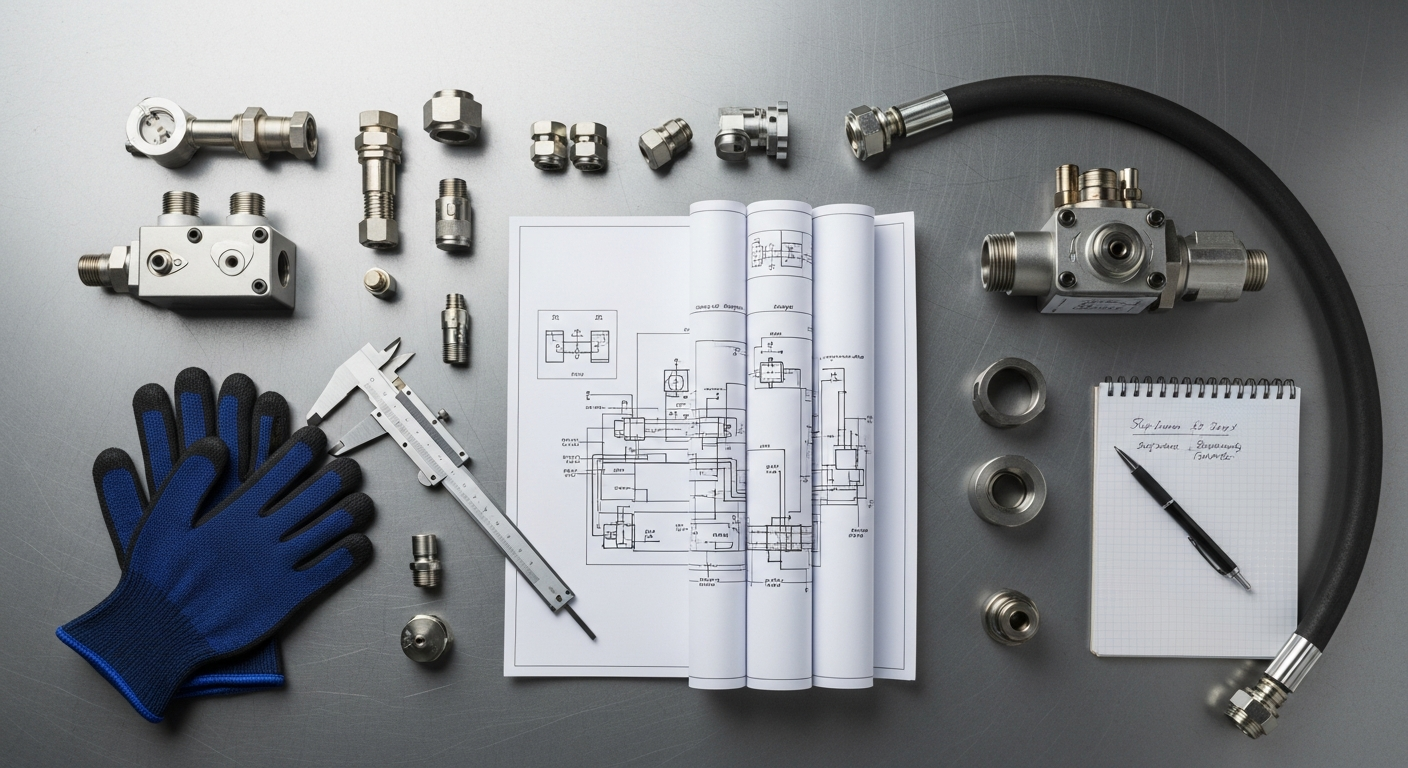
A typical industrial hydraulic system, while seemingly complex, is built upon a surprisingly straightforward array of interconnected components, each playing a vital role in the efficient transmission and control of fluid power. Understanding these core elements is key to grasping how these systems achieve their remarkable performance.
- The Hydraulic Pump: Often considered the ‘heart’ of the system, the pump converts mechanical energy (from an electric motor or internal combustion engine) into hydraulic energy, forcing fluid from the reservoir into the system under pressure. Common types include gear pumps (simple, economical, fixed displacement), vane pumps (moderate efficiency, good for lower pressures), and piston pumps (highly efficient, capable of very high pressures, often variable displacement for precise flow control).
- Hydraulic Actuators: These components convert hydraulic energy back into mechanical energy to perform work.
- Cylinders: Also known as linear actuators, they produce linear motion and force. Single-acting cylinders extend under hydraulic pressure and retract by an external force (e.g., gravity or a spring), while double-acting cylinders use hydraulic pressure for both extension and retraction.
- Motors: Rotary actuators that produce continuous rotary motion and torque. Similar to pumps in design, they use fluid pressure to turn a shaft, driving machinery such as conveyor belts, mixers, or wheels.
- Valves: The ‘brains’ of the hydraulic system, valves control the direction, pressure, and flow rate of the hydraulic fluid.
- Directional Control Valves: Direct fluid flow to actuators, determining their movement direction.
- Pressure Control Valves: Regulate system pressure, protecting components from over-pressurization and ensuring consistent force application. Examples include relief valves, reducing valves, and sequence valves.
- Flow Control Valves: Regulate the speed of actuators by controlling the rate of fluid flow.
- Hydraulic Reservoir: This tank stores the hydraulic fluid, dissipates heat, allows air and contaminants to separate from the fluid, and provides a volume for system expansion and contraction. It’s crucial for maintaining fluid quality and system stability.
- Filters and Strainers: Essential for preventing contamination, which is the leading cause of hydraulic system failure. Filters remove solid particles from the fluid, protecting delicate components from wear and ensuring smooth operation. They are typically placed at strategic points, such as the pump inlet, pressure lines, and return lines.
- Hoses, Pipes, and Fittings: These conduct the hydraulic fluid between components. They must be robust enough to withstand high pressures, temperature variations, and vibration, ensuring a leak-free and efficient path for fluid transmission.
- Hydraulic Fluid: More than just a medium for power transmission, the hydraulic fluid itself performs several critical functions: it lubricates moving parts, dissipates heat, and prevents corrosion. Modern hydraulic fluids are engineered with specific properties, including viscosity, viscosity index, thermal stability, oxidation resistance, and anti-wear characteristics, to optimize system performance and longevity.
The operational principle revolves around a closed-loop system where the pump draws fluid from the reservoir, pressurizes it, and sends it through control valves to actuators. The actuators convert this pressure back into mechanical work, and the fluid then returns to the reservoir, ready to be recirculated. This continuous cycle, governed by precise controls, allows for the powerful and agile movements that characterize industrial hydraulic applications.
Diverse Applications Across Modern Manufacturing
In the realm of heavy machinery and construction, hydraulics are the backbone of excavators, bulldozers, cranes, and loaders. These machines rely on hydraulic cylinders and motors to lift massive loads, dig through stubborn terrain, and articulate complex structures, showcasing the brute strength and reliability of fluid power in the harshest environments. Similarly, in mining and quarrying, hydraulic rock breakers, drills, and conveyor systems operate tirelessly, extracting and processing raw materials.
Within general manufacturing and material handling, hydraulic systems play a critical role. Forklifts use hydraulics for lifting and tilting loads. Industrial presses, whether for stamping, forming, forging, or molding, utilize powerful hydraulic cylinders to apply immense forces, shaping metals, plastics, and composites into desired forms. Injection molding machines, essential for producing countless plastic components, depend on hydraulics for clamping the molds, injecting molten plastic, and ejecting finished parts with precision and speed. Robotic systems, particularly those designed for heavy payloads or high-force applications, often incorporate hydraulic actuators for their strength and rigidity.
The automotive industry heavily relies on hydraulics for various processes, from automated assembly lines where hydraulic clamps hold body panels in place during welding, to test rigs simulating road conditions, and even in the manufacturing of components like brake systems and transmissions. In the aerospace sector, hydraulic systems are critical for everything from manufacturing airframe components to powering ground support equipment and flight simulators, demanding extreme reliability and precision under varying conditions.
Beyond heavy industry, hydraulics also find niche but vital applications. In the food and beverage industry, specialized hydraulic systems, often using food-grade fluids, are used in packaging machinery, processing equipment, and sorting systems. The marine and offshore sector utilizes hydraulics for steering systems, winches, anchor handling, and offshore drilling equipment, where robust performance in corrosive and high-pressure environments is non-negotiable.
Even in precision environments like machine tools, hydraulics are used for tool clamping, work holding, and precise axis movements, contributing significantly to the accuracy and efficiency of machining operations. This broad adoption underscores the fact that wherever powerful, controlled, and reliable mechanical action is required, hydraulic systems often provide the most effective and efficient solution, continuously adapting to new industrial challenges and opportunities.
Enhancing Efficiency and Sustainability with Hydraulic Systems
In today’s competitive global market, manufacturers are under constant pressure to optimize operations, reduce costs, and minimize environmental impact. Hydraulic systems, while traditionally associated with raw power, are increasingly central to achieving these goals, especially when integrated with modern methodologies like Lean Manufacturing and sophisticated waste reduction strategies.
Lean Manufacturing Principles Explained highlight the importance of eliminating waste (muda) in all its forms to create maximum value for the customer. Robust and well-maintained hydraulic systems contribute significantly to Lean principles by:
- Reducing Downtime (Waste of Waiting): Reliable hydraulic components and effective predictive maintenance strategies ensure machines operate consistently, minimizing unplanned outages. This smooth operation helps maintain production flow, a core Lean objective.
- Improving Quality (Waste of Defects): The inherent precision of hydraulic control allows for consistent and accurate manufacturing processes, leading to fewer defective products and reduced rework. For instance, in a hydraulic press, consistent pressure application ensures uniform part quality.
- Optimizing Motion and Processing (Waste of Motion/Processing): Efficiently designed hydraulic circuits can execute complex motions with speed and accuracy, reducing unnecessary movements and processing steps. Automated hydraulic systems can perform tasks faster and more consistently than manual methods.
- Reducing Overproduction: By enabling flexible and agile manufacturing processes, optimized hydraulic systems can support “pull” systems, where production is initiated only when demand dictates, thus avoiding the waste of overproduction and excess inventory.
Furthermore, contemporary Manufacturing Waste Reduction Strategies are significantly advanced by innovations in hydraulic technology:
- Energy Efficiency: Traditional hydraulic systems can be energy-intensive. However, advancements such as variable speed pump drives, load-sensing pumps, and accumulator systems dramatically reduce energy consumption. Variable speed drives, for example, only supply the fluid flow and pressure actually needed, unlike fixed-displacement pumps that run at full speed constantly. Regenerative braking in hydraulic motors also captures energy that would otherwise be lost. By 2026, the adoption of these energy-efficient solutions is expected to be even more widespread, driven by both economic and environmental incentives.
- Fluid Management and Conservation: Leaks are a significant source of waste in hydraulic systems. Improved seal materials (a testament to advanced Materials Science In Manufacturing), better fitting designs, and proactive maintenance help prevent fluid loss. Additionally, advanced filtration and fluid analysis techniques extend the lifespan of hydraulic oil, reducing the need for frequent replacements and minimizing disposal waste. The development and increasing use of biodegradable hydraulic fluids also offer a more environmentally friendly alternative for sensitive applications.
- Material Waste Reduction: Precision control offered by hydraulic systems directly translates to less material waste. In processes like cutting, bending, or molding, hydraulic precision ensures parts are produced to exact specifications the first time, reducing scrap and the need for costly rework.
- Extended Equipment Lifespan: Proper lubrication by hydraulic fluid, coupled with effective filtration and temperature control, significantly extends the operational life of components. This reduces the frequency of equipment replacement, saving resources and minimizing the environmental impact associated with manufacturing new machinery and disposing of old.
By continuously innovating and integrating these principles, hydraulic systems are not just about raw power; they are becoming increasingly sophisticated tools for sustainable and efficient manufacturing, aligning perfectly with the modern industry’s drive for lean and green operations.
The Role of Materials Science and Innovation in Hydraulic System Evolution
The relentless pursuit of higher performance, greater efficiency, and extended longevity in hydraulic systems is inextricably linked to advancements in Materials Science In Manufacturing. Every component, from the pump housing to the seals and the fluid itself, benefits from ongoing research and development in material technology. These innovations are not merely incremental; they are foundational to the evolution of hydraulic systems, enabling them to operate under more extreme conditions, with greater reliability, and a reduced environmental footprint.
One of the most critical areas impacted by materials science is the development of component materials. Pumps, valves, and cylinders are now being manufactured from stronger, lighter, and more durable alloys. For instance, high-strength steels and specialized cast irons, often with improved fatigue resistance and wear characteristics, allow for higher operating pressures and longer service lives without increasing component size. The use of advanced ceramics or composite materials in specific applications is also emerging, offering superior hardness, corrosion resistance, or weight reduction where critical.
Seals and O-rings are another prime example where materials science has made immense strides. Historically, seal failure was a common point of weakness in hydraulic systems. Today, advanced elastomers, fluorocarbons (like Viton), and PTFE (Teflon) compounds offer significantly improved resistance to high temperatures, aggressive hydraulic fluids, and extreme pressures. These materials exhibit better elasticity, reduced friction, and enhanced wear resistance, leading to fewer leaks, less downtime, and greater overall system efficiency. The selection of the right seal material for a specific application is paramount for system integrity.
The materials used in hoses and fittings have also seen substantial innovation. Modern hydraulic hoses are engineered with multiple layers of synthetic rubber, thermoplastic, and high-tensile steel wire reinforcement, allowing them to withstand incredibly high pressures, bending fatigue, and abrasion. Fittings are designed for robust, leak-proof connections, often utilizing specialized alloys and surface treatments to resist corrosion and ensure long-term reliability under vibration and dynamic loads.
Perhaps one of the most significant contributions of materials science is in the evolution of hydraulic fluids themselves. Beyond simply transmitting power, modern hydraulic fluids are complex formulations designed to lubricate, cool, and protect the system. Innovations include:
- Synthetic Fluids: Developed for extreme temperature ranges, enhanced wear protection, and extended service intervals.
- Bio-degradable Fluids: Environmentally friendly alternatives for applications in ecologically sensitive areas, formulated from vegetable oils or synthetic esters.
- Fire-Resistant Fluids: Critical for safety in environments where fire hazards are present.
- Improved Additive Packages: These include anti-wear agents, rust inhibitors, oxidation inhibitors, and viscosity index improvers, all meticulously engineered to maintain fluid performance under varying conditions and extend the life of both the fluid and the components.
Furthermore, surface treatments and coatings are increasingly applied to hydraulic components to enhance wear resistance, reduce friction, and provide corrosion protection. Techniques like nitriding, carburizing, and various ceramic or polymer coatings contribute to the longevity and efficiency of critical moving parts, particularly in pumps and valves.
Looking ahead to 2026 and beyond, the integration of smart materials, self-healing polymers for seals, and advanced nanotechnology for fluid additives promises to further revolutionize hydraulic system performance, making them even more robust, efficient, and sustainable. This continuous interplay between engineering design and materials innovation ensures that hydraulic technology remains at the cutting edge of industrial capability.
Maintenance, Troubleshooting, and Future Trends in Hydraulic Technology
The longevity, reliability, and efficiency of hydraulic systems are heavily dependent on diligent maintenance practices and effective troubleshooting. As technology advances, so too do the strategies for keeping these vital systems operating at peak performance, paving the way for exciting future developments.
Maintenance: The Key to Sustained Performance
Proper maintenance is not just about fixing problems; it’s about preventing them. For hydraulic systems, this typically involves a multi-faceted approach:
- Preventive Maintenance: This involves scheduled tasks such as regular fluid analysis (checking for contamination, wear metals, and fluid degradation), filter changes, visual inspections for leaks, hose condition checks, and ensuring proper reservoir levels and temperatures. Proactive replacement of seals and hoses before they fail can prevent costly downtime.
- Predictive Maintenance (PdM): Leveraging the power of sensors and data analytics, PdM monitors key operational parameters in real-time. Sensors can track pressure, temperature, flow rates, vibration, and even fluid particulate levels. Data collected is then analyzed using sophisticated algorithms, often incorporating machine learning, to predict potential component failures before they occur. This allows for maintenance to be scheduled precisely when needed, minimizing unnecessary interventions and maximizing uptime.
- Contamination Control: The single biggest enemy of hydraulic systems is contamination. Implementing strict filtration protocols, using high-quality breathers, and maintaining clean fluid handling practices are paramount. Even microscopic particles can cause abrasive wear, leading to premature component failure.
- Temperature Management: Overheating fluid can degrade its properties rapidly, leading to increased wear and reduced lubrication. Ensuring proper cooling system function and monitoring fluid temperature are critical.
Adhering to these maintenance strategies not only extends the life of hydraulic equipment but also contributes significantly to overall operational efficiency and safety.
Troubleshooting Common Hydraulic Issues
Despite best maintenance efforts, issues can arise. Effective troubleshooting requires a systematic approach:
- Leaks: Often visible, leaks can indicate worn seals, loose fittings, or damaged hoses. Addressing them promptly prevents fluid loss, contamination, and safety hazards.
- Overheating: Can be caused by low fluid levels, clogged coolers, excessive pump slippage, or incorrect fluid viscosity. This leads to fluid degradation and component damage.
- Noise: Unusual noises (e.g., cavitation, squealing, knocking) often signal problems like air in the system, pump wear, misaligned components, or restricted flow.
- Slow Operation or Lack of Power: Could point to low system pressure (faulty pump, relief valve issues), internal leaks, or excessive load.
- Erratic Movement: Often caused by air in the system, sticky valves, or inconsistent pressure supply.
A thorough understanding of the hydraulic circuit diagram and the function of each component is essential for accurate diagnosis.
Future Trends in Hydraulic Technology (2026 and Beyond)
The future of hydraulic systems is characterized by a strong push towards greater intelligence, efficiency, and integration:
- Smart Hydraulics and Industry 4.0 Integration: By 2026, we will see even deeper integration of hydraulic systems with the Industrial Internet of Things (IIoT) and Industry 4.0 paradigms. This means more embedded sensors, real-time data analysis, cloud connectivity, and AI-driven predictive maintenance platforms. Systems will become self-monitoring, self-optimizing, and capable of communicating directly with central control systems, enabling true ‘smart factories’.
- Electro-Hydraulic Actuators (EHAs) and Power-on-Demand Systems: These hybrid systems combine the precision and energy efficiency of electric motors with the power density of hydraulics. EHAs are compact, self-contained units that integrate the pump, motor, and reservoir, eliminating external piping and offering precise, energy-efficient control by only providing power when needed. This trend is driven by the demand for greener, more compact, and flexible solutions.
- Miniaturization and Modular Design: As demand for smaller, more agile machinery grows, hydraulic components are becoming more compact and modular. This allows for greater design flexibility, easier installation, and simpler maintenance, particularly for robotic and mobile applications.
- Advanced Fluid Technology: Further innovations in hydraulic fluids, including nano-additives for enhanced performance, extended-life synthetic fluids, and more widespread adoption of environmentally friendly options, will continue to improve system efficiency and sustainability.
- Digitalization of Hydraulic Control: Moving away from purely mechanical control to digital control systems offers greater flexibility, remote diagnostics, and easier integration into automated production lines.
These trends highlight a future where hydraulic systems are not just powerful workhorses but intelligent, integral components of highly efficient, sustainable, and interconnected manufacturing ecosystems, continuing to drive industrial progress well into 2026 and beyond.
Conclusion: Powering Progress with Precision
As we have explored, hydraulic systems are far more than just mechanisms for brute force; they are sophisticated power transmission technologies that underpin the very fabric of modern industry. From their fundamental principles of fluid dynamics to their intricate array of components, and across their myriad applications, hydraulics consistently deliver the power, precision, and reliability demanded by today’s complex manufacturing environments. Their integration into advanced strategies like Lean Manufacturing and Manufacturing Waste Reduction Strategies underscores their critical role in optimizing operational efficiency and fostering sustainability.
Moreover, the ongoing evolution of hydraulic technology, propelled by breakthroughs in Materials Science In Manufacturing and the embrace of Industry 4.0, promises an even more intelligent, efficient, and interconnected future. The drive towards smart hydraulics, electro-hydraulic actuators, and advanced fluid formulations ensures that these systems will continue to adapt and excel, meeting the challenges of ever-increasing demands for performance and environmental stewardship. At Mitsubishi Manufacturing, we recognize that understanding and harnessing the full potential of hydraulic systems is essential for driving innovation and maintaining a competitive edge. By investing in robust design, meticulous maintenance, and continuous technological advancement, we empower industries to achieve new levels of productivity, precision, and sustainability, solidifying the position of hydraulic systems as indispensable assets for propelling global manufacturing forward, now and in the years leading up to and beyond 2026.
Frequently Asked Questions
Recommended Resources
Learn more about this topic in How To Build Wealth In Your 30S at Diaal News.
For more on hydraulic systems in, see Reproductive Rights History In America on Protect Families Protect Choices.