Understanding the Multifaceted Nature of Manufacturing Waste
Before embarking on any waste reduction journey, it is crucial to accurately define and categorize what constitutes ‘waste’ within a manufacturing context. Far beyond just physical scrap, waste encompasses any activity or resource consumption that does not add value to the final product or service from the customer’s perspective. Recognizing these hidden inefficiencies is the first step towards their elimination.
The Lean manufacturing philosophy offers a widely accepted framework for identifying eight common types of waste, often referred to as ‘Muda’:
- Defects: Products or services that are faulty or require rework, leading to additional materials, labor, and time.
- Overproduction: Producing more than is immediately needed or demanded by the customer, leading to excess inventory, storage costs, and potential obsolescence.
- Waiting: Any period of inactivity for workers, machines, or materials, often due to bottlenecks, unbalanced production lines, or lack of coordination.
- Non-Utilized Talent (or Underutilization of People): Failing to fully utilize the skills, knowledge, and creativity of employees, stifling innovation and problem-solving potential.
- Transportation: Unnecessary movement of materials, parts, or finished goods between processes, increasing handling costs, risk of damage, and lead times.
- Inventory: Excess raw materials, work-in-progress (WIP), or finished goods beyond what is needed for immediate production, tying up capital and requiring storage space.
- Motion: Unnecessary movement by people within their workspace (e.g., searching for tools, walking long distances), contributing to fatigue and inefficiency.
- Over-processing: Performing more work on a product than is required by the customer, such as excessive inspections, unnecessary steps, or using overly complex equipment for simple tasks.
Understanding these categories illuminates the vast scope of waste, extending beyond tangible materials to encompass time, energy, and human potential. The financial implications are staggering, including increased operational costs, reduced throughput, and diminished competitiveness. Environmentally, waste contributes to resource depletion, pollution, and increased carbon footprint. A holistic approach to manufacturing waste reduction strategies must address all these dimensions.
The Foundational Philosophies: Lean & Kaizen for Waste Elimination
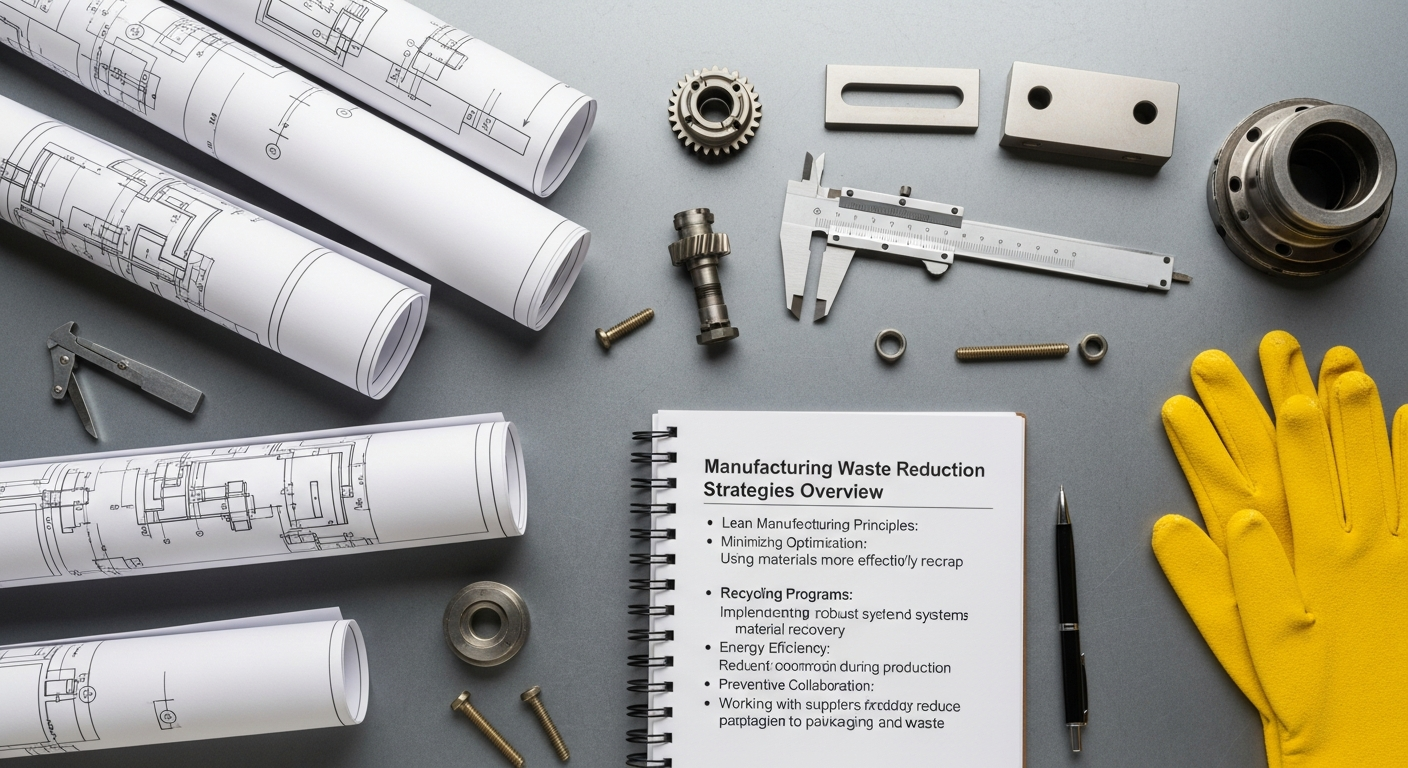
At the heart of effective waste reduction lie two powerful and interconnected philosophies: Lean Manufacturing and Kaizen. These methodologies provide the conceptual framework and practical tools necessary to systematically identify and eliminate waste, fostering a culture of continuous improvement.
Lean Manufacturing Principles Explained
Originating from the Toyota Production System, Lean Manufacturing is a systematic approach focused on maximizing customer value while minimizing waste. Its core principle is to deliver more value with less work by identifying and removing non-value-adding activities from every process. The goal is to create a seamless flow of value to the customer.
The five key principles of Lean Manufacturing are:
- Define Value: From the customer’s perspective, what does the customer truly value? What are they willing to pay for? All other activities are considered waste.
- Map the Value Stream: Identify all steps in the process, from raw materials to the delivered product, distinguishing between value-added and non-value-added activities. Value Stream Mapping (VSM) is a critical tool here.
- Create Flow: Ensure a smooth, continuous flow of products, information, and people without interruptions, bottlenecks, or waiting.
- Establish Pull: Produce only what is needed, when it is needed, and in the quantity needed by the next process or the customer. This avoids overproduction and excess inventory.
- Seek Perfection: Continuously strive to eliminate waste and improve processes, recognizing that Lean is an ongoing journey, not a destination.
By rigorously applying these principles, manufacturers can significantly reduce the eight types of waste (Muda) previously discussed, leading to improved efficiency, quality, and responsiveness. Lean provides the strategic lens through which manufacturing waste reduction strategies are viewed and executed.
Kaizen Continuous Improvement Explained
While Lean provides the strategic framework, Kaizen offers the tactical engine for ongoing improvement. Kaizen is a Japanese term meaning “change for the better” or “continuous improvement.” It is a philosophy that emphasizes small, incremental improvements made consistently over time, involving all employees from top management to frontline workers. Unlike radical, disruptive changes, Kaizen promotes a culture where everyone is encouraged to identify problems and suggest solutions, no matter how minor they may seem.
Key characteristics of Kaizen include:
- Gradual & Continuous: Focuses on small, ongoing changes rather than large, sporadic ones.
- Involvement of Everyone: Encourages participation from all levels of the organization, leveraging collective intelligence.
- Problem-Solving Focus: Identifies root causes of problems and implements corrective actions.
- Emphasis on Process: Believes that improving processes will naturally lead to improved results.
- Minimal Investment: Often involves low-cost or no-cost solutions, making it accessible to all.
Kaizen events (or ‘Kaizen blitzes’) are structured, short-term improvement projects focused on a specific process or area. These events bring together cross-functional teams to quickly analyze, implement, and test solutions. The synergy between Lean and Kaizen is powerful: Lean identifies the areas where waste exists and defines the ideal state, while Kaizen provides the methodology for continuously moving towards that ideal state through incremental improvements. Implementing effective manufacturing waste reduction strategies relies heavily on fostering a Kaizen mindset throughout the organization.
Strategic Approaches to Waste Reduction Across Operations
Process Optimization and Standardization
At the core of waste reduction is the relentless pursuit of optimized processes. This involves analyzing every step of a production sequence to eliminate redundant actions, reduce unnecessary movements, and streamline workflows. Tools like Value Stream Mapping (VSM) are invaluable for visualizing current processes and identifying non-value-added steps. Standardization, through methods like the 5S methodology (Sort, Set in Order, Shine, Standardize, Sustain), creates a clean, organized, and efficient workplace, reducing search time and improving safety. By standardizing best practices, variability is reduced, leading to consistent quality and predictable output, directly combating defects and over-processing.
Intelligent Inventory Management
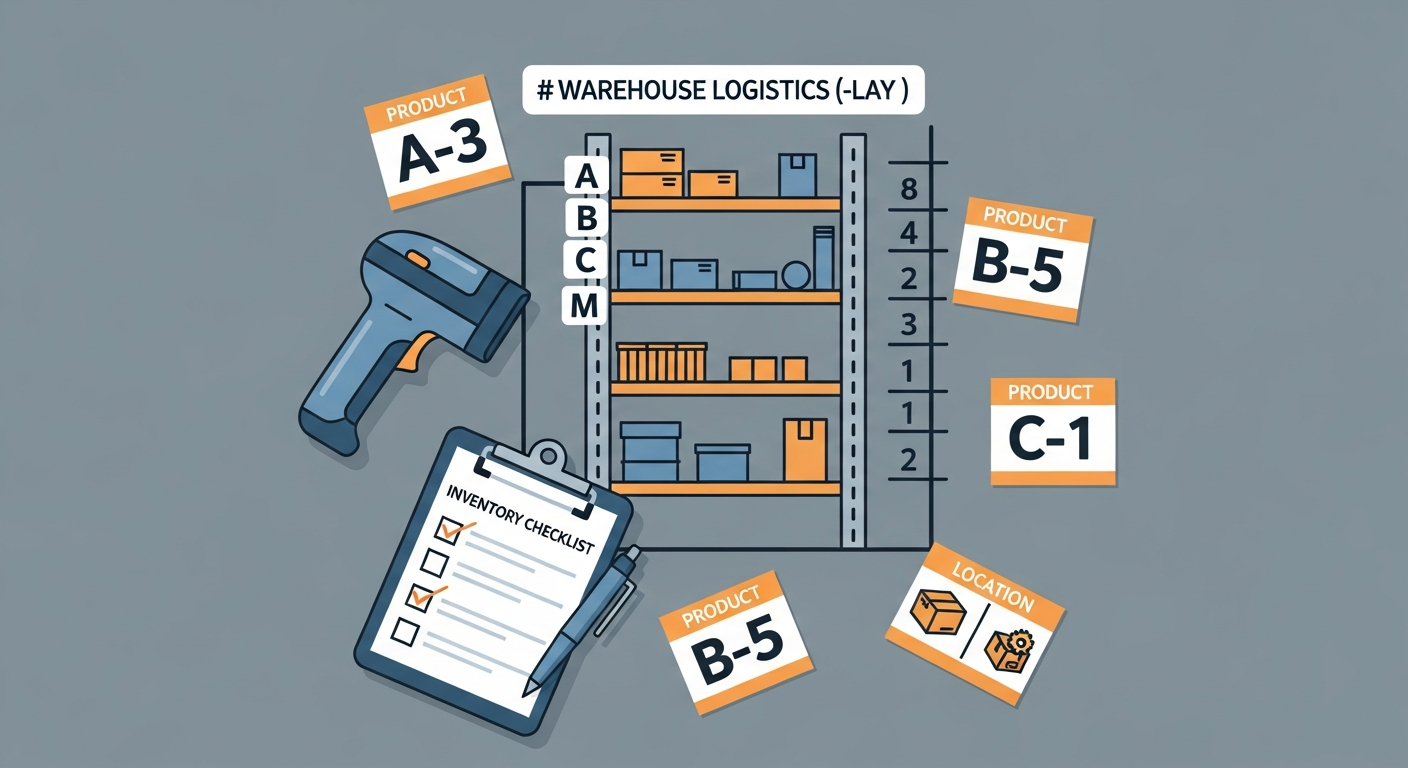
Excess inventory is a significant waste, tying up capital, consuming valuable space, and risking obsolescence. Effective inventory management is a cornerstone of manufacturing waste reduction strategies. Implementing Just-In-Time (JIT) principles ensures that materials and components arrive precisely when needed for production, minimizing storage requirements and reducing the risk of holding obsolete stock. Advanced forecasting techniques, ABC analysis (categorizing inventory by value), and stronger collaboration with suppliers can further optimize inventory levels, transforming this area from a cost center into a lean asset.
Energy Efficiency and Resource Recovery
Energy consumption is a major operational cost and environmental concern. Strategies include conducting detailed energy audits to identify high-consumption areas, upgrading to energy-efficient machinery and lighting (e.g., LED), optimizing HVAC systems, and exploring renewable energy sources. Beyond energy, maximizing resource recovery through robust recycling programs for materials like metals, plastics, and cardboard is crucial. Implementing closed-loop systems, where waste from one process becomes a raw material for another, or establishing partnerships with waste-to-energy facilities, significantly reduces landfill reliance and enhances sustainability.
Proactive Quality Control and Defect Prevention
Defects are arguably the most costly form of waste, leading to rework, scrap, warranty claims, and reputational damage. Moving from reactive quality inspection to proactive defect prevention is essential. Methodologies like Six Sigma aim to reduce process variation and eliminate defects, striving for near-perfect quality. Poka-Yoke (mistake-proofing) devices and techniques are designed to prevent errors from occurring in the first place or to make them immediately obvious. Statistical Process Control (SPC) uses data to monitor and control processes, allowing for early detection of deviations before they result in defects. Root cause analysis techniques ensure that once a defect occurs, its underlying cause is addressed to prevent recurrence.
Design for Manufacturability (DFM) and Environment (DfE)
Waste reduction often begins long before production starts, at the design phase. Design for Manufacturability (DFM) focuses on creating products that are easy and efficient to produce, minimizing material usage, assembly steps, and potential defects. Design for Environment (DfE), or Eco-Design, takes this a step further by considering the environmental impact of a product throughout its entire lifecycle—from material selection and energy consumption during manufacturing to its end-of-life disposal or recycling. By integrating DFM and DfE principles, manufacturers can inherently design out waste, making these proactive manufacturing waste reduction strategies highly impactful.
Leveraging Technology and Innovation for Waste Reduction
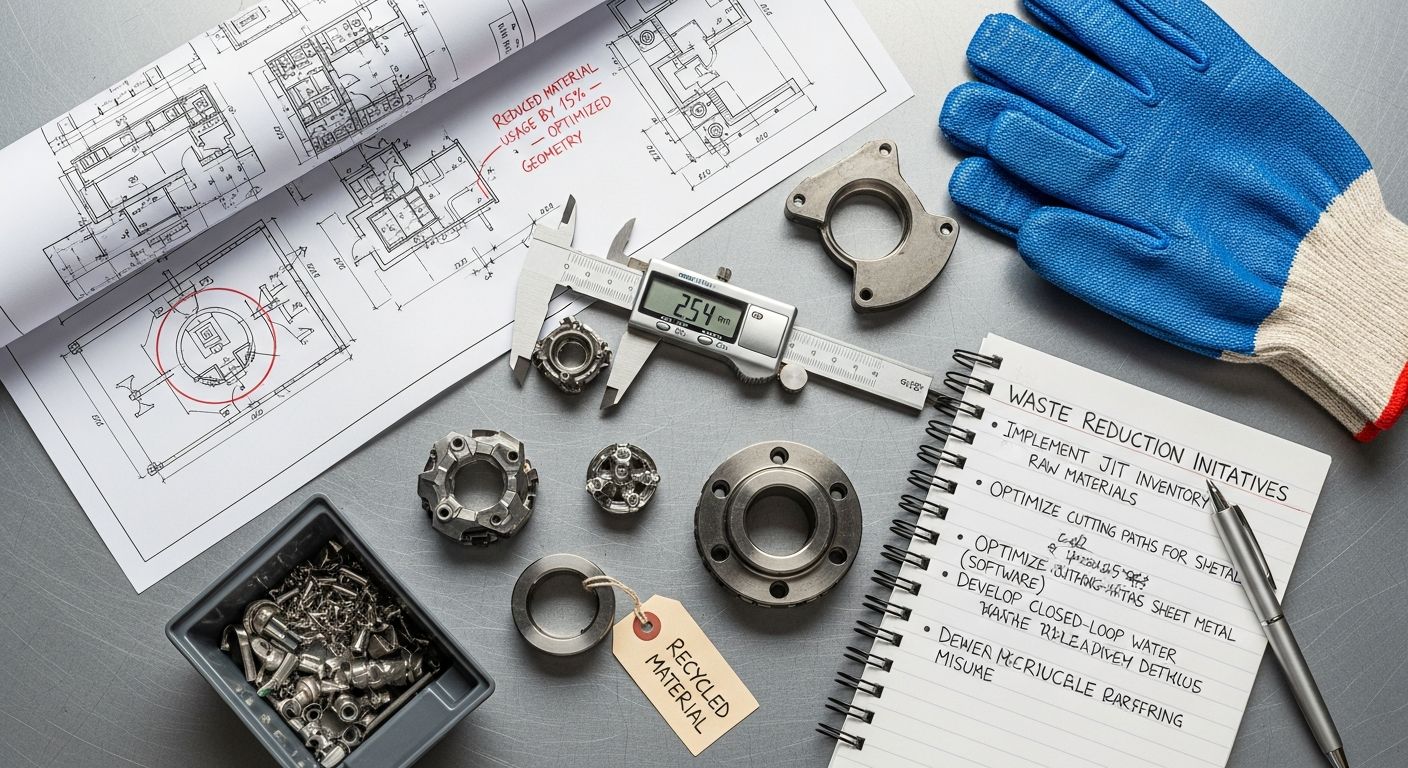
The advent of Industry 4.0 technologies provides unprecedented opportunities to enhance manufacturing waste reduction strategies. Smart factories, powered by automation, data analytics, and advanced materials, are transforming how waste is identified, monitored, and eliminated.
Automation, Robotics, and Artificial Intelligence
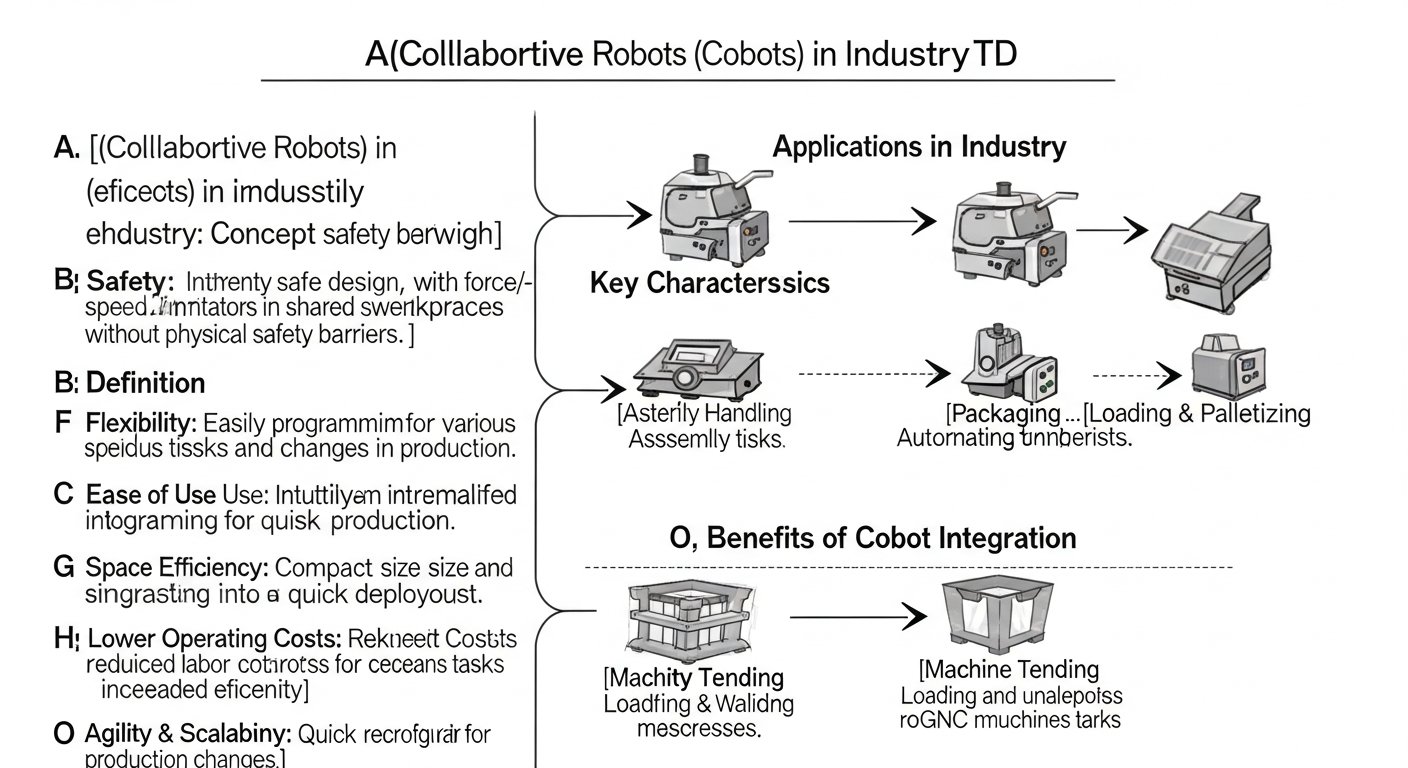
Automation and robotics significantly reduce human error, improve precision, and ensure consistency in production processes, thereby minimizing defects and rework. Robots can perform repetitive tasks with higher accuracy and speed, leading to less material waste and optimized cycle times. Artificial Intelligence (AI) and Machine Learning (ML) take this a step further. AI algorithms can analyze vast datasets from production lines to predict equipment failures before they occur (predictive maintenance), optimize machine parameters for peak efficiency, and even forecast demand more accurately, preventing overproduction and excess inventory. AI-driven vision systems can identify minute defects in real-time, preventing faulty products from moving further down the line.
Internet of Things (IoT) and Real-time Data Analytics
The Internet of Things (IoT) involves embedding sensors into machinery, equipment, and even materials to collect real-time data on performance, environmental conditions, and resource consumption. This data, when analyzed, provides invaluable insights into operational inefficiencies. For instance, IoT sensors can monitor energy usage of individual machines, detect leaks in pneumatic or hydraulic systems, or track the precise location and movement of inventory. Real-time data analytics allows manufacturers to identify bottlenecks, pinpoint sources of waste immediately, and make data-driven decisions to optimize processes, reduce energy consumption, and manage resources more effectively.
Additive Manufacturing (3D Printing)
Additive Manufacturing, commonly known as 3D printing, offers a revolutionary approach to waste reduction, particularly in terms of material usage. Unlike traditional subtractive manufacturing methods (e.g., machining) that remove material to create a part, 3D printing builds objects layer by layer, depositing material only where it’s needed. This drastically reduces material scrap, especially for complex geometries. Furthermore, 3D printing enables on-demand production, eliminating the need for large inventories and associated waste from overproduction or obsolescence, aligning perfectly with Lean principles.
Materials Science In Manufacturing for Sustainable Practices
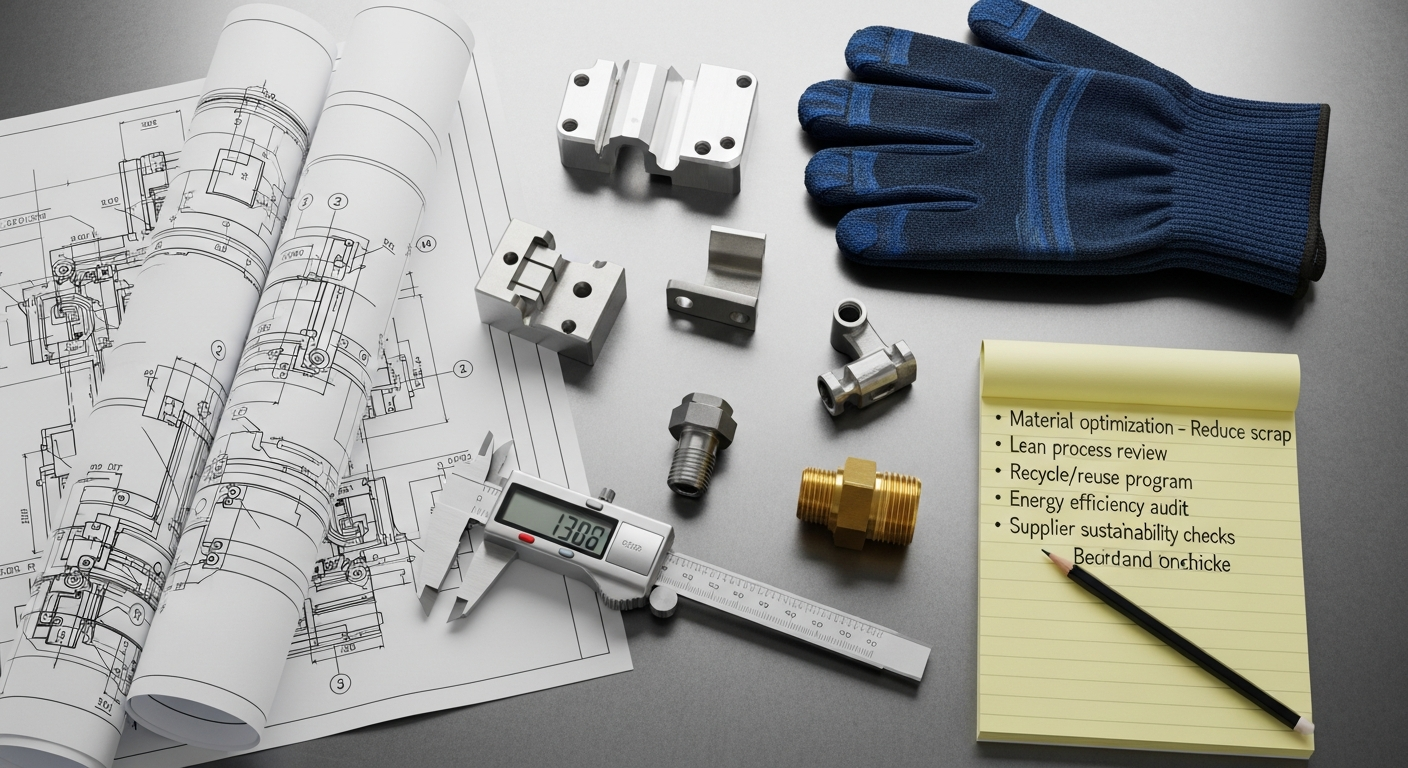
The frontier of manufacturing waste reduction strategies is increasingly being shaped by advancements in materials science. Innovation in materials science offers solutions to waste at multiple stages of a product’s lifecycle:
- Reduced Material Usage: Development of stronger, lighter, or more durable materials (e.g., advanced composites, high-strength alloys) allows for the design of products with less material while maintaining or improving performance, leading to less raw material consumption and lighter products that require less energy for transportation.
- Enhanced Recyclability and Circular Economy: Materials scientists are developing new polymers, metals, and composites that are inherently easier to recycle, or can be recycled multiple times without significant degradation. This supports a circular economy model where materials are kept in use for as long as possible, minimizing virgin resource extraction and waste generation.
- Bio-based and Biodegradable Materials: Research into sustainable alternatives like bio-plastics derived from renewable resources or biodegradable materials offers solutions for reducing reliance on fossil fuels and mitigating end-of-life waste accumulation in landfills.
- Improved Manufacturing Processes: Advances in materials science also lead to more efficient material processing techniques that generate less scrap, require less energy, or allow for easier recovery of by-products. For example, precision casting techniques or near-net-shape manufacturing reduce the need for extensive post-processing and associated material removal.
- Extended Product Lifespan: Developing materials with superior resistance to wear, corrosion, and fatigue directly contributes to extending product lifespans, reducing the frequency of replacement and the associated waste from discarded goods.
By integrating cutting-edge materials science into product design and manufacturing processes, companies can proactively address waste at its source, making a significant leap towards truly sustainable production in 2026 and beyond.
Implementing and Sustaining Waste Reduction Programs
Implementing effective manufacturing waste reduction strategies requires more than just identifying waste; it demands a structured approach to change management, continuous monitoring, and fostering a culture of efficiency.
Leadership Commitment and Employee Engagement
The success of any waste reduction program hinges on strong leadership commitment. Management must champion the initiative, allocate necessary resources, and visibly support the efforts. Equally critical is engaging employees at all levels. Frontline workers often have the most insightful perspectives on operational inefficiencies. Providing training on Lean principles, Kaizen methodologies, and problem-solving techniques empowers employees to identify waste and contribute solutions. Creating cross-functional teams dedicated to waste reduction fosters collaboration and shared ownership.
Establishing Clear Metrics and Key Performance Indicators (KPIs)
What gets measured gets managed. Defining clear metrics and KPIs is essential to track progress and demonstrate the impact of waste reduction efforts. These might include:
- Percentage reduction in raw material scrap.
- Energy consumption per unit of production.
- Defect rates and rework percentages.
- Inventory turnover ratio.
- Waste-to-landfill ratio.
- Cost savings attributed to waste reduction.
Regularly reviewing these KPIs allows organizations to evaluate the effectiveness of their strategies, identify areas needing further attention, and celebrate successes, reinforcing the value of the program.
Supplier and Customer Collaboration
Waste often extends beyond the factory gates. Collaborating with suppliers to reduce packaging waste, optimize delivery schedules (supporting JIT), and ensure the quality of incoming materials can significantly reduce waste upstream. Similarly, engaging with customers to understand their true needs helps prevent overproduction and ensures that the value delivered aligns perfectly with their expectations. Establishing a circular supply chain where materials are returned and reused or recycled is an advanced form of this collaboration.
Cultivating a Culture of Continuous Improvement
Ultimately, sustaining manufacturing waste reduction strategies means embedding a culture of continuous improvement throughout the organization. This involves:
- Regular Audits and Reviews: Periodically assessing processes to identify new waste streams or areas for improvement.
- Open Communication: Encouraging employees to report issues, suggest ideas, and participate in problem-solving.
- Recognition and Rewards: Acknowledging and rewarding individuals and teams for their contributions to waste reduction.
- Ongoing Training and Skill Development: Ensuring that employees have the knowledge and tools to effectively contribute to waste elimination.
By making waste reduction an integral part of daily operations and organizational culture, companies can ensure that improvements are not one-off events but a perpetual journey towards operational excellence.
The journey towards zero waste in manufacturing is an ongoing one, demanding vigilance, innovation, and a commitment to continuous improvement. By embracing the principles of Lean and Kaizen, leveraging cutting-edge technologies, and making informed decisions based on Materials Science In Manufacturing, companies like Mitsubishi Manufacturing can not only reduce their environmental footprint but also unlock significant economic benefits. As we look towards 2026 and beyond, the competitive edge will undeniably belong to those who master the art and science of manufacturing waste reduction strategies, paving the way for a more efficient, profitable, and sustainable industrial future.
Frequently Asked Questions
Recommended Resources
Check out How To Build Confidence And Self Esteem on Diaal News for a deeper dive.
For more on manufacturing waste reduction, see Postpartum Care Resources Guide on Protect Families Protect Choices.