Optimizing Inventory: Essential Strategies for Modern Manufacturing
Understanding the Core of Inventory Management in Manufacturing
Inventory, in a manufacturing context, extends far beyond just finished products. It encompasses raw materials, components, work-in-process (WIP) goods, and maintenance, repair, and operating (MRO) supplies. Each category presents its own unique challenges and opportunities for optimization. For raw materials and components, the focus is on timely procurement and minimizing holding costs. WIP inventory requires smooth production flow to prevent bottlenecks, while finished goods demand accurate forecasting and efficient distribution to meet customer orders promptly.
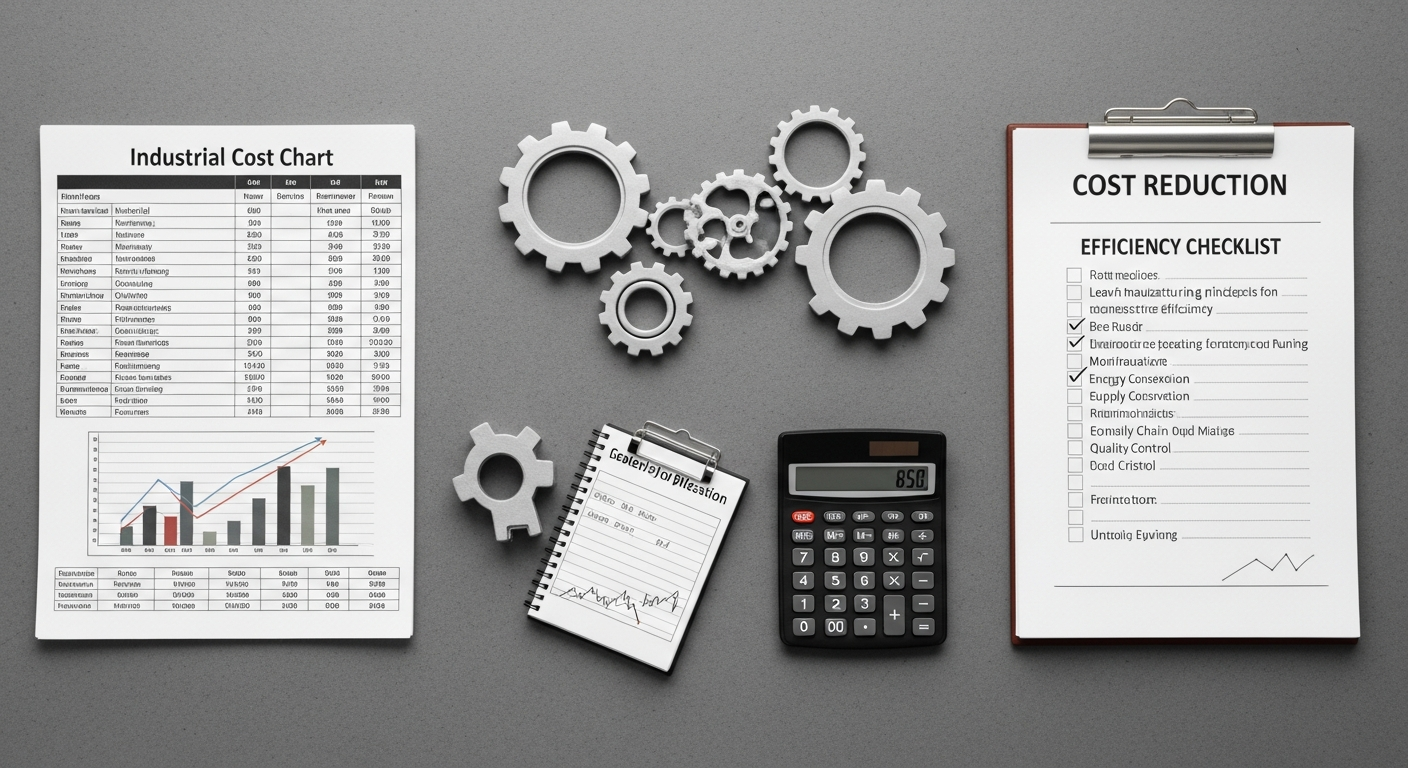
The costs associated with inventory are multifaceted. Holding costs include warehousing, insurance, labor for handling, depreciation, and the opportunity cost of tied-up capital. These can sometimes amount to 15-30% of the inventory’s value annually. Obsolescence costs arise when inventory becomes outdated or unsellable, a particular risk in fast-evolving industries like electronics or automotive. Conversely, stockout costs—the expense incurred from not having inventory when needed—can be far more damaging, leading to lost sales, production delays, expedited shipping fees, and irreversible damage to customer relationships and brand reputation. For instance, a single stockout of a critical component could halt an entire assembly line, costing tens of thousands of dollars per hour in lost production, not to mention penalties for delayed deliveries.
Effective inventory management is about striking a strategic balance, minimizing these costs while ensuring continuous production and customer satisfaction. It’s a dynamic process that requires constant monitoring, analysis, and adaptation. Manufacturers must recognize that inventory is not merely a static collection of goods but a vital circulatory system for their operations, directly impacting cash flow, production efficiency, and market responsiveness.
Practical Steps for Core Inventory Understanding:
- Categorize and Value Inventory: Perform a detailed audit to classify all inventory types (raw materials, WIP, finished goods, MRO) and assign accurate monetary values, including carrying costs.
- Calculate Carrying Costs: Systematically determine the total cost of holding inventory (rent, utilities, insurance, labor, capital costs) to understand the financial impact of excess stock.
- Quantify Stockout Risks: Identify critical components or finished goods where stockouts would have the most severe impact (e.g., revenue loss, production downtime, customer churn) and prioritize these for closer monitoring.
- Establish Clear KPIs: Define key performance indicators such as inventory turnover ratio, days inventory outstanding (DIO), and order fulfillment rate to track performance against goals.
Embracing Lean Inventory Principles: Minimizing Waste, Maximizing Flow
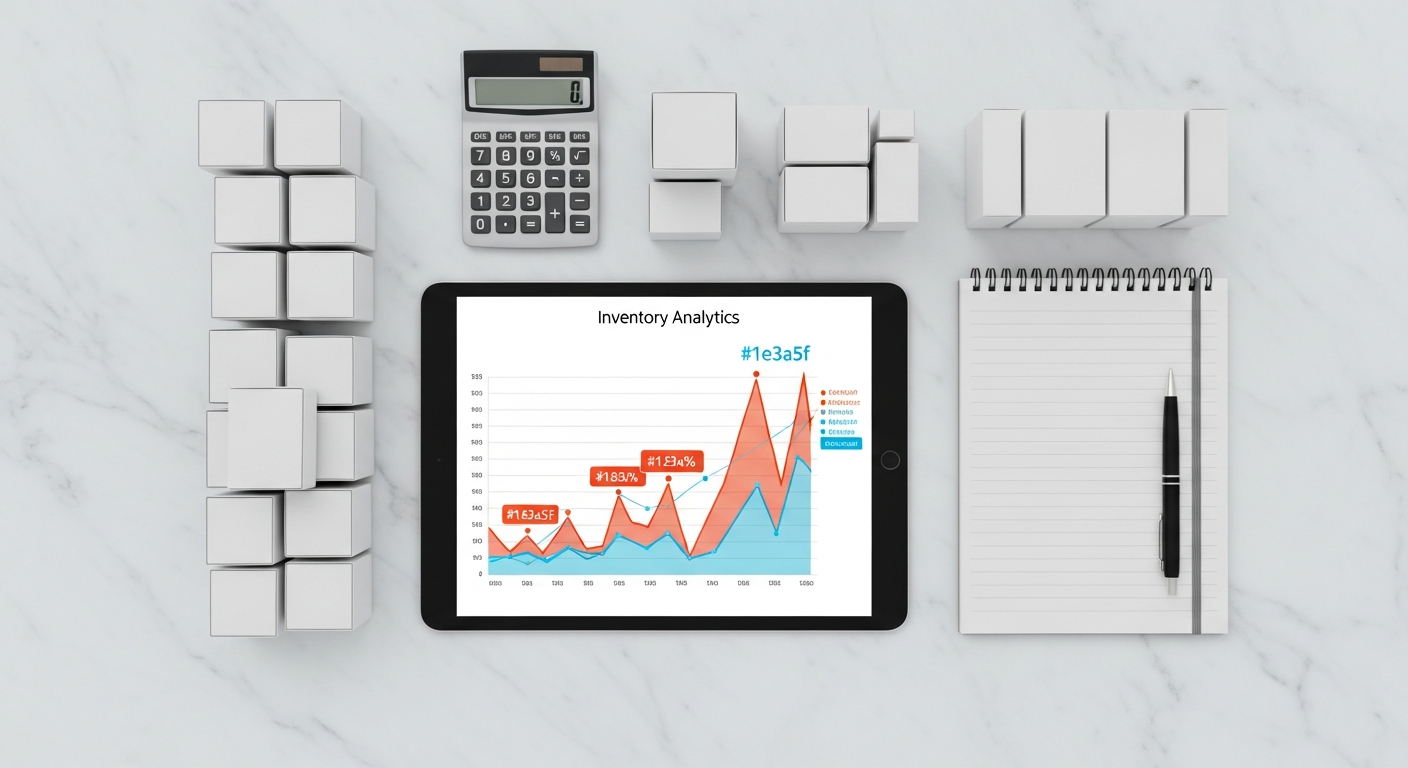
Lean manufacturing principles, originating from the Toyota Production System, offer powerful inventory management strategies for manufacturers focused on eliminating waste and optimizing flow. The core idea is to produce only what is needed, when it is needed, and in the amount needed, thereby reducing excess inventory, shortening lead times, and improving overall efficiency.
One of the most well-known lean strategies is Just-in-Time (JIT). JIT aims to receive raw materials and components exactly when they are required for production, thereby eliminating the need for large buffer stocks. This dramatically reduces holding costs, storage space, and the risk of obsolescence. For example, an automotive manufacturer implementing JIT for engine components might have a supplier deliver parts hourly directly to the assembly line, avoiding costly warehousing. While JIT offers significant benefits in cost reduction and increased responsiveness, it also requires highly reliable suppliers, robust logistics, and precise demand forecasting, as any disruption can lead to immediate production halts. The semiconductor shortage highlighted the vulnerabilities of overly lean systems without adequate contingency planning.
Another crucial lean tool is Kanban, a visual signaling system that triggers replenishment based on actual consumption. Kanban cards or electronic signals indicate when a specific item needs to be reordered or produced. This pull system ensures that production is driven by demand, not by speculative forecasts, preventing overproduction. A metal fabrication plant might use Kanban to manage steel sheet stock; when a bin is emptied, a Kanban card is sent to the supplier or internal cutting department, signaling the need for replenishment. This keeps inventory levels low and synchronizes supply with demand.
Value Stream Mapping (VSM) is an analytical tool used to visualize the entire flow of materials and information required to bring a product to the customer. By mapping the current state, manufacturers can identify non-value-added activities, bottlenecks, and areas of excessive inventory. A plastics manufacturer might use VSM to identify that a specific mold changeover process is excessively long, leading to larger batch sizes and higher WIP inventory than necessary. Optimizing this process reduces inventory and improves flow.
Practical Steps for Implementing Lean Principles:
- Pilot JIT for Non-Critical Items: Start by implementing JIT with a select group of reliable suppliers for high-volume, low-variability components to gain experience before scaling.
- Implement Kanban Systems: Introduce visual pull systems for internal material flow and reordering, using physical cards or digital signals to manage inventory at workstations.
- Conduct Value Stream Mapping Workshops: Regularly analyze your production processes to identify waste, bottlenecks, and opportunities to reduce inventory levels.
- Foster Supplier Relationships: Develop strong, collaborative relationships with key suppliers, sharing forecasts and integrating their logistics into your JIT strategy.
Leveraging Technology: Advanced Inventory Management Systems
The complexity of modern manufacturing supply chains makes manual inventory tracking virtually impossible for competitive enterprises. Advanced technological solutions are indispensable for optimizing inventory management, providing real-time visibility, improving accuracy, and enabling data-driven decision-making. These inventory management strategies for manufacturers leverage software and automation to transform operations.
Enterprise Resource Planning (ERP) systems are foundational. An integrated ERP system connects all facets of a manufacturing operation—procurement, production, sales, finance, and inventory—into a single database. This unified view provides unparalleled data visibility, allowing manufacturers to track inventory levels across multiple locations, monitor order statuses, and synchronize material flow with production schedules. For instance, an ERP system can automatically trigger a purchase order for raw materials when stock levels fall below a predetermined reorder point, considering current production plans and lead times. A global electronics manufacturer using a robust ERP might see a 15-20% improvement in inventory accuracy and a 10% reduction in lead times due to better data synchronization.
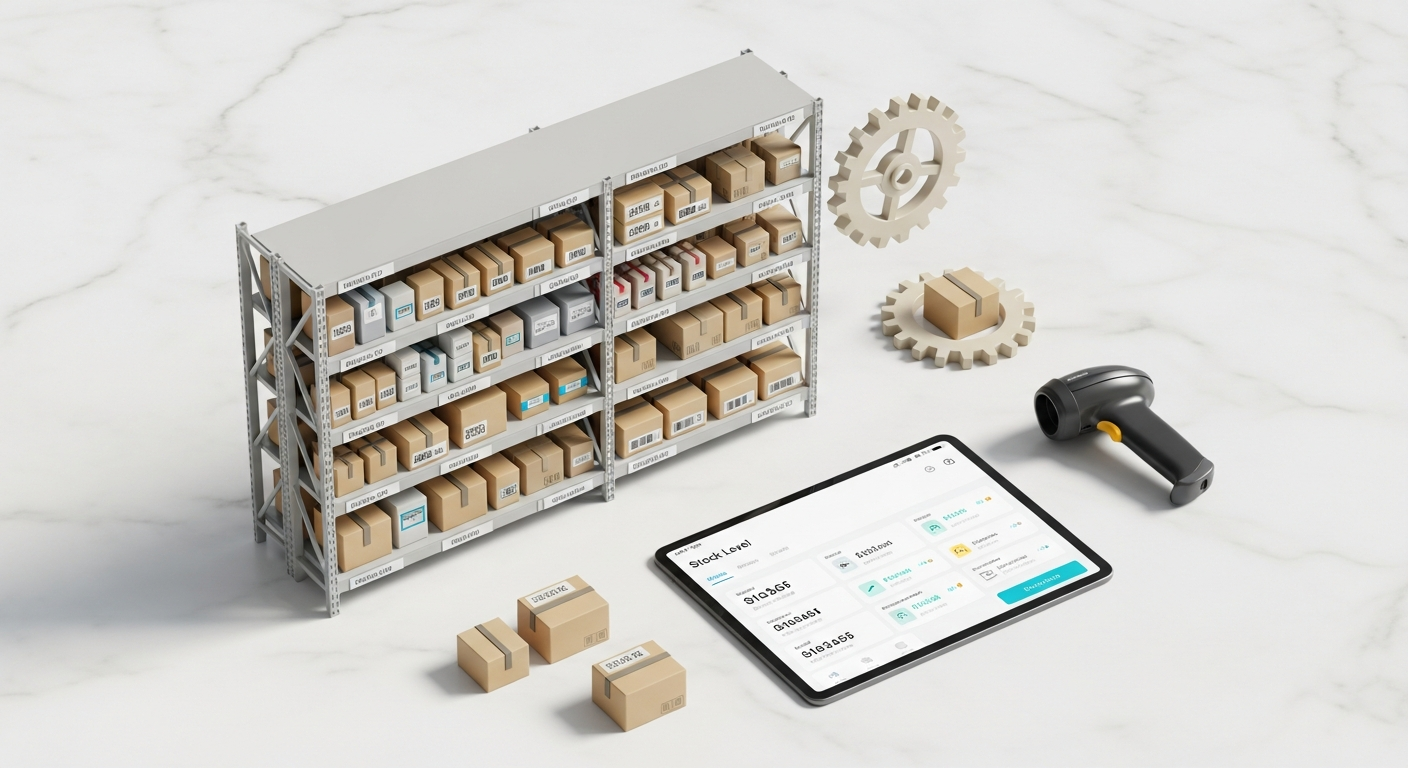
Warehouse Management Systems (WMS) specialize in optimizing warehouse operations, from receiving and putaway to picking, packing, and shipping. WMS often integrate with ERPs and utilize technologies like barcodes, RFID, and automated guided vehicles (AGVs) to enhance efficiency. They can optimize storage layouts based on product velocity (e.g., fast-moving items near shipping docks), direct pickers along the most efficient routes, and ensure accurate order fulfillment. A mid-sized automotive parts supplier implemented a WMS, reducing picking errors by 30% and improving order throughput by 25% within the first year.
Emerging technologies like the Internet of Things (IoT) and Artificial Intelligence (AI)/Machine Learning (ML) are further revolutionizing inventory management. IoT sensors can monitor inventory conditions (temperature, humidity), track asset location, and even count items automatically, providing real-time updates. AI and ML algorithms can analyze vast datasets of historical sales, market trends, seasonal variations, and even external factors like weather patterns or social media sentiment to generate highly accurate demand forecasts. Predictive analytics can anticipate equipment failures, helping manage MRO inventory more effectively, or predict potential supply chain disruptions, allowing for proactive adjustments. A food processing plant might use IoT sensors to monitor perishable ingredients and AI to predict spoilage rates, significantly reducing waste.
Practical Steps for Leveraging Technology:
- Audit Current Systems: Evaluate your existing software and hardware infrastructure to identify gaps and areas for upgrade or integration.
- Invest in an Integrated ERP: Prioritize an ERP system that offers comprehensive inventory modules and integrates seamlessly with other operational functions.
- Explore WMS Solutions: For complex warehouse operations, consider a dedicated WMS to optimize internal logistics and improve inventory accuracy.
- Pilot IoT/AI for Specific Challenges: Start with a targeted implementation of IoT sensors (e.g., for high-value assets) or AI-driven forecasting for a particular product line to demonstrate ROI before broader adoption.
Data-Driven Demand Forecasting and Planning
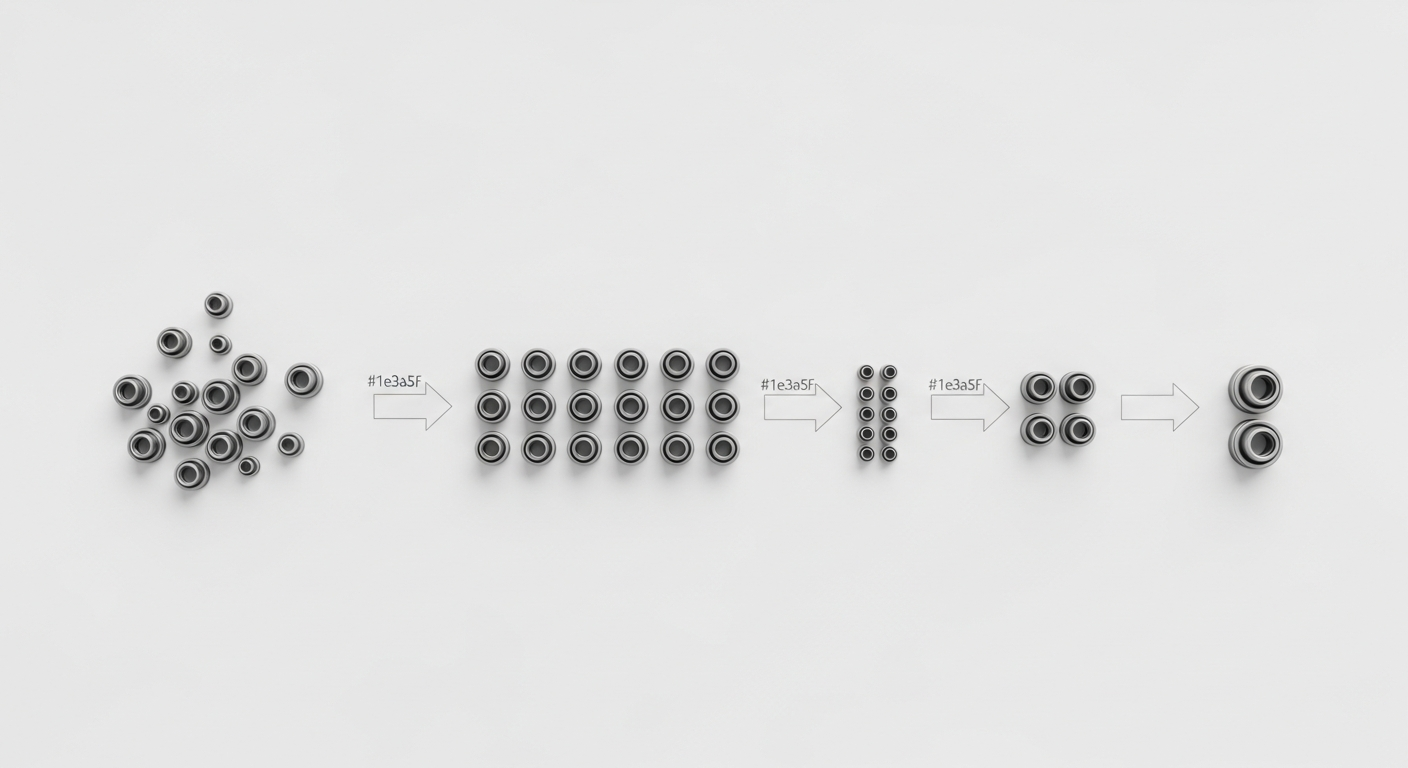
Accurate demand forecasting is the bedrock of effective inventory management strategies for manufacturers. Without a clear understanding of future demand, all other inventory decisions—from raw material procurement to production scheduling—are based on guesswork, leading to either costly excess stock or damaging stockouts. In today’s volatile markets, historical data alone is often insufficient; a multi-faceted, data-driven approach is essential.
The process begins with robust data collection and analysis. Manufacturers must gather and synthesize various data points: historical sales data, promotional calendars, market research, economic indicators, competitor activities, and even social media trends. Statistical forecasting models, such as moving averages, exponential smoothing, or more advanced ARIMA (AutoRegressive Integrated Moving Average) models, can then be applied to identify patterns and predict future demand. For example, a manufacturer of seasonal goods, like outdoor power equipment, can leverage historical sales data combined with long-range weather forecasts and economic outlooks to predict demand for the upcoming season with greater precision.
However, quantitative models need to be augmented by qualitative insights. This is where Sales and Operations Planning (S&OP) becomes critical. S&OP is a collaborative process that brings together sales, marketing, production, finance, and supply chain teams to create a unified demand and supply plan. By sharing insights on market trends, new product introductions, promotional activities, and production capacities, companies can create a more balanced and realistic forecast. This cross-functional alignment helps mitigate the “bullwhip effect,” where small fluctuations in customer demand amplify up the supply chain, causing excessive inventory swings. A large-scale furniture manufacturer, through quarterly S&OP meetings, was able to reduce forecast errors by 20% and achieve a 15% reduction in finished goods inventory.
Furthermore, flexibility in forecasting is key. Manufacturers should employ various forecasting horizons—short-term (daily/weekly) for operational planning, medium-term (monthly/quarterly) for tactical decisions, and long-term (yearly) for strategic capacity planning. Regular review and adjustment of forecasts based on actual performance and market shifts are paramount. Implementing scenario planning—forecasting under best-case, worst-case, and most-likely scenarios—can also help prepare for various eventualities.
Practical Steps for Data-Driven Forecasting:
- Implement a Collaborative Forecasting Process: Establish a formal S&OP process involving all key departments to build consensus on demand plans.
- Utilize Multiple Data Sources: Go beyond historical sales data to incorporate market intelligence, economic indicators, and customer feedback into your forecasting models.
- Invest in Forecasting Software: Employ specialized forecasting software, often integrated with ERP/SCM systems, that can handle complex algorithms and provide scenario planning capabilities.
- Measure Forecast Accuracy: Regularly track key metrics like Mean Absolute Percentage Error (MAPE) or Weighted Absolute Percentage Error (WAPE) to evaluate and improve the accuracy of your forecasts.
- Conduct Regular Forecast Reviews: Schedule recurring meetings to compare actual performance against forecasts and adjust future plans accordingly.
Optimizing Warehouse Layout and Storage Strategies
The physical organization of inventory within a warehouse or production facility directly impacts efficiency, safety, and operational costs. A poorly designed layout can lead to excessive travel time, increased labor costs, higher risk of damage or loss, and inefficient use of valuable space. Strategic warehouse layout and storage are essential inventory management strategies for manufacturers.
Effective space utilization is paramount. This involves not only maximizing floor space but also leveraging vertical space through various racking systems (e.g., selective, drive-in, push-back, pallet flow). A well-designed layout minimizes travel distances for material handlers and equipment, streamlining receiving, putaway, picking, and shipping processes. For example, placing high-volume or fast-moving items closer to shipping docks and production lines reduces retrieval times, while slower-moving or bulkier items can be stored in less accessible areas.
Implementing appropriate storage strategies like FIFO (First-In, First-Out) or LIFO (Last-In, First-Out) is critical, especially for perishable, time-sensitive, or serialized inventory. FIFO ensures that older inventory is used or sold first, minimizing the risk of obsolescence or expiration—a common practice in industries like food, pharmaceuticals, and certain electronics. LIFO, though less common for physical inventory flow (more often used for accounting purposes), might be considered for bulk, non-perishable goods where older stock isn’t negatively impacted by age. A chemical manufacturer strictly adheres to FIFO for its raw materials to prevent degradation and ensure product quality, which involves specific racking and handling protocols.
Beyond general layout, specific strategies like slotting optimization can further enhance efficiency. Slotting involves assigning inventory to the most optimal storage locations based on factors such as velocity (how often an item is picked), cube (item size and weight), and special handling requirements. This reduces travel time, improves picking efficiency, and often increases storage density. For instance, a small parts manufacturer might group frequently picked items together near the assembly lines, and use automated carousel systems for very high-volume, small components.
Finally, safety and accessibility are non-negotiable. Warehouse layouts must ensure clear aisles for forkllifts and personnel, adequate lighting, and proper labeling. Regular maintenance of equipment and facilities, along with adherence to safety protocols, prevents accidents and protects inventory from damage.
Practical Steps for Warehouse Optimization:
- Conduct a Warehouse Audit: Analyze current layout, storage methods, material flow, and identify bottlenecks or inefficiencies.
- Implement a Strategic Layout: Design a layout that optimizes space utilization (vertical and horizontal) and minimizes travel time for primary processes (receiving, putaway, picking, shipping).
- Apply FIFO/LIFO Appropriately: Choose and strictly enforce the correct inventory rotation method based on product characteristics (perishability, obsolescence risk).
- Utilize Slotting Techniques: Assign specific storage locations to SKUs based on their characteristics (velocity, size, weight) to improve picking efficiency.
- Invest in Modern Storage Solutions: Consider automation (e.g., ASRS, AGVs) or advanced racking systems to enhance density and accessibility where feasible.
- Prioritize Safety and Ergonomics: Ensure clear pathways, proper lighting, and ergonomic design to protect personnel and prevent inventory damage.
Risk Mitigation and Supply Chain Resilience
The global events of recent years have unequivocally demonstrated that even the most optimized inventory systems are vulnerable to unforeseen disruptions. Building resilience into the supply chain and developing robust risk mitigation strategies are now non-negotiable inventory management strategies for manufacturers. The goal is to minimize the impact of disruptions while maintaining operational continuity.
The concept of buffer stock (safety stock) needs careful re-evaluation. While lean principles advocate for minimal inventory, strategic buffer stock for critical, long-lead-time, or highly volatile components can act as an insurance policy against unforeseen supply disruptions or demand spikes. The challenge is to determine the optimal level of safety stock—too much ties up capital, too little leaves the manufacturer vulnerable. This requires a sophisticated analysis of lead time variability, demand variability, and the cost of stockouts versus holding costs. A pharmaceutical company, facing strict regulatory requirements and high stockout costs, maintains higher safety stock levels for active pharmaceutical ingredients (APIs) than an apparel manufacturer might for fabric.
Contingency planning is about proactively developing responses to potential disruptions. This includes scenario planning for natural disasters, geopolitical instability, cyberattacks on logistics partners, or sudden spikes in demand. Manufacturers should identify critical points in their supply chain, assess potential failure modes, and develop alternative plans. This might involve pre-negotiated contracts with expedited shipping services, identifying alternative production facilities, or having a rapid response team ready to deploy. Regular drills and simulations can test the effectiveness of these plans.
Finally, end-to-end supply chain visibility, often enabled by digital platforms, is key to identifying and responding to risks quickly. Knowing where inventory is at all times, understanding the status of supplier operations, and monitoring global events allows for proactive adjustments rather than reactive firefighting. Furthermore, safeguarding the integrity of supply chain data through robust cybersecurity measures is increasingly vital to prevent disruptions caused by data breaches or system hacks.
Practical Steps for Risk Mitigation:
- Map Your End-to-End Supply Chain: Identify all suppliers, sub-suppliers, logistics partners, and potential single points of failure.
- Diversify Critical Suppliers: Actively seek and qualify multiple suppliers, ideally geographically dispersed, for high-risk or essential components.
- Strategically Assess Safety Stock: Conduct a data-driven analysis to determine optimal safety stock levels for critical items, balancing risk with holding costs.
- Develop Comprehensive Contingency Plans: Create detailed plans for various disruption scenarios, including alternative sourcing, production shifts, and expedited logistics.
- Enhance Supply Chain Visibility: Invest in technologies that provide real-time tracking of inventory and shipments across your entire supply chain.
- Regularly Stress-Test Plans: Conduct simulations and drills to ensure your risk mitigation strategies are effective and your teams are prepared.
Conclusion: Building a Resilient and Efficient Future for Manufacturing Inventory
In the dynamic landscape of modern manufacturing, effective inventory management is far more than a logistical challenge—it’s a strategic imperative that underpins operational efficiency, financial health, and competitive advantage. The ability to precisely manage raw materials, work-in-process, and finished goods directly impacts a manufacturer’s capacity to meet demand, control costs, and adapt to market shifts. By embracing a holistic approach that integrates lean principles, advanced technology, data-driven forecasting, optimized physical layouts, and robust risk mitigation, manufacturers can transform their inventory from a source of vulnerability into a powerful engine for growth and resilience.
Mitsubishi Manufacturing understands the complexities and opportunities inherent in optimizing inventory. Our commitment to innovation in industrial and automotive sectors mirrors the very principles discussed: precision, efficiency, and foresight. Implementing these comprehensive inventory management strategies for manufacturers requires continuous investment in people, processes, and technology, but the returns—reduced operating costs, improved customer satisfaction, and enhanced supply chain resilience—are invaluable. The future of manufacturing belongs to those who can not only produce with excellence but also manage their resources with unparalleled intelligence and agility. Are you ready to optimize your inventory and fortify your manufacturing future?
Frequently Asked Questions