

Powering Production: A Guide to Industrial Electrical Systems Design and Maintenance
By Mitsubishi Manufacturing Team, Senior Electrical Engineering Department
In the heart of every modern manufacturing facility, production line, and industrial operation lies a complex, pulsating network of electrical power. Far more than just wires and circuits, these sophisticated infrastructures are the literal lifeblood, dictating efficiency, safety, and operational continuity. For businesses striving for peak performance, understanding the intricacies of industrial electrical systems design and their subsequent meticulous maintenance is not merely an advantage—it is an absolute imperative. A well-designed system ensures reliable power delivery, optimizes energy consumption, enhances safety, and provides the flexibility needed for future expansion. Conversely, a neglected system can lead to costly downtime, safety hazards, and significant financial losses. This comprehensive guide from Mitsubishi Manufacturing aims to demystify the core principles, best practices, and future trends in managing the electrical backbone of industrial excellence. By delving into these crucial aspects, facility managers, engineers, and operational leaders can unlock new levels of productivity and safeguard their valuable assets.
The Foundation: Understanding Industrial Electrical System Components
At the core of any robust industrial operation is a carefully orchestrated assembly of electrical components, each playing a critical role in power generation, distribution, control, and protection. A solid understanding of these elements is fundamental to effective industrial electrical systems design and ongoing maintenance.
What are the Key Components and Their Functions?
- Transformers: These devices are indispensable for stepping up or stepping down voltage levels, ensuring that power is transmitted efficiently over long distances (high voltage) and then safely distributed at appropriate operational voltages within a facility. Industrial settings often use dry-type or oil-filled transformers for various applications, from utility tie-ins to machine-level power.
- Switchgear and Circuit Breakers: Switchgear refers to a collection of switching devices, fuses, and circuit breakers used to control, protect, and isolate electrical equipment. Circuit breakers are critical safety devices designed to automatically interrupt an electrical circuit during an overcurrent condition (e.g., overload, short circuit), preventing damage to equipment and mitigating fire risks.
- Motor Control Centers (MCCs): MCCs are centralized assemblies that house motor starters, variable frequency drives (VFDs), programmable logic controllers (PLCs), and other control components for a group of motors. They simplify wiring, improve safety, and offer a consolidated point for motor control and protection.
- Variable Frequency Drives (VFDs): VFDs are power electronic devices that control the speed and torque of AC induction motors by varying the frequency and voltage of the power supplied to them. This capability leads to significant energy savings, especially in applications like pumps, fans, and conveyors, and provides precise process control. Mitsubishi Electric’s VFDs, for example, are renowned for their robust performance and energy efficiency in demanding industrial environments.
- Programmable Logic Controllers (PLCs): PLCs are specialized industrial computers used for automation of electromechanical processes, such as control of machinery on factory assembly lines, amusement rides, or lighting fixtures. They are rugged, designed for harsh industrial environments, and provide reliable, repeatable control logic.
- Supervisory Control and Data Acquisition (SCADA) Systems: SCADA systems are software applications that monitor, control, and collect data from industrial processes in real time. They provide a high-level view of an entire operation, enabling operators to make informed decisions, manage alarms, and log historical data for analysis.
- Uninterruptible Power Supplies (UPS) and Generators: For critical loads where even momentary power interruptions are unacceptable, UPS systems provide instantaneous backup power from batteries, while generators offer longer-term backup by converting fuel into electricity.
Practical Step: Component Selection and Integration
When designing or upgrading industrial electrical systems, prioritize high-quality components from reputable manufacturers. Substandard equipment can lead to frequent failures, increased maintenance costs, and safety compromises. Consider the full lifecycle cost, including energy efficiency and reliability, not just the initial purchase price. Ensure that chosen components are compatible and can be seamlessly integrated into the overall control architecture, whether it’s a new build or an expansion project. For instance, selecting PLCs and VFDs from the same ecosystem can streamline programming and communication.
Principles of Industrial Electrical Systems Design
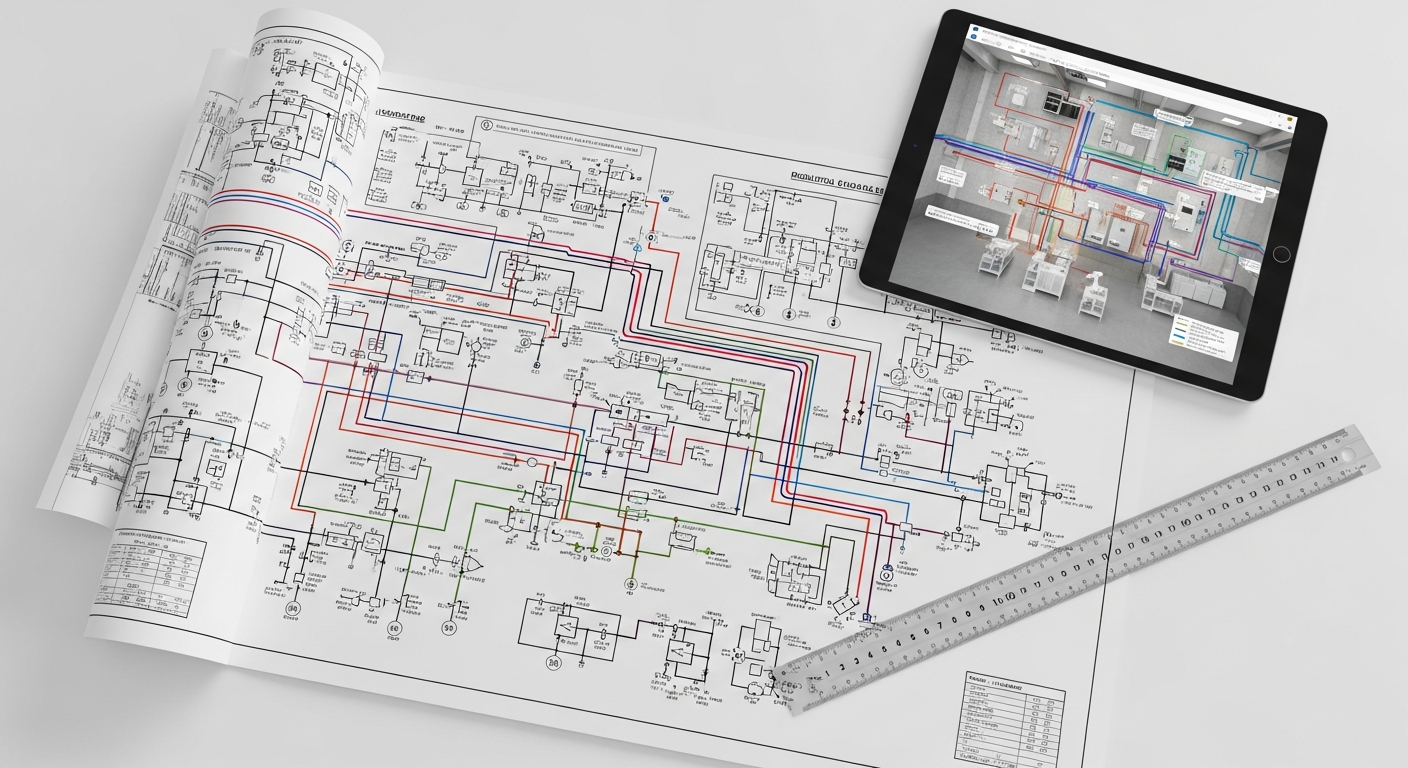
The design phase is arguably the most critical stage for any industrial electrical system. It lays the groundwork for safety, efficiency, reliability, and future adaptability. A robust industrial electrical systems design requires meticulous planning, adherence to codes, and a deep understanding of operational demands.
What are the Core Design Principles?
- Safety First: This is non-negotiable. Designs must prioritize the protection of personnel and equipment from electrical hazards such as shock, arc flash, and fire. This involves adherence to national and local electrical codes (e.g., National Electrical Code – NEC in the U.S.), as well as specific standards like NFPA 70E for electrical safety in the workplace. Designs should incorporate proper grounding, overcurrent protection, lockout/tagout (LOTO) provisions, and adequate clearances for safe operation and maintenance.
- Reliability and Redundancy: Industrial operations often cannot tolerate downtime. Designs should incorporate features that enhance system reliability, such as redundant power feeds, parallel transformers, and automatic transfer switches for critical loads. Fault tolerance measures, like selective coordination of protective devices, ensure that only the affected section of the system is isolated during a fault, leaving the rest operational.
- Energy Efficiency: Spiraling energy costs make efficiency a primary design consideration. This includes optimizing motor selections with VFDs, implementing power factor correction, utilizing energy-efficient transformers, and designing for demand-side management. For example, improving power factor from 0.8 to 0.95 can significantly reduce energy bills and free up capacity in the electrical system.
- Scalability and Flexibility: Manufacturing environments are dynamic. The design should anticipate future growth, technological upgrades, and changes in production requirements. This means oversizing conduits, reserving spare capacity in switchgear, and designing modular systems that can be easily expanded or reconfigured without extensive overhauls.
- Maintainability: Easy access for maintenance, clear labeling of components, and well-organized wiring are crucial. A maintainable design reduces troubleshooting time, enhances safety for technicians, and extends the lifespan of equipment.
What are the Detailed Steps in Industrial Electrical Systems Design?
- Load Calculation: Accurate assessment of present and future power requirements for all equipment, lighting, HVAC, and auxiliary systems. This determines the size of transformers, generators, and main feeders.
- Single-Line Diagrams: A simplified graphical representation of the electrical system, showing all major components (transformers, circuit breakers, bus bars, loads) and their interconnections. It’s an essential blueprint for design, operations, and troubleshooting.
- Short-Circuit Analysis: Calculation of the maximum fault current that could flow at various points in the system. This data is critical for selecting appropriately rated protective devices and equipment to withstand these forces.
- Protective Device Coordination Study: Ensures that circuit breakers and fuses operate in a coordinated manner, meaning the device closest to a fault clears it first, minimizing the impact on the rest of the system.
- Arc Flash Hazard Analysis: Calculation of the incident energy that personnel could be exposed to during an electrical arc fault and determination of appropriate personal protective equipment (PPE) requirements and safe working distances.
- Grounding and Bonding: Design of a robust grounding system to provide a safe path for fault currents and protect against lightning strikes, and proper bonding to ensure continuity of conductive materials.
Practical Step: Engage Certified Experts
Always engage certified electrical engineers and designers with specific expertise in industrial environments. Their knowledge of codes, standards, and best practices is invaluable. Early involvement of these professionals ensures that the initial industrial electrical systems design is robust, compliant, and optimized for your specific operational needs, preventing costly redesigns or safety issues down the line.
Advanced Control Systems and Automation
The evolution of industrial electrical systems extends beyond mere power delivery; it encompasses sophisticated control and automation that drive efficiency, precision, and intelligence into manufacturing processes. Modern control systems, often integrated with the Industrial Internet of Things (IIoT), are transforming the factory floor.
What are the Key Advanced Control Systems?
- Programmable Logic Controllers (PLCs): As the workhorses of industrial automation, modern PLCs offer higher processing speeds, increased memory, and enhanced communication capabilities. They are programmed to control sequences of operations based on inputs from sensors and execute commands to actuators, motors, and other machinery. Mitsubishi Electric’s MELSEC iQ-R series, for example, offers high-speed control and multi-CPU capabilities critical for complex, synchronized processes.
- Human-Machine Interfaces (HMIs): HMIs provide the visual interface through which operators interact with machinery and processes. They display real-time data, allow for parameter adjustments, and provide alarm notifications, simplifying complex operations and enhancing situational awareness.
- Supervisory Control and Data Acquisition (SCADA) Systems: Beyond monitoring, modern SCADA systems are central to collecting vast amounts of operational data from various PLCs, sensors, and equipment across an entire plant or even multiple facilities. This data is then used for trend analysis, historical logging, predictive maintenance, and overall operational optimization.
- Industrial Internet of Things (IIoT) Integration: The convergence of industrial machinery with network connectivity allows devices to communicate and exchange data in real-time. IIoT platforms gather data from sensors on motors, pumps, conveyor belts, and other electrical components, feeding it into analytics engines. This enables remote monitoring, condition-based monitoring, and the creation of digital twins for simulation and optimization.
- Robotics and Motion Control: Advanced electrical systems integrate seamlessly with robotic cells and precision motion control systems. High-performance servo drives, like those offered by Mitsubishi Electric, provide the precise control necessary for robotics, CNC machines, and other automated processes, significantly improving speed, accuracy, and repeatability.
What are the Benefits of Advanced Control and Automation?
- Increased Precision and Repeatability: Automated systems perform tasks with consistent accuracy, reducing human error and improving product quality.
- Enhanced Efficiency: Real-time data and optimized control algorithms lead to better resource utilization, reduced waste, and faster cycle times.
- Predictive Maintenance: By continuously monitoring parameters like motor vibration, temperature, and current draw, systems can predict potential failures, allowing for proactive maintenance and minimizing unscheduled downtime.
- Improved Safety: Automation reduces human exposure to hazardous environments and ensures adherence to precise operational sequences, mitigating risks.
- Data-Driven Decision Making: SCADA and IIoT provide a wealth of data for performance analysis, identifying bottlenecks, and continuous improvement initiatives.
Real-world Example: Mitsubishi’s e-F@ctory Concept
Mitsubishi Electric’s e-F@ctory concept exemplifies the power of advanced control systems. It integrates factory automation (FA) and IT technologies, leveraging IIoT to connect everything from individual sensors and PLCs to ERP systems. This holistic approach allows for real-time data collection, analysis, and optimization across the entire production lifecycle, leading to increased productivity, improved quality, and reduced total cost of ownership. It’s a testament to how intelligent industrial electrical systems design, combined with automation, creates truly smart factories.
Practical Step: Phased Implementation and Cybersecurity
When integrating advanced control systems, consider a phased implementation approach to minimize disruption and allow for thorough testing. Start with pilot projects in less critical areas. Crucially, robust cybersecurity measures are paramount. As systems become more connected, they become more vulnerable. Implement network segmentation, strong access controls, regular security audits, and employee training to protect against cyber threats that could impact operational integrity.
Implementing Best Practices in Industrial Electrical Maintenance

Even the most meticulously designed industrial electrical system will degrade over time without a comprehensive and proactive maintenance strategy. Effective maintenance is the cornerstone of reliability, safety, and longevity for all electrical infrastructure. It prevents minor issues from escalating into catastrophic failures.
What is the Evolution of Maintenance Strategies?
- Breakdown Maintenance (Reactive): Historically, maintenance was often reactive, addressing failures only after they occurred. This “run-to-fail” approach is highly inefficient, costly, and dangerous, leading to unpredictable downtime and emergency repairs.
- Preventive Maintenance (PM): This involves scheduled maintenance activities based on time or usage intervals (e.g., annual inspections, monthly lubrication). While better than reactive, it can lead to unnecessary maintenance (if parts are still good) or missed failures (if a part fails before its scheduled check).
- Predictive Maintenance (PdM): This is the modern gold standard. PdM uses condition monitoring techniques to assess the real-time health of equipment. Maintenance is performed only when indicators suggest a potential failure is imminent, maximizing asset uptime and minimizing unnecessary interventions. This approach is highly compatible with the data collection capabilities of advanced control systems.
What are the Key Predictive Maintenance Techniques?
- Thermography (Infrared Scans): Using infrared cameras to detect abnormal heat patterns in electrical components (e.g., loose connections, overloaded circuits, failing insulation). Hot spots indicate resistance issues that can lead to failure. A periodic scan can identify potential problems before they become critical.
- Ultrasonic Testing: Detecting high-frequency sounds generated by electrical faults such as arc tracking, corona discharge, or loose connections. This non-invasive method can pinpoint issues in enclosed switchgear or transformers.
- Vibration Analysis: Primarily used for rotating machinery, vibration analysis can detect bearing wear, misalignment, or imbalance in motors, generators, and pumps connected to the electrical system, preventing motor failures.
- Insulation Resistance Testing (Megger Testing): Measures the integrity of electrical insulation in cables, motors, and transformers. Degrading insulation can lead to shorts and equipment failure.
- Oil Analysis (for Oil-Filled Transformers): Regular sampling and testing of transformer oil can detect contaminants, moisture, and gasses that indicate internal arcing, overheating, or insulation breakdown.
- Power Quality Analysis: Monitoring voltage, current, frequency, harmonics, and power factor to identify issues that can reduce equipment lifespan, increase energy consumption, and cause operational problems.
What are the Essential Maintenance Practices?
- Documentation and Record-Keeping: Maintain detailed records of all maintenance activities, inspection results, equipment specifications, and single-line diagrams. This historical data is crucial for trend analysis, troubleshooting, and demonstrating compliance.
- Lockout/Tagout (LOTO) Procedures: Strictly adhere to LOTO protocols to de-energize and secure equipment before any maintenance work, preventing accidental energization and protecting personnel. This is a critical safety measure.
- Cleaning and Inspection: Regularly clean electrical panels, motor enclosures, and equipment to prevent dust accumulation, which can cause overheating and insulation breakdown. Visually inspect for loose connections, signs of overheating, corrosion, or damaged insulation.
- Testing and Calibration: Periodically test protective devices (circuit breakers, relays) to ensure they operate within specifications. Calibrate sensors and control instruments to maintain accuracy.
Practical Step: Develop a Comprehensive Maintenance Schedule
Implement a structured maintenance schedule based on a blend of preventive and predictive techniques. Prioritize critical assets for more frequent and detailed inspections. Leverage CMMS (Computerized Maintenance Management System) software to manage schedules, track work orders, store documentation, and analyze maintenance data. For example, a large automotive plant might schedule thermographic scans for main switchgear quarterly, while individual motor inspections could be tied to operational hours or condition monitoring alarms. Ensure that personnel performing maintenance are adequately trained and qualified, especially for tasks involving energized work (if absolutely necessary and performed under strict safety protocols).
Navigating Safety and Compliance in Electrical Operations
Electrical systems, while essential for production, pose significant hazards if not properly designed, installed, and maintained. Ensuring safety and compliance with regulatory standards is not just about avoiding penalties; it’s about protecting lives, preventing injuries, and safeguarding assets.
What are the Key Safety Standards and Regulations?
- OSHA (Occupational Safety and Health Administration): In the United States, OSHA standards (e.g., 29 CFR 1910 Subpart S for Electrical) mandate safe practices for electrical work, installation, and maintenance. Non-compliance can result in hefty fines and serious legal consequences.
- NEC (National Electrical Code – NFPA 70): The NEC sets the minimum requirements for safe installation of electrical wiring and equipment in the United States. Adherence to NEC ensures fundamental safety in design and construction. While not law itself, it is widely adopted into local building codes.
- NFPA 70E (Standard for Electrical Safety in the Workplace): This standard focuses on practical safeguarding of employees during activities such as installation, inspection, operation, maintenance, and demolition of electric conductors and equipment. It outlines requirements for electrical safety programs, risk assessments, lockout/tagout (LOTO) procedures, and selection of personal protective equipment (PPE) for arc flash and shock hazards.
- International Standards (IEC): For global operations, standards like IEC (International Electrotechnical Commission) provide similar guidelines for electrical safety and equipment.
What are the Major Electrical Hazards and Mitigation?
- Electrical Shock: Occurs when current passes through the body. Can cause burns, heart stoppage, and internal injuries.
- Mitigation: Proper grounding, ground-fault circuit interrupters (GFCIs), insulated tools, LOTO procedures, and use of appropriate PPE.
- Arc Flash: An explosive release of energy caused by an electrical short circuit. It generates intense heat, light, and pressure waves. Can cause severe burns, concussions, hearing damage, and even death.
- Mitigation: Arc flash hazard analysis (as per NFPA 70E) to determine incident energy levels, proper labeling of equipment with arc flash warnings, use of arc-rated PPE (clothing, gloves, face shields), engineered controls (e.g., arc-resistant switchgear, remote racking devices), and establishment of safe working boundaries.
- Arc Blast: The pressure wave generated by an arc flash, which can cause physical trauma, propel shrapnel, and damage equipment.
- Mitigation: Same as arc flash mitigation, focusing on engineered controls and awareness of potential blast zones.
- Fires: Overloaded circuits, faulty wiring, and insulation breakdown can ignite flammable materials.
- Mitigation: Proper overcurrent protection (circuit breakers, fuses), regular inspections, maintaining clear areas around electrical equipment, and adherence to NEC requirements for wiring and enclosures.
What are Lockout/Tagout (LOTO) Procedures?
LOTO is a critical safety procedure to ensure that dangerous machines are properly shut off and not able to be started up again prior to the completion of maintenance or repair work. It involves:
- Preparation for Shutdown: Identifying energy sources.
- Notification: Informing affected employees.
- Machine Shutdown: Following specific shutdown procedures.
- Machine Isolation: Disconnecting from energy sources (e.g., opening circuit breakers, closing valves).
- Lockout/Tagout Application: Placing individual locks and tags on energy-isolating devices.
- Stored Energy Check: Dissipating residual energy (e.g., discharging capacitors, blocking moving parts).
- Verification of Isolation: Attempting to operate the machine to ensure it is de-energized.
Practical Step: Continuous Training and Auditing
Implement an ongoing electrical safety training program for all personnel, especially those who work directly with or near electrical equipment. Training should cover LOTO procedures, arc flash awareness, PPE selection and use, and emergency response. Conduct regular safety audits and inspections to identify potential hazards, review compliance with standards, and ensure that safety procedures are being followed diligently. For instance, a quarterly audit might check LOTO compliance for all active maintenance projects and verify that arc flash labels are current and visible.
Future Trends and Sustainable Industrial Electrical Systems
The landscape of industrial electrical systems is continuously evolving, driven by the imperatives of efficiency, environmental responsibility, and the ever-increasing pace of technological innovation. Embracing these trends is crucial for maintaining competitive advantage and building resilient operations.
What are the Key Future Trends?
- Renewable Energy Integration: Factories are increasingly incorporating on-site renewable energy sources like solar photovoltaic (PV) arrays and wind turbines. This reduces reliance on grid power, lowers electricity bills, and contributes to sustainability goals. The challenge lies in seamlessly integrating these intermittent sources into the existing electrical infrastructure, often requiring smart inverters and energy management systems.
- Energy Storage Solutions (ESS): Battery energy storage systems (BESS) are becoming more prevalent in industrial settings. They can store excess renewable energy, provide peak shaving capabilities (drawing power from batteries during high-cost peak hours), offer backup power during grid outages, and stabilize power quality.
- Smart Grids for Factories (Microgrids): Moving beyond basic energy management, smart factories are developing their own microgrids. These intelligent, localized energy systems can operate independently or connected to the main grid, integrating various power sources (utility, renewables, generators) and loads. They use advanced controls to optimize energy flow, enhance resilience, and manage demand dynamically.
- Electrification of Processes: Many industrial processes traditionally reliant on fossil fuels (e.g., heating, steam generation) are being electrified. This shift, especially when powered by renewable electricity, significantly reduces carbon emissions and can improve efficiency.
- Enhanced Data Analytics and AI for Predictive Maintenance: The volume and velocity of data generated by IIoT-enabled electrical components will continue to grow. Artificial intelligence (AI) and machine learning (ML) algorithms will become more sophisticated in analyzing this data to predict failures with even greater accuracy, optimize maintenance schedules, and even suggest system improvements.
- Cyber-Physical Security: As industrial electrical systems become more connected and intelligent, the threat of cyberattacks increases. Future systems will feature increasingly robust, integrated cyber-physical security measures to protect both the IT and operational technology (OT) layers from malicious intrusions.
- Demand Response and Grid Interaction: Factories will play a more active role in managing the grid. Through demand response programs, they can reduce their energy consumption during periods of high grid demand in exchange for financial incentives, fostering a more stable and efficient energy ecosystem.
Mitsubishi’s Role in Sustainable Industrial Systems:
Mitsubishi Manufacturing is at the forefront of many of these trends. From energy-efficient VFDs and advanced PLCs that optimize energy usage, to integrated automation solutions that facilitate renewable energy integration and smart grid operation, Mitsubishi provides the technologies necessary for sustainable industrial electrical systems. Our commitment to innovation aims to help industries achieve both operational excellence and environmental stewardship.
Practical Step: Conduct an Energy Audit and Technology Feasibility Study
To embrace these future trends, start with a comprehensive energy audit of your facility. Identify areas of high consumption and potential for efficiency improvements. Subsequently, conduct a feasibility study for integrating specific sustainable technologies (e.g., solar, BESS). Evaluate the return on investment (ROI), potential environmental benefits, and alignment with corporate sustainability goals. Explore government incentives and grants available for adopting green industrial technologies, as these can significantly improve the financial viability of such projects.
Conclusion
The intricate world of industrial electrical systems is undeniably the backbone of modern manufacturing and industrial operations. From the foundational components that distribute power to the advanced control systems that orchestrate complex processes, every element plays a pivotal role in determining a facility’s efficiency, safety, and productivity. A strategic approach to industrial electrical systems design, rooted in principles of safety, reliability, and energy efficiency, is non-negotiable for competitive advantage. Moreover, a proactive and intelligent maintenance regimen, leveraging predictive technologies and adhering to rigorous safety standards, ensures the longevity and uninterrupted performance of these critical assets.
As we look to the future, the integration of renewable energy, smart grid technologies, and advanced AI-driven analytics promises to further revolutionize industrial electrical landscapes, making them even more resilient, sustainable, and efficient. At Mitsubishi Manufacturing, we understand these complexities and are committed to providing the innovative solutions and expertise that empower industries to not only meet today’s demands but also thrive in tomorrow’s evolving operational environments. By prioritizing robust design and diligent maintenance, industrial leaders can power their production lines with confidence, securing a future of sustained growth and operational excellence.
For further design assistance, or to explore Mitsubishi’s advanced industrial electrical and automation solutions, please contact our expert team.
References and Further Reading
- Mitsubishi Manufacturing Whitepapers on Industrial Electrical Safety
- Case Studies: Energy Efficiency in Manufacturing
- Blog: Latest Automation Trends in Industrial Settings
Frequently Asked Questions about Industrial Electrical Systems Design
Q: What is the most critical aspect of industrial electrical systems design?
A: The most critical aspect is undoubtedly safety. Ensuring the protection of personnel and equipment from hazards like electrical shock and arc flash is paramount, followed closely by reliability and efficiency. Adherence to codes like the NEC and NFPA 70E is foundational.
Q: How does predictive maintenance differ from preventive maintenance?
A: Preventive maintenance involves scheduled tasks (e.g., annual inspections, routine lubrication) regardless of equipment condition. Predictive maintenance, however, uses real-time condition monitoring (e.g., thermography, vibration analysis) to determine when maintenance is actually needed, optimizing resources and preventing unexpected failures by addressing issues before they become critical.
Q: What is an arc flash and why is it so dangerous?
A: An arc flash is a sudden, explosive release of electrical energy that occurs during a short circuit through the air. It’s dangerous because it produces extreme heat (up to 35,000°F), intense light, a powerful pressure wave (arc blast), and molten metal shrapnel. These can cause severe burns, internal injuries, hearing loss, eye damage, and even death.
Q: How can industrial facilities improve energy efficiency in their electrical systems?
A: Facilities can improve energy efficiency through several key strategies: utilizing Variable Frequency Drives (VFDs) for motor control, implementing power factor correction, upgrading to energy-efficient transformers, optimizing lighting systems (e.g., LED), integrating renewable energy sources, and employing smart energy management systems for demand-side management.
Q: What role do PLCs play in modern industrial electrical systems?
A: Programmable Logic Controllers (PLCs) are central to industrial automation. They act as the “brain” of machinery and processes, receiving inputs from sensors and executing programmed logic to control outputs like motors, valves, and actuators. Modern PLCs offer high-speed processing, extensive communication capabilities, and robust performance, enabling precise and repeatable control crucial for automated production lines and complex industrial operations.