What is Predictive Maintenance? Redefining Operational Efficiency in Manufacturing
Predictive maintenance (PdM) represents a revolutionary shift from traditional maintenance paradigms, moving beyond simply reacting to failures or adhering to fixed schedules. At its core, predictive maintenance in manufacturing is an advanced strategy that utilizes real-time data, sophisticated analytics, and machine learning algorithms to monitor the condition of equipment and predict potential malfunctions or failures before they manifest. Instead of replacing parts based on arbitrary time intervals or waiting for a breakdown to occur, PdM allows manufacturers to perform maintenance precisely when it is needed, optimizing asset performance and extending operational lifecycles.
The distinction between PdM and its predecessors is critical. Reactive maintenance, while seemingly cost-effective in the short term, often leads to catastrophic failures, unplanned downtime, costly emergency repairs, and significant production losses. Preventive maintenance, on the other hand, involves scheduled overhauls and part replacements, irrespective of the actual condition of the machinery. While better than reactive, this approach can lead to unnecessary maintenance activities, premature replacement of healthy components, and still carries the risk of unexpected failures between scheduled interventions. Predictive maintenance transcends these limitations by providing a data-driven foresight into asset health, enabling a more intelligent, efficient, and cost-effective maintenance strategy.
The primary objective of implementing predictive maintenance in manufacturing is to maximize equipment uptime, minimize maintenance costs, and enhance overall operational efficiency. By continuously monitoring critical parameters such as vibration, temperature, acoustic emissions, and power consumption, PdM systems can detect subtle anomalies that signal impending issues. This early detection capability allows maintenance teams to intervene proactively, scheduling repairs during planned downtimes, ordering necessary parts in advance, and avoiding costly disruptions to production schedules. This approach aligns perfectly with the principles of Lean Manufacturing Explained, where the elimination of waste – including the waste of unplanned downtime, excessive inventory, and unnecessary motion – is paramount. PdM contributes directly to creating a smoother, more efficient production flow by ensuring that machinery operates reliably and predictably.
Furthermore, predictive maintenance isn’t just about preventing breakdowns; it’s about optimizing the entire manufacturing ecosystem. By understanding the true health of assets, companies can make more informed decisions about capital expenditures, resource allocation, and production planning. It fosters a culture of continuous improvement, where data insights drive ongoing enhancements to processes and equipment longevity. This proactive stance is not merely a tactical advantage; it’s a strategic imperative for any manufacturing entity aiming to remain competitive and resilient in an increasingly complex and demanding global market.
The Technological Pillars of Modern Predictive Maintenance
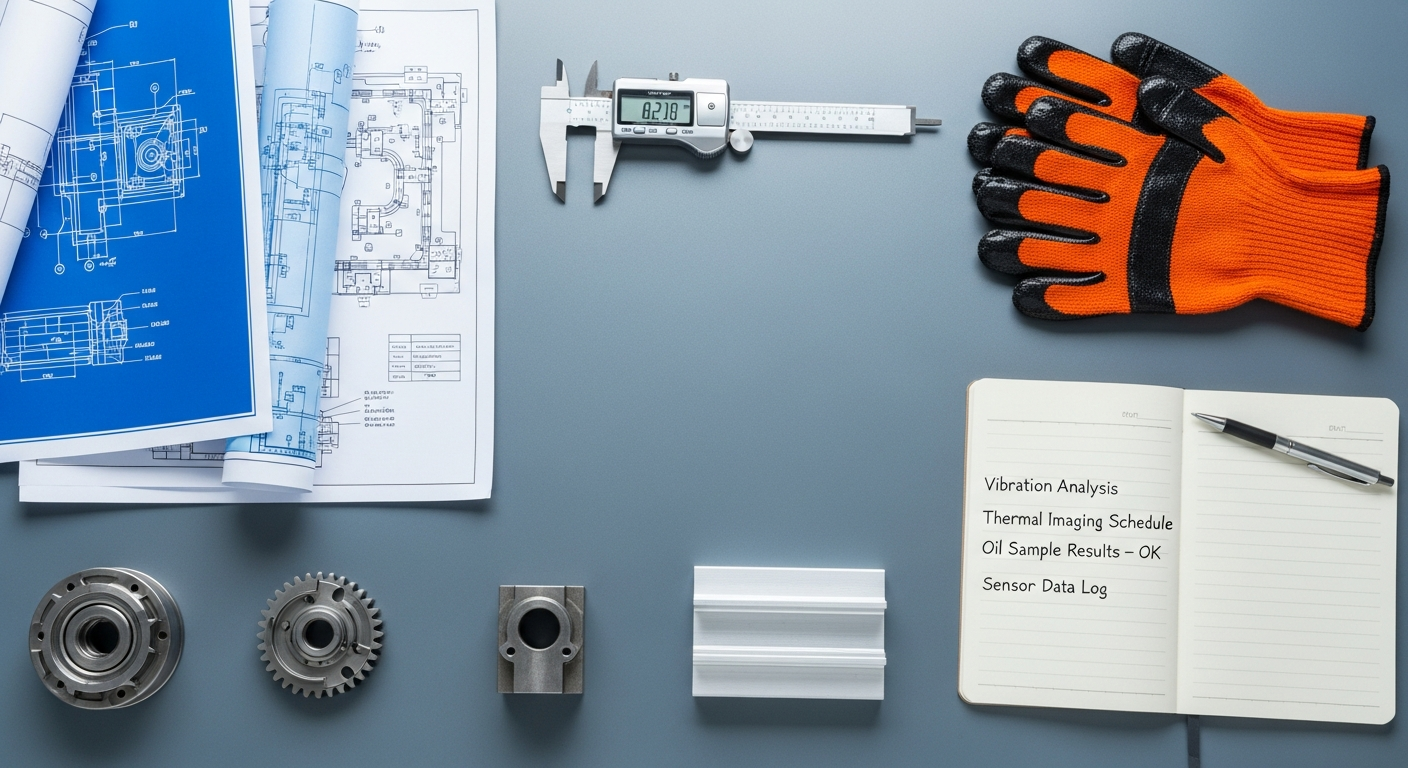
The efficacy of predictive maintenance in manufacturing hinges on a sophisticated blend of advanced technologies that work in concert to collect, analyze, and interpret vast amounts of operational data. These technological pillars transform raw machine data into actionable insights, enabling precise and timely maintenance interventions.
- Industrial Internet of Things (IIoT) Sensors: At the foundation of any robust PdM system are intelligent sensors. These devices are strategically placed on critical machinery to continuously monitor a wide array of parameters. Common types include:
- Vibration Sensors: Detect imbalances, misalignment, looseness, and bearing wear in rotating machinery.
- Thermal Cameras (Infrared): Identify overheating components, electrical faults, and insulation degradation.
- Acoustic Sensors: Pick up abnormal sounds indicative of friction, leaks, or cavitation.
- Oil Analysis Sensors: Monitor lubricant quality, contamination, and wear particles, providing insights into internal component health.
- Electrical Current and Voltage Sensors: Detect anomalies in motor current signatures, power quality issues, and electrical faults.
- Pressure and Flow Sensors: Monitor hydraulic and pneumatic systems for leaks, blockages, or pump inefficiencies.
These sensors are often wireless and capable of transmitting data in real-time, forming the backbone of the IIoT network within a factory.
- Data Connectivity and Edge Computing: Once collected, data needs to be transmitted reliably and efficiently. IIoT gateways and industrial networks facilitate this communication. Edge computing plays a crucial role here, allowing initial data processing and analysis to occur closer to the data source, rather than sending all raw data to the cloud. This reduces latency, conserves bandwidth, and enables quicker responses to critical events, which is vital for real-time applications in manufacturing environments.
- Cloud Computing and Big Data Analytics: For comprehensive analysis and long-term storage, data is often aggregated in secure cloud platforms. Cloud computing provides the scalable infrastructure needed to handle the immense volumes of data generated by countless sensors across an entire plant or even multiple facilities. Big data analytics tools then process this information, identifying trends, correlations, and anomalies that might be imperceptible to human observation.
- Artificial Intelligence (AI) and Machine Learning (ML): This is where the “predictive” aspect truly comes to life. AI and ML algorithms are trained on historical and real-time data to learn the normal operating patterns of equipment. When deviations from these learned patterns occur, the algorithms can flag them as potential indicators of impending failure.
- Supervised Learning: Models are trained on historical data where failures are already identified, learning to associate specific sensor readings with particular failure modes.
- Unsupervised Learning: Algorithms identify anomalies or unusual patterns in real-time data without prior labeling, pointing to potential issues that might not have been previously cataloged.
- Deep Learning: More complex neural networks can process vast, unstructured datasets from multiple sensor types, uncovering intricate relationships and predicting failures with higher accuracy.
These AI/ML models continuously improve as they ingest more data, making predictions increasingly precise over time.
- Digital Twins: An emerging and powerful technology, a digital twin is a virtual replica of a physical asset, process, or system. It integrates real-time sensor data with historical performance data, engineering models, and simulation capabilities. By interacting with the digital twin, manufacturers can simulate various scenarios, test maintenance strategies, predict performance degradation, and optimize operations without impacting the actual physical asset. This provides an unparalleled level of insight into equipment behavior and future performance.
Together, these technologies create a powerful ecosystem for predictive maintenance in manufacturing, transforming reactive operations into intelligent, proactive, and highly efficient systems. The integration of these elements ensures that decision-makers receive timely, accurate, and actionable intelligence, propelling manufacturing facilities towards unprecedented levels of reliability and productivity.
The Tangible Benefits: Why Predictive Maintenance is a Strategic Imperative
- Significant Reduction in Downtime and Increased Uptime: This is perhaps the most immediate and impactful benefit. By predicting failures days or weeks in advance, maintenance can be scheduled proactively during planned downtime or non-production hours. This eliminates the crippling costs associated with unplanned outages, which can include lost production, missed deadlines, expedited shipping fees, and damage to customer relationships. Increased uptime translates directly into higher production capacity and greater revenue generation.
- Optimized Maintenance Costs: PdM dramatically shifts maintenance from a reactive, emergency-driven expense to a planned, efficient activity.
- Reduced Labor Costs: Maintenance teams can focus on strategic, scheduled work rather than chaotic emergency repairs requiring overtime.
- Lower Parts Inventory: With accurate predictions of component wear, manufacturers can adopt a just-in-time approach to spare parts, reducing inventory holding costs and minimizing the risk of obsolescence.
- Elimination of Unnecessary Maintenance: Unlike preventive maintenance, which often replaces healthy components prematurely, PdM ensures that maintenance is performed only when truly needed, saving on parts and labor.
- Extended Asset Lifespan: By addressing minor issues before they escalate into major failures, PdM helps preserve the integrity and functionality of critical equipment. Early detection and precise intervention prevent cascading damage, significantly prolonging the operational life of valuable assets and deferring costly capital expenditures for new machinery. This aligns well with the long-term value creation inherent in Lean Manufacturing Principles Explained, where maximizing asset utilization and minimizing waste over the entire lifecycle are key objectives.
- Enhanced Safety for Workers: Equipment failures can pose serious safety risks, leading to accidents, injuries, or even fatalities. Predictive maintenance reduces the likelihood of catastrophic breakdowns, creating a safer working environment for employees. Proactive repairs ensure that machinery operates within safe parameters, mitigating potential hazards associated with faulty equipment.
- Improved Product Quality and Consistency: Malfunctioning equipment can lead to inconsistencies in product quality, increased scrap rates, and rework. By ensuring that machinery operates at optimal performance levels, predictive maintenance directly contributes to maintaining high and consistent product quality, reducing waste, and upholding brand reputation.
- Better Energy Efficiency and Environmental Impact: Equipment operating under stress or with degraded components often consumes more energy. PdM helps identify and rectify these inefficiencies, leading to reduced energy consumption and a smaller carbon footprint. Furthermore, by extending asset life and reducing waste from premature part replacements, PdM supports broader sustainability goals, contributing to responsible manufacturing practices.
- Data-Driven Decision Making: The wealth of data collected through PdM systems provides invaluable insights not just for maintenance, but for engineering, production planning, and even design improvements. This data can inform future equipment purchases, identify design flaws, and optimize operational parameters across the entire manufacturing process.
In essence, predictive maintenance transforms a cost center into a value driver. It allows manufacturers to move from a reactive, costly cycle of breakdown and repair to a proactive, optimized, and highly efficient operational model. For Mitsubishi Manufacturing, embracing these benefits means not only enhancing internal operations but also setting a benchmark for reliability and innovation in the industrial sector.
Implementing Predictive Maintenance: A Phased Approach to Digital Transformation
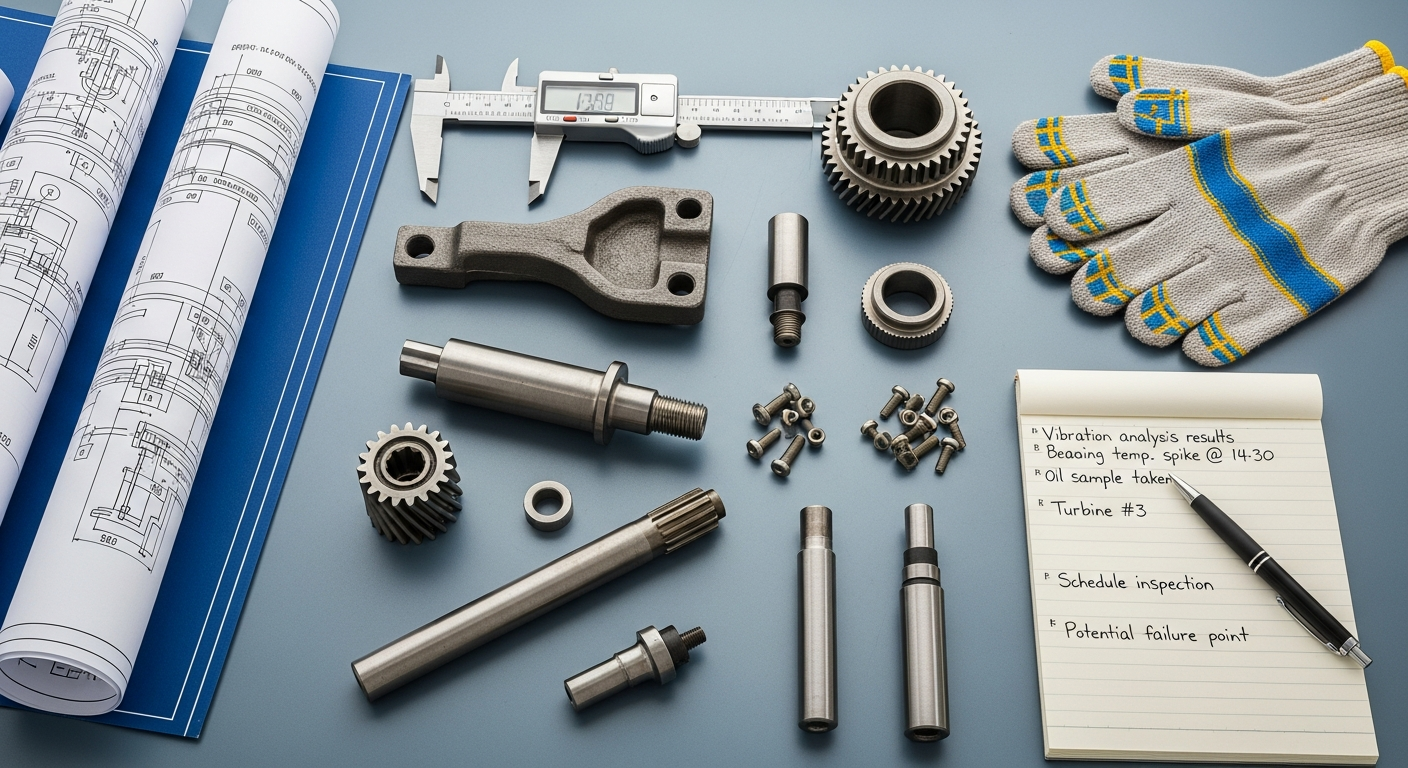
Embarking on a predictive maintenance journey is a significant step towards digital transformation within manufacturing. It requires a structured, phased approach to ensure successful integration, maximize ROI, and minimize disruption. A haphazard implementation can lead to wasted resources and disillusionment.
- Strategic Assessment and Goal Definition:
- Identify Critical Assets: Begin by identifying the most critical machines and processes whose failure would have the greatest impact on production, safety, or cost. Prioritize these assets for initial PdM deployment.
- Define Clear Objectives: What do you aim to achieve? Is it reducing downtime by X%, extending asset life by Y years, or cutting maintenance costs by Z%? Clear, measurable goals are essential for tracking success.
- Baseline Current Performance: Gather data on existing maintenance costs, downtime incidents, repair times, and asset utilization. This baseline will be crucial for demonstrating the value of PdM.
- Stakeholder Buy-in: Secure commitment from leadership, maintenance teams, IT, and production personnel. Change management is crucial, as PdM alters established workflows.
- Technology Selection and Data Infrastructure Setup:
- Choose Sensor Technologies: Based on the critical assets and their failure modes, select appropriate sensors (vibration, thermal, acoustic, oil analysis, etc.). Consider factors like connectivity (wireless vs. wired), power requirements, and environmental robustness.
- Establish Data Connectivity: Implement the necessary IIoT gateways, network infrastructure, and communication protocols to reliably collect and transmit sensor data to a central platform.
- Select a PdM Platform: Choose a predictive analytics software platform that can ingest, store, process, and analyze diverse sensor data. Look for features like machine learning capabilities, customizable dashboards, alert systems, and integration potential with existing ERP or CMMS systems. Mitsubishi offers robust solutions in this domain, understanding the nuanced needs of manufacturing operations.
- Data Collection, Model Training, and Pilot Program:
- Initial Data Collection: Begin collecting data from selected assets to establish a baseline of normal operating conditions. This data is vital for training machine learning models.
- Model Development and Validation: AI/ML engineers train predictive models using historical failure data and the newly collected operational data. These models learn to identify patterns indicative of impending failures. Rigorous validation is essential to ensure accuracy.
- Pilot Program Deployment: Implement the PdM system on a small number of critical assets within a controlled environment. This allows for fine-tuning the system, validating predictions, and addressing any unforeseen challenges before a broader rollout.
- Integration, Scalability, and Continuous Improvement:
- Integrate with Existing Systems: Seamlessly integrate the PdM platform with Computerized Maintenance Management Systems (CMMS) for automated work order generation, Enterprise Resource Planning (ERP) for spare parts management, and Manufacturing Execution Systems (MES) for production scheduling.
- Phased Rollout: Based on the success of the pilot, gradually expand the PdM implementation to more assets and departments across the facility.
- Ongoing Monitoring and Refinement: Predictive maintenance is not a set-it-and-forget-it solution. Continuously monitor model performance, update algorithms with new data, and refine thresholds. This iterative process embodies the spirit of Kaizen Continuous Improvement Explained, where small, incremental improvements lead to significant long-term gains. Regular reviews of false positives/negatives and feedback from maintenance technicians are crucial for optimization.
- Training and Skill Development: Invest in training maintenance technicians, engineers, and operators on how to interpret PdM insights, respond to alerts, and leverage the new tools effectively. This includes developing skills in data analysis and understanding the underlying technologies.
By following this structured, phased approach, manufacturers can systematically integrate predictive maintenance into their operations, realizing its full potential and paving the way for a more resilient, efficient, and intelligent future for their facilities.
Overcoming Challenges and Ensuring Success in Predictive Maintenance Adoption
While the benefits of predictive maintenance in manufacturing are compelling, its successful adoption is not without its challenges. Manufacturers must anticipate and strategically address these hurdles to ensure a smooth transition and unlock the full value of their investment.
- Initial Investment Costs: Implementing a comprehensive PdM system requires a significant upfront investment in sensors, software platforms, data infrastructure, and potentially new machinery. This can be a deterrent for some organizations.
- Solution: Focus on a phased implementation starting with high-value, critical assets to demonstrate quick ROI. Develop a robust business case that clearly articulates the long-term cost savings, increased uptime, and extended asset life that justify the initial outlay. Explore financing options or partnerships that can mitigate upfront capital expenditure.
- Data Overload and Integration Complexity: Modern manufacturing environments generate an immense volume of data from various sources. Integrating disparate systems (sensors, CMMS, ERP, MES), ensuring data quality, and making sense of the sheer volume of information can be overwhelming.
- Solution: Invest in robust data integration platforms and middleware. Prioritize data quality from the outset. Partner with technology providers that offer scalable, interoperable solutions and expertise in data architecture. Utilize edge computing to process data locally, reducing the burden on central systems and network bandwidth.
- Skill Gaps and Workforce Readiness: The shift to PdM requires new skills in data science, analytics, machine learning, and advanced sensor interpretation. Existing maintenance technicians may lack these specialized competencies, leading to resistance or an inability to fully leverage the new tools.
- Solution: Develop a comprehensive training program for the existing workforce, focusing on upskilling technicians in data literacy, condition monitoring techniques, and the use of PdM software. Recruit new talent with data analytics and AI expertise. Foster a culture of continuous learning and cross-functional collaboration between IT, operations, and maintenance teams.
- Change Management and Cultural Resistance: Any significant technological shift will encounter resistance, especially if employees perceive it as a threat to their roles or established ways of working. Maintenance teams accustomed to reactive or time-based schedules may be hesitant to adopt data-driven methods.
- Solution: Proactive communication is key. Clearly articulate the benefits of PdM to all stakeholders, emphasizing how it enhances job roles rather than replaces them. Involve employees in the planning and implementation process. Highlight success stories from pilot programs. Foster an environment where data-driven insights are valued and trusted.
- Cybersecurity Concerns: Connecting industrial assets to networks and the cloud for PdM introduces potential cybersecurity vulnerabilities. Protecting sensitive operational data and preventing unauthorized access or attacks is paramount.
- Solution: Implement robust cybersecurity measures, including network segmentation, strong authentication protocols, encryption, and regular security audits. Partner with vendors who prioritize industrial cybersecurity and adhere to industry best practices. Develop an incident response plan for potential breaches.
- Selecting the Right Technology Partner: The market for PdM solutions is vast and complex. Choosing the right vendors and technologies that align with specific operational needs, budget, and long-term goals can be challenging.
- Solution: Conduct thorough research and due diligence. Look for partners with proven experience in manufacturing, a strong track record, and comprehensive support services. Consider vendors, like Mitsubishi Manufacturing, who offer integrated solutions that can scale with your organization’s growth and evolving needs, providing expertise not just in hardware but also in software and implementation.
By proactively addressing these challenges with a well-thought-out strategy, manufacturers can navigate the complexities of PdM adoption, ensuring that their investment translates into sustained operational excellence and a significant competitive advantage in the global market.
The Future Landscape: Predictive Maintenance in 2026 and Beyond
The trajectory of predictive maintenance in manufacturing points towards an increasingly sophisticated, integrated, and autonomous future. As technologies continue to evolve, PdM will move beyond merely predicting failures to actively prescribing solutions and even self-optimizing operations. Looking ahead to 2026 and beyond, several key trends and advancements will redefine the landscape of industrial maintenance.
- Hyper-Integration with Enterprise Systems: By 2026, PdM systems will be far more seamlessly integrated with other core enterprise platforms. This means tighter coupling with ERP (Enterprise Resource Planning) for automated spare parts procurement and financial tracking, MES (Manufacturing Execution Systems) for dynamic production scheduling based on asset health, and PLM (Product Lifecycle Management) for feeding operational insights back into design improvements. This holistic view will create a truly intelligent factory ecosystem, where data flows effortlessly, driving smarter decisions across all departments.
- Evolution to Prescriptive Maintenance: While predictive maintenance tells you when a failure might occur, the next frontier is prescriptive maintenance, which tells you why it might occur and, critically, what specific actions to take to prevent it, often recommending the optimal intervention. AI and advanced analytics will analyze predicted failures, weigh various maintenance options (e.g., replace component A, adjust parameter B, perform minor lubrication), assess their costs and impacts, and recommend the best course of action. This will empower technicians with clearer, data-backed guidance, reducing guesswork and maximizing efficiency.
- Advanced AI and Machine Learning Models: The sophistication of AI and ML algorithms will continue to grow. Expect more robust deep learning models capable of processing even larger and more complex datasets, including unstructured data like maintenance logs and technician notes. AI will become adept at identifying subtle, multi-variate correlations that human analysts might miss, leading to even more accurate and earlier predictions of failure. This will extend to predicting the degradation of components based on their Materials Science In Manufacturing properties, anticipating fatigue or wear based on operational stresses and environmental factors.
- Proliferation of Digital Twins and Simulation: Digital Twins will become standard for critical assets and entire production lines. These virtual replicas will not only mirror real-time conditions but also simulate future scenarios, allowing manufacturers to test various maintenance strategies, predict the impact of operational changes, and optimize asset performance in a risk-free virtual environment. This will enable proactive decision-making and continuous optimization on an unprecedented scale.
- Autonomous and Self-Healing Systems: The long-term vision includes elements of autonomous maintenance, where certain minor issues are identified and rectified by the machines themselves, perhaps through self-adjusting parameters or robotic intervention. While fully autonomous factories are still on the horizon, the incremental steps towards self-optimization based on PdM insights will be significant.
- Focus on Sustainability and Predictive Quality: Beyond maintenance, PdM insights will increasingly contribute to sustainability goals. By optimizing asset performance, reducing energy consumption, extending equipment life, and minimizing waste from unnecessary repairs or scrap, PdM will play a crucial role in greener manufacturing. Furthermore, predictive maintenance will merge with predictive quality, where machinery health directly correlates with the quality of the output, enabling proactive adjustments to prevent defects before they occur.
- Human-Machine Collaboration and Augmented Reality (AR): Technicians will increasingly work alongside AI, leveraging AR headsets to overlay real-time PdM data and repair instructions directly onto physical machinery. This augmented intelligence will enhance diagnostic accuracy, reduce repair times, and improve the efficiency of maintenance operations.
As Mitsubishi Manufacturing continues to innovate, these advancements in predictive maintenance will be central to our commitment to delivering superior operational efficiency, sustainability, and technological leadership to our partners and the wider industrial world. The future of manufacturing is intelligent, proactive, and continuously optimized, driven by the power of predictive insights.
Conclusion
The journey from reactive fixes to sophisticated foresight marks a profound evolution in industrial operations. Predictive maintenance in manufacturing is no longer a luxury but a strategic imperative for any enterprise aiming for resilience, efficiency, and a competitive edge in the global marketplace. By harnessing the power of IIoT, AI, and advanced analytics, manufacturers can transform their maintenance strategies from cost centers into profit drivers, ensuring maximum uptime, extended asset lifespans, and a safer, more sustainable production environment. As we look towards 2026 and beyond, the integration of predictive capabilities will become even more pervasive, fostering a new era of intelligent manufacturing where operational excellence is not just aspired to, but consistently achieved through data-driven precision. Embracing predictive maintenance is not merely adopting a new technology; it is investing in the future of manufacturing itself.
Frequently Asked Questions
Recommended Resources
Learn more about this topic in Soft Skills Employers Look For In 2026 at Diaal News.
You might also enjoy Teen Pregnancy Prevention Programs from Protect Families Protect Choices.