The Indispensable Role of Surface Finishing in Modern Manufacturing
Surface finishing is not merely an optional step in the manufacturing process; it is a fundamental discipline that dictates a product’s long-term viability, user satisfaction, and market success. The outermost layer of any component is its first point of interaction with its environment, bearing the brunt of mechanical stresses, chemical exposures, and aesthetic scrutiny. Consequently, the properties imparted by surface finishing are critical to a product’s operational lifespan and its perceived value.
One of the primary drivers for applying surface finishes is enhancing corrosion resistance. Metals, particularly, are susceptible to degradation from oxidation and chemical attack, which can lead to structural failure and diminished performance. Coatings like zinc plating, anodizing, or specialized paints create a protective barrier, shielding the base material from corrosive elements. Similarly, wear resistance is significantly improved through processes such as nitriding, carburizing, or hard chrome plating, which harden the surface, allowing components to withstand abrasive forces, friction, and repeated contact without premature degradation. This is particularly vital for parts subjected to constant motion or high-stress environments, where even microscopic surface imperfections can propagate into critical failures over time.
Beyond protection, surface finishing plays a crucial role in modifying frictional properties. Low-friction coatings can reduce energy consumption in moving parts and extend their lifespan by minimizing heat generation and material loss. Conversely, textured surfaces can be created to increase grip or facilitate adhesion for subsequent processes. Electrical and thermal conductivity can also be precisely controlled; for instance, electroplating with conductive metals can enhance connectivity for electronic components, while certain ceramic coatings can provide thermal insulation.
Aesthetics, while often considered secondary to functional attributes, are nonetheless vital for consumer products and high-end industrial equipment. Polishing, painting, and decorative plating contribute significantly to a product’s visual appeal, conveying quality and craftsmanship. In industries ranging from automotive to aerospace, the tactile feel and visual consistency achieved through meticulous surface finishing contribute directly to brand perception and customer loyalty.
Moreover, surface finishing can prepare a component for further manufacturing steps, such as improving adhesion for bonding or painting, or providing a clean, uniform substrate for subsequent assembly. The choice of finishing technique is influenced by a myriad of factors including the base material, desired performance characteristics, cost constraints, environmental regulations, and the ultimate application of the part. As manufacturing continues to push the boundaries of material science and product performance, the strategic application of advanced surface finishing techniques remains an indispensable pillar of modern industrial practice, ensuring that products not only meet but exceed the rigorous demands of today’s and tomorrow’s markets.
Mechanical Surface Finishing Techniques: Shaping Form and Function
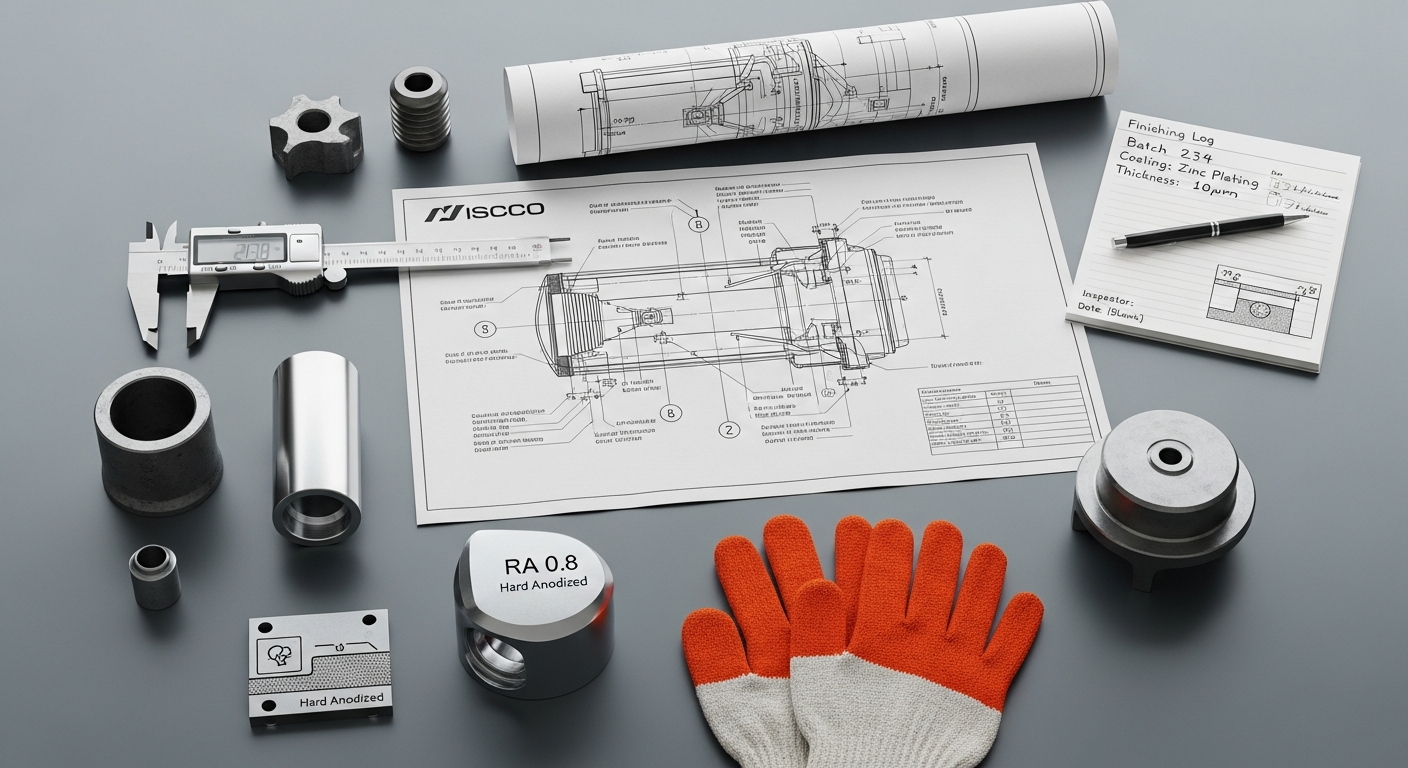
Mechanical surface finishing techniques encompass a broad array of processes that physically alter the surface of a material to achieve desired properties. These methods typically involve abrasive action, impact, or deformation, and are fundamental for preparing surfaces, improving fatigue life, and achieving specific aesthetic finishes. The careful selection and execution of these techniques are crucial, as they can significantly impact the structural integrity and performance of a component.
One of the most common categories is abrasive blasting, which includes sandblasting, shot peening, and bead blasting. In these processes, a stream of abrasive media (sand, glass beads, steel shot, or even plastic particles) is propelled at high velocity against the surface. Sandblasting is primarily used for cleaning, deburring, and creating a uniform matte finish, preparing the surface for subsequent coatings or treatments. Shot peening, on the other hand, is a cold working process that introduces compressive residual stress into the surface layer of metals. This compressive stress counteracts tensile stresses that might lead to fatigue cracks, significantly enhancing the fatigue life and stress corrosion cracking resistance of components. The precise control over the media, velocity, and angle of impact for shot peening is critical, often requiring rigorous testing and analysis. Understanding the stress distribution before and after such treatments can be critically informed by Finite Element Analysis Explained, which helps engineers predict how these surface modifications affect the overall structural integrity under operational loads.
Grinding, polishing, lapping, and honing are progressive abrasive processes used to achieve precise dimensions, superior surface smoothness, and high-gloss finishes. Grinding removes material rapidly to achieve close tolerances and prepare surfaces. Polishing uses finer abrasives to smooth surfaces, reducing roughness and enhancing reflectivity. Lapping involves two surfaces rubbed together with an abrasive slurry to produce extremely flat and parallel surfaces with very fine finishes, often required for sealing surfaces or optical components. Honing, typically used for internal cylindrical surfaces (like engine cylinders), employs abrasive stones that expand to press against the bore, creating a precise diameter and a characteristic cross-hatch pattern that aids in lubrication retention.
Tumbling and vibratory finishing are mass finishing techniques where parts are placed in a barrel or vibratory bowl with abrasive media and a compound. The relative motion between the parts and media deburrs, cleans, polishes, and radii edges. These methods are highly efficient for processing large batches of smaller components, offering cost-effectiveness and consistency. However, optimizing these processes for specific part geometries and desired finishes requires careful selection of media, compound, and cycle times. From a Manufacturing Waste Reduction Strategies perspective, these processes can be optimized by reusing media, filtering and recycling compounds, and minimizing energy consumption through efficient equipment operation. Furthermore, careful process control reduces rework and scrap, aligning with the principles of waste reduction.
The application of mechanical finishing techniques demands meticulous control and understanding of material behavior. The choice of abrasive, pressure, speed, and duration directly influences the final surface characteristics. Incorrect parameters can lead to surface damage, embedded abrasives, or undesired residual stresses. Therefore, integrating these techniques into a manufacturing workflow requires not only skilled operators but also a strategic approach that considers the entire product lifecycle, from initial design to final application, ensuring that the chosen mechanical finish contributes optimally to the component’s performance and longevity.
Chemical and Electrochemical Surface Finishing: Precision at the Molecular Level
Anodizing is an electrochemical process primarily used for aluminum and its alloys, though it can also be applied to titanium, magnesium, and other non-ferrous metals. The part is immersed in an acidic electrolyte and an electric current is passed through it, converting the metal’s surface into a porous oxide layer. This oxide layer is significantly thicker, harder, and more corrosion-resistant than the naturally occurring oxide film. It can also be dyed various colors before sealing, providing both functional and aesthetic benefits. Anodizing, when properly controlled, produces a highly durable and aesthetically pleasing finish, crucial for aerospace components, architectural elements, and consumer electronics.
Electropolishing is another electrochemical process that removes material from a metal surface, resulting in a smooth, bright, and often passive finish. Unlike mechanical polishing, electropolishing selectively removes microscopic high points, reducing surface roughness without mechanical stress or deformation. This makes it ideal for medical implants, food processing equipment, and semiconductor components where cleanliness, corrosion resistance, and a smooth, easy-to-clean surface are critical. The mirror-like finish achieved also enhances hygienic properties by reducing areas where bacteria can accumulate.
Chemical etching involves using strong acids or bases to selectively remove material from a surface. It is used for deburring, creating decorative patterns, or for preparing surfaces for bonding. In precision manufacturing, photo-chemical etching (PCE) allows for the creation of highly intricate and precise components from thin metal sheets, without the stresses introduced by stamping or laser cutting. This process is crucial for producing fine mesh, filters, and electronic contacts.
Passivation is a chemical treatment that enhances the corrosion resistance of stainless steel by removing free iron from the surface and promoting the formation of a stable, passive chromium oxide layer. While stainless steel is inherently corrosion-resistant, embedded iron particles or surface contaminants can compromise this resistance. Passivation effectively cleans the surface and maximizes the protective oxide, making it essential for medical devices, pharmaceutical equipment, and marine applications.
Electroplating is perhaps the most widely recognized electrochemical finishing technique. In this process, a thin layer of one metal is deposited onto the surface of another, typically to impart corrosion resistance, wear resistance, increased hardness, or improved aesthetic appeal. Common electroplated coatings include nickel, chrome, zinc, copper, silver, and gold. Nickel plating offers good corrosion and wear resistance, while chrome plating provides exceptional hardness and a bright, decorative finish. Zinc plating is a sacrificial coating widely used for steel components to prevent rust. The consistency and quality of electroplating are paramount, and adherence to Lean Manufacturing Principles Explained is vital here; minimizing defects, ensuring first-time-right processes, and reducing variability in plating thickness are crucial for cost-efficiency and product reliability.
Electroless plating, also known as auto-catalytic plating, differs from electroplating as it does not require an external electrical current. Instead, a chemical reducing agent in the solution deposits the metal ions onto the substrate. Electroless nickel plating (EN) is a prime example, providing a highly uniform coating even on complex geometries, with excellent hardness and corrosion resistance. It is often used for valves, pumps, and molds. The absence of an external current allows for precise control over coating thickness and composition.
From an environmental and Manufacturing Waste Reduction Strategies perspective, chemical and electrochemical processes require careful management of hazardous chemicals and wastewater. Implementing closed-loop systems, optimizing bath life, recovering metals, and treating effluents are critical to minimizing environmental impact and operational costs. Continuous monitoring and process optimization are key to achieving both high-quality finishes and sustainable practices in these advanced finishing operations.
Thermal and Diffusion Surface Finishing: Enhancing Material Properties
Thermal and diffusion surface finishing techniques involve high-temperature processes that alter the microstructure and chemical composition of a material’s surface, fundamentally changing its mechanical properties. These methods are particularly effective for enhancing hardness, wear resistance, fatigue strength, and corrosion resistance, especially in components subjected to extreme operating conditions. They represent advanced metallurgical approaches to tailoring surface performance without significantly altering the bulk properties of the material.
Heat treatments such as carburizing, nitriding, and induction hardening are diffusion processes where elements are introduced into or structural changes occur within the surface layer of a metal. Carburizing involves diffusing carbon into the surface of low-carbon steel at high temperatures, followed by quenching and tempering. This creates a hard, wear-resistant case while maintaining a tough, ductile core, ideal for gears, shafts, and bearings. Nitriding diffuses nitrogen into the surface of steel, forming hard nitride compounds. This process occurs at lower temperatures than carburizing, resulting in less distortion and excellent fatigue resistance, often used for crankshafts, dies, and tools. Induction hardening uses electromagnetic induction to heat a localized area of a steel component rapidly, followed by quenching. This produces a very hard surface layer, making it suitable for crankshafts, cam lobes, and other wear-prone parts. The precise control over heating and quenching in these processes is critical; predicting the residual stresses and hardness profiles can be greatly aided by Finite Element Analysis Explained, which allows engineers to model the thermal and mechanical responses of the material during and after treatment, optimizing parameters for desired outcomes and preventing premature failure.
Thermal spraying encompasses a group of processes where molten or semi-molten materials are sprayed onto a surface to form a coating. Techniques like plasma spraying, High-Velocity Oxygen Fuel (HVOF) spraying, and arc spraying are used to apply a wide range of metallic, ceramic, and cermet coatings. These coatings provide exceptional wear resistance, corrosion protection, thermal insulation, or even electrical conductivity, depending on the material chosen. Plasma spraying, for example, is used to apply ceramic coatings for thermal barrier applications in jet engines, while HVOF spraying produces dense, hard coatings with excellent adhesion, frequently used for hydraulic rods and turbine components. The versatility of thermal spraying allows for the application of coatings to virtually any substrate, offering significant design flexibility and extending the life of critical components.
Physical Vapor Deposition (PVD) and Chemical Vapor Deposition (CVD) are advanced thin-film deposition techniques that apply coatings at the atomic or molecular level. PVD processes, such as sputtering and evaporation, involve vaporizing a source material in a vacuum and then depositing it as a thin film onto a substrate. Common PVD coatings include titanium nitride (TiN) and chromium nitride (CrN), which provide extreme hardness, wear resistance, and low friction, making them ideal for cutting tools, molds, and decorative finishes. CVD processes involve chemical reactions of gaseous precursors on the substrate surface at elevated temperatures, forming a solid thin film. CVD is often used for applying diamond-like carbon (DLC) coatings, which offer outstanding hardness, lubricity, and corrosion resistance, finding applications in automotive components, medical devices, and industrial tooling. Both PVD and CVD offer precise control over film thickness, composition, and adhesion, enabling the creation of tailored surface properties for highly demanding applications.
Laser surface modification techniques use high-power lasers to alter the surface of a material. This can include laser hardening, where the laser rapidly heats and then self-quenches the surface, creating a hardened layer; laser cladding, where a metallic powder is melted and fused to the surface to create a wear-resistant coating; or laser texturing, which creates specific micro-patterns for improved friction or lubrication. These techniques offer high precision and minimal heat input to the bulk material, reducing distortion and allowing for selective treatment of specific areas. The advancements in these thermal and diffusion processes continue to push the boundaries of material performance, enabling the creation of components that can withstand increasingly harsh operating environments and extend product lifecycles, ultimately reducing the total cost of ownership and aligning with long-term sustainability goals in manufacturing for 2026 and beyond.
Coating and Painting Technologies: Protection, Aesthetics, and Performance
Coating and painting technologies represent a vast and diverse category of surface finishing, primarily focused on applying a protective or decorative layer to a substrate. These techniques are crucial for enhancing corrosion resistance, wear properties, electrical insulation, and, significantly, the aesthetic appeal of a product. The choice of coating material and application method depends heavily on the desired performance characteristics, environmental conditions, and cost considerations.
Powder coating is an increasingly popular finishing process that involves applying a dry, free-flowing powder to a surface. The powder is typically applied electrostatically, then cured under heat to form a hard, durable finish. This method offers several advantages: it produces a thicker, more uniform coating than liquid paint, is highly resistant to chipping, scratching, and fading, and is environmentally friendly due to the absence of volatile organic compounds (VOCs). Powder coating is widely used for automotive parts, household appliances, outdoor furniture, and industrial machinery, providing excellent protection and a wide range of aesthetic options, including various colors, textures, and gloss levels. From a Lean Manufacturing Principles Explained perspective, powder coating processes can be highly efficient due to reduced waste (overspray can be collected and reused), faster curing times, and fewer defects compared to traditional liquid painting, leading to improved throughput and lower operational costs.
Liquid painting encompasses various techniques such as spray painting, dip coating, and brush application. Spray painting, using air-assisted, airless, or electrostatic methods, is prevalent for achieving smooth, uniform finishes over large or complex surfaces. Dip coating is suitable for parts with intricate geometries, ensuring complete coverage. Liquid paints are formulated with a binder, pigment, solvent, and additives, offering immense versatility in color, texture, and performance properties. They can provide excellent corrosion protection, chemical resistance, and UV stability. The skill of the applicator and the control of environmental conditions (temperature, humidity, ventilation) are critical for achieving high-quality, defect-free finishes. Implementing robust Manufacturing Waste Reduction Strategies in liquid painting involves optimizing spray transfer efficiency, minimizing overspray, managing solvent emissions, and recycling unused paint or solvents. Automated painting systems can significantly reduce material waste and improve consistency.
E-coating (electrophoretic deposition) is an advanced painting process that uses electrical current to deposit paint onto a conductive surface from a water-based solution. The process ensures a highly uniform coating, even in recessed areas and complex geometries, providing excellent corrosion protection and primer adhesion. It is extensively used in the automotive industry for applying primer coats and for components requiring superior rust resistance. E-coating is particularly effective because the paint particles are attracted to all exposed conductive surfaces, leading to full coverage and excellent edge protection, which is difficult to achieve with other methods.
Ceramic coatings, often applied via thermal spray or sol-gel processes, offer exceptional hardness, wear resistance, thermal insulation, and chemical stability. They are vital in high-temperature applications, such as engine components, exhaust systems, and industrial furnaces. These coatings can protect substrates from extreme heat, abrasion, and corrosive chemicals, significantly extending component lifespan and improving operational efficiency. Their low friction properties can also contribute to reduced energy consumption.
Polymer coatings, including fluoropolymer (e.g., PTFE, Teflon), polyurethane, and epoxy coatings, provide a diverse range of properties. Fluoropolymers are renowned for their non-stick, low-friction, and chemical-resistant characteristics, making them suitable for cookware, chemical processing equipment, and medical devices. Polyurethane and epoxy coatings offer excellent hardness, abrasion resistance, and chemical protection, widely used for flooring, protective layers on concrete, and industrial equipment. The application of these coatings often requires meticulous surface preparation, precise mixing, and controlled curing conditions to achieve optimal adhesion and performance.
The strategic selection and application of coating and painting technologies are pivotal for product success. They not only protect the underlying material but also contribute significantly to the perceived quality and functionality of the final product. As environmental regulations tighten and performance demands increase, the development of more sustainable, durable, and high-performance coating solutions continues to be a key area of innovation in manufacturing.
Selecting the Optimal Surface Finishing Technique: A Strategic Approach
The vast array of surface finishing techniques available today underscores the complexity and strategic importance of selecting the optimal method for any given application. This decision is rarely straightforward and requires a holistic understanding of the product’s lifecycle, environmental conditions, performance requirements, cost implications, and regulatory landscape. A strategic approach integrates various departmental inputs and leverages analytical tools to ensure the chosen finish delivers maximum value.
The first step in selection involves a thorough analysis of the material of the component. Different finishing techniques are suitable for different base materials. For instance, anodizing is specific to aluminum, while carburizing is for steel. The material’s inherent properties, such as hardness, ductility, and chemical reactivity, will dictate which processes are feasible and effective. Engineers must also consider the desired performance characteristics: Is the primary goal corrosion resistance, wear resistance, aesthetic appeal, electrical conductivity, or a combination? A high-stress component in a corrosive environment might require a dual-layer coating or a specialized thermal diffusion treatment, whereas a decorative consumer product might prioritize a smooth, vibrant finish.
Cost considerations are always a significant factor. This includes not only the direct cost of the finishing process but also associated costs such as material handling, masking, quality control, and potential rework. More advanced or specialized techniques often come with higher price tags, but their long-term benefits in terms of extended product life, reduced warranty claims, and enhanced performance can easily outweigh the initial investment. Therefore, a total cost of ownership (TCO) perspective is essential.
Environmental impact and regulatory compliance are increasingly critical. Many chemical and electrochemical processes involve hazardous materials and generate waste that requires careful disposal or treatment. Manufacturers must adhere to stringent local and international regulations (e.g., REACH, RoHS) regarding emissions, waste management, and the use of certain substances. Prioritizing sustainable finishing options, such as powder coating over liquid painting for VOC reduction, or implementing closed-loop systems for chemical baths, aligns with modern environmental stewardship and can also lead to long-term cost savings through reduced waste disposal fees and resource consumption. These efforts are direct applications of Manufacturing Waste Reduction Strategies.
The importance of collaboration between design, engineering, and manufacturing teams cannot be overstated. Early involvement of finishing specialists in the design phase can prevent costly redesigns and ensure that the component’s geometry is amenable to the chosen finishing process. For instance, sharp corners or deep recesses can be challenging to coat uniformly. Tools like Finite Element Analysis Explained can be used to predict how a chosen surface finish might alter stress concentrations or thermal performance, providing critical data for informed decision-making before physical prototyping.
Looking ahead to 2026 and beyond, the future of surface finishing is characterized by increasing automation, smart technologies, and an unwavering focus on sustainable practices. Advanced robotics and AI are enabling greater precision, consistency, and efficiency in coating application. In-line monitoring and control systems use sensors and data analytics to optimize process parameters in real-time, further reducing defects and waste. The development of novel materials and nanotechnology is leading to the creation of ultra-thin, multi-functional coatings with unprecedented performance characteristics, such as self-healing surfaces or intelligent coatings that react to environmental changes. Adopting Lean Manufacturing Principles Explained throughout the selection and implementation process – focusing on value, eliminating waste, and continuous improvement – will be key to staying competitive and innovative. By embracing these advancements and maintaining a strategic, collaborative approach, manufacturers can harness the full potential of surface finishing to create products that are not only high-performing and durable but also environmentally responsible and economically viable.
Frequently Asked Questions
Recommended Resources
For more on surface finishing techniques, see Pcos Symptoms And Treatment Guide on Protect Families Protect Choices.
Explore Best Time Management Strategies 2026 for additional insights.