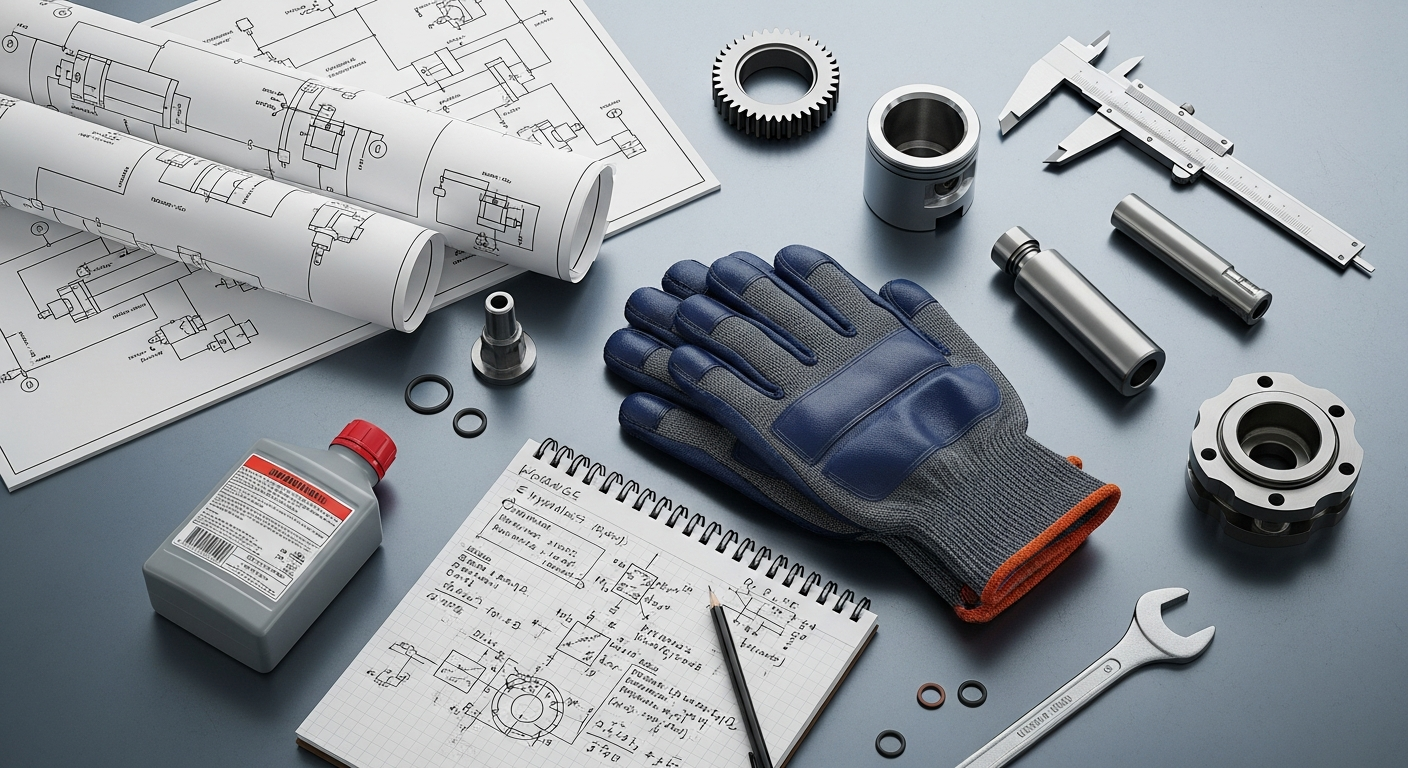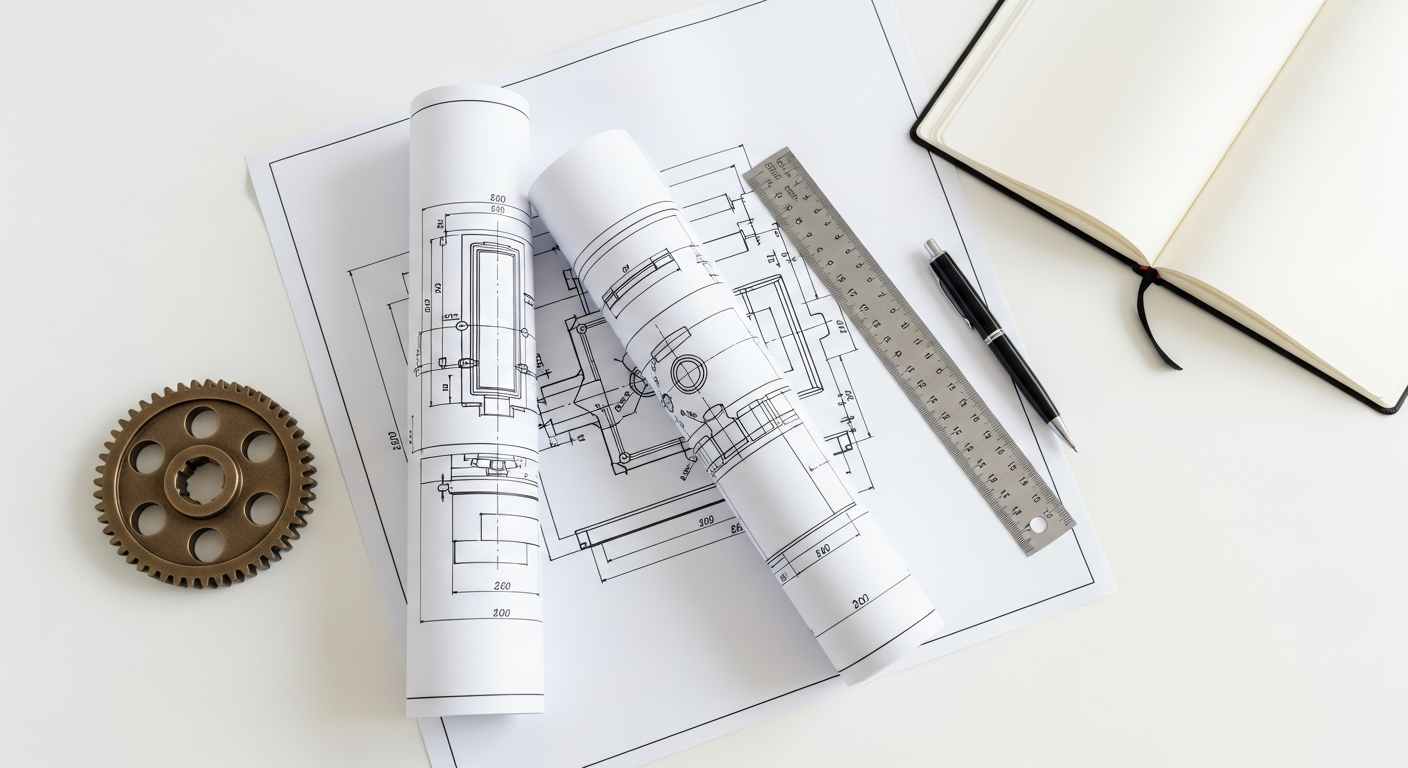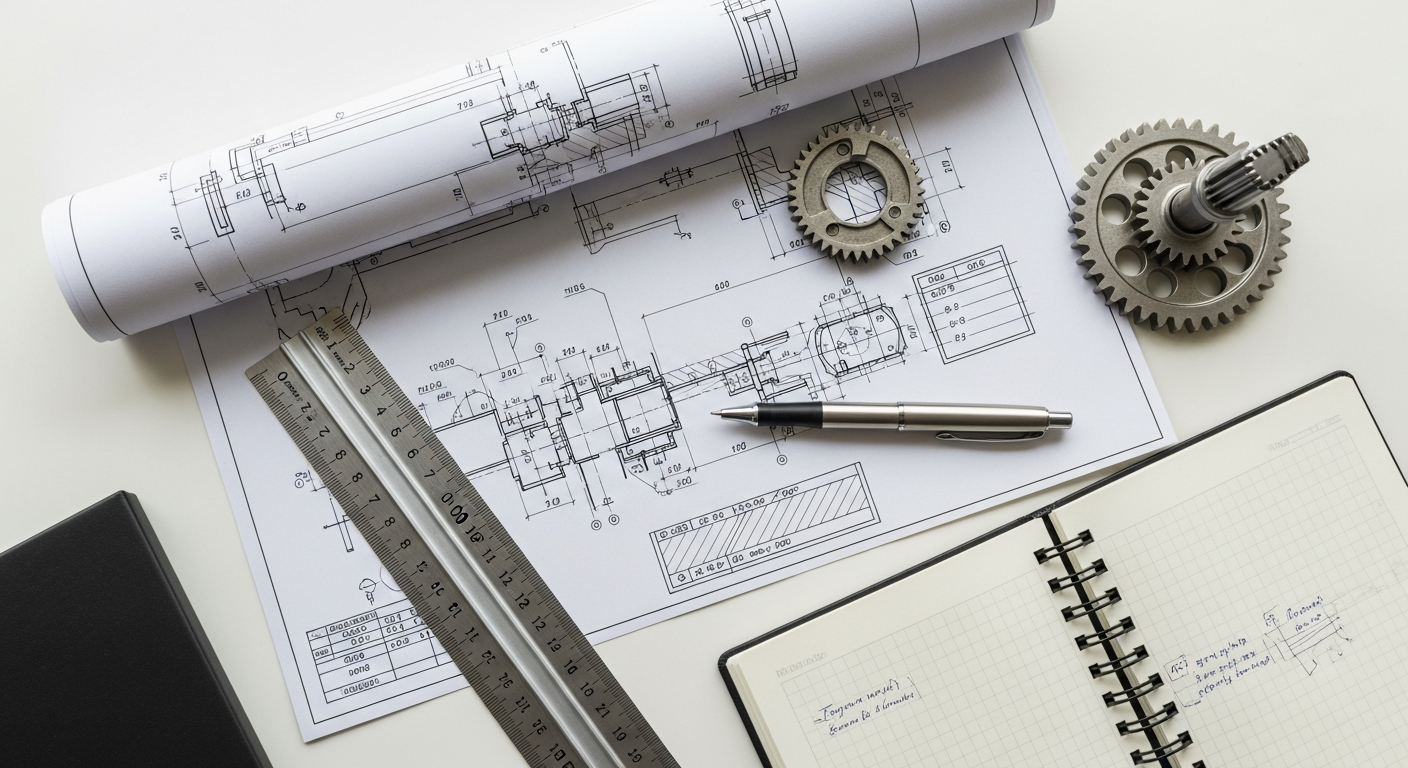
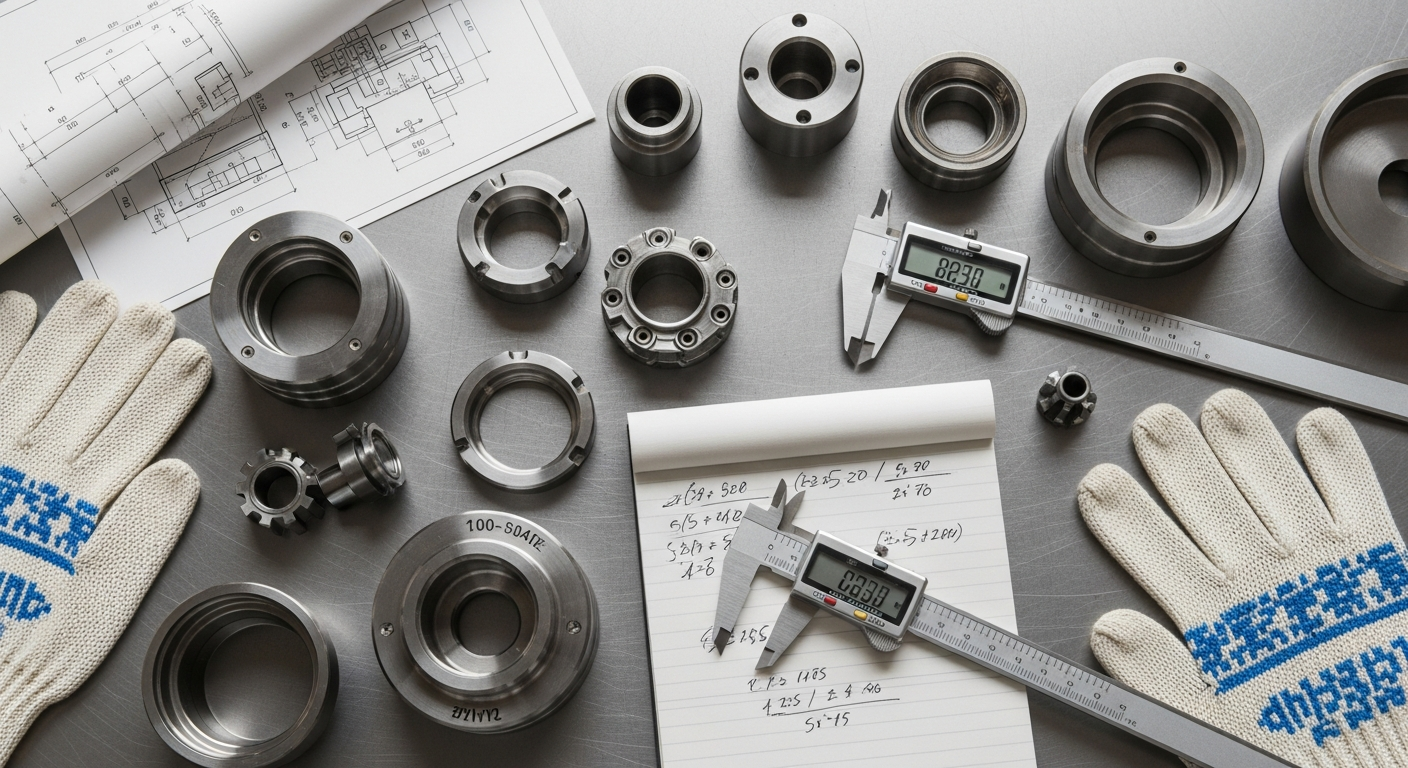
Understanding Tolerance in Manufacturing
At its core, tolerance in manufacturing refers to the permissible variation or deviation from a nominal or specified dimension, form, or position of a part. No manufacturing process, regardless of its sophistication, can produce parts with absolute perfection or identical dimensions every single time. There will always be slight variations due to machine limitations, material properties, environmental conditions, and tooling wear. Tolerance acknowledges this reality by defining an acceptable range within which a part must fall to be considered compliant and functional.
The Necessity and Types of Tolerances
The concept of tolerance is born out of practical necessity. If every component had to be produced to an exact, theoretical dimension, mass production would be impossible, and assembly lines would grind to a halt. Tolerances ensure that parts manufactured independently can still fit together and function as intended when assembled. This principle, known as interchangeability, is vital for efficient production, global supply chains, and ease of maintenance and repair.
- Dimensional Tolerances: These are the most common and refer to the acceptable range for linear measurements (e.g., length, width, diameter) and angular measurements. For instance, a shaft might be specified as 10.00 mm ± 0.02 mm, meaning its actual diameter must be between 9.98 mm and 10.02 mm.
- Geometric Dimensioning and Tolerancing (GD&T): Beyond simple dimensions, GD&T is a sophisticated system that defines the permissible variations in the form, orientation, location, and runout of features on a part. It uses a symbolic language on engineering drawings to communicate design intent precisely, ensuring parts function correctly even with variations. GD&T ensures that critical features relate correctly to each other, preventing issues like parts not fitting, binding, or premature wear. For example, it can specify the perpendicularity of one surface to another or the flatness of a surface, which are crucial for assembly and performance.
The specification of tolerances is a critical step in the design phase. Engineers, armed with a deep understanding of the product’s function, material properties, and manufacturing capabilities, define these ranges. Too loose a tolerance can lead to parts that don’t fit, function poorly, or compromise safety. Too tight a tolerance, on the other hand, can significantly increase manufacturing costs, slow down production, and necessitate specialized machinery and inspection methods. It creates an unnecessary burden on the production line, potentially leading to increased scrap rates and rework, which are direct violations of Manufacturing Waste Reduction Strategies. Finding the optimal balance between functional requirements and manufacturability is an art and a science, demanding collaboration between design and production teams.
Understanding the implications of tolerance is paramount. A component designed with a tolerance that is too wide might lead to excessive play in an assembly, causing vibrations, noise, or premature failure. Conversely, a tolerance that is unnecessarily tight will drive up the cost of raw materials, machining time, and quality control procedures without providing a proportional benefit in performance or lifespan. This fine balance is why robust design for manufacturability (DFM) processes are essential, ensuring that components are designed not just to meet functional specifications but also to be efficiently and economically produced within realistic tolerance bands. This consideration directly contributes to minimizing waste and maximizing value throughout the production lifecycle, aligning perfectly with strategies for waste reduction.
The Essence of Precision in Manufacturing
While tolerance defines the acceptable range of variation, precision in manufacturing speaks to the consistency and repeatability of a manufacturing process. It describes how closely repeated measurements or outputs from a process cluster together. A highly precise process will consistently produce parts that are very similar to each other, even if they are not exactly on the nominal target dimension. It is crucial to distinguish precision from accuracy, though the two are often conflated.
Precision vs. Accuracy: A Critical Distinction
- Accuracy: Refers to how close a measurement or manufactured part is to the true, nominal, or target value. An accurate process hits the bullseye.
- Precision: Refers to the consistency or repeatability of measurements or processes. A precise process hits the same spot repeatedly, even if that spot isn’t the bullseye.
Ideally, manufacturing aims for both high accuracy and high precision. A process that is accurate but not precise will produce parts that average out to the target but have wide variations. A process that is precise but not accurate will consistently produce parts that are off-target but very similar to each other. The goal is to consistently produce parts that are both close to the target dimension (accurate) and consistently close to each other (precise), thereby reliably falling within the specified tolerance window.
Factors Influencing Precision
Achieving high precision in manufacturing is a testament to the quality and control of the entire production ecosystem. Numerous factors contribute to a process’s ability to consistently produce identical or near-identical parts:
- Machine Tool Capabilities: The inherent rigidity, thermal stability, backlash, and positional accuracy of machine tools (e.g., CNC machines, grinding equipment) are fundamental. High-quality machinery, like that produced by Mitsubishi, is engineered for superior precision.
- Tooling and Fixturing: The quality, sharpness, and stability of cutting tools, as well as the design and robustness of workholding fixtures, directly impact repeatability. Worn tools or flimsy fixtures will introduce variability.
- Process Parameters: Cutting speeds, feed rates, depth of cut, and cooling strategies must be optimized and consistently maintained. Deviations in these parameters can lead to inconsistent material removal and thermal deformation.
- Environmental Conditions: Temperature fluctuations, humidity, and vibrations can cause materials and machines to expand, contract, or shift, affecting precision. Controlled environments are often necessary for ultra-high precision manufacturing.
- Operator Skill and Training: While automation reduces human variability, human intervention in setup, programming, and monitoring still plays a role. Skilled operators are crucial for identifying and correcting deviations promptly.
- Metrology and Calibration: Regular calibration of machine tools and measurement instruments is essential to maintain their accuracy and ensure that what is being measured is truly representative. The precision of the measurement tools themselves must be higher than the precision required of the parts.
High precision reduces variability, minimizes defects, and enhances overall product quality. It is a cornerstone of Lean Manufacturing Principles Explained, where the focus is on eliminating waste, and inconsistency is a significant form of waste. By ensuring that each step of the manufacturing process is highly precise, manufacturers can drastically reduce scrap, rework, and the need for extensive post-production inspection, leading to substantial cost savings and improved efficiency.
The Interplay: Tolerance, Precision, and Quality
Harmony for Superior Product Quality
Imagine a scenario where a part is designed with tight tolerances, but the manufacturing process lacks precision. The result would be a high percentage of parts falling outside the acceptable range, leading to scrap, rework, and significant production delays. Conversely, a highly precise process consistently producing parts that are slightly off-target (i.e., not accurate) would also result in non-conforming products. The synergy of both is what yields superior quality:
- Functionality: When parts are produced with high precision and consistently meet their specified tolerances, they fit together seamlessly, operate as intended, and perform reliably over their designed lifespan. For example, in an engine, precisely manufactured and toleranced pistons and cylinders ensure optimal compression and minimal friction, leading to efficiency and longevity.
- Reliability and Durability: Parts that conform to design specifications due to controlled tolerance and precision are less prone to premature wear, failure, or malfunction. This translates to more reliable products and a stronger reputation for the manufacturer.
- Safety: In critical applications such as aerospace, medical devices, or automotive safety systems, the failure of a single component due to poor tolerance or precision can have catastrophic consequences. Strict adherence to these principles is non-negotiable for safety.
- Aesthetics: Beyond functionality, consistent tolerance and precision contribute to the visual appeal of products. Gaps, misalignments, or uneven surfaces resulting from poor control can detract from a product’s perceived quality.
The Cost of Poor Quality and Waste Reduction
The impact of neglecting tolerance and precision extends directly to the bottom line. The “cost of poor quality” encompasses all expenses incurred due to defects, failures, and customer dissatisfaction. These costs include:
- Scrap and Rework: Parts that fail to meet tolerances must be discarded or repaired, consuming additional materials, labor, and machine time. This is a direct form of waste that Manufacturing Waste Reduction Strategies aim to eliminate.
- Increased Inspection: To catch non-conforming parts, more rigorous and time-consuming inspection processes may be required, adding to overhead.
- Warranty Claims and Returns: Products that fail in the field due to manufacturing defects lead to expensive warranty repairs, replacements, and damage to brand reputation.
- Customer Dissatisfaction: Ultimately, poor quality erodes customer trust and loyalty, impacting future sales and market share.
By proactively managing tolerance and striving for high precision, manufacturers can drastically reduce these costs. Implementing robust quality control processes, such as Statistical Process Control (SPC), allows for real-time monitoring of manufacturing processes to detect and correct deviations before they lead to out-of-tolerance parts. SPC charts help visualize process stability and capability, enabling operators to make informed adjustments to maintain precision within the desired tolerance bands. This proactive approach is a cornerstone of Lean Manufacturing, where the focus is on preventing defects rather than inspecting them out, thereby reducing overall waste and improving value delivery.
Advanced Techniques for Achieving and Maintaining Tolerance & Precision
As industries demand ever-tighter tolerances and higher precision for increasingly complex components, manufacturers are leveraging advanced technologies and methodologies. Mitsubishi Manufacturing is at the forefront of these innovations, continually pushing the boundaries of what’s possible.
Cutting-Edge Manufacturing Processes
- Advanced CNC Machining: Modern multi-axis CNC machines offer unparalleled control over tool paths, spindle speeds, and feed rates. Features like thermal compensation, vibration dampening, and high-resolution encoders enable these machines to achieve micron-level precision and consistently meet tight tolerances. Specialized techniques like hard milling and high-speed machining further enhance surface finish and dimensional accuracy.
- Additive Manufacturing (3D Printing): While initially known for rapid prototyping, additive manufacturing technologies like laser powder bed fusion and stereolithography are evolving to produce functional parts with impressive dimensional accuracy and intricate geometries that are impossible with traditional methods. Post-processing techniques are often employed to achieve the final required tolerances and surface finishes.
- Precision Grinding, Lapping, and Honing: For ultra-fine surface finishes and extremely tight tolerances, especially on hard materials, abrasive processes remain indispensable. These techniques remove minute amounts of material, refining dimensions and surface characteristics to exceptional levels.
- Electrical Discharge Machining (EDM): For complex shapes and hard-to-machine materials, EDM offers a non-contact method to achieve very precise cuts and intricate features without inducing mechanical stress, critical for maintaining the integrity and tolerance of delicate parts.
Sophisticated Metrology and Inspection
The ability to accurately measure is as critical as the ability to manufacture. Modern metrology goes far beyond traditional calipers and micrometers:
- Coordinate Measuring Machines (CMMs): These highly accurate devices use contact probes or laser scanners to measure the geometry of parts in three dimensions, comparing them against CAD models to verify tolerances and GD&T specifications. Automated CMMs can perform complex inspection routines with high repeatability.
- Optical and Vision Systems: Non-contact measurement systems, including laser scanners, structured light scanners, and machine vision systems, capture vast amounts of data quickly and precisely. They are ideal for delicate parts, complex geometries, and in-line inspection, offering rapid feedback to the manufacturing process.
- In-Process Gauging and Feedback Loops: Integrating measurement directly into the manufacturing process allows for real-time monitoring and adaptive control. Sensors can detect deviations as they occur, providing immediate feedback to the machine control system to make necessary adjustments, thereby preventing the production of non-conforming parts. This closed-loop system is a powerful tool for maintaining precision.
Design Optimization and Simulation
Achieving optimal tolerance and precision begins long before a part enters production. Advanced simulation tools play a crucial role:
- Finite Element Analysis (FEA) Explained: FEA is a powerful computational method used to simulate how a product reacts to real-world forces, heat, vibration, and other physical effects. By breaking down a complex structure into many small, simple elements, FEA can predict stresses, deformations, and thermal expansion under various operating conditions. This allows designers to optimize material selection, geometric features, and structural integrity, ensuring that components will maintain their specified tolerances and perform reliably before any physical prototype is made. For example, FEA can predict thermal distortion during a machining process or deformation under load, enabling designers to adjust tolerances or material specifications to prevent functional issues. This proactive approach significantly reduces design iterations and accelerates time to market.
- Tolerance Stack-up Analysis: Software tools can simulate how individual part tolerances accumulate in an assembly, predicting the overall variation in the final product. This helps engineers identify critical dimensions and assign appropriate tolerances to individual components, preventing unforeseen assembly issues.
- Digital Twins: A digital twin is a virtual replica of a physical product, process, or system. By integrating real-time sensor data from manufacturing equipment with simulation models, digital twins can monitor the health and performance of machines, predict potential failures, and optimize process parameters to maintain high levels of precision and ensure consistent adherence to tolerances.
These advanced techniques, combined with a deep understanding of materials science and robust process control, empower manufacturers to meet the stringent demands of modern industries, delivering products that consistently exceed expectations in terms of quality and performance.
Economic and Strategic Implications
The mastery of tolerance and precision extends far beyond the production floor, profoundly impacting a company’s economic viability, competitive standing, and strategic direction. For Mitsubishi Manufacturing, these concepts are integral to long-term success and market leadership.
Cost Management and Profitability
Investing in technologies and processes that enhance tolerance and precision might seem like an upfront cost, but the long-term economic benefits are substantial:
- Reduced Waste and Rework: As highlighted by Manufacturing Waste Reduction Strategies, minimizing scrap and the need for rework directly lowers material costs, labor expenses, and machine time. This efficiency translates into higher profit margins.
- Optimized Resource Utilization: Highly precise processes are inherently more efficient. They consume fewer raw materials, less energy, and require less manual intervention, leading to overall operational cost savings.
- Lower Warranty and Service Costs: Products built with high tolerance and precision are more reliable, leading to fewer field failures, reduced warranty claims, and lower costs associated with repairs and customer service.
- Streamlined Supply Chain: When suppliers consistently deliver parts within specified tolerances, incoming inspection can be reduced, and assembly processes become smoother, avoiding costly disruptions and delays in the supply chain. This also fosters stronger, more reliable partnerships.
Competitive Advantage and Market Leadership
In a global marketplace, quality is a key differentiator. Companies that consistently deliver products with superior tolerance and precision gain a significant competitive edge:
- Enhanced Brand Reputation: A reputation for high-quality, reliable products builds customer trust and loyalty, attracting new business and strengthening market position.
- Access to High-Value Markets: Industries such as aerospace, medical, defense, and high-tech electronics demand extremely tight tolerances and exceptional precision. Mastery in these areas allows manufacturers to enter and dominate these lucrative segments.
- Innovation and Product Development: The ability to consistently achieve tight tolerances opens doors for developing more complex, innovative, and functionally superior products. It enables designers to push boundaries, knowing that manufacturing can execute their vision.
- Faster Time to Market: By reducing the need for extensive prototyping, rework, and quality control loops, robust tolerance and precision control can significantly accelerate product development cycles, bringing new innovations to market faster. This aligns with Lean Manufacturing Principles Explained, which emphasize speed and efficiency in value creation.
Risk Mitigation and Compliance
Beyond economic benefits, a strong focus on tolerance and precision is crucial for managing risks and ensuring compliance:
- Product Liability: Defects stemming from poor tolerance or precision can lead to product failures, accidents, and expensive liability lawsuits. Robust quality control minimizes these risks.
- Regulatory Compliance: Many industries are subject to stringent regulations and standards (e.g., ISO, FDA). Adherence to specified tolerances and documented precision processes is often a prerequisite for compliance.
- Sustainability Goals: By minimizing waste and optimizing resource usage, precise manufacturing processes contribute to a company’s environmental sustainability objectives, reducing its carbon footprint and aligning with responsible corporate practices.
Ultimately, the strategic investment in achieving and maintaining superior tolerance and precision is not just about making better parts; it’s about building a more resilient, competitive, and profitable manufacturing enterprise capable of thriving in the dynamic global economy.
The Future of Tolerance and Precision in Manufacturing
The manufacturing landscape is continually evolving, driven by technological advancements and increasing demands for customization, miniaturization, and complexity. The future of tolerance and precision will be characterized by even greater integration of digital technologies, artificial intelligence, and advanced materials.
Industry 4.0 and Smart Factories
By 2026, the concept of the “smart factory” will be even more pervasive, leveraging the full potential of Industry 4.0 principles to achieve unprecedented levels of tolerance and precision:
- Real-time Data and Analytics: IoT sensors embedded in machines, tools, and even parts will collect vast amounts of data on process parameters, environmental conditions, and dimensional measurements. Advanced analytics will process this data in real-time to identify subtle deviations and predict potential quality issues before they arise. This predictive capability allows for proactive adjustments, maintaining precision and ensuring parts remain within tolerance.
- Artificial Intelligence (AI) and Machine Learning (ML): AI algorithms will analyze historical and real-time data to optimize manufacturing processes autonomously. ML models will learn from past production runs to fine-tune machine parameters, predict tool wear, and even suggest design modifications for improved manufacturability. This will lead to self-optimizing systems that continuously improve precision and tolerance adherence.
- Digital Twins for Process Optimization: The use of digital twins will expand beyond individual products to entire manufacturing lines. These virtual replicas will simulate production processes, test different scenarios, and predict the impact of changes on tolerance and precision, allowing for optimization in a virtual environment before physical implementation.
Miniaturization and Nanotechnology
The relentless drive towards smaller, more powerful electronic devices, medical implants, and micro-electromechanical systems (MEMS) demands precision at the nanoscale. New manufacturing processes capable of manipulating materials at atomic and molecular levels will emerge, pushing the boundaries of what tolerance and precision mean. These ultra-precise components will require novel metrology techniques and controlled environments beyond current standards.
Adaptive and Autonomous Manufacturing
Future manufacturing systems will be more adaptive, capable of self-correction and autonomous decision-making. Imagine machines that can detect a slight deviation in a tool path, automatically compensate for tool wear, or adjust cutting parameters in response to material inconsistencies – all to ensure the final product meets its tight tolerances without human intervention. This level of autonomy will dramatically reduce variability and enhance overall precision.
Advanced Materials and Hybrid Processes
The development of new materials with unique properties (e.g., composites, smart materials, advanced alloys) will require innovative manufacturing techniques. Hybrid processes, combining additive manufacturing with traditional subtractive methods, will allow for the creation of complex geometries with superior surface finishes and extremely tight tolerances, overcoming the limitations of single processes.
Sustainability Through Precision
Looking ahead to 2026 and beyond, the pursuit of higher tolerance and precision will also align with global sustainability goals. By minimizing scrap, reducing energy consumption through optimized processes, and extending product lifespans through improved reliability, precision manufacturing will contribute significantly to a more resource-efficient and environmentally responsible industrial future. Mitsubishi Manufacturing is committed to leading these advancements, ensuring that our contributions to the industrial sector are not only technologically superior but also sustainable and forward-thinking.
Frequently Asked Questions
Recommended Resources
You might also enjoy Credit Score Tips To Improve Fast from Diaal News.
For more on tolerance and precision, see Cervical Cancer Prevention Guide on Protect Families Protect Choices.