Precision in Practice: A Comprehensive Guide to Sheet Metal Fabrication Processes and Applications
Understanding Materials: The Foundation of Fabrication
The success of any sheet metal fabrication project begins with the judicious selection of materials. Each metal possesses a unique set of mechanical and chemical properties that dictate its suitability for specific applications and fabrication processes. Key properties include tensile strength, yield strength, ductility, hardness, corrosion resistance, and thermal conductivity.
* Steels:
* Carbon Steel (e.g., ASTM A36, A1011): Widely used for its strength, weldability, and cost-effectiveness. Available in various grades, from mild to high-strength low-alloy (HSLA), offering a balance of formability and structural integrity. Mild steel is excellent for general structural components, while HSLA steels provide higher strength-to-weight ratios, crucial in automotive and construction.
* Stainless Steel (e.g., AISI 304, 316, 430): Renowned for exceptional corrosion resistance, high strength, and aesthetic appeal. Austenitic grades (300 series) are highly formable and weldable, making them ideal for food processing, medical equipment, and architectural applications. Martensitic and ferritic grades (400 series) offer different combinations of strength and corrosion resistance, often used where hardness or magnetic properties are required.
* Aluminum Alloys (e.g., 5052, 6061, 7075): Valued for their high strength-to-weight ratio, excellent corrosion resistance (due to passive oxide layer), and thermal conductivity. 5052 is a common choice for its good formability and weldability, often found in marine and automotive applications. 6061 offers higher strength and is heat-treatable, suitable for structural components. 7075, a high-strength aerospace alloy, is less formable but critical for demanding structural parts.
* Copper and Brass:
* Copper (e.g., C11000): Excellent electrical and thermal conductivity, good ductility, and corrosion resistance. Used extensively in electrical components, heat exchangers, and plumbing.
* Brass (e.g., C26000, C27200): An alloy of copper and zinc, offering good machinability, corrosion resistance, and attractive appearance. Commonly used for decorative items, fittings, and musical instruments.
* Titanium Alloys (e.g., Grade 2, Grade 5): Exceptional strength-to-weight ratio, outstanding corrosion resistance, and biocompatibility. Primary applications include aerospace, medical implants, and high-performance industrial components where extreme conditions are present.
Material selection directly influences downstream processes. For instance, high-ductility materials like 304 stainless steel or 5052 aluminum are preferred for deep drawing, while high-strength steels require more robust cutting and forming equipment and careful consideration of springback during bending. Adherence to standards such as ASTM (American Society for Testing and Materials) ensures consistent material properties and performance.
Precision Cutting: Shaping the Blank
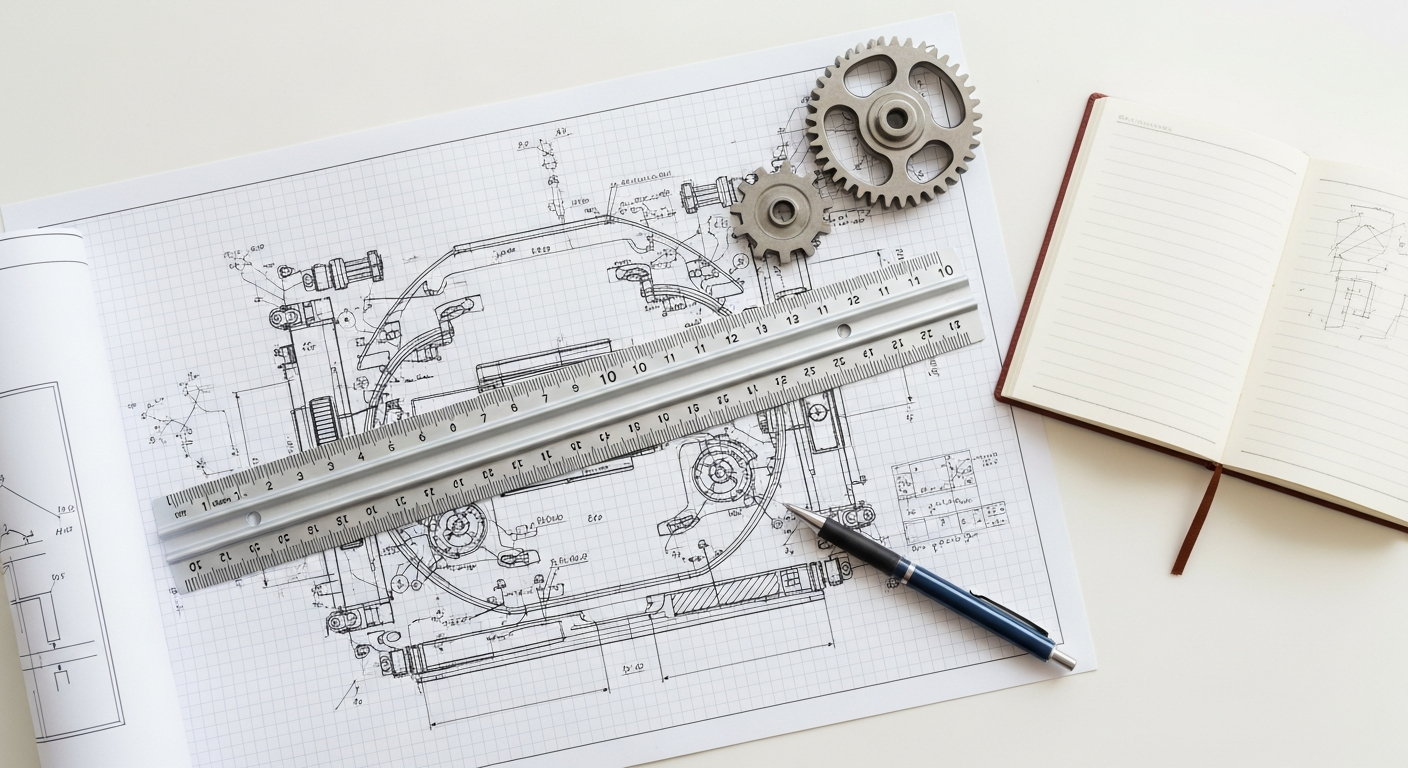
The initial step in sheet metal fabrication often involves cutting the raw sheet into the desired blank geometry. Modern manufacturing employs a suite of advanced cutting technologies, each optimized for specific material types, thicknesses, precision requirements, and production volumes.
Laser Cutting
Laser cutting is a highly precise thermal cutting process utilizing a focused high-power laser beam (CO2 or Fiber) to melt, burn, or vaporize material.
* Fiber Lasers: Increasingly dominant, offering superior efficiency, speed, and ability to cut reflective materials like copper and brass, in addition to steel and aluminum. They achieve cut speeds up to 100 m/min for thin gauges.
* CO2 Lasers: Traditionally used for a wider range of materials, particularly effective for thicker non-metals and some metals.
Advantages: Extremely high precision (tolerances typically +/- 0.05 mm to +/- 0.1 mm), minimal heat-affected zone (HAZ), smooth edge finishes requiring little post-processing, and high flexibility for intricate geometries without tooling changes.
Applications: Automotive parts, electronics enclosures, medical devices, architectural elements.
Plasma Cutting
Plasma cutting employs an accelerated jet of hot plasma to cut through electrically conductive materials.
Advantages: Faster than laser for thicker materials (up to 50 mm steel), cost-effective for medium precision requirements.
Limitations: Wider kerf, larger HAZ, and rougher edge finish compared to laser cutting.
Tolerances: Typically +/- 0.25 mm to +/- 0.5 mm, depending on material thickness and machine.
Applications: Heavy machinery, structural steel, general fabrication where high precision edges are not critical.
Waterjet Cutting
Waterjet cutting utilizes a high-pressure stream of water, often mixed with abrasive particles (garnet), to erode material.
Advantages: Cold cutting process, eliminating HAZ and thermal distortion, making it ideal for heat-sensitive materials (e.g., titanium, hardened steels, composites). Capable of cutting very thick materials (up to 150 mm or more) and diverse materials including plastics, stone, and glass.
Limitations: Slower than laser or plasma for thin metals, higher operational costs due to abrasive consumption.
Tolerances: Achieves tolerances of +/- 0.1 mm to +/- 0.2 mm.
Applications: Aerospace components, intricate parts from exotic alloys, architectural elements, prototypes.
Punching and Shearing
* Punching: A mechanical cutting process where a punch presses through the sheet metal into a die, creating holes or blanking out parts. Turret punch presses can perform multiple operations (punching, forming, tapping) on a single sheet.
Advantages: Extremely fast for repetitive shapes, high volume production, cost-effective for simple geometries.
Tolerances: Typically +/- 0.1 mm to +/- 0.25 mm.
Limitations: Requires specific tooling for each shape, can cause burrs, and is less flexible for complex contours than laser cutting.
* Shearing: A linear cutting process used to produce straight-line cuts on sheet metal. A blade descends past a fixed blade, creating a clean, straight edge.
Advantages: Very fast and cost-effective for large, rectangular blanks.
Limitations: Only produces straight cuts.
Applications: Preparing blanks for subsequent forming operations, cutting stock material to size.
Advanced Forming: Shaping 2D into 3D
Once cut, sheet metal blanks are transformed into three-dimensional components through various forming processes. These methods leverage the material’s ductility to bend, stretch, and compress it into desired shapes without removing material.
Bending (Press Brake Forming)
Press brake forming is the most common method for creating linear bends in sheet metal. A sheet is placed over a die opening, and a punch presses it into the die to form a bend.
* Air Bending: The most versatile method, where the punch pushes the material into the die opening without touching the bottom, allowing for various bend angles with a single set of tooling. Precision servo-electric press brakes offer exceptional repeatability (e.g., +/- 0.01 mm ram repeatability) and angle accuracy (e.g., +/- 0.5 degrees).
* Bottoming: The punch forces the material to the bottom of the die, resulting in a more precise angle, less springback, but requiring specific tooling for each angle.
* Coining: The punch severely presses the material into the die, deforming it beyond its yield strength to permanently set the angle, virtually eliminating springback. Requires very high tonnage.
Key Considerations: Bend radius, bend allowance, K-factor, and springback compensation are critical for achieving accurate geometry. Modern CNC press brakes integrate sophisticated software for automatic tool selection, bend sequencing, and springback prediction.
Applications: Brackets, enclosures, chassis, cabinets, structural components.
Roll Forming
Roll forming is a continuous process that gradually shapes a long strip of sheet metal by passing it through successive sets of contoured rolls.
Advantages: High volume production of parts with a consistent cross-section, excellent dimensional accuracy over long lengths.
Limitations: High initial tooling cost, less flexible for varying part geometries.
Applications: Door and window frames, roofing panels, automotive structural members, electrical conduits.
Deep Drawing
Deep drawing is a sheet metal forming process used to manufacture complex, hollow, three-dimensional parts from a flat sheet blank. A punch draws the blank into a die cavity, stretching and thinning the material.
Key Considerations: Material ductility, lubrication, blank holder pressure to prevent wrinkling, and multi-stage drawing for complex shapes. Strain hardening effects must be managed.
Applications: Automotive body panels, kitchen sinks, beverage cans, pressure vessels, cartridge cases.
Stamping (Advanced)
While punching is a basic form of stamping, advanced stamping operations involve complex dies that can perform multiple operations (blanking, piercing, bending, forming) in a single press stroke or a series of strokes.
* Progressive Dies: The metal strip progresses through a series of stations, with each station performing a different operation, resulting in a finished part at the final station. Ideal for high-volume, complex parts.
* Transfer Dies: Individual blanks are cut and then transferred robotically or mechanically between different stamping stations, allowing for larger and more complex parts than progressive dies.
Advantages: Extremely high production rates, excellent repeatability, reduced labor costs.
Limitations: High tooling costs, long lead times for die manufacturing.
Applications: Automotive components, appliance parts, electronic connectors.
Joining and Assembly: Uniting Components
After cutting and forming, individual sheet metal components are often joined to create larger assemblies. The choice of joining method depends on material type, strength requirements, aesthetic considerations, and production volume.
Welding
Welding is a metallurgical process that joins materials by causing coalescence, typically by heating the workpieces to melt the material and adding a filler material.
* MIG (Gas Metal Arc Welding): Fast, versatile, and relatively easy to automate. Uses a continuously fed wire electrode and a shielding gas. Suitable for a wide range of material thicknesses.
* TIG (Gas Tungsten Arc Welding): Produces high-quality, precise welds, especially for thin materials and exotic alloys (e.g., stainless steel, aluminum, titanium). Uses a non-consumable tungsten electrode and an inert shielding gas.
* Spot Welding: A resistance welding process where two or more metal sheets are joined by applying pressure and passing a current through them, creating a localized weld nugget. Extremely fast for high-volume production.
* Laser Welding: Utilizes a focused laser beam for high-speed, low-distortion welding with minimal HAZ. Ideal for thin materials and precision applications.
Standards: Adherence to AWS (American Welding Society) standards ensures weld quality and integrity.
Key Considerations: Heat input, shielding gas, filler material compatibility, distortion control, and post-weld treatment are critical. Robotics are widely employed for automated welding, enhancing speed, consistency, and safety.
Applications: Automotive chassis, aerospace structures, pressure vessels, appliance manufacturing.
Mechanical Fastening
Mechanical fastening involves joining parts using discrete hardware.
* Riveting: Permanent joining using rivets, often chosen for lightweight structures or when welding is not feasible (e.g., dissimilar metals, heat-sensitive components).
* Screwing/Bolting: Non-permanent joining, allowing for disassembly and maintenance. Used where flexibility in assembly or repair is desired.
Advantages: No heat input, suitable for dissimilar materials, easily disassembled (except rivets).
Applications: Aircraft structures, general enclosures, access panels.
Adhesive Bonding
Adhesive bonding uses specialized industrial adhesives to join components.
Advantages: Distributes stress over a wider area, lightweight, can join dissimilar materials without galvanic corrosion, provides sealing.
Limitations: Curing time, surface preparation requirements, environmental factors affecting bond strength.
Applications: Automotive body panels, aerospace components, electronic device assembly.
Finishing and Quality Control: Ensuring Performance and Aesthetics
The final stages of sheet metal fabrication involve finishing processes to enhance aesthetics, corrosion resistance, and surface properties, followed by rigorous quality control to ensure parts meet specifications.
Finishing Processes
* Deburring and Grinding: Removal of sharp edges, burrs, and surface imperfections resulting from cutting and forming. Essential for safety and subsequent coating adhesion.
* Surface Treatment:
* Powder Coating: A dry finishing process where finely ground particles of pigment and resin are electrostatically charged and sprayed onto a part, then cured under heat to form a durable, protective layer. Excellent for aesthetics and corrosion resistance.
* Anodizing: An electrochemical process that converts the metal surface into a decorative, durable, corrosion-resistant, anodic oxide finish (primarily for aluminum).
* Plating (e.g., Zinc, Nickel, Chrome): Applying a thin layer of another metal onto the surface for corrosion protection, wear resistance, or aesthetic appeal.
* Passivation: A chemical treatment (often for stainless steel) that removes free iron from the surface, enhancing the material’s natural corrosion resistance.
Advantages: Improved corrosion resistance, enhanced aesthetics, increased wear resistance, electrical insulation.
Quality Control and Inspection
Precision in manufacturing relies heavily on robust quality control measures.
* Dimensional Inspection:
* Coordinate Measuring Machines (CMMs): Highly accurate devices used to measure the physical geometric characteristics of an object. Essential for verifying complex 3D features and tight tolerances (down to microns).
* Optical Scanners and Vision Systems: Non-contact inspection methods for rapid measurement of complex profiles and surfaces, often used in automated production lines.
* Go/No-Go Gauges: Simple, fast checks for critical dimensions in high-volume production.
* Material Testing:
* Tensile Testing: Measures a material’s strength and ductility.
* Hardness Testing: Measures resistance to plastic deformation.
* Metallographic Analysis: Microscopic examination of material structure for defects or property verification.
* Process Control:
* Statistical Process Control (SPC): Monitoring and controlling a process to ensure it operates at its full potential, producing conforming product.
* First Article Inspection (FAI): A comprehensive inspection of the first part produced to ensure all specifications are met before full production commences.
Standards: Adherence to quality management systems like ISO 9001, and industry-specific standards such as ISO/TS 16949 for automotive or AS9100 for aerospace, is paramount. These standards ensure consistency, traceability, and continuous improvement in manufacturing processes.
The Future of Sheet Metal Fabrication: Automation and Digital Integration
The sheet metal fabrication industry is continually evolving, driven by advancements in automation, digital integration, and material science.
* Industry 4.0 and IoT: Smart factories leverage interconnected machinery, sensors, and data analytics to optimize production, predict maintenance needs, and enhance overall equipment effectiveness (OEE). Real-time monitoring of machine performance and material flow becomes standard.
* Robotics and Cobots: Collaborative robots (cobots) and advanced robotic systems are increasingly used for tasks such as loading/unloading, welding, bending, and material handling, improving efficiency, reducing labor costs, and enhancing worker safety.
* CAD/CAM and Simulation Software: Sophisticated software tools enable engineers to design, simulate, and optimize fabrication processes virtually, identifying potential issues before physical production, minimizing waste, and accelerating time-to-market.
* Additive Manufacturing Integration: While not a direct replacement, additive manufacturing (3D printing) is being used for creating complex tooling, prototypes, and even hybrid components that integrate with sheet metal assemblies, pushing design boundaries.
* AI and Machine Learning: These technologies are being deployed for predictive quality control, optimizing machine parameters, and even generative design, allowing for the creation of innovative and highly efficient sheet metal part designs.
These innovations collectively contribute to higher precision, increased throughput, reduced material waste, and greater flexibility in responding to market demands, cementing sheet metal fabrication’s role as a vital and dynamic sector of global manufacturing.