The Definitive Guide to CNC Machining: Principles, Technologies, and Applications for 2026
Understanding the Core Principles of CNC Machining
At its heart, CNC machining is a subtractive manufacturing process that uses computerized controls to automate the operation of machine tools. This automation allows for the precise removal of material from a workpiece, shaping it into a desired part based on a digital design. The journey from concept to finished product in CNC involves several interconnected stages and components, each critical to the overall process integrity.
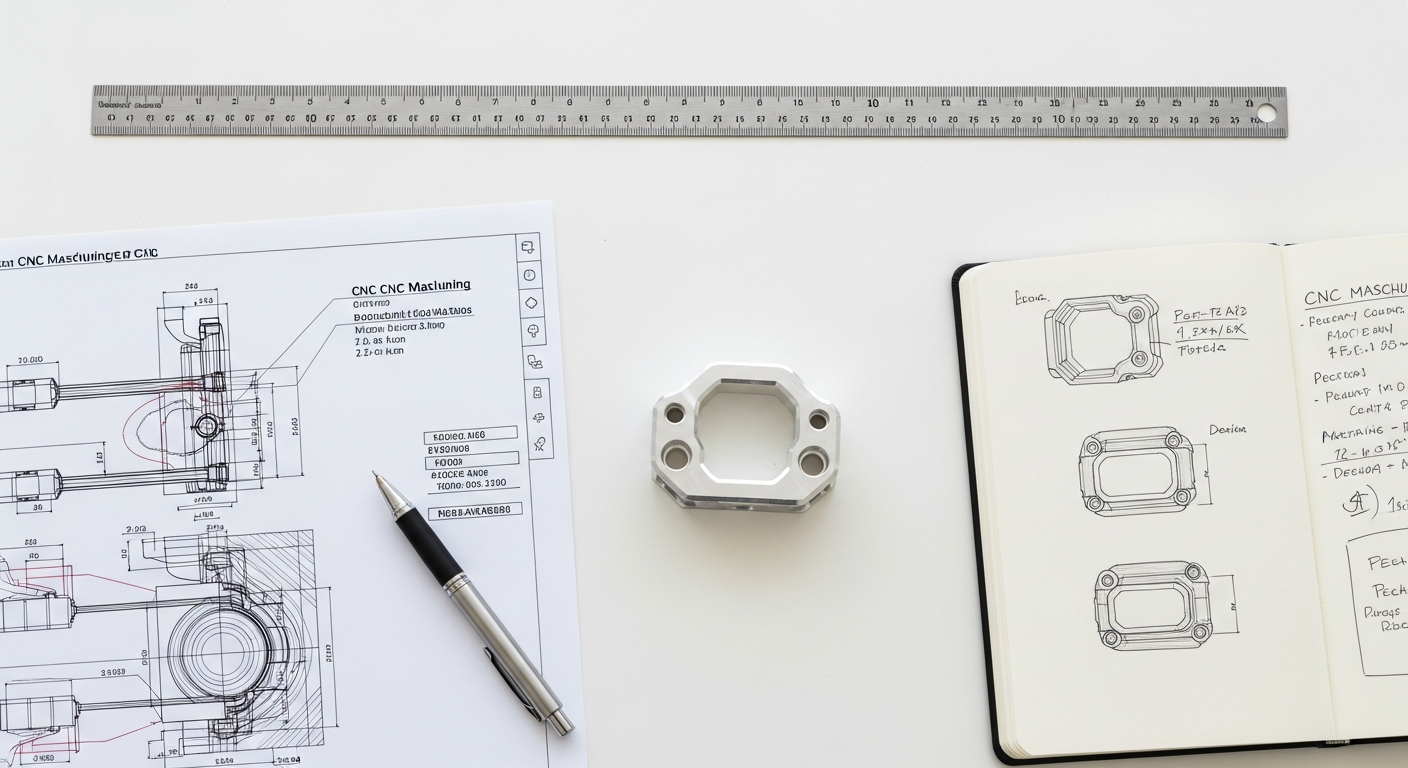
The fundamental components of a CNC system include the machine tool itself (e.g., a mill, lathe, or grinder), the Controller (often a Machine Control Unit or MCU), the Programming Interface, a robust Drive System, and a sophisticated Feedback System. The process begins with Design, where engineers create a 3D model of the desired part using Computer-Aided Design (CAD) software. This digital model is then translated into machine-readable instructions through Programming, utilizing Computer-Aided Manufacturing (CAM) software. CAM generates a series of commands, commonly known as G-code and M-code, which dictate the machine’s movements, speeds, and functions. G-codes (Geometric codes) control specific machine actions like linear interpolation (G01), rapid traverse (G00), and circular interpolation (G02/G03). M-codes (Miscellaneous codes) manage machine functions such as spindle start/stop (M03/M05), coolant on/off (M08/M09), and tool changes.
Before physical machining, Simulation software is often employed to visualize the tool paths, detect potential collisions, and optimize cutting strategies, minimizing material waste and machine downtime. Once validated, the program is loaded into the MCU, which interprets the G-code and M-code to send precise signals to the machine’s drive system. The drive system, comprising servo motors and drives, moves the machine axes (typically X, Y, Z for linear motion, and A, B, C for rotational motion) with extreme accuracy. A crucial Feedback System, incorporating encoders or linear scales, continuously monitors the actual position of the machine axes and feeds this data back to the MCU, ensuring that the commanded position is precisely achieved. This closed-loop control is fundamental to CNC’s inherent precision and repeatability, ensuring that each part produced adheres meticulously to the digital blueprint.
Key CNC Machine Architectures and Their Capabilities
The versatility of CNC technology is demonstrated through a diverse array of machine architectures, each optimized for specific geometries, material types, and production requirements. Understanding these distinctions is crucial for selecting the right equipment for a given manufacturing challenge.
CNC Milling Machines are perhaps the most recognized, primarily designed for shaping parts by rotating a cutting tool against a stationary workpiece. They range from ubiquitous 3-axis Vertical Machining Centers (VMCs) and Horizontal Machining Centers (HMCs), capable of complex geometries, to advanced 4-axis and 5-axis simultaneous machines. 5-axis machines, which can rotate the workpiece and/or the cutting tool around multiple axes, offer unparalleled capabilities for machining intricate, contoured surfaces, undercuts, and features on multiple sides of a part in a single setup, significantly reducing setup times and improving accuracy by eliminating re-fixturing errors. Gantry mills, designed for very large workpieces, extend the reach and scale of milling operations.
CNC Lathes, also known as Turning Centers, specialize in creating parts with rotational symmetry. A traditional 2-axis lathe moves the cutting tool along the X and Z axes while the workpiece rotates. Modern turning centers often incorporate 3-axis capabilities with “live tooling,” allowing for milling, drilling, and tapping operations to be performed on the same machine without transferring the part to a separate milling machine. Multi-turret lathes and Swiss-type machines further enhance productivity and complexity, particularly for small, high-precision components like those found in medical devices or aerospace fittings, by allowing multiple tools to cut simultaneously or by feeding the material through a guide bushing for enhanced rigidity.
CNC Grinders are employed for achieving extremely tight tolerances and superior surface finishes, often as a finishing operation after milling or turning. Types include surface grinders for flat surfaces, cylindrical grinders for external diameters, and internal grinders for bores. These machines utilize abrasive wheels to remove minute amounts of material, critical for precision components like bearing races, medical instruments, and optical lenses, where surface roughness (Ra) values often need to be below 0.1 µm.
Electrical Discharge Machining (EDM), while also a subtractive CNC process, operates on a fundamentally different principle. Instead of mechanical cutting, EDM uses controlled electrical discharges (sparks) to erode material. Wire EDM employs a thin, continuously fed wire electrode to cut complex 2D and tapered shapes through conductive materials, ideal for tool and die making. Sinker EDM (or ram EDM) uses a pre-shaped electrode to create 3D cavities. EDM is invaluable for machining extremely hard materials (e.g., hardened steels, titanium alloys) and for producing intricate features that would be impossible with conventional cutting tools, all without introducing mechanical stress to the workpiece.
Beyond these core architectures, specialized CNC machines include Laser Cutting for precise sheet metal fabrication, Waterjet Cutting for a vast array of materials including composites and stone, and Plasma Cutting for thicker metals. Emerging Hybrid Manufacturing Systems combine additive manufacturing (e.g., 3D printing) with subtractive CNC machining in a single platform, offering the ability to build complex geometries and then precisely finish critical features, opening new possibilities for repair and customized part creation.
Precision, Performance, and Quality Control in CNC Operations
In the realm of manufacturing, precision and performance are paramount, directly influencing product quality, reliability, and cost-efficiency. CNC machining excels in these areas, but achieving optimal results requires meticulous attention to a range of technical metrics, standards, and quality control methodologies.
A critical distinction lies between accuracy and precision. Accuracy refers to how close a measurement is to the true value, while precision refers to the repeatability of measurements, or how close successive measurements are to each other. In CNC, both are vital. Key performance metrics are quantified through rigorous testing, often adhering to international standards such as ISO 230-2: Test code for machine tools – Determination of accuracy and repeatability of numerically controlled axes. This standard specifies methods for evaluating positional accuracy and repeatability, typically measured in microns, ensuring the machine can consistently position its axes within defined tolerances.
Surface finish is another critical metric, characterized by parameters like Ra (arithmetic average roughness) and Rz (average maximum peak-to-valley height), standardized under ISO 4287. Achieving the specified surface finish directly impacts component function, wear resistance, and aesthetic appeal. Geometric Dimensioning and Tolerancing (GD&T), governed by standards like ASME Y14.5 and ISO 1101, provides a universal language for defining and communicating design intent regarding part geometry and permissible variations. CNC systems, particularly those with multi-axis capabilities, are instrumental in achieving the complex geometric tolerances often specified in GD&T.
Material Removal Rate (MRR), typically measured in cubic centimeters or inches per minute, quantifies the efficiency of the machining process. Optimizing MRR while maintaining part quality and tool life is a constant engineering challenge. Tool life and wear monitoring are crucial for consistent performance, with advanced systems employing sensors and algorithms to predict tool failure, enabling proactive tool changes and preventing costly rework or scrap.
Metrology and Inspection are integral to quality control. On-machine probing systems allow for in-process measurement and verification of features, enabling adaptive machining strategies. Post-process inspection often utilizes sophisticated equipment like Coordinate Measuring Machines (CMMs), laser scanners, and optical comparators to verify dimensions and geometric tolerances against the CAD model.
Numerous factors contribute to maintaining high precision. Thermal Management is critical; temperature fluctuations can cause material expansion or contraction, affecting dimensional accuracy. Spindle cooling systems, controlled coolant delivery, and even environmental control within the machine enclosure are employed to mitigate thermal distortion. Vibration Damping is equally important; machine tool rigidity, robust foundation design, and advanced damping technologies minimize chatter and micro-vibrations that can degrade surface finish and tool life. Finally, continuous Process Optimization through advanced CAM software, cutting parameter adjustments, and realistic simulation software ensures that tool paths are efficient, forces are managed, and material integrity is preserved throughout the machining cycle.
Advanced Technologies Driving CNC Machining in 2026
The evolution of CNC machining is accelerating, driven by a convergence of advanced technologies that are reshaping manufacturing capabilities and pushing the boundaries of what’s possible. As we look towards 2026, these innovations are not merely incremental improvements but represent fundamental shifts in how CNC systems operate and integrate within the broader industrial ecosystem.
Automation and Robotics continue to be a primary driver of efficiency and productivity. Robotic loading and unloading systems enable “lights-out” manufacturing, where machines can operate autonomously for extended periods without human intervention. Automated tool changers, pallet changers, and integrated part washing and inspection stations transform individual CNC machines into highly efficient, self-sufficient manufacturing cells. This integration significantly reduces cycle times, labor costs, and human error, while improving throughput and consistency.
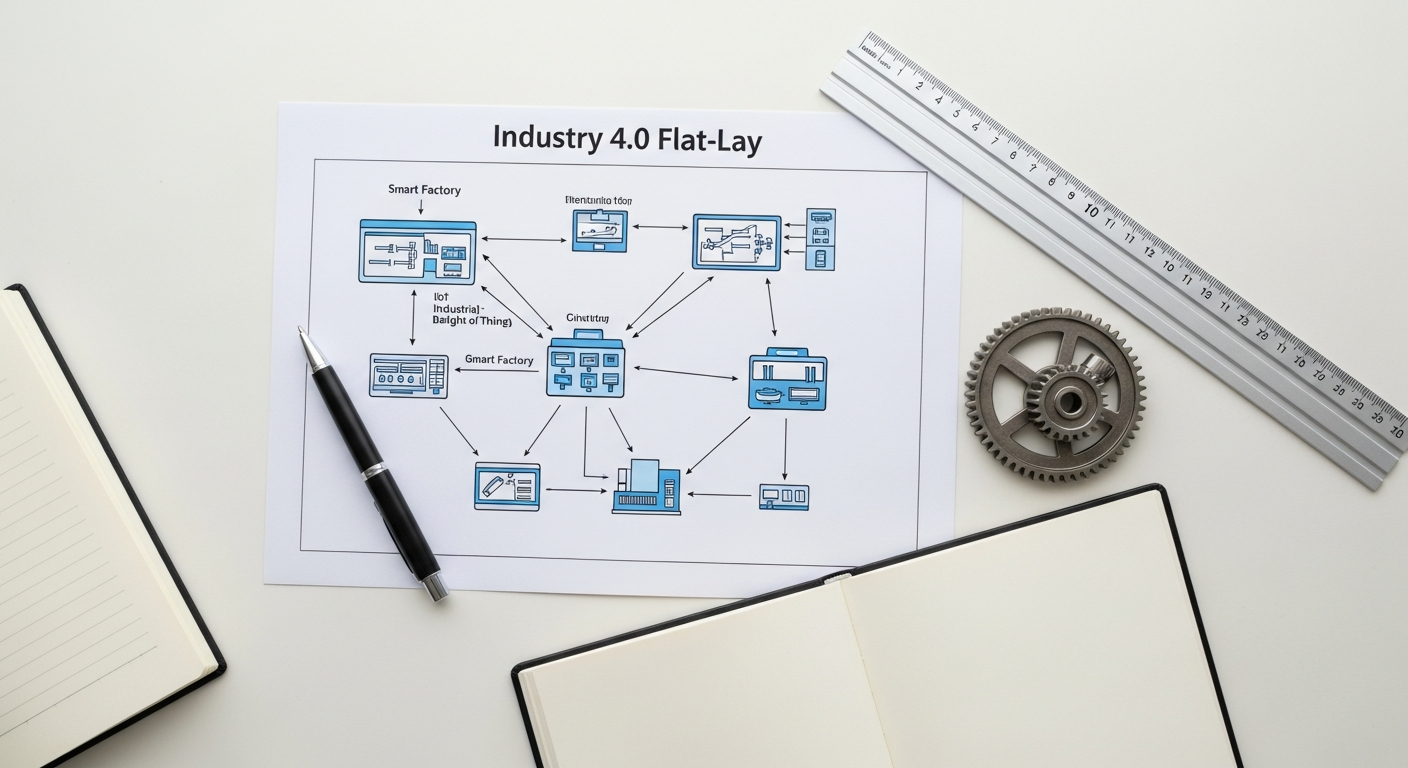
The Industrial Internet of Things (IIoT) and Industry 4.0 Integration are revolutionizing data acquisition and utilization in CNC environments. Sensors embedded within machine tools, spindles, and workholding devices collect vast amounts of real-time data on parameters such as temperature, vibration, spindle load, and power consumption. This data is transmitted to cloud-based platforms for analysis, enabling predictive maintenance (forecasting component failures before they occur), real-time process monitoring, and overall equipment effectiveness (OEE) tracking. Cloud connectivity facilitates remote diagnostics, program updates, and global collaboration, fostering a more interconnected and responsive manufacturing ecosystem.
Artificial Intelligence (AI) and Machine Learning (ML) are increasingly being integrated into CNC control systems. AI algorithms can analyze historical and real-time data to adapt cutting parameters on the fly, optimizing feed rates, spindle speeds, and tool paths for maximum efficiency, extended tool life, and superior surface finish. Generative design, often AI-driven, can create optimized part geometries that are then machined, pushing the boundaries of lightweighting and performance. ML models can also predict potential defects or anomalies, enabling proactive adjustments and reducing scrap rates.
Digital Twin Technology is gaining prominence, creating a virtual replica of a physical CNC machine, an entire production line, or even a factory. This digital twin allows for virtual commissioning, simulating new setups, validating machining programs, and optimizing processes in a risk-free environment before implementation on the shop floor. It provides real-time insights into machine performance, predicts future behavior, and facilitates continuous improvement through iterative simulations.
The ability to machine Advanced Materials is expanding rapidly. Composites (e.g., carbon fiber reinforced polymers), superalloys (e.g., Inconel, titanium alloys), and advanced ceramics present unique machining challenges due to their hardness, abrasiveness, or thermal properties. New tooling materials (e.g., polycrystalline diamond – PCD, cubic boron nitride – CBN), specialized coatings, high-pressure coolant systems, and advanced machining strategies (e.g., trochoidal milling, cryogenic machining) are being developed to effectively process these materials, crucial for aerospace, medical, and energy sectors.
Finally, Sustainable Manufacturing practices are being integrated into CNC operations. This includes optimizing energy efficiency of machine tools, implementing advanced coolant management systems to reduce consumption and waste, and exploring dry machining or minimum quantity lubrication (MQL) techniques to minimize environmental impact. The focus is on reducing carbon footprint, conserving resources, and promoting a circular economy within manufacturing.
Real-World Applications and Industry Impact
The transformative power of CNC machining is evident across virtually every industrial sector, enabling the production of components that were once considered impossible or economically unfeasible. Its impact ranges from mass production of consumer goods to the creation of highly specialized parts for critical applications.
In Aerospace, CNC machining is indispensable for manufacturing high-strength, lightweight components from exotic alloys like titanium, Inconel, and aluminum. Turbine blades, structural frames, landing gear components, and intricate engine parts demand the extreme precision and multi-axis capabilities that CNC machines provide, ensuring both performance and safety under extreme conditions. The ability to achieve complex geometries and tight tolerances is paramount for aerodynamic efficiency and structural integrity.
The Automotive industry relies heavily on CNC for producing engine blocks, cylinder heads, transmission casings, crankshafts, and various powertrain components. CNC machines are also crucial for creating high-precision molds and dies used in injection molding for plastic parts, as well as stamping dies for sheet metal components. The speed, accuracy, and repeatability of CNC enable both high-volume production and rapid prototyping for new vehicle designs.
For Medical Devices, CNC machining is a lifeline. It produces biocompatible implants (e.g., hip and knee replacements), surgical instruments, dental prosthetics, and intricate drug delivery systems. The ability to machine miniature features with micron-level precision and to handle specialized materials like titanium, cobalt-chrome, and PEEK is critical for patient safety and device functionality. Micro-machining techniques are particularly vital here.
The Tool & Die and Mold Making sectors are foundational users of CNC technology. High-precision molds for injection molding plastics, die-casting metals, and stamping dies for sheet metal fabrication are predominantly created using CNC milling and EDM. The surface finish, accuracy, and geometric complexity achievable with CNC directly translate to the quality and performance of millions of manufactured products.
The Energy Sector, spanning oil & gas, nuclear, and renewable energy, utilizes CNC for manufacturing robust components capable of withstanding harsh operating environments. This includes complex parts for downhole drilling equipment, wind turbine hubs and gearboxes, nuclear reactor components, and parts for power generation systems, often from superalloys and specialized steels.
In Consumer Electronics, CNC machining is employed for crafting sleek enclosures for smartphones, laptops, and other devices, as well as for producing internal components that require high precision and aesthetic appeal. The ability to rapidly prototype new designs with CNC also significantly shortens product development cycles.
Beyond these specific examples, CNC machining’s fundamental role in mass production, enabling consistent quality at scale, its facilitation of customization for niche markets, and its power in rapid prototyping to accelerate innovation, underscore its pervasive and indispensable impact across the entire manufacturing ecosystem. It is the engine that drives modern industrial progress.