html
In the rapidly evolving landscape of modern industry, manufacturers are constantly seeking innovative solutions to enhance efficiency, reduce costs, and accelerate time-to-market. The confluence of advanced analytics, artificial intelligence, and the Internet of Things (IoT) has given rise to transformative technologies, none more impactful perhaps than the digital twin. This sophisticated virtual replica of a physical asset, process, or system is revolutionizing how companies design, operate, and maintain their manufacturing operations. For Mitsubishi Manufacturing, embracing and understanding the profound capabilities of a digital twin in manufacturing is not merely a strategic advantage but a fundamental imperative for navigating the complexities of Industry 4.0 and beyond. This comprehensive exploration delves into the core tenets of digital twin technology, its myriad benefits, implementation strategies, and its pivotal role in shaping the future of industrial production, ensuring that businesses are well-equipped to thrive in a competitive global market.
What is a Digital Twin in Manufacturing?
A digital twin is essentially a virtual model designed to accurately reflect a physical object, process, or system. In the context of manufacturing, this means creating a precise digital counterpart of a factory floor, a production line, a specific machine, or even an individual product. This digital replica is not static; it is dynamically updated with real-time data collected from sensors attached to its physical counterpart. This continuous data flow—encompassing everything from temperature and pressure to vibration and output rates—ensures that the digital twin remains a highly accurate, living model of the physical entity.
The core components of a robust digital twin in manufacturing typically include:
- Physical Asset: The real-world object (e.g., a robot, a CNC machine, an assembly line) that is being replicated.
- Sensors and Actuators: Devices that collect data from the physical asset and, in some cases, can execute commands received from the digital twin.
- Data Connectivity: The infrastructure (e.g., IoT platforms, cloud computing) that facilitates the seamless, real-time transfer of data between the physical and digital realms.
- Digital Model: The virtual representation itself, often built using advanced simulation software, CAD models, and sophisticated algorithms. This model processes incoming data to provide insights and predictions.
- Analytics and AI/ML: Tools and algorithms that analyze the data flowing into the digital twin to identify patterns, predict future behavior, optimize performance, and even autonomously make decisions.
The power of the digital twin lies in its ability to bridge the gap between the physical and digital worlds, offering an unparalleled level of visibility, control, and predictive capability. Manufacturers can interact with the digital twin to understand the physical asset’s current state, test hypothetical scenarios without disrupting actual operations, and optimize processes based on data-driven insights. This capability transforms decision-making from reactive to proactive, leading to significant improvements across the entire manufacturing lifecycle.
The Genesis and Evolution of Digital Twins in Manufacturing
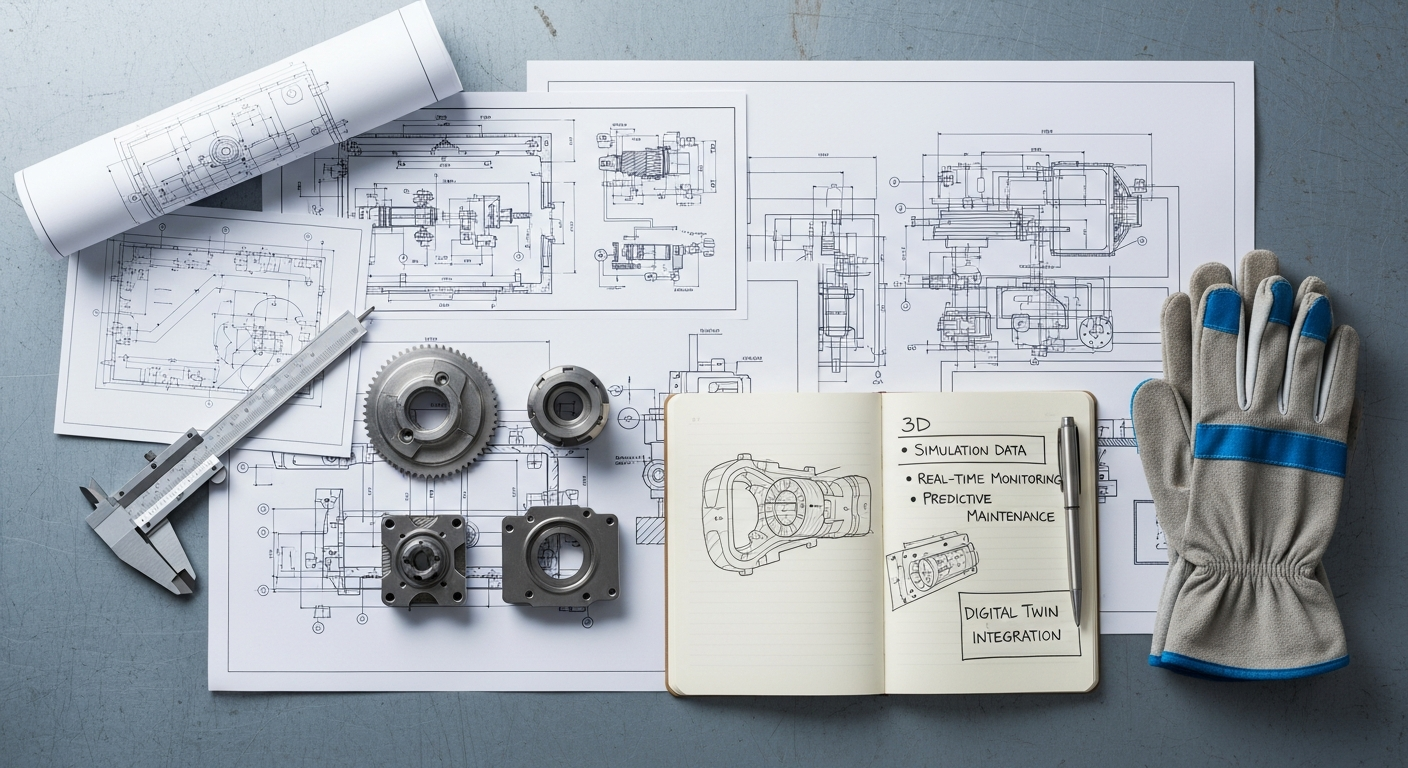
While the concept of mirroring physical objects digitally has roots stretching back to NASA’s Apollo program in the 1960s (where physical mock-ups of spacecraft were used to diagnose issues in space), the term “digital twin” was formally coined by Dr. Michael Grieves in 2002. However, it is only with the advent of Industry 4.0 technologies that the digital twin has truly come into its own, transforming from a theoretical concept into a practical, indispensable tool for manufacturers worldwide.
The maturation of several key technologies has been instrumental in the widespread adoption of digital twin in manufacturing:
- Internet of Things (IoT): The proliferation of affordable, powerful sensors and pervasive connectivity has made it feasible to collect vast amounts of real-time data from virtually every component of a manufacturing operation. This data is the lifeblood of any digital twin.
- Cloud Computing: The ability to store, process, and analyze massive datasets remotely and on-demand has removed significant infrastructure barriers, making complex digital twin deployments accessible to more businesses.
- Big Data Analytics: Advanced algorithms and computational power can now sift through torrents of operational data, extracting meaningful patterns and insights that would be impossible for human analysis alone.
- Artificial Intelligence (AI) and Machine Learning (ML): These technologies enable digital twins to learn from historical data, predict future outcomes (such as equipment failure), and even autonomously optimize processes without constant human intervention.
- Advanced Simulation Software: Sophisticated modeling and simulation tools allow for the creation of highly realistic and accurate virtual representations, capable of replicating complex physical behaviors and interactions.
Initially, digital twins were primarily used for product design and engineering, allowing designers to test prototypes virtually before physical fabrication. However, their application quickly expanded to encompass entire production lines, supply chains, and even entire smart factories. The driving force behind this expansion is the undeniable value proposition: the ability to gain profound insights into operational performance, predict potential failures, and experiment with optimizations in a risk-free virtual environment. This evolution marks a significant paradigm shift, moving manufacturing from a reactive, empirical approach to a proactive, data-driven methodology.
Key Benefits of Digital Twins in Manufacturing Operations
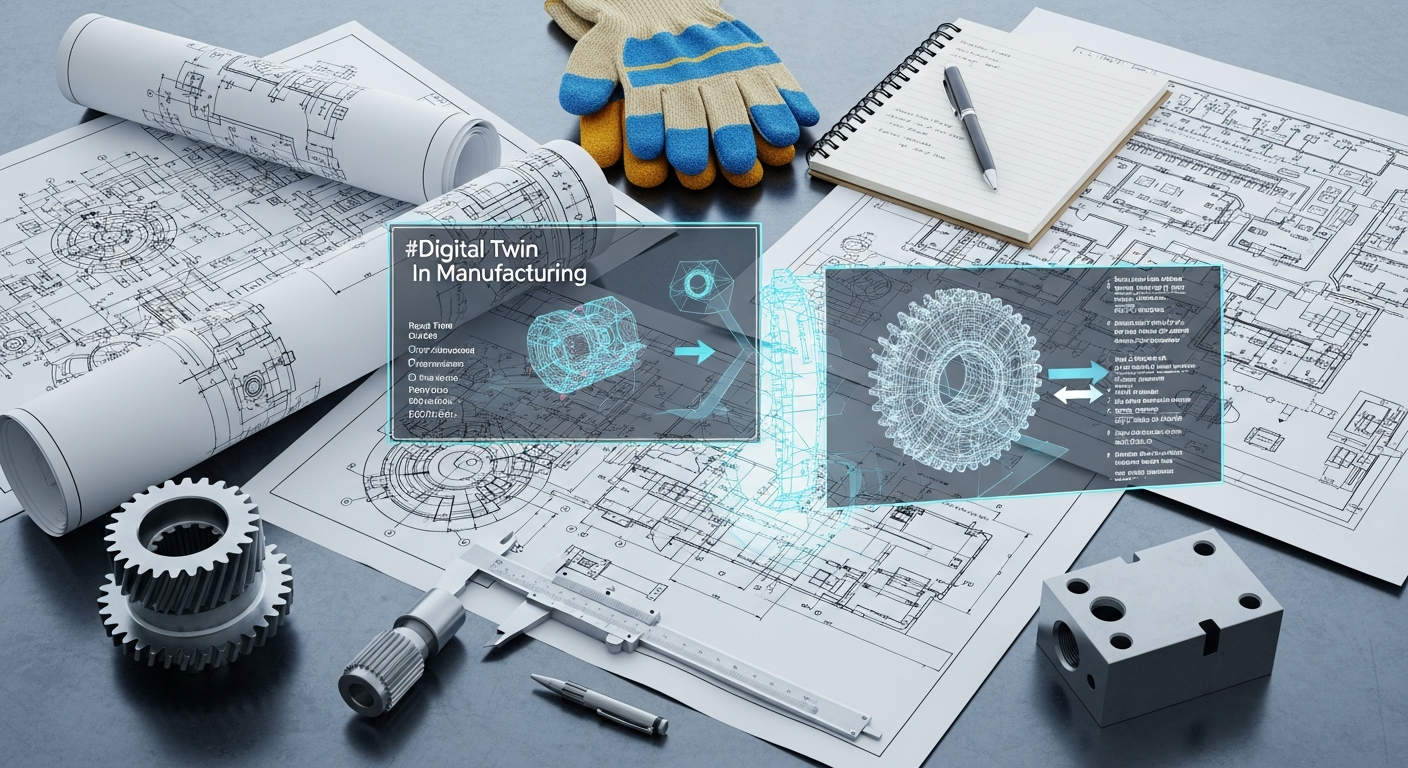
The implementation of a digital twin in manufacturing yields a multitude of strategic and operational advantages, fundamentally transforming how companies operate and compete. These benefits span the entire product lifecycle, from initial design to end-of-life management.
- Enhanced Product Design and Development: Digital twins allow engineers to create virtual prototypes and simulate their performance under various conditions, significantly reducing the need for costly physical prototypes and accelerating the design iteration process. This leads to better-designed products, optimized for performance, manufacturability, and durability, ultimately shortening time-to-market.
- Optimized Production Processes: By creating a digital replica of an entire production line or factory, manufacturers can simulate different layouts, workflows, and machine configurations. This enables them to identify bottlenecks, optimize material flow, balance workloads, and validate changes virtually before implementing them on the physical floor, minimizing disruption and maximizing throughput.
- Predictive Maintenance: Perhaps one of the most celebrated benefits, digital twins continuously monitor the health and performance of machinery in real-time. By analyzing sensor data and applying AI/ML algorithms, the digital twin can predict when a component is likely to fail, allowing maintenance teams to schedule interventions proactively. This shifts maintenance from reactive (after a breakdown) or preventive (time-based) to truly predictive, drastically reducing downtime, extending equipment lifespan, and cutting maintenance costs.
- Improved Quality Control: Digital twins can monitor production parameters in real-time, identifying deviations from desired specifications almost instantaneously. This allows for immediate corrective action, preventing the production of defective parts and ensuring consistent product quality. It can also trace the
Recommended Resources
You might also enjoy Civil Rights And Reproductive Freedom from Protect Families Protect Choices.
Explore Productivity Tips For Working From Home for additional insights.