
The Indispensable Role of Engineering Consultancy in Modern Manufacturing
Modern manufacturing is a domain characterized by unprecedented complexity and rapid technological advancement. From the intricacies of global supply chains to the imperative of sustainable practices, companies are continually challenged to innovate, optimize, and adapt. In this high-stakes environment, engineering consultancy services play an absolutely indispensable role, serving as strategic partners that provide critical expertise and drive transformative change.
One of the primary drivers for engaging engineering consultants is the need for specialized knowledge that may not reside internally. As industries become more niche and technologies more sophisticated, maintaining a full-time staff with expertise across all emerging fields—such as advanced robotics, artificial intelligence for predictive maintenance, or cutting-edge materials science—becomes economically unfeasible for many organizations. Engineering consultancies bridge this gap, offering on-demand access to a diverse pool of experts whose collective experience spans multiple sectors and technological domains.
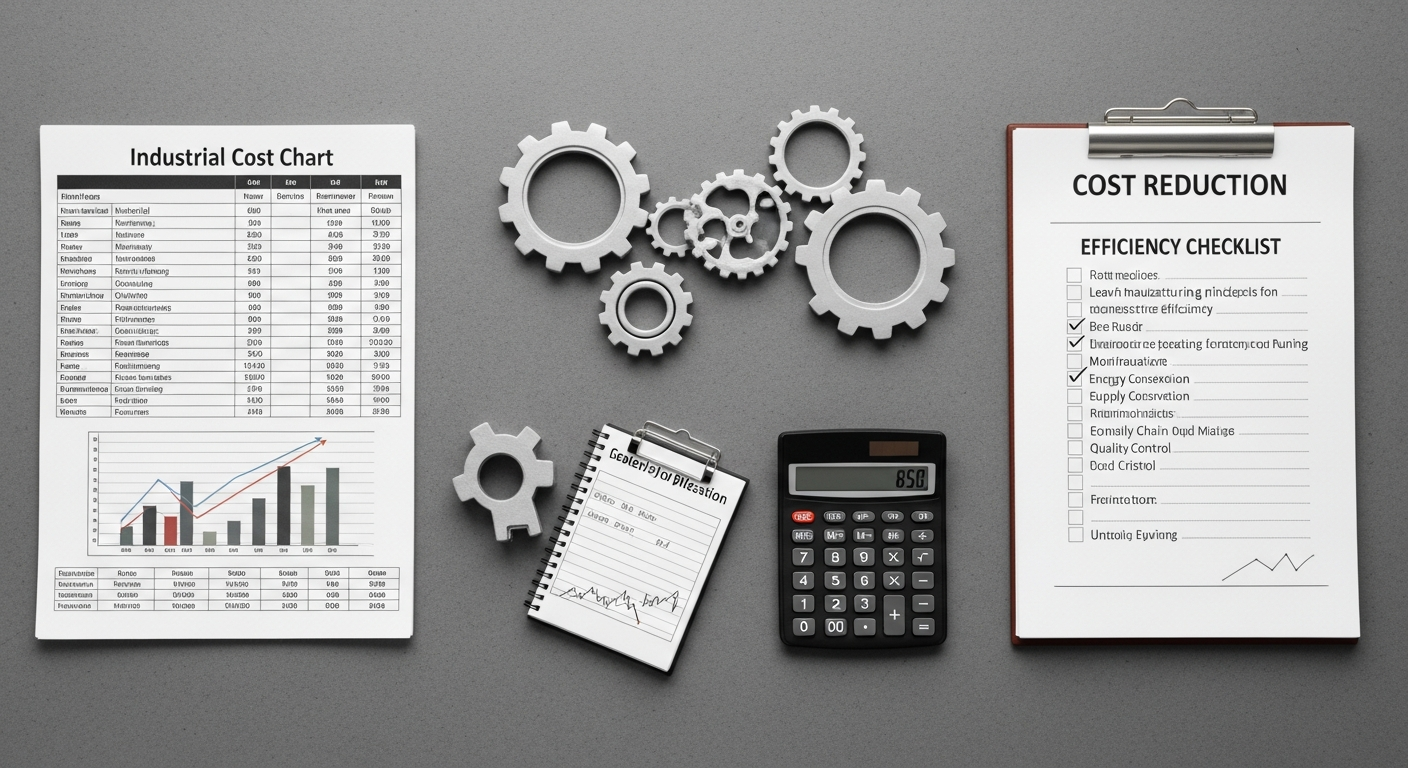
Furthermore, consultants bring an invaluable external perspective. Operating independently of internal politics and historical biases, they can objectively assess current processes, identify bottlenecks, and propose innovative solutions that might be overlooked by an internal team too close to the day-to-day operations. This fresh pair of eyes often leads to breakthroughs in efficiency, cost reduction, and quality improvement that significantly enhance a manufacturer’s competitive posture.
The global manufacturing arena is also marked by stringent regulatory compliance and an ever-present demand for operational excellence. Consultants are adept at navigating complex compliance landscapes, ensuring that products and processes adhere to international standards and regional regulations. Their involvement can significantly de-risk new product introductions or market expansions by preemptively addressing potential compliance issues. Moreover, their expertise in methodologies like Lean Manufacturing and Six Sigma is crucial for embedding a culture of continuous improvement, reducing waste, and maximizing throughput.
Ultimately, the role of engineering consultancy extends beyond problem-solving; it is about strategic enablement. By leveraging external expertise, manufacturing companies can accelerate innovation cycles, reduce time-to-market for new products, and reallocate internal resources to focus on core competencies. This strategic partnership fosters resilience, allowing companies to respond more effectively to market shifts, technological disruptions, and economic uncertainties, positioning them for sustained success in the global marketplace.
Core Offerings: What Engineering Consultancy Services Encompass

The scope of engineering consultancy services is remarkably broad, tailored to address the multifaceted challenges and opportunities within the manufacturing sector. These services typically span the entire product lifecycle, from initial concept to end-of-life, and encompass operational excellence across the value chain. Understanding these core offerings is crucial for manufacturers seeking to leverage external expertise effectively.
- Product Design and Development: This is often the cornerstone of consultancy work. Consultants assist with everything from conceptualization and feasibility studies to detailed engineering design using advanced CAD/CAM software. They can lead prototyping efforts, conduct rigorous testing, and ensure designs are optimized for manufacturability, cost-effectiveness, and performance. This includes expertise in areas like DFM (Design for Manufacturability) and DFA (Design for Assembly), crucial for efficient production.
- Process Optimization and Automation: Consultants specialize in analyzing existing manufacturing processes to identify inefficiencies, bottlenecks, and areas for improvement. They implement methodologies like Lean Manufacturing, Six Sigma, and Theory of Constraints to streamline workflows, reduce waste, and enhance productivity. Furthermore, they design and integrate advanced automation solutions, including robotics, automated guided vehicles (AGVs), and smart factory systems, to boost capacity and consistency.
- Regulatory Compliance and Certification: Navigating the labyrinth of international and local regulations is a major challenge for manufacturers. Engineering consultants provide expert guidance on compliance with industry standards (e.g., ISO 9001, ISO 14001, AS9100), product-specific certifications (e.g., CE marking, UL listing), and environmental regulations. Their role is critical in ensuring that products are safe, meet quality benchmarks, and are legally market-ready. For instance, in understanding how manufacturing companies keep products safe, consultants are instrumental in developing safety protocols, conducting hazard analyses, and ensuring adherence to safety standards throughout the design and production phases, minimizing risks for consumers and operators alike.
- Risk Management and Safety Engineering: Beyond compliance, consultants help companies proactively identify, assess, and mitigate various risks, including operational, technical, and supply chain risks. They design and implement robust safety systems, conduct safety audits, and develop emergency response plans. This proactive approach is vital for protecting assets, personnel, and reputation.
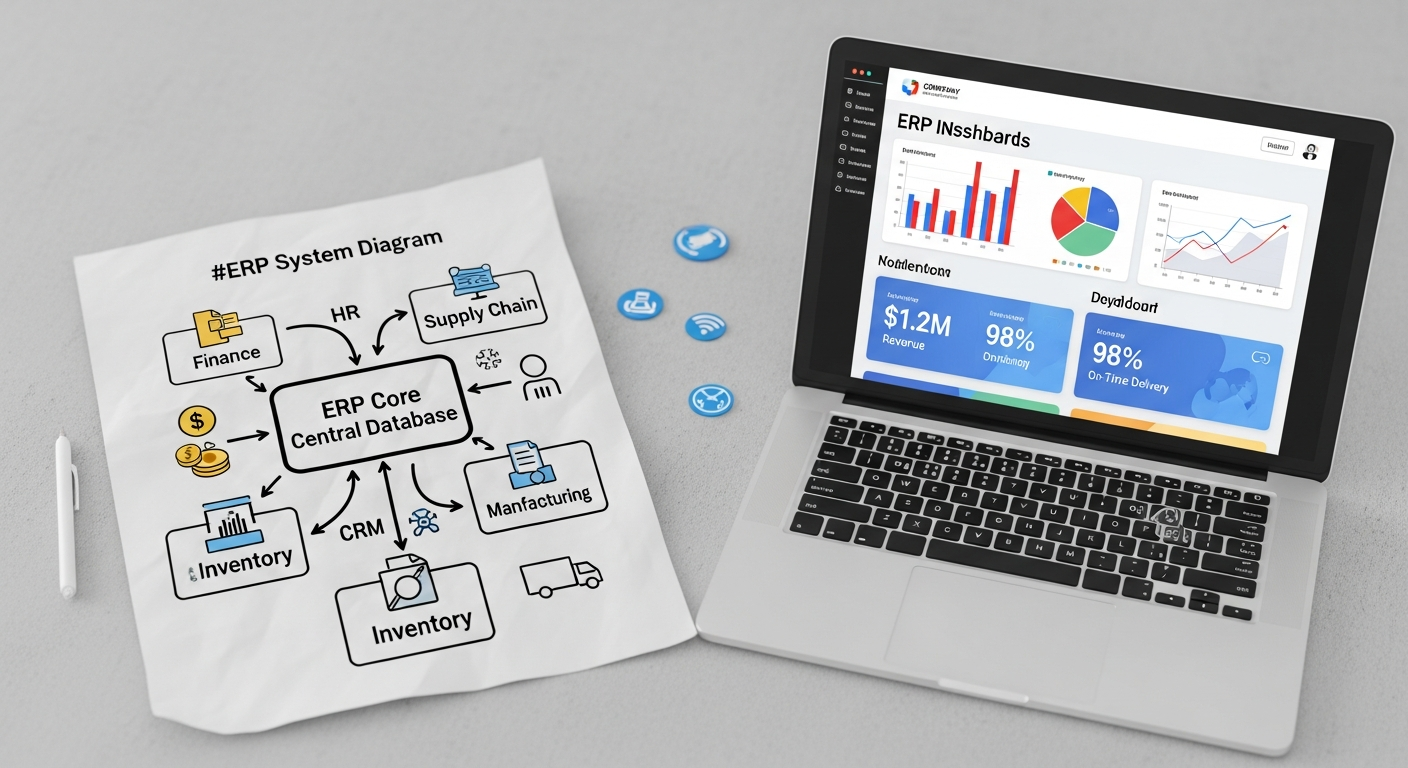
- Digital Transformation and Industry 4.0 Integration: As manufacturing moves towards smart factories, consultants are at the forefront of implementing Industry 4.0 technologies. This includes integrating IoT devices, deploying AI and machine learning for predictive maintenance and quality control, developing digital twins, and establishing secure data analytics platforms. They help manufacturers unlock the power of data to gain insights and drive intelligent decision-making.
- Project Management and Implementation Support: Many consultancies offer comprehensive project management services, overseeing complex engineering projects from inception to completion. This includes planning, scheduling, resource allocation, risk management, and stakeholder communication, ensuring projects are delivered on time, within budget, and to the required specifications.
- Feasibility Studies and Market Analysis: Before a significant investment in a new product line or manufacturing facility, consultants conduct thorough feasibility studies. They assess technical viability, economic returns, market demand, and competitive landscapes, providing data-driven insights that inform strategic decisions and minimize investment risks.
These core offerings collectively empower manufacturers to innovate faster, operate more efficiently, ensure product safety, and maintain a competitive edge in a dynamic global economy.
Strategic Advantages: Why Partner with an Engineering Consultancy?
One of the most compelling advantages is access to specialized expertise without the overhead. Building and maintaining an in-house team with a broad spectrum of cutting-edge engineering skills—from advanced materials science to AI-driven automation—is prohibitively expensive and often impractical. Consultancies offer on-demand access to highly specialized professionals whose collective knowledge base is vast and constantly updated. This allows manufacturers to tap into world-class talent for specific projects, avoiding the long-term costs associated with permanent hires, such as salaries, benefits, training, and infrastructure.
Objectivity and a fresh perspective are another critical benefit. Internal teams, while deeply knowledgeable about their company’s operations, can sometimes be constrained by existing paradigms, historical practices, or internal politics. An external consultancy brings an unbiased viewpoint, free from preconceived notions, enabling them to identify inefficiencies, challenge assumptions, and propose innovative solutions that might be overlooked internally. This objective analysis often leads to more radical and effective transformations.
Partnering with consultants can significantly accelerate project timelines and time-to-market. With dedicated teams focused solely on the project at hand, unburdened by day-to-day operational distractions, consultancies can drive projects forward with greater speed and efficiency. Their established methodologies, robust project management frameworks, and experience with similar challenges across different clients mean they can often deliver results faster than an internal team starting from scratch. This accelerated pace is crucial for maintaining competitiveness, especially in fast-moving industries.
From a financial perspective, engaging consultants can be highly cost-effective. While the upfront cost may seem significant, the return on investment (ROI) often far outweighs it. Consultants typically focus on delivering measurable results—whether it’s reducing operational costs, improving product quality, increasing production throughput, or developing a new revenue-generating product. By optimizing processes and mitigating risks, they contribute directly to the bottom line, often paying for themselves many times over.
Furthermore, consultancies are instrumental in risk mitigation. They bring extensive experience in identifying potential pitfalls, conducting thorough risk assessments, and developing strategies to prevent costly errors or project failures. This is particularly valuable for complex projects involving new technologies, significant capital investments, or stringent regulatory requirements.
Finally, consultants can provide invaluable capacity augmentation during peak workloads or for projects requiring unique skill sets. They allow internal teams to remain focused on core operational responsibilities while specialized projects are handled by external experts. This flexibility ensures that critical initiatives move forward without overstretching internal resources or delaying other vital company objectives. In essence, an engineering consultancy serves as a force multiplier, enhancing a manufacturer’s capabilities, driving innovation, and securing a stronger position in the global market.
Navigating Specializations: From Automotive to Advanced Robotics

The vast landscape of engineering consultancy is characterized by a rich tapestry of specializations, each tailored to address unique industry demands and technological frontiers. For manufacturing companies, understanding these distinctions is key to selecting the right partner for specific challenges, whether it’s enhancing a production line or developing a groundbreaking new product. The breadth of expertise available ranges from traditional mechanical and electrical engineering to cutting-edge fields like artificial intelligence, advanced materials, and sustainable energy systems.
Within the manufacturing sector, certain specializations stand out. Automotive Engineering Consultancy, for example, is a highly critical and dynamic field. Consultants in this area work with original equipment manufacturers (OEMs) and Tier 1 suppliers on everything from vehicle design and development, powertrain optimization (including electric and hybrid systems), crashworthiness analysis, and advanced driver-assistance systems (ADAS), to manufacturing process engineering for assembly lines. For someone wondering how to start a career in automotive engineering, working with a consultancy can offer unparalleled exposure. Consultants gain experience across diverse projects, working with different clients and technologies, which provides a broad and deep understanding of the industry’s multifaceted challenges and innovations. This exposure can be invaluable for career development, fostering a versatile skill set highly sought after in the automotive sector, from design validation to production scaling for new models.
Another rapidly growing specialization is Robotics and Automation Engineering. With the global push towards Industry 4.0, these consultants design, integrate, and optimize robotic systems for tasks ranging from precision assembly and welding to material handling and quality inspection. They work with collaborative robots (cobots), autonomous mobile robots (AMRs), and sophisticated automation software to enhance efficiency, safety, and consistency in manufacturing environments.
Materials Science and Engineering Consultancy focuses on the selection, development, and application of materials for specific product performance requirements. This includes expertise in composites, alloys, polymers, and smart materials, crucial for industries like aerospace, medical devices, and high-performance automotive components. Consultants help in material characterization, failure analysis, and the development of new material processes, including additive manufacturing (3D printing).
Industrial Internet of Things (IIoT) and AI Integration specialists help manufacturers leverage data to drive intelligence. They design and implement sensor networks, data acquisition systems, and cloud-based platforms to monitor production assets, predict maintenance needs, optimize energy consumption, and improve overall equipment effectiveness (OEE). Their work is fundamental to creating smart factories that can self-optimize and adapt in real-time.
Sustainable Manufacturing and Circular Economy Consultancy addresses the growing imperative for environmental responsibility. These consultants guide companies in adopting greener practices, such as reducing waste, optimizing energy and water usage, designing products for recyclability, and implementing closed-loop systems. Their expertise helps manufacturers not only meet regulatory requirements but also enhance their brand reputation and achieve long-term resource efficiency.
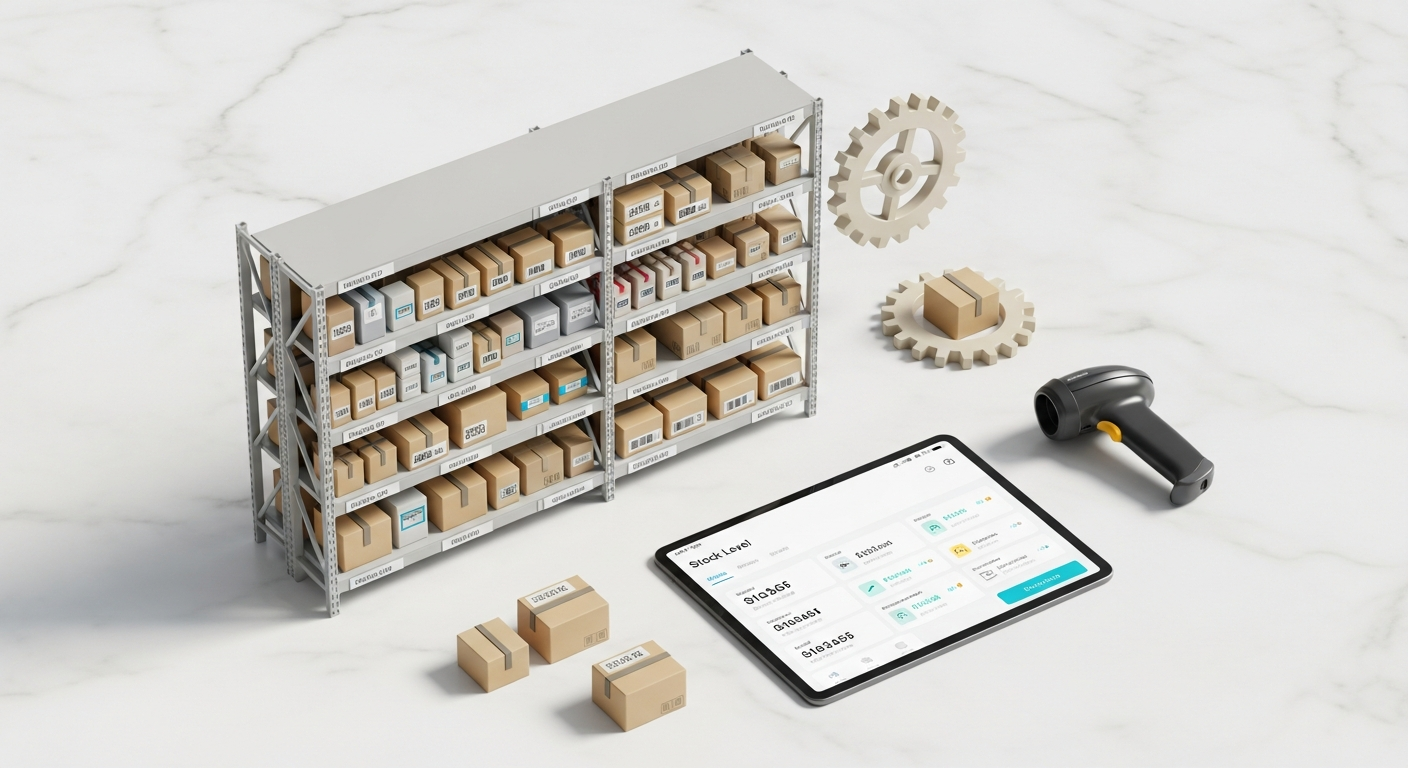
Finally, Supply Chain and Logistics Engineering experts optimize the flow of goods, information, and finances throughout the manufacturing supply chain. They design efficient warehousing solutions, transportation networks, inventory management systems, and apply advanced analytics to improve resilience and responsiveness, ensuring that materials arrive on time and finished products reach customers efficiently.
Each of these specializations brings unique methodologies and insights, making the selection of an engineering consultancy a strategic decision that aligns with a company’s specific project goals and long-term vision. The right partner can unlock innovation, streamline operations, and drive growth across a multitude of manufacturing domains.
Ensuring Success: Best Practices for Engaging Consultancy Services
Engaging engineering consultancy services can be a transformative step for any manufacturing company, but the success of such a partnership hinges on a strategic and methodical approach. Simply hiring an external expert is not enough; a clear framework for engagement, communication, and collaboration is essential to maximize value and achieve desired outcomes.
The first critical best practice is clear scope definition and measurable objectives. Before approaching any consultancy, companies must meticulously define the problem they aim to solve or the opportunity they wish to seize. This includes outlining project deliverables, key performance indicators (KPIs), timelines, and budget constraints. Ambiguity at this stage can lead to scope creep, cost overruns, and dissatisfaction. A well-defined scope ensures both parties have a shared understanding of success.
Next, a thorough consultant selection process is paramount. This involves more than just reviewing proposals. Companies should conduct extensive due diligence, including checking references, evaluating past project portfolios, and assessing the specific expertise of the proposed team members. Cultural fit is also vital; the consultancy’s working style should align with the client’s organizational culture to foster effective collaboration. Consider a phased approach, perhaps starting with a smaller pilot project, to assess compatibility and performance before committing to a larger engagement.
Establishing robust communication channels and protocols from the outset is non-negotiable. Regular meetings, clear reporting structures, and designated points of contact on both sides prevent misunderstandings and ensure project alignment. Transparency in communication, including sharing challenges and successes, builds trust and facilitates problem-solving. It is also crucial to define how sensitive information will be handled and shared, especially when external teams are involved.
Internal team readiness and collaboration are often overlooked but are critical to success. The internal team must be prepared to work closely with the consultants, providing necessary data, insights, and access to personnel and facilities. Resistance from internal staff, stemming from fear of job displacement or skepticism about external input, can significantly hinder progress. Therefore, effective change management, clear communication about the consultancy’s role, and emphasizing the benefits to internal teams are essential.
A phased approach with regular reviews and milestones ensures continuous alignment and allows for course correction. Instead of a single, monolithic project, breaking it down into manageable stages, each with its own deliverables and review points, provides opportunities to assess progress, confirm value, and adapt to evolving circumstances. These reviews should include detailed performance metrics against the agreed-upon KPIs.
Finally, a robust knowledge transfer strategy is vital. The goal of engaging a consultancy should not just be to solve an immediate problem, but also to build internal capabilities. Consultants should be tasked with training internal staff, documenting processes, and transferring methodologies so that the benefits of their work can be sustained and replicated long after their engagement concludes. This ensures that the investment in consultancy services leads to lasting improvements and empowers the client’s team.
It is also prudent to consider cybersecurity and data handling protocols, especially when external parties gain access to corporate systems or sensitive data. In a world where social engineering examples that impact corporate employees are increasingly common, manufacturing companies must ensure their employees are well-versed in security best practices, even when interacting with legitimate external partners. Consultants should adhere to strict confidentiality agreements and data security policies. Clear guidelines on data access, sharing, and storage must be established, and employees should be trained to verify identities and requests, using official communication channels, to prevent any malicious attempts to compromise corporate data or intellectual property through social engineering tactics that might exploit the presence of external consultants.
The Future Landscape: Engineering Consultancy in 2026 and Beyond
As we look towards 2026 and beyond, the landscape of engineering consultancy for manufacturing is poised for transformative shifts, driven by accelerating technological innovation, evolving global market demands, and an intensified focus on sustainability. Consultants will continue to be critical navigators, guiding manufacturers through increasingly complex terrain.
One of the most significant trends will be the deepening integration of Artificial Intelligence (AI) and Machine Learning (ML) across all facets of manufacturing. By 2026, engineering consultants will be instrumental in deploying AI for predictive maintenance, optimizing supply chains through advanced analytics, automating quality control with computer vision, and even personalizing product designs at scale. Their expertise will shift from merely implementing AI to helping companies derive actionable insights from vast datasets, creating truly intelligent factories.
Sustainability and the Circular Economy will move from being desirable attributes to fundamental requirements. Consultants will lead initiatives in designing products for disassembly and recycling, optimizing energy and water consumption in production, and implementing closed-loop material flows. The focus will be on achieving net-zero emissions, reducing waste, and ensuring ethical sourcing across the entire value chain. By 2026, a consultancy without a strong sustainability practice may find itself at a competitive disadvantage.
The proliferation of Advanced Materials and Additive Manufacturing (3D Printing) will continue to redefine product design and production possibilities. Engineering consultants will guide manufacturers in adopting new materials like advanced composites, smart alloys, and bio-based plastics, as well as leveraging additive manufacturing for rapid prototyping, customized production, and creating complex geometries previously impossible. This will require deep materials science expertise combined with process engineering know-how.
Hyper-personalization and Agile Manufacturing will become more prevalent. Consumers increasingly demand tailored products, necessitating manufacturing systems that are highly flexible and responsive. Consultants will design modular production lines, implement advanced robotics for versatile assembly, and develop software architectures that enable rapid reconfiguration and mass customization. The ability to switch quickly between product variants without extensive retooling will be a key competitive differentiator by 2026.
Cyber-Physical Systems and Digital Twins will reach new levels of sophistication. Consultants will be experts in creating comprehensive digital models of physical assets, processes, and even entire factories. These digital twins will enable real-time monitoring, predictive modeling, and virtual testing, allowing manufacturers to optimize performance, simulate changes, and troubleshoot issues in a virtual environment before implementing them physically. This will drastically reduce development cycles and operational risks by 2026.
Furthermore, the demand for Cross-Disciplinary Expertise will intensify. The convergence of mechanical, electrical, software, and data engineering means that consultants will need to possess a broader skill set and foster greater collaboration across disciplines. Specialists who can bridge these gaps, understanding the interplay between hardware, software, and data analytics, will be highly sought after. In 2026, integrated solutions will be the norm, not the exception.
Finally, the evolving nature of global supply chains, influenced by geopolitical factors and climate change, will necessitate greater resilience and localization. Engineering consultants will play a pivotal role in designing robust, diversified, and sustainable supply networks, leveraging technologies like blockchain for transparency and AI for predictive risk management. The strategic importance of engineering consultancy will only grow, serving as an essential partner in navigating the complexities and capturing the opportunities of the manufacturing future in 2026 and beyond.
Frequently Asked Questions
Recommended Resources
Check out How To Build Wealth In Your 30S on Diaal News for a deeper dive.
Explore Surrogacy Process Explained for additional insights.