The Cornerstone of Operational Excellence: An Industrial Engineering Guide for Modern Manufacturing
Industrial Engineering goes beyond merely fixing problems; it proactively designs and implements integrated systems involving people, materials, information, equipment, and energy. Drawing upon specialized knowledge and skills in mathematical, physical, and social sciences, alongside principles and methods of engineering analysis and design, IE professionals are the architects of efficiency. Their ultimate goal is to enhance productivity, reduce costs, improve quality, bolster safety, and elevate overall system performance – critical objectives for any manufacturing enterprise striving for global competitiveness in current markets and looking ahead to 2026. This comprehensive guide will demystify the core principles of Industrial Engineering, explore its cutting-edge applications, and highlight its indispensable role in shaping the future of manufacturing.
Demystifying Industrial Engineering: Core Principles and Methodologies
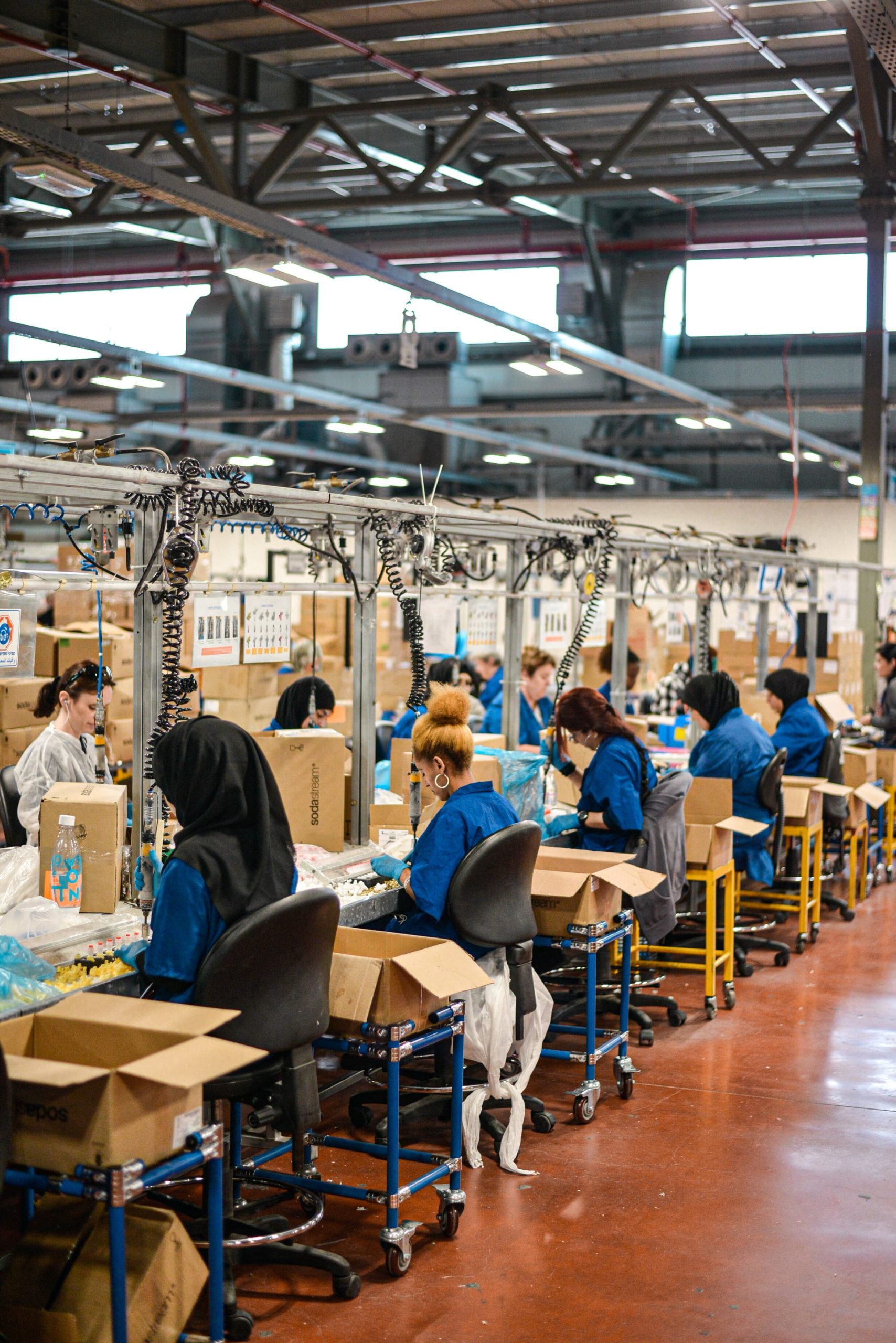
At its heart, Industrial Engineering is about doing things better, smarter, and more effectively. It’s a holistic discipline that considers every facet of an operation, from the smallest motion on an assembly line to the grand design of a global supply chain. Its core principles provide a robust framework for systematic improvement:
- Systems Thinking: IE professionals view organizations as interconnected systems, understanding that optimizing one part in isolation can negatively impact another. This perspective ensures solutions are holistic and sustainable.
- Process Optimization: A relentless focus on identifying and eliminating waste (time, material, energy, effort) within processes to streamline workflows and enhance value creation.
- Human Factors and Ergonomics: Designing workplaces, tools, and tasks to maximize human well-being, efficiency, and safety, recognizing the critical role of the human element in any system.
- Data-Driven Decision Making: Relying on empirical data, statistical analysis, and quantitative methods to diagnose problems, evaluate solutions, and predict outcomes, moving beyond intuition to informed action.
- Continuous Improvement (Kaizen): Fostering a culture where incremental, ongoing improvements are sought at all levels, leading to significant cumulative gains over time.
To put these principles into practice, Industrial Engineers employ a rich toolkit of methodologies:
- Work Study: A foundational technique comprising:
- Method Study: Analyzing existing or proposed methods of working to identify inefficiencies and develop more effective procedures. Tools include process charts, flow diagrams, spaghetti diagrams, and value stream mapping (VSM).
- Work Measurement: Determining the time required for a qualified worker to perform a specified job at a defined level of performance. Techniques involve time studies (often adhering to standards like those found in ANSI/ASME for data collection and analysis), predetermined motion time systems (PMTS) like Methods-Time Measurement (MTM) or Work-Factor (WF), and standard data.
- Operations Research (OR): Utilizing advanced analytical methods to make better decisions. This includes:
- Mathematical Modeling: Formulating real-world problems into mathematical equations.
- Simulation: Creating virtual models of systems (e.g., discrete-event simulation using software like Arena or AnyLogic) to test “what-if” scenarios without disrupting actual operations.
- Optimization: Employing techniques like linear programming, integer programming, and network flow algorithms to find the best possible solution among a set of alternatives.
- Lean Manufacturing: A systematic approach to eliminating waste (Muda) and creating value. Key concepts include Just-In-Time (JIT) production, Kanban systems for pull-based material flow, Poka-Yoke (error-proofing), and 5S (Sort, Set in order, Shine, Standardize, Sustain) for workplace organization. Adherence to principles outlined in standards like ISO 18404:2015 for Lean and Six Sigma helps standardize implementation.
- Six Sigma: A data-driven methodology for eliminating defects and reducing variability in processes. It follows the DMAIC (Define, Measure, Analyze, Improve, Control) roadmap and leverages statistical process control (SPC), design of experiments (DOE), and metrics like Defects Per Million Opportunities (DPMO) and process capability index (Cpk) to achieve near-perfect quality levels. ISO 13053-1:2014 provides guidance on quantitative methods in Six Sigma.
- Ergonomics and Human Factors Engineering: Applying principles of human capabilities and limitations to the design of equipment, systems, and environments. This ensures designs are safe, comfortable, and efficient for users, often guided by international standards such as ISO 9241 for human-system interaction.
- Facility Layout and Material Handling: Designing efficient layouts for production facilities and optimizing the movement, storage, and control of materials throughout the manufacturing process, often using systematic layout planning (SLP) and advanced material handling systems like Automated Guided Vehicles (AGVs) and Automated Storage/Retrieval Systems (AS/RS).
The Data-Driven Industrial Engineer: Leveraging Analytics and Digital Tools
The modern Industrial Engineer operates at the nexus of physical processes and digital intelligence. The advent of Industry 4.0 technologies has profoundly transformed the IE landscape, providing unprecedented opportunities for optimization and innovation.
- Big Data and Advanced Analytics: IE professionals leverage vast datasets generated from manufacturing operations to identify patterns, predict failures, and optimize performance. This includes:
- Predictive Maintenance: Analyzing sensor data to anticipate equipment breakdowns, minimizing downtime and maintenance costs.
- Quality Control: Real-time monitoring of production parameters to detect and prevent defects, improving First Pass Yield (FPY).
- Demand Forecasting: Using historical data and machine learning models to accurately predict future demand, optimizing inventory levels and production schedules.
- Simulation Software: Tools like Arena, AnyLogic, and FlexSim are indispensable for modeling complex systems, identifying bottlenecks, evaluating alternative layouts, and optimizing resource allocation without disrupting live production. These simulations can run countless “what-if” scenarios, providing data-backed insights for decision-making.
- Digital Twins: Creating virtual replicas of physical assets, processes, or entire factories allows for real-time monitoring, performance analysis, and predictive capabilities. Industrial Engineers use digital twins for virtual commissioning, remote diagnostics, and continuous process optimization.
- Internet of Things (IoT) & Sensor Technology: Networked sensors embedded in machinery, products, and environments collect granular data on temperature, vibration, energy consumption, and more. This IoT data forms the backbone for many IE analyses, enabling real-time visibility and control.
- Artificial Intelligence (AI) & Machine Learning (ML): AI algorithms are increasingly used for:
- Optimization: Solving complex scheduling, routing, and resource allocation problems that are beyond traditional methods.
- Anomaly Detection: Identifying unusual patterns in operational data that might indicate impending failures or quality issues.
- Predictive Quality: Forecasting product quality based on in-process parameters, allowing for proactive adjustments.
- Robotics & Automation: Industrial Engineers design and integrate robotic systems, including collaborative robots (cobots) and Autonomous Mobile Robots (AMRs), to enhance productivity, improve safety, and handle repetitive or hazardous tasks. Their role ensures seamless integration with human workers and existing processes.
- Enterprise Resource Planning (ERP) & Manufacturing Execution Systems (MES): IE principles guide the implementation and optimization of these critical enterprise systems, ensuring data integrity, process alignment, and real-time operational visibility. MES systems, for instance, provide the critical link between the shop floor and the enterprise level, enabling detailed production tracking and control, with performance metrics often aligned with standards like ISO 22400-2:2014.
Performance Metrics and Standards: Quantifying Excellence
A hallmark of Industrial Engineering is its commitment to quantifiable improvement. IE professionals rely on a robust set of Key Performance Indicators (KPIs) and adhere to stringent industry standards to measure, monitor, and manage operational excellence.
Key Performance Indicators (KPIs) include:
- Productivity:
- Overall Equipment Effectiveness (OEE): A composite metric reflecting equipment availability, performance efficiency, and quality rate. An OEE of 85% is often considered world-class for discrete manufacturing.
- Throughput: The rate at which products or services are processed through a system.
- Cycle Time: The total time required to complete a process from start to finish.
- Takt Time: The rate at which products need to be produced to meet customer demand.
- Quality:
- Defects Per Million Opportunities (DPMO): A Six Sigma metric indicating the number of defects found per million opportunities for a defect to occur.
- First Pass Yield (FPY): The percentage of units that pass through a process step correctly the first time, without rework or scrap.
- Customer Return Rate: The percentage of products returned by customers due to quality issues.
- Process Capability Index (Cpk): Measures how close a process is running to its specification limits relative to the natural variability of the process.
- Cost:
- Cost Per Unit: The total cost incurred to produce a single unit of product.
- Inventory Turnover: How many times inventory is sold or used in a period, indicating inventory efficiency.
- Labor Cost Per Unit: Direct labor expenses associated with producing one unit.
- Lead Time: The total time from the initiation of an order to its completion and delivery, a critical measure of responsiveness.
- Safety:
- Lost Time Injury Rate (LTIR): The number of injuries resulting in lost workdays per number of hours worked.
- Near Miss Rate: The frequency of incidents that could have resulted in injury or damage but did not.
- Sustainability:
- Energy Consumption Per Unit: Energy used to produce one unit of product.
- Waste Reduction Percentage: The proportion of waste material reduced or diverted from landfills.
Relevant Standards: Adherence to international and industry-specific standards ensures consistency, quality, and safety across operations:
- ISO 9001: The international standard for Quality Management Systems (QMS), ensuring organizations consistently provide products and services that meet customer and regulatory requirements.
- ISO 14001: The international standard for Environmental Management Systems (EMS), helping organizations manage their environmental responsibilities in a systematic manner.
- ISO 45001: The international standard for Occupational Health and Safety Management Systems (OHSMS), providing a framework for managing risks and opportunities to prevent work-related injury and ill health.
- ANSI Z590.3: The American National Standard for Prevention Through Design (PtD), guiding the integration of hazard prevention and risk reduction methods early in the design process.
- AS9100: The standard for quality management systems specific to the aerospace industry, building upon ISO 9001 with additional requirements for safety, reliability, and regulatory compliance.
- OPC UA (Open Platform Communications Unified Architecture): A machine-to-machine communication standard crucial for interoperability in Industry 4.0 environments, enabling seamless data exchange between diverse manufacturing equipment and systems.
Real-World Applications Across Mitsubishi Manufacturing Operations

Industrial Engineering principles are woven into the fabric of Mitsubishi Manufacturing’s diverse global operations, driving efficiency and innovation across various sectors.
- Automotive Manufacturing:
- Assembly Line Balancing: IE optimizes the distribution of tasks among workstations to achieve the desired Takt Time, minimizing idle time and maximizing throughput for vehicle production.
- Ergonomic Workstation Design: Applying ISO 9241 and ANSI Z590.3 principles to design assembly stations that reduce physical strain, prevent musculoskeletal disorders, and enhance worker productivity and safety.
- Supply Chain Optimization: Implementing Just-In-Time (JIT) delivery systems for thousands of components, supported by advanced inventory management and logistics planning to minimize holding costs and ensure continuous production.
- Quality Control and Six Sigma: Utilizing statistical process control (SPC) and Six Sigma methodologies to reduce defects in critical processes like paint application, welding, and final assembly, aiming for DPMO levels below 3.4.
- Predictive Maintenance: Deploying IoT sensors and AI algorithms on robotic welders and stamping presses to predict component failure, scheduling maintenance proactively to avoid costly unplanned downtime.
- Aerospace Components:
- High-Precision Machining Process Optimization: Using simulation and operations research to optimize tool paths, cutting parameters, and machine utilization for complex, high-value components, minimizing material waste and cycle times.
- Material Utilization and Scrap Reduction: Implementing nesting software and advanced material planning techniques to maximize yield from expensive raw materials like titanium and composites, adhering to AS9100 quality standards.
- Complex Assembly Sequencing: Developing optimized assembly sequences for intricate aerospace structures, ensuring proper fit, form, and function while minimizing rework.
- Quality Assurance and Traceability: Designing robust quality gates and implementing digital traceability systems (e.g., blockchain for parts) to meet stringent AS9100 requirements and regulatory compliance.
- Heavy Machinery & Industrial Equipment:
- Large-Scale Facility Layout: Employing Systematic Layout Planning (SLP) to design efficient material flow for heavy components, minimizing travel distances and crane movements in vast fabrication and assembly halls.
- Inventory Management: Optimizing inventory levels for diverse spare parts and large sub-assemblies, using advanced forecasting models and warehouse management systems to ensure availability without excessive holding costs.
- Field Service Optimization: Applying OR techniques for technician scheduling and routing, improving response times and efficiency for global heavy equipment maintenance.
- Energy Efficiency: Analyzing and optimizing energy consumption in high-energy processes like metal forming and heat treatment, aligning with ISO 14001 goals.
- Electronics & Advanced Materials:
- Cleanroom Process Optimization: Designing and optimizing workflows within highly controlled cleanroom environments to minimize contamination risks and maximize yield in semiconductor or display panel manufacturing.
- Micro-Assembly and Error Proofing: Implementing Poka-Yoke techniques and automation for precision micro-assembly, ensuring quality and reducing human error in high-volume electronics production.
- Yield Improvement: Using Six Sigma and statistical analysis to identify and address root causes of yield loss in complex material processing or component fabrication.
- Automation Integration: Seamlessly integrating high-speed robotics and automated inspection systems to achieve high throughput and consistent quality in mass production.
- Supply Chain & Logistics:
- Warehouse Optimization: Designing optimal warehouse layouts, picking strategies (e.g., zone picking, wave picking), and deploying AS/RS for maximum storage density and retrieval efficiency.
- Transportation Network Design: Using mathematical modeling to optimize freight routes, consolidate shipments, and select efficient modes of transport, reducing logistics costs and carbon footprint.
- Inventory Control: Implementing advanced inventory policies (e.g., Economic Order Quantity, safety stock calculations) across global distribution networks to balance service levels with inventory costs.
- Supply Chain Risk Management: Developing resilient supply chain strategies, including supplier diversification and contingency planning, to mitigate disruptions and ensure operational continuity.
The Future of Industrial Engineering: Navigating Industry 4.0 and Beyond
The role of Industrial Engineering is not static; it is continually evolving, adapting to technological advancements and global challenges. As we look towards 2026 and beyond, IE will be at the forefront of shaping the next generation of manufacturing.
- Integration of Cyber-Physical Systems (CPS): Industrial Engineers will be crucial in designing, implementing, and optimizing smart factories where physical and digital systems are seamlessly integrated. This includes orchestrating the flow of data from sensors to cloud platforms, enabling real-time decision-making and autonomous operations.
- Human-Robot Collaboration: With the rise of cobots and advanced automation, IE professionals will focus on designing safe, efficient, and ergonomic human-robot collaborative workspaces, maximizing the combined strengths of humans and machines. This involves defining interaction protocols and ensuring human comfort and safety in shared environments.
- Sustainability and Circular Economy: IE will play an increasingly vital role in designing sustainable manufacturing systems. This includes optimizing resource efficiency, minimizing waste generation, implementing circular economy principles (e.g., remanufacturing, recycling, product-as-a-service models), and conducting comprehensive lifecycle assessments to reduce environmental impact, aligning with stringent environmental standards like ISO 14001.
- Resilience Engineering: In an era of increasing global volatility (e.g., supply chain disruptions, geopolitical events), Industrial Engineers will focus on designing robust and adaptive systems that can withstand shocks and recover quickly. This involves developing resilient supply chain networks, implementing flexible production systems, and incorporating risk management strategies into operational design.
- Digital Transformation Leadership: IE professionals are uniquely positioned to lead digital transformation initiatives within manufacturing. Their holistic understanding of processes, data, and technology makes them ideal catalysts for integrating AI, IoT, and advanced analytics into core operational strategies. They translate technological potential into tangible business value.
- Ethical AI in Manufacturing: As AI becomes more pervasive, Industrial Engineers will also need to consider the ethical implications of their designs and optimizations, ensuring fairness, transparency, and accountability in AI-driven decision-making processes.