
The Just-In-Time Manufacturing Guide 2026: Precision, Agility, and Digital Integration
Revisiting JIT Fundamentals in a Digital Era
At its core, Just-In-Time manufacturing is about producing exactly what is needed, when it is needed, and in the quantity needed, thereby eliminating waste in all its forms. This fundamental principle—often summarized as “the right part, at the right time, in the right amount”—is more relevant than ever. In 2026, JIT transcends simple inventory reduction; it embodies a holistic operational philosophy centered on continuous flow, demand-pull systems, and unwavering quality. The seven wastes (Muda) identified in lean manufacturing—overproduction, waiting, unnecessary transport, over-processing, excess inventory, unnecessary motion, and defects—remain the primary targets for elimination. However, the methods for identifying and eradicating these wastes have been profoundly transformed by digital technologies.
The pull system, a cornerstone of JIT, dictates that production is initiated only when there is actual demand from the subsequent process or customer. This contrasts sharply with traditional push systems, which often lead to overproduction and inflated inventories. Modern JIT leverages advanced analytics and real-time data to create highly responsive pull systems, ensuring that material flow is precisely synchronized with demand fluctuations. Kanban systems, whether physical cards or digital signals, serve as the visual and digital communication backbone for managing this pull. Furthermore, the concept of “Takt Time”—the rate at which a finished product needs to be completed to meet customer demand—is now calculated with greater precision using predictive analytics, allowing for more accurate production scheduling and resource allocation. The integration of JIT with broader lean principles, such as Value Stream Mapping (VSM), helps organizations visualize the entire production process, identify bottlenecks, and pinpoint areas for improvement, creating a transparent and optimized flow from raw material to finished product.
Technological Enablers for Modern JIT Excellence

The true power of JIT in 2026 lies in its symbiotic relationship with Industry 4.0 technologies. These advancements provide the precision, visibility, and responsiveness necessary to execute JIT strategies with unprecedented efficacy.
* Internet of Things (IoT) and Industrial IoT (IIoT): Sensors embedded in machinery, tools, and inventory throughout the factory floor and supply chain provide real-time data on production status, machine health, material location, and environmental conditions. This granular data enables proactive maintenance, dynamic scheduling adjustments, and precise inventory tracking, fulfilling the “right part, right time” ethos. For instance, smart bins can automatically reorder components when stock levels drop below a predefined threshold, signaling suppliers directly.
* Artificial Intelligence (AI) and Machine Learning (ML): AI algorithms analyze vast datasets from IoT devices, ERP systems, and market trends to predict demand fluctuations with higher accuracy, optimize production schedules, and identify potential supply chain disruptions before they occur. Machine learning models can learn from historical data to refine lead time estimations, improve quality control processes (e.g., visual inspection for defect detection), and optimize routing for internal logistics.
* Digital Twins: A virtual replica of a physical system, process, or product, digital twins allow manufacturers to simulate various production scenarios, test changes to assembly lines, and optimize material flow without disrupting actual operations. This predictive capability is invaluable for fine-tuning JIT processes, identifying potential bottlenecks, and validating improvements before physical implementation.
* Robotics and Automation: Collaborative robots (cobots) and autonomous mobile robots (AMRs) automate repetitive tasks, material handling, and intra-logistics, ensuring a smooth, consistent flow of components and finished goods. AMRs can deliver parts directly to assembly stations precisely when needed, minimizing waiting times and buffer inventories. Automated guided vehicles (AGVs) further streamline material movement, adhering to strict JIT delivery schedules.
* Blockchain Technology: For enhanced supply chain transparency and traceability, blockchain provides an immutable ledger of transactions, material origins, and certifications. This is particularly critical for verifying the quality and ethical sourcing of components, ensuring compliance with standards like ISO 9001 and IATF 16994, and building trust across a multi-tiered supplier network, which is essential for JIT’s reliance on supplier reliability.
* Advanced Planning and Scheduling (APS) Systems: Integrated with ERP and MES, APS systems leverage AI and real-time data to optimize production schedules, synchronize material deliveries, and manage capacity, ensuring that resources are utilized optimally to meet JIT objectives.
Supply Chain Synchronization and Collaborative Ecosystems
The success of JIT hinges critically on the seamless synchronization of the entire supply chain, extending beyond the four walls of the factory. In 2026, this means fostering highly collaborative ecosystems with suppliers, logistics providers, and even customers.
* Supplier Integration and Co-location: Deep partnerships with a select group of reliable suppliers are fundamental. This often involves sharing production forecasts, real-time demand data, and even integrating supplier systems directly into the manufacturer’s ERP. Some manufacturers pursue supplier co-location or establish “supplier parks” in close proximity to their assembly plants to facilitate frequent, small-batch deliveries, drastically reducing transportation lead times and inventory.
* Vendor-Managed Inventory (VMI) and Consignment Stock: In VMI models, suppliers take responsibility for managing inventory levels at the manufacturer’s site, ensuring components are always available without the manufacturer incurring holding costs. Consignment stock takes this further, with the manufacturer only paying for materials as they are consumed, shifting inventory risk to the supplier and aligning incentives for lean operations.
* Real-time Data Exchange and APIs: Secure Application Programming Interfaces (APIs) enable instantaneous data exchange between manufacturers, suppliers, and logistics partners. This includes demand signals, order confirmations, shipping notifications, and quality reports. Such transparency is crucial for dynamic adjustments to production and delivery schedules, minimizing the Bullwhip Effect and ensuring supply chain resilience.
* Logistics Optimization: Leveraging advanced route optimization software, predictive logistics, and potentially even autonomous delivery systems, manufacturers can ensure that materials arrive precisely when needed. Cross-docking facilities, where incoming materials are immediately transferred to outbound shipments without storage, further reduce handling and inventory.
* Standards for Interoperability: Adherence to industry standards for data exchange, such as EDI (Electronic Data Interchange) or newer API-based communication protocols, is vital for creating a truly integrated supply chain. Compliance with quality management system standards like ISO 9001 and industry-specific standards such as IATF 16949 (automotive) or AS9100 (aerospace) ensures a baseline of quality and reliability from all supply chain partners, a non-negotiable for JIT.
Operationalizing JIT: Key Methodologies and Tools

Implementing JIT is not a one-time project but a continuous journey of improvement, supported by specific methodologies and tools designed to streamline processes and eliminate waste.
* Kanban Systems (Digital & Physical): As the primary control mechanism for the pull system, Kanban boards (physical cards) or e-Kanban (digital signals) visually manage work in progress, trigger replenishment orders, and prevent overproduction. E-Kanban systems, integrated with MES and ERP, offer real-time visibility and automated replenishment, significantly enhancing responsiveness.
* Single-Minute Exchange of Die (SMED): This technique focuses on drastically reducing setup times for machinery and equipment, enabling manufacturers to produce in smaller batches economically. By distinguishing between internal (machine stopped) and external (machine running) setup activities and converting internal to external, SMED facilitates frequent changeovers, a prerequisite for JIT’s small-batch production.
* Total Productive Maintenance (TPM): TPM aims to maximize equipment effectiveness throughout its lifecycle. By involving all employees in maintenance activities, TPM reduces breakdowns, increases machine availability, and ensures consistent product quality. This reliability is critical for JIT, as unexpected equipment failures can halt production and disrupt the entire synchronized flow.
* Poka-Yoke (Mistake-Proofing): Designing processes and products to prevent errors or make them immediately obvious. Poka-Yoke devices, such as fixtures that only allow correct part insertion or sensors that detect missing components, are vital for achieving the “zero defects” goal inherent in JIT, as there is little buffer inventory to absorb defective output.
* 5S Methodology: A systematic approach to workplace organization and standardization—Sort, Set in Order, Shine, Standardize, Sustain. A well-organized and clean workspace, as promoted by 5S, is essential for visual management, efficient material flow, and quick identification of problems, all of which support JIT principles.
* Value Stream Mapping (VSM): A visual tool that maps out the entire flow of materials and information required to bring a product or service to a customer. VSM helps identify waste, bottlenecks, and opportunities for improvement within the value stream, guiding JIT implementation efforts.
* A3 Problem Solving: A structured problem-solving approach documented on a single A3-sized paper, enabling a clear, concise summary of the problem, analysis, proposed countermeasures, and action plan. This fosters a culture of continuous improvement (Kaizen), crucial for sustaining JIT benefits.
Measuring Success: Metrics and Standards for JIT Excellence
To ensure JIT initiatives deliver tangible benefits, organizations must establish robust performance measurement systems. Key metrics provide insights into operational efficiency, quality, and responsiveness.
* On-Time Delivery (OTD): Measures the percentage of orders delivered to customers by the promised date. For internal processes, it tracks the timely delivery of components to the next stage. A high OTD is a direct indicator of JIT’s effectiveness in synchronizing production with demand.
* Overall Equipment Effectiveness (OEE): A comprehensive metric that multiplies Availability, Performance, and Quality. OEE measures the percentage of planned production time that is truly productive. High OEE is critical for JIT, as unreliable equipment can cause significant disruptions to a tightly synchronized system.
* Inventory Turnover Rate: Measures how many times inventory is sold or used in a given period. A higher turnover rate indicates efficient inventory management and reduced holding costs, a core JIT objective.
* Lead Time Reduction: Tracks the time from order placement to delivery (customer lead time) or from raw material to finished product (manufacturing lead time). JIT aims for continuous reduction in all forms of lead time.
* Defect Rate (DPPM/DPMO): Measures the number of defective parts per million (DPPM) or defects per million opportunities (DPMO). JIT emphasizes “built-in quality” (Jidoka) and aims for near-zero defects, as there are no buffer inventories to absorb rework or scrap.
* Cost Per Unit: While often not a direct JIT metric, optimized JIT implementation should lead to a reduction in the total cost per unit by minimizing waste, inventory holding costs, and rework.
* Supplier Performance Metrics: Includes on-time delivery from suppliers, quality of incoming materials (e.g., incoming defect rate), and lead time consistency. These are vital for maintaining the integrity of the JIT supply chain.
Relevant Standards and Certifications:
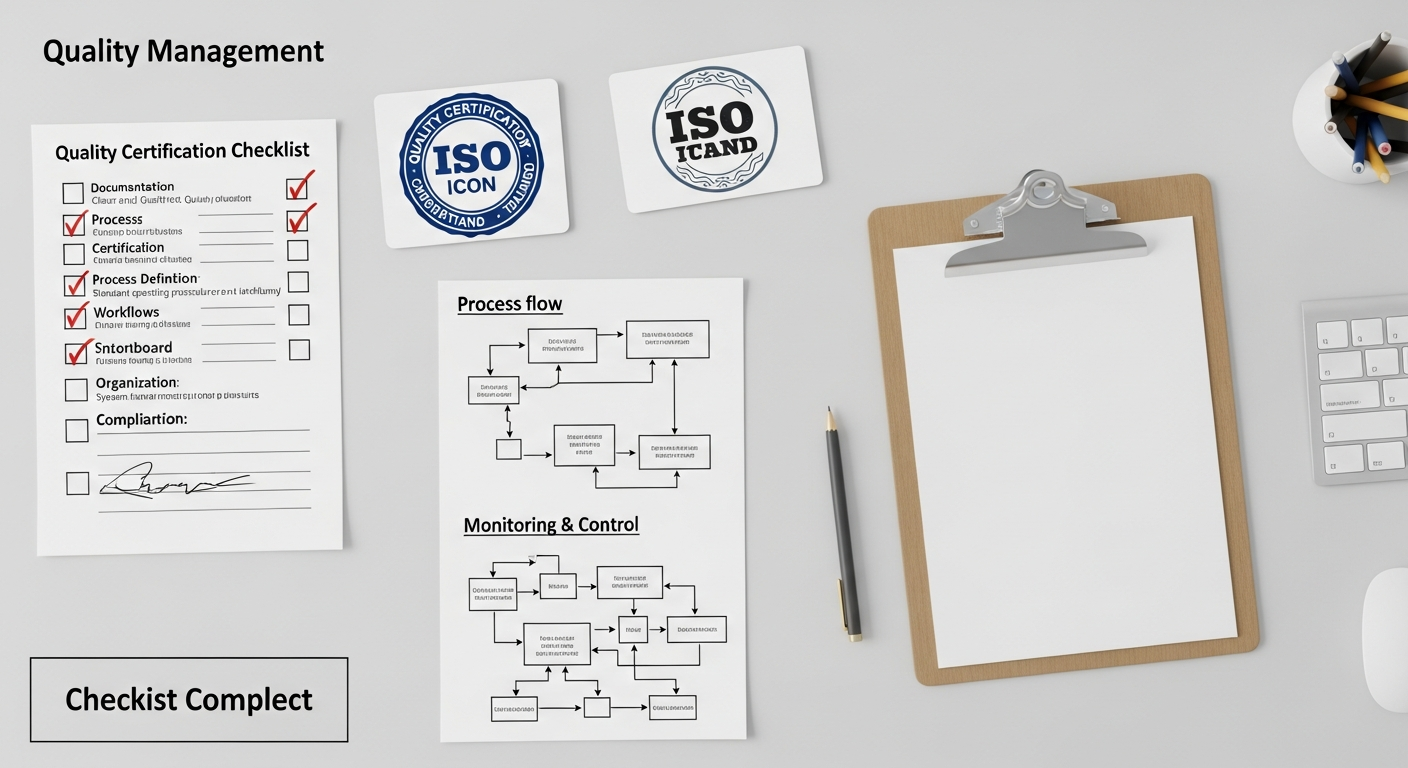
* ISO 9001:2015: The international standard for quality management systems, providing a framework for consistent quality, customer satisfaction, and continuous improvement—all foundational to JIT.
* IATF 16949:2016: A quality management system standard for the automotive industry, which heavily relies on JIT principles and robust supplier quality.
* ANSI/ASQ Z1.4: A standard for sampling procedures for inspection by attributes, ensuring quality control without excessive inspection, aligning with JIT’s emphasis on efficiency.
* VDA Standards (e.g., VDA 6.3): German automotive industry standards for process audits, promoting disciplined quality and process control throughout the supply chain.
Challenges and Strategic Implementation for 2026
While the benefits of JIT are substantial, implementing and sustaining it in 2026 comes with its own set of challenges, particularly amplified by global supply chain volatility.
* Supply Chain Resilience: The lean nature of JIT can expose manufacturers to higher risks during unforeseen disruptions (e.g., natural disasters, geopolitical events, pandemics). Strategic implementation now includes building resilience through multi-sourcing for critical components, maintaining strategic safety stock for high-risk items, and utilizing advanced risk analytics to identify and mitigate vulnerabilities.
* Data Security and Integration: The extensive data exchange required for modern JIT necessitates robust cybersecurity measures to protect sensitive information across the supply chain. Seamless integration of disparate systems (ERP, MES, WMS, supplier portals) is also a significant technical challenge.
* Workforce Development: A successful JIT implementation requires a highly skilled, adaptable, and engaged workforce. Training in lean methodologies, problem-solving techniques, and the use of new digital tools is essential. A culture of continuous improvement and employee empowerment (Jidoka) is paramount.
* Capital Investment: The initial investment in IoT infrastructure, AI/ML platforms, robotics, and advanced software can be substantial. A phased implementation strategy, starting with pilot projects and demonstrating clear ROI, is often advisable.
* Supplier Buy-in: Convincing suppliers to adopt JIT principles and integrate their systems can be challenging. This requires strong leadership, clear communication of mutual benefits, and potentially financial or technical support for key partners.
Strategic Implementation Path:
1. Leadership Commitment & Vision: Define clear objectives for JIT implementation aligned with business strategy.
2. Value Stream Mapping: Identify current state and design future state value streams, highlighting waste and opportunities.
3. Pilot Projects: Start with a manageable area or product line to demonstrate success and learn.
4. Technology Integration: Gradually deploy IoT, AI, and automation solutions where they provide the most impact on JIT goals.
5. Supplier Development: Work closely with key suppliers to integrate processes and data.
6. Continuous Improvement Culture: Foster a mindset of Kaizen, empowering employees to identify and solve problems.
7. Performance Monitoring: Implement a robust system for tracking key JIT metrics and adjusting strategies as needed.
Conclusion
Just-In-Time manufacturing in 2026 is far more than a simple inventory management technique; it is a sophisticated, digitally-enabled operational philosophy that drives precision, agility, and sustainable competitive advantage. By leveraging Industry 4.0 technologies, cultivating deeply integrated supply chain partnerships, and committing to continuous improvement, manufacturers like Mitsubishi Manufacturing can achieve unparalleled levels of efficiency, quality, and responsiveness. The journey to JIT excellence is ongoing, demanding strategic investment, robust technological integration, and an unwavering focus on eliminating waste and maximizing value. For those ready to embrace its modernized principles, JIT offers a clear pathway to operational superiority in the complex manufacturing landscape of today and tomorrow.