
Protecting the Smart Factory: Industrial Cybersecurity Best Practices for 2026
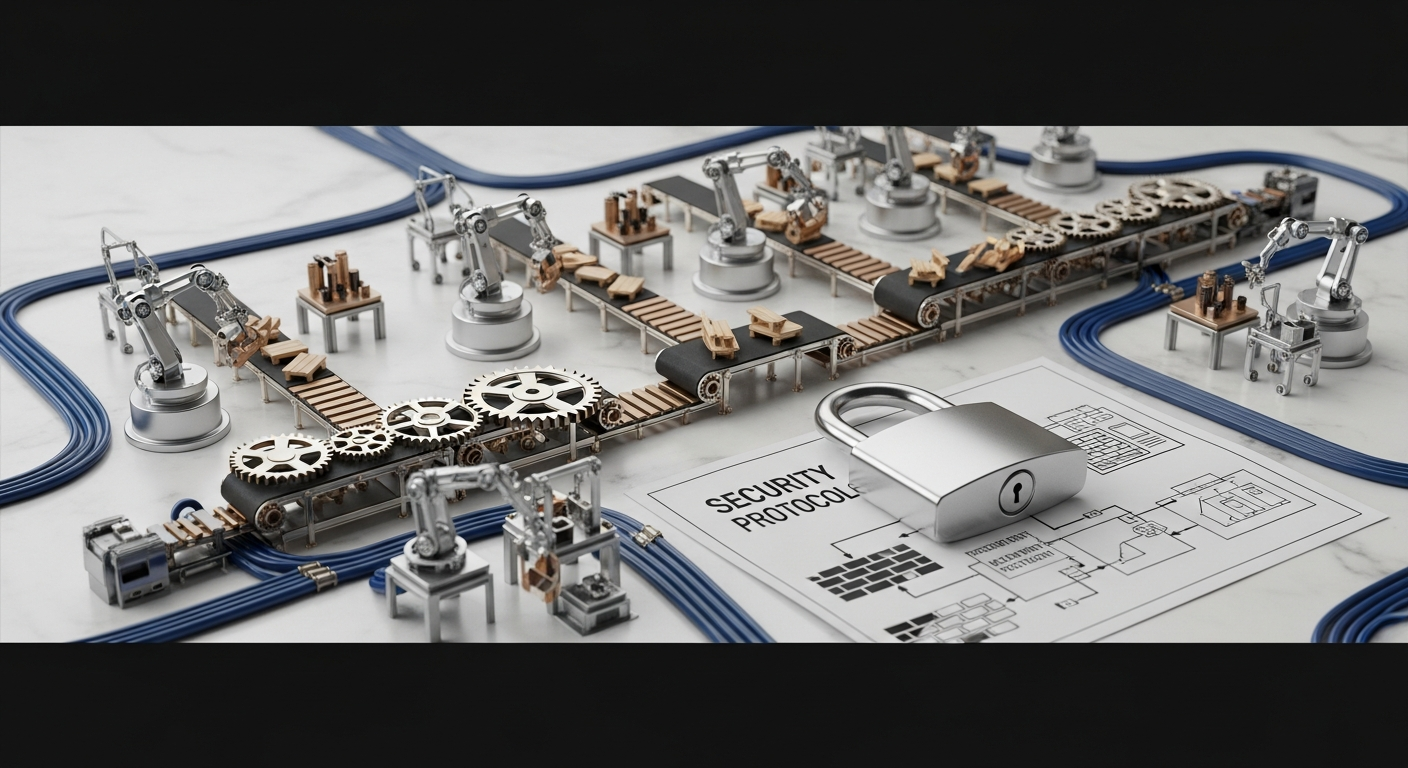
For industrial leaders, understanding and implementing advanced cybersecurity measures is no longer solely an IT concern; it is a fundamental business imperative. Failure to adapt can lead to crippling downtime, environmental hazards, intellectual property theft, and severe financial and reputational damage. This article will equip you with the knowledge to navigate this complex terrain, ensuring your Smart Factory thrives securely into the future.
What is the Evolving Threat Landscape for Smart Factories in 2026?
The interconnected nature of the modern manufacturing environment – from IIoT sensors and robotics to cloud-based analytics and supply chain integration – creates a vast new frontier for cyber threats. In 2026, attackers are no longer just financially motivated opportunists; they include sophisticated nation-state actors seeking industrial espionage, organized crime syndicates deploying ransomware-as-a-service, and even insider threats leveraging privileged access. The consequences of these attacks extend far beyond data breaches, potentially leading to catastrophic physical damage, human casualties, environmental disasters, and massive production halts.
Key attack vectors include:
- Ransomware 2.0: Beyond encrypting data, modern ransomware often exfiltrates sensitive operational data or intellectual property before locking down systems, using the stolen data as leverage for double extortion. Some variants, like those observed in recent years targeting critical infrastructure, can specifically target and disable OT systems.
- Supply Chain Attacks: Compromising a less secure vendor or partner in the supply chain to gain access to a larger, more secure target. The SolarWinds attack is a stark reminder of how a single vulnerability can ripple through countless organizations. For manufacturers, this could mean malicious code embedded in software updates for industrial control systems (ICS) or compromised components.
- State-Sponsored Espionage and Sabotage: Nation-states are increasingly targeting industrial control systems to gain economic advantage, steal proprietary designs, or prepare for potential future conflicts. These attacks are often highly targeted, persistent, and utilize zero-day exploits.
- Insider Threats: Disgruntled employees, negligent contractors, or unwitting staff can inadvertently (or intentionally) provide access points for attackers, whether through sharing credentials, downloading malicious software, or bypassing security protocols.
- IIoT Vulnerabilities: A proliferation of interconnected devices, many with weak default security settings, unpatched vulnerabilities, or limited lifecycle support, creates numerous entry points. Edge devices, often deployed remotely, are particularly susceptible.
Actionable Tip: Implement continuous threat intelligence monitoring tailored specifically for OT environments. Subscribe to industry-specific threat feeds (e.g., from CISA, ISA, or specialized cybersecurity firms) and integrate them into your security information and event management (SIEM) systems to proactively identify emerging threats relevant to your industrial control systems and manufacturing processes.
How to Establish a Robust Cybersecurity Foundation: People, Process, Technology?
Effective industrial cybersecurity is not merely about deploying advanced technology; it hinges on a holistic approach that integrates people, processes, and technology. This foundational triad ensures a resilient defense against the multifaceted threats facing Smart Factories.
People: The Human Element in Defense
Your workforce is both your first line of defense and potentially your greatest vulnerability. Comprehensive security awareness training is non-negotiable. This training must extend beyond basic phishing recognition to include specific OT security protocols, safe handling of industrial data, and the importance of reporting suspicious activities. Regular refreshers, interactive simulations, and role-based training are crucial. Furthermore, fostering a security-first culture where every employee understands their role in protecting the organization is vital. This includes training on the principle of least privilege, ensuring employees only have access to the systems and data necessary for their roles.
Process: Defined and Disciplined Operations
Robust security processes provide the framework for consistent and effective cybersecurity. These include:
- Incident Response Plan (IRP): A well-defined, regularly tested plan for identifying, containing, eradicating, and recovering from cyber incidents in both IT and OT environments. This plan should detail communication strategies, roles, responsibilities, and decision-making matrices.
- Patch Management: A structured approach to identifying, testing, and deploying security patches for all hardware and software, with specific considerations for OT systems that may require extensive testing or scheduled downtime.
- Access Control Policies: Implementing stringent policies based on the principle of least privilege (PoLP) and segregation of duties. Multi-factor authentication (MFA) should be mandatory for accessing critical systems, especially those connected to OT networks.
- Change Management: Formalized procedures for any modifications to hardware, software, or network configurations, ensuring security implications are assessed and approved before implementation.
- Regular Audits and Assessments: Periodic vulnerability assessments, penetration testing, and compliance audits to identify weaknesses and ensure adherence to security policies and regulatory requirements.
Technology: Layered Defenses
Strategic deployment of technology forms the backbone of a strong security posture. This includes:
- Network Segmentation and Zoning: Dividing networks into smaller, isolated segments (e.g., corporate IT, manufacturing execution systems, specific production lines, DMZ for remote access) with firewalls and intrusion prevention systems (IPS) controlling traffic between them. This limits the lateral movement of attackers.
- Endpoint Protection: Advanced antivirus, anti-malware, and endpoint detection and response (EDR) solutions on all IT endpoints and, where possible, on OT devices after careful compatibility testing.
- Secure Remote Access: Utilizing VPNs with strong encryption and MFA for all remote access to industrial systems, ideally through a secure demilitarized zone (DMZ).
- Data Encryption: Encrypting sensitive data at rest and in transit, especially intellectual property and personal identifiable information (PII).
- Security Information and Event Management (SIEM): Centralized logging and monitoring of security events from both IT and OT systems to detect anomalies and potential threats in real time.
For instance, Mitsubishi Manufacturing itself recently updated its internal security protocols, requiring all employees, from the shop floor to the executive suite, to complete quarterly cybersecurity awareness training modules that include interactive simulations of phishing attacks and social engineering attempts. This proactive measure significantly reduced successful phishing attempts by 40% in the last year, demonstrating the power of continuous education.
Actionable Tip: Develop and regularly test a comprehensive incident response plan that specifically addresses OT environments. This plan should include clear communication protocols, designated teams (IT, OT, legal, PR), and pre-approved steps for isolating compromised systems while maintaining critical operations where possible. Conduct tabletop exercises at least twice a year to ensure all stakeholders understand their roles and responsibilities.
How to Bridge the OT/IT Divide with Unified Security Strategies?
The convergence of Operational Technology (OT) and Information Technology (IT) networks is a hallmark of the Smart Factory, bringing immense benefits in terms of data analytics, predictive maintenance, and operational efficiency. However, it also introduces significant cybersecurity challenges due to the fundamental differences in their design, priorities, and vulnerabilities. OT systems, such as SCADA, DCS, and PLCs, are often built on proprietary protocols, have long lifecycles, and prioritize availability and real-time operations over traditional IT security tenets like confidentiality and integrity. Bridging this divide requires a unified security strategy that respects these distinctions while fostering seamless collaboration.
The traditional “air gap” between OT and IT is largely a myth in modern factories, replaced by increasingly interconnected systems. This interconnectivity creates new attack vectors where a breach in the IT network can quickly propagate to critical OT infrastructure. To counter this, organizations must:
- Develop an Integrated OT/IT Security Policy: This policy should clearly define roles, responsibilities, and governance structures for cybersecurity across both domains. It should address common standards for risk assessment, vulnerability management, access control, and incident response, adapted for the specific needs of OT.
- Implement Deep Network Segmentation: Go beyond a simple IT/OT firewall. Implement granular segmentation within the OT network itself, creating “zones” (e.g., control network, safety systems, specific production lines) separated by industrial-grade firewalls, data diodes, or unidirectional gateways. This limits lateral movement within the OT environment and restricts IT-originated traffic to only essential communication paths.
- Centralized Visibility and Monitoring: Deploy tools that provide unified visibility into both IT and OT network traffic and system logs. Security Information and Event Management (SIEM) systems should ingest data from ICS, PLCs, historians, and other OT sources, correlating it with IT logs to detect anomalies that might indicate a sophisticated attack crossing the IT/OT boundary. Specialized OT security platforms can greatly aid in this, offering deep packet inspection for industrial protocols.
- Secure Remote Access: Any remote access to OT systems must be strictly controlled, using strong multi-factor authentication, jump servers, and secure gateways. Access should be logged, monitored, and time-limited, adhering to the principle of least privilege.
- Cross-Functional Teams: Establish joint IT and OT cybersecurity teams with shared understanding and objectives. IT professionals bring expertise in network security and threat intelligence, while OT engineers provide invaluable knowledge of industrial processes, critical assets, and system limitations. Regular training and knowledge sharing are essential.
Many organizations are now deploying unidirectional gateways, often called data diodes, as a robust measure to ensure that data flows only from OT to IT, preventing any direct ingress into the critical control network from the enterprise side. This hardens the perimeter of the most sensitive OT zones. For example, a recent project at a large chemical plant involved installing data diodes to securely transmit real-time process data from the plant’s DCS to the corporate data analytics platform, while completely isolating the DCS from any potential threats originating in the IT network.
Actionable Tip: Conduct a thorough asset inventory and network architecture review for both your IT and OT environments. Identify all interconnection points, data flows, and potential vulnerabilities. Based on this, design and implement a detailed network segmentation strategy, starting with critical OT assets, using industrial firewalls and potentially data diodes to enforce strict communication policies.
How to Implement Zero Trust Architectures in Industrial Environments?
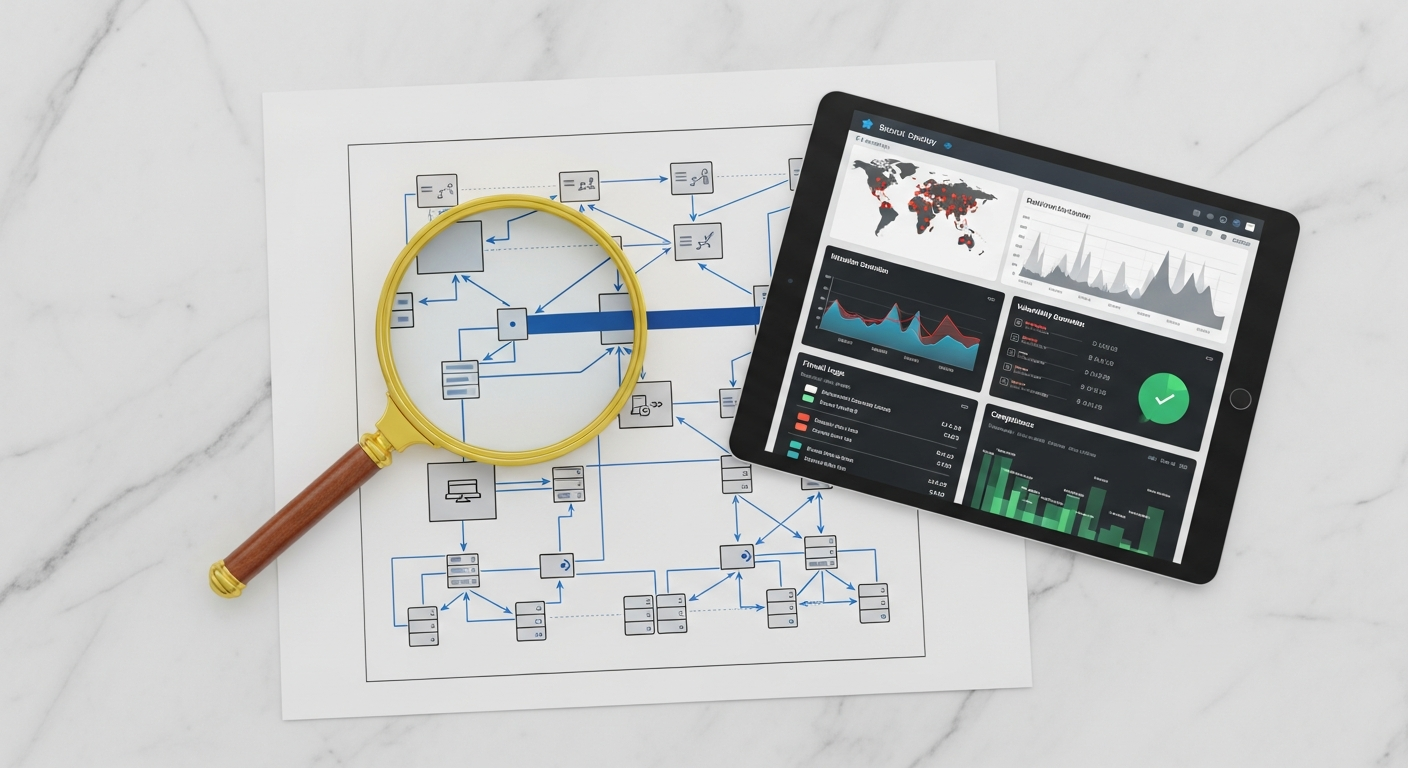
The Zero Trust security model, built on the principle of “never trust, always verify,” represents a paradigm shift from traditional perimeter-based security. Instead of assuming everything inside the network is trustworthy, Zero Trust mandates continuous verification of every user, device, and application attempting to access resources, regardless of their location. While challenging to implement in complex industrial environments, its adoption is becoming an industrial cybersecurity best practice for 2026, offering unparalleled protection against evolving threats.
Applying Zero Trust to OT requires a nuanced approach, given the unique constraints of industrial control systems, legacy equipment, and the paramount need for operational uptime. Key components of Zero Trust for Smart Factories include:
- Micro-segmentation: This is a cornerstone of Zero Trust. Instead of broad network segments, micro-segmentation divides networks into tiny, isolated zones – down to individual devices or applications – with granular policies controlling traffic between them. In an OT context, this means isolating PLCs, HMIs, and specific sensor arrays, ensuring they can only communicate with approved, necessary counterparts. This significantly limits an attacker’s ability to move laterally once inside the network.
- Strong User and Device Authentication: Every human and machine attempting to access an industrial resource must be authenticated and authorized. This goes beyond simple passwords, often requiring multi-factor authentication (MFA) for human users and certificate-based authentication or secure hardware modules for devices (e.g., Trusted Platform Modules – TPMs). Continuous authentication, where access is re-verified periodically or based on behavioral anomalies, is also crucial.
- Least Privilege Access: Users and devices should only be granted the minimum necessary permissions to perform their specific functions, for the shortest possible duration. This principle is vital in OT, where elevated privileges can lead to catastrophic operational errors or malicious manipulation.
- Continuous Monitoring and Validation: All network traffic, system logs, and user activities must be continuously monitored for suspicious behavior. Security analytics and threat intelligence platforms play a crucial role in detecting anomalies that could indicate a compromise or unauthorized activity, triggering immediate re-authentication or policy enforcement.
- Policy-Based Access Control: Access decisions are made dynamically based on a comprehensive set of attributes, including user identity, device posture (e.g., patched, secure configuration), location, time of day, and the sensitivity of the resource being accessed.
Implementing Zero Trust in OT requires careful planning and often a phased approach. Legacy systems, which may not support modern authentication protocols, present a particular challenge. Solutions often involve using secure gateways or proxies that can enforce Zero Trust policies for these older devices without modifying the devices themselves. For example, a large automotive parts manufacturer recently piloted a Zero Trust initiative by segmenting its robotic welding cells. Each cell, comprising multiple robots and controllers, was isolated into its own micro-segment, and all inter-cell communication and external access required explicit, verified authorization, significantly reducing the blast radius of any potential attack.
Actionable Tip: Begin your Zero Trust journey by identifying the most critical OT assets (e.g., safety instrumented systems, primary controllers). Design and implement micro-segmentation for these assets first, using granular firewall rules and industrial security gateways. Simultaneously, enforce multi-factor authentication for all human access to these critical systems, even from within the internal network.
How to Leverage Advanced Technologies: AI, ML, and Threat Intelligence for Cybersecurity?
As cyber threats become more sophisticated and numerous, traditional signature-based security tools are often insufficient. Smart Factories in 2026 must leverage advanced technologies like Artificial Intelligence (AI) and Machine Learning (ML), and comprehensive threat intelligence to detect, predict, and respond to threats with unprecedented speed and accuracy. These technologies move cybersecurity from a reactive posture to a proactive and predictive one.
AI and Machine Learning for Anomaly Detection
AI and ML algorithms are exceptionally skilled at processing vast amounts of data – far more than human analysts can manage – to identify subtle patterns and deviations from normal behavior. In an industrial context, this means:
- Behavioral Analytics: ML models can establish baselines for normal network traffic, process parameters (e.g., temperature, pressure, motor speeds from SCADA), user behavior, and device communication patterns. Any significant deviation can trigger an alert, indicating a potential compromise, misconfiguration, or malicious activity. For example, an ML system might flag unusual communication between a PLC and an external IP address, or abnormal command sequences sent to a robot.
- Predictive Threat Detection: By analyzing historical attack data and current threat intelligence, AI can identify potential vulnerabilities and predict likely attack vectors, allowing organizations to patch systems or reinforce defenses before an attack materializes.
- Malware Analysis: AI-powered tools can quickly analyze unknown files and code for malicious intent, identifying zero-day threats that traditional antivirus solutions might miss.
The Power of Global Threat Intelligence
Threat intelligence provides context and foresight, enabling organizations to understand who is likely to attack them, how they might do it, and what indicators of compromise (IoCs) to look for. For industrial cybersecurity, this includes:
- Industry-Specific Feeds: Subscribing to threat intelligence feeds focused on critical infrastructure and manufacturing, such as those provided by government agencies (e.g., CISA’s ICS advisories) or specialized cybersecurity firms. These feeds provide timely information on vulnerabilities in ICS/OT devices, new malware targeting industrial systems, and common attack campaigns.
- Proactive Vulnerability Management: Threat intelligence helps prioritize patching efforts by highlighting which vulnerabilities are actively being exploited in the wild or are relevant to specific industrial equipment.
- Automated Indicator Matching: Integrating threat intelligence platforms with SIEM and endpoint detection and response (EDR) systems allows for automated scanning of logs and network traffic for known IoCs, enabling rapid detection of ongoing attacks.
Automated Incident Response and Orchestration (SOAR)
Security Orchestration, Automation, and Response (SOAR) platforms leverage AI/ML and threat intelligence to automate repetitive security tasks, streamline incident response workflows, and accelerate remediation. When an anomaly is detected, a SOAR platform can automatically:
- Block suspicious IP addresses.
- Isolate compromised endpoints or network segments.
- Trigger alerts to security teams.
- Gather additional forensic data.
- Initiate containment measures based on predefined playbooks.
This automation significantly reduces the time from detection to response, which is crucial in OT environments where every second of downtime can be costly or dangerous. Mitsubishi Manufacturing has invested in an advanced SOAR platform that integrates with its OT security sensors. This system recently identified an unusual command sequence targeting a robotic arm, flagged it as anomalous via ML, and automatically isolated the robot’s network segment within seconds, preventing potential physical damage and production disruption.
Actionable Tip: Pilot an AI-powered behavioral anomaly detection solution specifically designed for OT networks. Start by monitoring critical industrial processes and network segments, allowing the AI to establish baseline behaviors. Integrate this solution with your existing SIEM for centralized alerting and analysis, enabling your security team to respond to genuine threats identified by the AI.
Why is Proactive Incident Response and Business Continuity Planning Essential?
Even with the most robust preventative measures and advanced detection systems, cyber incidents are an unfortunate inevitability in today’s threat landscape. The true measure of an organization’s industrial cybersecurity resilience lies not in preventing every single attack, but in its ability to rapidly detect, respond to, and recover from breaches with minimal impact on operations. Proactive incident response and comprehensive business continuity planning are essential industrial cybersecurity best practices for 2026.
Developing a Comprehensive Incident Response Plan (IRP)
An IRP is not merely a document; it’s a living framework that guides your organization through the chaos of a cyberattack. Key elements include:
- Preparation: This phase involves establishing an incident response team (IRT) with clear roles and responsibilities (IT, OT, legal, communications, executives), acquiring necessary tools, and developing playbooks for various types of incidents (e.g., ransomware, unauthorized access, denial of service).
- Identification: Mechanisms for early detection, including SIEM alerts, IDS/IPS notifications, employee reports, and vendor intelligence. The goal is to quickly confirm an incident and its scope.
- Containment: Actions to limit the damage and prevent spread. This might involve isolating affected systems, segmenting networks, or shutting down specific processes. This phase is particularly critical and challenging in OT, where immediate shutdowns can have physical safety or operational continuity implications.
- Eradication: Removing the root cause of the incident, such as patching vulnerabilities, removing malware, or expelling attackers from the network.
- Recovery: Restoring affected systems and data to normal operations. This includes restoring from secure backups, rebuilding systems, and thoroughly testing functionality before bringing assets back online.
- Post-Incident Analysis (Lessons Learned): A critical step to understand what happened, why it happened, and how to prevent similar incidents in the future. This feedback loop strengthens future defenses.
Business Continuity and Disaster Recovery (BCDR) for OT
While the IRP focuses on cyber threats, BCDR planning encompasses a broader range of disruptions. For Smart Factories, BCDR must specifically address the unique requirements of OT:
- Redundancy and Resilience: Building redundancy into critical OT systems (e.g., redundant PLCs, network paths, power supplies) to ensure operations can continue even if one component fails or is compromised.
- Secure and Tested Backups: Regular, isolated, and tested backups of all critical OT software, firmware, configuration files, and data. These backups should ideally be stored offline or in immutable storage to protect against ransomware. A common industrial cybersecurity best practice is the “3-2-1 rule”: three copies of your data, on two different media, with one copy offsite.
- Manual Overrides and Safe Modes: Ensuring that critical industrial processes can be operated safely in a degraded or manual mode if automated control systems are compromised. This is paramount for safety and maintaining minimal production.
- Supply Chain Preparedness: Understanding and planning for the potential cybersecurity incidents within your supply chain that could impact your operations. This includes having alternative suppliers and communication plans.
Annual, full-scale incident response drills and tabletop exercises, involving both IT and OT teams, are indispensable. These simulations allow teams to practice their roles, identify weaknesses in the plan, and improve coordination under pressure. For instance, Mitsubishi Manufacturing conducts biannual “Purple Team” exercises where ethical hackers (Red Team) simulate attacks on its Smart Factory environment, and the IT/OT incident response teams (Blue Team) work to detect and mitigate them. These exercises have been instrumental in refining our incident response playbooks and reducing recovery times.
Actionable Tip: Schedule and conduct at least one comprehensive incident response tabletop exercise per year, focusing specifically on a ransomware attack scenario targeting your OT environment. Ensure participation from IT, OT, executive leadership, legal, and communications teams. Use the exercise to identify gaps in your current plan, communication strategies, and recovery procedures.
Conclusion: How to Build a Resilient Future for the Smart Factory?
The journey towards a truly resilient Smart Factory is continuous, requiring unwavering commitment and adaptation to an ever-evolving threat landscape. As industrial technologies advance, so too do the sophistication and persistence of cyber adversaries. By embracing the industrial cybersecurity best practices outlined in this guide – from establishing robust foundations and bridging the IT/OT divide to implementing Zero Trust and leveraging advanced AI – manufacturers can transform their vulnerabilities into strategic strengths.
Cybersecurity is no longer a peripheral concern; it is a core component of operational excellence, competitive advantage, and business continuity in the era of Industry 4.0. Prioritizing security ensures not only the protection of your physical assets and intellectual property but also the safety of your workforce and the trust of your customers. Mitsubishi Manufacturing is committed to fostering a secure and innovative industrial future. We encourage all leaders in the manufacturing sector to critically assess their current security posture, invest in comprehensive defense strategies, and foster a culture of vigilance.
Next Step: Begin by conducting a thorough, independent cybersecurity audit of your entire IT/OT landscape. Identify your critical assets, pinpoint vulnerabilities, and prioritize remediation efforts based on risk. Partner with trusted cybersecurity experts to develop a tailored roadmap for implementing these best practices, ensuring your Smart Factory is not just efficient, but also impenetrable.
Frequently Asked Questions