

The Future of Clinical Documentation: The Benefits of AI Scribe Solutions for Efficiency and Accuracy
Clinical documentation is rapidly evolving toward the integration of artificial intelligence to enhance healthcare delivery. AI scribe solutions are becoming an integral tool for clinicians, aiming to improve the accuracy and efficiency of medical record-keeping. By offloading documentation, healthcare professionals can refocus on patient care. AI scribes are not just changing the landscape; they are reshaping the future of patient-provider interactions by fostering a more engaged and personalized experience. Below are the key advantages and challenges of adopting medical AI Scribe systems in modern clinical practices.
Exploring the Rise of AI Scribe Solutions in Clinical Documentation

The healthcare industry is embracing AI scribe technologies to counter the increasing burden of paperwork. Traditional documentation methods consume a significant amount of a clinician’s time, which could otherwise be used for patient care. With AI scribes, transcription of patient encounters is automated, enabling real-time, precise, seamless documentation.
AI solutions are designed to understand medical terminology and contextual nuance, which enables them to produce accurate clinical notes. They adapt to a provider’s unique speech patterns and preferences, enabling personalized, efficient record-keeping. The technology continues to evolve, learning from each interaction to improve its performance over time.
Integrating these smart systems into electronic health records (EHRs) is becoming increasingly straightforward, thanks to advances in AI interoperability. This seamless integration signifies the potential for widespread adoption across various healthcare settings, an essential step toward modernizing clinical documentation practices.
Enhancing Accuracy and Reducing Errors With AI Assistance
Accuracy in clinical documentation is paramount, as even minor errors can have significant repercussions on patient care and legal compliance. AI scribe solutions elevate the precision of medical records by accurately capturing patient encounters without the common pitfalls of manual data entry. This technology can assist in deciphering complex medical jargon and presenting it coherently in patient files.
AI scribes also offer consistency in record-keeping by employing standardized templates and formats. This consistency helps healthcare providers quickly locate information, making it easier to track a patient’s history and treatment progress. By streamlining the documentation process, AI scribes reduce the likelihood of duplicate effort or missed details.
With reduced errors and increased reliability, the trustworthiness of patient records is substantially improved. Clinicians can confidently base their diagnostic and treatment decisions on accurately documented patient information—ultimately enhancing the quality of care delivered.
Streamlining Workflow and Increasing Healthcare Efficiency Through AI Scribes
The advent of AI scribes in clinical settings is revolutionizing the way healthcare workflows are managed. By automating documentation, these systems free up valuable time for healthcare practitioners to engage more effectively with their patients. The reduction in administrative tasks directly translates to a boost in productivity and operational throughput.
AI scribe systems seamlessly fit into the clinical environment by synchronizing with existing EHRs and workflow management tools. Such integration ensures data is stored securely and easily accessible, helping healthcare providers manage patient care with greater agility. AI’s responsiveness also enables real-time adjustments to documentation, further fine-tuning the efficiency of the clinical workflow.
Given the dynamic and often unpredictable nature of healthcare settings, the flexibility of AI scribes in coping with varying caseloads is indispensable. Whether handling routine check-ups or emergencies, AI scribes minimize workflow disruption, ensuring seamless continuity of care.
Navigating the Challenges and Future Developments in AI-Powered Documentation Technology
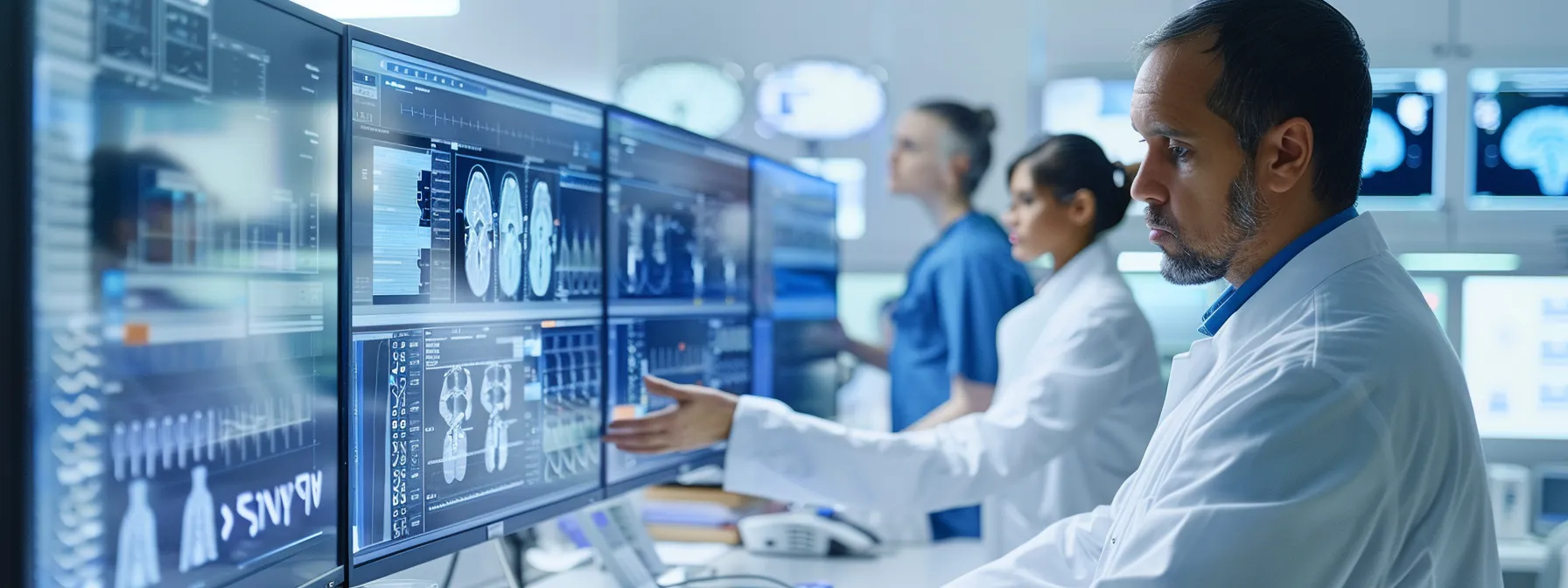
Despite the advantages, integrating AI scribes is not without obstacles. Concerns about patient confidentiality and data security remain paramount, given that AI processes sensitive information. Healthcare providers must ensure that AI scribe systems comply with regulations such as HIPAA to protect patient privacy.
Transitioning to AI-assisted documentation can also present a learning curve for medical staff. Training practitioners to interact effectively with these systems is crucial to maximizing the benefits of AI scribes. The success of implementation largely depends on user acceptance and the ability to adapt clinical workflows to accommodate new technology.
Research and development will likely focus on enhancing the personalization and predictiveness of AI scribes. Predictive analytics, combined with AI-driven documentation, could transform how clinicians approach diagnosis and treatment, making proactive healthcare a reality. As AI scribe technologies mature, they will become an indispensable component of healthcare’s digital transformation.