Updated March 2024. The manufacturing landscape is undergoing its most profound transformation yet, driven by the convergence of advanced digital technologies. Embracing manufacturing technology Industry 4.0 is no longer merely a buzzword but a strategic imperative for manufacturers seeking to maintain competitiveness, enhance efficiency, and foster innovation. This comprehensive guide from Mitsubishi Manufacturing is engineered for plant managers, industrial engineers, and operations professionals who are navigating this complex evolution.
We delve into the core technologies that define modern manufacturing, from intelligent automation and advanced robotics to the strategic implementation of digital twins and sophisticated ERP systems. Understanding and integrating these elements is crucial for optimizing production, ensuring predictive reliability, and building a resilient, sustainable future. Prepare to unlock the full potential of your operations and position your enterprise at the forefront of the industrial revolution, securing a competitive edge in 2026 and beyond.
TL;DR: The fourth industrial revolution transforms production through integrated digital systems, driving unprecedented efficiency, agility, and sustainability. This guide explores the essential components like automation, AI, digital twins, and advanced ERP, providing a strategic roadmap for manufacturers to achieve operational excellence and future-proof their operations. Embracing these innovations is critical for competitive advantage, optimizing processes, and fostering a resilient, data-driven production environment.
What Is Industry 4.0 and Why Does It Matter for Manufacturers?
The fundamental shift towards smart, interconnected manufacturing environments leverages cyber-physical systems, the Internet of Things (IoT), and advanced analytics to create a highly flexible, data-driven production ecosystem. It is characterized by the seamless integration of physical processes with digital technologies, enabling real-time data exchange, autonomous decision-making, and unparalleled operational transparency. For manufacturers, understanding the core tenets of this revolution is not just about adopting new tools; it is about reimagining entire value chains and operational paradigms. The pillars of this revolution include Big Data and Analytics, the Industrial Internet of Things (IIoT), Cloud Computing, Cybersecurity, Autonomous Robots, Additive Manufacturing, Augmented Reality, and System Integration.
A deeper dive into Big Data Analytics reveals that smart factories rely on processing massive datasets generated by IIoT sensors. By employing advanced analytical techniques such as machine learning and predictive modeling, manufacturers can uncover hidden patterns in production cycles, optimize supply chain logistics, and drive real-time decision-making. Furthermore, Edge Computing in manufacturing plays a pivotal role by processing data closer to the source—right on the factory floor. This drastically reduces latency, enabling real-time processing and immediate automated responses, which is critical when integrating with high-speed IIoT networks.
The significance of these interconnected systems for the industrial sector cannot be overstated. According to a recent report by Deloitte on smart factory initiatives, early adopters of these digital frameworks frequently see a 10-12% increase in manufacturing output. It promises a future where factories can self-optimize performance, adapt to market demands with unprecedented agility, and deliver highly customized products at mass production scales. This leads to substantial improvements in productivity, reductions in operational costs, and enhanced product quality. For instance, real-time data from IIoT sensors can identify bottlenecks or impending equipment failures, allowing for proactive intervention rather than reactive fixes. Cloud platforms facilitate global collaboration and scalable data storage, while robust cybersecurity measures protect proprietary information and operational integrity in an increasingly interconnected world. Embracing these shifts is essential for maintaining a competitive edge, reducing time-to-market, and meeting the evolving demands of consumers and regulators. To delve deeper into the foundational concepts and strategic implications, learn more about our comprehensive Industry 4.0 guide, which provides a detailed roadmap for integrating these transformative technologies into your operations.
Beyond efficiency, this digital transformation fosters a culture of continuous innovation. The ability to collect and analyze vast amounts of data across production lines, supply chains, and customer interactions provides invaluable insights for product development, process optimization, and even new business models. Manufacturers can utilize digital twins to simulate changes before physical implementation, minimizing risks and accelerating innovation cycles. The integration of AI and machine learning algorithms allows for predictive capabilities that extend beyond maintenance, impacting inventory management, quality control, and energy consumption. Companies that fail to adapt risk falling behind competitors who leverage these technologies to achieve superior operational performance and market responsiveness. ISO 9001 quality management systems, for example, are increasingly incorporating digital data streams for enhanced traceability and continuous improvement. The strategic adoption of these frameworks is therefore not merely a technological upgrade but a holistic business transformation, critical for long-term viability and growth in the global marketplace.
The Evolution of Automation and Robotics on the Factory Floor
The evolution of automation and industrial robotics is a cornerstone of modern production, fundamentally reshaping the modern factory floor. Automation, at its core, involves the use of control systems and information technologies to reduce the need for human work in the production of goods and services. This ranges from fixed automation for high-volume, low-variety production to flexible automation systems that can be reprogrammed for diverse tasks. The strategic deployment of automation enhances precision, consistency, and speed, leading to significant improvements in manufacturing efficiency and product quality. Advanced automation systems are now integrated with AI and machine learning, allowing machines to learn from data, optimize their performance, and even make autonomous decisions, moving beyond mere programmed tasks to truly intelligent operations.
To facilitate seamless interaction with these smart factory systems, advanced Human-Machine Interface (HMI) solutions are essential. Modern HMIs go beyond basic screens, offering intuitive user experiences, augmented reality overlays, and mobile accessibility. This empowers operators to monitor complex robotic workflows, visualize real-time data, and make rapid adjustments directly from the factory floor, bridging the gap between human oversight and automated execution.
Industrial robotics, a specialized form of automation, has seen exponential growth and sophistication. Modern industrial robots, from articulated arms for intricate assembly to gantry robots for heavy lifting, are designed for high accuracy, repeatability, and endurance. Collaborative robots (cobots) represent a significant advancement, designed to work safely alongside human operators without traditional safety cages, enhancing human-robot collaboration in tasks requiring both dexterity and strength. OEMs like FANUC, ABB, KUKA, and Universal Robots are continuously innovating, offering robots with advanced vision systems, force sensing, and machine learning capabilities. These robots are deployed in a multitude of applications including welding, painting, material handling, assembly, inspection, and packaging, significantly reducing labor costs, improving safety by taking on dangerous tasks, and increasing throughput. To understand the broader impact and implementation strategies for optimizing your production lines, explore the benefits of automation in manufacturing.
The integration of robotics into manufacturing processes requires careful planning, adherence to safety standards such as ISO 10218 and ANSI/RIA R15.06, and a focus on seamless connectivity within the broader digital ecosystem. Robots are no longer isolated units but are interconnected, sharing data with other machines, ERP systems, and cloud platforms to enable real-time monitoring, predictive maintenance, and dynamic scheduling. This connectivity allows for greater flexibility and responsiveness to production changes, enabling manufacturers to scale operations up or down as demand fluctuates. The return on investment (ROI) for industrial robotics is often compelling, driven by reduced operational costs, increased output, and improved quality control. For a deeper dive into specific applications and the strategic benefits of integrating robotic solutions, discover how industrial robotics can transform your operations.
[INLINE IMAGE 2: Advanced industrial robot arm performing manufacturing tasks in a smart factory]
Types of Predictive Maintenance and Digital Twin Applications
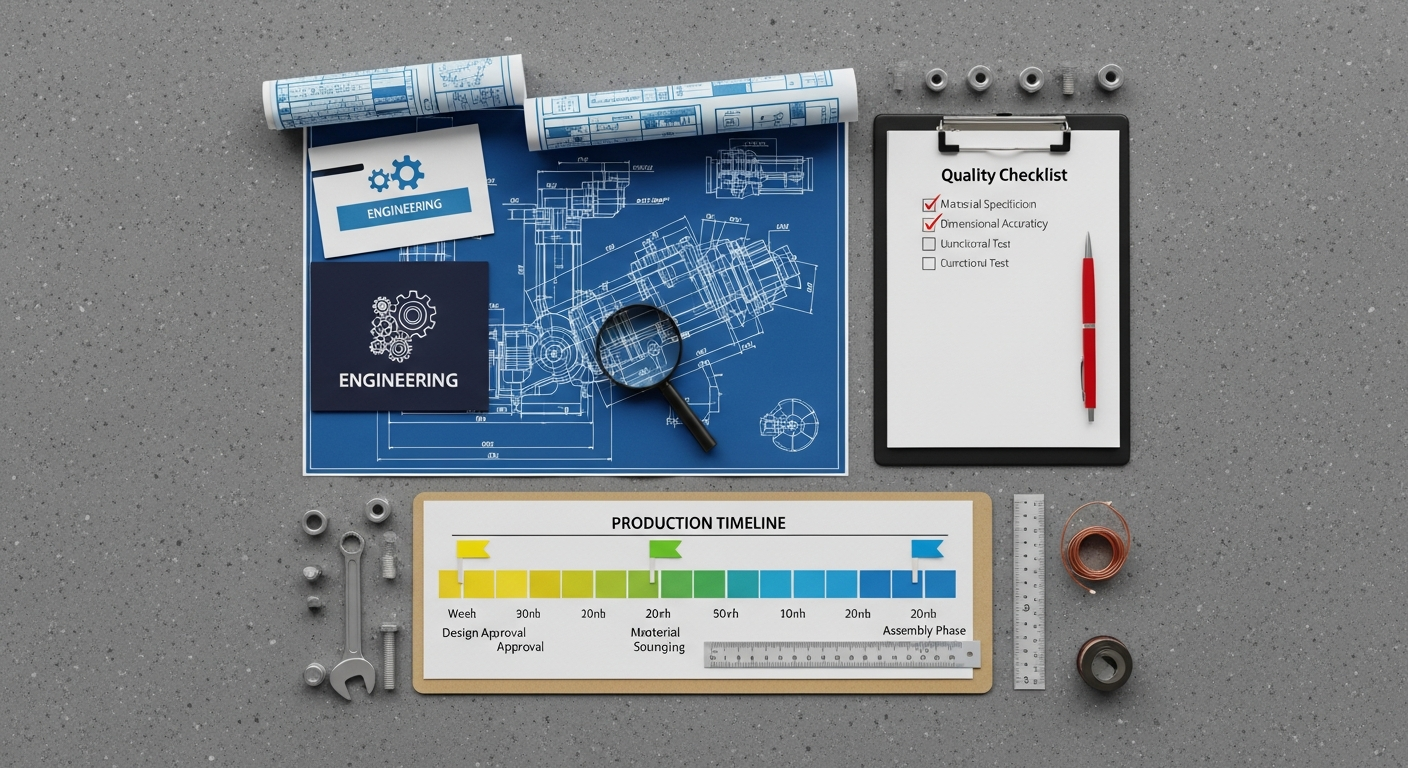
The transition from reactive to proactive maintenance strategies is a critical component of smart manufacturing, with predictive maintenance (PdM) leading the charge. Traditional maintenance approaches, such as reactive (fix-it-when-it-breaks) and preventive (scheduled maintenance), often result in either costly downtime or unnecessary interventions. Predictive maintenance, however, leverages real-time data collected from IIoT sensors embedded in machinery—monitoring vibrations, temperature, pressure, current, and other critical parameters—to forecast potential equipment failures before they occur. This data is then analyzed using advanced analytics, machine learning algorithms, and AI to identify patterns and anomalies indicative of impending issues. By accurately predicting when maintenance is needed, manufacturers can schedule interventions precisely, minimizing unplanned downtime, optimizing resource allocation, extending asset lifespan, and significantly reducing maintenance costs. This proactive approach ensures maximum operational uptime and enhances overall equipment effectiveness (OEE), a key performance indicator for manufacturing efficiency. For a detailed exploration of implementation strategies and benefits, read our detailed guide on predictive maintenance strategies.
Complementing predictive maintenance, digital twins are revolutionizing how manufacturers design, operate, and maintain their assets and processes. A digital twin is a virtual replica of a physical asset, process, or system, continuously updated with real-time data from its physical counterpart. This dynamic, living model provides a comprehensive, holistic view of the physical entity’s state, performance, and behavior. Digital twins are built upon sophisticated simulation models, historical data, and AI/ML algorithms, allowing engineers and operators to run simulations, test scenarios, predict outcomes, and optimize performance in a virtual environment before making any physical changes. For instance, a digital twin of a production line can simulate the impact of a new product introduction or a change in material flow, identifying potential bottlenecks or inefficiencies without disrupting live operations.
The applications of digital twins extend across the entire product lifecycle. In design, they facilitate rapid prototyping and validation; in manufacturing, they optimize production processes, improve quality control, and enable real-time monitoring; and in post-sales, they support predictive maintenance, remote diagnostics, and performance optimization. For example, OEMs like Siemens and GE are extensively using digital twins to optimize the performance of complex machinery like turbines and jet engines. By integrating data from numerous sensors on a physical asset, the digital twin can provide a comprehensive diagnostic picture, allowing for more informed decision-making. The synergy between predictive maintenance and digital twins is profound: PdM feeds the digital twin with critical operational data, enhancing its predictive accuracy, while the digital twin provides a rich simulation environment to test and validate maintenance strategies. This powerful combination enables a level of operational intelligence previously unattainable, fostering resilience and efficiency. To understand how to leverage this cutting-edge technology, discover the applications of digital twins in manufacturing.
Synergies Between CNC Machining and Additive Manufacturing
Computer Numerical Control (CNC) machining remains a cornerstone of modern manufacturing, delivering unparalleled precision, repeatability, and versatility. Evolving from traditional manual machining, CNC technology utilizes computer programs to dictate the movement of machine tools, such as mills, lathes, and grinders, with extreme accuracy. Modern CNC machines feature multi-axis capabilities (e.g., 5-axis, 9-axis), enabling the production of highly complex geometries with tight tolerances from a wide range of materials, including metals, plastics, and composites. The integration of CAD/CAM software with CNC systems streamlines the design-to-production workflow, allowing engineers to simulate machining processes, optimize tool paths, and detect potential errors before manufacturing begins. This level of automation and precision is critical for industries demanding high-quality components, such as aerospace, automotive, medical devices, and precision tooling. The efficiency of CNC machining is further enhanced by automated tool changers, pallet changers, and robotic loading/unloading systems, paving the way for lights-out manufacturing operations. For a deeper dive into the capabilities and strategic advantages of this technology, review our CNC machining capabilities and strategies.
Additive Manufacturing (AM), commonly known as 3D printing, represents a paradigm shift in how products are designed and produced. Unlike subtractive methods like CNC machining, AM builds objects layer by layer from a digital 3D design, adding material only where it is needed. This process offers unprecedented design freedom, enabling the creation of complex internal geometries, lightweight structures, and customized parts that would be impossible or cost-prohibitive to produce with traditional methods. Key industrial AM processes include Fused Deposition Modeling (FDM), Stereolithography (SLA), Selective Laser Sintering (SLS), and Direct Metal Laser Sintering (DMLS), each suited for different materials (polymers, metals, ceramics) and applications. AM has moved beyond mere prototyping to become a viable method for producing functional end-use parts, tooling, and jigs. Industries from aerospace (lightweight components) and medical (custom implants) to automotive (prototyping and low-volume parts) are leveraging AM for its speed, cost-effectiveness for small batches, and ability to create on-demand parts, significantly reducing lead times and supply chain complexities.
The synergy between CNC machining and additive manufacturing is increasingly evident. While AM excels in geometric complexity and rapid iteration, CNC machining offers superior surface finish, material properties, and high-volume production for certain applications. Hybrid machines that combine both additive and subtractive capabilities are emerging, allowing for the creation of complex parts with integrated features and precise finishes in a single setup. This combination offers the best of both worlds, enabling manufacturers to optimize production strategies based on specific part requirements and production volumes. For instance, a part might be 3D printed to achieve an intricate internal structure and then CNC machined to achieve critical external dimensions and surface quality. The adoption of AM also contributes to sustainable manufacturing by reducing material waste and enabling localized production. To fully grasp the potential of these transformative technologies and how they can be integrated into your production strategy, explore our additive manufacturing and 3D printing resources.
[INLINE IMAGE 4: CNC machine and 3D printer working on complex parts in an Industry 4.0 setup]
ERP Systems as the Digital Backbone of Modern Manufacturing
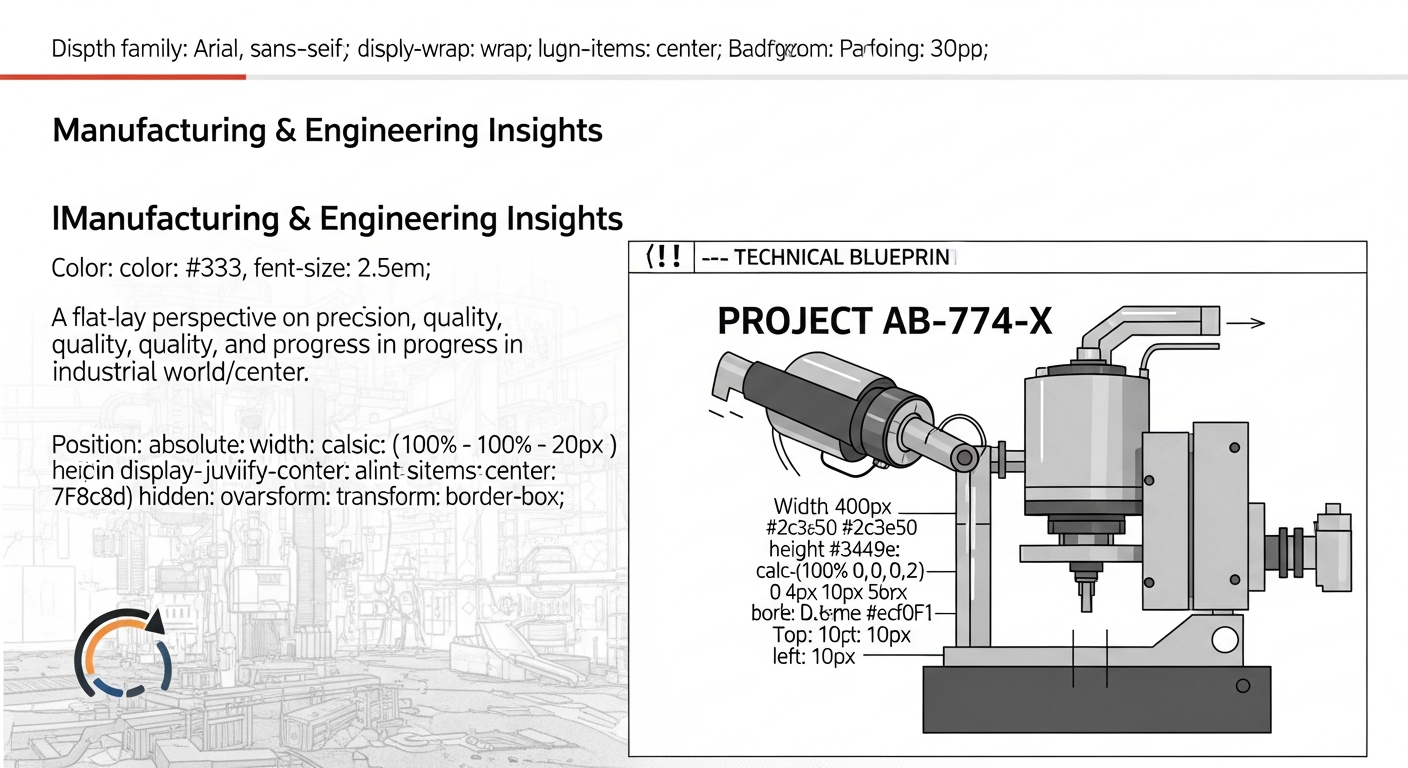
Enterprise Resource Planning (ERP) systems serve as the digital backbone of modern manufacturing operations, integrating and managing core business processes across an organization. In a highly connected environment, a robust ERP system is no longer just an administrative tool; it is a strategic asset that provides a unified, real-time view of all critical data, from production planning and inventory management to supply chain logistics, finance, and human resources. For manufacturing, specific ERP modules handle bill of materials (BOM), production scheduling, capacity planning, quality control, and shop floor data collection. By centralizing data from disparate departments, ERP systems eliminate information silos, improve data accuracy, and enable better-informed decision-making across the enterprise. This integration is crucial for achieving the agility and responsiveness demanded by today’s dynamic markets. Leading ERP vendors like SAP, Oracle, Infor, and Microsoft Dynamics offer industry-specific solutions tailored to the unique complexities of manufacturing, including support for discrete, process, and lean manufacturing methodologies.
The evolution of ERP has seen a significant shift towards cloud-based solutions, offering enhanced scalability, accessibility, and reduced IT infrastructure costs. Cloud ERP systems facilitate seamless integration with other advanced technologies, such as Manufacturing Execution Systems (MES), SCADA systems, IIoT platforms, and CRM software, creating a truly interconnected operational ecosystem. This connectivity allows for real-time visibility into shop floor activities, enabling dynamic adjustments to production schedules based on actual machine performance or supply chain disruptions. For instance, if a machine reports a fault via an IIoT sensor, the ERP system can automatically re-route production orders, adjust material procurement, and notify relevant personnel, all in real-time. This level of responsiveness is vital for optimizing resource utilization, minimizing waste, and ensuring on-time delivery. To learn more, read our comprehensive manufacturing ERP overview.
Successful ERP implementation is a complex undertaking that requires careful planning, significant investment, and strong change management. It involves defining clear business requirements, selecting the right software vendor, configuring modules to match specific workflows, data migration, and extensive user training. A well-executed ERP implementation can deliver substantial benefits, including improved operational efficiency, reduced inventory costs, enhanced supply chain visibility, better compliance, and superior customer satisfaction. However, a poorly managed implementation can lead to budget overruns, operational disruptions, and user resistance. Therefore, it is critical to approach ERP deployment with a strategic mindset, focusing on aligning the technology with business objectives and ensuring robust stakeholder engagement. To navigate this critical process effectively and maximize your ROI, access our step-by-step manufacturing ERP implementation guide, which provides a framework for successful deployment and integration within your manufacturing enterprise.
How Does Sustainable Manufacturing Create a Competitive Advantage?
Sustainable manufacturing is no longer just a corporate social responsibility initiative; it is a strategic imperative with a compelling business case, driven by evolving regulatory landscapes, increasing consumer demand for eco-friendly products, and the tangible economic benefits of resource efficiency. It encompasses the creation of manufactured products through economically-sound processes that minimize negative environmental impacts while conserving energy and natural resources. This includes reducing waste, optimizing material usage, minimizing emissions, and integrating renewable energy sources into operations. Beyond environmental stewardship, sustainable practices often lead to significant operational cost savings through reduced energy consumption, lower waste disposal fees, and optimized raw material usage. For instance, implementing lean manufacturing principles, often associated with Six Sigma methodologies, inherently reduces waste and improves process efficiency, aligning perfectly with sustainability goals.
Key pillars of sustainable manufacturing include energy efficiency, waste reduction, water conservation, and the adoption of a circular economy model. Energy efficiency can be achieved through smart factory technologies that monitor and optimize energy consumption in real-time, leveraging IIoT sensors and AI to identify inefficiencies in machinery and processes. Waste reduction strategies involve process optimization, recycling programs, and designing products for durability and recyclability. The circular economy model emphasizes designing out waste and pollution, keeping products and materials in use, and regenerating natural systems, moving away from the traditional linear “take-make-dispose” approach. This involves initiatives like remanufacturing, refurbishment, and closed-loop material flows. For example, OEMs are increasingly designing products with end-of-life considerations, ensuring components can be easily disassembled and recycled or reused, thereby reducing reliance on virgin materials.
The benefits of embracing sustainable manufacturing extend beyond cost savings and regulatory compliance. Companies that prioritize sustainability often enhance their brand reputation, attract environmentally conscious consumers, and improve employee morale. It also fosters innovation, as manufacturers are challenged to develop greener products and more efficient processes. Furthermore, a resilient and sustainable supply chain mitigates risks associated with resource scarcity and fluctuating commodity prices. Adherence to international standards like ISO 14001 (Environmental Management Systems) demonstrates a commitment to environmental performance and provides a framework for continuous improvement. Investing in green technologies and practices is a long-term strategy that builds resilience, enhances competitiveness, and contributes positively to global environmental goals. To gain a deeper understanding of practical applications and strategic advantages, learn more about sustainable manufacturing practices.
Steps to Building Your Industry 4.0 Roadmap and Implementation Strategy
Embarking on a digital transformation requires a well-defined strategic roadmap, not just a haphazard adoption of new technologies. For plant managers, engineers, and operations professionals, this journey begins with a comprehensive assessment of current capabilities and an articulation of future objectives. The first step is to conduct a thorough audit of existing infrastructure, processes, and data flows to identify areas ripe for digital transformation and to understand the gaps that need addressing. This assessment should cover everything from legacy machinery and IT systems to workforce skills and organizational culture. Establishing clear key performance indicators (KPIs) – such as OEE, lead time reduction, waste reduction, or energy consumption – is crucial for measuring the success of subsequent initiatives.
Following the assessment, a strategic vision must be developed, outlining specific goals that align with overall business objectives. This involves prioritizing which technologies to implement first, based on potential impact and feasibility. For instance, a quick win might involve deploying IIoT sensors for predictive maintenance on critical machinery to immediately reduce downtime, while a more complex project like a full digital twin implementation might be phased in later. Pilot projects are invaluable at this stage, allowing organizations to test new technologies on a smaller scale, gather data, refine processes, and build internal expertise without committing to a full-scale rollout. This iterative approach minimizes risk and provides concrete proof of concept, fostering buy-in from stakeholders.
Scaling successful pilot projects requires careful planning, robust cybersecurity measures, and a strong emphasis on data governance. As more systems become interconnected, the attack surface for cyber threats expands, making stringent security protocols essential to protect operational technology (OT) and information technology (IT) networks. Furthermore, a skilled workforce is paramount. Investing in continuous training and upskilling programs for employees – covering areas like data analytics, industrial robotics programming, and digital twin operation – is vital to ensure that your team can effectively leverage new technologies. Change management strategies are also critical to address potential resistance and ensure a smooth transition.
The journey into modern manufacturing is not merely an optional upgrade but a strategic imperative that will define the future of production. As an ISO 9001 certified leader and recipient of the 2023 Smart Factory Innovation Award, Mitsubishi Manufacturing is committed to being your partner in this transformative journey, providing the insights, technologies, and expertise needed to navigate these complexities. Your implementation roadmap should begin with a clear vision and a thorough assessment of your current state, followed by the strategic deployment of pilot projects that demonstrate tangible value. Prioritize cybersecurity from day one, invest in upskilling your workforce, and foster an organizational culture that embraces change and innovation. The future of manufacturing is here, and by leveraging these powerful tools and strategies, your enterprise can lead the charge into a more intelligent, efficient, and sustainable era of production.
Key Takeaways for Manufacturing Leaders
- Strategic Imperative: Advanced digital integration is essential for competitive advantage, driving efficiency, agility, and innovation across the entire manufacturing value chain.
- Integrated Technologies: Success hinges on the seamless integration of automation, robotics, AI, IIoT, digital twins, and advanced ERP systems, creating a holistic, data-driven ecosystem.
- Proactive Operations: Leverage predictive maintenance and digital twins to transition from reactive to proactive strategies, minimizing downtime, optimizing asset performance, and enhancing decision-making.
- Advanced Production Methods: Embrace the precision of CNC machining and the flexibility of additive manufacturing to create complex, customized products with superior quality and efficiency.
- Sustainability and Resilience: Implement sustainable manufacturing practices and a robust roadmap to reduce environmental impact, cut costs, build supply chain resilience, and future-proof your enterprise.
| Feature/System | Traditional Manufacturing | Smart Manufacturing |
|---|---|---|
| Data Collection & Analysis | Manual logs, periodic checks, siloed data; limited real-time insights. | Automated IIoT sensors, real-time data streaming, Big Data analytics, AI/ML for predictive insights. |
| Maintenance Strategy | Reactive (break-fix) or Preventive (time-based); high unplanned downtime. | Predictive Maintenance (condition-based, AI-driven); minimized unplanned downtime, optimized asset lifespan. |
| Automation & Robotics | Fixed automation, simple robots for repetitive tasks; limited flexibility. | Flexible automation, collaborative robots (cobots), autonomous mobile robots (AMRs); adaptive, intelligent, human-robot collaboration. |
| Design & Prototyping | Physical prototypes, long iteration cycles, limited design complexity. | Digital twins, virtual simulation, rapid prototyping via Additive Manufacturing; accelerated design cycles, complex geometries. |
| ERP & System Integration | Disparate systems, manual data entry, limited visibility across departments. | Integrated cloud ERP, MES, SCADA; real-time, end-to-end visibility, automated workflows, supply chain synchronization. |
| Production Flexibility | Rigid production lines, difficult to reconfigure for product variations. | Modular production, reconfigurable systems, mass customization, agile response to market demands. |
| Sustainability Focus | Compliance-driven, waste as a byproduct, energy consumption often overlooked. | Embedded in strategy, circular economy principles, energy optimization, waste reduction, lifecycle assessment. |
| Workforce Skills | Manual labor, specific machine operation, reactive problem-solving. | Digital literacy, data analysis, robot programming, system integration, proactive problem-solving. |
What Are the Most Frequently Asked Questions About Industry 4.0?
What is the primary benefit of implementing Industry 4.0 technologies?
The primary benefit is enhanced operational efficiency and agility. By integrating technologies like IIoT, AI, and automation, manufacturers can achieve real-time visibility into operations, optimize production processes, reduce downtime through predictive maintenance, and respond more rapidly to market changes and customer demands. This leads to significant cost savings, improved product quality, and a stronger competitive position.
How does Industry 4.0 impact the manufacturing workforce?
It transforms the workforce by shifting roles from manual, repetitive tasks to more supervisory, analytical, and technical functions. While some jobs may be automated, new roles in data science, robot programming, system integration, and cybersecurity emerge. It necessitates continuous upskilling and reskilling programs to equip employees with the digital literacy and analytical capabilities required to manage smart factories and leverage advanced technologies effectively.
What are the biggest challenges in adopting Industry 4.0?
Key challenges include the high initial investment in technology, integrating legacy systems with new digital platforms, ensuring robust cybersecurity, managing and analyzing vast amounts of data, and overcoming organizational resistance to change. A lack of skilled talent to implement and manage these advanced systems is also a significant hurdle for many manufacturers.
Can small and medium-sized enterprises (SMEs) benefit from Industry 4.0?
Absolutely. While large enterprises often have greater resources, SMEs can also significantly benefit by adopting a phased approach, focusing on specific technologies that address their most pressing pain points. Cloud-based solutions, modular automation, and affordable IIoT sensors make these advancements accessible. Starting with pilot projects in areas like predictive maintenance or basic automation can yield quick wins and demonstrate ROI, making further investments justifiable.
What role does cybersecurity play in Industry 4.0?
Cybersecurity is paramount. As manufacturing systems become increasingly interconnected and reliant on data, they become more vulnerable to cyber threats. A robust cybersecurity strategy is essential to protect intellectual property, prevent operational disruptions, ensure data integrity, and maintain customer trust. This involves securing IIoT devices, cloud platforms, operational technology (OT) networks, and implementing strict access controls and continuous monitoring.
Sources & References
- Deloitte. “Smart Factory Study: Capturing Value through the Digital Journey.”
- McKinsey & Company. “Industry 4.0: Reimagining Manufacturing Operations After COVID-19.”
- ISO 9001:2015 Quality management systems — Requirements.
- World Economic Forum. “The Global Lighthouse Network: Playbook for Smart Manufacturing.”
Reviewed by Marcus Thorne, Senior Technical Editor — Last reviewed: April 25, 2026