Sustainable Water Use: Strategies for Conservation in Manufacturing Facilities
Understanding the Imperative: Why Water Conservation Matters in Manufacturing
The global demand for freshwater is escalating, driven by population growth, urbanization, and industrial expansion. Concurrently, climate change exacerbates water scarcity through prolonged droughts and unpredictable weather patterns. For the manufacturing sector, which accounts for a significant portion of global freshwater withdrawals, these trends present a dual challenge: environmental responsibility and operational resilience. Mitsubishi Manufacturing recognizes that prioritizing water conservation is paramount for several compelling reasons:
- Environmental Stewardship: Reducing freshwater extraction lessens the strain on local ecosystems, preserves biodiversity, and supports community water security. Minimizing wastewater discharge also reduces pollution loads on rivers and oceans, aligning with global environmental stewardship initiatives.
- Economic Advantage: Water is not free. Costs associated with water include not only procurement but also treatment for process use, heating, pumping, and wastewater discharge fees. Efficient water use directly translates into reduced operational expenditures, offering a tangible return on investment (ROI). Furthermore, companies with strong environmental performance often attract investors and qualify for green financing.
- Regulatory Compliance and Risk Mitigation: Water regulations are becoming increasingly stringent globally, imposing stricter limits on abstraction, consumption, and discharge. Proactive water conservation helps facilities stay ahead of evolving regulations, avoiding penalties, fines, and reputational damage. It also builds resilience against potential water shortages or price spikes, safeguarding business continuity.
- Brand Reputation and Market Competitiveness: Consumers, investors, and business partners increasingly scrutinize companies’ environmental, social, and governance (ESG) performance. Demonstrating a commitment to water conservation enhances brand image, builds trust, and can be a significant differentiator in competitive markets, attracting environmentally conscious customers and top talent.
Actionable Tip: Conduct an internal stakeholder workshop to educate leadership and key departments (production, finance, environmental health & safety) on the specific environmental and economic risks and opportunities related to water use within your facility’s operational context. Quantify the potential cost savings and risk reductions to build a strong business case for investment in water conservation initiatives.
Auditing and Baseline Assessment: The First Step Towards Efficiency
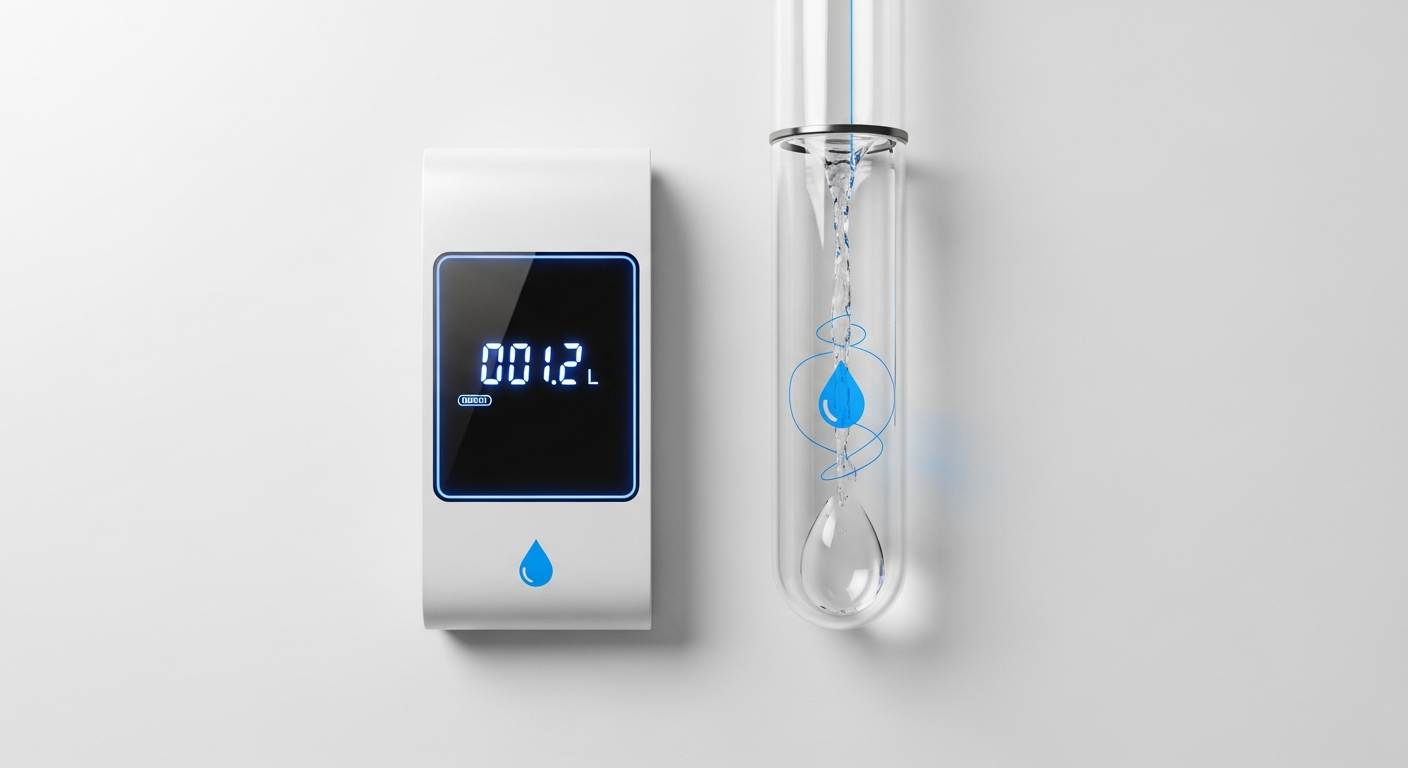
Before any meaningful strides can be made in water conservation, a thorough understanding of current water usage patterns is essential. This foundational step involves a comprehensive water audit and baseline assessment, analogous to a financial audit for water. Mitsubishi Manufacturing advocates for a systematic approach to identify where water is used, how much, and its quality requirements.
1. Water Balance Diagram (Water Mapping)
The initial phase involves creating a detailed water balance diagram. This visual representation maps all water inputs, uses, reuses, and outputs within the facility. It helps identify every point where water enters the system (e.g., municipal supply, well water), every process where it is consumed or discharged (e.g., cooling towers, boilers, product washing, sanitation, restrooms), and every potential point for reuse.
- Inputs: Raw water sources, quality, and volume.
- Process Consumption: Identify specific processes and their water demands.
- Non-Process Consumption: Office use, landscaping, domestic.
- Outputs: Wastewater discharge, evaporation, water incorporated into products.
2. Metering and Data Collection
Accurate measurement is critical. While a facility might have a main water meter, sub-metering key processes provides granular data necessary for identifying inefficiencies. Installing smart meters with real-time data logging capabilities allows for continuous monitoring and the detection of anomalies or leaks promptly.
- Main Meters: Track total incoming water.
- Sub-Meters: Strategically placed to monitor water use in high-consumption areas (e.g., cooling towers, specific production lines, boiler feedwater, CIP systems).
- Wastewater Meters: Measure total discharge volume and quality.
3. Baseline Establishment and Benchmarking
Once data is collected, establish a baseline for water consumption per unit of production, per employee, or per square foot. This baseline serves as a benchmark against which future performance improvements can be measured. Compare your facility’s water intensity against industry best practices and similar operations to identify areas where your performance lags or excels.
Example: A food processing plant might find that 40% of its water use is for Clean-in-Place (CIP) systems, 30% for cooling, and 20% for product washing, with 10% unaccounted for. This data immediately highlights CIP as a prime target for optimization.
Actionable Tip: Invest in automated data acquisition systems for water usage across your facility. Analyze this data monthly to identify trends, peaks, and potential leaks. Setting specific Key Performance Indicators (KPIs) like “liters of water per ton of product” allows for clear tracking of improvement initiatives.
Process Optimization: Reducing Water Intake at the Source
The most effective strategy for water conservation in manufacturing often lies in minimizing the initial demand. By re-evaluating and redesigning water-intensive processes, facilities can achieve significant reductions in consumption. This approach focuses on making processes inherently more water-efficient.
1. Process Redesign and Modification
- Dry Cleaning Alternatives: Where feasible, replace wet cleaning methods with dry alternatives like air blowers, brushes, or vacuum systems. In industries like automotive painting, high-pressure air knives can replace water rinses.
- Counter-Current Rinsing: Implement multi-stage rinsing systems where the cleanest water is used for the final rinse, then progressively reused for earlier, dirtier stages. This drastically reduces the total volume of fresh water required, particularly in plating, surface treatment, and textile dyeing.
- High-Efficiency Nozzles and Equipment: Upgrade to high-pressure, low-flow nozzles for washing, rinsing, and cooling applications. Mist nozzles can achieve effective cooling with significantly less water than traditional spray systems.
- Batch Process Optimization: For batch operations (e.g., dyeing, chemical mixing), optimize batch sizes and schedules to minimize rinse cycles and downtime water usage.
2. Technology Upgrades and Automation
Investing in modern, water-efficient technologies can yield substantial savings.
- Automated Valves and Controls: Replace manual valves with automated systems that precisely control water flow and duration, preventing overflows and unnecessary usage. Sensors can detect when a process requires water and shut it off when not needed.
- High-Efficiency Pumps: Replace old, inefficient pumps with modern, variable-frequency drive (VFD) pumps that match energy consumption to demand, reducing both water and energy waste.
- Heat Exchangers and Recuperators: Recover heat from hot wastewater streams to pre-heat incoming cold water, reducing energy for heating and potentially allowing for hot water reuse.
- Vacuum Pumps: For processes requiring vacuum, consider dry vacuum pumps or closed-loop liquid ring vacuum pumps that reuse their sealing fluid, significantly cutting water demand.
Example: A textile manufacturer implemented counter-current rinsing in its dyeing process, reducing water usage by over 40% and cutting wastewater discharge volumes significantly. Another example is a semiconductor fabrication plant that upgraded its ultra-pure water rinsing stations with advanced flow control and spray systems, achieving a 25% reduction in DI water consumption.
Actionable Tip: Form a cross-functional team including process engineers, production managers, and maintenance staff to conduct a detailed review of all water-consuming processes. Challenge every use of water: “Is this water truly necessary? Can we do it with less? Can we do it differently?”
Water Treatment and Reuse: Maximizing Every Drop
Even after optimizing initial water intake, a significant volume of water often remains in the form of process wastewater or utility water. Implementing robust treatment and reuse systems can turn this “waste” into a valuable resource, closing the loop on water usage and further enhancing water conservation in manufacturing efforts.
1. Wastewater Treatment for Process Reuse
Modern wastewater treatment technologies can transform contaminated process water into a quality suitable for various industrial applications, reducing reliance on fresh municipal or well water.
- Membrane Filtration: Technologies such as Ultrafiltration (UF), Nanofiltration (NF), and Reverse Osmosis (RO) can remove suspended solids, dissolved solids, bacteria, and other contaminants to produce high-quality water suitable for cooling towers, boiler feedwater, or even some rinsing applications. Explore our advanced membrane filtration systems for industrial applications.
- Biological Treatment: For wastewater with high organic content (e.g., food & beverage, pharmaceuticals), anaerobic and aerobic biological treatment can effectively break down pollutants, making the water suitable for less stringent uses like irrigation or preliminary washing.
- Chemical Treatment: Coagulation, flocculation, and pH adjustment are used to remove suspended solids, heavy metals, and other impurities.
- Evaporation/Crystallization: For challenging waste streams, these methods can recover water in its purest form, leaving behind concentrated solids for disposal.
2. Greywater and Rainwater Harvesting Systems
Not all water needs to be potable. Non-potable applications can be supplied by treated greywater or harvested rainwater, freeing up freshwater for critical processes.
- Greywater Systems: Water from showers, sinks (excluding toilets), and non-process cooling can be collected, treated (typically filtration and disinfection), and reused for toilet flushing, landscaping irrigation, or even certain industrial cooling systems.
- Rainwater Harvesting: Collecting rainwater from building rooftops and storing it in tanks can provide a sustainable source for non-potable uses, reducing reliance on municipal supplies, especially in areas with significant rainfall.
3. Cooling Tower Optimization
Cooling towers are often significant water consumers due to evaporation and blowdown. Optimizing their operation is key.
- Maximize Cycles of Concentration: By improving water quality through sidestream filtration, chemical treatment, and blowdown optimization, facilities can increase the number of times water cycles through the tower before needing fresh makeup water, significantly reducing water consumption.
- Alternative Cooling Technologies: Consider air-cooled heat exchangers or adiabatic cooling systems in areas where they are feasible, further reducing water loss from evaporation.
Data Point: Some industrial facilities have achieved up to 90% water reuse rates through advanced treatment and closed-loop systems, drastically cutting their freshwater intake and wastewater discharge volumes.
Actionable Tip: Conduct a water quality assessment for different process needs within your facility. Identify areas where lower-quality (e.g., treated wastewater, greywater) could be used instead of potable water, and investigate the feasibility and ROI of implementing a dedicated water treatment and reuse system.
Leak Detection and Preventative Maintenance: Plugging the Unseen Drain
Even the most advanced water conservation strategies can be undermined by leaks and inefficient maintenance practices. Unseen leaks in pipes, valves, and equipment can account for a substantial, continuous loss of water, driving up costs and wasting a precious resource. Mitsubishi Manufacturing emphasizes the critical role of a proactive leak detection and preventative maintenance program.
1. Regular Inspections and Monitoring
Implement a routine schedule for visually inspecting all water infrastructure.
- Walk-Through Inspections: Regularly check pipes, fittings, pumps, tanks, and connection points for visible signs of leaks, drips, or damp spots.
- Pressure Testing: Periodically pressure-test sections of the water distribution system to identify hidden leaks that might not be visible externally.
- Flow Monitoring: Use real-time flow data from sub-meters to identify unusual spikes in usage during off-production hours or specific shifts, indicating potential leaks or unauthorized use.
2. Advanced Leak Detection Technologies
Beyond visual checks, modern technologies offer more precise and efficient leak detection.
- Acoustic Leak Detectors: These devices can detect the sound vibrations caused by water escaping from pipes underground or within walls, pinpointing the exact location of a leak without extensive excavation.
- Thermal Imaging Cameras: For hot water pipes or steam lines, thermal cameras can identify temperature differentials that indicate leaks or areas of energy (and thus water) loss.
- Smart Sensors and IoT: Deploying an array of internet-of-things (IoT) enabled pressure and flow sensors throughout the water network can provide continuous, real-time data, triggering alerts immediately when anomalies indicative of a leak are detected.
- Tracer Gas Detection: For small, hard-to-find leaks, a non-toxic tracer gas (e.g., hydrogen/nitrogen mix) can be introduced into the pipe, and a gas detector can then pinpoint where it escapes.
3. Comprehensive Preventative Maintenance Program
Prevention is always better than cure. A robust preventative maintenance schedule reduces the likelihood of leaks and ensures water-using equipment operates at peak efficiency.
- Seal and Gasket Replacement: Regularly replace worn-out seals, gaskets, and O-rings in pumps, valves, and pipe connections before they fail.
- Valve Maintenance: Inspect and maintain valves to ensure they are fully closing and not leaking through. Repair or replace faulty valves promptly.
- Pipe System Integrity Checks: Periodically assess the condition of piping infrastructure, especially in older facilities, and plan for upgrades or replacements of corroded or aging sections.
- Equipment Calibration: Ensure all water-using equipment (e.g., spray washers, cooling systems) is calibrated correctly to use the minimum effective amount of water.
Example: A chemical manufacturing plant implemented an acoustic leak detection system and identified multiple underground leaks that were collectively losing hundreds of cubic meters of water per month, leading to significant savings in water bills and reduced operational disruptions.
Actionable Tip: Implement a “leak audit” program where maintenance teams use specialized equipment to systematically scan the facility’s entire water infrastructure at least annually. Train personnel on how to identify common leak indicators and empower them to report and address issues promptly.
Employee Engagement and Culture Shift: Fostering a Water-Smart Workforce
Technology and infrastructure are crucial, but sustainable water conservation in manufacturing ultimately hinges on the commitment and actions of every individual within the organization. A culture that values water efficiency empowers employees to be part of the solution. Mitsubishi Manufacturing emphasizes the importance of human capital in driving lasting change.
1. Awareness and Education Programs
Many employees may not fully understand the true cost or environmental impact of water. Education is the first step.
- Training Sessions: Conduct regular training for all employees, especially those working with water-intensive processes, on the facility’s water consumption, conservation goals, and the specific impact of their actions.
- Onboarding Programs: Integrate water conservation principles into new employee onboarding to instill a water-smart mindset from day one.
- Signage and Communication: Place clear signage near water fixtures, equipment, and restrooms reminding employees of water-saving practices. Use internal newsletters, digital displays, and company intranets to share progress, tips, and success stories.
2. Empowerment and Participation
Give employees the tools and the voice to contribute meaningfully.
- Idea Generation Programs: Encourage employees to submit ideas for water-saving initiatives through suggestion boxes, internal competitions, or dedicated platforms. Recognize and reward innovative contributions.
- Water Conservation Committees: Establish cross-functional teams or “Green Teams” composed of employees from different departments to champion water conservation efforts, identify opportunities, and implement initiatives.
- Empowerment to Act: Train employees to not only identify water waste but also to take immediate action where possible (e.g., reporting leaks, ensuring valves are closed, optimizing rinse cycles).
3. Leadership Commitment and Recognition
Leadership sets the tone for cultural change. When management actively champions water conservation, it signals its importance to the entire workforce.
- Visible Commitment: Leaders should communicate water conservation goals regularly, participate in initiatives, and allocate resources to support efforts.
- Performance Metrics: Integrate water efficiency metrics into departmental or individual performance reviews where appropriate, tying conservation to accountability.
- Recognition and Rewards: Publicly acknowledge and celebrate individuals or teams who demonstrate exemplary water-saving efforts or achieve significant reductions. This can include awards, bonuses, or internal recognition.
Example: An automotive assembly plant launched a “Drop-by-Drop” campaign, encouraging employees to identify and report any water leaks or waste. The campaign, coupled with training on efficient cleaning practices, resulted in a 10% reduction in non-process water use within six months.
Actionable Tip: Designate a “Water Champion” or a small committee within the facility. Empower them to conduct regular “water walks” to identify areas of waste, engage with departmental teams, and serve as internal advocates for water conservation. Provide them with resources and management support to implement their recommendations.
Advanced Technologies and Future Trends: Innovation in Water Management
The landscape of water management is continuously evolving, with new technologies offering increasingly sophisticated solutions for water conservation in manufacturing. Embracing these innovations allows facilities to achieve unprecedented levels of efficiency and resilience. Mitsubishi Manufacturing stays at the forefront of these developments to advise on future-proof strategies.
1. Smart Sensors and the Internet of Things (IoT)
IoT-enabled sensors are revolutionizing water monitoring and control.
- Real-time Monitoring: Sensors deployed across the water network can provide continuous data on flow rates, pressure, temperature, and water quality, offering immediate insights into usage patterns and anomalies.
- Predictive Maintenance: By analyzing sensor data, facilities can predict equipment failures (e.g., pump breakdowns, valve malfunctions) before they occur, allowing for proactive maintenance that prevents leaks and unnecessary water loss.
- Automated Control: IoT systems can be integrated with automated valves and pumps, allowing for dynamic adjustment of water flow based on real-time demand, optimizing usage and preventing waste.
2. Artificial Intelligence (AI) and Machine Learning (ML)
AI and ML algorithms can process vast amounts of water usage data to identify complex patterns and optimize operations.
- Demand Forecasting: AI can predict future water demand based on production schedules, weather patterns, and historical data, allowing for more efficient resource allocation.
- Anomaly Detection: ML models can quickly identify unusual water usage patterns that might indicate leaks, equipment malfunctions, or inefficient processes, often faster and more accurately than human analysis.
- Process Optimization: AI can continuously fine-tune process parameters (e.g., chemical dosages in treatment, cycles of concentration in cooling towers) to achieve optimal water efficiency while maintaining product quality.
3. Atmospheric Water Generation (AWG)
While still a niche technology for specific applications, AWG systems extract water vapor directly from the air, converting it into liquid water. This can be a supplementary source of high-purity water in certain climates, reducing reliance on traditional sources, particularly for smaller, specialized needs or remote locations.
4. Advanced Desalination and Brine Treatment
For facilities located in water-stressed coastal regions or those with highly saline wastewater, advanced desalination technologies (e.g., highly efficient RO systems, forward osmosis) are becoming more viable. Innovations in brine treatment also reduce the environmental impact of concentrated waste streams, making desalination a more sustainable option.
Data Point: Facilities integrating IoT smart metering and AI analytics have reported reductions in unaccounted-for water (UFW) by as much as 15-20% by quickly identifying and addressing leaks or inefficiencies that would otherwise go unnoticed for extended periods.
Actionable Tip: Stay informed about emerging water technologies through industry publications, conferences, and expert consultations. Consider piloting a small-scale IoT water monitoring system on a critical water-intensive process to evaluate its potential benefits before a broader deployment. Collaborate with technology providers to understand tailor-made solutions for your specific industrial challenges.
Conclusion
The journey towards sustainable water conservation in manufacturing is a continuous evolution, requiring commitment, innovation, and a holistic approach. As this guide from Mitsubishi Manufacturing illustrates, the strategies span from fundamental audits and process optimizations to advanced technological integrations and crucial cultural shifts. By understanding the imperative, meticulously assessing current usage, optimizing processes at the source, embracing water treatment and reuse, diligently preventing waste through leak detection, and fostering an engaged, water-smart workforce, manufacturers can achieve significant reductions in water consumption.
The benefits extend far beyond environmental compliance; they encompass substantial cost savings, enhanced operational resilience, a strengthened brand reputation, and a vital contribution to global sustainability. Investing in water conservation is an investment in the long-term viability and success of your manufacturing operation. Take the first step today: assess your current water footprint and embark on a strategic path to transform your facility into a leader in sustainable water management.
Frequently Asked Questions