



Understanding Total Quality Management (TQM): A Foundational Philosophy
Total Quality Management (TQM) is a management philosophy that emphasizes a commitment to quality at every level of an organization, from product development and manufacturing to customer service and supply chain management. It is not merely a set of tools or a quality control department’s responsibility, but rather a holistic, organization-wide approach that integrates quality into all processes and functions. The core idea behind TQM is that the quality of products and services is a collective responsibility, requiring the active participation of every employee to continuously improve processes, products, and the overall customer experience.
The origins of TQM can be traced back to the post-World War II era, heavily influenced by pioneers like W. Edwards Deming, Joseph Juran, and Philip Crosby. These visionaries introduced principles that shifted the focus from merely inspecting quality at the end of the production line to building quality into every stage of the process. Deming’s 14 Points for Management, Juran’s Quality Trilogy, and Crosby’s “Quality is Free” concept laid the groundwork for TQM, advocating for statistical process control, continuous improvement (Kaizen), and a strong emphasis on leadership commitment and employee empowerment. While initially adopted widely in Japan, leading to its economic recovery and manufacturing prowess, TQM principles eventually gained global recognition as a potent strategy for achieving operational excellence.
Unlike traditional quality control, which often focuses on detecting defects after they occur, TQM proactively prevents defects and strives for perfection through systematic improvement. It shifts the paradigm from reactive problem-solving to proactive problem prevention. This involves understanding customer needs deeply, standardizing processes, empowering employees to identify and resolve issues, and making decisions based on data and facts. For a manufacturing entity like Mitsubishi, embracing TQM means instilling a culture where quality is seen as a strategic imperative, driving every decision and action. It’s about creating an environment where every employee understands their role in delivering value to the customer and is equipped with the knowledge and tools to do so effectively. This comprehensive approach ensures that quality is not an add-on, but an intrinsic part of the organizational DNA, leading to reduced waste, improved efficiency, and ultimately, superior products that consistently meet or exceed customer expectations.
The Core Principles Guiding TQM Implementation

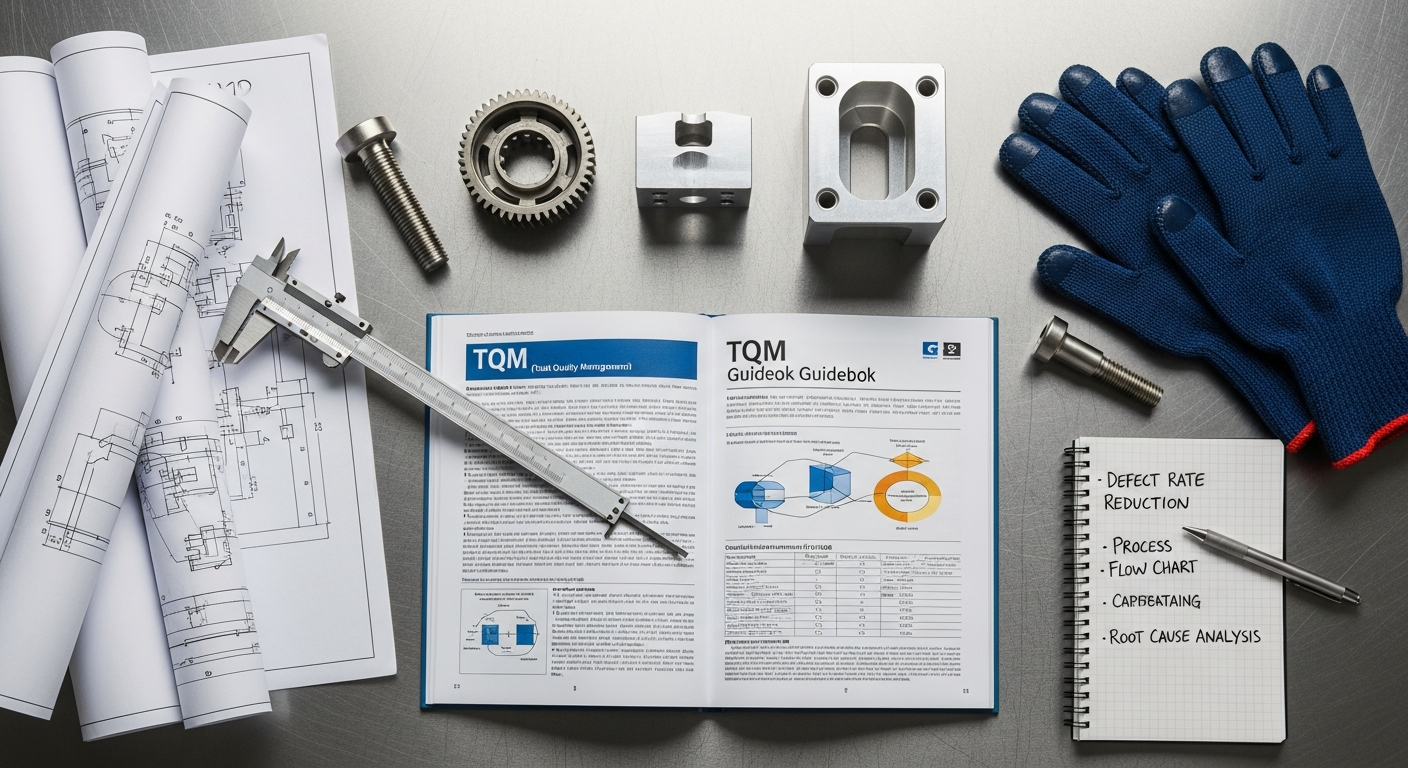
At the heart of a successful Total Quality Management system lies a set of interconnected core principles that guide its philosophy and practical application. These principles provide the framework for integrating quality into every aspect of an organization’s operations, ensuring a unified and consistent approach to excellence.
- Customer Focus: This is arguably the most critical principle of TQM. Quality is ultimately defined by the customer. A TQM organization strives to understand both external (end-users) and internal (employees, departments) customer needs and expectations, then works tirelessly to meet and exceed them. Every process, product, and service is viewed through the lens of customer satisfaction, ensuring that value is delivered consistently.
- Total Employee Involvement: TQM recognizes that quality is everyone’s responsibility. It emphasizes empowering employees at all levels, providing them with the necessary training, tools, and authority to identify problems, suggest solutions, and take ownership of their work. This fosters a sense of responsibility and engagement, leading to higher morale and better quality outcomes. Effective communication channels are crucial here, enabling feedback and collaborative problem-solving.
- Process-Centered Approach: TQM views all work as a series of interconnected processes. By focusing on improving these processes, organizations can enhance efficiency, reduce errors, and ensure consistent quality. This involves mapping out processes, identifying bottlenecks, eliminating waste, and standardizing best practices. This principle aligns perfectly with Lean Manufacturing Principles Explained, which also heavily emphasize process optimization and waste reduction.
- Integrated System: TQM aims to integrate all organizational functions and processes horizontally and vertically to achieve common quality objectives. It ensures that all departments, from design and engineering to production, sales, and service, work together cohesively towards shared goals, eliminating silos and promoting cross-functional collaboration.
- Strategic and Systematic Approach: Quality management is not a short-term fix but a long-term strategic commitment. TQM requires a systematic approach to planning, implementation, measurement, and review of quality initiatives, aligning them with the organization’s overall strategic goals and vision. This ensures that quality efforts are purposeful and sustainable.
- Continual Improvement: At the core of TQM is the philosophy of Kaizen, or continuous improvement. This means constantly seeking ways to enhance existing processes, products, and services. Tools like the Plan-Do-Check-Act (PDCA) cycle are regularly employed to identify areas for improvement, implement changes, measure their effectiveness, and standardize successful adjustments. This relentless pursuit of betterment ensures adaptability and resilience.
- Fact-Based Decision Making: TQM relies on data and statistical analysis to make informed decisions. Performance metrics, customer feedback, process data, and other relevant information are collected, analyzed, and used to identify problems, track progress, and evaluate the effectiveness of quality initiatives. This objective approach minimizes guesswork and maximizes the impact of improvement efforts.
- Communication: Effective and open communication across all levels of the organization is vital for TQM success. This includes sharing quality goals, performance data, feedback, and success stories. Transparent communication fosters understanding, builds trust, and ensures everyone is aligned with the quality vision.
By consistently upholding these principles, organizations can create a robust framework for achieving and maintaining high standards of quality, leading to superior operational performance and lasting customer loyalty.
Implementing TQM: A Step-by-Step Guide for Manufacturing Excellence
- Secure Leadership Commitment and Vision: TQM must start at the top. Senior leadership must fully commit to the TQM philosophy, clearly articulate a vision for quality, and demonstrate their dedication through actions, not just words. This involves allocating necessary resources, championing quality initiatives, and actively participating in improvement efforts. Without strong leadership, TQM initiatives often falter.
- Establish a TQM Steering Committee and Training Program: Form a cross-functional steering committee responsible for overseeing the TQM implementation. This committee will define specific quality goals, develop strategies, and monitor progress. Simultaneously, launch comprehensive training programs for all employees. Training should cover TQM principles, problem-solving tools (e.g., statistical process control, root cause analysis, Pareto charts), and specific quality procedures relevant to their roles. This empowers employees to contribute effectively.
- Identify Key Processes and Customer Needs: Begin by thoroughly understanding your core manufacturing processes. Map them out, identifying inputs, outputs, and critical control points. Simultaneously, conduct in-depth research to understand both external customer requirements (what they expect from your products) and internal customer needs (what each department expects from the preceding one). This establishes a baseline for quality objectives.
- Process Analysis and Improvement (PDCA Cycle): Apply the Plan-Do-Check-Act (PDCA) cycle to continuously improve processes.
- Plan: Identify a problem or an area for improvement, analyze its root causes, and develop a plan for action. For instance, if a specific defect rate is high, investigate the manufacturing steps involved.
- Do: Implement the plan on a small scale or in a controlled environment to test its effectiveness.
- Check: Monitor the results of the implementation, collecting data and comparing them against the established goals. This is where data-driven decision-making is crucial.
- Act: Standardize the successful changes across the organization, or if the plan was ineffective, revise it and restart the cycle. This iterative approach ensures sustained improvement.
This step is critical for Manufacturing Waste Reduction Strategies, as systematically improving processes directly targets inefficiencies and waste sources.
- Implement Measurement and Feedback Systems: Develop robust metrics and key performance indicators (KPIs) to track quality performance, customer satisfaction, and process efficiency. These could include defect rates, customer complaint resolution times, on-time delivery percentages, and scrap rates. Establish feedback loops from customers, employees, and suppliers to continuously gather insights and identify areas for further improvement.
- Empower Employee Teams and Foster Communication: Create cross-functional teams dedicated to specific quality improvement projects. Empower these teams with the authority and resources to analyze problems, propose solutions, and implement changes. Foster an open communication environment where employees feel comfortable reporting issues, suggesting improvements, and sharing knowledge across departments.
- Regular Review and Adaptation: TQM is not a one-time project; it’s an ongoing journey. Regularly review the effectiveness of your TQM system, audit processes, and assess progress against quality goals. Be prepared to adapt strategies and approaches based on performance data, market changes, and evolving customer expectations. This ensures the TQM system remains dynamic and relevant in the long term.
By meticulously following these steps, manufacturing organizations can build a robust TQM framework that not only enhances product quality and operational efficiency but also cultivates a culture of continuous improvement and customer-centricity, positioning them for success in 2026 and beyond.
The Tangible Benefits of TQM for Modern Manufacturing Operations
Embracing and effectively implementing Total Quality Management yields a multitude of significant benefits that directly impact a manufacturing organization’s bottom line, competitive standing, and long-term sustainability. These advantages extend far beyond mere compliance, creating a ripple effect across the entire operational ecosystem.
- Enhanced Product and Service Quality: At its core, TQM is designed to elevate quality. By embedding quality checks and improvement initiatives throughout the entire production cycle, from raw material sourcing to final product delivery, manufacturers can significantly reduce defects, errors, and variations. This results in products that consistently meet or exceed specifications, leading to higher reliability and performance. This also impacts areas like Materials Science In Manufacturing, where consistent quality of advanced materials is paramount.
- Increased Customer Satisfaction and Loyalty: Superior product quality and consistent service directly translate into higher customer satisfaction. When customers receive reliable, high-performing products that meet their needs, their trust and loyalty grow. Satisfied customers are more likely to make repeat purchases, recommend the company to others, and become brand advocates, providing a significant competitive edge in a crowded market.
- Reduced Costs and Waste: A proactive approach to quality, as advocated by TQM, leads to substantial cost savings. By preventing defects rather than detecting them, manufacturers can drastically reduce rework, scrap, warranty claims, and customer returns. Fewer errors mean less wasted material, labor, and energy. This aligns directly with effective Manufacturing Waste Reduction Strategies, as TQM principles inherently drive efficiency and eliminate non-value-added activities.
- Improved Operational Efficiency and Productivity: TQM’s focus on process optimization, standardization, and continuous improvement streamlines operations. By eliminating bottlenecks, reducing unnecessary steps, and improving workflow, organizations can achieve higher production rates with fewer resources. This enhanced efficiency directly translates into increased productivity and better utilization of assets.
- Enhanced Employee Morale and Engagement: When employees are empowered to identify and solve problems, receive proper training, and see their contributions lead to tangible improvements, their morale and job satisfaction increase. TQM fosters a culture of ownership and teamwork, leading to higher engagement, reduced absenteeism, and lower employee turnover. An engaged workforce is a more productive and innovative one.
- Stronger Competitive Advantage: Organizations known for consistent quality, exceptional customer service, and efficient operations naturally gain a stronger position in the marketplace. TQM helps build a reputation for excellence, making the company a preferred choice for customers and a benchmark for competitors. This competitive edge is crucial for sustained growth and market leadership in 2026 and beyond.
- Better Supplier Relationships: TQM extends its principles to the supply chain, encouraging collaborative relationships with suppliers to ensure the quality of incoming materials and components. This leads to more reliable supply chains, fewer disruptions, and higher overall product quality, as issues are addressed proactively at the source.
In essence, TQM is an investment that pays dividends across the entire organization, transforming challenges into opportunities for growth and solidifying a company’s position as a leader in its industry.
Navigating and Overcoming Challenges in TQM Implementation
While the benefits of Total Quality Management are compelling, the journey to successful implementation is rarely without its hurdles. Organizations often encounter various challenges that can hinder progress or even lead to the abandonment of TQM initiatives if not addressed proactively and strategically. Recognizing these obstacles and developing robust strategies to overcome them is crucial for long-term success.
- Resistance to Change: Perhaps the most common challenge is human resistance to change. Employees, accustomed to established routines, may view new TQM processes as additional burdens, feel threatened by new responsibilities, or be skeptical of the initiative’s true intent. Overcoming this requires clear communication, demonstrating the benefits of TQM to individuals and teams, and providing extensive training and support to help employees adapt to new ways of working.
- Lack of Genuine Leadership Commitment: As previously mentioned, TQM must be driven from the top. If senior management pays only lip service to TQM or fails to allocate sufficient resources, time, and personal involvement, the initiative is likely to falter. Leaders must consistently champion TQM, integrate it into strategic planning, and visibly participate in quality improvement efforts to signal its importance to the entire organization.
- Inadequate Training and Education: Implementing TQM effectively requires a workforce equipped with new knowledge and skills. A lack of proper training in quality tools, problem-solving methodologies, and TQM principles can leave employees feeling unprepared and disengaged. Comprehensive, ongoing training programs tailored to different roles are essential to build competence and confidence across the organization.
- Poor Communication: Miscommunication or a lack of transparent communication can breed confusion, mistrust, and undermine TQM efforts. Employees need to understand the ‘why’ behind TQM, how it connects to their daily tasks, and the progress being made. Establishing clear communication channels, regular updates, and feedback mechanisms is vital for maintaining alignment and enthusiasm.
- Short-Term Focus vs. Long-Term Vision: TQM is a long-term strategy that delivers sustained benefits over time. Organizations that are overly focused on immediate financial returns or quick fixes may become impatient with the gradual pace of TQM improvements. Leaders must manage expectations, celebrate small victories, and continuously articulate the long-term strategic value of TQM to maintain commitment through the initial phases when significant gains may not be immediately apparent.
- Measurement Difficulties and Data Overload: While TQM emphasizes fact-based decision making, organizations can struggle with identifying the right metrics, collecting accurate data, or being overwhelmed by too much data without clear insights. Developing clear, measurable KPIs aligned with TQM goals and investing in robust data analysis tools are essential to transform data into actionable intelligence.
- Integration with Existing Systems: Integrating TQM with existing management systems, processes, and corporate culture can be complex. There might be conflicts with legacy systems or resistance to adopting new, integrated approaches. A phased implementation, careful planning, and cross-functional teams can help smoothly integrate TQM without causing major disruptions.
By proactively addressing these challenges with strategic planning, strong leadership, continuous education, and open communication, manufacturing companies can successfully navigate the complexities of TQM implementation and unlock its full potential for sustained quality excellence.
TQM in the Evolving Landscape of 2026 and Beyond: Adaptability and Innovation
The manufacturing world is in a perpetual state of flux, driven by technological advancements, shifting market demands, and global challenges. As we look towards 2026 and beyond, Total Quality Management remains not just relevant, but increasingly critical. Its core principles of continuous improvement, customer focus, and process excellence provide a stable framework for navigating rapid change, but TQM itself must evolve to integrate with and leverage emerging trends.
One of the most significant forces shaping manufacturing is Digital Transformation and Industry 4.0. The advent of the Internet of Things (IoT), Artificial Intelligence (AI), machine learning, and big data analytics offers unprecedented opportunities to enhance quality management. TQM in 2026 will heavily rely on real-time data from smart sensors on production lines, allowing for predictive quality control rather than reactive inspection. AI algorithms can analyze vast datasets to identify potential defects before they occur, optimizing processes automatically and providing immediate feedback. This proactive, data-driven approach elevates TQM’s capability to prevent issues and maintain consistent quality on an entirely new scale.
The role of Data Analytics for Predictive Quality cannot be overstated. By analyzing historical performance data, equipment sensor readings, and even environmental factors, manufacturers can anticipate potential quality deviations. This allows for proactive maintenance, process adjustments, and even dynamic recalibration of machinery. This integration of advanced analytics with TQM’s fact-based decision-making principle means a leap from reactive problem-solving to predictive prevention, significantly boosting efficiency and reducing waste. Mitsubishi Manufacturing, for instance, is already exploring how advanced analytics can inform and refine our quality protocols, ensuring precision and reliability.
Supply Chain Quality Management is another area where TQM’s influence will deepen. With increasingly globalized and complex supply chains, ensuring quality at every stage, from raw materials to final distribution, is paramount. TQM principles applied to supplier relationships, including collaborative quality planning, joint problem-solving, and shared performance metrics, will become standard practice. This extends the customer focus principle to encompass the entire value chain, recognizing that the quality of the end product is only as strong as its weakest link in the supply network.
Furthermore, sustainability and ethical manufacturing are becoming non-negotiable aspects of corporate responsibility. TQM, with its emphasis on waste reduction and process efficiency, naturally aligns with environmental goals. By optimizing resource utilization and minimizing defects, TQM contributes directly to greener manufacturing practices. The integration of Materials Science In Manufacturing also plays a crucial role here. As new, more sustainable, or high-performance materials are developed, TQM ensures that their unique properties are consistently maintained throughout the production process, guaranteeing both product integrity and adherence to environmental standards. For example, maintaining the precise composition and structural integrity of lightweight alloys requires rigorous TQM protocols to prevent material degradation and ensure optimal performance in the final product.
Finally, the principle of Flexibility and Adaptability within TQM will be crucial. Markets demand customizability and rapid innovation. TQM’s continuous improvement cycle and process-centered approach enable manufacturers to quickly adapt production lines, introduce new product variations, and respond to changing customer preferences without compromising on quality. This agility, underpinned by a strong TQM culture, will define the leaders in manufacturing in 2026 and beyond, allowing them to remain competitive and resilient in an ever-changing global landscape.
Integrating TQM with Complementary Methodologies for Holistic Excellence
While Total Quality Management provides a robust philosophical framework for achieving organizational excellence, its power is significantly amplified when integrated with other complementary methodologies. Rather than viewing these approaches as competing, leading manufacturing companies understand that they can work in synergy, creating a holistic system for operational superiority.
TQM and Lean Manufacturing: The ‘Why’ and the ‘How’
The relationship between TQM and Lean Manufacturing is highly symbiotic. TQM provides the overarching philosophical commitment to quality and customer value (the ‘why’), while Lean Manufacturing offers a powerful toolkit and set of principles for achieving operational efficiency and waste reduction (the ‘how’). Lean Manufacturing Principles Explained focus intensely on identifying and eliminating the seven types of waste (muda), such as overproduction, waiting, unnecessary transport, over-processing, excess inventory, unnecessary motion, and defects. TQM’s commitment to continuous improvement and process-centered approach perfectly complements Lean’s drive for efficiency. For instance, TQM’s emphasis on employee involvement empowers workers to identify waste in their processes, while Lean provides the specific tools (like value stream mapping or 5S) to systematically eliminate it. By integrating both, manufacturers can not only produce high-quality products but also do so with maximum efficiency and minimal resource consumption, directly supporting Manufacturing Waste Reduction Strategies.
TQM and Six Sigma: Precision and Process Control
Six Sigma is a highly disciplined, data-driven methodology focused on reducing variation in processes to near-perfection (3.4 defects per million opportunities). While TQM is a broader philosophy, Six Sigma provides specific, rigorous tools and a structured approach (DMAIC: Define, Measure, Analyze, Improve, Control) for achieving ultra-high levels of quality and process consistency. TQM sets the cultural stage for quality, and Six Sigma provides the analytical horsepower to achieve specific, measurable improvements in critical processes. For example, a TQM-driven organization might identify customer dissatisfaction due to product inconsistencies; a Six Sigma project would then be initiated to precisely measure, analyze, and reduce the variation causing those inconsistencies. The two methodologies, therefore, work hand-in-hand: TQM cultivates the desire for quality, and Six Sigma provides the scientific method to achieve it with statistical precision.
TQM and ISO 9001: Philosophy and Framework
ISO 9001 is an internationally recognized standard for Quality Management Systems (QMS). It provides a framework and requirements for organizations to ensure they meet customer and regulatory requirements consistently. While TQM is a philosophy and a continuous journey towards excellence, ISO 9001 certification demonstrates that an organization has established a QMS that adheres to globally accepted best practices. A company committed to TQM will often find that its existing quality initiatives and culture already align well with many ISO 9001 requirements. Achieving ISO 9001 certification can be seen as a tangible manifestation of a company’s TQM commitment, providing a structured, auditable system that supports the broader TQM goals. It helps formalize processes, document procedures, and ensure accountability, all of which are critical for sustained quality improvement.
By judiciously integrating TQM with methodologies like Lean, Six Sigma, and ISO 9001, manufacturing organizations can build a multi-faceted approach to excellence. This synergy allows them to leverage the philosophical depth of TQM with the practical tools and structured frameworks of other systems, leading to superior product quality, enhanced operational efficiency, profound waste reduction, and ultimately, a powerful competitive advantage in the global market of 2026 and beyond.
Frequently Asked Questions
What is the primary goal of Total Quality Management (TQM)?▾
How does TQM differ from traditional quality control?▾
Is TQM still relevant in 2026 for modern manufacturing?▾
What are the biggest hurdles in TQM implementation, and how can they be overcome?▾
Can TQM principles be applied to service industries, or is it exclusive to manufacturing?▾
How does TQM relate to Lean Manufacturing, and should they be implemented together?▾
Recommended Resources
For more on total quality management, see Maternity Leave Rights Guide on Protect Families Protect Choices.
You might also enjoy Healthy Habits To Start In 2026 from Diaal News.